Killer whales got their name for a reason, but not because of their aggression towards humans. And yet…
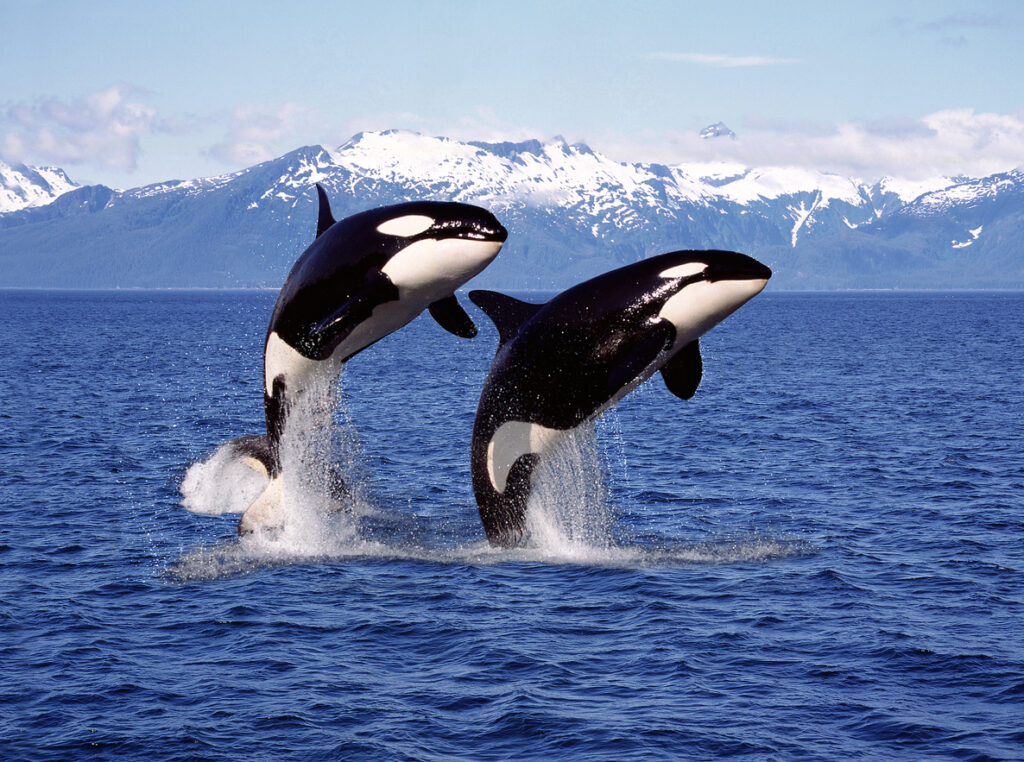
You’ve probably heard about the orcas that keep ramming boats around Spain and Portugal, and if you’re wondering whether it’s serious aggression or just messing about, the answer’s a bit of both. It’s become this fascinating but worrying behaviour that’s got marine biologists scratching their heads.
It started with one group and spread like a trend.
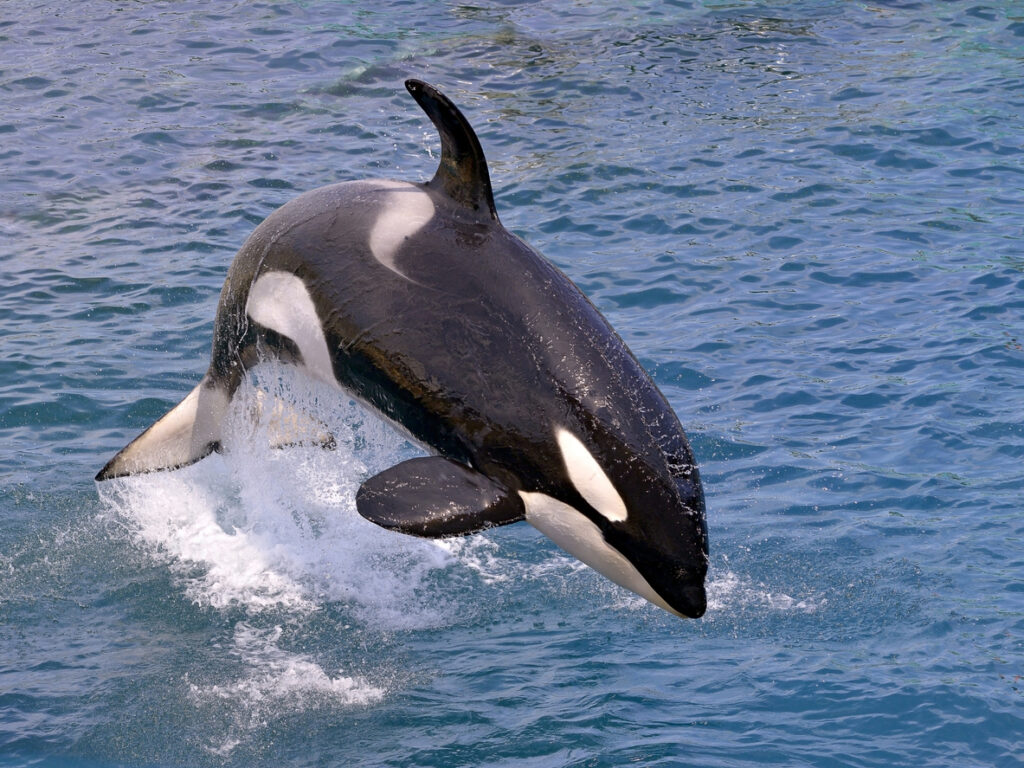
Since 2020, about 40 orcas from the Iberian Peninsula have been targeting boats, with over 500 interactions recorded and at least seven boats sunk. What’s mental is that this behaviour seems to have spread between different pods, like some sort of whale social media trend.
Scientists think it’s become a cultural element of this population, with young orcas growing up learning this as normal behaviour. It’s sort of similar to when kids pick up habits from older siblings, except these “kids” weigh several tonnes and can destroy your boat.
They’re specifically targeting rudders with surgical precision.
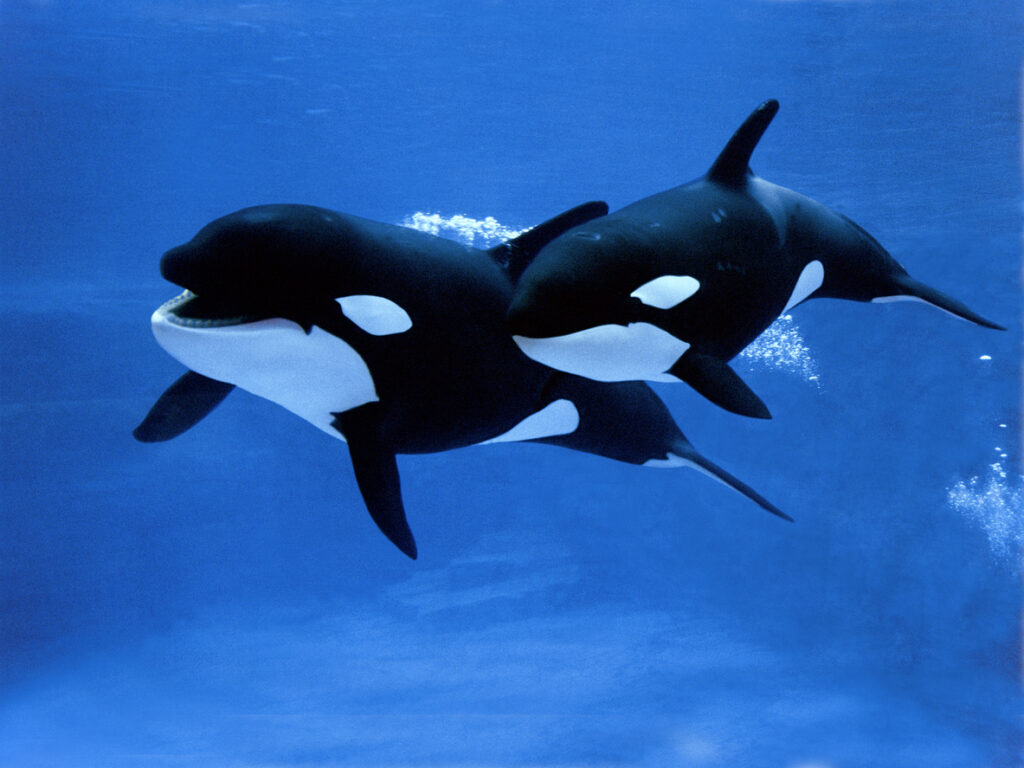
In almost every case, the orcas target the boats’ rudder, and swim off once it has been broken. They’re not randomly attacking boats, they seem to have worked out exactly which bit to hit to cause maximum problems.
During interactions, the animals remain cool, calm, and collected without any behavioural signs of aggression like splashing or loud vocalisations. This suggests it’s more calculated play than emotional outburst.
It’s mostly young orcas having what looks like fun.
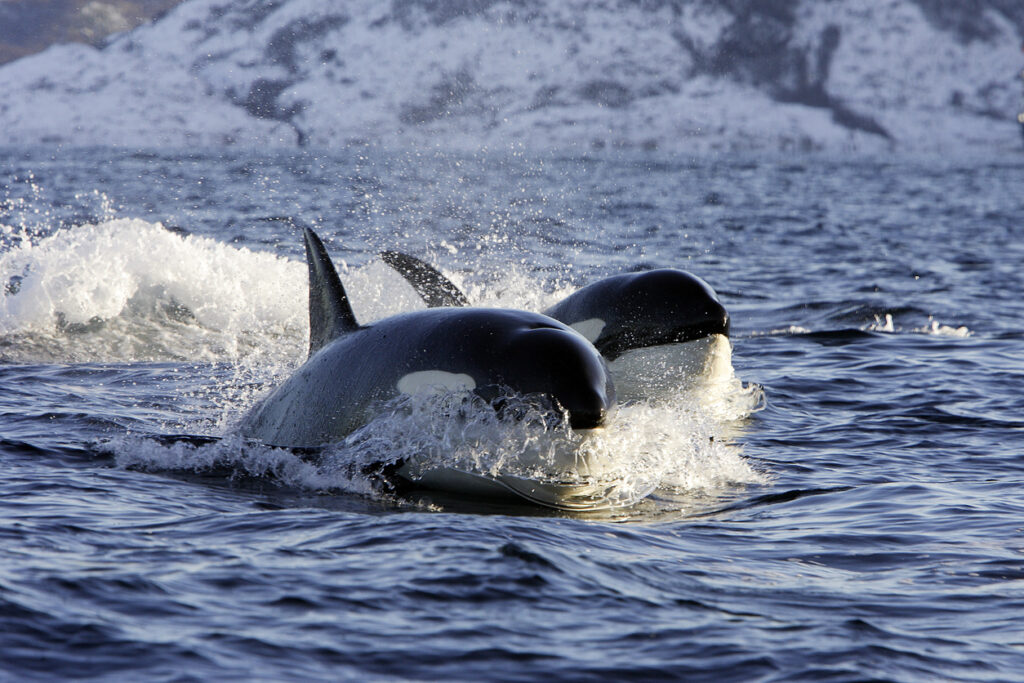
International researchers have attributed the behaviour to bored teenagers seeking entertainment, linking this boredom to the abundance of their primary food source, Atlantic bluefin tuna. Basically, when you’re not hungry, and you’re a massive intelligent predator, you need something to keep yourself entertained.
Experts say the whales seem to learn to play with boats from a young age, with scientists noting that if they wanted to sink boats, they’d be sinking them. The fact that most boats survive suggests this is play behaviour rather than genuine aggression.
They’re frighteningly intelligent and coordinated.
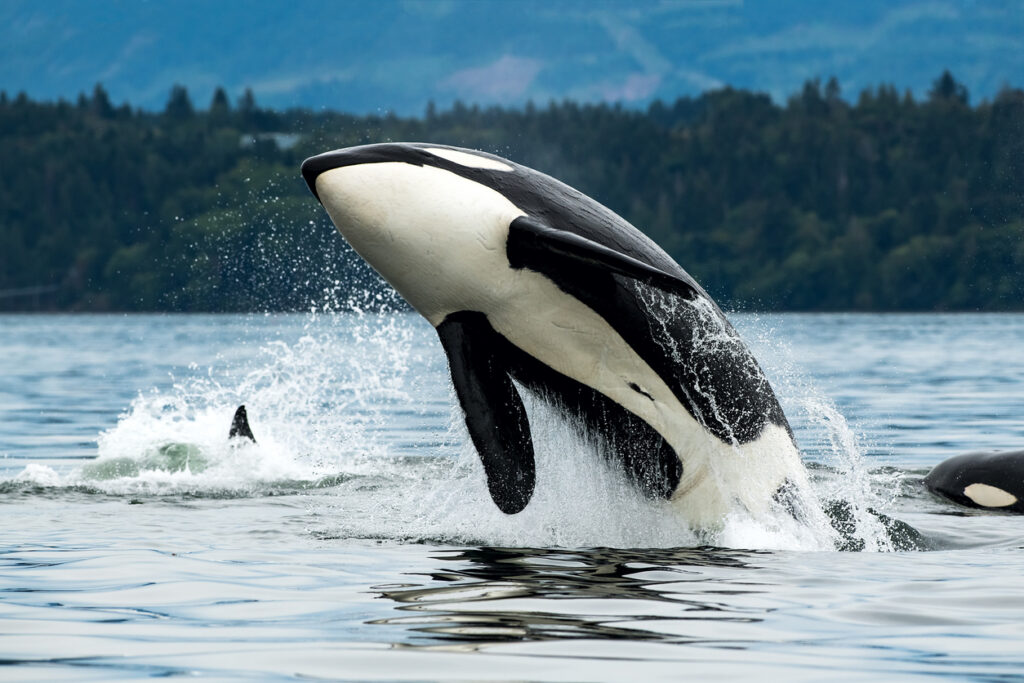
One captain who’s been attacked twice by the same pod said, “They are very powerful and smart. First time, we could hear them communicating under the boat. This time, they were quiet, and it didn’t take them that long to destroy both rudders.”
The orcas seem to be learning and adapting their techniques, which is both fascinating and terrifying. They’re not just randomly bashing boats, they’re developing strategies and possibly teaching each other more effective methods.
The interactions are becoming more widespread.
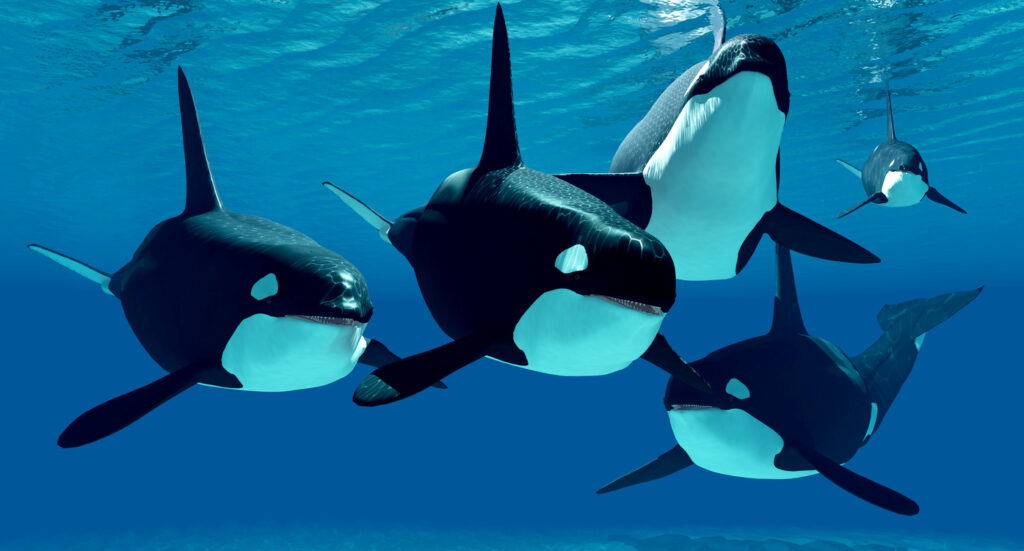
Encounters peaked in 2023 with 207 recorded during the year, dropping to 136 in 2024, and just 67 so far in 2025. The drop might be due to sailors avoiding the area, but incidents are now happening further from the original hotspots.
One Dutch sailor’s boat was rammed by an orca whilst he was travelling from Scotland to Norway, more than 2,000 miles away from Gibraltar. This suggests the behaviour might be spreading to other populations.
They’re not trying to hurt people (that we know of).
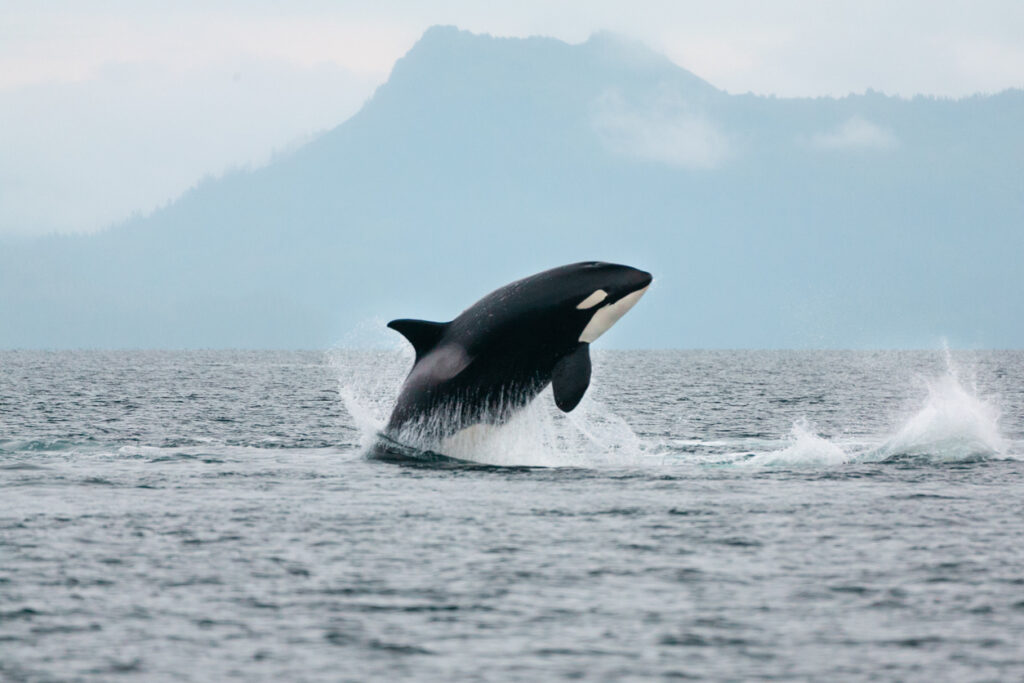
There’s no reason to suspect that the orcas are targeting the people aboard the boats, and there are only a handful of documented cases of wild orcas attacking humans. The orcas seem genuinely uninterested in the humans on board.
In one incident from 1976, after ramming and sinking an Italian yacht, the whales showed no reaction to the escaping humans just metres away from them. This supports the theory that it’s about the boats themselves, not the people.
It’s causing real problems for sailors.
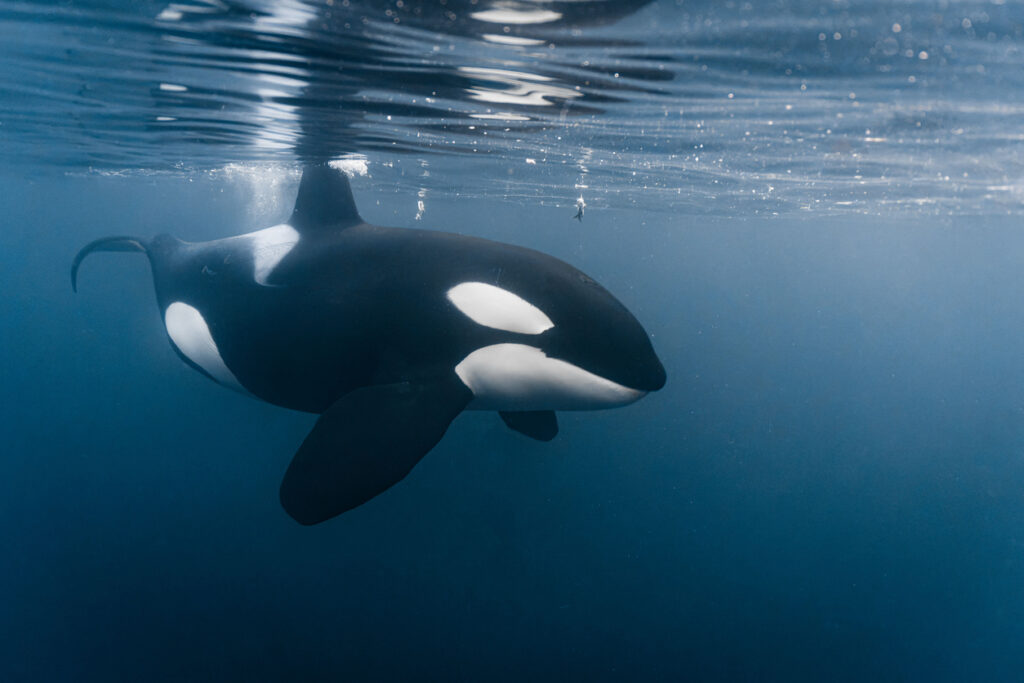
As one expert noted, “There is no reliable way to deter them, and sailors are completely at their mercy.” When a group of orcas decides to play with your boat, you’re basically stuck hoping they get bored quickly.
More than 250 boats were reported damaged between 2020 and 2023, which represents serious financial losses and genuine danger for people trying to sail through these waters.
The attacks follow specific patterns.
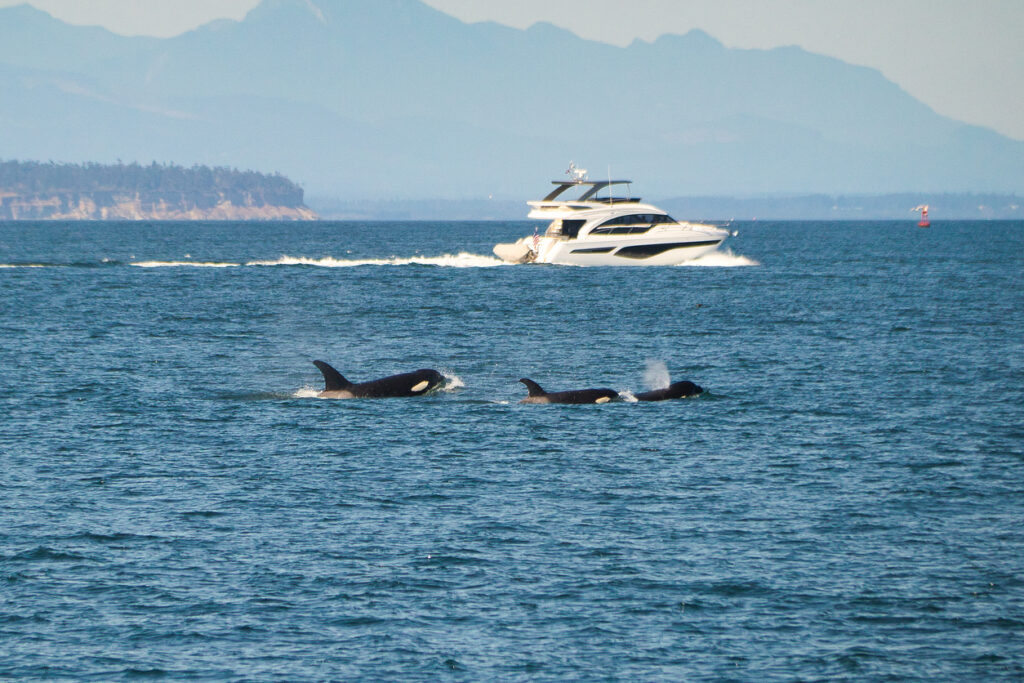
The behaviour has generally been directed towards slow-moving, medium-sized sailboats. They’re not interested in huge ships or tiny dinghies, suggesting they’ve got specific preferences for their “toys.”
Interestingly, the orcas weren’t attacking superyachts or fishing boats, rather they were targeting humble craft, sailing boats of the kind you can buy for the cost of a cheap used car. There might be something about these particular boats that appeals to them.
Scientists think it’s learned cultural behaviour.
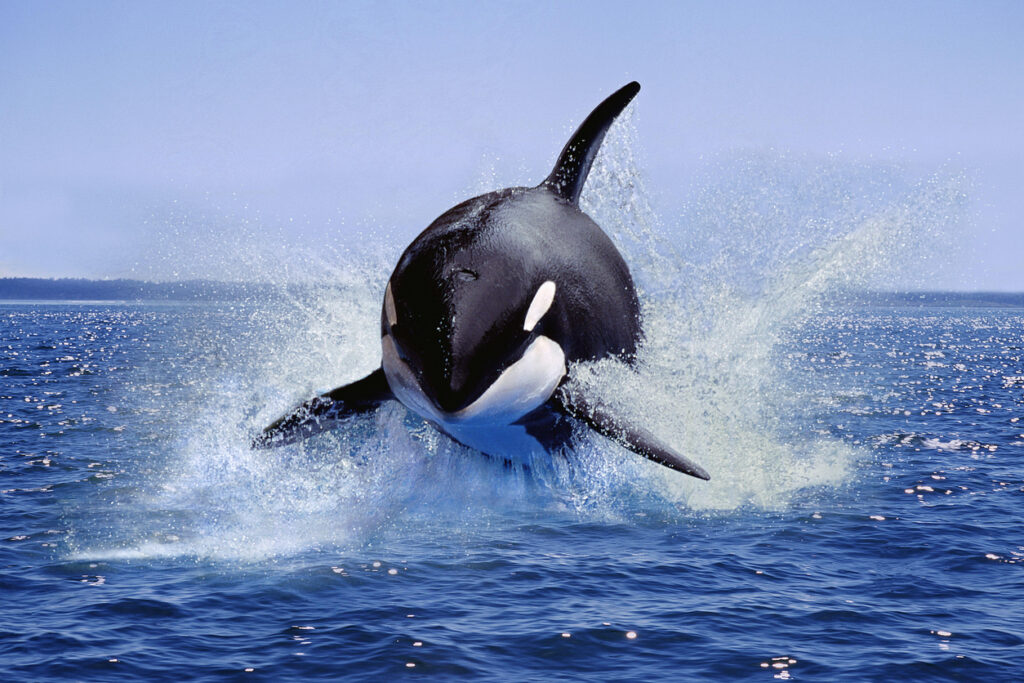
Researcher after researcher has insisted that orcas are not aggressive, and that attacking boats might very well be a form of play. The consensus seems to be that this is social learning rather than instinctive aggression.
Some of these whales are growing up with the game, and unfortunately, given we’re now in 2025, and they’re still doing it, it’s becoming a cultural element of this population.
Current deterrent methods aren’t very effective.

Boat captains are trying everything from firecrackers to blasting death metal on Bluetooth speakers, or bashing steel sticks against their hulls when orcas approach. Most of these desperate measures don’t seem to work consistently.
Spanish authorities now advise sailors to stick to shallow waters of 20m or less in orca hotspots, or avoid the areas completely where possible. Essentially, the advice is to run away rather than try to fight them off.
The orcas have been given individual names.
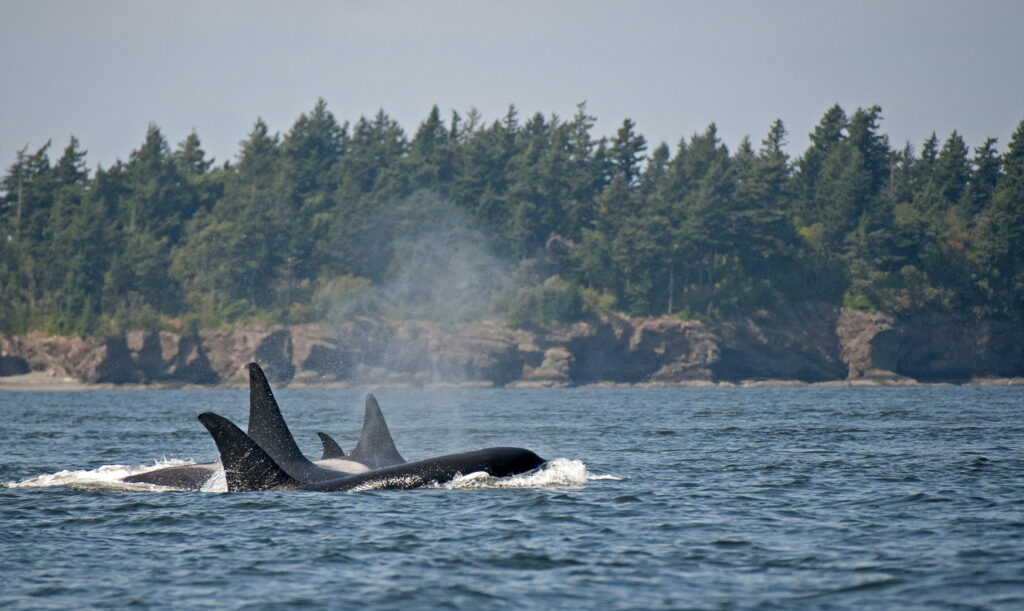
Fifteen individual orcas involved in the interactions have been identified through photography, with each given the designation “Gladis” after the old scientific name. The most famous is “White Gladis,” who seems to be one of the ringleaders.
Two pods have been identified, including adult White Gladis, her offspring, and her sisters. It’s basically a family business at this point.
The behaviour might be linked to increased food availability.
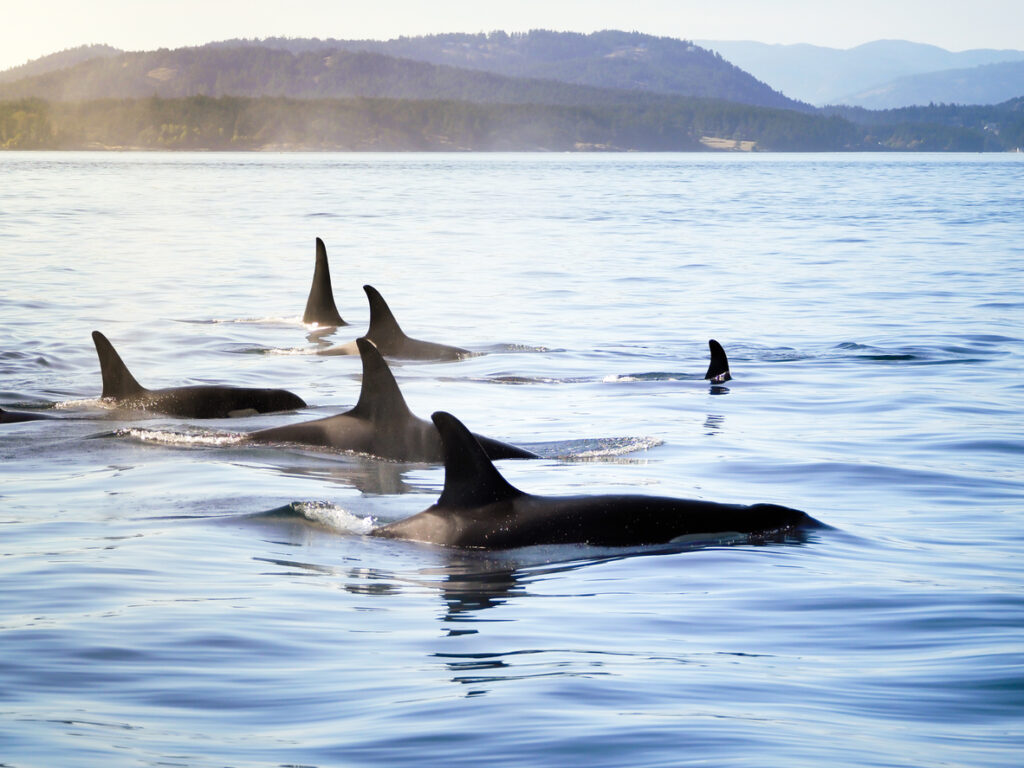
In past decades, when tuna was scarce, the mammals spent most of their time searching for food. However, now, with plenty of tuna available, the young orcas seemingly have more time to engage in playful activities.
It’s a bit like how humans get into more mischief when they’re not focused on survival. When your basic needs are met, you start looking for entertainment, and unfortunately for sailors, boat rudders have become the orcas’ favourite new game.
The long-term implications are still unknown.
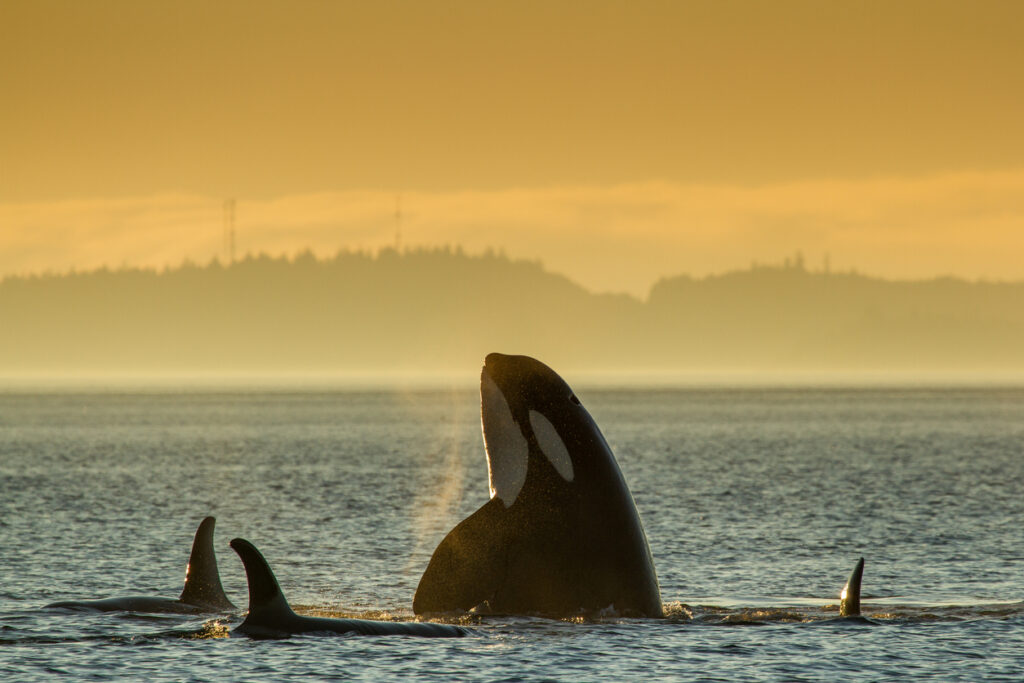
As one scientist concluded, “This is not a whale problem, it’s a people problem. They live there. That’s their home 24/7. We just sail through it. We’re in their living room. We are the guests.”
The big question is whether this behaviour will continue to spread, become more aggressive, or eventually fade out as the orcas lose interest. For now, sailors in these waters are basically dealing with the world’s largest and most intelligent delinquent teenagers who’ve discovered a new hobby.