Space photos always look breathtaking, but have you ever wondered how they’re actually taken? On the surface, it seems obvious: cameras in space snap a pic, and that’s that. That’s certainly a simplistic way of explaining it, but it’s far from the whole story. From satellites orbiting Earth to telescopes floating millions of miles away, there’s a lot of clever technology behind those incredible shots we see every day. (By the way, if you want to see some of them, the ESA has a great collection of 100 mind-blowingly beautiful photos.)
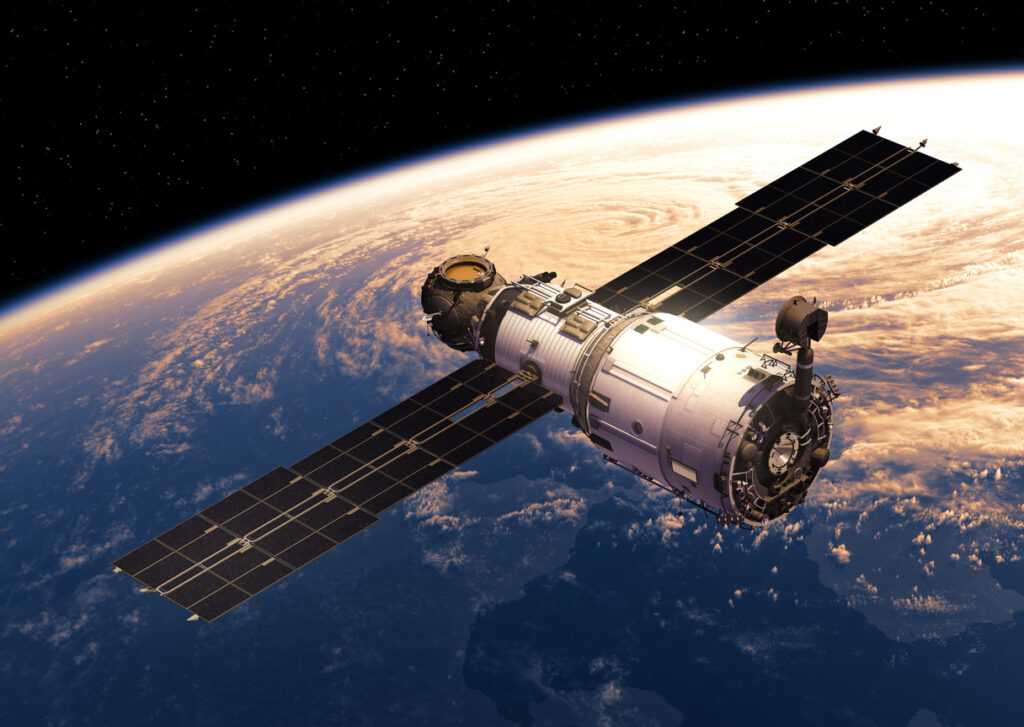
Satellites orbiting Earth
Some of the most familiar space photos are captured by satellites circling our planet. They carry cameras designed to photograph Earth from above, giving us stunning views of weather patterns, forests, and oceans. These images aren’t just pretty, but they also help scientists monitor climate, track storms, and study how our planet is changing. Without satellites, we’d have no way to keep such a close eye on Earth from above.
Astronauts with hand-held cameras
When astronauts head into space, they don’t leave their cameras behind. Many photos we’ve seen of Earth or life aboard the International Space Station were snapped by astronauts themselves, using specially adapted cameras. These shots give a human perspective that satellites can’t. They let us see what space looks like through the eyes of someone actually living there, which makes the images even more powerful.
Space telescopes
The most famous space photos often come from telescopes like Hubble or James Webb. Unlike telescopes on Earth, they float in space where there’s no atmosphere to blur the view, so the images are far clearer. These telescopes can capture galaxies billions of light years away. Their pictures show us parts of the universe we’d never see with the naked eye, helping scientists unlock mysteries far beyond our own planet.
Probes sent to other planets
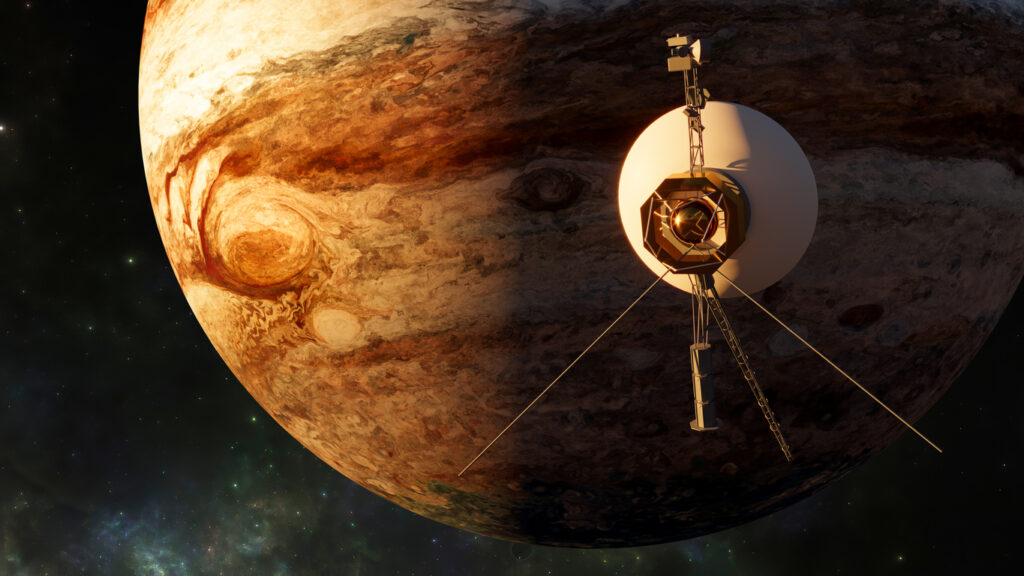
Space probes are robotic explorers that travel to planets and moons. They carry cameras to snap pictures during flybys or landings, sending those photos back to Earth for scientists to study. Without these probes, we wouldn’t have close-up views of Mars, Jupiter’s moons, or Saturn’s rings. Each mission gives us new images that completely change what we know about our solar system.
Rovers on planetary surfaces
On planets like Mars, rovers act like remote-controlled photographers. They roam the surface taking panoramic shots, selfies, and even microscopic images of rocks and soil. These photos give us a ground-level view of alien worlds. Rover images help scientists study terrain, search for signs of past life, and even guide future missions. They make other planets feel a little less distant by showing us what the landscape really looks like.
Infrared and ultraviolet cameras
Not all cameras see light the way our eyes do. Some use infrared or ultraviolet sensors to capture wavelengths we can’t normally see. These photos often look colourful because data is translated into visible images. By using these techniques, scientists can spot things like hidden stars, gas clouds, or the heat coming off planets. These unusual photos reveal parts of space that would otherwise stay invisible.
Long exposure photography
In space, light can be incredibly faint. To capture it, telescopes use long exposures, keeping their sensors open for hours to gather enough light from distant stars or galaxies. As a result, it creates sharp, detailed images. Without long exposure, most deep-space photos would be too dark to show anything. It’s this technique that lets us see dazzling pictures of galaxies and nebulae shining brightly in the darkness.
Image processing on Earth

Raw space photos don’t always look like the colourful images we see. They often come through in black and white or as streams of data. Scientists then process these using software to add colour and detail. Don’t worry, the processing isn’t fake; it highlights features our eyes would never pick up on their own. It brings out the hidden beauty of space, making the science more accessible to everyone.
Drones and mini satellites
Newer missions now use small satellites and drones to capture extra images. These are cheaper and easier to send into space, making it possible to take photos from angles or distances larger spacecraft can’t manage. This technology makes space exploration more flexible. With more cameras in different places, we’re able to build a fuller picture of what’s really happening beyond Earth.
Collaboration across the globe
Finally, many space photos come from joint efforts between countries. NASA, ESA, and other agencies share telescopes, satellites, and probes. Together, they produce a steady stream of breathtaking images of our universe. Global teamwork ensures we’re constantly learning more about space. Each shared photo helps scientists and inspires people around the world by showing us the vast beauty beyond our planet.