Back in 1971, in the deserts of ancient Mongolia, two dinosaurs once locked in battle and were preserved together in stone. This never before seen fossil sparked the famous question: if Protoceratops and Velociraptor fought, who would come out on top? While we can’t be 100% sure of the outcome, here’s what we do know that might give us a good idea.
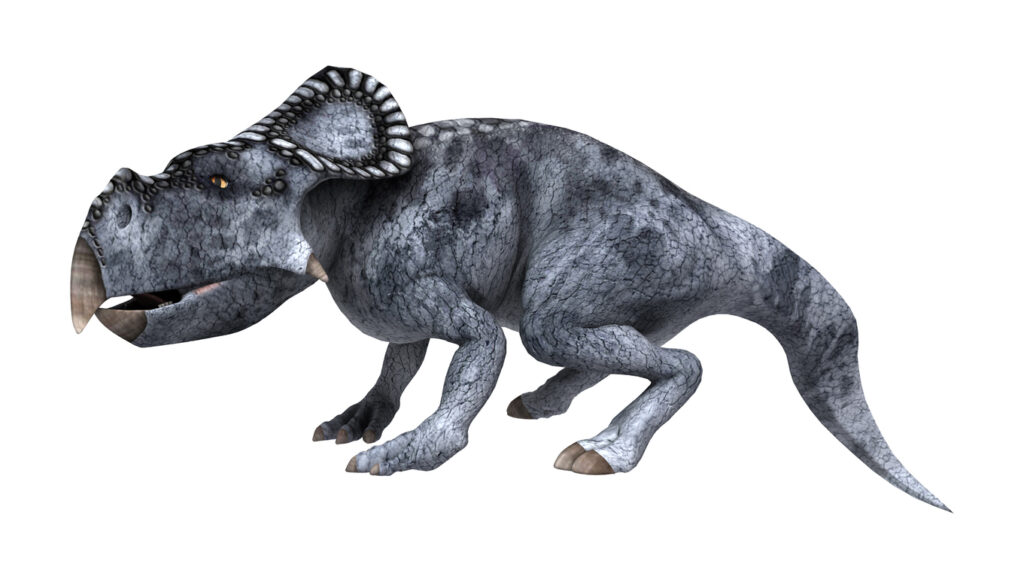
Protoceratops was the plant eater with a strong build.
Protoceratops was a small ceratopsian dinosaur, about the size of a sheep. It didn’t have huge horns like its later relatives, but it did have a strong beak and a bulky body that made it sturdier than it looked. Living in herds, these dinosaurs relied on numbers and their tough build to survive in harsh desert conditions.
The sturdiness of Protoceratops gave it a defensive edge. A strong bite from its beak could injure predators, and its squat frame meant it wasn’t easy to topple. People learning about this species often realise it wasn’t as defenceless as a typical plant eater might seem.
Velociraptor was smaller but faster.
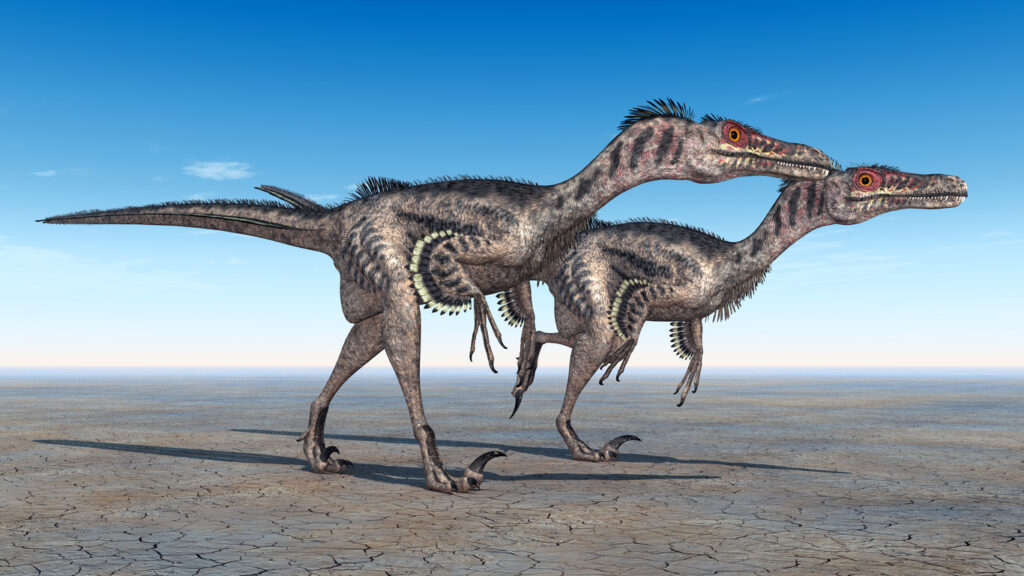
Velociraptor wasn’t the giant Hollywood predator people imagine. In reality, it was about the size of a turkey, with feathers and a lean build. What it lacked in size, it made up for with agility and intelligence. It had sharp claws, including the famous sickle-shaped one on each foot, designed for slashing and gripping prey.
That speed and agility gave Velociraptor the advantage of surprise. Instead of brute strength, it relied on quick strikes and clever manoeuvres. People who picture it as a monster often learn it was more about strategy than size.
The famous fossil shows they really fought.
One of the most remarkable fossils ever found shows a Protoceratops and Velociraptor locked together in combat. The Velociraptor’s claw is embedded in the Protoceratops’s body, while the plant eater’s beak is clamped on the predator’s arm. It’s rare to see such direct evidence of a prehistoric fight.
This fossil proves these animals did cross paths and clash. Rather than relying only on theory, we know they were well matched. People who see the fossil often realise it wasn’t a clear victory for either side. It was a struggle to the end.
Protoceratops had a crushing bite.
Even without large horns, Protoceratops had powerful jaws. Its beak could snap through tough plants, and in a fight, it could crush bone. The fossil evidence of it biting Velociraptor’s arm shows just how strong that bite really was.
This means Protoceratops wasn’t an easy meal. People often assume plant eaters were helpless, but this dinosaur proves otherwise. Its bite force alone could leave predators with serious injuries or even end the fight altogether.
Velociraptor’s claw was deadly in close combat.

The sickle claw on Velociraptor’s foot could slice into flesh, gripping prey and tearing at it during a struggle. Combined with sharp teeth, it was a formidable weapon. In a direct fight, it aimed to latch on and cause severe damage quickly.
This weapon made Velociraptor dangerous despite its small size. People who look at its claws realise they were its main advantage, giving it a chance to overcome larger or stronger opponents if it struck effectively.
Size and weight favoured Protoceratops.
Protoceratops weighed several times more than Velociraptor, which made a big difference. In any animal fight, weight can determine who ends up on top. Velociraptor’s agility helped, but it would have struggled against the sheer bulk of its opponent once pinned down.
This weight advantage suggests Protoceratops could often hold its ground. People comparing the two usually conclude that Velociraptor had to rely on speed and tactics because direct wrestling wasn’t in its favour.
Velociraptor probably hunted in groups.
Many scientists believe Velociraptors may have hunted in packs, though it’s still debated. If they did, a group of predators could take down a Protoceratops more easily. Alone, though, a single Velociraptor had a much harder task, especially if the prey fought back.
That possibility of teamwork changes the story. People new to the subject often realise Velociraptor’s true strength wasn’t just its claw, but also its potential to cooperate with others when hunting.
Environment played a huge role.
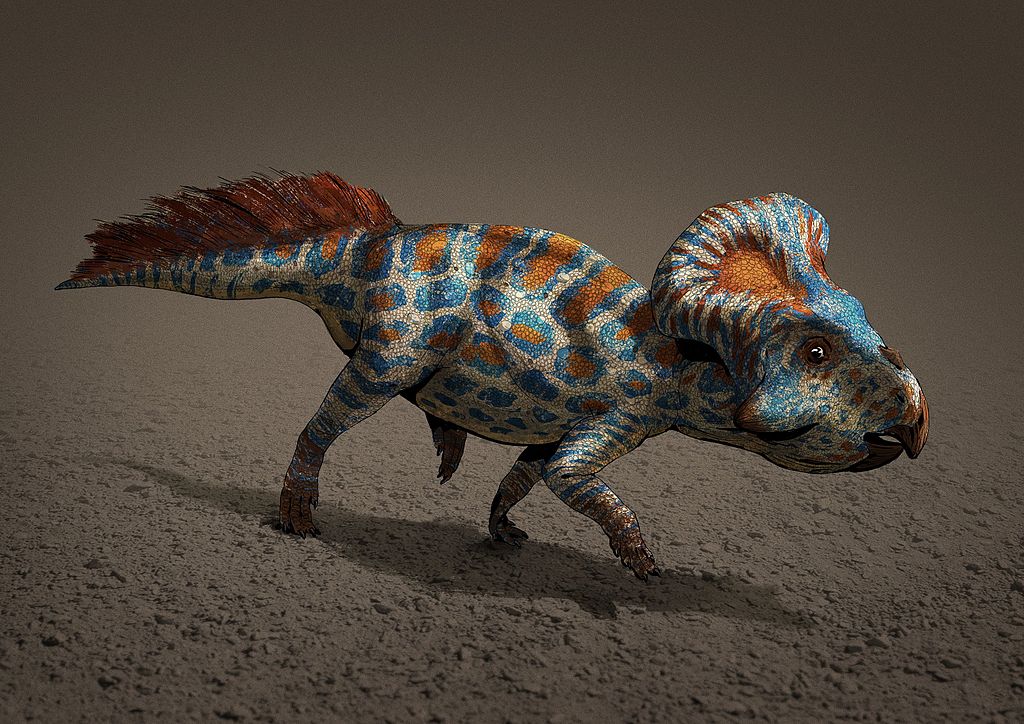
These battles happened in a dry desert environment with sandstorms, shifting dunes, and limited food. Conditions often decided the fight as much as strength or weapons. If Velociraptor struck when a Protoceratops was weak or isolated, it had the upper hand. In healthier times, Protoceratops likely resisted more effectively.
This shows that no fight happened in a vacuum. People learning about it discover that survival often depended on timing, luck, and environment as much as raw power.
The fossil hints at a draw.
The “fighting dinosaurs” fossil suggests neither side walked away. Both animals may have died together, possibly buried by a sudden sandstorm. Velociraptor had its claw in place, but Protoceratops’s beak locked down too. It’s evidence that both could win and lose at the same time.
For beginners, this fossil makes clear that nature doesn’t always produce a single victor. People who see it realise prehistoric battles were messy, with outcomes depending on many factors, not just weaponry.
Strength versus strategy explains the balance.
Protoceratops relied on size and defence, while Velociraptor used speed and precision. Each had strengths that countered the other, which explains why their fossilised fight ended in stalemate. It wasn’t always about who was stronger, but about who struck first or held longer.
This balance shows why the match-up still fascinates people. Most realise the answer to “who would win” depends on circumstance. Sometimes the plant eater’s bulk won out, and other times the predator’s claw gave it the edge.
Evidence suggests they were evenly matched.
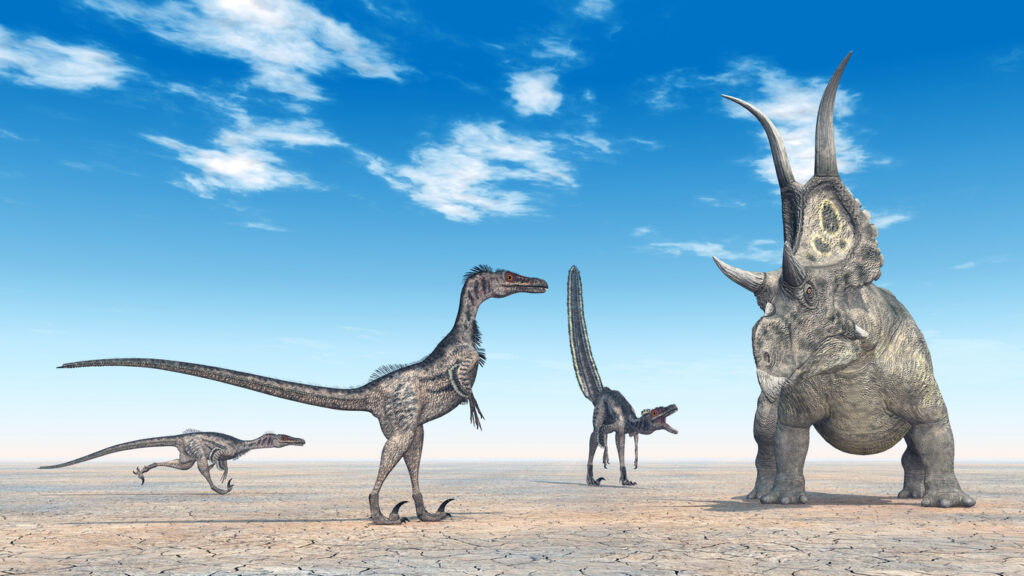
When scientists look at their fossils, they see predators and prey unusually close in ability. Unlike many plant eaters, Protoceratops had strong defences, and unlike many predators, Velociraptor was small but highly specialised. This made their battles far less one-sided than most dinosaur encounters.
People who study this comparison often come away surprised. The more you learn, the clearer it becomes that both dinosaurs had fair chances depending on the situation, which is rare in predator-prey relationships.
The final takeaway? Context decides the winner.
So, who would win? The truth is that it depended on the moment. If a Velociraptor attacked a young or weak Protoceratops, it probably succeeded. But against a healthy adult, Protoceratops could turn the tables with its bite and bulk. Their famous fossil shows us that sometimes both lost.
For beginners, the lesson is that prehistoric battles weren’t about one always beating the other. Instead, survival came down to timing, skill, and environment. That’s why the Protoceratops versus Velociraptor match-up still captures imaginations today.