Deinonychus, often called the “terrible claw,” is one of the dinosaurs that changed how scientists thought about these ancient creatures.

Far from being slow and sluggish, it showed that some dinosaurs were fast, intelligent, and highly adapted hunters. While they’re definitely a bit weird looking and not as notorious, it’s certainly a species that’s well worth knowing about.
1. Its name means “terrible claw.”
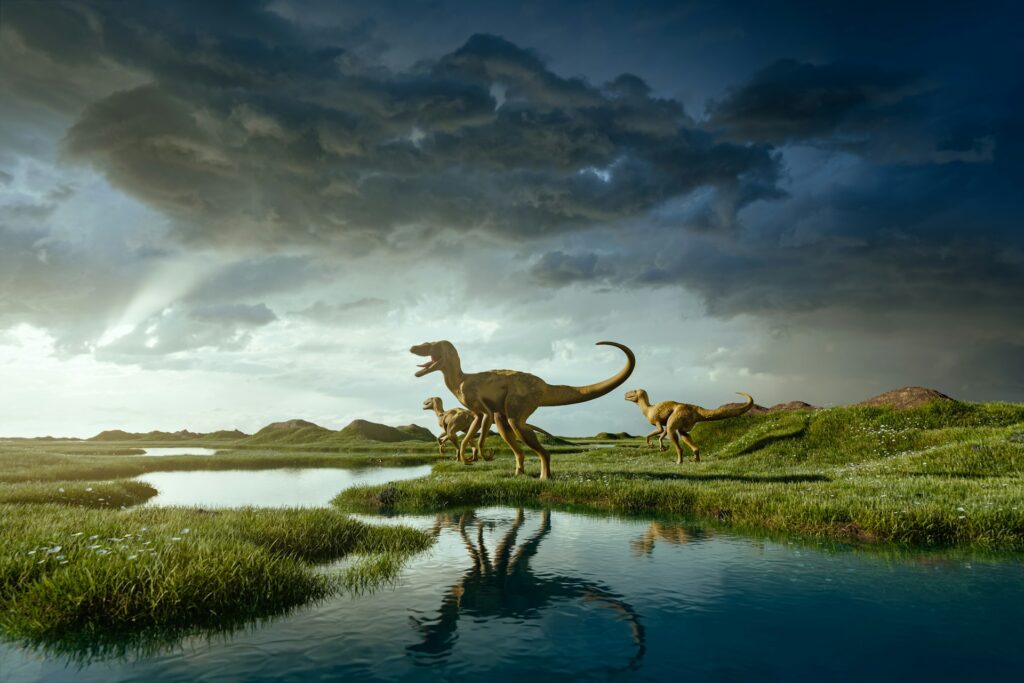
Deinonychus was given its name because of the large, sickle-shaped claw on each foot. This claw could reach over 12 centimetres long and was likely used for hunting and gripping prey. It gave the dinosaur a fearsome reputation, even millions of years later.
The name comes from Greek, with “deinos” meaning terrible and “onyx” meaning claw. Knowing the meaning helps explain why Deinonychus is remembered for its weapon-like feet rather than its size or speed.
2. It wasn’t especially big.
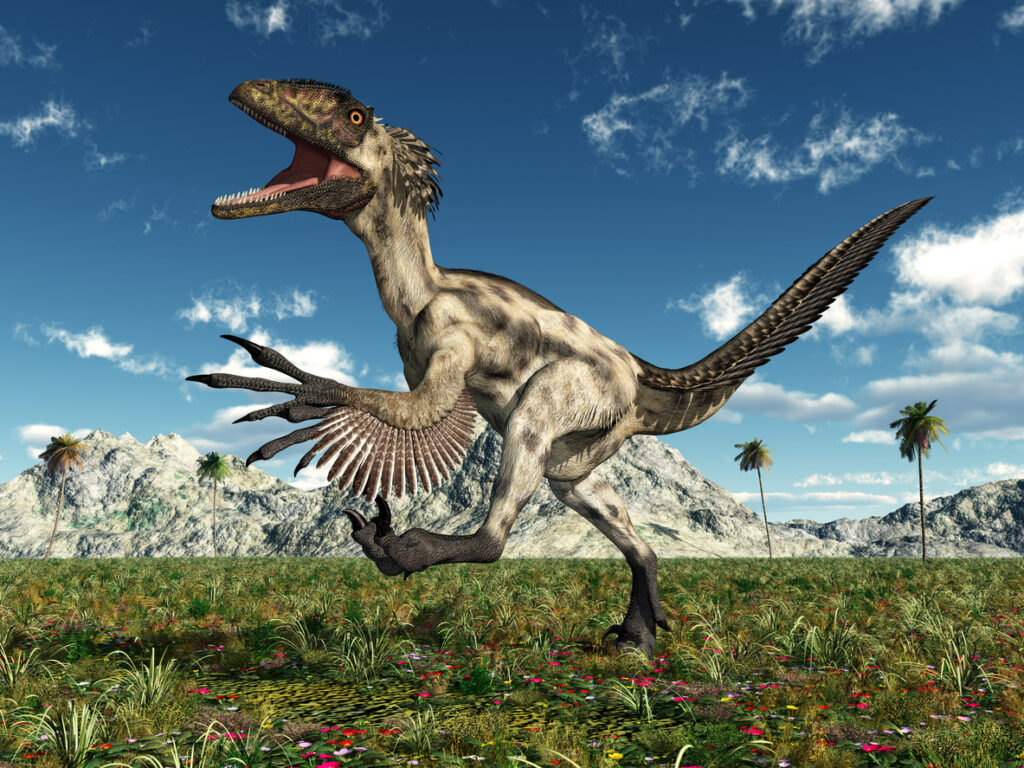
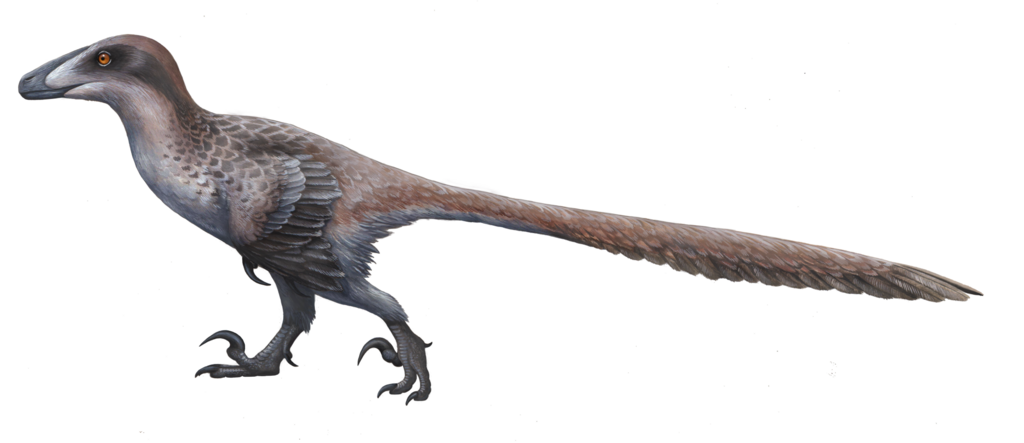
Despite its fearsome image, Deinonychus wasn’t a giant dinosaur. Adults measured about three metres long and less than a metre tall at the hip. It weighed roughly the same as a large dog, far smaller than many people imagine.
Its power came from agility rather than sheer size. By being lightweight and fast, it could hunt effectively without needing to be enormous, which is why it thrived in its environment.
3. It lived during the Early Cretaceous.

Deinonychus roamed Earth around 115 to 108 million years ago during the Early Cretaceous period. This was a time when flowering plants were spreading, and many well-known dinosaurs were beginning to dominate the landscape.
Knowing when it lived helps place Deinonychus in context. It existed long before famous species like Tyrannosaurus rex, showing how different dinosaurs ruled during different ages.
4. Its discovery changed dinosaur science.
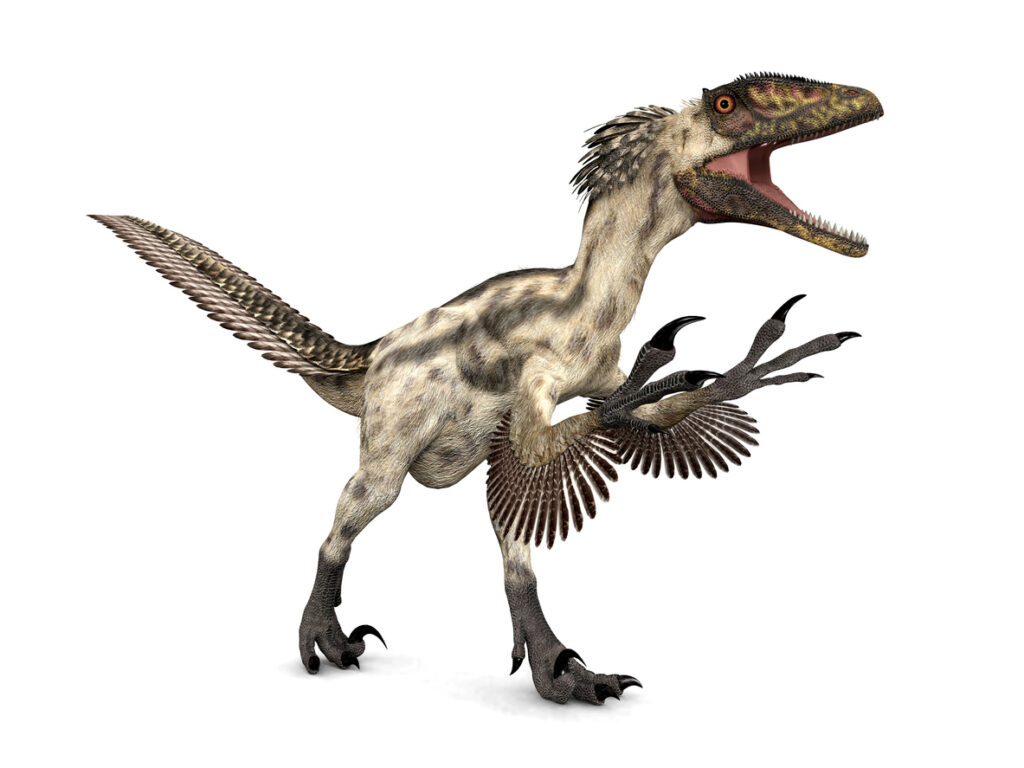
When fossils of Deinonychus were found in the 1960s, they challenged old views of dinosaurs as slow and sluggish. Instead, it suggested dinosaurs could be active and intelligent hunters. This discovery sparked what’s now called the “dinosaur renaissance.”
For beginners, this means Deinonychus was central in shifting the image of dinosaurs. It encouraged scientists to study them as dynamic animals, not just lumbering reptiles of the past.
5. It may have hunted in groups.

Evidence suggests Deinonychus may have worked together to bring down prey much larger than themselves. Fossils of multiple individuals found near the remains of big plant-eating dinosaurs point toward cooperative behaviour, although it’s still debated.
If this is true, group hunting would have given them a huge advantage. It shows that some dinosaurs may have been more socially complex than once believed, making them even more fascinating to study.
6. It shared features with birds.

Deinonychus had many bird-like traits, such as lightweight bones and a stiff tail for balance. Fossil evidence also suggests it likely had feathers, though it couldn’t fly. These features highlight its close evolutionary link to modern birds.
Seeing these connections helps explain why scientists now view birds as living dinosaurs. Deinonychus provides a clear example of how those ancient links still exist today.
7. Its claw was a deadly weapon.

The sickle-shaped claw wasn’t just for show. It was sharp and curved, designed to slash or grip struggling prey. By kicking with strong legs, Deinonychus could use this claw to wound or hold animals while it attacked with its teeth.
This adaptation gave it a distinct edge as a predator. The claw’s design shows how evolution equipped Deinonychus for survival in its competitive world.
8. It had sharp, serrated teeth.
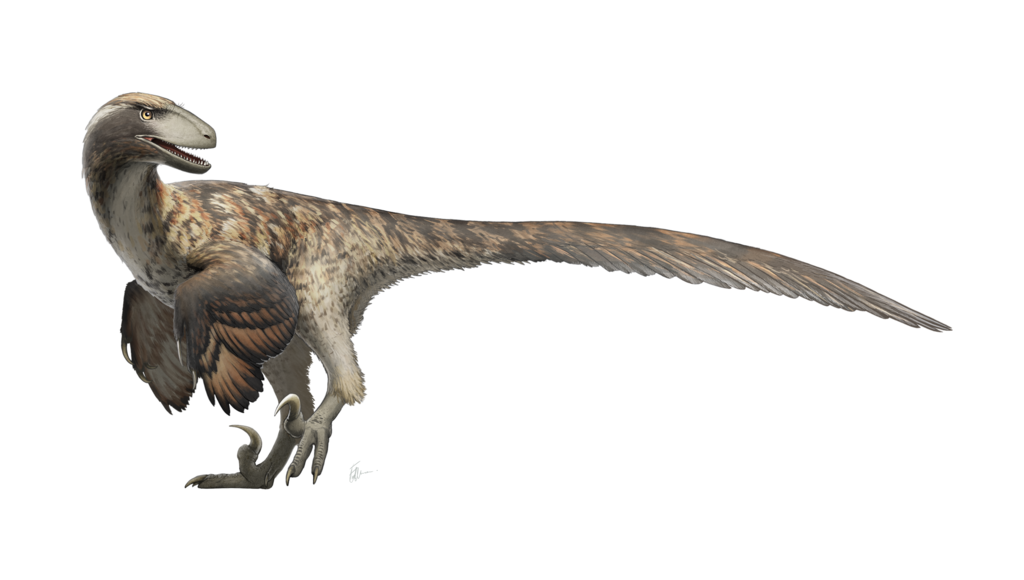
Like many meat-eating dinosaurs, Deinonychus had teeth shaped for slicing flesh. They were serrated, much like a steak knife, which made them efficient for cutting through meat. Combined with its claws, this made it a dangerous hunter.
The teeth also provided valuable fossil evidence. Scientists could study their shape and wear to better understand how Deinonychus fed and what it ate in its environment.
9. It lived in what’s now North America.

Fossils of Deinonychus have been discovered in places like Montana, Wyoming, and Oklahoma. These areas were very different millions of years ago, featuring warm climates and lush environments filled with plants and prey animals.
By knowing where it lived, scientists can piece together its role in prehistoric ecosystems. Deinonychus thrived in regions that supported plenty of food and space to hunt.
10. It inspired the “raptors” in films.
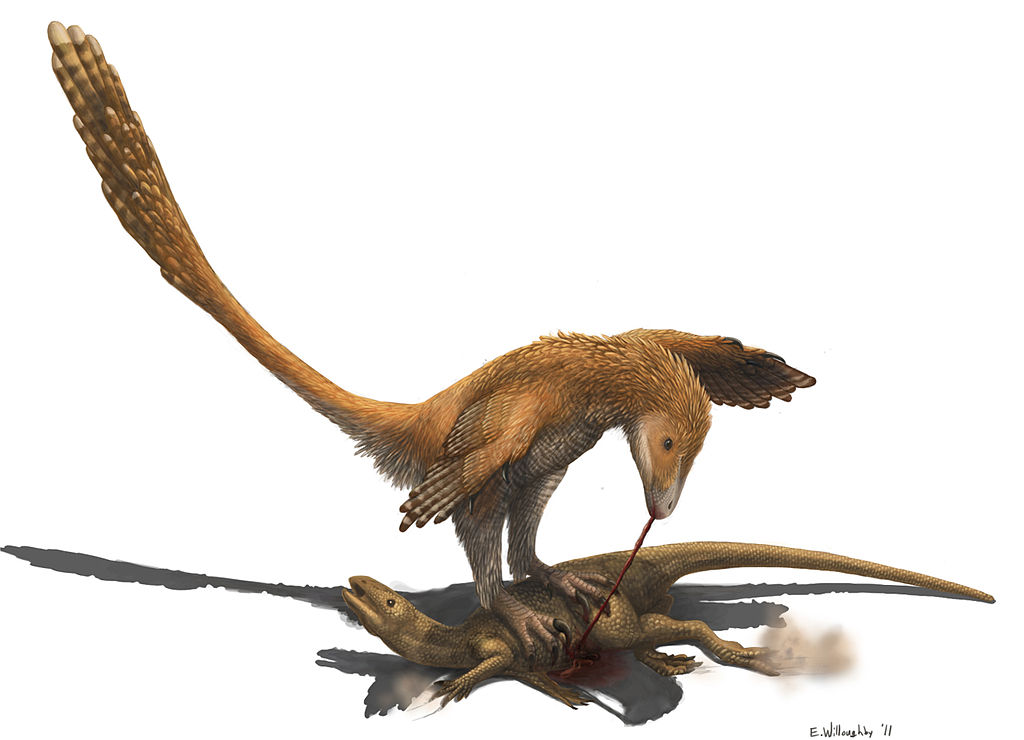
Although Velociraptor is often credited, the dinosaur seen in films like Jurassic Park is closer in size and appearance to Deinonychus. Popular culture made raptors household names, but it was this species that really fit the on-screen image.
It shows how Deinonychus has shaped public imagination. Even if Hollywood blurred the details, the real dinosaur remains impressive and worthy of attention.
11. Its stiff tail helped with balance.

Deinonychus had a long, stiffened tail supported by rods of bone. Its tail acted as a counterbalance when it ran or leapt, helping it stay stable while chasing or attacking prey. Agility was key to its hunting success.
By studying its tail structure, scientists learned how Deinonychus could move so effectively. It highlights how every part of its body worked together for speed and precision.
12. It lived alongside large herbivores.

Fossils show Deinonychus shared its world with plant-eating dinosaurs like Tenontosaurus. These animals were much larger, which is why Deinonychus may have needed to hunt cooperatively. Its environment provided both challenges and opportunities.
Understanding its neighbours helps explain its role as a predator. By adapting to hunt bigger prey, it carved out a place in ecosystems that were full of competition.
13. It was smarter than many dinosaurs.
Studies of brain size suggest Deinonychus was relatively intelligent compared to other dinosaurs. Its larger brain likely helped with coordination, hunting, and possibly social behaviour. Intelligence would have been a key factor in its survival.
This challenges the idea that dinosaurs were simple creatures. Deinonychus proves some species were clever and capable, offering a more complex picture of prehistoric life.