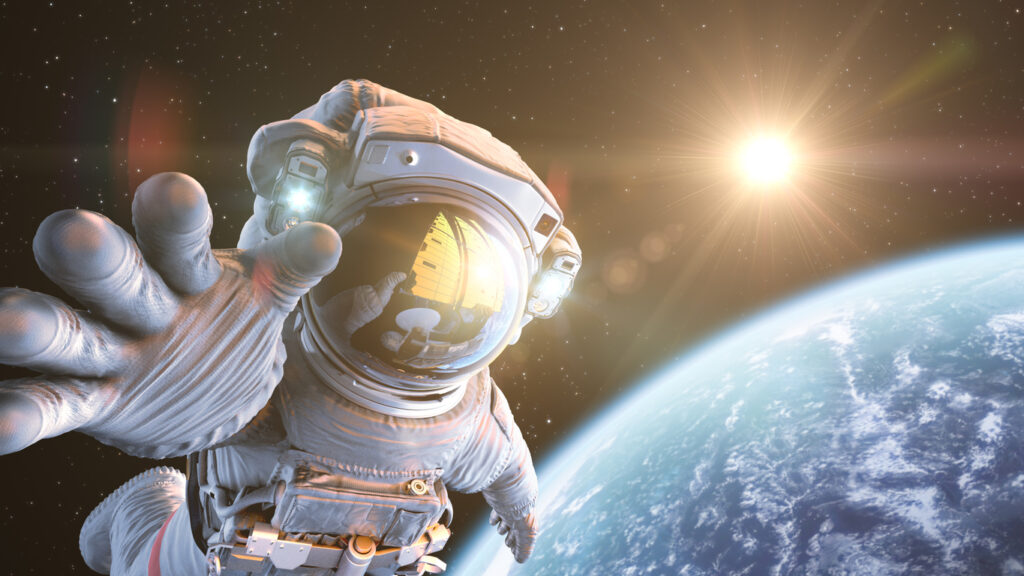
Living and working in space sounds exciting, but it comes with unique challenges you wouldn’t face on Earth. From eating and sleeping to staying healthy and productive, astronauts must adapt to a completely different environment. Here’s what we know about what daily life in orbit is really like. Would you want to do it?
Eating meals in microgravity
Food behaves differently in space because there’s no gravity to keep it on plates. Meals come in pouches, often freeze-dried, and must be rehydrated with water before eating. Without care, crumbs and droplets can float away and damage equipment or be inhaled.
Astronauts adapt by using sealed containers and utensils with Velcro to keep things in place. It takes practice, but eventually meals feel normal again. Sharing food with colleagues becomes a big part of maintaining morale far from home.
Drinking water without spills
In microgravity, water forms floating spheres instead of pouring normally. Drinking from an open cup is impossible, so astronauts use straws attached to pouches. Even something simple like hydration becomes a carefully managed task in orbit.
As time goes on, they get used to handling water bubbles safely. The process teaches patience and precision, and it highlights how even the most basic daily habits must be rethought in space.
Sleeping strapped in
Without gravity, astronauts can’t just lie down in bed. They sleep in small sleeping bags secured to the wall or ceiling to stop them from drifting. While comfortable enough, the sensation of floating can make sleep feel unusual at first.
To improve rest, astronauts follow strict schedules and sometimes use eye masks or earplugs. Eventually, their bodies adjust to the rhythm, and floating sleep becomes part of life rather than a novelty.
Exercising daily to stay healthy
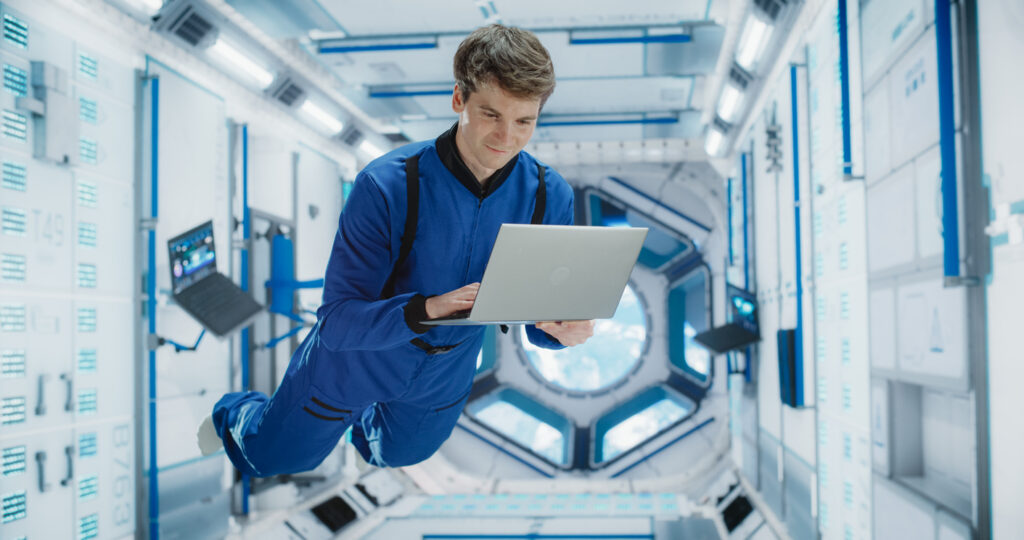
Microgravity causes muscles to weaken and bones to lose density quickly. To counter this, astronauts must exercise for about two hours a day using special machines designed for weightless conditions. Skipping workouts isn’t an option if they want to stay fit.
Though demanding, these sessions become routine. Exercise not only maintains health but also helps relieve stress, keeping astronauts both physically and mentally strong during long missions.
Using the toilet in space
Going to the toilet in space is complicated. Special toilets use air flow to direct waste into containers because gravity isn’t there to help. Learning the system takes practice and patience, but it’s an unavoidable part of daily life.
While not glamorous, the system is highly effective once mastered. Astronauts learn to handle it with humour, reminding themselves it’s just another adjustment in adapting to life far from Earth.
Keeping clean without showers
Showers aren’t possible in space because water droplets would float everywhere. Instead, astronauts use rinseless wipes, no-rinse shampoo, and careful sponge baths. Hygiene takes longer, but it’s essential for comfort and health in a closed environment.
After a while, these routines become second nature. While not the same as a hot shower, they’re good enough to stay clean, and astronauts learn to appreciate small luxuries like fresh clothes even more.
Managing mental health
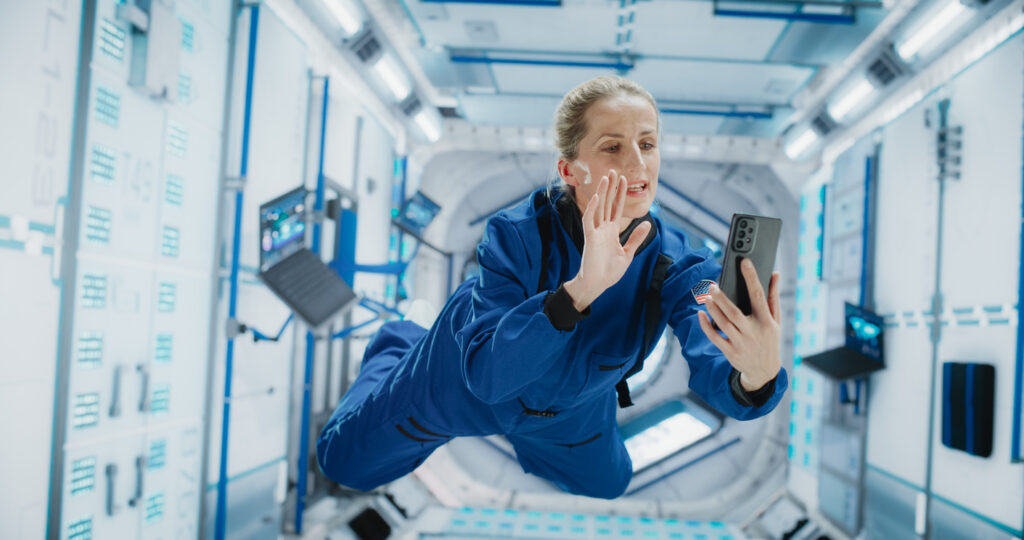
Being far from Earth for months can be emotionally draining. Astronauts may feel isolated or homesick, and the confined space can intensify stress. Mental health support is just as important as physical wellbeing in such demanding conditions.
Regular video calls with family, scheduled downtime, and shared social activities help. Focusing on teamwork and communication ensures they feel connected, even when thousands of miles away from home.
Working long but structured days
Space missions run on strict timetables to keep everything organised. Astronauts may spend their days conducting experiments, maintaining equipment, or even performing spacewalks. Without structure, time could easily blur in an environment without normal day-night cycles.
The routine creates a sense of stability. Knowing what to expect each day keeps the crew focused and productive, making long missions manageable rather than overwhelming.
Handling emergencies calmly
Space isn’t forgiving, so emergencies require quick, careful action. Fire, pressure leaks, or equipment failures are rare but serious. Astronauts train extensively before launch to ensure they know exactly how to respond when things go wrong.
This preparation builds confidence. By rehearsing emergencies on Earth, astronauts are ready to act without panic, knowing their reactions could mean the difference between safety and disaster.
Conducting science experiments
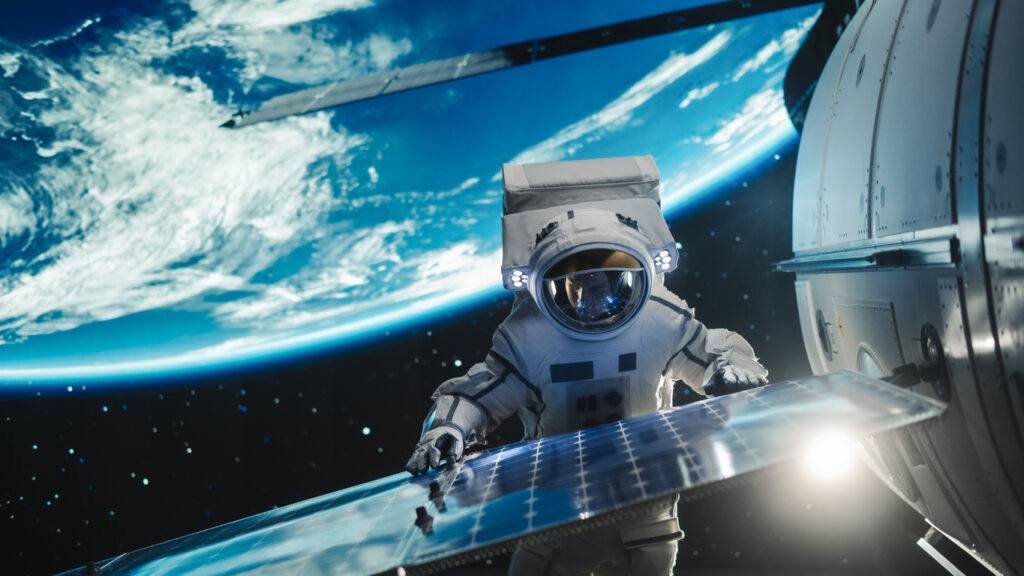
Much of life in space involves research. Astronauts run experiments in medicine, physics, and biology that can’t be done on Earth. Microgravity provides unique conditions that help scientists learn more about how the world works.
Carrying out experiments requires patience and precision, as even tiny mistakes can affect results. The work can be demanding but also rewarding, knowing discoveries in space often benefit life back on Earth.
Coping with limited space
Living quarters on the International Space Station are small and functional. Astronauts must adapt to tight conditions, where privacy is limited, and personal items are few. At first, this can feel restrictive, especially during long missions.
Over time, astronauts adjust by creating small routines that make the space feel homely. A photo, a book, or a music playlist can make a big difference, helping them stay grounded despite the unusual environment.
Looking back at Earth

One of the most striking parts of life in space is the view. Looking down at Earth from orbit can be overwhelming and emotional. Astronauts often describe a sense of awe and connection when they see the planet from above.
These moments provide perspective and motivation. The view reminds them why their work matters and helps balance the challenges of living so far away from home.
Preparing to return home
After months in microgravity, returning to Earth is a major adjustment. Muscles feel weak, balance is affected, and even standing can be a challenge. Astronauts need rehabilitation to adapt to gravity again and rebuild their strength.
Despite the difficulty, most are eager to return to normal life. Reuniting with loved ones and enjoying everyday comforts like fresh air and walking outdoors make the transition worthwhile, reminding them of what they achieved in space.