Britain’s caves might not look lively at first glance, but they’re home to some surprisingly tough creatures.
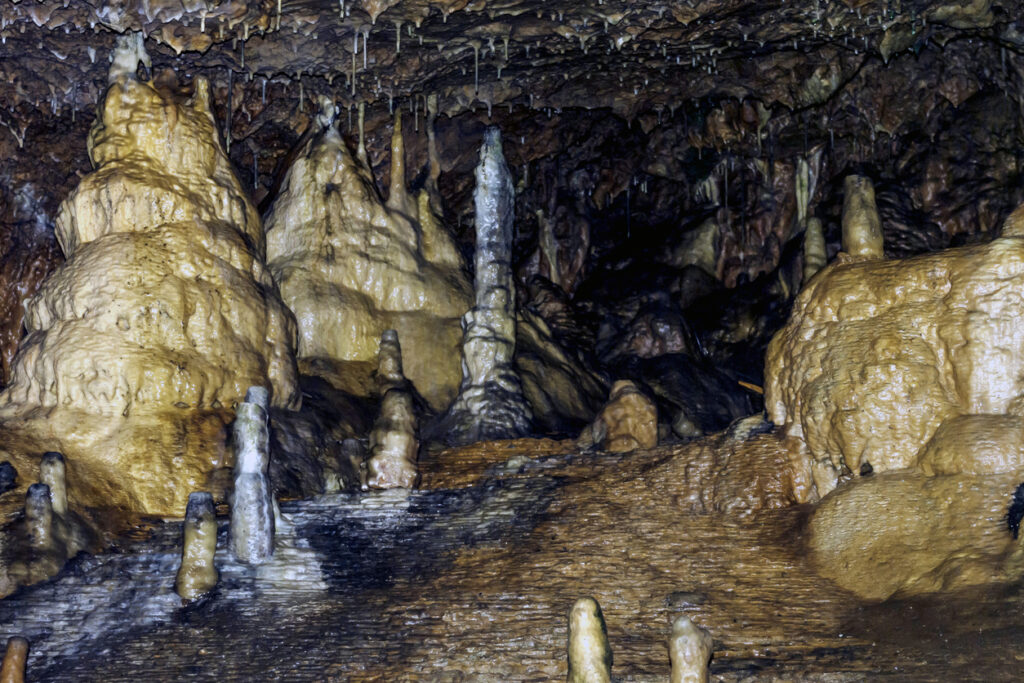
These animals and insects have learned to survive with little light, limited food, and constant dampness. We don’t get to lay eyes on them very much, but the fact that they can survive and even thrive in so much darkness is pretty impressive. These are just some of the incredible creatures hiding deep way out of sight.
1. Bats roosting in hidden chambers

Bats are probably the most famous cave residents. In Britain, species like the greater horseshoe and Daubenton’s bat use caves as safe roosts. The darkness offers protection from predators and a stable temperature during hibernation, which makes caves vital to their survival.
Protecting these spaces is key. If you explore caves, avoid disturbing bat colonies, as sudden noise or light can disrupt their rest. People who respect bat habitats help keep populations healthy across the country.
2. Cave spiders spinning webs in the dark
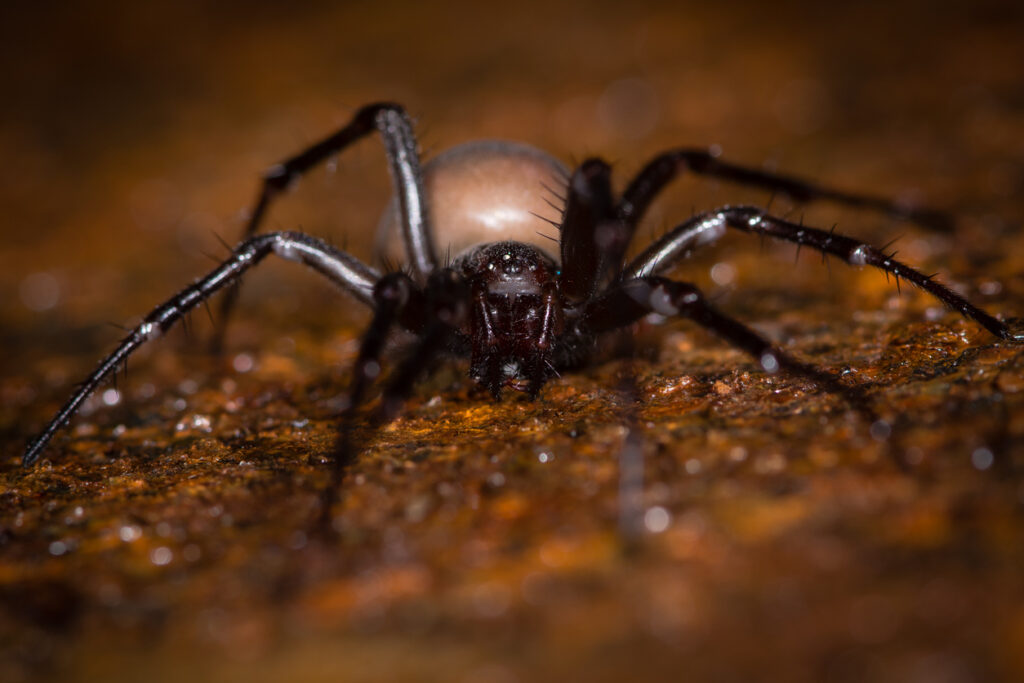
Cave spiders might look intimidating, but they’re harmless to humans. They spin large webs in dark, damp corners, waiting for small insects to wander in. Their long legs and patient hunting style make them well suited to the shadows.
Leaving spiders alone is the best way to support them. They control insect numbers underground, and people who understand their role see them as important cave workers rather than something to fear.
3. Amphipods crawling in underground streams
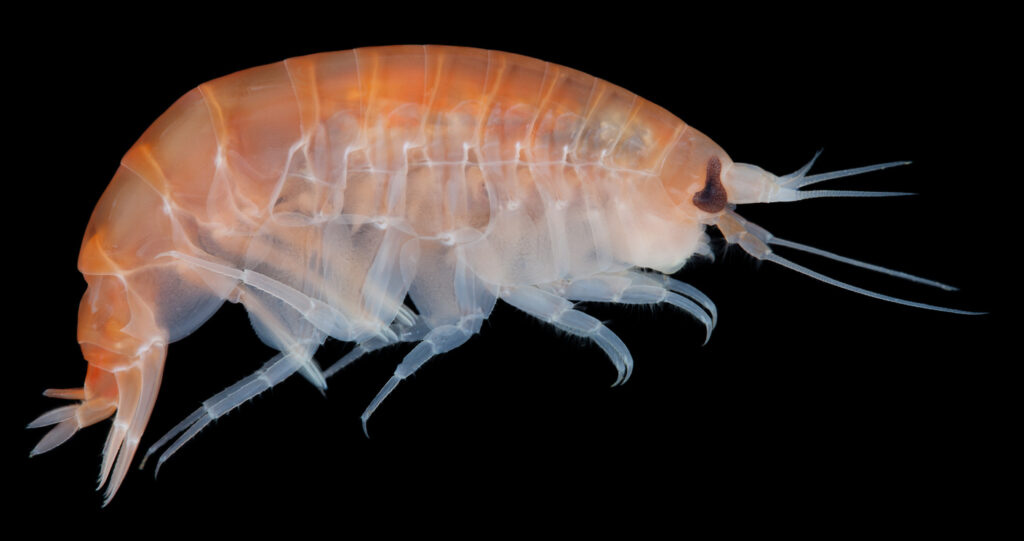
Amphipods are tiny, shrimp-like crustaceans that scuttle around in cave pools and streams. They’ve adapted to low-light conditions by developing sensitive antennae that help them feel their way through the water. Their role is to feed on decaying matter and recycle nutrients back into the system.
These creatures show how even small animals keep caves balanced. Protecting underground water from pollution is vital because most amphipods can’t survive in contaminated environments. Clean water means healthy cave life.
4. Glow-worm larvae lighting the walls
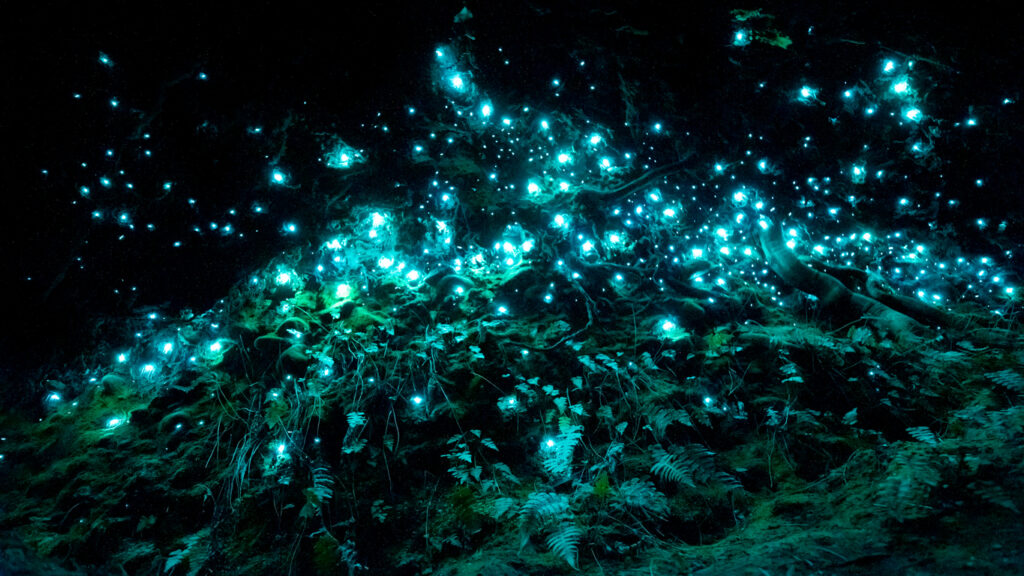
Some caves in Britain shelter glow-worm larvae, which give off faint green light. This glow helps attract small insects that become their food. While they’re more common in grasslands, caves provide a safe and damp space for them to thrive.
Glow-worms remind us of the hidden magic underground. People who protect dark habitats from artificial light and disturbance often see these creatures flourish in greater numbers.
5. Cave beetles searching for scraps
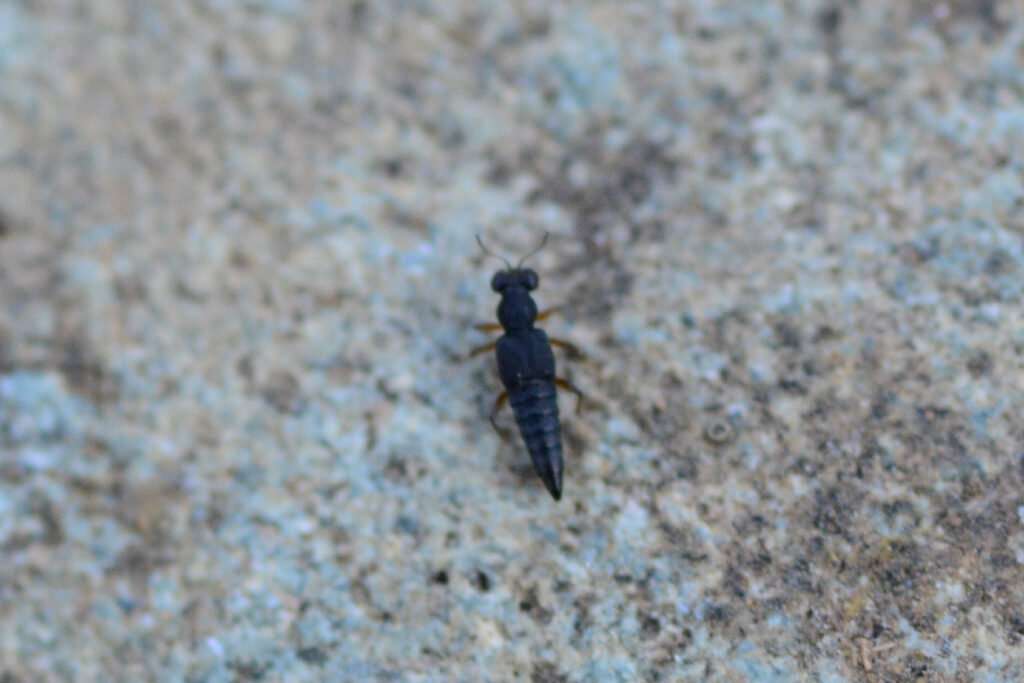
Several species of beetles live in the UK’s cave systems, surviving on whatever food drifts in. They often have strong jaws for chewing through organic matter and rely on keen senses of smell to guide them in the dark.
Beetles are an important part of the cave clean-up crew. Supporting them means keeping caves free of litter and respecting their fragile environment. Even tiny changes above ground can affect their survival below.
6. Moths resting in cool corners
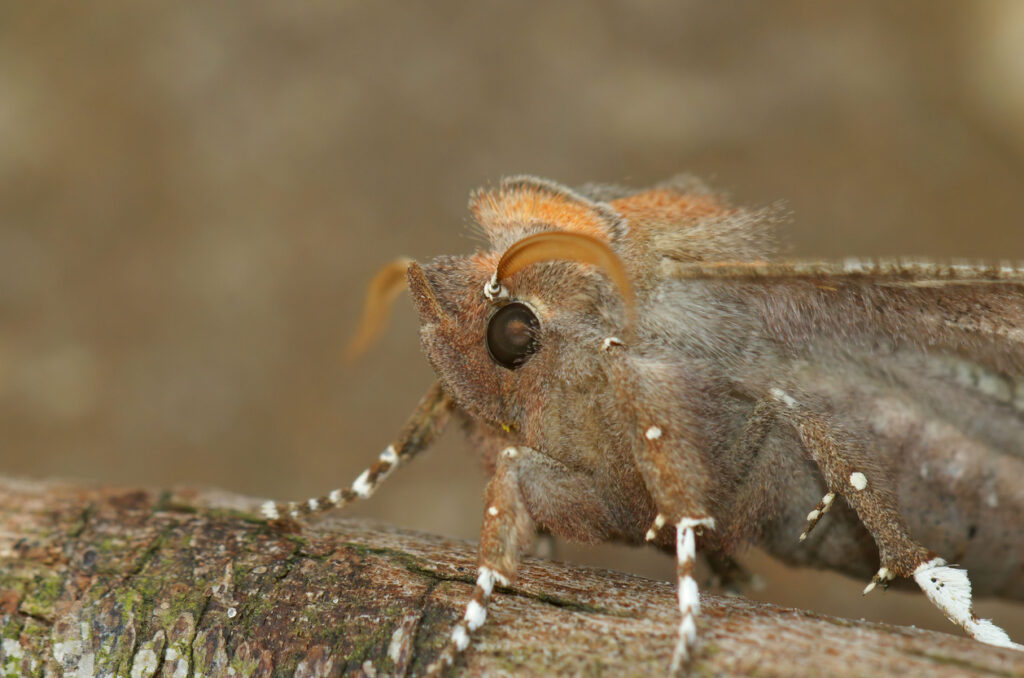
Caves provide the perfect resting place for moths during the day or through the colder months. The stable temperature protects them from harsh weather, and the still air gives them a quiet space to remain undisturbed.
These insects are sensitive to movement and light, so disturbing them can cause stress. Visitors who tread carefully and avoid shining torches directly on moth clusters help preserve their fragile cycle.
7. Springtails bouncing across cave floors

Springtails are tiny insects you’ll often see hopping across damp cave floors. They thrive in moist conditions, feeding on fungi, mould, and decaying plant material. Their ability to jump helps them escape predators, even in the dark.
They may be small, but they keep nutrient cycles moving underground. Protecting the natural dampness of caves supports these creatures. People who avoid altering cave environments help springtails survive and thrive.
8. Woodlice surviving on rotting material
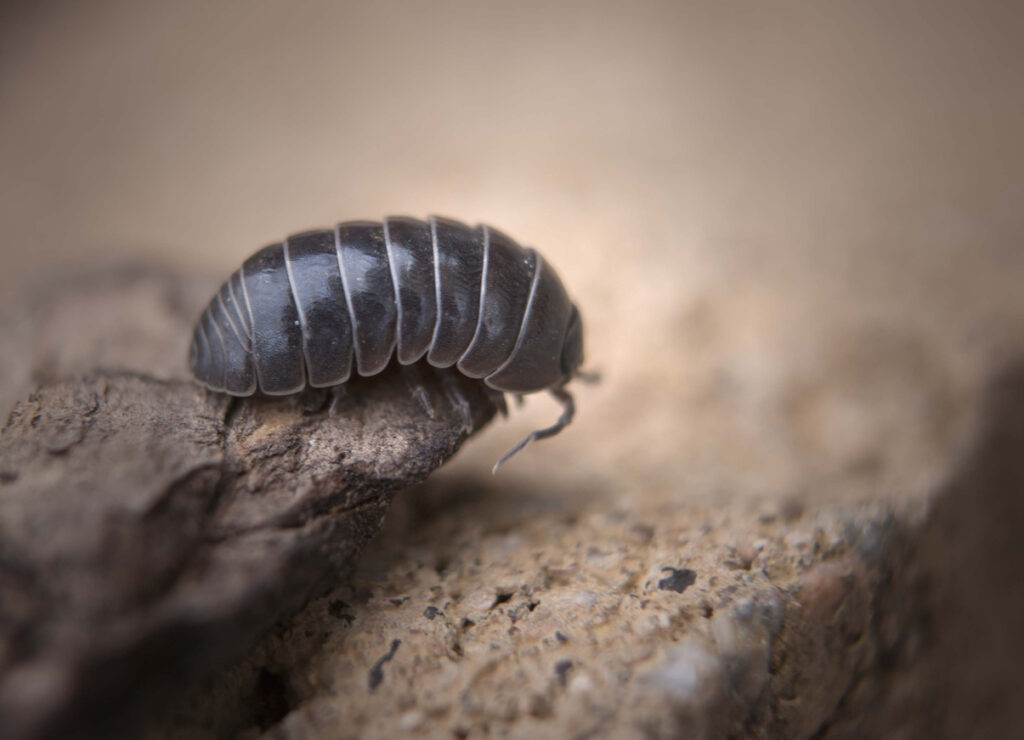
Woodlice are well known in gardens, but some species live deep in caves. They break down rotting organic matter, turning it into soil nutrients. Their armour-like shells protect them from damp conditions and potential predators.
Woodlice highlight how ordinary animals adapt to unusual places. Avoid leaving rubbish or food waste in caves, as it disrupts their natural role. Keeping caves clean allows them to function as part of the underground system.
9. Millipedes winding across stone walls
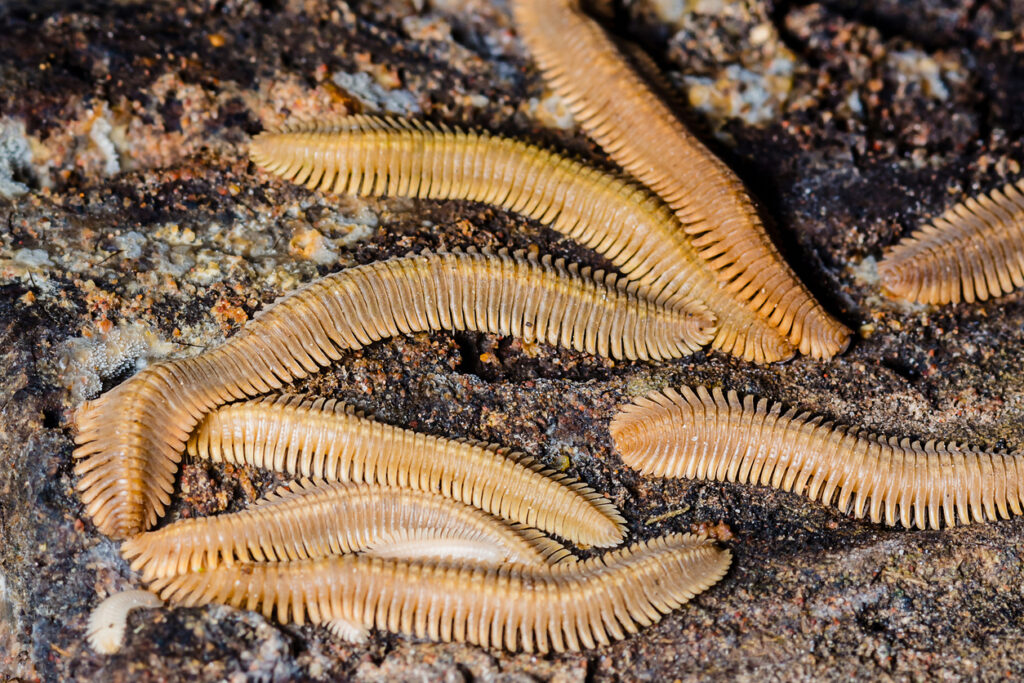
Millipedes creep slowly through caves, feeding on fungi and decaying material. Their many legs help them crawl steadily across damp stone, while their hard shells protect them from the environment. They play a role in breaking down matter that would otherwise pile up.
Watching millipedes shows how life in caves relies on recyclers. Leaving natural material where it belongs and avoiding chemicals that seep into caves helps these creatures keep doing their job.
10. Amphibians hiding in damp cracks
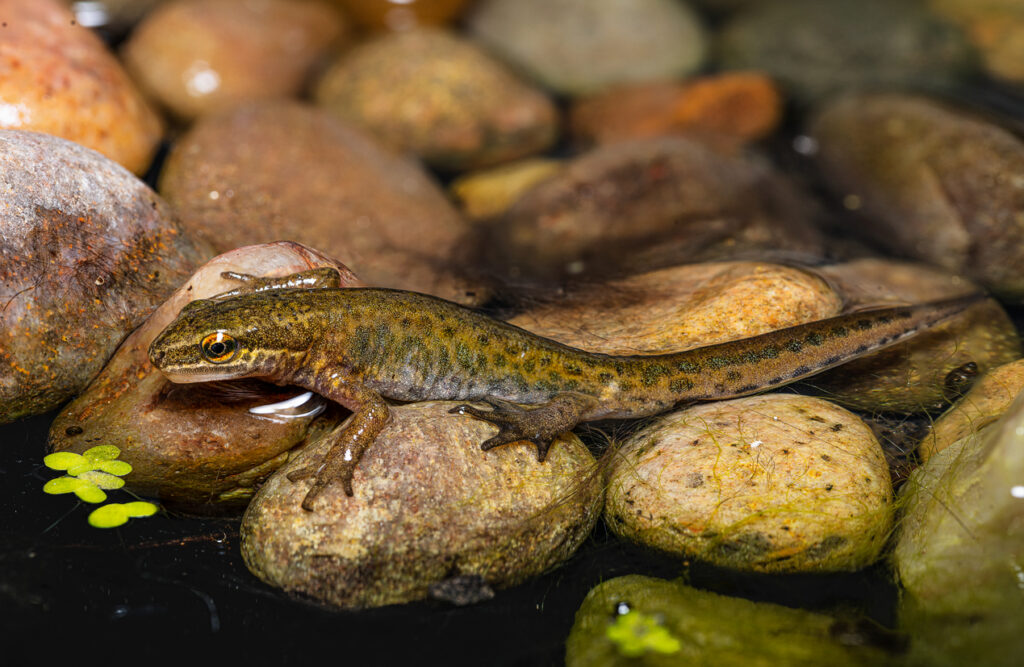
Some amphibians, like newts or toads, use caves as cool, damp shelters. They don’t live there full-time, but caves give them protection when the weather outside is too harsh. Their smooth skin makes them sensitive to moisture levels, which caves provide in abundance.
Because amphibians rely on clean water and balanced ecosystems, they’re good indicators of cave health. Protecting wetlands above ground also supports the amphibians that occasionally rest below.
11. Cave crickets chirping in the dark
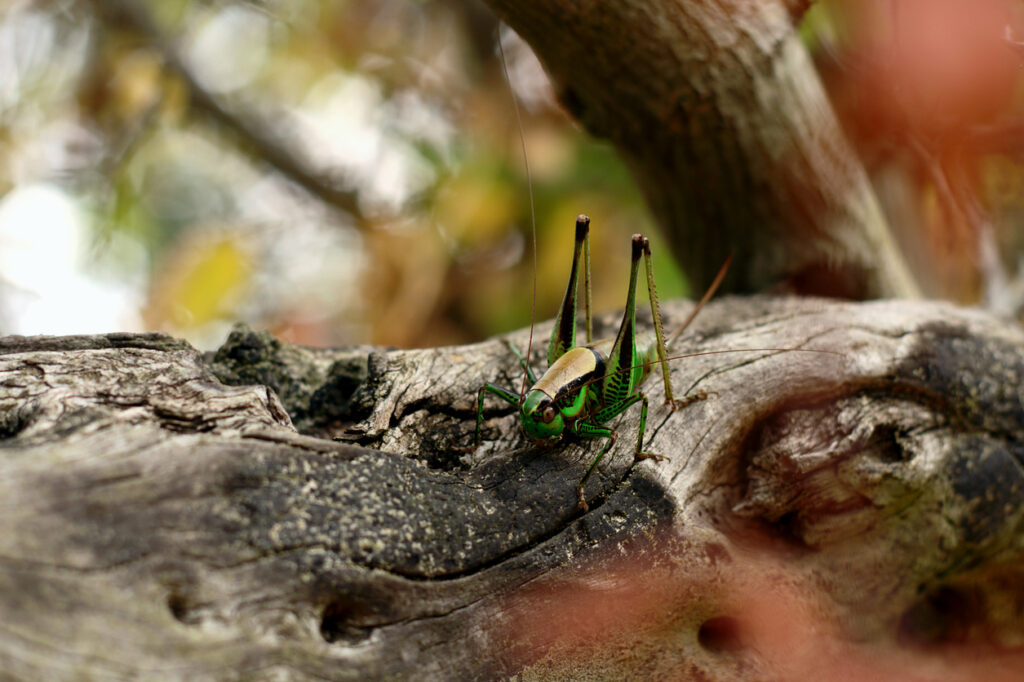
Cave crickets are rare in Britain but can sometimes be found in sheltered systems. They use their long antennae to navigate the dark and feed on plant matter that drifts inside. Their chirping adds a surprising soundtrack to the underground world.
Leaving crickets undisturbed is key to their survival. People who respect their habitat by moving quietly and limiting light often get the chance to witness their unique behaviour without causing harm.
12. Slugs sheltering in cool dampness
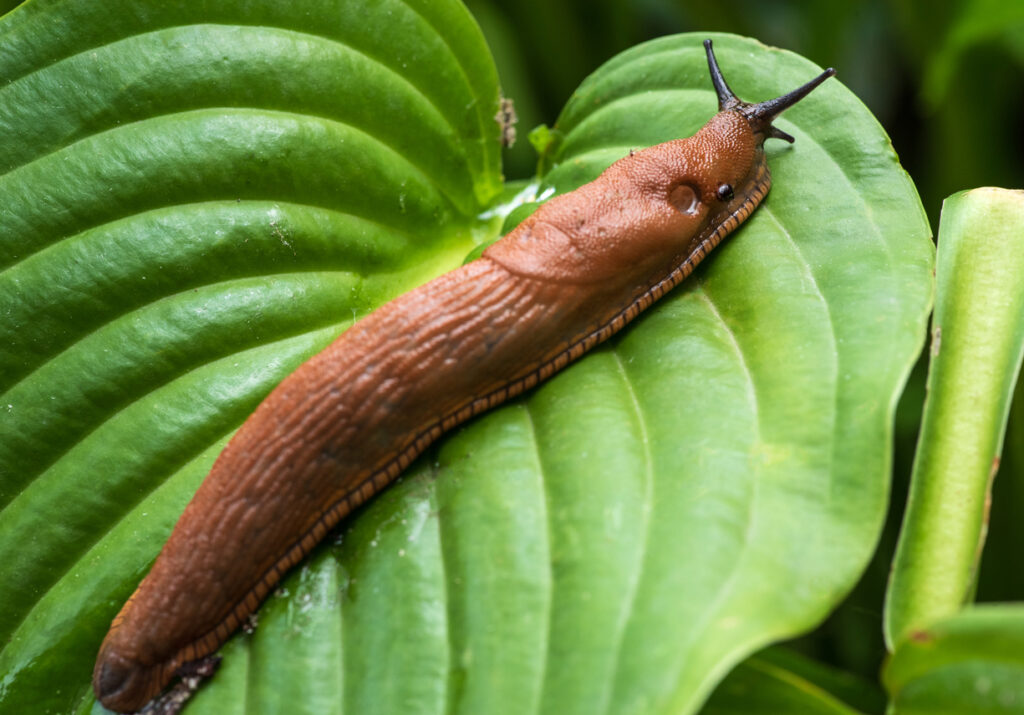
Slugs take advantage of the moist cave environment to rest and feed on fungi or plant remains. Their slimy coating protects them from drying out, making caves a perfect hideaway during hot or dry weather outside.
These simple creatures remind us that caves provide refuge for wildlife beyond specialist species. Maintaining natural conditions allows them to keep using caves as safe spots when needed.
13. Fungi shaping the cave ecosystem
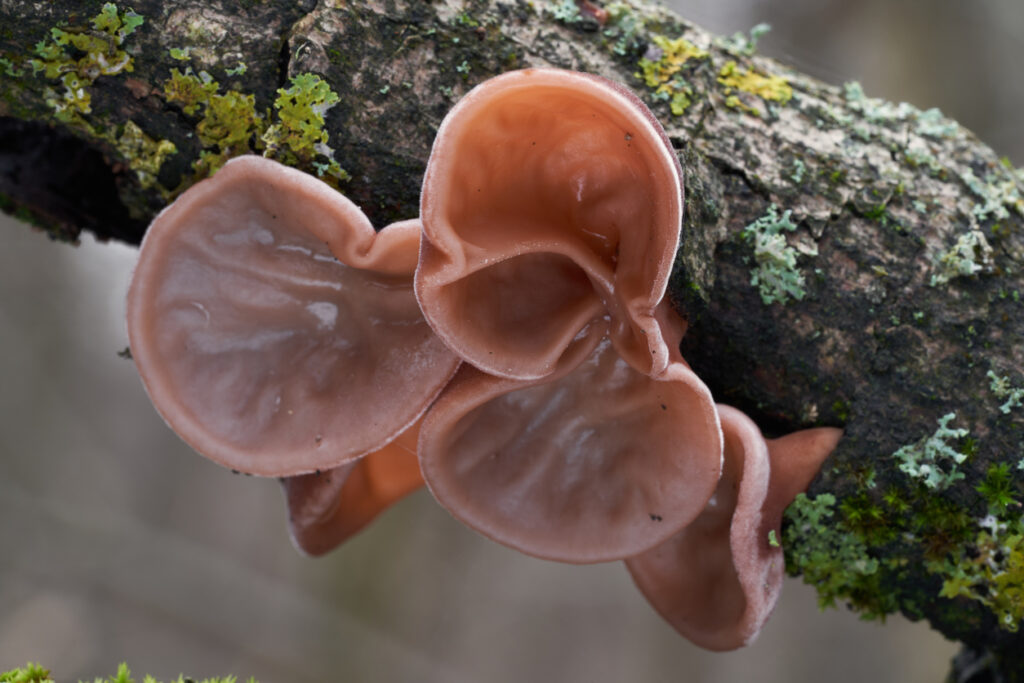
Though not animals, fungi are central to life underground. They grow on damp surfaces and decaying matter, breaking it down into nutrients that feed insects, beetles, and woodlice. Without fungi, the food chain inside caves would collapse.
Fungi show how interconnected cave systems are. Protecting moisture levels and avoiding chemical pollution lets these organisms thrive, which in turn supports the rest of the underground food web.
14. Microbes thriving in hidden corners
The tiniest cave dwellers are invisible to the eye. Bacteria and microbes live on damp rock surfaces, feeding on minerals and organic particles. These organisms form the base of many cave food chains, supporting everything from insects to crustaceans.
Protecting caves from pollution safeguards even the smallest life forms. Though unseen, microbes are essential for the survival of larger species. Respecting cave environments ensures this hidden foundation stays strong.