The rocky shores that are so prevalent in the UK are full of fascinating lifeforms if you know where to look.
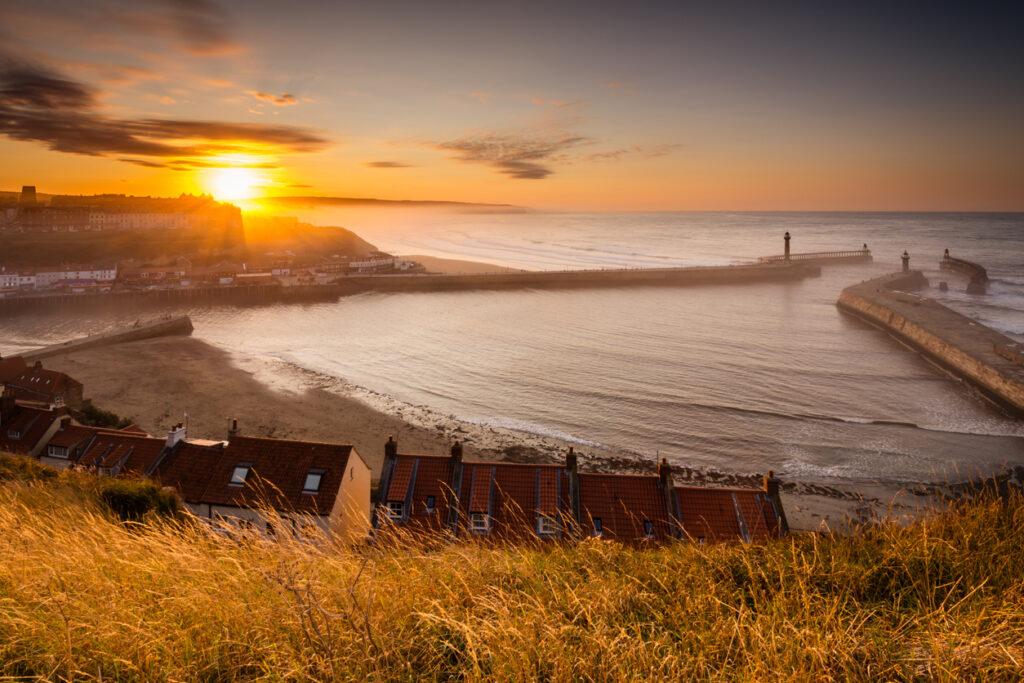
These unique habitats are home to creatures adapted to crashing waves, changing tides, and exposed rock pools. Here are some fascinating species you’ll only come across in these rugged coastal spots. If you’re already aware of them, lucky you; if these are new to you, you obviously have some exploring to do!
1. Common limpets
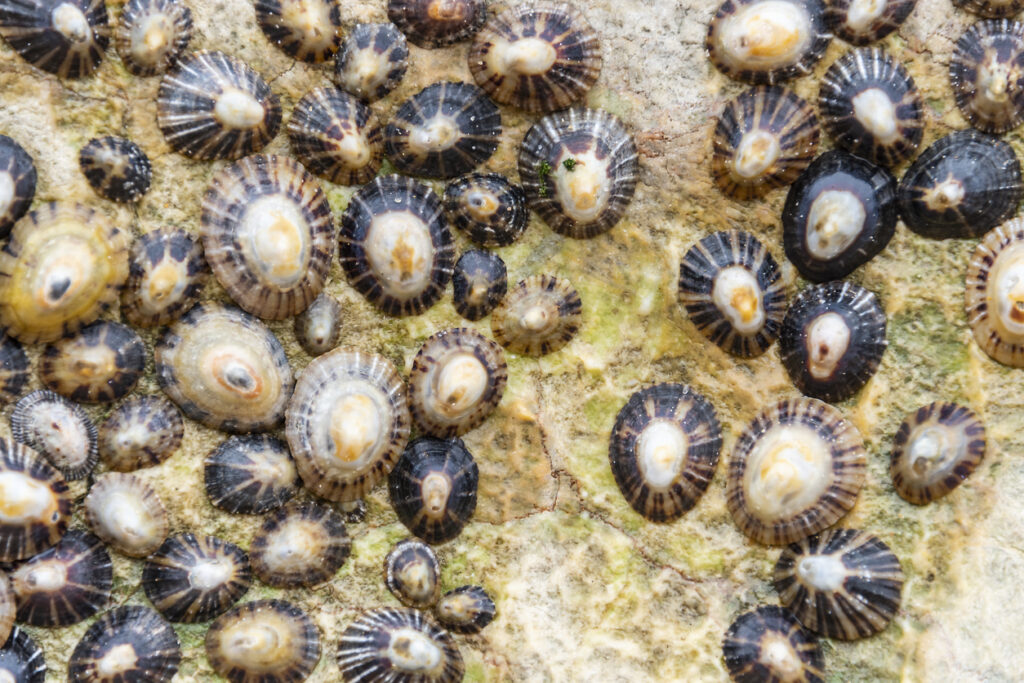
At first glance, limpets might look like plain, cone-shaped shells glued to rocks. In reality, they’re fascinating grazers that scrape algae from surfaces with a strong, toothed tongue. Their ability to cling tightly helps them survive powerful waves and hungry predators.
If you spot limpets on a rock, notice the “home scar” they create, which is a mark where their shell fits the rock perfectly. This habit helps them conserve water when tides go out. They’re a reminder of how well creatures adapt to tough shorelines.
2. Dog whelks
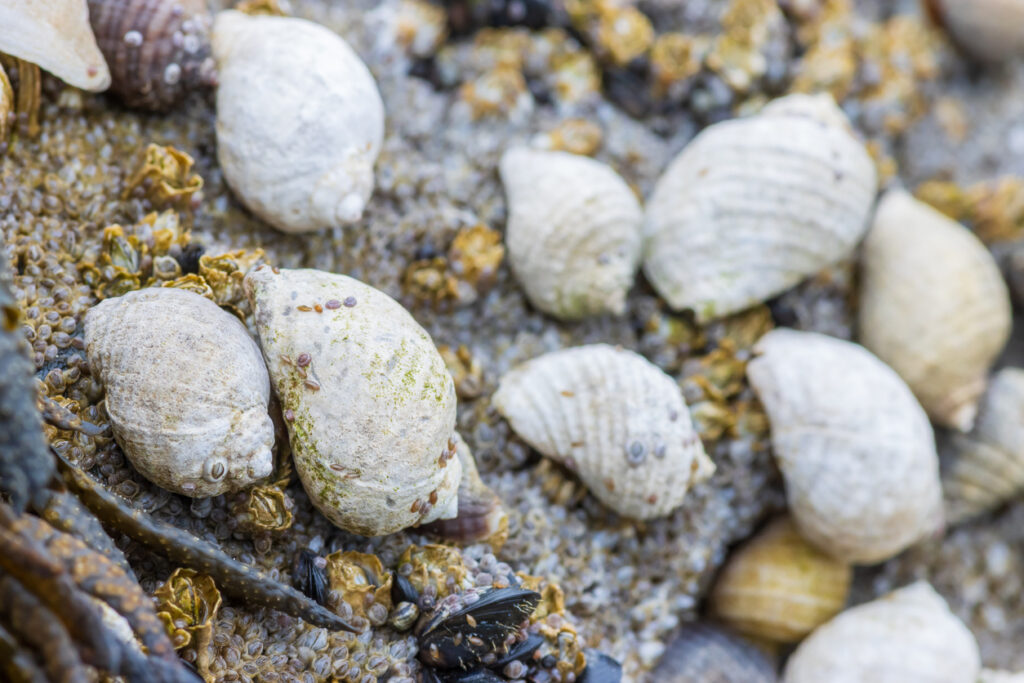
Dog whelks are small predatory snails that feed on mussels and barnacles. They drill tiny holes into their prey’s shells using acid and a rough tongue. This slow but effective method makes them one of the shore’s most ruthless hunters.
Look for clusters of empty shells with neat holes, as that’s a clear sign of dog whelk activity. Though small, they play an important role in controlling populations of other shellfish, showing how even tiny predators can shape rocky shore ecosystems.
3. Beadlet anemones
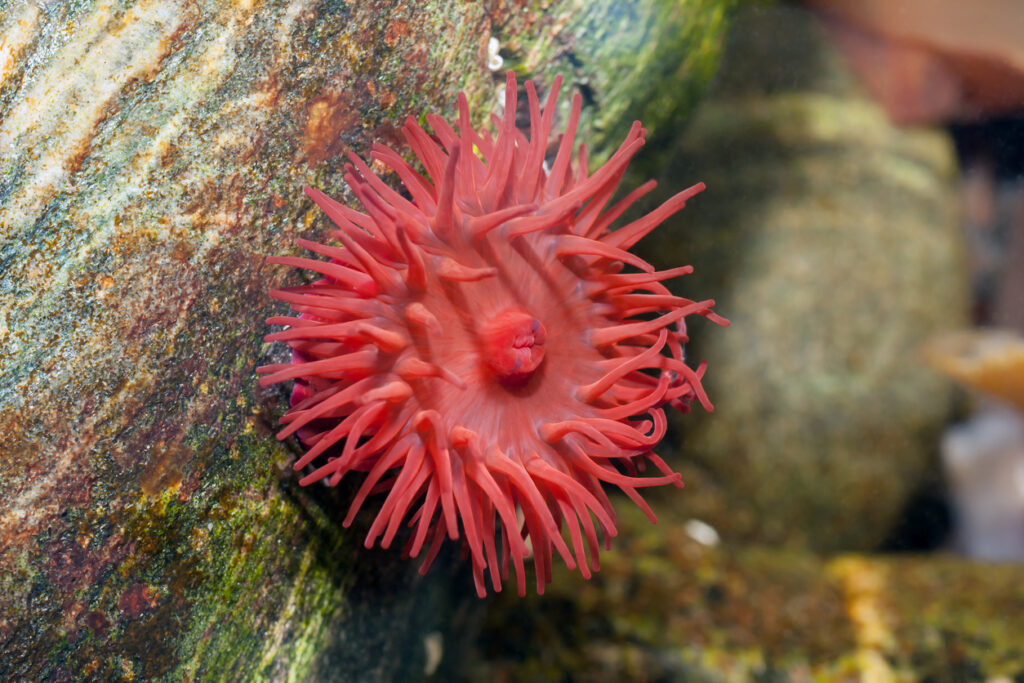
These bright red anemones often look like blobs of jelly when the tide is out. Once covered by water, they open into tentacled flowers ready to catch passing food. Their stinging cells help them capture prey like small shrimp and plankton.
You can usually spot them in shaded crevices or pools. Unlike other anemones, beadlets can close up completely, protecting themselves from drying out. They’re one of the most common but also most striking residents of Britain’s rocky shores.
4. Shore crabs
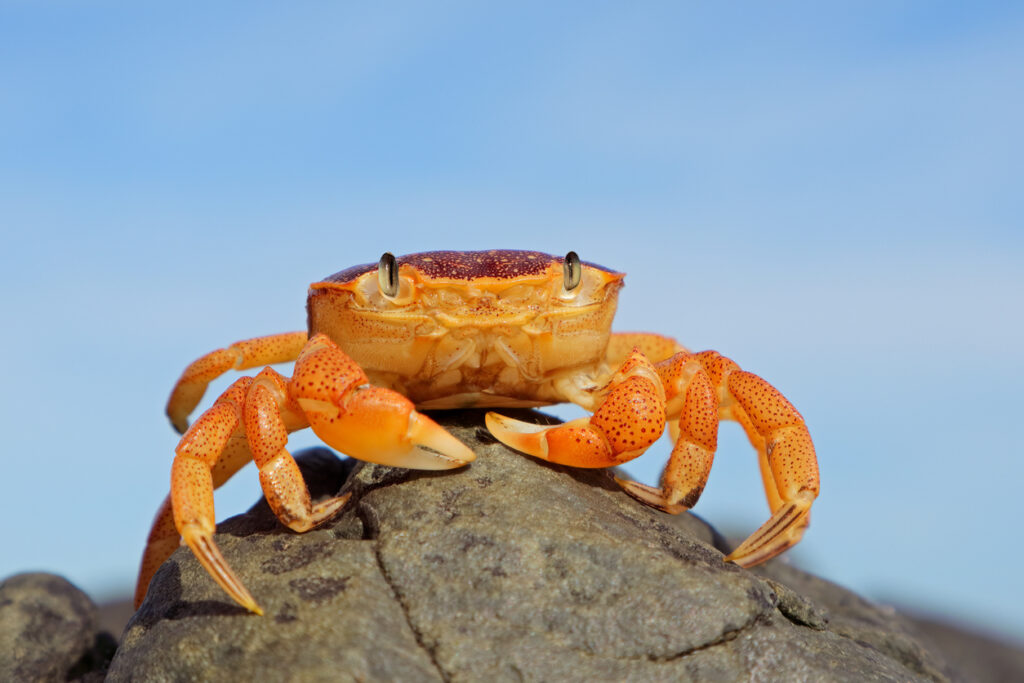
Shore crabs are one of the most familiar coastal creatures, scuttling under rocks and seaweed. They’re adaptable feeders, eating everything from molluscs to scraps washed in by the tide. Their tough shells and quick movements make them perfectly suited to the harsh shoreline.
If you gently lift seaweed in a rock pool, you’ll often find small crabs hiding beneath. They’re quick to dart away, but watching them can reveal fascinating behaviours like fighting for territory or waving claws to signal to rivals.
5. Barnacles
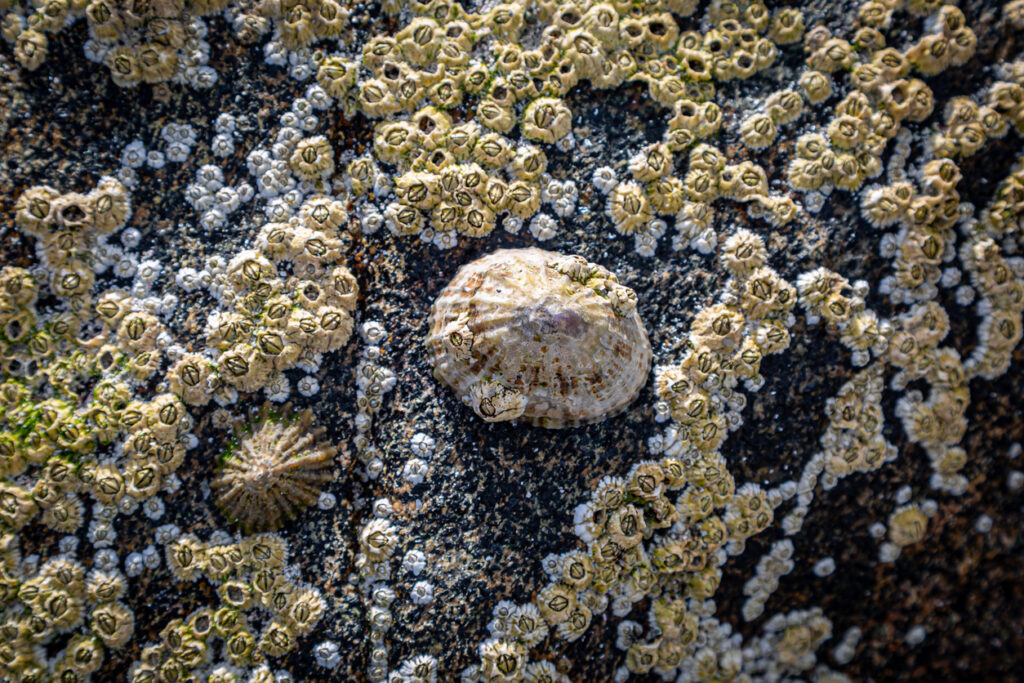
Barnacles are crustaceans that spend their adult lives glued to rocks. They feed by extending feathery legs into the water to filter plankton. Although small, their sheer numbers make them one of the most visible features of Britain’s rocky coasts.
Next time you see a patch of barnacle-covered rock, remember that each one is a living creature waiting for the tide to rise. Their ability to cement themselves so firmly has even inspired scientists studying strong adhesives.
6. Edible periwinkles
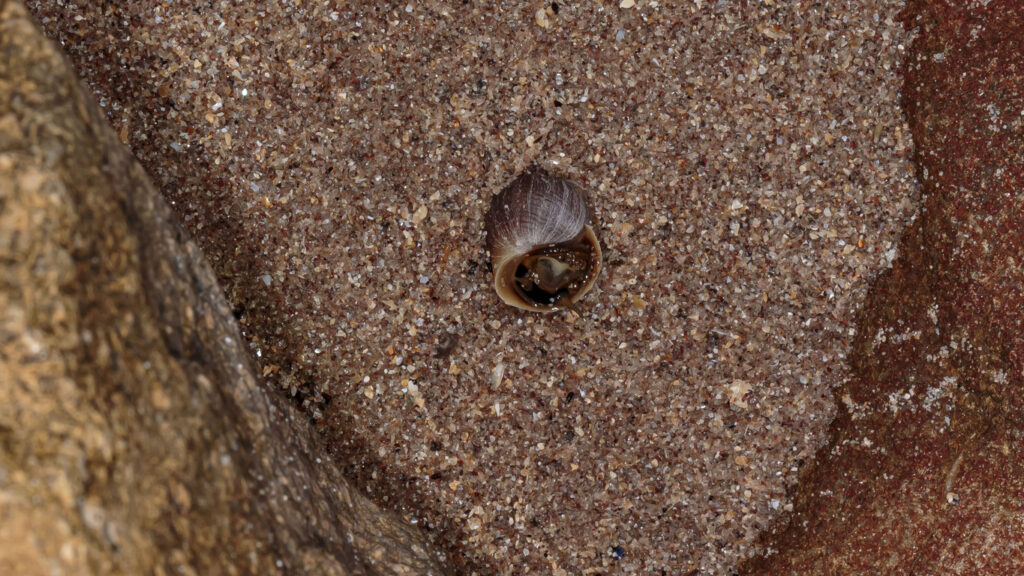
These small, dark-shelled snails are common on rocky shores. They graze on algae and seaweed, often leaving visible trails behind them. Historically, they’ve been collected as food, especially in coastal communities where shellfish were an important resource.
Spotting periwinkles is easy in rock pools and damp areas. While they may not seem remarkable, they’re an essential part of the shoreline food web, supporting birds and fish that depend on them for survival.
7. Brittle stars
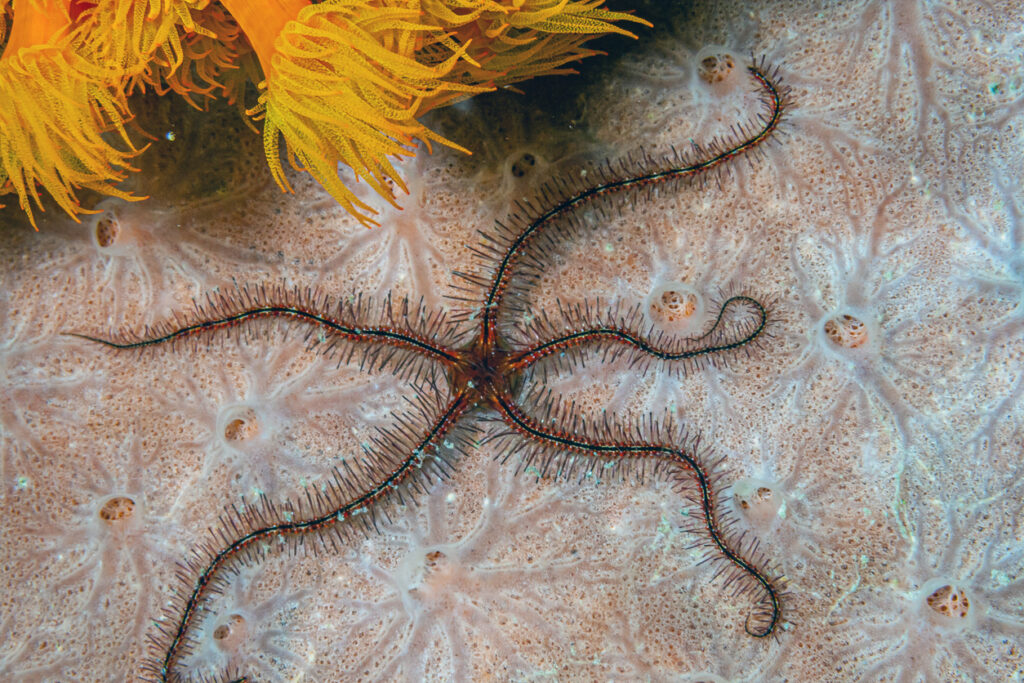
Although related to starfish, brittle stars are more delicate and flexible. They hide under rocks during the day, emerging at night to feed on small particles. Their long, slender arms can break off to escape predators, a clever survival strategy.
Finding them can be tricky, but if you carefully turn over rocks in deeper pools, you might glimpse their arms moving quickly. They’re a reminder that even the most fragile-looking creatures can be surprisingly resilient in harsh environments.
8. Chitons
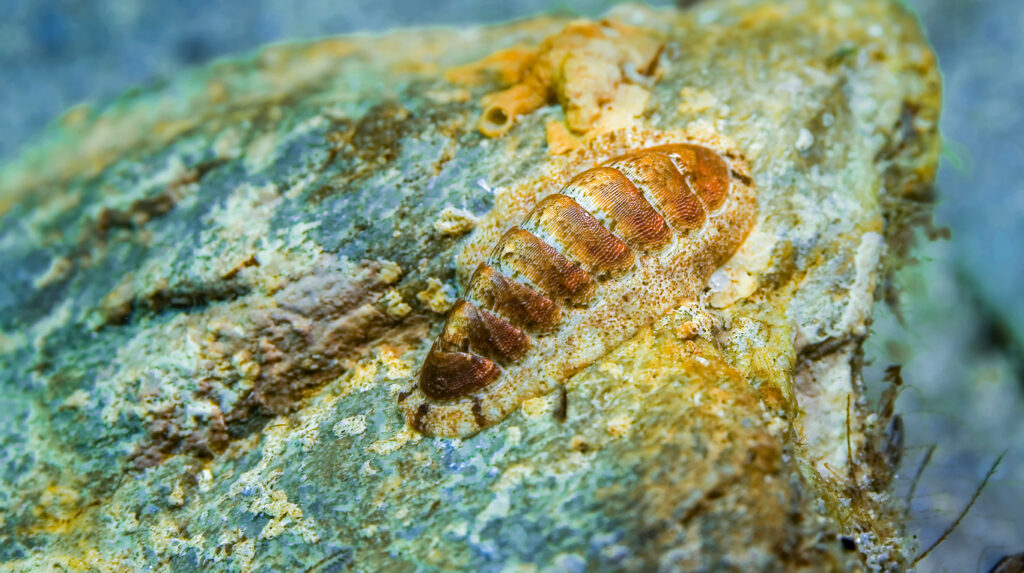
Chitons are flat, oval molluscs with armour-like plates across their backs. They cling tightly to rocks and graze on algae, much like limpets. Their tough shells help protect them from predators and strong waves, making them perfectly suited to exposed coasts.
They’re often overlooked because they blend in so well with rocks. Spotting a chiton takes patience, but once you notice one, you’ll start recognising them more often. Their design shows the clever defences nature develops for survival.
9. Velvet swimming crabs
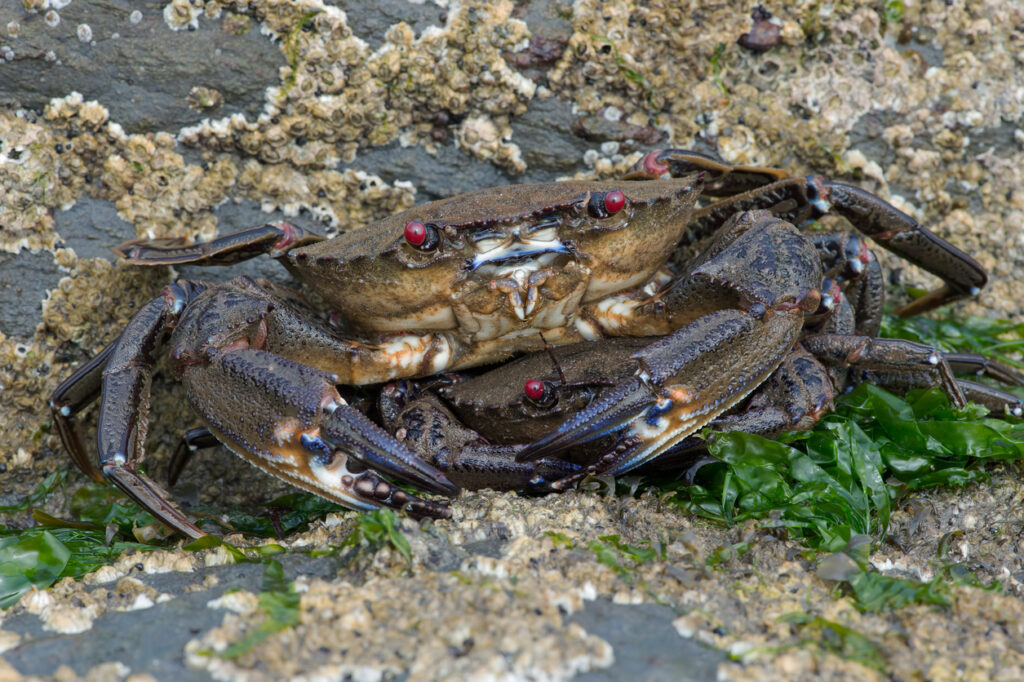
Also known as the “devil crab” because of their red eyes, velvet swimming crabs are aggressive hunters. They have strong claws and can swim quickly, unlike most other crabs. Their speed and sharp temper make them one of the more intimidating rock pool residents.
Look for them in deeper pools, often under seaweed. Their velvet-like shell and distinctive eyes set them apart from shore crabs. While small, they show how even rocky shores host surprising predators.
10. Sea slugs
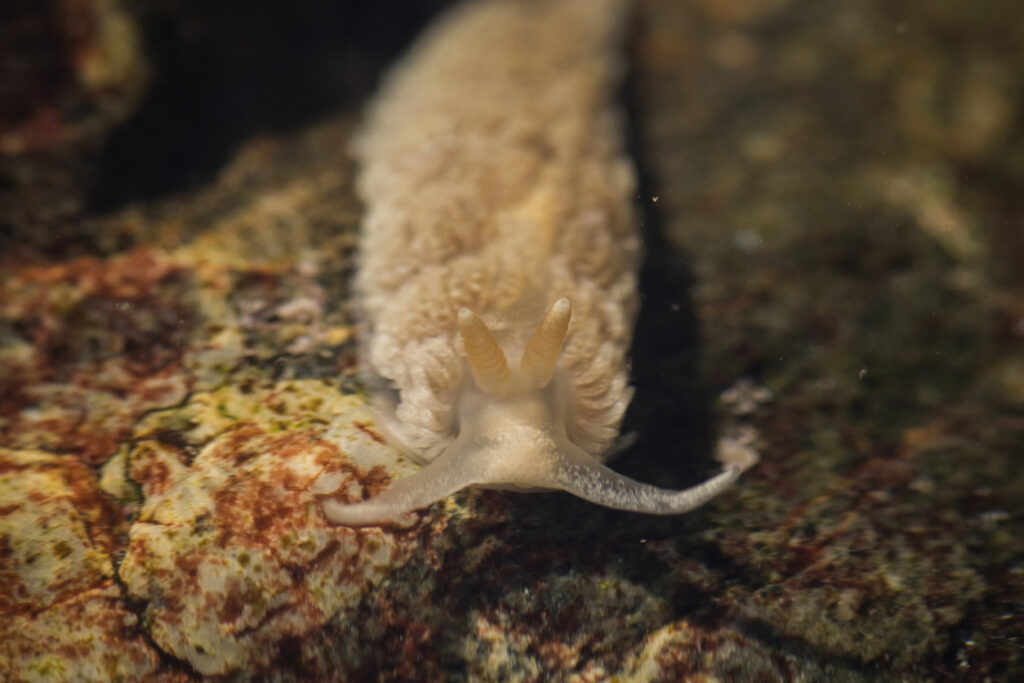
Britain’s rocky shores are home to colourful sea slugs, also called nudibranchs. These soft-bodied creatures feed on sponges, anemones, and other tiny animals. Their bright colours often serve as warnings that they taste unpleasant to predators.
Spotting a sea slug can feel like discovering a hidden gem. They come in many shapes and colours, adding bursts of beauty to rocky pools. Their presence shows how diverse and vibrant these coastal habitats really are.
11. Cushion stars
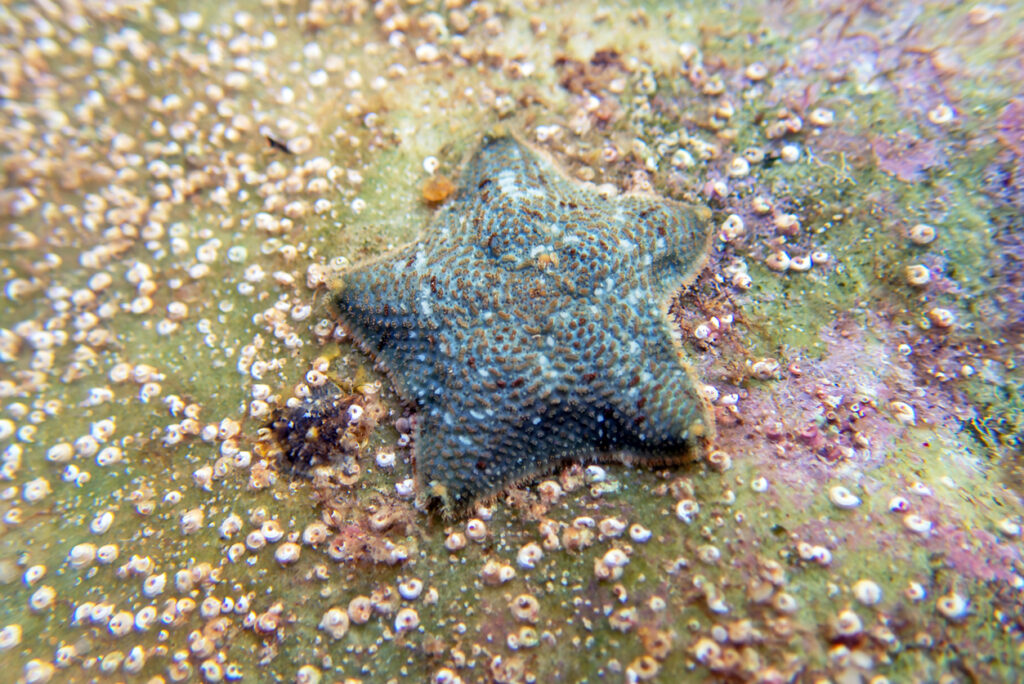
These small, round starfish are easy to spot because of their thick, cushion-like bodies. Unlike larger starfish, cushion stars move slowly and feed mainly on detritus and tiny animals. Their compact shape makes them well adapted to shallow, changeable pools.
Look for them clinging to rocks or hidden under seaweed. Their unusual shape makes them stand out among other starfish, offering a reminder of how even closely related species evolve differently to survive on rocky shores.
12. Anemone shrimp
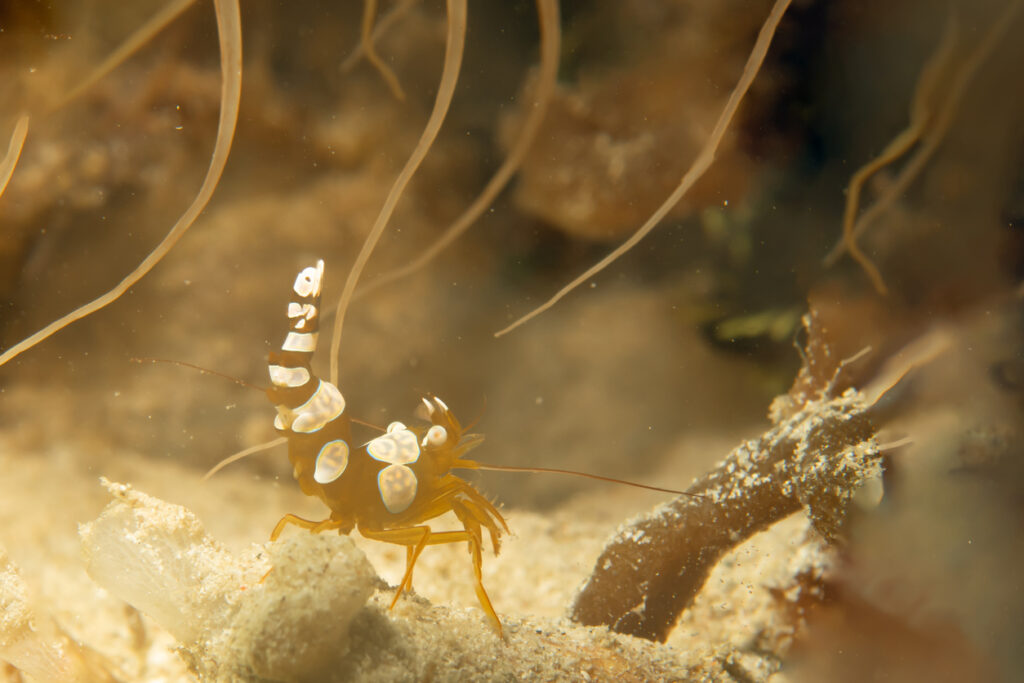
Tiny anemone shrimps live in partnership with larger anemones, using their tentacles as protection. In return, the shrimp help keep their host clean by eating debris. This mutual relationship highlights the cooperation often found in tough coastal environments.
If you peer closely into rock pools with anemones, you may spot these translucent shrimps moving carefully among the tentacles. They’re a small but fascinating example of life working together to survive on Britain’s rugged coasts.
13. Rock gobies
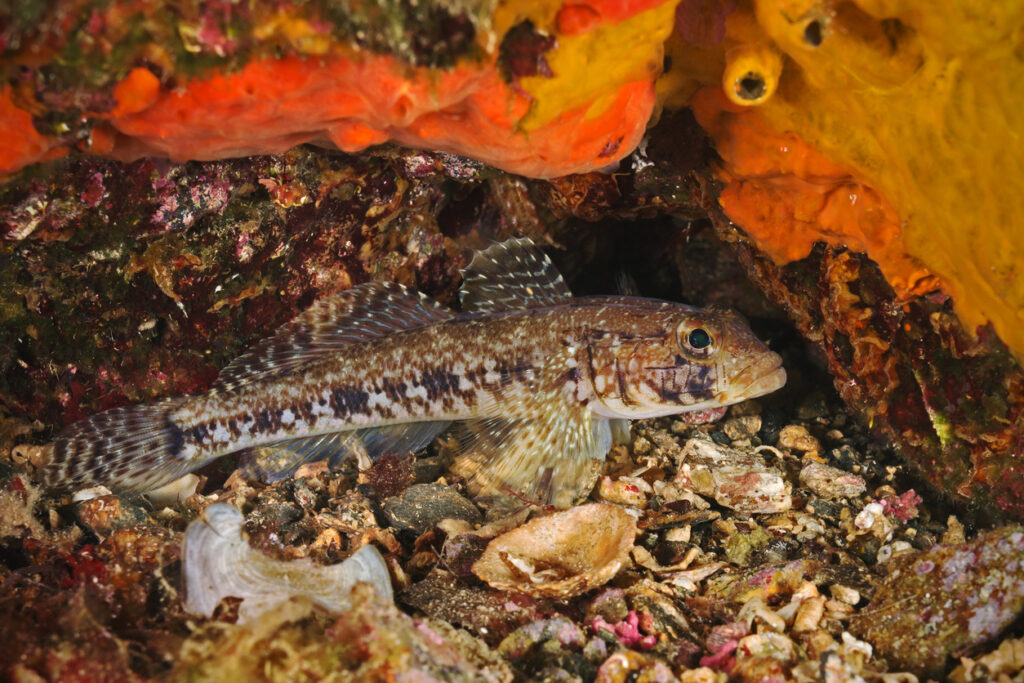
Rock gobies are small fish commonly found darting around shallow pools. They’re well camouflaged against pebbles and sand, making them easy to miss. Despite their size, they play an important role in the food chain, feeding on tiny invertebrates and algae.
Spend time watching quietly near a pool, and you’ll often spot gobies darting between stones. Their quick movements and ability to blend in show how even small fish thrive in these constantly changing habitats.