Sunflowers bring height, colour, and energy to any garden, but they’re also more than just eye-catching.

With the right neighbours, they can boost growth, improve soil, and protect against pests. Not only that, but they diversify the greenery in your outdoor space in some impressive ways. Here are some of the plants smart gardeners always place beside sunflowers that you may want to try sowing yourself.
1. Sweetcorn

Both sunflowers and sweetcorn grow tall and can quickly dominate a space if not planned properly. When they compete, airflow becomes poor, which increases the risk of disease and stunted crops. Left on their own, both plants can suffer.
Planted together in alternating rows, they form a natural partnership. Sunflowers act as strong windbreaks that shelter the sweetcorn, while both crops benefit from the added stability. The result is a tall, vibrant display that’s both practical and beautiful.
2. Cucumbers
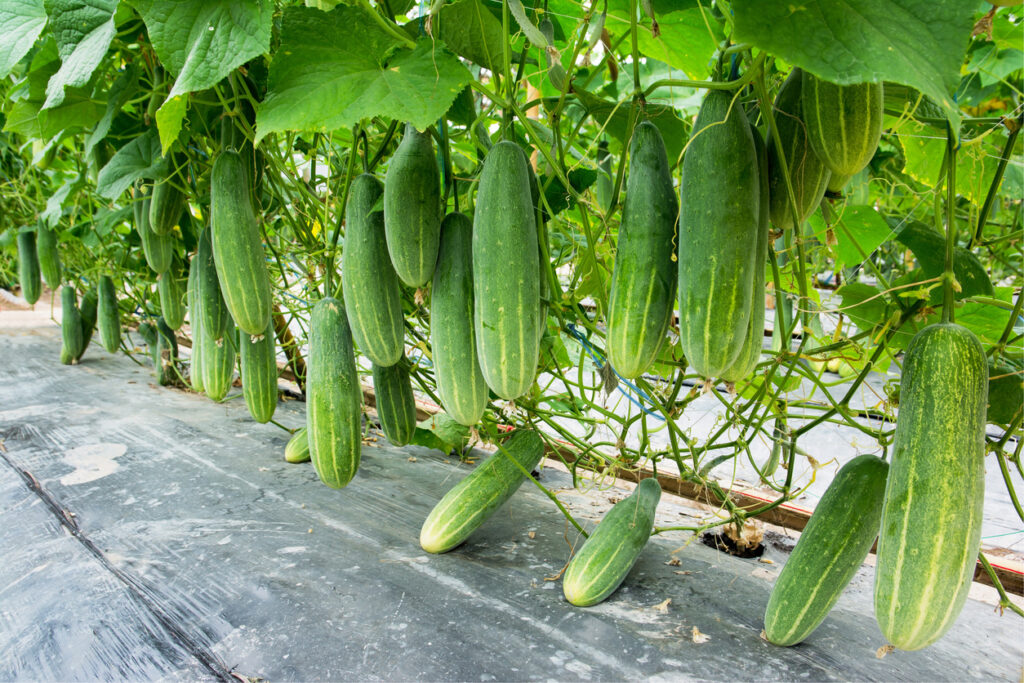
Cucumbers tend to sprawl across the soil, taking up space and becoming vulnerable to pests and rot. Without structure, they’re messy and often underperform. The lack of airflow also encourages mildew, which can quickly ruin a crop.
Sunflowers solve this by providing natural trellises. Training cucumber vines up the sturdy stalks keeps them off the ground, which reduces disease and makes harvesting easier. This clever pairing saves space while improving plant health and productivity.
3. Pumpkins
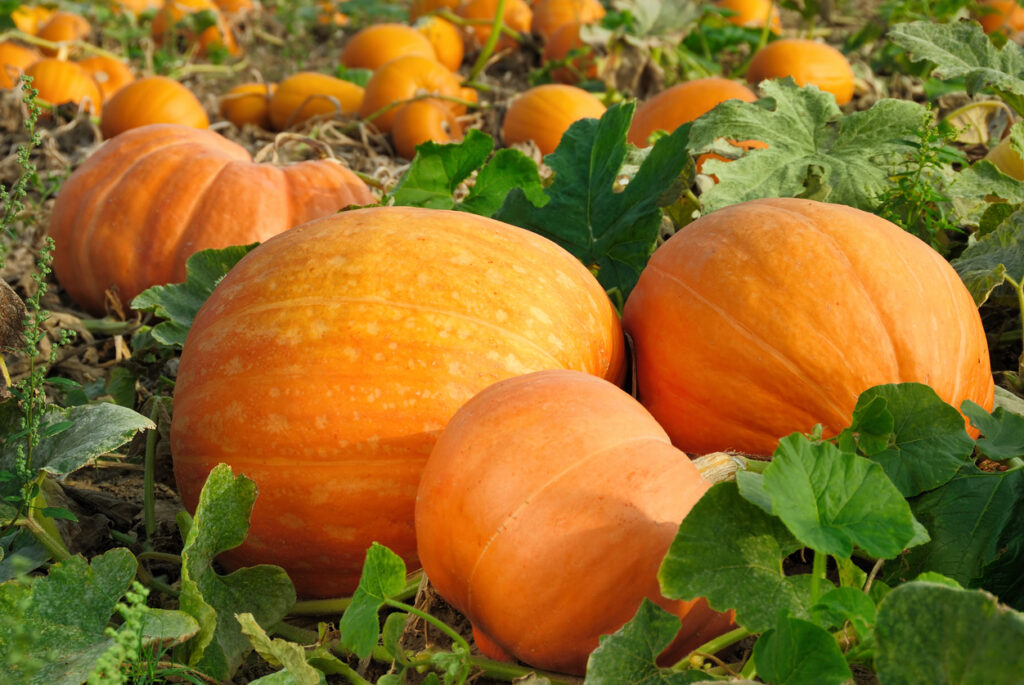
Pumpkins spread aggressively, covering soil and shading out smaller crops. Alone, they often waste the potential of vertical space, while their heavy demands on water and nutrients can strain the patch. They need companions that complement, not compete.
Sunflowers fit perfectly, rising high while pumpkins cover the soil beneath. The combination uses ground and height efficiently, while the pumpkin’s broad leaves help retain soil moisture that also benefits the sunflowers. It’s a partnership that maximises growth and yield.
4. Beans

Sunflowers are heavy feeders and can strip soil of nutrients. Without help, they weaken the soil for other crops planted nearby. Beans, however, are nitrogen-fixers, and their ability to restore the ground makes them invaluable companions.
When planted together, beans enrich the soil while using the sunflowers as natural supports. This creates a cycle where each plant supports the other, ensuring both thrive without exhausting the patch or requiring constant fertiliser.
5. Lettuce
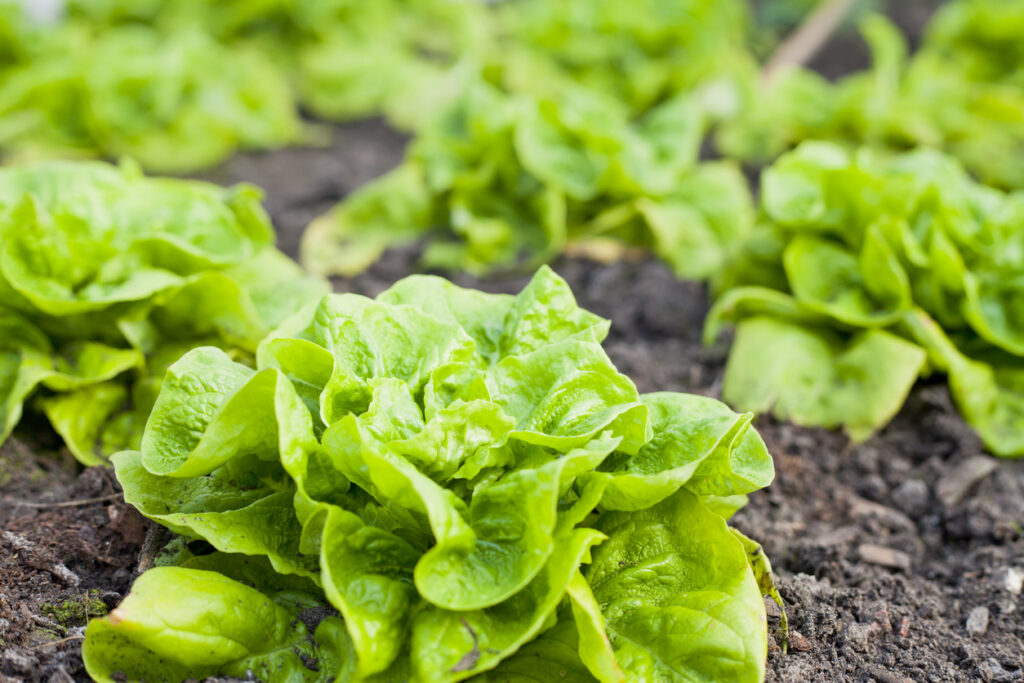
Lettuce is highly sensitive to heat. In summer sun, it bolts quickly, turning bitter and inedible. Planting it alone in open beds often shortens the harvest window, forcing gardeners to replant too often.
Sunflowers provide gentle shade that keeps lettuce cool. This natural umbrella extends the growing season and prevents bitterness. By placing lettuce beneath taller sunflowers, you get fresher leaves for longer while making the most of mixed planting.
6. Peppers
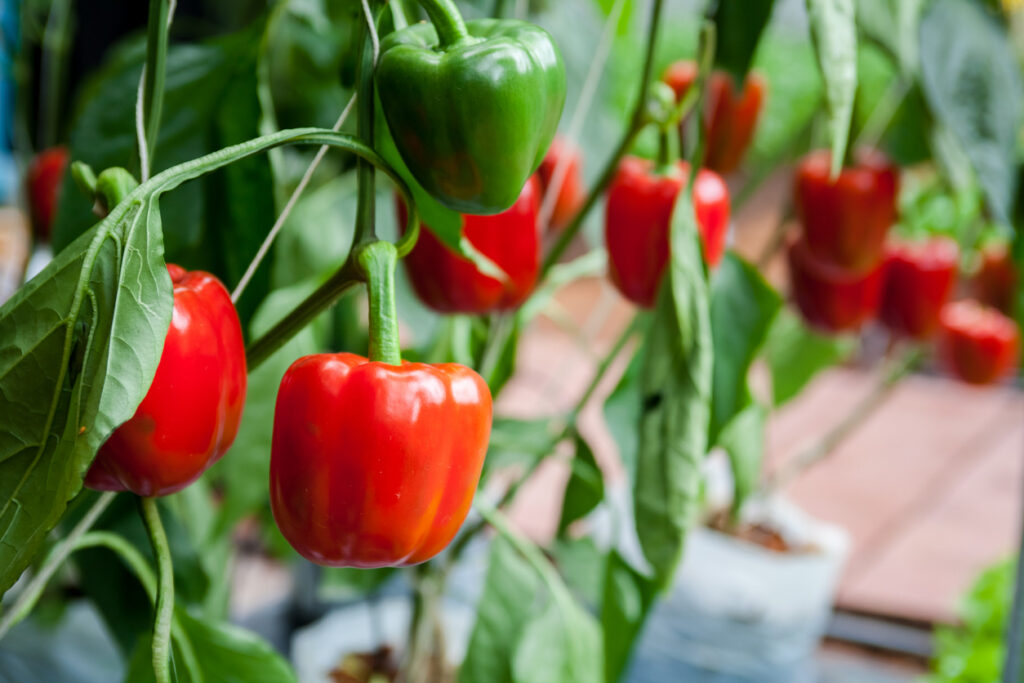
Peppers love sunshine, but too much direct heat can damage their fruit and stress the plant. Without protection, they’re prone to sunscald, which makes peppers tough and less flavourful. Balance is key for a steady harvest.
Sunflowers offer filtered shade that reduces stress without blocking light completely. The tall stems break up harsh midday rays, creating a gentler environment. Striking such a balance ensures healthier, more consistent crops and reduces the risk of heat damage.
7. Squash
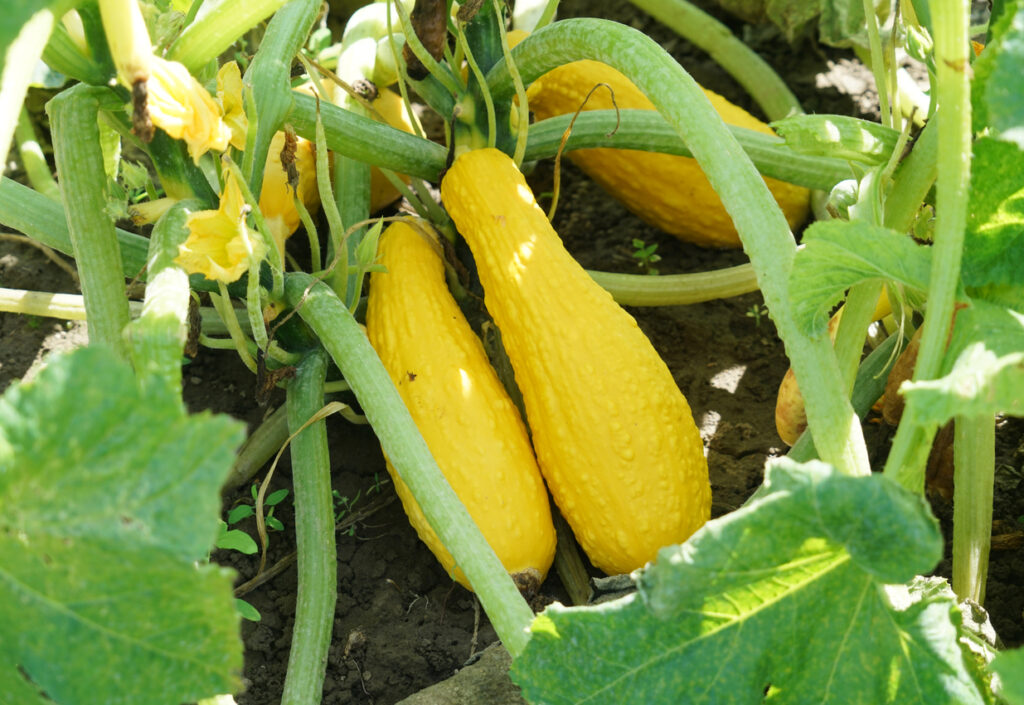
Squash vines creep quickly across soil, taking over a bed and choking out smaller plants. Their heavy leaves make airflow difficult, which encourages pests and disease. On their own, they can dominate too much space in a garden.
Pairing them with sunflowers creates harmony. While squash sprawls across the ground, sunflowers grow upward, making full use of vertical space. The result is a balanced garden bed where both plants flourish without fighting for the same resources.
8. Tomatoes
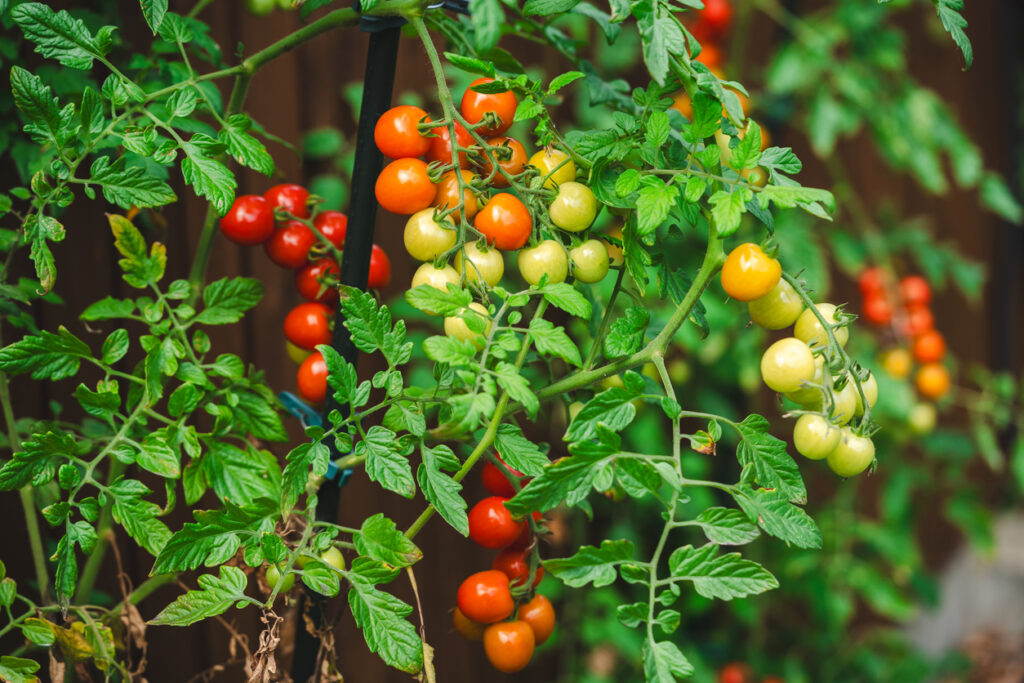
Tomatoes are vulnerable to wind, and without shelter, their stems and fruit often break. They also need pollinators for reliable harvests, but grown alone, they sometimes miss out on insect traffic. It makes them unpredictable when left unsupported.
Planting tomatoes alongside sunflowers adds stability. The taller plants shield tomatoes from wind and attract pollinators, improving both yield and quality. Together, they create a thriving bed where each crop fills the other’s gaps.
9. Courgettes
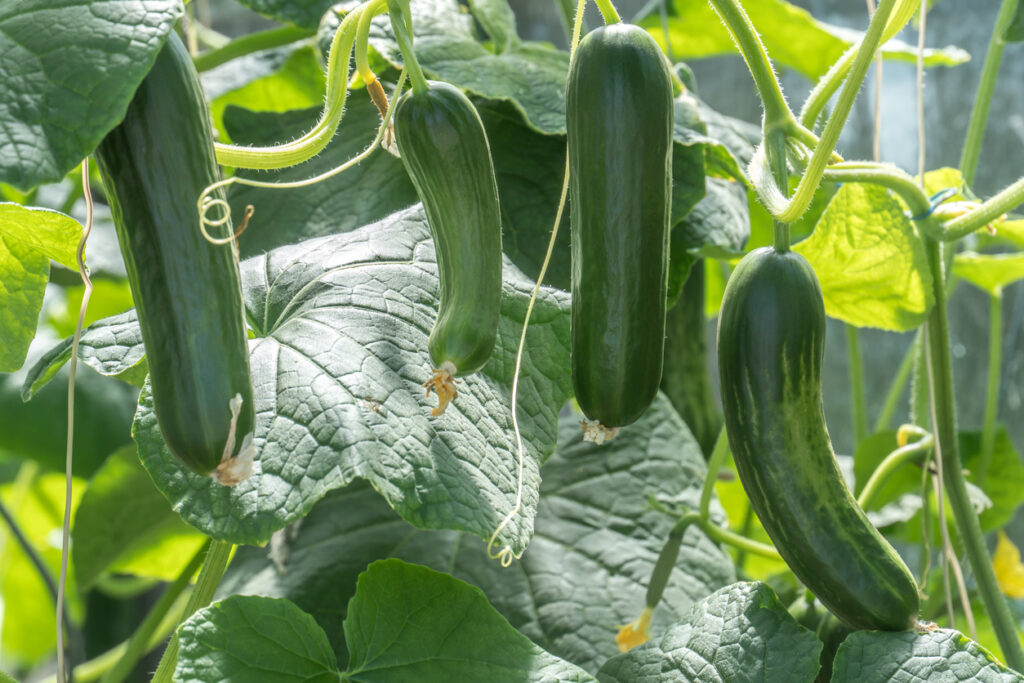
Courgettes grow rapidly and drain soil of water and nutrients. When left on their own, they sprawl out and often demand constant feeding, which makes them harder to manage for steady crops. They benefit from stronger companions.
Sunflowers provide exactly that. While courgettes use the soil heavily, sunflowers draw in pollinators that boost production. The partnership means better yields with less work, as the sunflowers create the ideal conditions for the courgettes to thrive.
10. Herbs like basil and rosemary
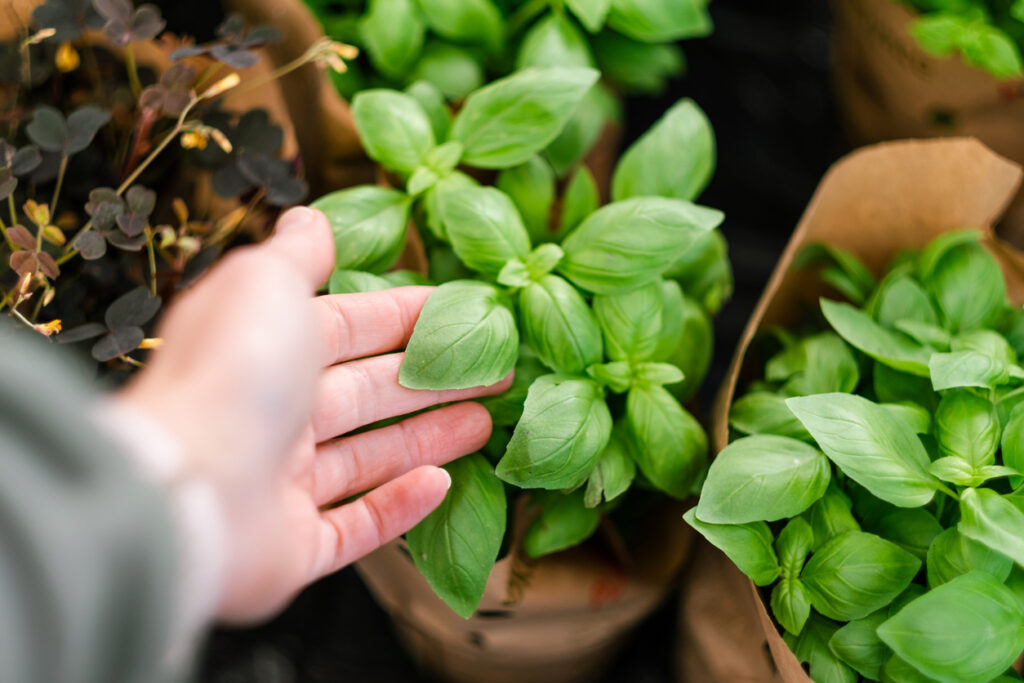
Herbs are delicate and easily attacked by pests such as aphids. Alone, they often need extra protection or intervention, which makes them less reliable in mixed gardens. Their smaller flowers also don’t attract enough beneficial insects.
Sunflowers balance this by acting as a magnet for ladybirds, bees, and other helpful insects. Growing herbs beside them gives you stronger, healthier plants that resist pests naturally, while enjoying the bonus of improved pollination for better flavour and growth.