Starting a garden feels like welcoming friendly green guests into your outdoor space.

Unfortunately, some plants have zero concept of boundaries and will happily stage a complete takeover of your yard if you’re not paying attention. These botanical bullies start out looking innocent enough, but give them an inch, and they’ll literally take every square foot you’ve got.
1. Mint turns your herb garden into a green carpet.

Mint seems like such a polite little herb when you first plant it in your garden bed. Within one growing season, this overachiever has sent underground runners in every possible direction, popping up between your tomatoes and strangling your basil like some kind of aromatic mafia.
Plant mint in containers or prepare to have mint everything forever. Once it escapes into your garden bed, you’ll be pulling up mint shoots from places you didn’t even know existed, and it’ll keep coming back like a persistent ex who won’t take the hint.
2. Bamboo becomes your neighbour’s worst nightmare.
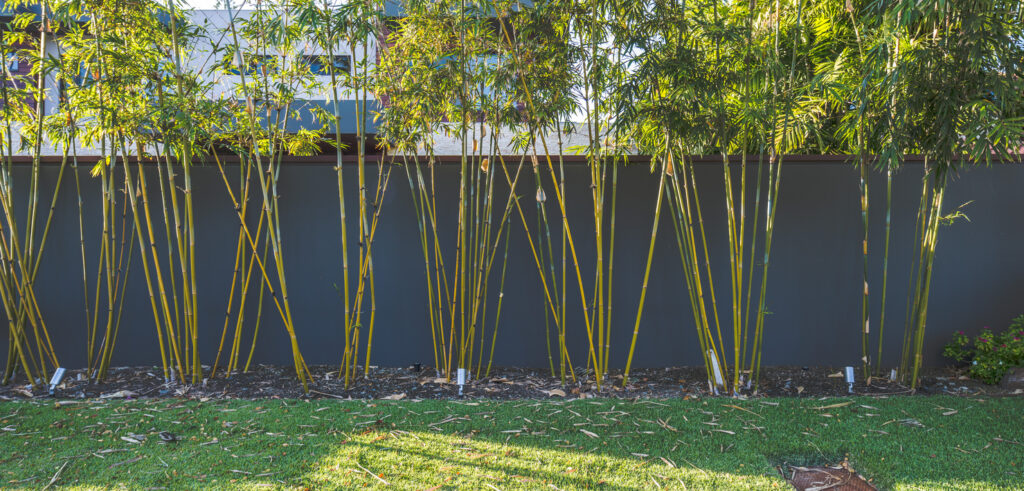
Bamboo looks so elegant and zen in the garden centre, promising to create a lovely natural privacy screen. What they don’t mention is that some varieties spread faster than gossip in a small town, sending out underground rhizomes that can pop up twenty feet away from where you originally planted them.
Research clumping versus running bamboo varieties before you plant, as running bamboo will literally run all over your property and possibly into your neighbour’s yard too. Your zen garden dreams can quickly become everyone’s bamboo nightmare if you choose the wrong type.
3. Morning glories climb everything in sight.
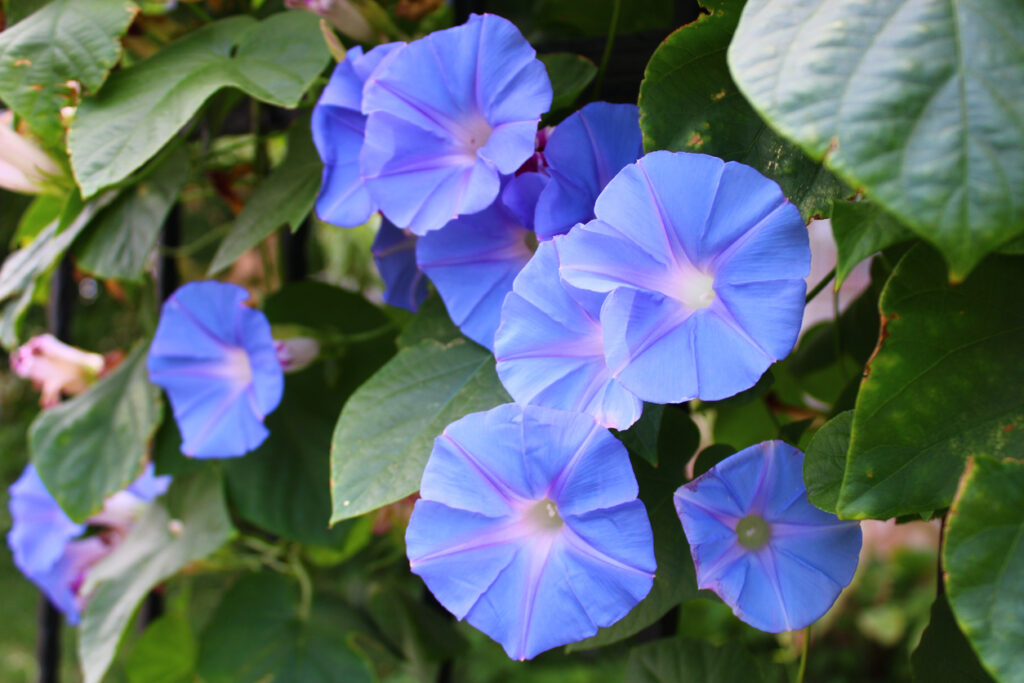
These pretty purple flowers seem like the perfect addition to cover an ugly fence or trellis. But morning glories are basically the overachievers of the climbing world, and they’ll smother every plant in their path while reaching for whatever vertical surface they can find.
Give morning glories their own dedicated space away from other plants because they’ll wrap around anything within reach and choke it to death with their enthusiasm. They’re beautiful but deadly, like a floral version of a python in party dress.
4. English ivy decides your entire house needs decoration.
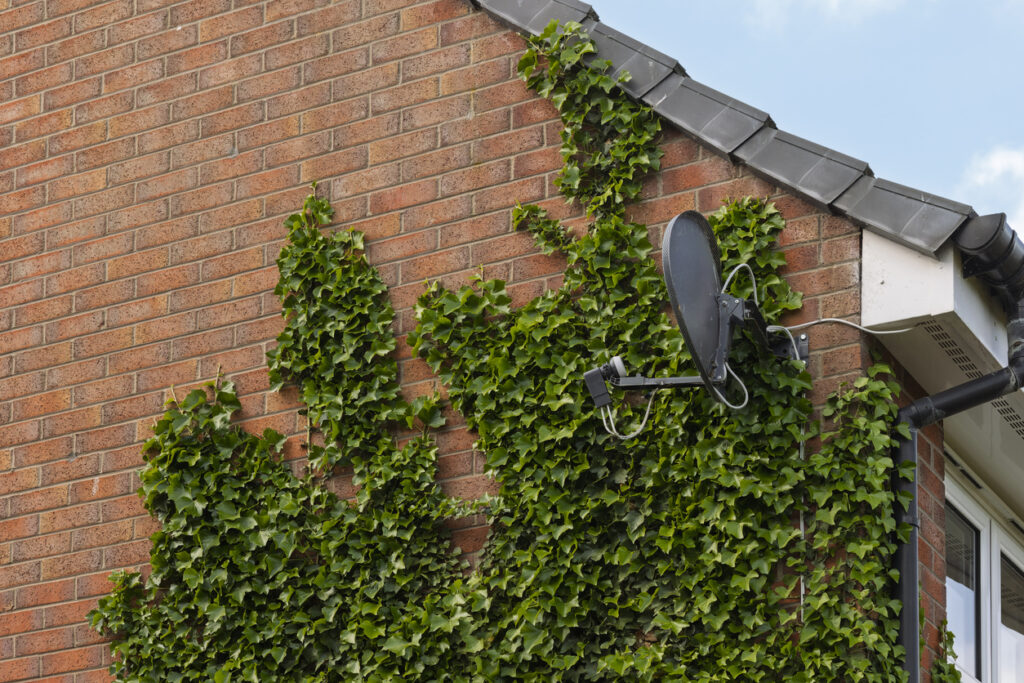
English ivy starts out looking so sophisticated covering a small garden wall. Fast-forward two years, and it’s attempting to swallow your entire house, pulling down gutters and working its way under roof tiles like some kind of green home invasion.
Keep ivy contained to areas where you actually want full coverage, and be prepared to trim it regularly because it has zero self-control. Left unchecked, ivy will turn your home into something that looks like it belongs in a fairy tale, but not necessarily in a good way.
5. Japanese knotweed laughs at your removal attempts.
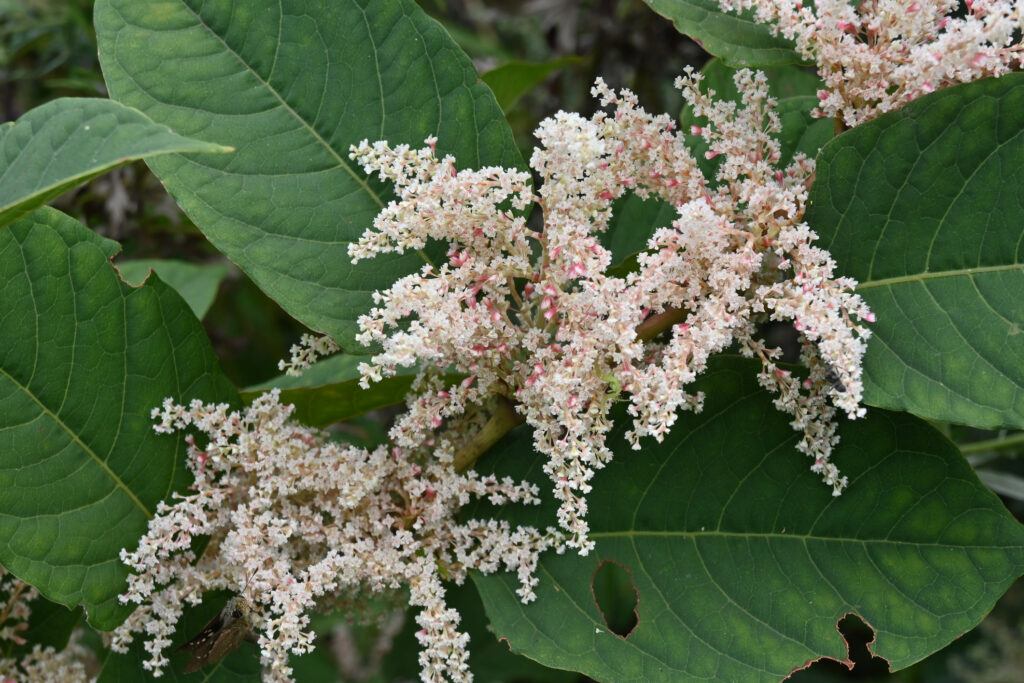
This stuff is so aggressive that it’s actually illegal to plant in some places, but it still shows up uninvited like the worst kind of garden party crasher. Japanese knotweed can grow through concrete and will regenerate from tiny root fragments, making it nearly impossible to eliminate once it arrives.
If you spot this bamboo-looking menace anywhere near your property, call in professionals immediately because DIY removal attempts often just spread it around. This plant is basically the horror movie villain of the gardening world – seemingly impossible to kill and always coming back stronger.
6. Houttuynia ground cover becomes ground domination.
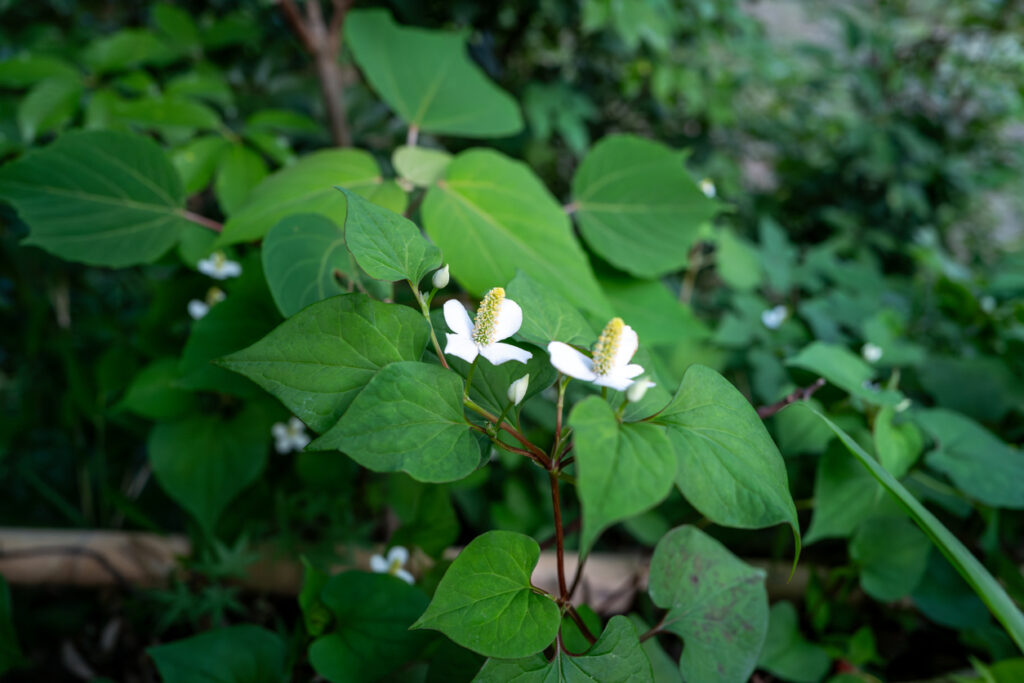
Also known as chameleon plant, this colourful ground cover promises to solve all your bare soil problems with its pretty heart-shaped leaves. Instead, it spreads aggressively underground and pops up everywhere like botanical whack-a-mole, complete with a fishy smell when you try to remove it.
Only plant houttuynia in completely contained areas with deep barriers, or accept that your entire yard will eventually smell like fish when you’re weeding. This plant has commitment issues – it commits way too hard to staying in your garden forever.
7. Trumpet vine attracts hummingbirds and takes over everything else.
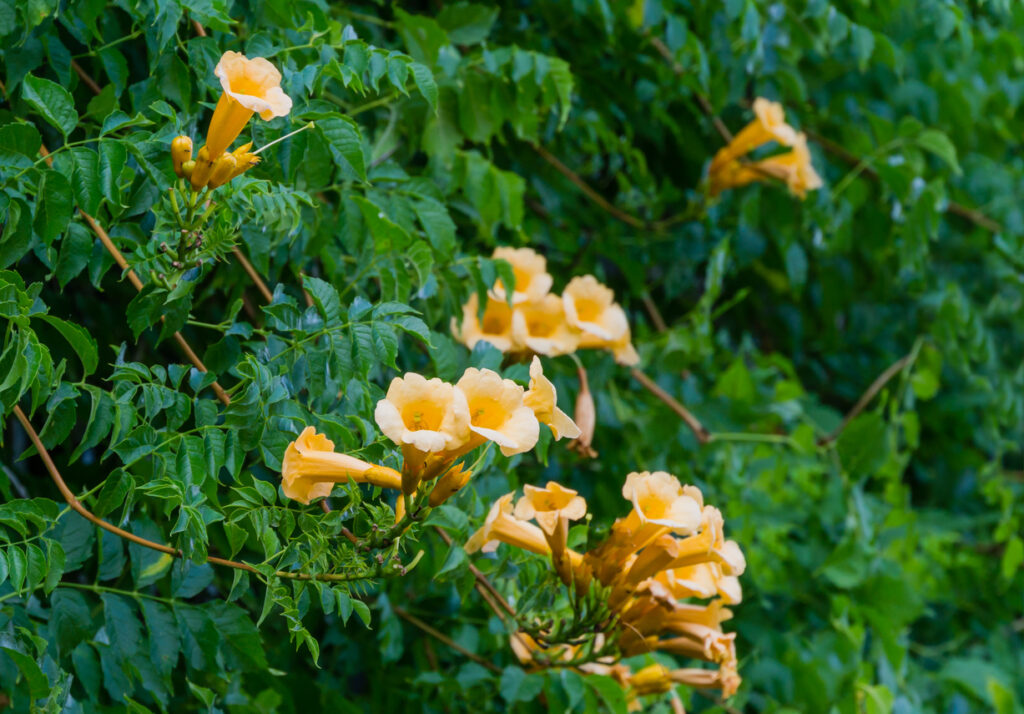
The orange trumpet-shaped flowers are gorgeous and hummingbirds absolutely love them, but trumpet vine spreads both by underground suckers and by seed, creating new plants everywhere the wind blows. It’s like nature’s version of aggressive marketing – beautiful but completely overwhelming.
Plant trumpet vine only if you want it to eventually become a major landscape feature, because it will be. This vigorous climber will cover fences, trees, and buildings with equal enthusiasm, turning your garden into a trumpet vine theme park.
8. Mint-family plants stage coordinated invasions.
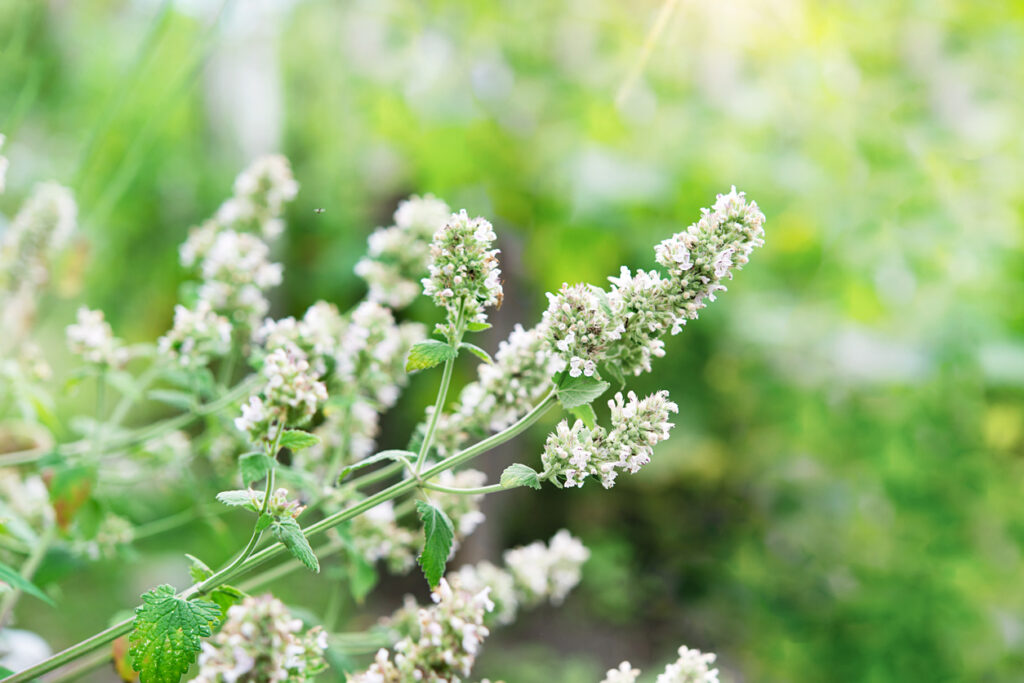
Beyond regular mint, other family members like lemon balm, bee balm, and catnip all share the same world domination tendencies. They spread underground and self-seed enthusiastically, creating little mint empires throughout your garden beds.
Keep all mint-family plants in containers or designated areas with barriers because they’ll cross-pollinate and create hybrid super-spreaders that combine all their invasive powers. Your garden can quickly become a mint family reunion that nobody invited you to host.
9. Ajuga ground cover becomes the only ground cover.
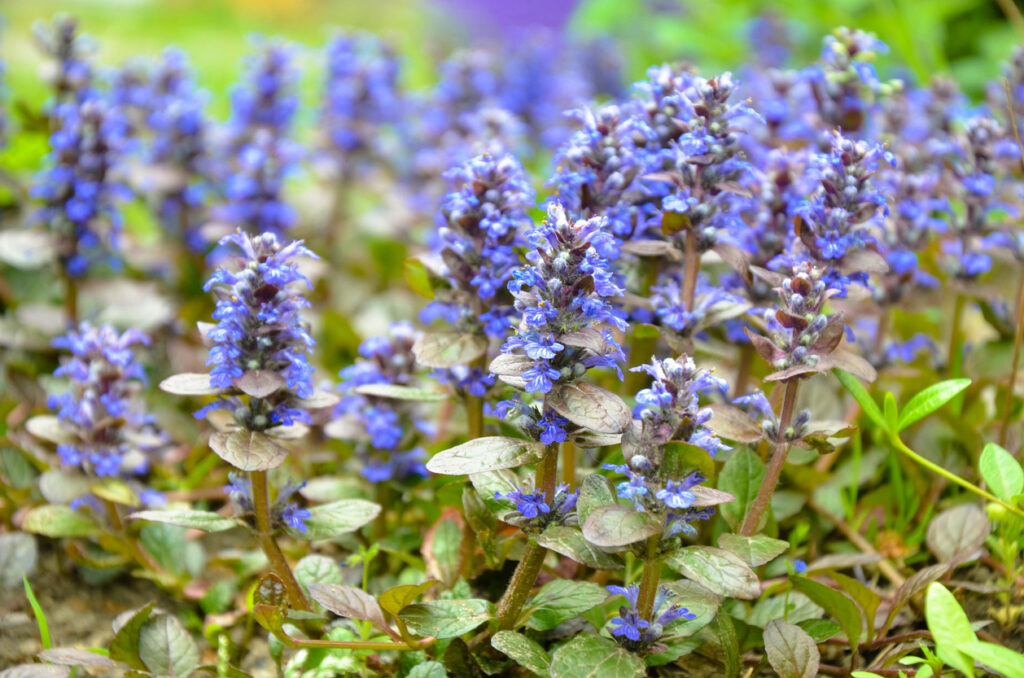
Ajuga (bugleweed) seems like the perfect solution for shady areas where grass won’t grow. This low-growing plant with purple flower spikes spreads by runners and will eventually carpet every available inch of soil, crowding out other plants with ruthless efficiency.
Use ajuga only in areas where you want complete coverage and nothing else, as it won’t coexist peacefully with other plants. It’s the botanical equivalent of that friend who gradually takes over your entire apartment until you realize they’ve basically moved in.
10. Ornamental grasses seed themselves into grass armies.
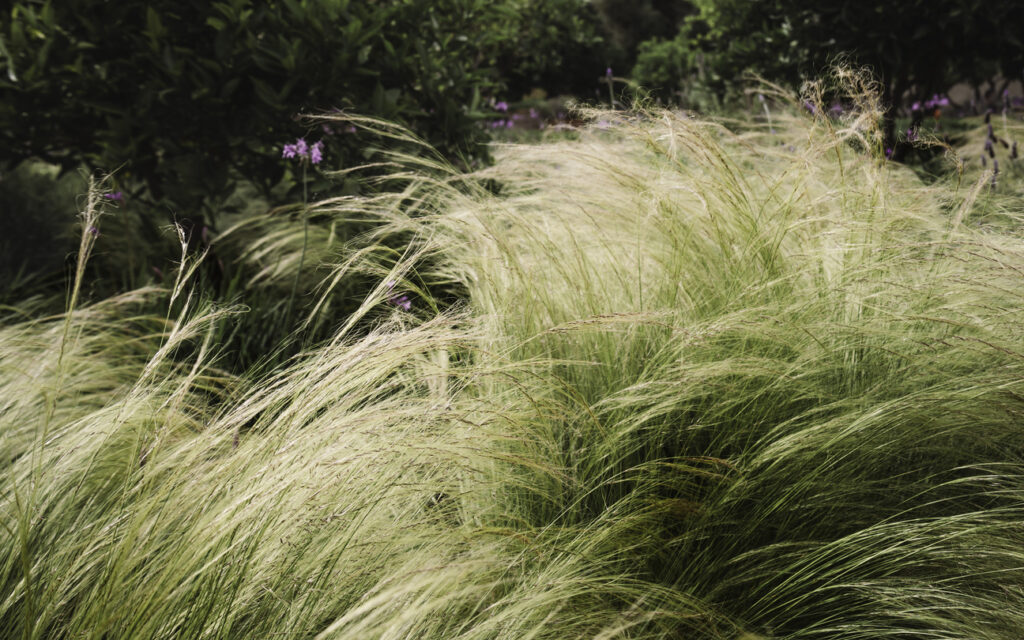
Many ornamental grasses produce massive amounts of seeds that blow around and create new grass clumps everywhere they land. What starts as one elegant fountain of grass becomes dozens of grass fountains scattered throughout your garden like some kind of grass flash mob.
Cut off seed heads before they mature if you want to keep ornamental grasses contained, or embrace the wild meadow look that’s about to happen whether you want it or not. Some grasses are basically nature’s way of turning your organized garden into a prairie, whether you signed up for that aesthetic or not.