Forests in the UK are more than just clusters of trees.
In fact, they’re living ecosystems supporting some of the country’s most iconic wildlife. From elusive predators to tiny creatures that keep the soil alive, forest animals rely on unique adaptations to survive in these habitats. Here are just some of the species perfectly shaped for life among Britain’s woodlands.
1. Red deer
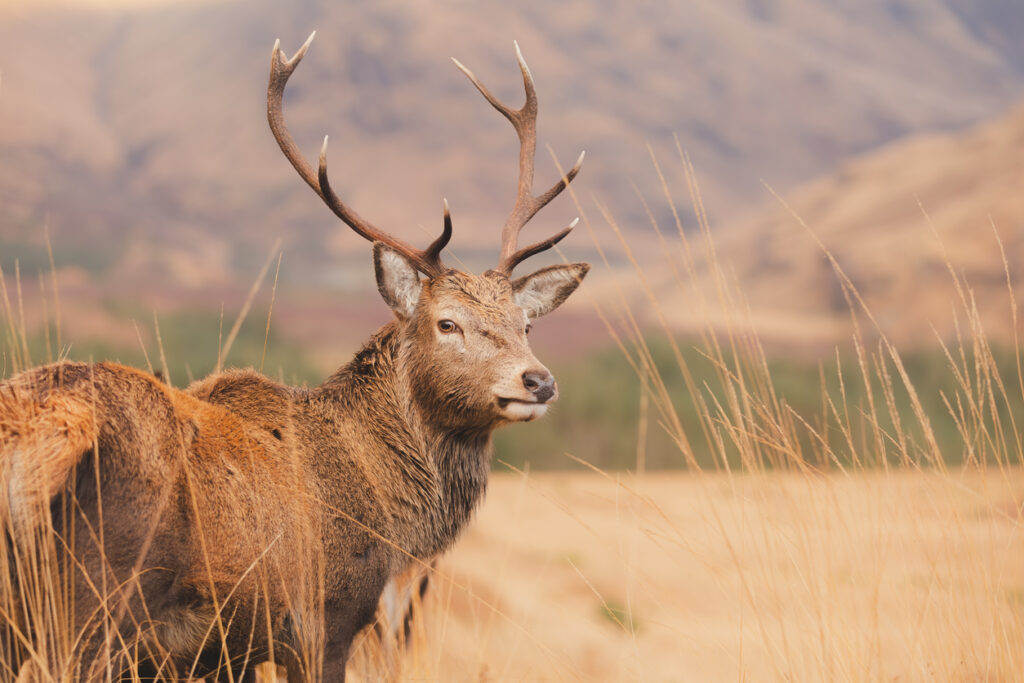
Red deer are the UK’s largest land mammals, and their size alone makes them a striking part of woodland life. Their reddish coats help them blend into bracken and tree cover, while their antlers are used by males to establish dominance during the rut. These displays are a dramatic example of how they’re adapted to forest life, combining camouflage with strength.
They also thrive on the varied food sources woodland provides, from grasses in open glades to shrubs and bark in harsher months. Forests offer them both food and shelter, while dense cover helps protect young calves from disturbance and predators.
2. Red squirrels

Although increasingly rare in England, red squirrels are still common in parts of Scotland and protected reserves. Their light frames, strong claws, and bushy tails make them agile in the treetops, where they leap between branches and forage for cones, nuts, and seeds. Their survival is tied directly to woodland, particularly conifer forests, where food is most abundant.
They also show clever adaptation by storing food underground for the winter. These caches help them survive lean months, and forgotten nuts even contribute to woodland regeneration, making them an important part of the forest ecosystem.
3. Tawny owls
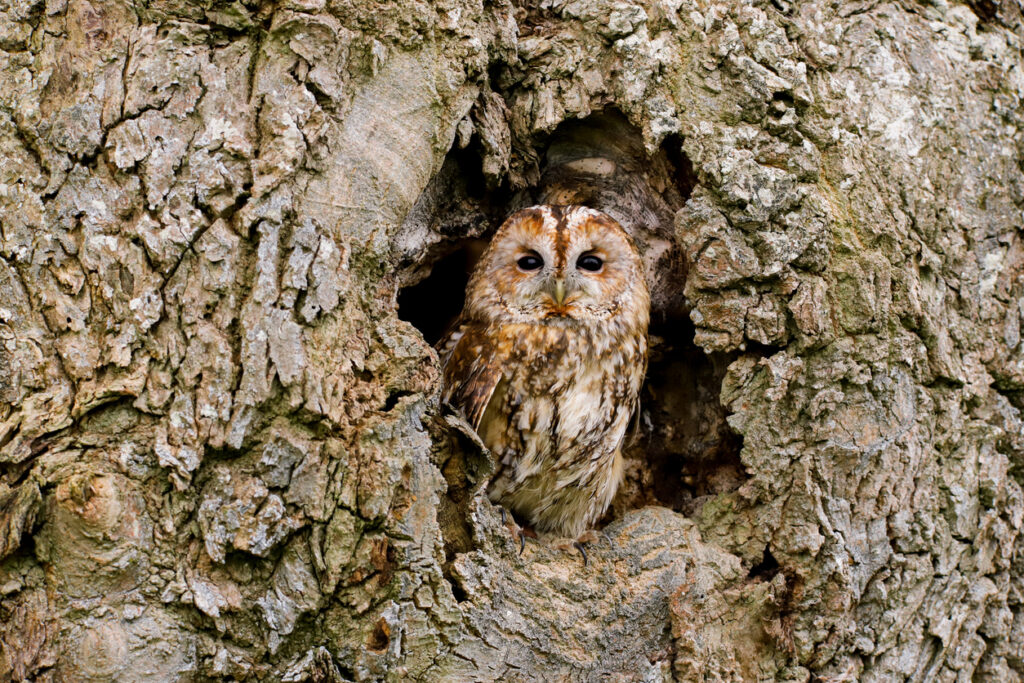
Tawny owls are perfectly built for hunting in dark woodland. Their broad wings allow for near-silent flight, while their excellent night vision and hearing help them locate small mammals under thick cover. Their mottled brown plumage doubles as camouflage, letting them rest unnoticed against tree trunks by day.
They rely heavily on forest habitats because of the cavities in mature trees where they nest. Without these, they would struggle to raise chicks safely, so protecting old woodland is vital for their continued presence across the UK.
4. Pine martens
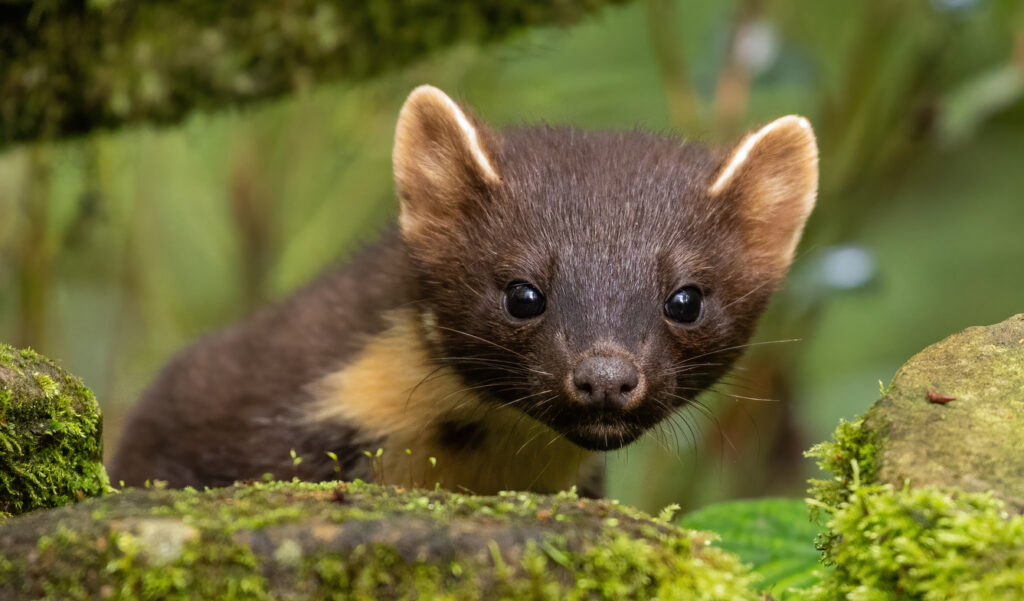
Pine martens are slender, agile hunters that move with ease through trees. Their semi-retractable claws and long tails give them balance and grip as they pursue prey or climb in search of birds’ eggs and berries. Their ability to use both the canopy and the forest floor shows how versatile they are in woodland life.
They also rely on hollow trees and old stumps as dens. Once persecuted heavily, they are now making a cautious comeback in Scotland and parts of northern England, with forest corridors playing a crucial role in their recovery.
5. Hedgehogs
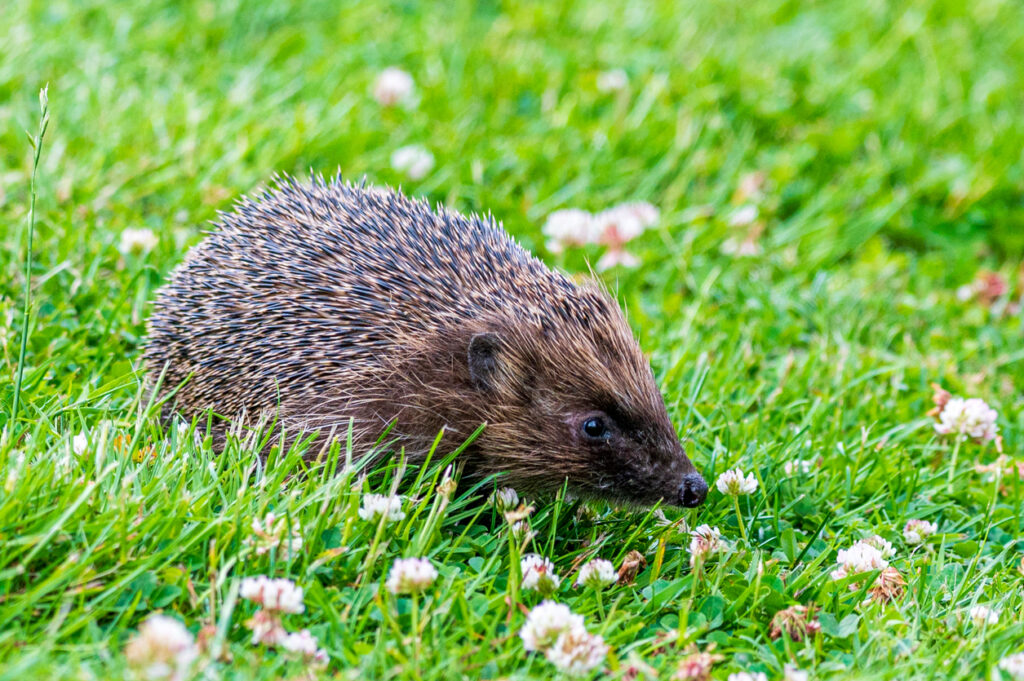
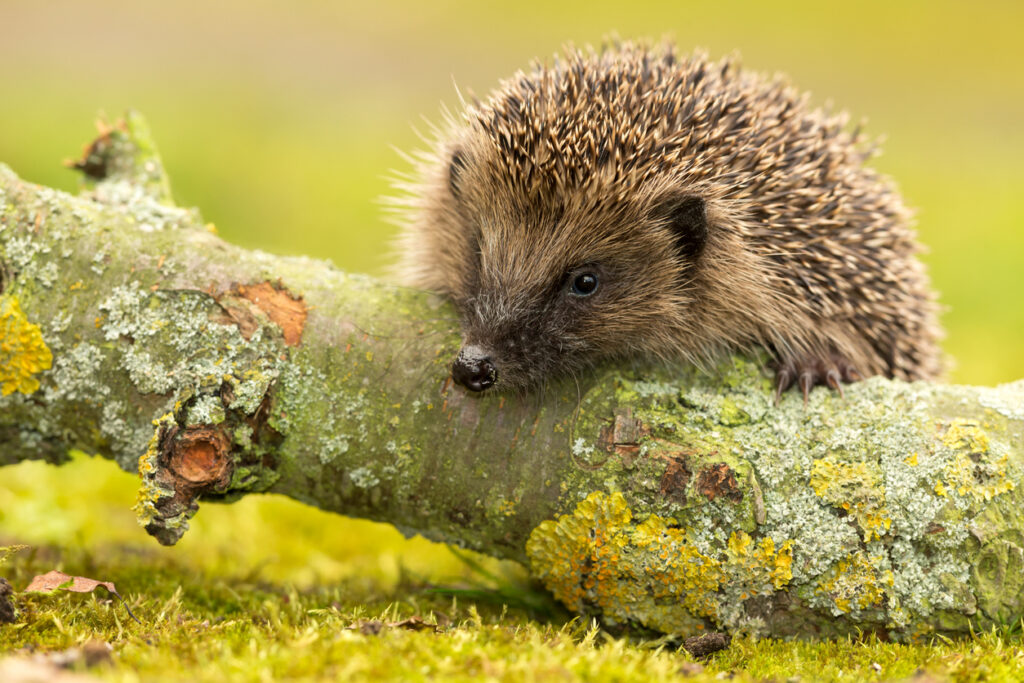
Though often seen in gardens, hedgehogs are equally well adapted to woodland edges. Their spines offer protection from foxes and badgers, and their nocturnal foraging habits mean they can move through leaf litter in relative safety. Forest floors are alive with beetles, worms, and caterpillars — all perfect hedgehog food.
Hedgehogs also hibernate through winter in piles of leaves or logs. Woodland offers plenty of these natural shelters, showing how important forest structure is for their survival year after year.
6. Woodpeckers
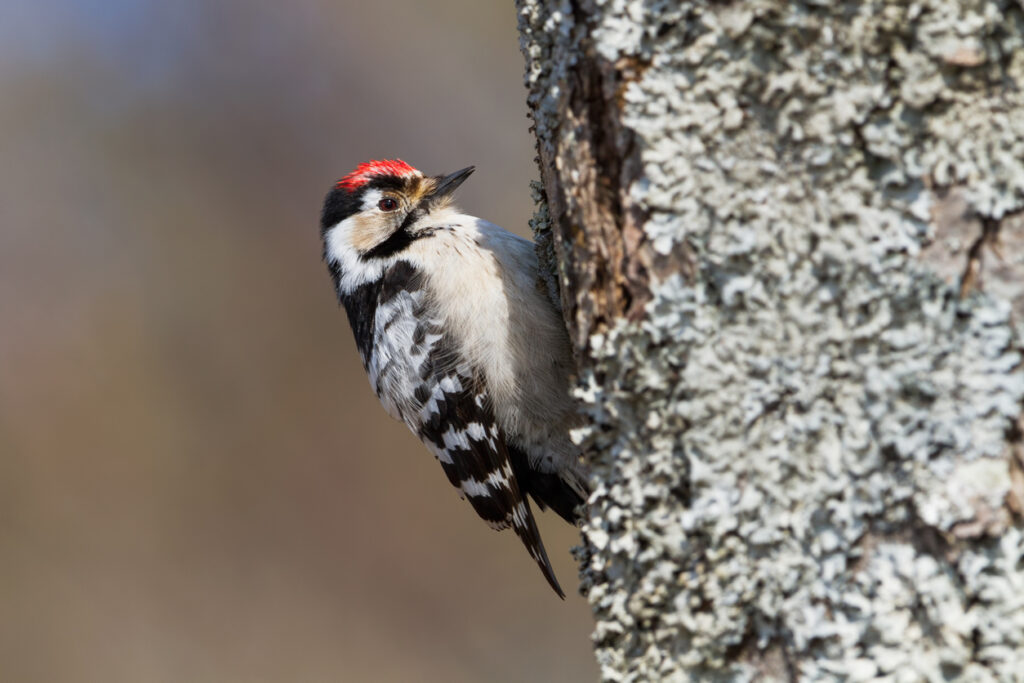
Woodpeckers, such as the great spotted and green species, are classic woodland specialists. Their strong beaks are adapted for chiselling into bark to find grubs, while their stiff tail feathers act as props to steady them on tree trunks. The rhythmic drumming you hear in spring is both communication and territory marking.
They also excavate nesting holes that later benefit other species like bats or small owls. This makes them important “ecosystem engineers” in forests, creating habitats that go on to shelter many other creatures.
7. Foxes
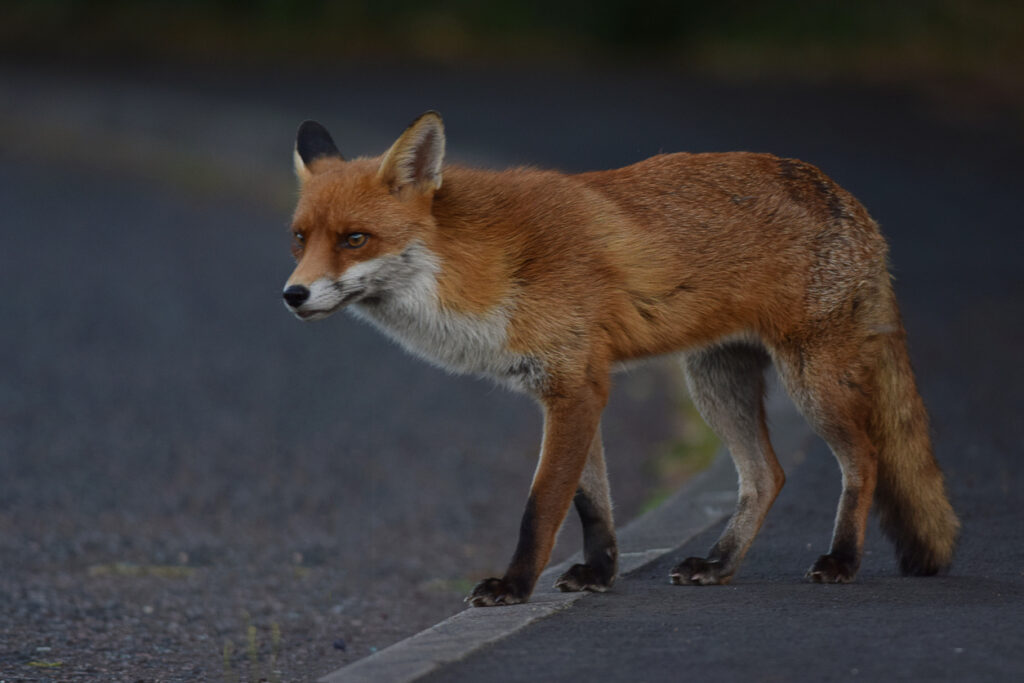
Foxes are adaptable animals, but they benefit greatly from woodland habitats. Their keen hearing and sharp sense of smell make them skilled hunters of small mammals, birds, and invertebrates hiding in undergrowth. Their reddish coats blend well with autumn leaves, adding an extra layer of camouflage.
Forests also provide secure places to dig earths, where foxes raise their cubs with minimal disturbance. Woodland life offers them a balance of prey, shelter, and cover, showing how easily they adjust to different environments when left undisturbed.
8. Wild boar
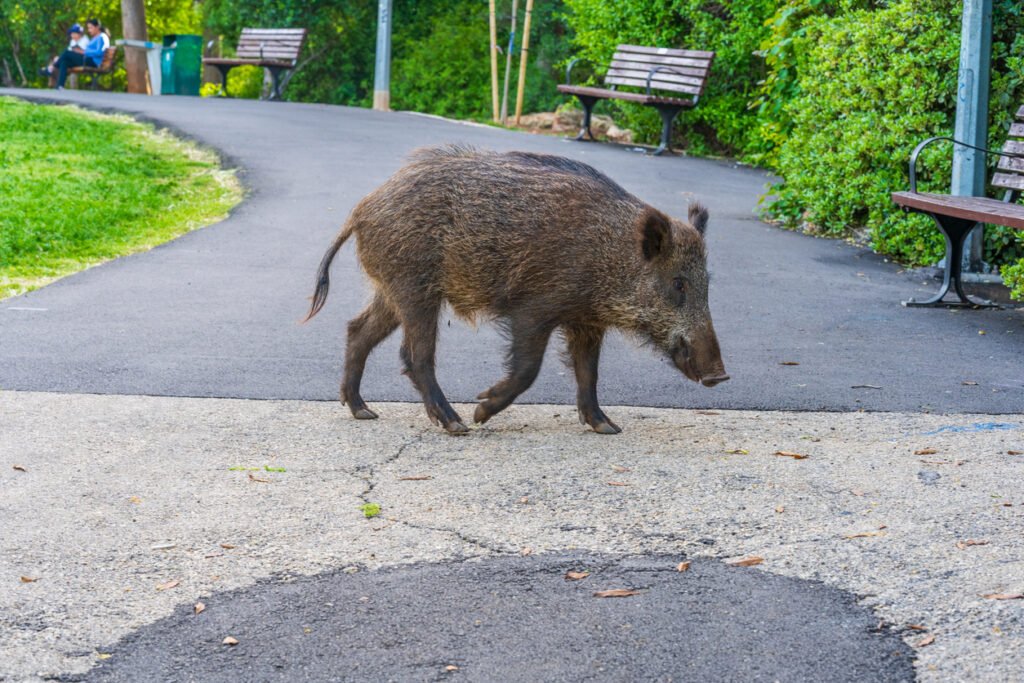
Wild boar were once extinct in Britain but have re-established small populations in areas such as the Forest of Dean. Their muscular snouts are adapted for rooting through soil in search of roots, bulbs, and insects. This digging turns over the earth, which, although disruptive, also helps recycle nutrients back into the soil.
Dense woodland gives them cover from people and plenty of food. Their family groups, known as sounders, rely on forests for protection and foraging grounds, making them an increasingly important part of certain UK ecosystems once again.
9. Bats
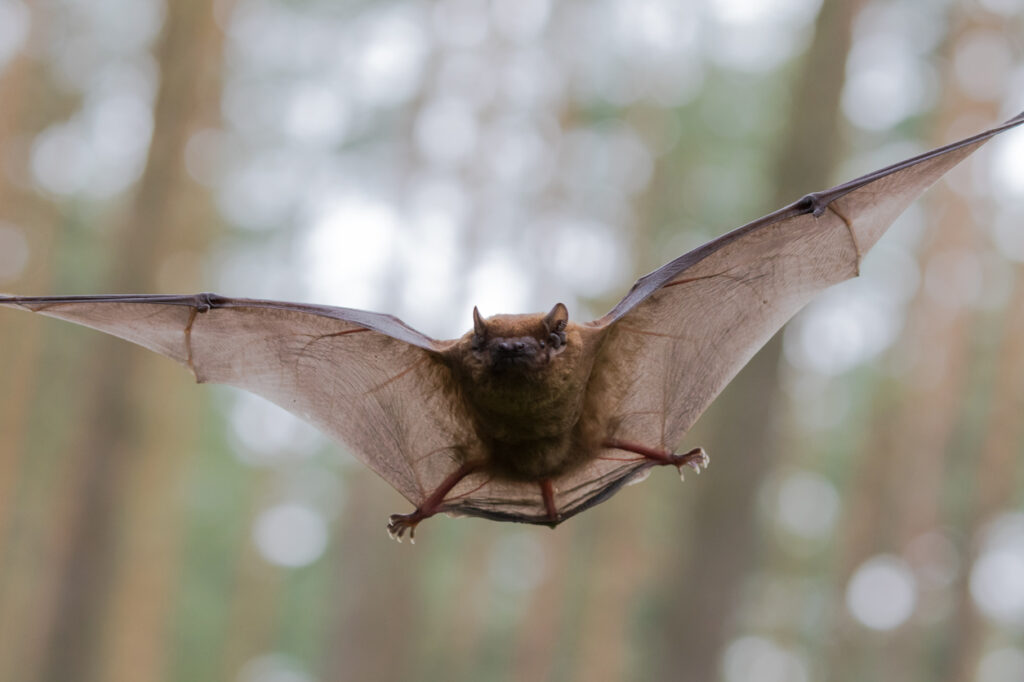
Many bat species, including pipistrelles and noctules, are strongly tied to woodland. Their echolocation skills allow them to navigate dense trees and catch insects in the dark. Bats play a key role in controlling insect numbers, which keeps forest ecosystems in balance.
They roost in hollow trees, under bark, or in old woodpecker holes. Without healthy, mature woodland, they lose these crucial roosting sites, which highlights the importance of protecting older forests and not just planting new ones.
10. Roe deer
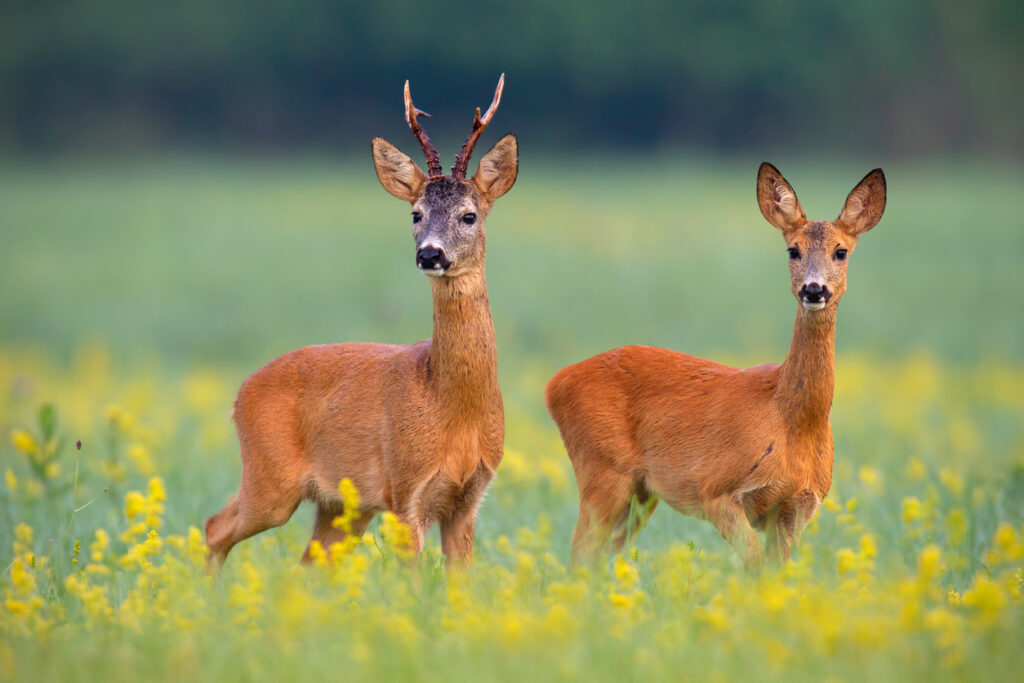
Roe deer are smaller than red deer, but are just as strongly linked to forest habitats. Their reddish summer coats and greyish winter ones help them stay camouflaged year-round. They are browsers rather than grazers, feeding on shrubs, herbs, and tree shoots found at forest edges.
They also use woodland for cover when raising fawns. Roe deer prefer mosaic landscapes of woodland and open fields, showing how forests provide both the shelter and food that sustain them through the year.