Dogs are known as man’s (and woman’s!) best friend, and for good reason.

They might not understand tax codes or relationship drama, but they’ve mastered the art of reading human emotions better than most people do. While you’re thinking you’re keeping your feelings hidden, your furry friend has already picked up on seventeen different emotional cues and is probably planning their response accordingly.
1. They smell your feelings before you even know you have them.
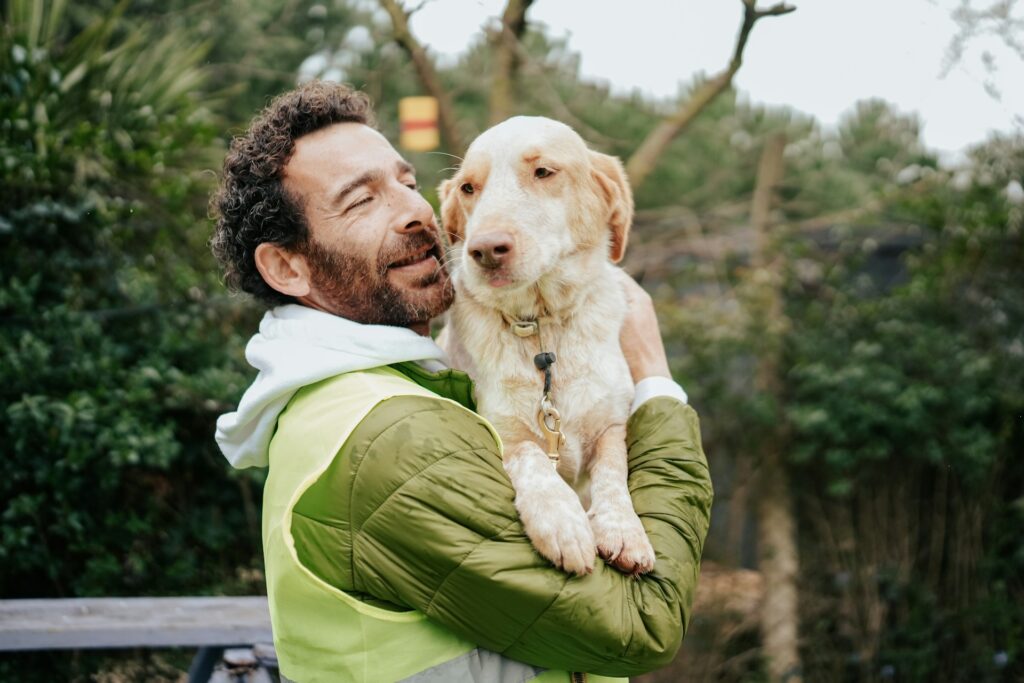
Your dog’s nose contains roughly 300 million scent receptors compared to your measly 6 million, which means they can literally smell chemical changes in your body that happen when your feelings change. Stress, fear, happiness, and sadness all produce different scents that your dog picks up on instantly.
They’re basically walking around with a superpower that lets them detect your emotional state through your personal scent signature. When you’re having a rough day, they know it before you’ve even fully processed what you’re feeling because your body chemistry has already changed.
2. They watch your face like they’re studying for an exam.
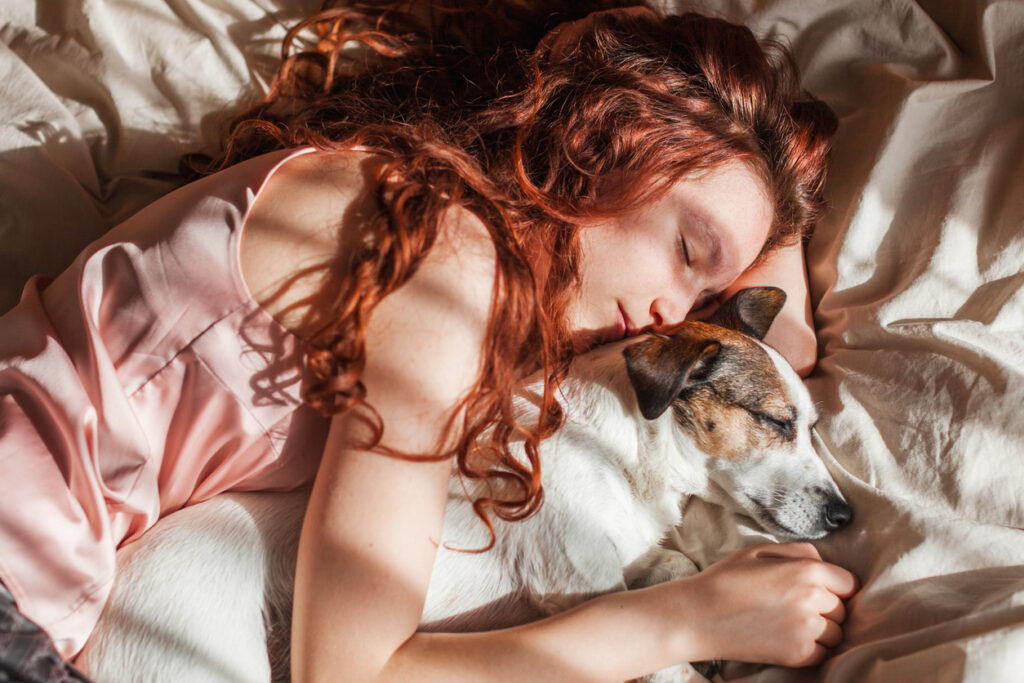
Dogs spend an enormous amount of time staring at human faces, and they’ve become experts at reading micro-expressions that even other humans miss. They can tell the difference between your genuine smile and your fake “everything’s fine” smile just from tiny muscle movements around your eyes.
Research shows dogs look at the left side of human faces first, which is where emotions are most clearly expressed. They’ve literally evolved to be professional human emotion detectors, and your face is their primary source of information about how you’re doing.
3. They mirror your energy levels without even trying.

Ever notice how your dog seems more subdued when you’re feeling low, or more playful when you’re in a good mood? Dogs naturally match their energy to yours as a way of staying emotionally connected and showing empathy.
That mirroring isn’t conscious; they’re not deciding to be calm because you seem sad. Their nervous systems actually sync up with yours, which is why spending time with dogs can be so therapeutic for people dealing with stress or depression.
4. They remember your emotional patterns and routines.
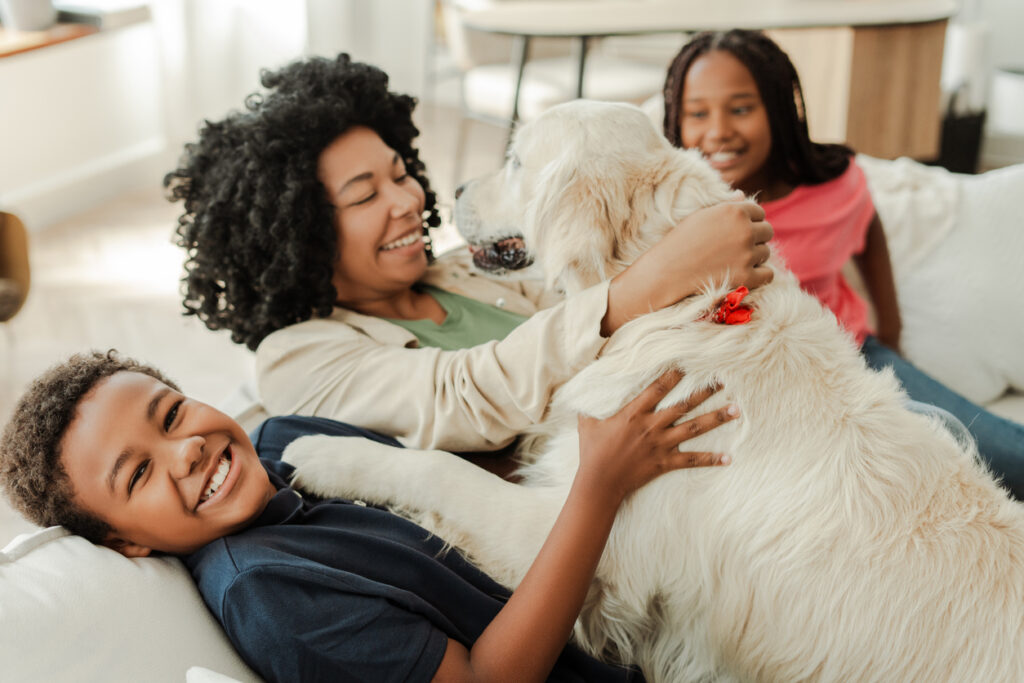
Your dog has catalogued your emotional rhythms and knows when you typically get stressed, happy, or upset. They might start acting differently on Sunday evenings because they know you get the “work week blues,” or get excited on Friday afternoons because they’ve learned that’s when your mood lifts.
Their emotional memory makes them incredibly good at predicting your needs and responding before you even realise you need comfort. They’re like furry therapists who’ve been studying your case for years.
5. They use their whole body to comfort you.

When dogs sense you’re upset, they don’t just approach you—they adjust their entire body language to provide comfort. They might lower their head, soften their eyes, approach slowly, or offer physical contact in gentle ways that somehow feel exactly right for the moment.
Some dogs will rest their head on your lap, others will sit quietly beside you, and some will bring you toys or do silly things to make you smile. They seem to instinctively know whether you need space, distraction, or cuddles.
6. They respond differently to different types of sadness.

Dogs can distinguish between various types of emotional distress and adjust their behaviour accordingly. They might respond one way when you’re crying from physical pain and completely differently when you’re upset about relationship problems.
Their emotional intelligence is remarkable. They’re not just recognising that you’re sad, but they’re picking up on the specific type of sadness and responding in ways that are most appropriate for that particular situation.
7. They get excited about your happiness before you show it.

Sometimes dogs start acting happy and playful right before you receive good news or experience something positive. It’s like they can sense the change in your emotional trajectory before it fully manifests in your behaviour.
It might happen because they’re picking up on subtle changes in your posture, scent, or energy that indicate good things are coming. They’re so tuned into your emotional state that they can predict your mood changes before you’re fully aware of them yourself.
8. They know the difference between your tears.

Dogs respond differently to tears of sadness versus tears of joy or laughter. When you’re crying from happiness, they might join in the celebration, but when you’re crying from pain or grief, they typically offer comfort instead of excitement.
This shows they’re not just responding to the physical act of crying, but they’re reading the emotional context and responding appropriately. They understand that not all tears mean the same thing.
9. They position themselves strategically based on your mood.
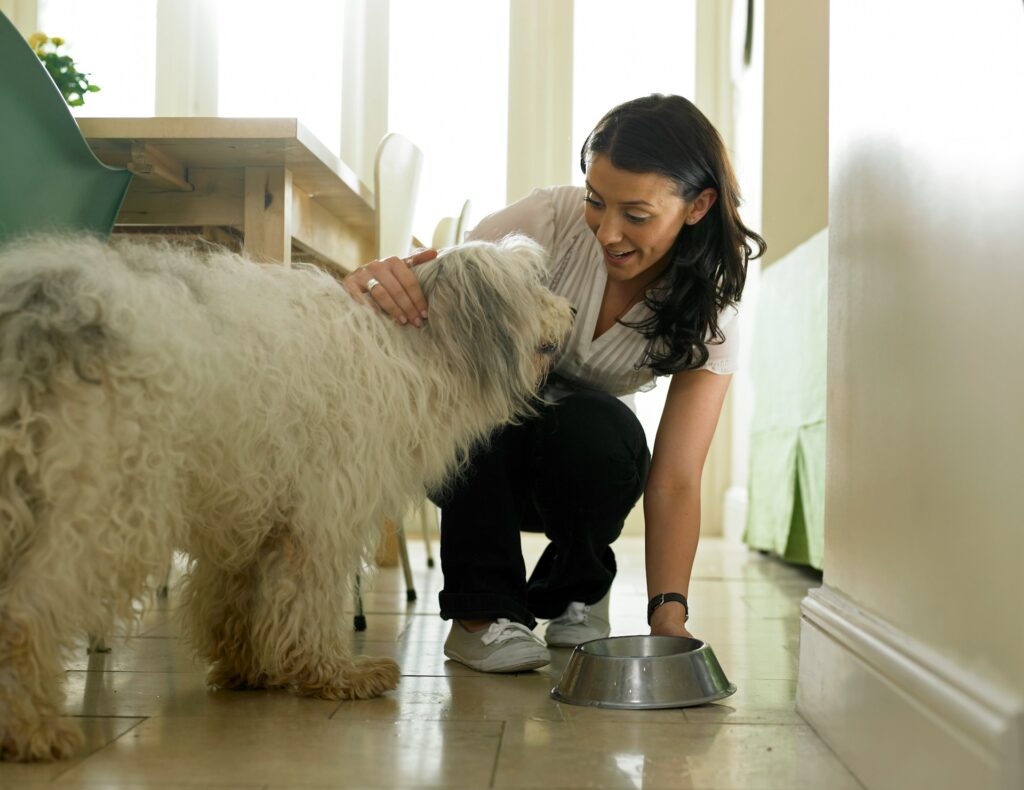
When you’re happy and energetic, your dog might play in front of you or run around nearby. When you’re sad or stressed, they often position themselves where they can maintain physical contact or keep a watchful eye on you without being intrusive.
Their spatial awareness shows they understand that different emotional states require different types of support. They give you space when you need it and stay close when you need comfort.
10. They bring you specific items based on how you’re feeling.

Many dogs will bring different toys or objects depending on your emotional state. They might bring their favourite toy when you’re sad, a ball when you seem like you need to play, or even random household items when they sense you need distraction.
This behaviour suggests they understand that different emotions call for different types of intervention. They’re not just randomly bringing you stuff; they’re making thoughtful choices about what might help you feel better.
11. They change their sleeping patterns to match your stress levels.

Dogs often sleep closer to their humans when they sense emotional distress, and they might stay more alert during times when you’re going through difficult periods. They adjust their rest patterns to provide emotional support when needed.
Some dogs will even wake up during the night to check on their humans if they sense something is wrong. They’re basically appointed themselves as your personal emotional security system.
12. They use eye contact to communicate empathy.
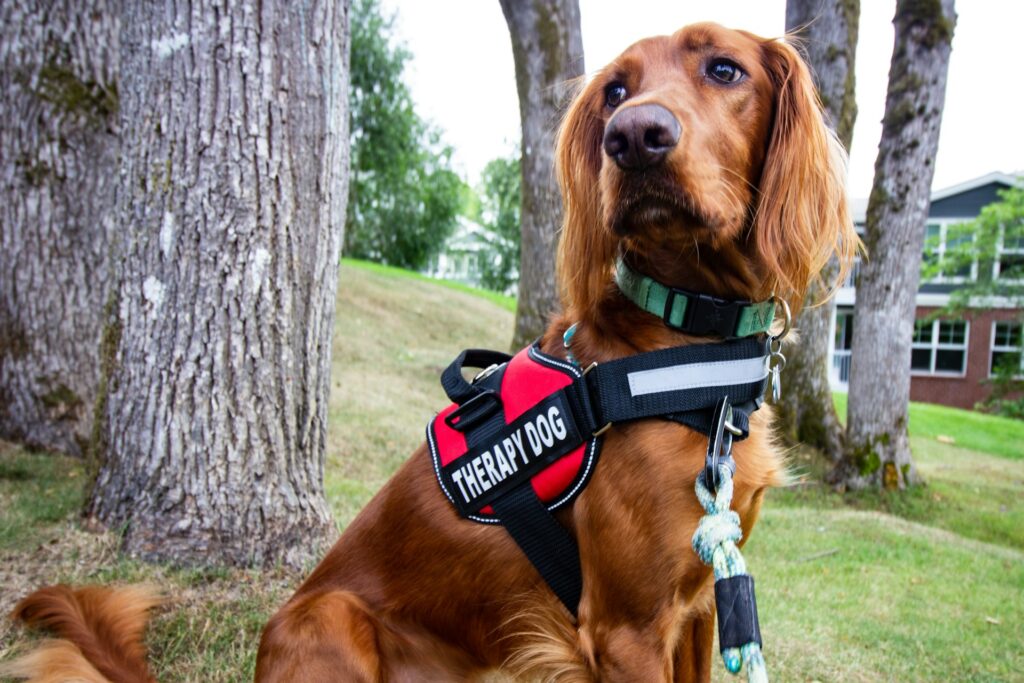
The way dogs look at you when you’re emotional is completely different from their normal gaze. They use soft, sustained eye contact to communicate understanding and support, which actually triggers the release of bonding hormones in both humans and dogs.
This empathetic eye contact isn’t something they do with other dogs. It’s a special form of communication they’ve developed specifically for connecting with humans emotionally.
13. They remember and avoid things that upset you.
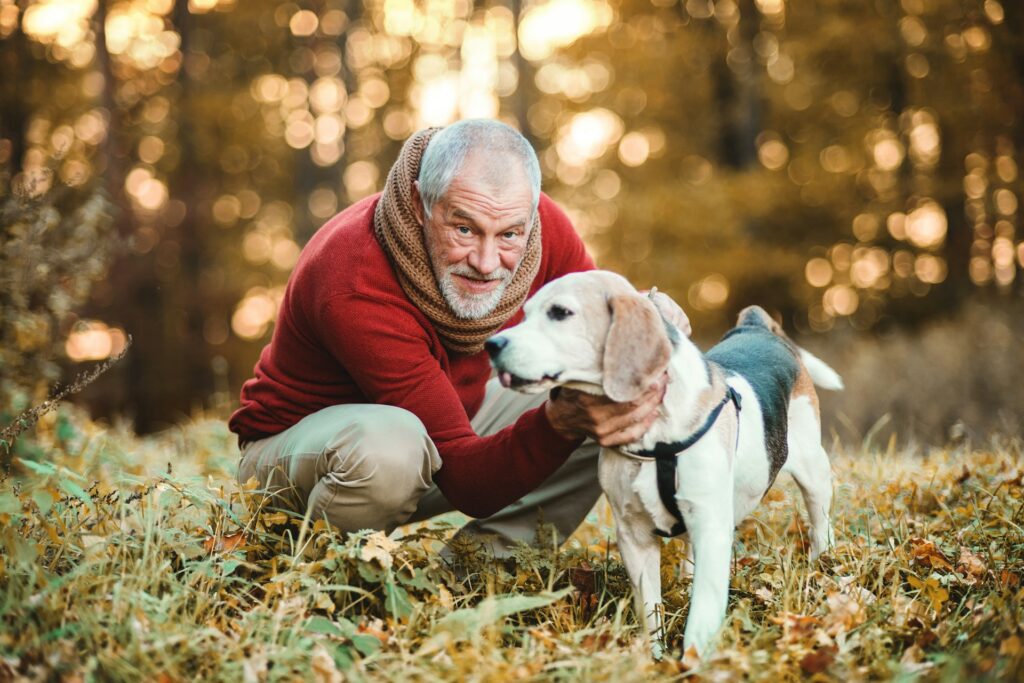
Dogs pay attention to what triggers negative emotions in their humans and often modify their behaviour to avoid causing additional stress. If they notice that certain actions make you anxious or sad, they’ll often stop doing those things without any formal training.
The fact that they show emotional consideration proves that they not only recognise your feelings but also care enough to adjust their own behaviour to protect your emotional health. They’re essentially being emotionally thoughtful housemates who want to contribute to your happiness.