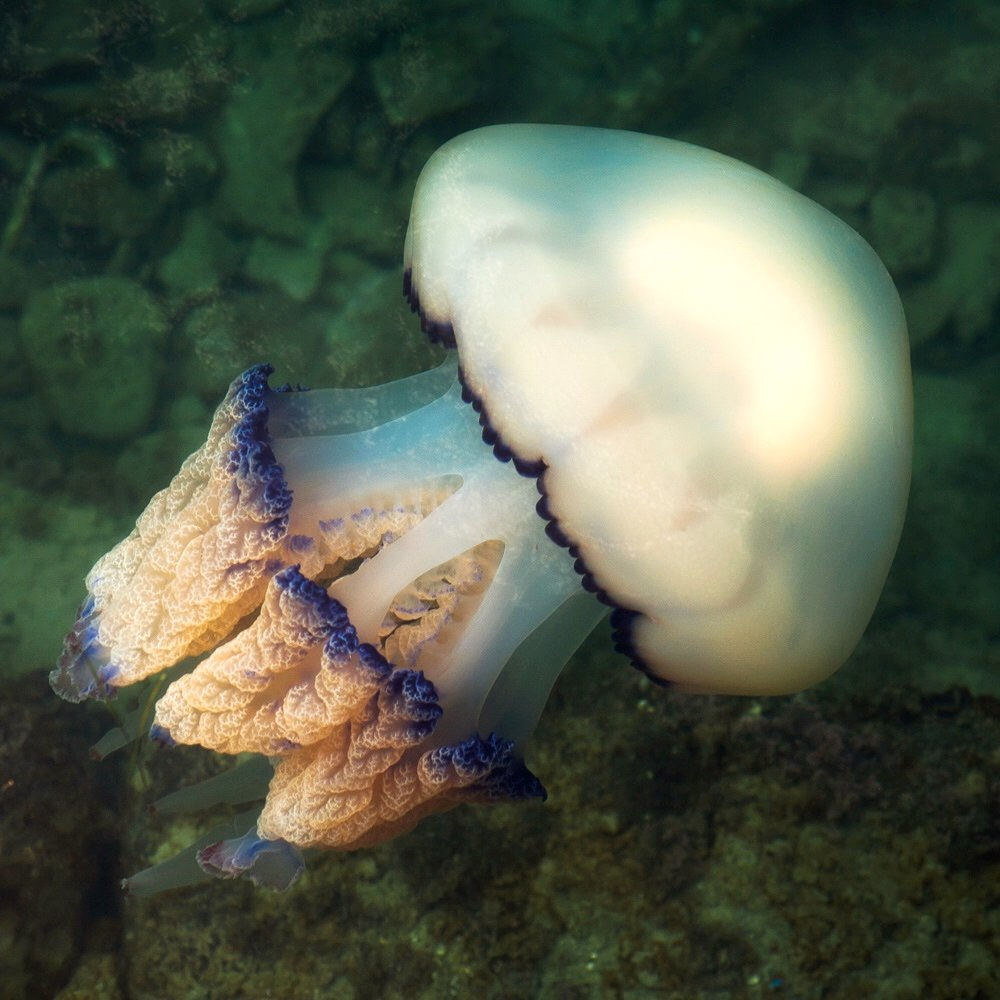
In recent summers, more people have reported seeing giant barrel jellyfish washed up on British beaches. These strange, ghostly creatures spark curiosity and sometimes alarm. Here’s why they’re appearing more often, and what their presence really means for our waters and our environment.
Barrel jellyfish are the UK’s largest jellyfish.
Barrel jellyfish can grow up to a metre across and weigh as much as 25 kilograms. Their size makes them impossible to miss when they wash up, creating a dramatic sight on beaches. Despite their size, they’re not considered especially dangerous to humans. Their sting is mild compared to tropical species, though it can still irritate sensitive skin.
They follow plankton blooms.
Barrel jellyfish feed on plankton, tiny organisms that drift in the sea. When plankton blooms in large numbers during spring and summer, jellyfish follow in search of food. This is why sightings increase in warmer months. The abundance of plankton close to British shores draws barrel jellyfish into shallower waters where people notice them.
Warmer seas are helping them thrive.
Climate change is gradually warming British seas, creating more suitable conditions for jellyfish. Warmer water accelerates their growth and extends the time they can survive near the coast. This change means barrel jellyfish populations may become more common in UK waters. Warmer seas also encourage plankton growth, giving them more to feed on.
Strong currents push them ashore.
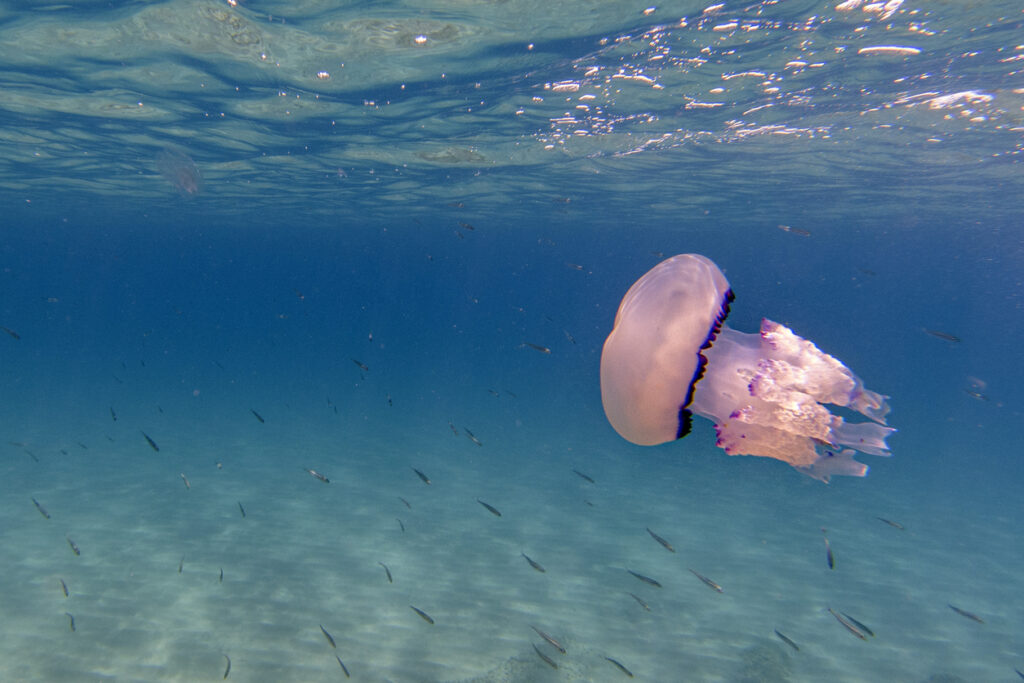
Jellyfish are weak swimmers and rely heavily on ocean currents to move. When tides and winds shift, they can be carried into shallow water and eventually stranded on beaches. That’s why sudden appearances often follow storms or unusual weather patterns. The jellyfish aren’t deliberately approaching land, but simply being moved by the sea itself.
They live most of their lives offshore.
Barrel jellyfish usually live in deeper offshore waters. They drift through the ocean feeding and reproducing, largely unnoticed by people. It’s only when they’re carried closer to the coast that they become visible. Their sudden arrival on beaches makes it seem like an invasion, though it’s mostly chance currents.
Their life cycle explains mass strandings.
Barrel jellyfish are seasonal creatures. Adults grow rapidly in spring, swarm through summer, and die by autumn, leaving only tiny polyps behind to restart the cycle the next year. This natural die-off means many adults wash up around the same time. Large strandings can look alarming, but they’re part of the species’ life rhythm.
They play an important role in the ecosystem.
Though they may seem like simple drifters, barrel jellyfish are a key food source for many marine animals, including turtles and large fish. Their presence helps maintain balance in the ecosystem. Without them, certain predators would lose a valuable food supply. Far from being pests, jellyfish are a vital part of marine food webs.
Their numbers are influenced by human activity.
Overfishing has reduced the populations of some fish species that compete with jellyfish for plankton. This leaves more food available for barrel jellyfish to thrive. Pollution and changing habitats can also tip the balance in their favour. Human actions often play a bigger role than people realise in shaping jellyfish populations.
Sightings create a sense of both fascination and fear.

When barrel jellyfish wash ashore, people often stop to take photos or marvel at their size. Their alien-like shape draws attention and curiosity. At the same time, many beachgoers worry about stings. Education about their mild sting helps reduce unnecessary fear, reminding people they’re less dangerous than they look.
Conservationists see them as climate indicators.
Because jellyfish respond quickly to changes in temperature and food supply, they’re seen as natural indicators of how the ocean is shifting under climate change. Rising numbers near British shores suggest ecosystems are already adapting to warmer seas. Studying jellyfish helps scientists track these changes in real time.
Their presence is likely to continue.
With warming seas, shifting currents, and changing ecosystems, barrel jellyfish will likely remain a regular sight on British coasts. Summer reports of strandings are expected to become more common. Rather than seeing them as intruders, recognising their ecological role makes it easier to accept them. They’re a natural part of shifting seas and a reminder of how connected climate and wildlife truly are.
Barrel jellyfish washing up on British beaches may look unusual, but their presence reflects deeper changes in our seas. They’re harmless reminders of the ocean’s complexity, drifting in on tides that connect climate, ecosystems, and human activity.