Cats age in ways that are both subtle and striking.
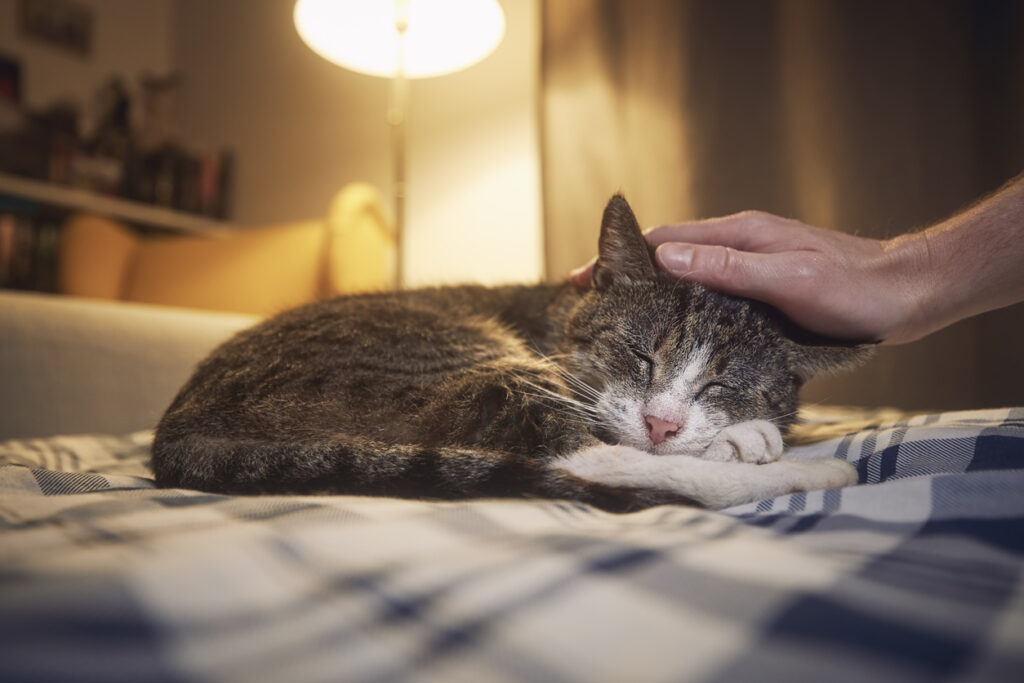
While many of the changes they go through over the years are nothing to worry about, others might need a vet’s attention, or at least a quick check-up to ensure they’re doing okay. Knowing the difference between normal behaviour and a potentially problematic habit helps you support your cat as they get older while making sure you don’t miss warning signs that could point to bigger problems.
1. Sleeping more often
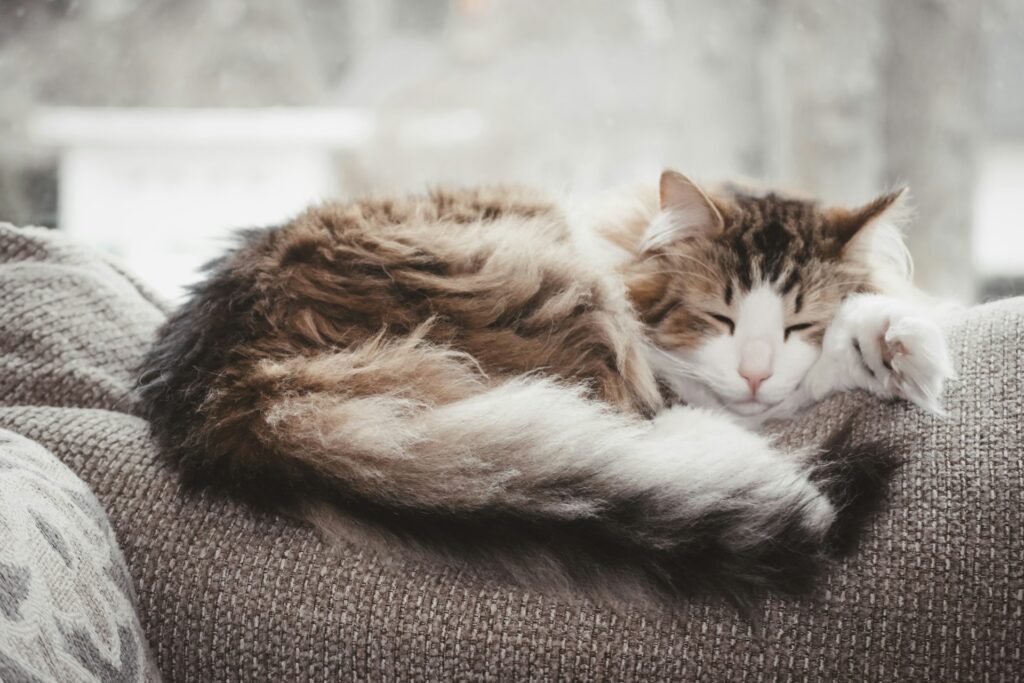
Older cats tend to nap for longer stretches and may spend most of the day resting. Their energy levels change as they age, so what once seemed like boundless playfulness gradually gives way to calmer, slower routines. More time spent curled up on the sofa is a natural part of growing older.
You only need to be concerned if the sleepiness comes with other changes, such as refusing food or struggling to move around. As long as your cat still gets up, eats, and interacts when awake, extra naps are simply a normal ageing sign.
2. Greying fur

Like humans, cats can develop patches of grey or white fur as the years go by. This usually appears around the face, chest, and paws, adding a distinguished look to their appearance. It doesn’t cause any discomfort and is purely cosmetic.
No treatment is necessary here. A healthy grooming routine and a good diet will keep their coat looking its best, but the colour changes themselves are nothing to worry about and are just part of the ageing process.
3. Reduced activity
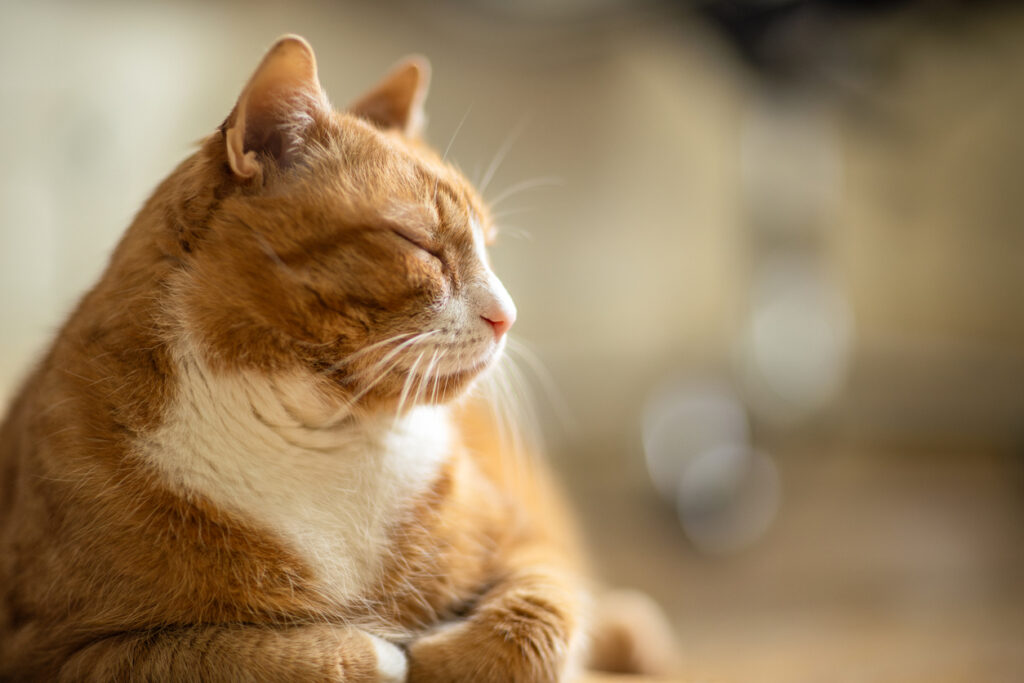
A senior cat may no longer jump to the top of cupboards or race around chasing toys. Their joints and muscles gradually stiffen, making high-impact activity less appealing. They conserve energy and spend more time observing than dashing about.
You can help by adapting play to their comfort levels. Offer toys they can chase along the floor, or set up easier climbing spots with ramps and lower perches. This lets them stay engaged without pushing their body too hard.
4. Changes in vision or hearing
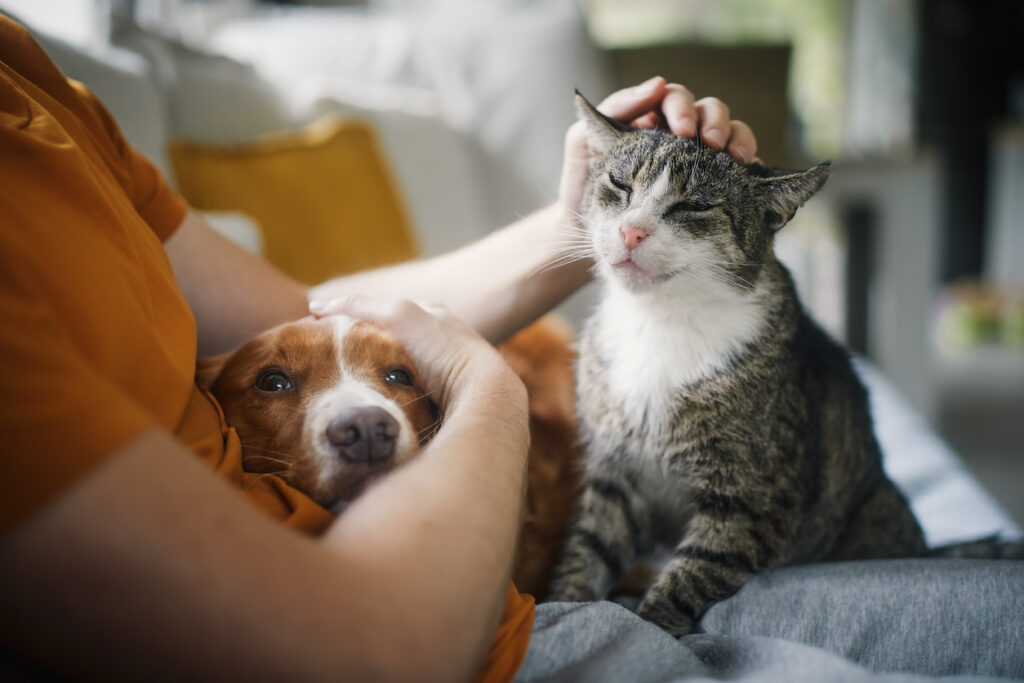
Slight declines in eyesight or hearing are common as cats age. They may be slower to respond when you call or hesitate in dim lighting. These changes tend to come on gradually and rarely affect their quality of life if the environment is familiar.
Making small adjustments helps them adapt. Keeping their space consistent and ensuring good lighting allows them to navigate confidently, proving that mild sensory changes are a normal part of senior life.
5. Weight changes
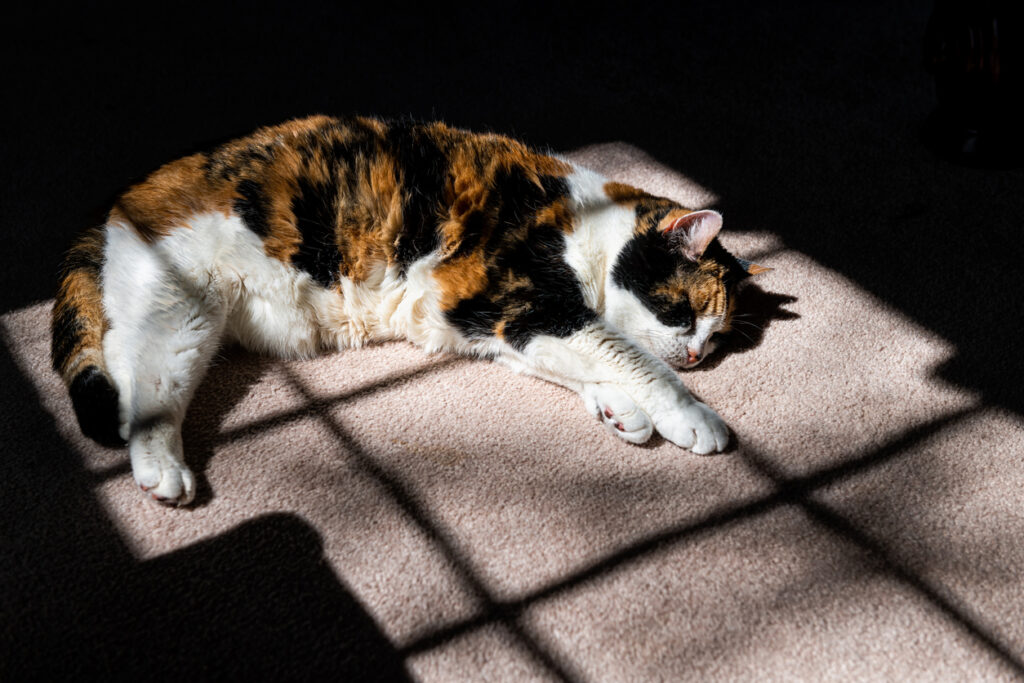
It’s not unusual for older cats to gain or lose a little weight over the years. Metabolism changes and activity levels decline, which naturally changes how their body stores energy. As long as these changes are gradual, they’re usually nothing to panic about.
Weighing your cat regularly helps you spot trends. If the changes are slow and appetite stays steady, it’s simply ageing at work. Only sudden or severe weight loss should set off alarms.
6. Thinner coat

Fur may lose some of its thickness and shine as cats get older. Their coat might feel less silky and look slightly dull compared to their younger years. This comes from slower cell renewal and reduced grooming energy.
Brushing more often helps stimulate their skin and keeps the fur in better condition. Senior-specific diets with added nutrients also support coat health, keeping it as glossy as possible despite natural thinning.
7. Slower reflexes
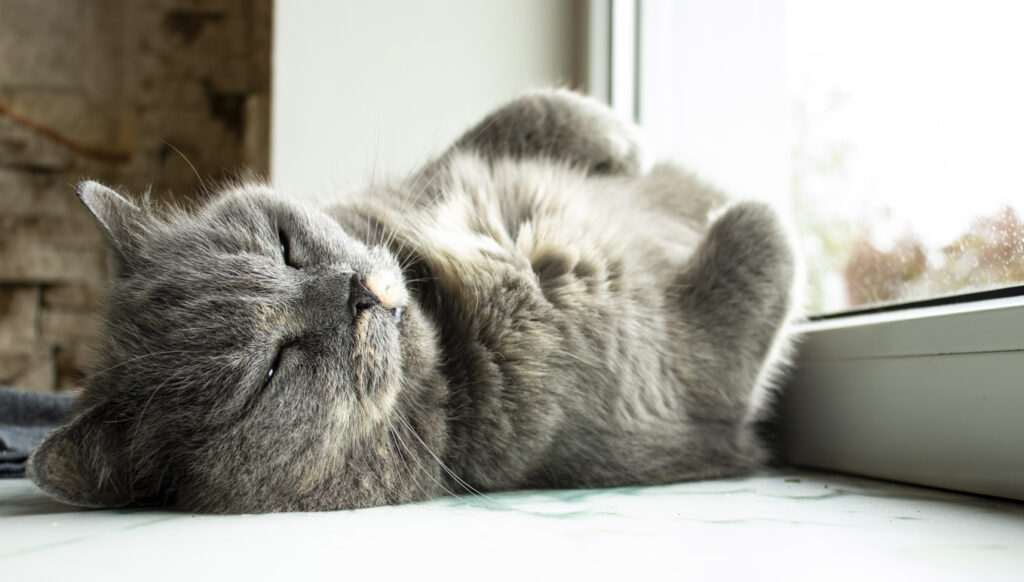
A cat that once reacted instantly may now take a little longer to pounce or play. Age naturally slows reflexes, and they may not leap out of the way as quickly as before. These changes are normal and usually not painful.
Choosing gentler play activities makes a difference. Wands moved at a slower pace or balls rolled along the ground let them join in without feeling pressured to keep up with their younger selves.
8. Sleeping in warmer spots

Older cats often seek warmth more than they used to. Ageing bodies don’t regulate temperature as well, so they look for sunny windowsills, radiators, or thick blankets. This behaviour is harmless and helps them stay comfortable.
Offering extra cosy spots is the best response. Heated mats or soft beds placed in their favourite areas make their resting time even more enjoyable without requiring medical attention.
9. Dental wear
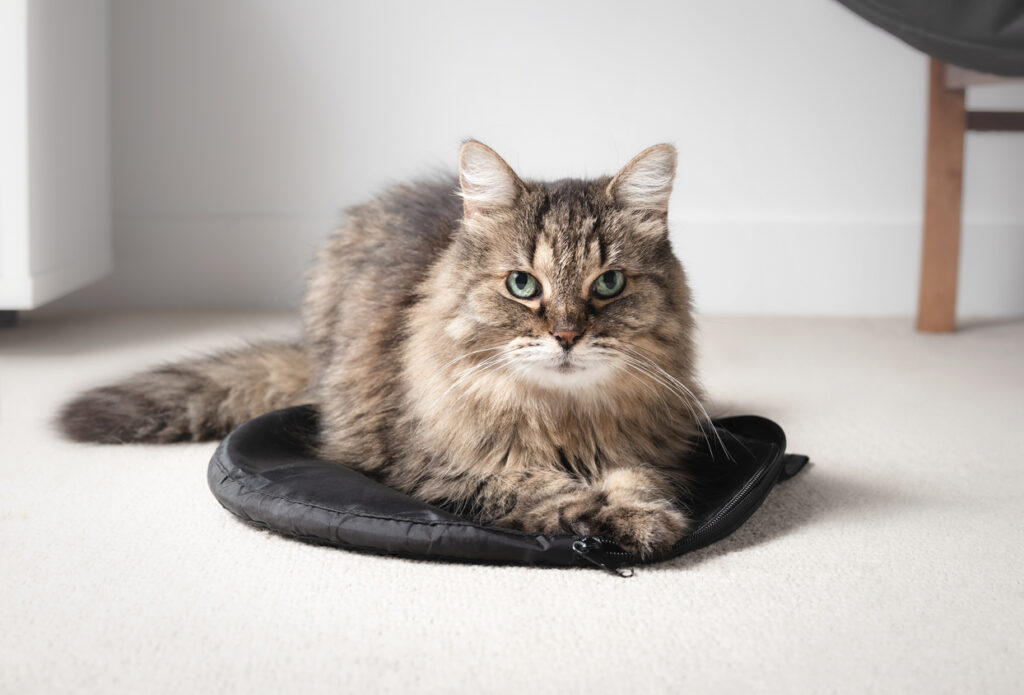
Even with good care, ageing cats develop some tartar and mild gum changes. A little staining on the teeth or slight gum recession is expected over the years. These changes don’t always indicate disease, just natural wear.
Routine dental check-ups keep everything in balance. As long as your cat continues eating normally, these visible changes are part of getting older and not usually cause for alarm.
10. More selective appetite

Senior cats sometimes become fussier with food. They may prefer softer textures or turn away from flavours they used to enjoy. This often links to changing senses or mild dental sensitivity.
Providing a range of senior-friendly foods solves most appetite quirks. As long as your cat maintains a healthy intake, this pickiness is more about age-related changes than illness.
While the signs above are considered normal, some changes should never be dismissed as part of ageing.

The following symptoms suggest something more serious is happening and mean your cat should be checked by a vet.
1. Rapid weight loss
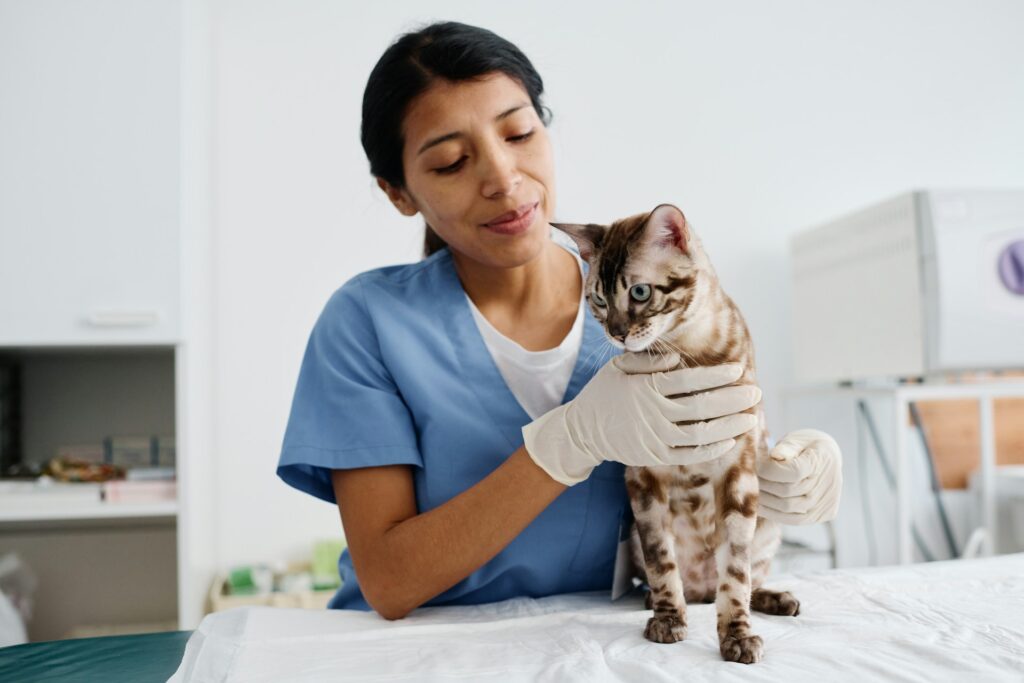
Dropping weight quickly is never a normal sign of ageing. It often points to health problems like hyperthyroidism, kidney disease, or diabetes. Because cats are small, even a small weight loss can signal a big issue.
Regular weigh-ins make it easier to notice changes early. If your cat is losing weight suddenly, a vet visit is essential to find the cause and begin treatment promptly.
2. Excessive thirst
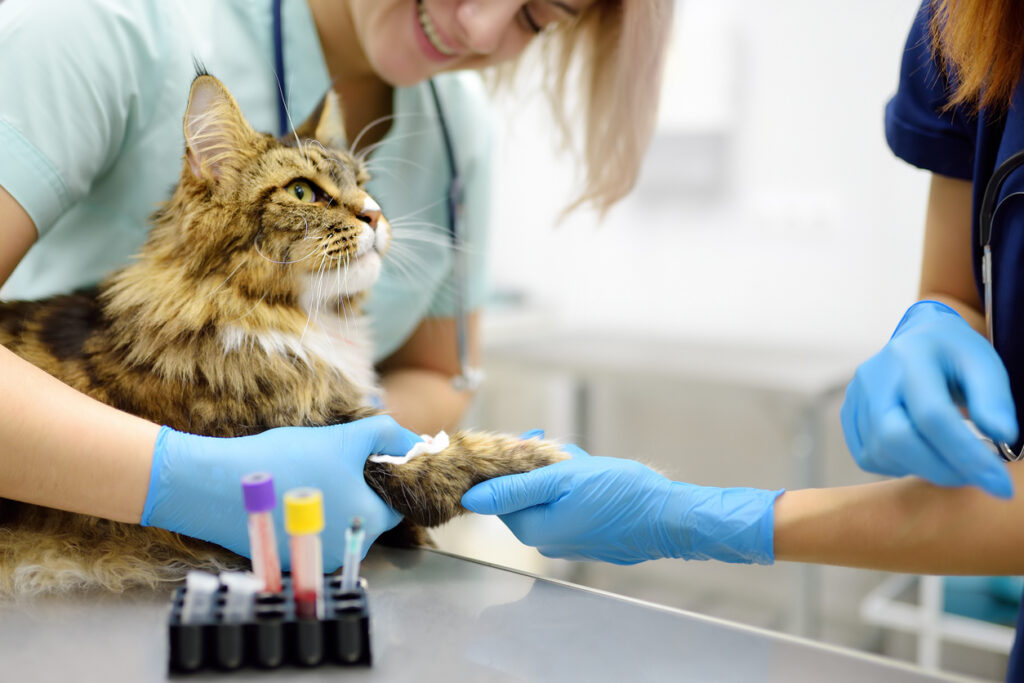
Drinking more water than usual is one of the clearest red flags in older cats. It’s linked to conditions such as kidney disease or diabetes and isn’t explained by age alone. Increased thirst usually comes hand in hand with more frequent urination.
Keep track of water bowl levels and litter tray use. Any sudden or dramatic increase means it’s time to contact your vet for testing.
3. Struggling to use the litter box
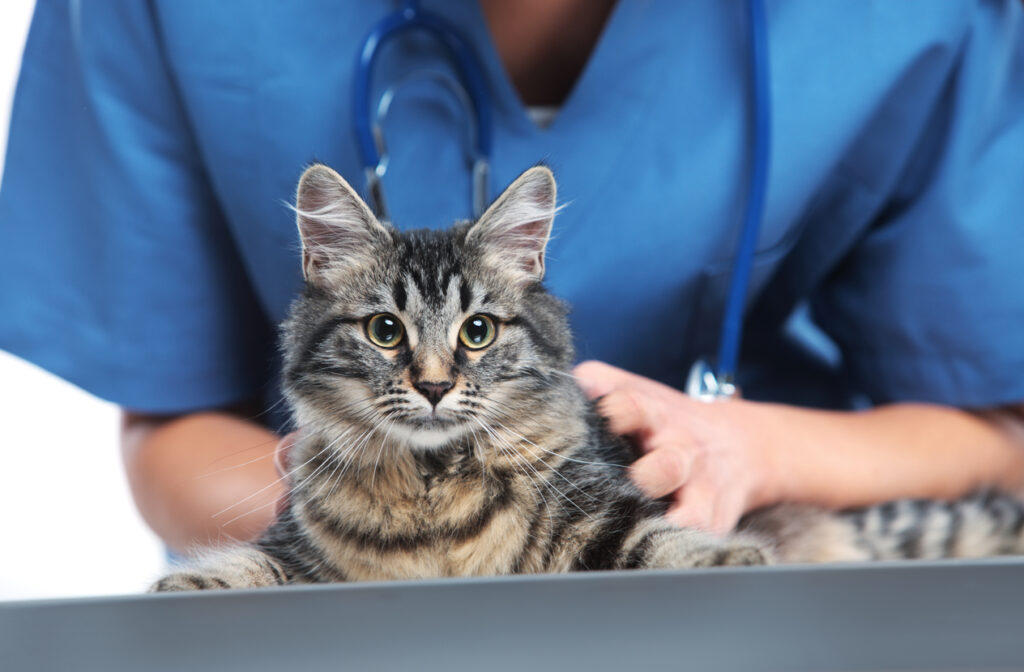
Cats that suddenly stop using the litter box or seem to strain while trying may be in pain. Issues like urinary tract infections, arthritis, or blockages could be the cause. This behaviour change is always significant.
A vet check ensures underlying problems are addressed before they worsen. Ignoring changes to litter habits risks unnecessary discomfort and complications.
4. Breathing problems
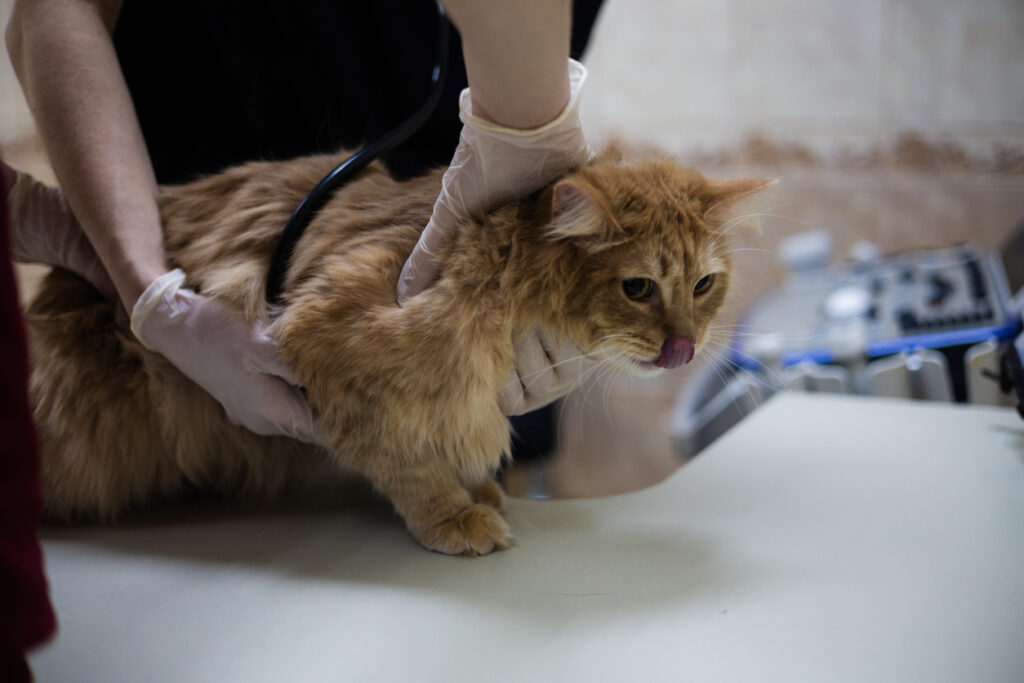
Laboured breathing, coughing, or wheezing is never just ageing. These symptoms may signal asthma, heart disease, or respiratory infections. Because breathing issues escalate quickly, they should never be overlooked.
If you notice your cat struggling to breathe, call your vet without delay. Getting treatment early is key to avoiding more serious consequences.
5. Vomiting or diarrhoea that persists
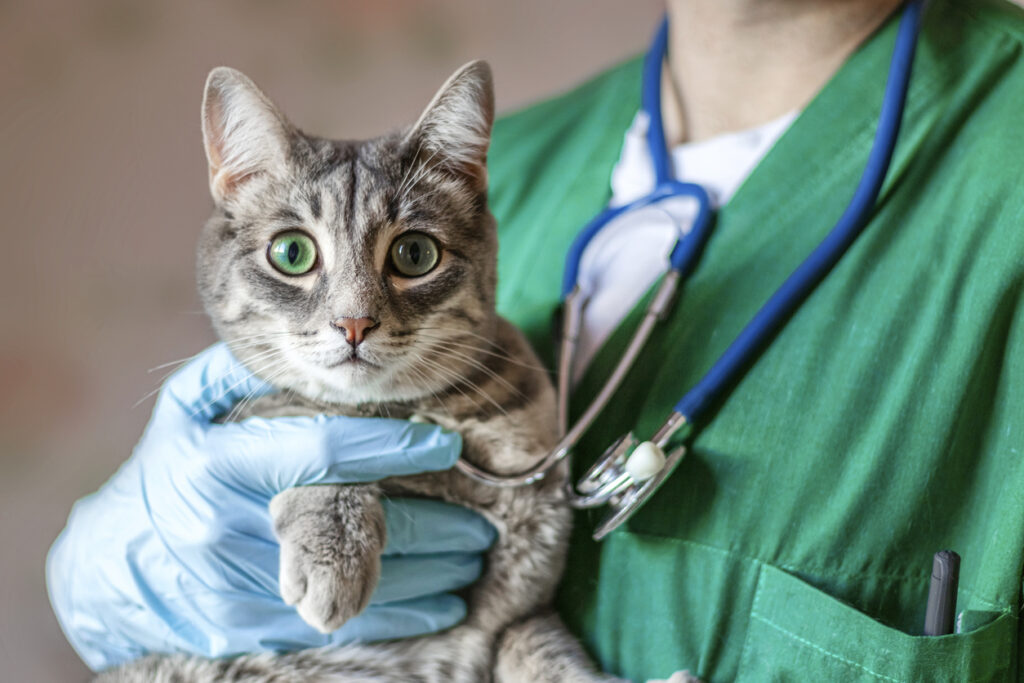
Occasional sickness can happen to any cat, but frequent vomiting or diarrhoea isn’t a normal ageing sign. Persistent digestive trouble can point to anything from parasites to organ disease. It also risks dehydration, which is more dangerous for senior cats.
Don’t wait it out if these issues continue. A vet can identify the root cause and provide treatment to bring your cat relief and stability.
6. Noticeable lumps or swelling
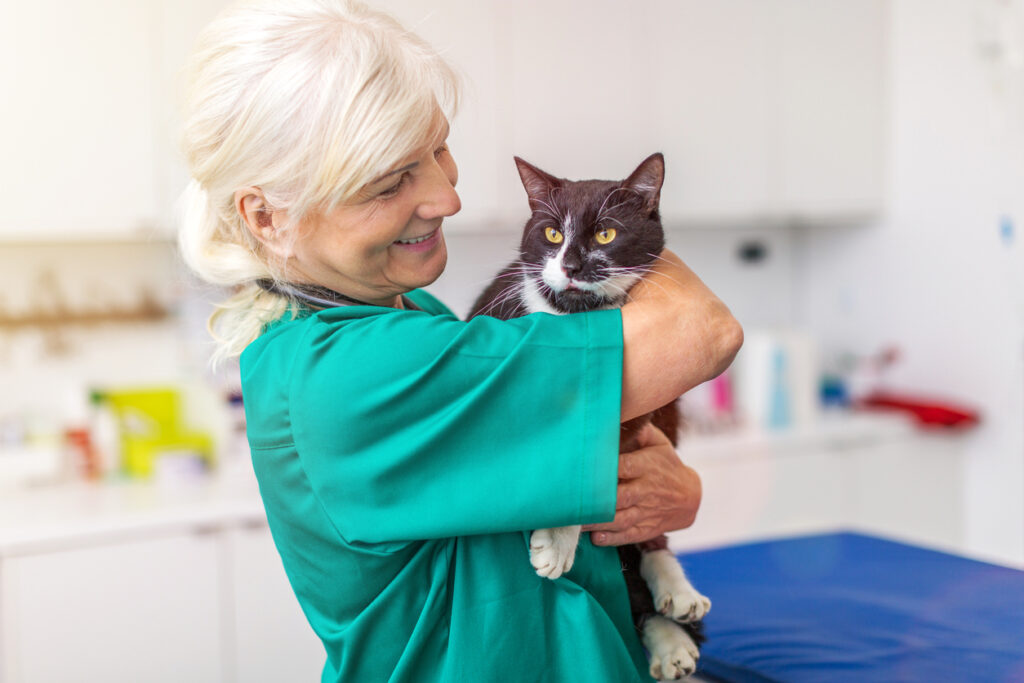
Any lump or swelling under the skin should be taken seriously. While some may be harmless growths, others can be cancerous. Early detection makes a huge difference in outcomes.
Get into the habit of gently checking your cat’s body during grooming or petting. If you find anything new, have your vet examine it promptly.
7. Behavioural changes
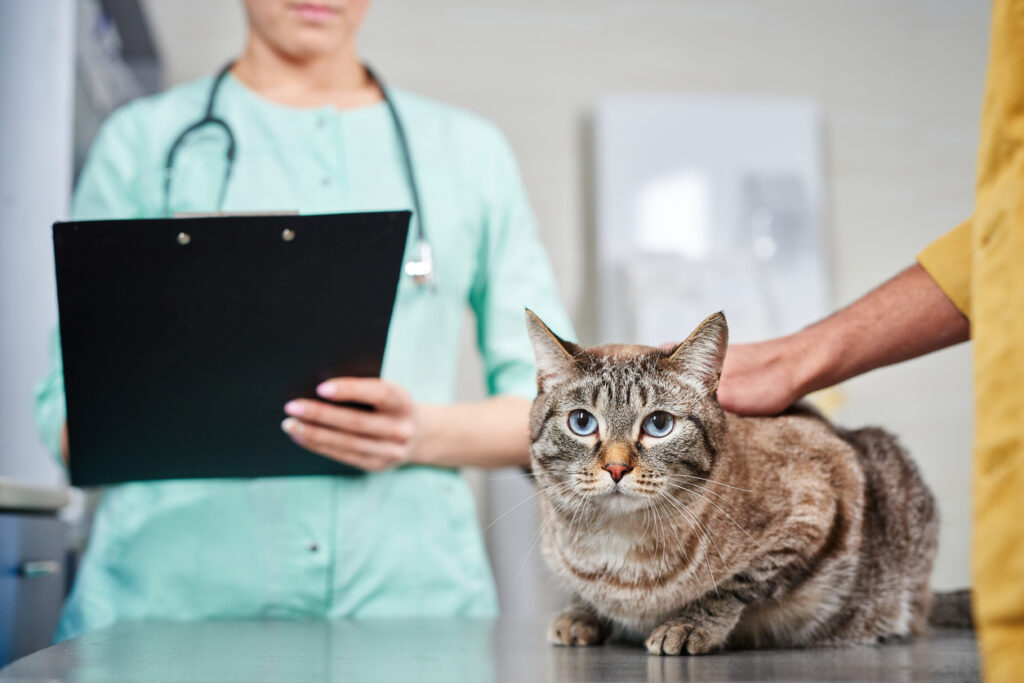
Changes in behaviour like withdrawal, aggression, or confusion aren’t explained by normal ageing. They can be linked to pain, cognitive decline, or illness. Because cats communicate largely through behaviour, these signs are important.
When your cat acts out of character, it deserves attention. A vet can rule out medical causes and suggest ways to support them if it’s age-related cognitive change.
8. Loss of appetite
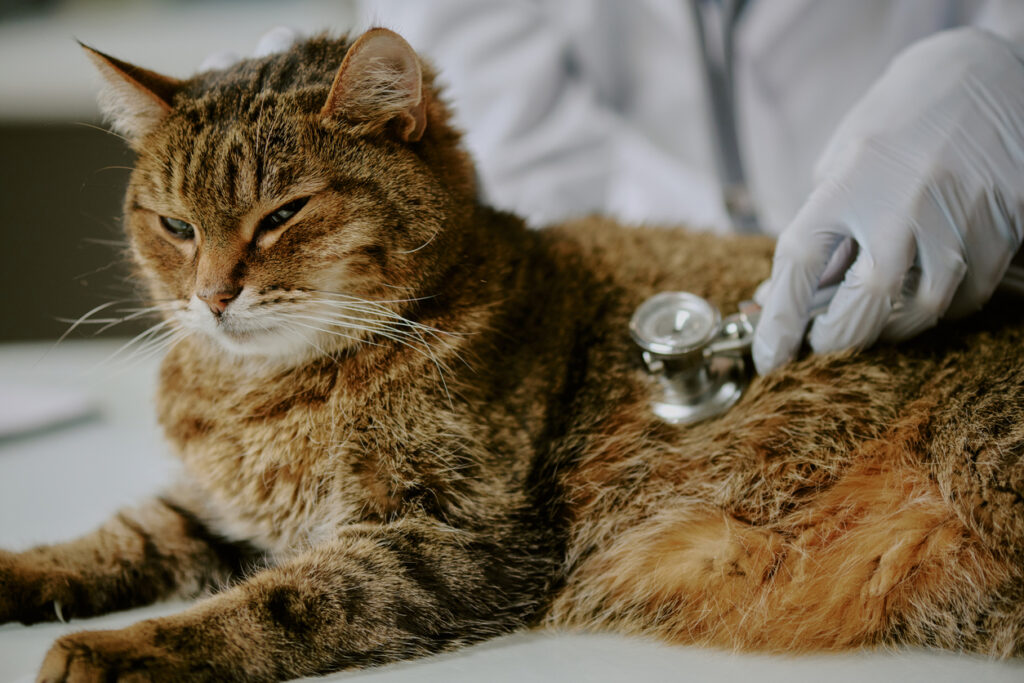
Fussiness is one thing, but refusing food altogether is serious. Cats that stop eating risk developing liver issues within days. Appetite loss is usually a sign of illness and should never be ignored.
If your cat refuses food for more than 24 to 48 hours, contact your vet immediately. Acting quickly makes treatment more effective and prevents dangerous complications.