Meet the Honduran white bat, nature’s answer to the question, “What if a cotton ball grew wings and decided to become an interior decorator?”

These adorable fluffballs have turned rainforest living into an art form, proving that sometimes the best home is one you build yourself out of plant matter. Whether you’ve never heard of or seen these creatures before, or you just want to know more about them, these are some of the most fascinating facts about the Honduran white bat.
1. They’re basically living marshmallows with attitude.
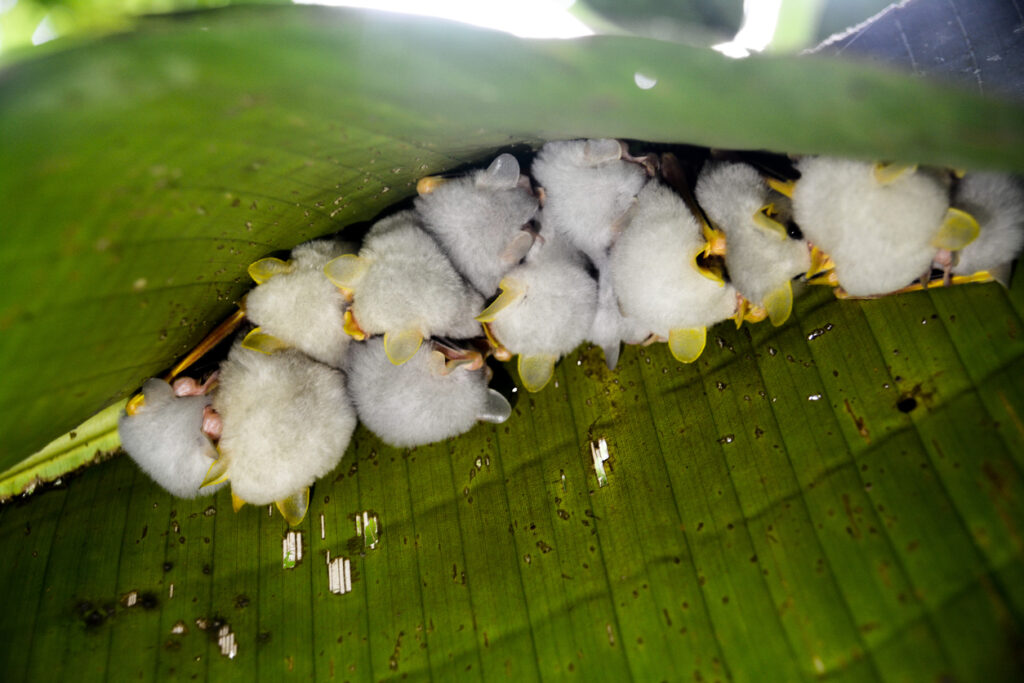
These tiny bats look like someone dipped regular bats in white paint and then rolled them in the softest cotton imaginable. Their snow-white fur contrasts beautifully with bright yellow ears and nose, creating a colour scheme that screams “tropical holiday vibes.”
At just 1.5 inches (around 4 cm) long, they’re small enough to fit comfortably in your palm, though they’d probably prefer you didn’t try that. Their fluffy appearance makes them look more like stuffed animals than actual wild creatures roaming Central American rainforests.
2. They’ve mastered the art of architectural leaf folding.

These creative little engineers don’t just find shelter. They actually custom-build it by carefully biting along the veins of large heliconia leaves until they fold into perfect tent shapes. It’s like origami, but with more squeaking involved.
Each tent takes considerable effort to construct, involving precise nibbling and strategic folding to create a waterproof shelter. They’re basically the tiny contractors of the bat world, except they work for free and their only payment is not getting rained on.
3. They live in adorable communal housing situations.
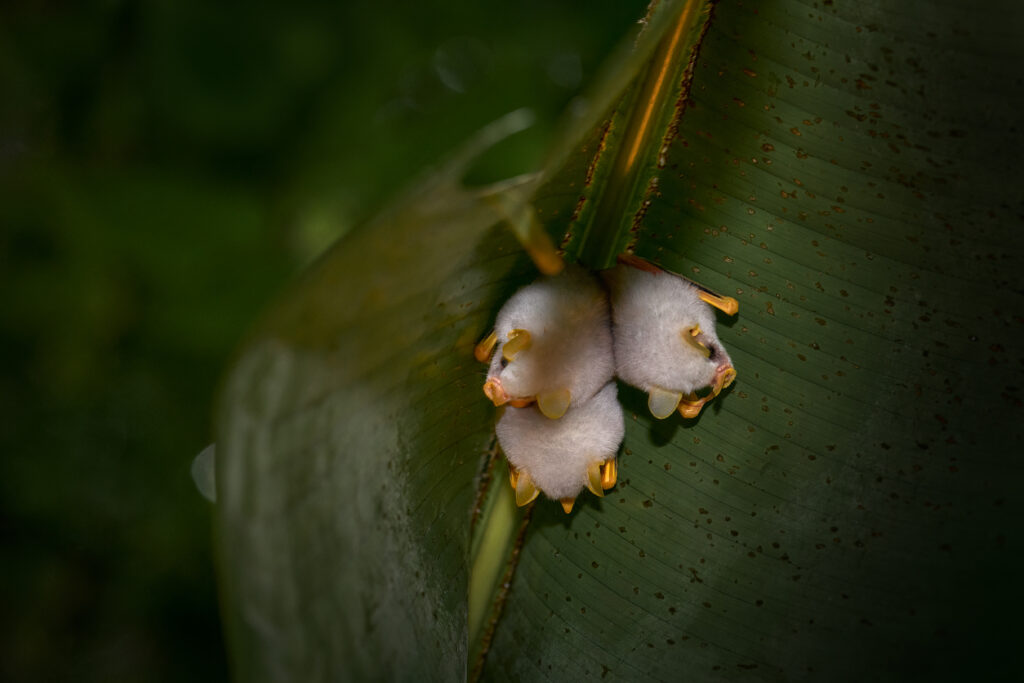
Up to six bats will cosy up together in a single leaf tent, hanging upside down like a cluster of furry Christmas ornaments. Their white fur helps them blend in with the filtered sunlight that streams through their green canopy. Communal living isn’t just about saving space. It’s about warmth, protection, and probably some serious gossip sessions about the other bat colonies. They’re the ultimate roommates, sharing rent and never hogging the bathroom.
4. Their camouflage game is surprisingly sophisticated.
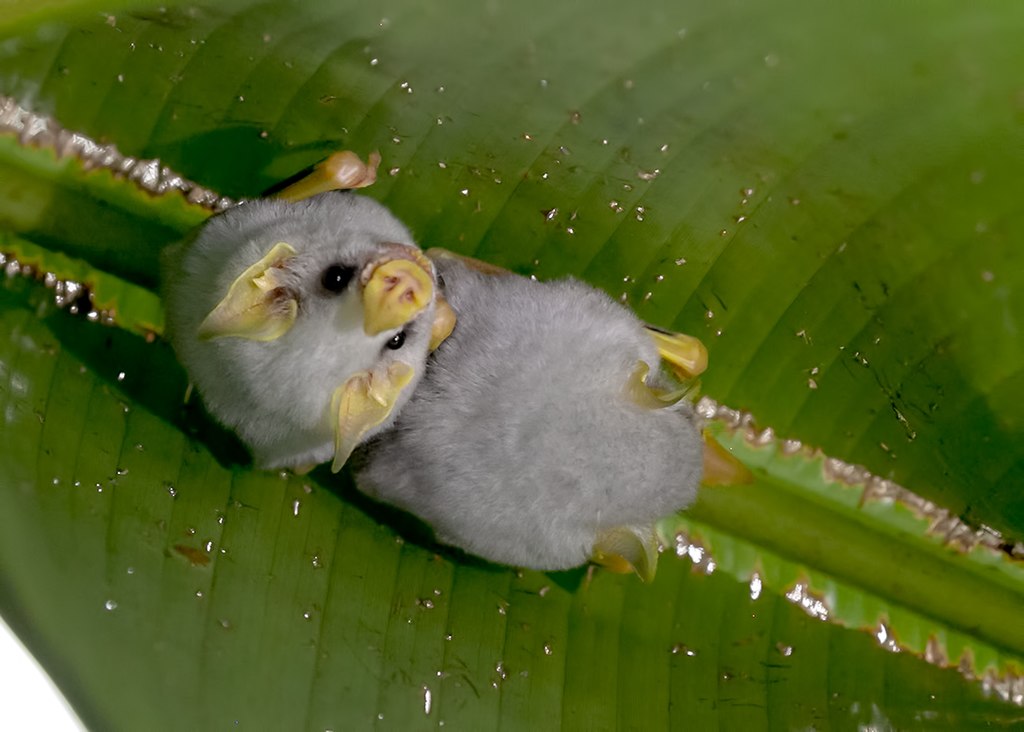
When sunlight filters through their leaf tents, their white fur glows with a greenish tint that makes them nearly invisible against the plant material. They’ve essentially turned themselves into living, breathing leaf shadows. That camouflage protects them from predators who might otherwise spot dark-coloured bats easily. They’ve figured out that sometimes standing out is the best way to blend in. It’s reverse psychology, bat style.
5. They’re fruit connoisseurs with excellent taste.

These picky eaters focus exclusively on figs, showing impressive dedication to their preferred cuisine. They’re basically the vegans of the bat world, except their diet choice actually makes ecological sense. Their fig obsession makes them crucial for rainforest health, since they spread seeds throughout the forest. They’re like tiny flying gardeners, planting tomorrow’s rainforest one snack at a time.
6. They have surprisingly complex social lives.
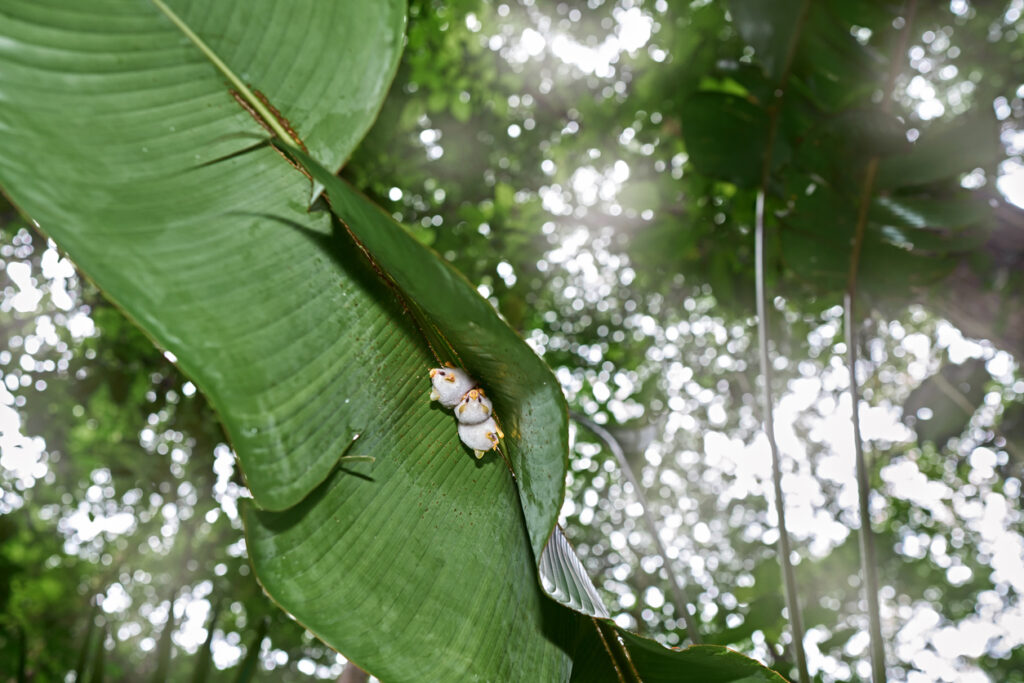
Within their tent communities, they maintain intricate social hierarchies and relationships that researchers are still trying to understand. There’s apparently a lot of drama happening in those leaf shelters that we’re not privy to. They communicate through a variety of calls and physical interactions, suggesting their social lives are far more sophisticated than you’d expect from creatures the size of ping-pong balls.
7. They’re master architects who know exactly how to create the perfect abode.
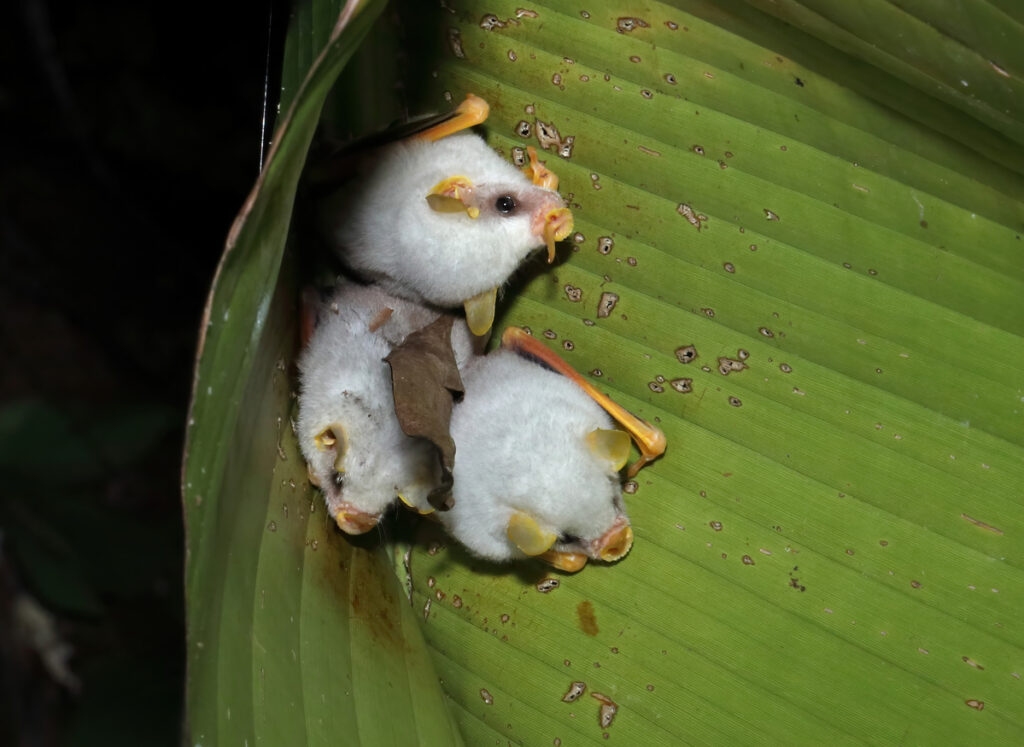
Each bat instinctively knows exactly where to bite leaves to create the perfect fold, despite never taking a construction course. Their engineering skills are entirely genetic, passed down through generations of tent-building expertise. The tents they create are so well-designed that they remain waterproof throughout tropical storms. They’ve essentially solved homelessness through superior construction skills and teamwork.
8. They’re surprisingly athletic for such fluffy creatures.

Despite looking like they’d struggle to lift their own body weight, these bats are excellent fliers, capable of precise manoeuvring through dense forest canopies. Their fluffy appearance is deceiving because they’re actually tiny aerial acrobats. Their flight patterns are perfectly adapted to navigating the cluttered rainforest environment, allowing them to zip between branches and leaves with remarkable precision for something that looks like animated cotton.
9. They’re basically living night lights in their leaf tents.

Their white fur reflects even minimal light sources, making them glow softly in their dark leaf shelters. They’re like natural lanterns, providing ambient lighting for their communal living spaces. That gentle glow might actually help them see each other better in the dark confines of their tents, making their social interactions easier during rest periods.
10. They’re surprisingly long-lived for such tiny creatures.
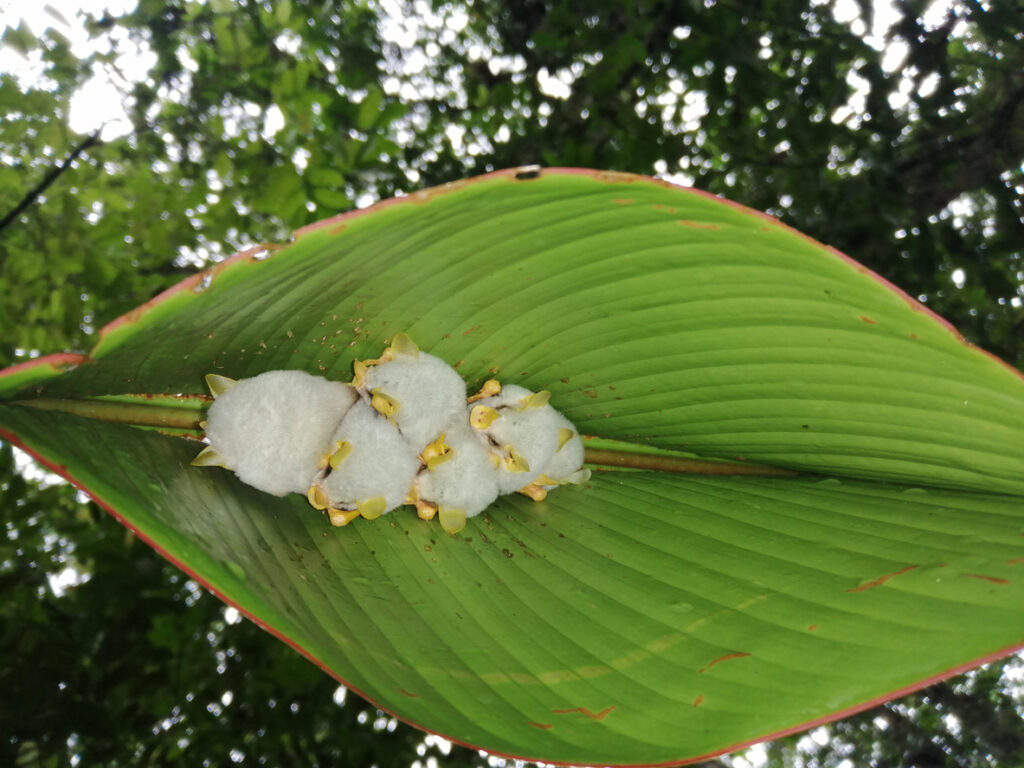
Despite their delicate appearance, Honduran white bats can live up to 5 years in the wild, which is impressive longevity for something that weighs less than an AAA battery. Their communal lifestyle and excellent shelter-building skills likely contribute to their survival rates. Good housing apparently extends life expectancy, even in the bat world.