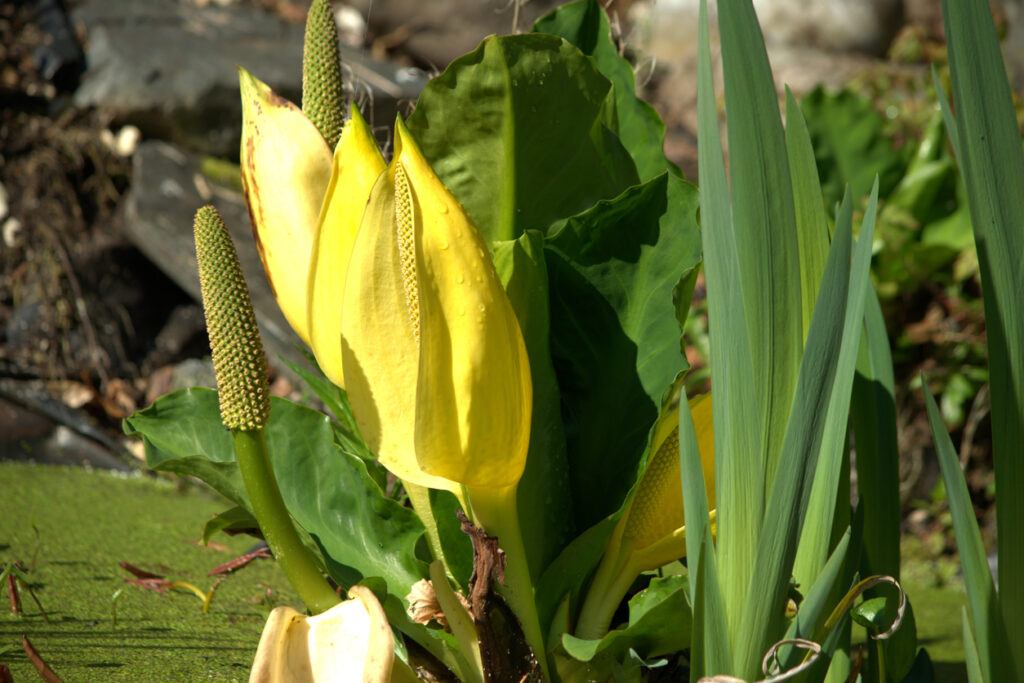
It sounds harmless, but skunk cabbage is a plant that can quickly become a nuisance if you find it nearby. Known for its strong smell and ability to spread easily, it’s one of those species that may be fascinating in the wild but problematic when it appears in your garden or wetland areas. Understanding why it’s considered an issue helps you know what to look out for and how to keep it under control.
Skunk cabbage gets its name for a reason.
The plant produces a strong smell that resembles a skunk, which is how it earned its name. While the odour attracts insects for pollination, it makes the plant unpleasant to have near living spaces, footpaths, or gardens. The smell becomes even more noticeable when the leaves are bruised or disturbed.
This is why many landowners choose to remove it as soon as they spot it. By controlling growth early, you avoid dealing with an area that smells unpleasant every time someone brushes against it.
It thrives in wet, boggy environments.
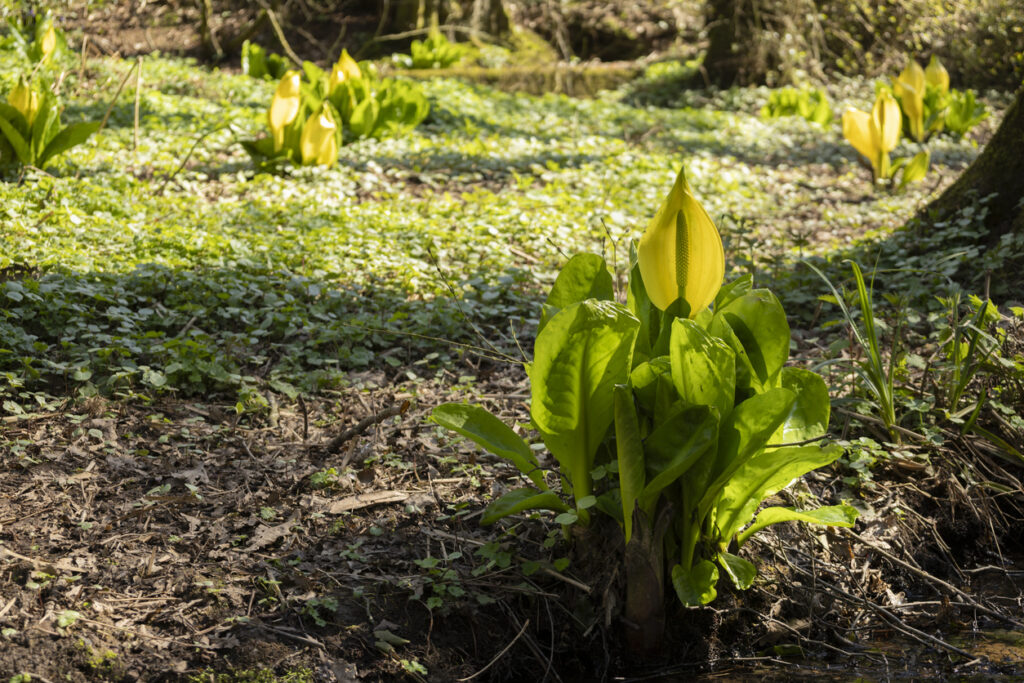
Skunk cabbage flourishes in damp soils, swamps, and wetlands. Once it takes hold in such places, it spreads quickly and can dominate the landscape. This aggressive growth squeezes out smaller plants and reduces plant diversity in those areas.
Knowing where it thrives is the first step to managing it. Keeping an eye on wet patches in your garden or property means you can spot it before it has the chance to spread widely.
It emerges surprisingly early in spring.
One unusual feature of skunk cabbage is its ability to generate its own heat, allowing it to push up through snow and frozen soil in late winter. This gives it a major advantage over other plants, which remain dormant until conditions improve. Its head start means it takes up nutrients and space before most native species have a chance to grow.
This early emergence is what makes skunk cabbage particularly competitive. Checking wetlands and damp garden spots at the very beginning of spring helps you catch it before the leaves expand and take over.
The leaves grow extremely large.
Skunk cabbage can grow leaves that stretch more than half a metre wide. These oversized leaves block sunlight from reaching smaller plants underneath. As a result, they suppress growth and create patches where little else survives.
Cutting back large leaves before they reach full size makes a big difference. By limiting the shading effect, you give native and desirable plants a better chance to establish themselves.
It’s toxic if eaten.
Despite the name, skunk cabbage definitely isn’t safe to eat. It contains calcium oxalate crystals, which can cause burning and swelling in the mouth and throat. Wildlife generally avoids it, but the risk is there for pets and young children who might touch or taste it out of curiosity.
For safety, it’s best to remove plants that grow in areas where people or animals spend time. Educating children and keeping pets away from infested patches is also important to prevent accidental ingestion.
It spreads quickly and becomes invasive.
Once skunk cabbage gets established, it’s tough to control. It forms dense colonies, and the roots anchor deeply, making full removal a challenge. Cutting back the leaves or flowers doesn’t solve the problem because it easily regrows from the roots.
The best approach is to act early when you only spot a few plants. Digging out small clumps is far easier than tackling a large infestation later on.
It alters soil and water conditions.
Skunk cabbage does more than compete for space. Its thick root system changes the way water moves through the soil and alters the structure of the ground. This can disrupt the balance of wetlands and reduce the quality of the habitat for other plants and animals.
Recognising this impact highlights why the plant needs management. Removing it helps keep wetlands functioning as they should, which is vital for the health of local ecosystems.
Removing it is physically tough.
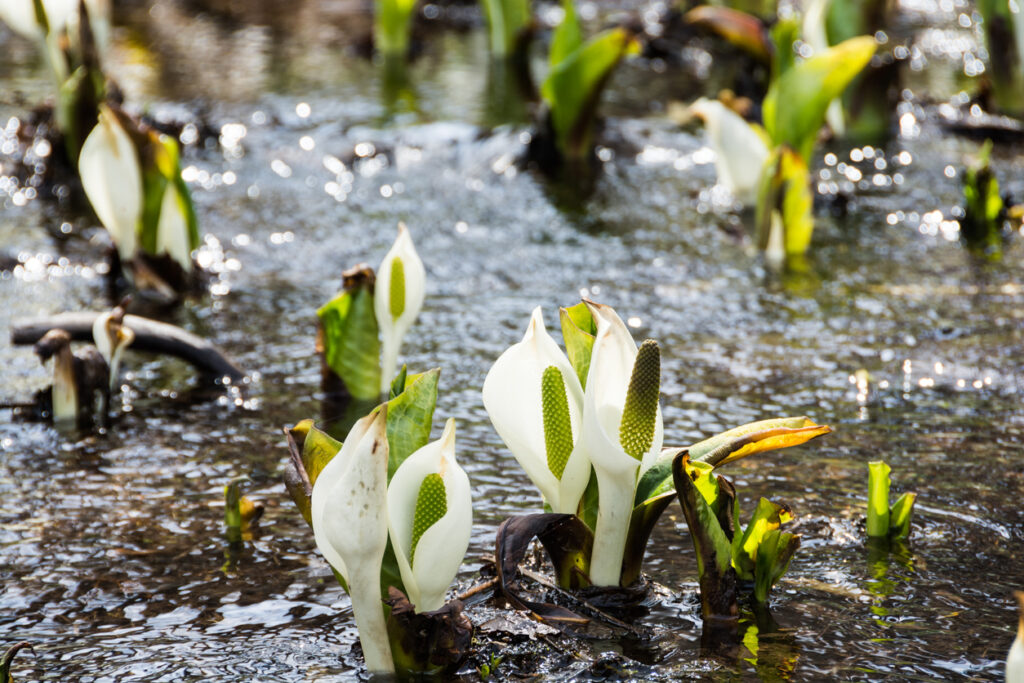
The root system of skunk cabbage is deep and tough, which makes pulling it out a real challenge. Cutting the plant at the surface rarely works, since it simply grows back. Large colonies may require hours of digging or even machinery to deal with properly.
Because of this, many people turn to professional help for big infestations. Tackling small patches on your own with the right tools is still possible, but the key is catching it before the roots have spread too far.
It competes with valuable native species.
Native plants often lose out when skunk cabbage takes over, and that loss has a knock-on effect for insects, birds, and other wildlife. When native plants disappear, the animals that rely on them for food and shelter also suffer. This ripple effect can weaken an entire ecosystem over time.
After removing skunk cabbage, replanting with native species helps restore balance. Giving local plants a chance to reclaim their space also helps ensure the invasive growth doesn’t return as strongly.
Its presence signals habitat stress.
Skunk cabbage often spreads in areas that are already stressed by human activity, flooding, or soil disturbance. Its success can act as a warning sign that the habitat is out of balance. In this sense, the plant is both a problem itself and a clue to bigger issues nearby.
Paying attention to where it grows provides useful information. Improving drainage, reducing disturbance, or supporting native plant regrowth helps address the root causes, not just the visible spread.