There’s nothing quite like sleeping under the stars with nothing but canvas between you and the great British countryside.
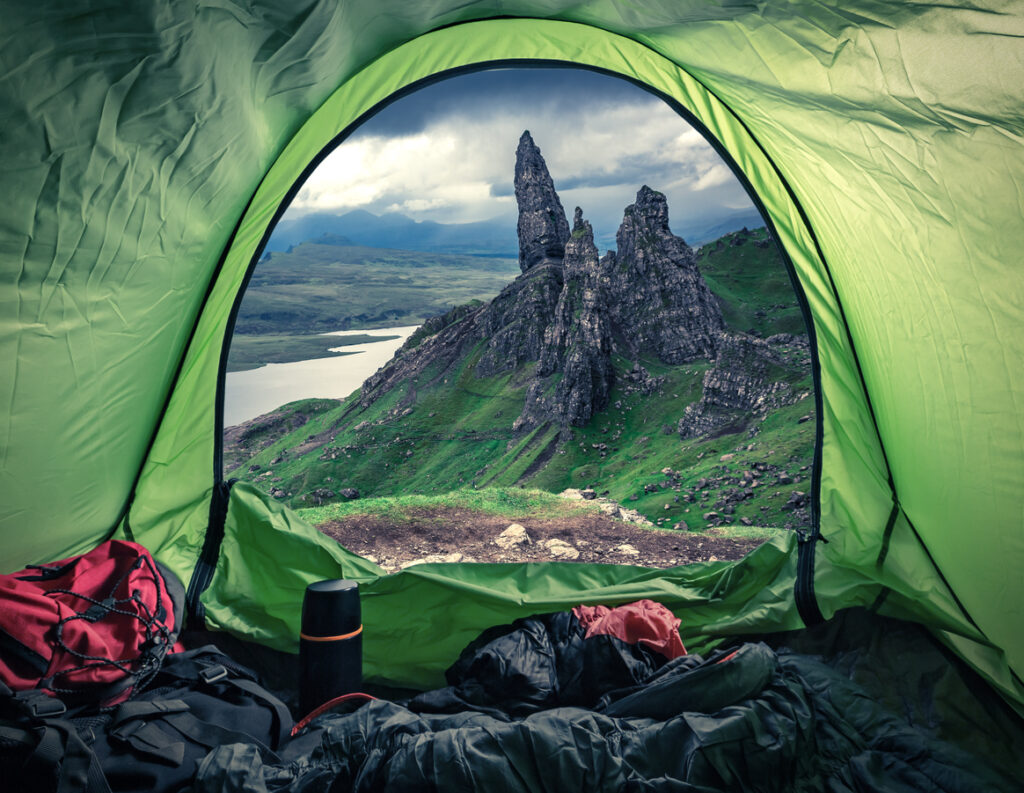
However, before you grab your tent and head off into the wilderness, you need to understand the sometimes bewildering world of UK camping laws, which change dramatically depending on where you pitch up.
Scotland: Your best bet for freedom
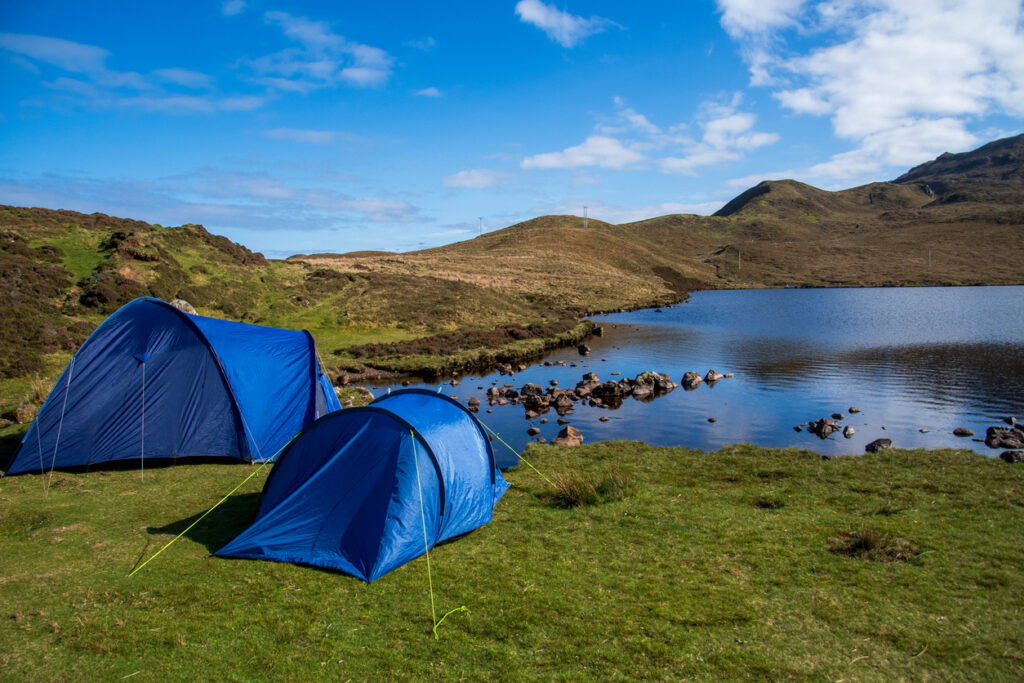
Scotland is an absolute gift for wild campers, offering the most generous camping laws in the UK thanks to the Land Reform (Scotland) Act 2003. This brilliant piece of legislation grants you the right to camp on most unenclosed land without asking anyone’s permission, as long as you follow the Scottish Outdoor Access Code.
You can camp on most unenclosed land for multiple nights if you stick to Leave No Trace principles, use lightweight backpacking tents, and explore most National Parks without restriction. However, even Scotland has its limits. New seasonal bylaws mean you’ll need a permit for camping around Loch Lomond and in the Trossachs, you can’t camp on private enclosed land without permission, and large family tents or group camping setups aren’t welcome.
England: Extremely limited options
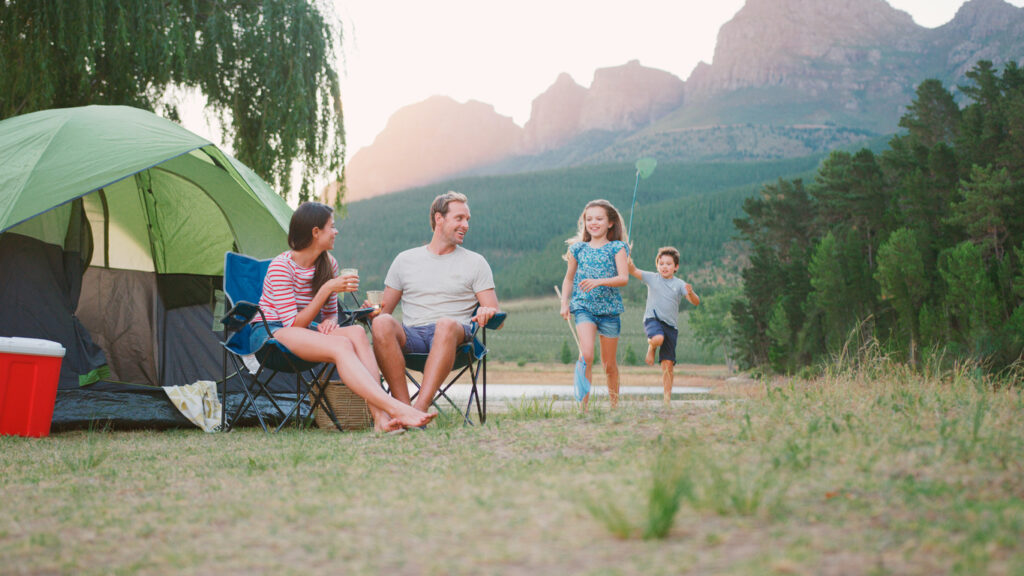
England is frustratingly restrictive when it comes to wild camping. The reality is that wild camping isn’t automatically legal on most public land, and you must have the landowner’s permission or camp in very specific areas where it’s explicitly allowed.
Your only real legal option for wild camping without permission is Dartmoor National Park, where you can camp with lightweight backpacking equipment for a maximum of two nights in designated areas. The good news is that a Supreme Court ruling in May 2025 upheld this right after a lengthy legal battle. Beyond Dartmoor, you’ll need to ask landowners for permission, though many are surprisingly receptive if you approach them respectfully and explain your plans.
What you absolutely cannot do in England is camp overnight in vehicles anywhere, including camper vans and motorhomes, even in Dartmoor. Wild camping anywhere else without explicit landowner permission is illegal, and refusing to move when asked by police or landowners can escalate to criminal charges under the Police, Crime, Sentencing and Courts Act 2022, with potential fines up to £2,500 or three months imprisonment.
Wales and Northern Ireland: Permission essential
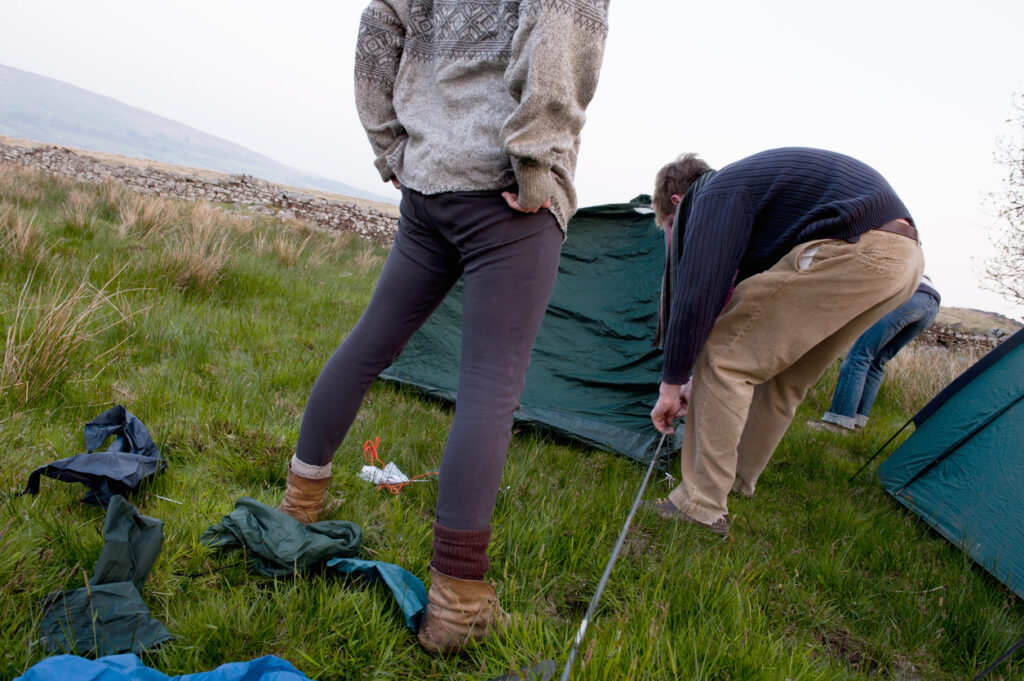
The rules in Wales and Northern Ireland mirror England’s approach, with wild camping generally requiring landowner permission because most land is privately owned. Don’t let this put you off completely, though. Many farmers and estate owners are happy to let responsible campers use their land, especially if you ask nicely and assure them you’ll follow proper camping etiquette.
What you can do at proper campsites
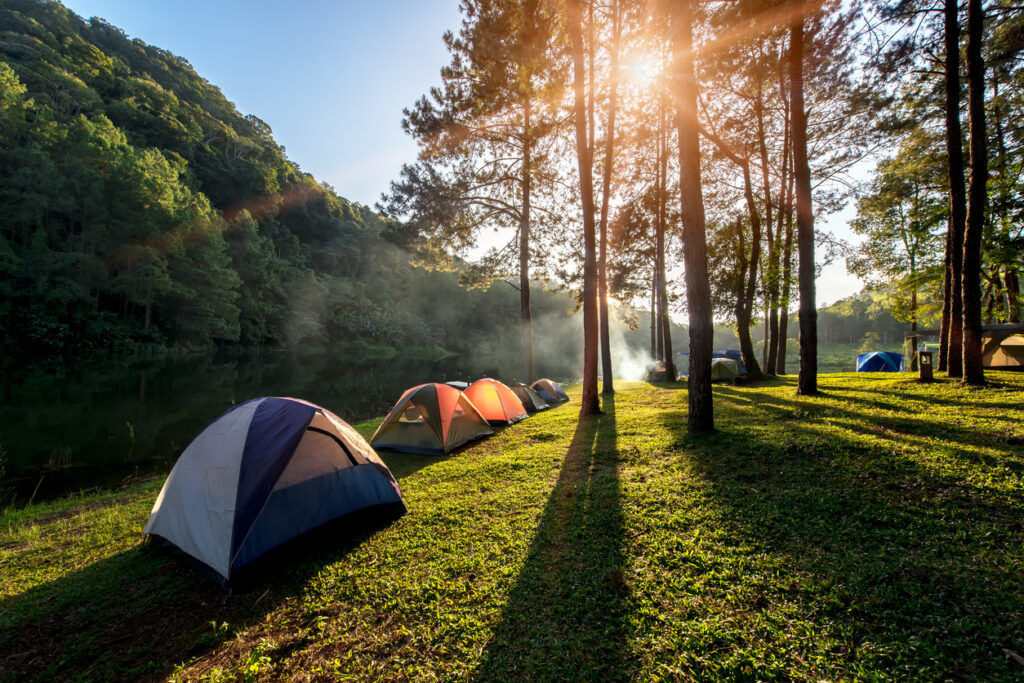
Designated campsites are where you’ll find the most freedom to enjoy your camping experience without legal worries. These sites must provide toilet facilities under UK law, and they’ll typically have designated fire pits or areas where you can safely use off-ground fire pits. Most campsites have specific rules about campfires and barbecues, so always check before lighting anything.
When it comes to waste disposal, you’ll find Chemical Disposal Points for emptying chemical toilets and separate areas for grey water from washing up. Never mix these up, as the systems are designed differently. You’ll also find designated areas for general rubbish and recycling, and many sites have washing up areas and shower blocks that you’re expected to keep clean for the next person.
The universal no-go areas
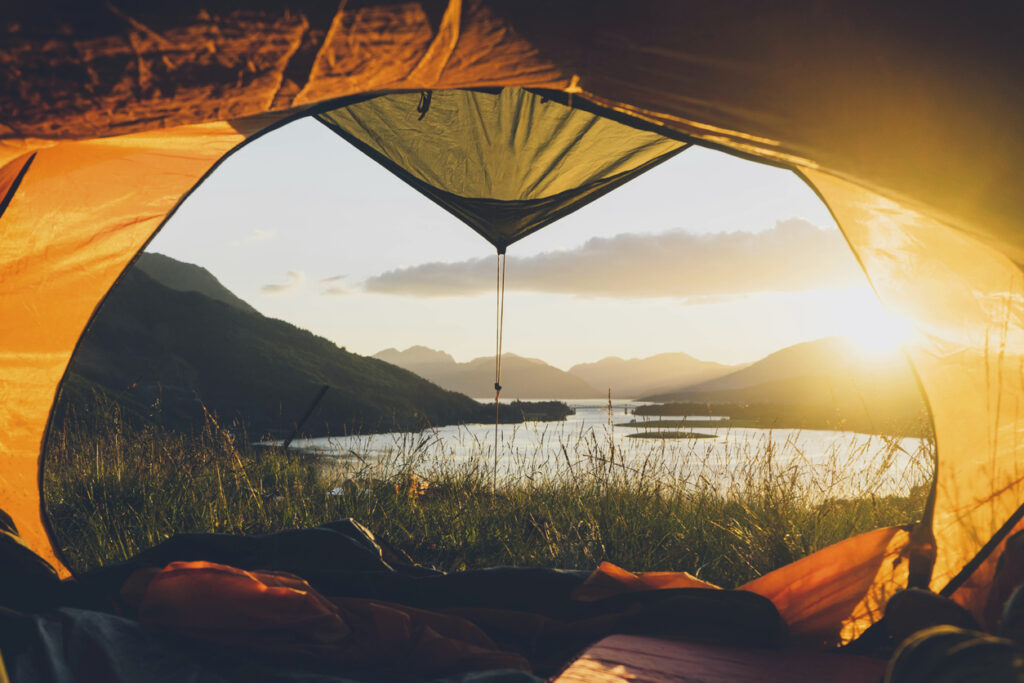
Regardless of where you’re camping in the UK, certain rules apply everywhere, and breaking them can land you in serious trouble. When it comes to waste disposal, never empty toilet waste anywhere other than designated areas. This isn’t just bad manners, it’s illegal and can result in prosecution and imprisonment. Everything you bring with you must be packed out, including food scraps and biodegradable waste.
Fire safety is taken seriously everywhere. Never light fires outside designated areas or during dry conditions, always fully extinguish fires before leaving them, and never use disposable barbecues on grass without proper clearance. Using barbecues or flames inside tents, awnings, or caravans is extremely dangerous due to carbon monoxide risks.
Respecting wildlife and the environment

The Leave No Trace principles aren’t just guidelines, they’re essential for protecting Britain’s beautiful landscapes. Never feed wildlife or disturb animals’ natural behaviour, as this can make them dependent on humans and alter their natural patterns. Don’t pick plants, move rocks, or disturb natural ecosystems, and always camp at least 200 feet away from water sources, trails, and sensitive areas.
Noise pollution is another major consideration. Keep noise levels down, especially after 10-11 p.m., both out of respect for other campers and to avoid disturbing wildlife. Remember that sound carries much further in the countryside than you might expect.
The camper van conundrum
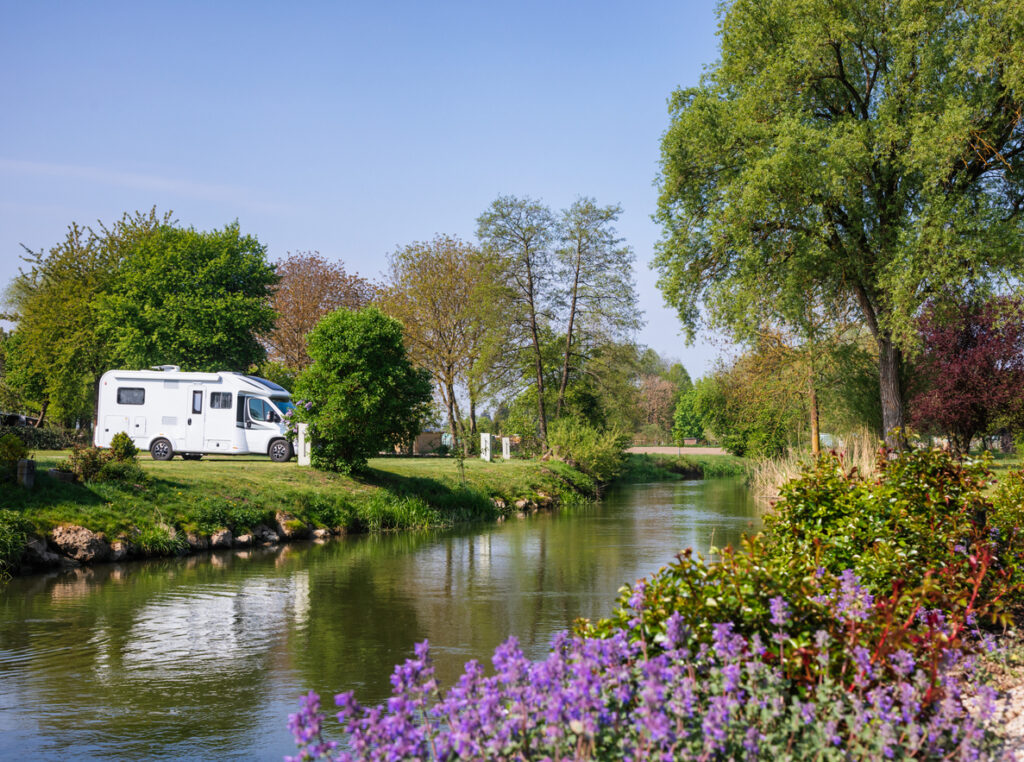
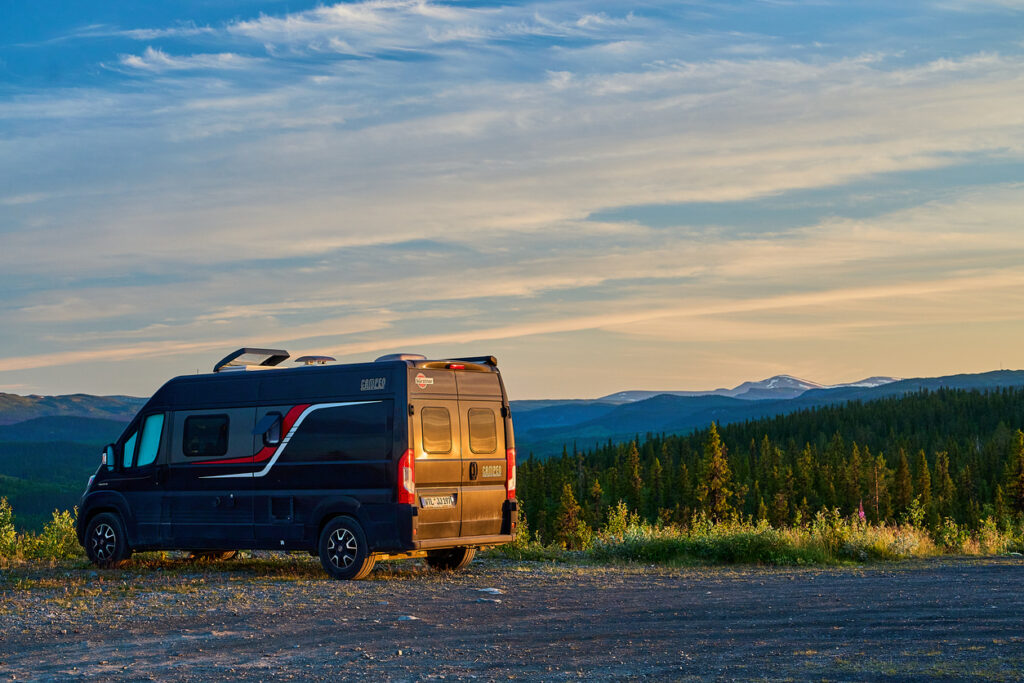
Wild camping with camper vans presents particular challenges across the UK. It’s not legal in England, Wales, or Northern Ireland, and even in Scotland it’s not officially legal, though it’s better tolerated if you follow guidelines carefully. Your best options are designated overnight parking areas, certified campsites, or Britstop scheme locations at pubs, vineyards, and shops.
What you absolutely cannot do is park overnight in residential areas or town centres, use camping equipment outside your vehicle (this constitutes camping rather than parking), empty waste water in parking areas or laybys, or stay in the same location for multiple nights. If you do need to park overnight, choose discrete laybys away from residential areas, though be aware this exists in a legal grey area.
New rules for temporary sites
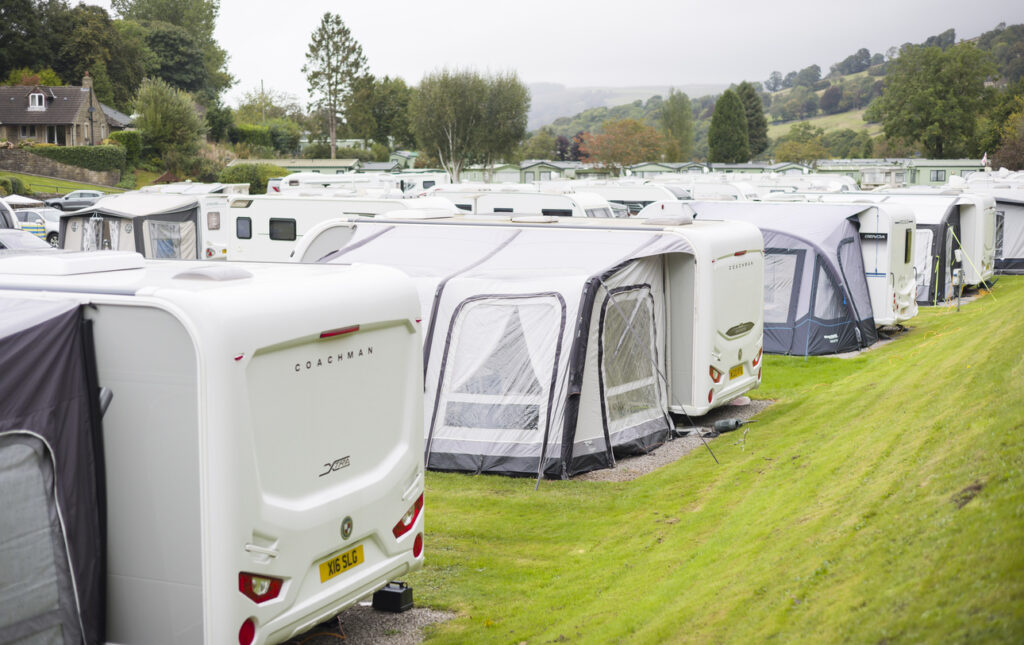
Recent legislation has introduced a helpful 60-day rule that allows landowners to operate temporary campsites for up to 60 days per year for up to 50 pitches, replacing the previous 28-day limit. However, these sites must provide toilet and waste disposal facilities, give written notification to local planning authorities before each calendar year, and obtain prior approval for sites in flood zones.
Recent legal changes you need to know
The legal landscape has shifted significantly in recent years. The Police, Crime, Sentencing and Courts Act 2022 has made it much easier for police to remove people from private land, with penalties that can include up to three months imprisonment, fines up to £2,500, or even vehicle seizure for those who refuse to move when asked.
On the positive side, the Supreme Court ruling in May 2025 confirmed that Dartmoor remains the only place in England where wild camping is legally permitted without landowner permission, protecting this important right for future generations of campers.
Your responsibilities as a camper
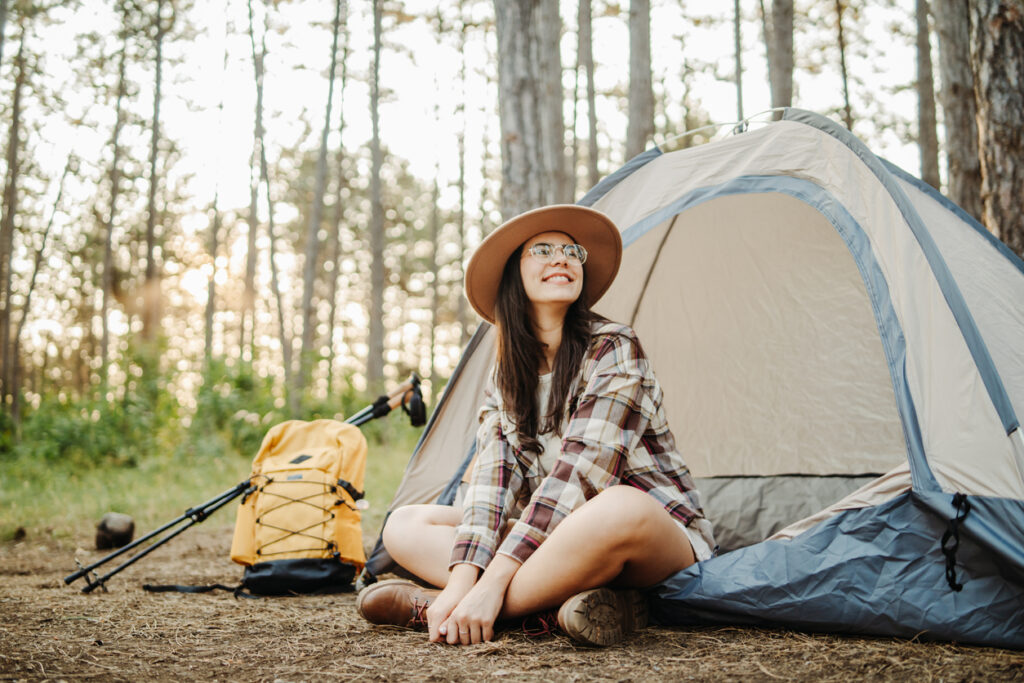
Wherever you choose to camp in the UK, you have responsibilities that go beyond simply following the law. Plan your trips carefully, checking weather conditions and ensuring you have appropriate gear for the terrain and season. Research your destination thoroughly, understanding local regulations and any special concerns for the area you’ll be visiting.
Set up camp discretely, away from roads, buildings, and livestock. Arrive late in the evening and leave early in the morning to minimise your impact and avoid disturbing local communities. Keep your group small, your noise levels low, and your environmental footprint minimal.
Always carry comprehensive first aid supplies, know the emergency contact numbers for your area, and inform someone of your camping location and expected return. Have backup plans ready for adverse weather or other unexpected situations.
The key to brilliant camping experiences in the UK is thorough preparation, respect for local laws and communities, and genuine commitment to environmental responsibility. When you’re unsure about regulations, seek permission from landowners, choose established campsites, or head north to Scotland where wild camping laws offer the most freedom. With the right approach, you can enjoy some of the most spectacular camping experiences in the world while protecting these incredible landscapes for future generations to enjoy.