Cats and water are a famously terrible combination, but the reasons go far beyond simple stubbornness.
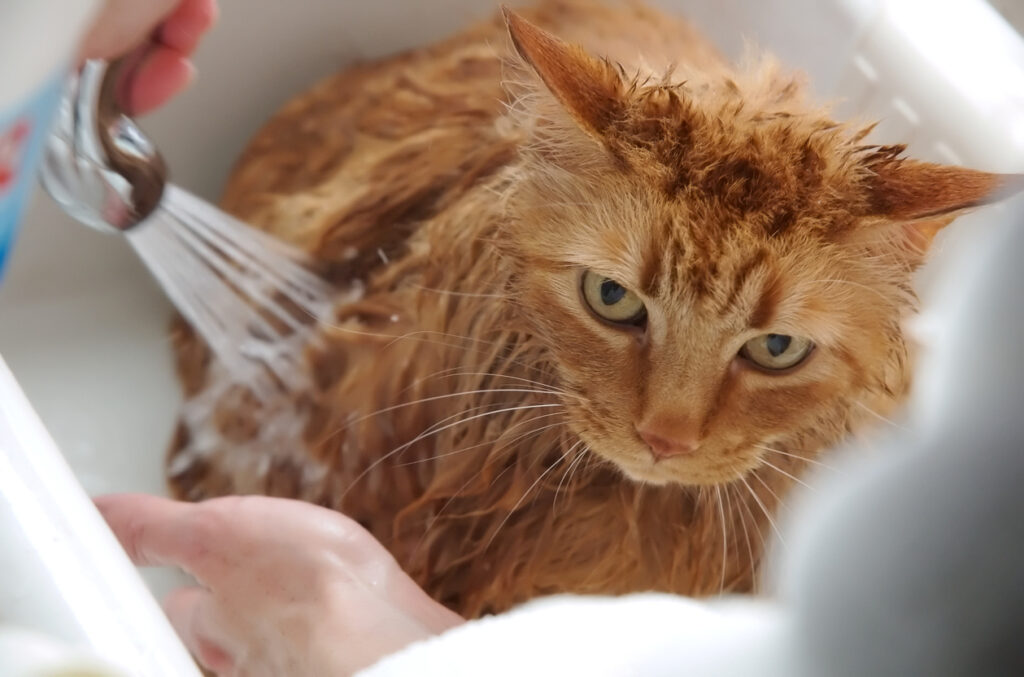
From evolutionary quirks to sensory overload, there are plenty of explanations for why your feline friend prefers a dry perch over a splashy bath. Of course, there will always be exceptions to this rule—we’ve all seen videos of weirdo cats who can’t get enough and are even happy to go for a swim. However, that’s not the case for most kitties.
Their ancestors avoided water.
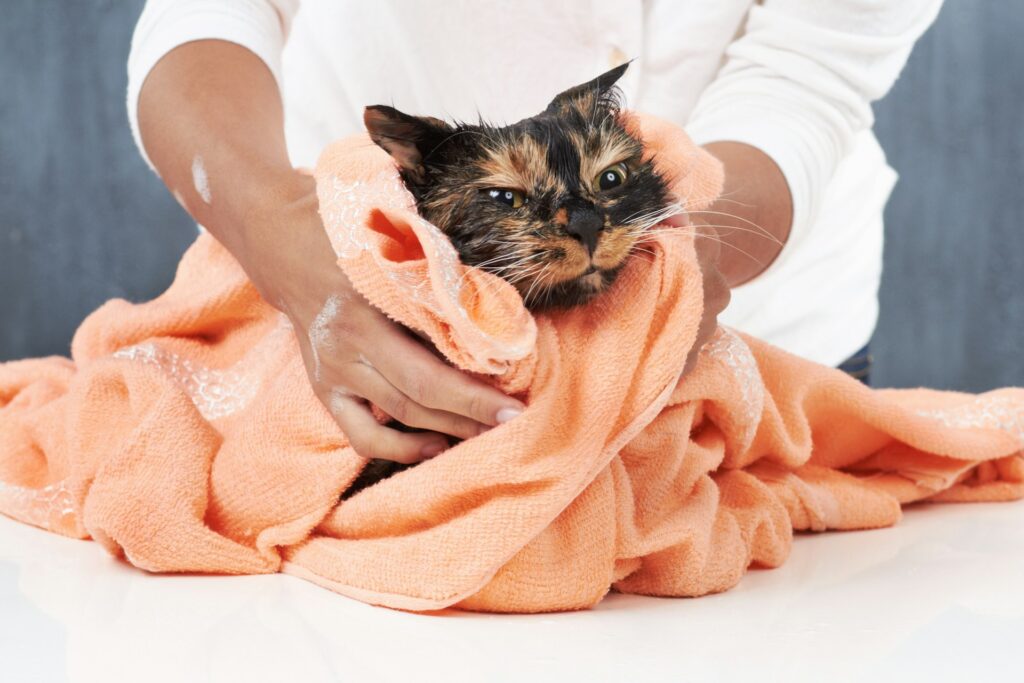
Domestic cats come from desert-dwelling ancestors that lived in hot, dry climates. These wild cats had no reason to adapt to swimming or splashing about because their environments rarely featured large bodies of water. Instincts passed down through generations still shape their behaviour today.
That background explains why most cats still resist getting wet. While some big cats like tigers have adapted to swimming in rivers, your average house cat’s DNA remembers that water was something to avoid, not embrace.
Wet fur feels uncomfortable.
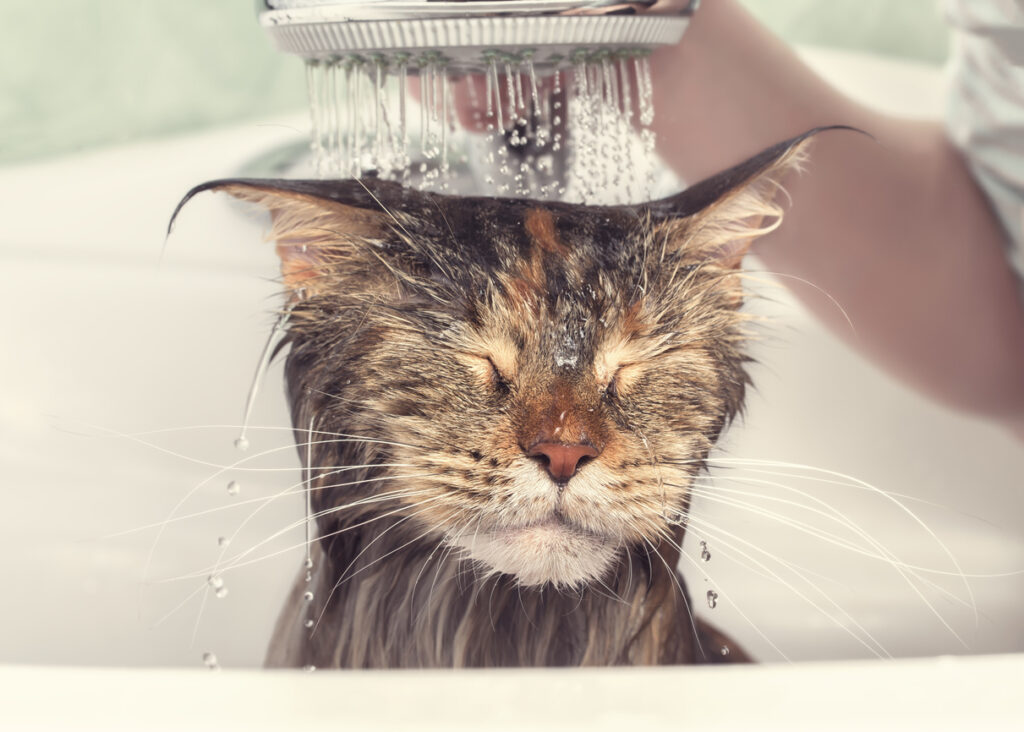
Fur is designed to insulate, but once it’s wet it becomes heavy and clings awkwardly to the body. Cats lose warmth quickly when their fur is soaked, and it makes movement harder. That uncomfortable feeling alone is enough to make them wary of water.
It’s similar to why most humans dislike sitting in soggy clothes. For cats, though, the effect is even worse, since they rely heavily on their coats for warmth and agility. Staying dry simply feels far safer and more practical.
Cats are meticulous groomers.
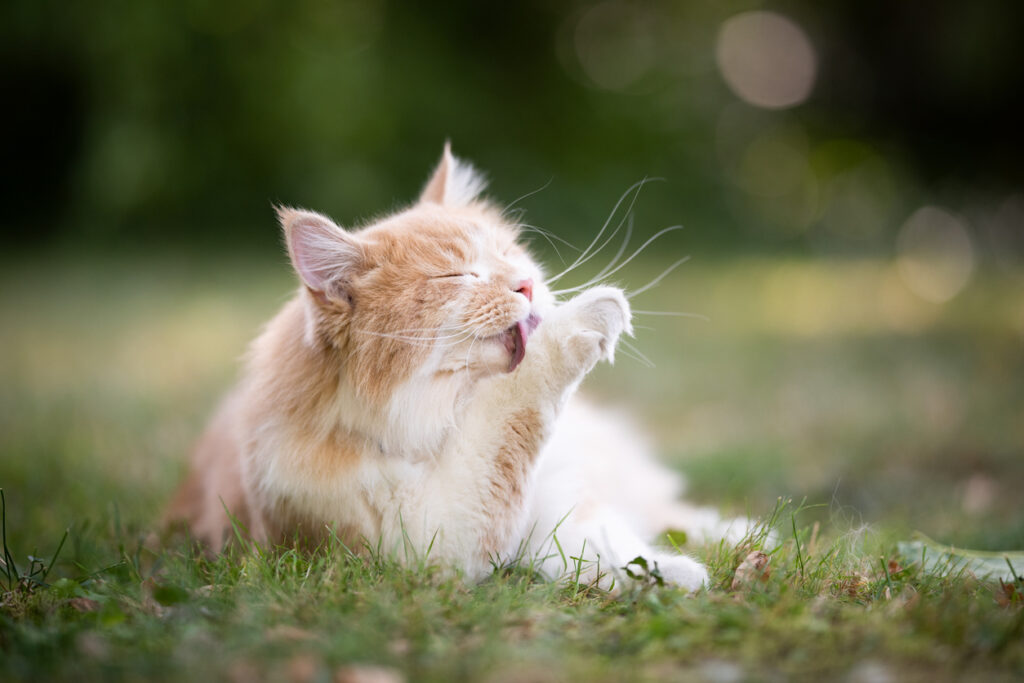
Cats spend hours each day grooming themselves, carefully maintaining their coats. Water disrupts this effort, flattening their fur and leaving behind scents that mask their natural smell. For a creature obsessed with cleanliness, being doused in water feels like chaos.
That explains why cats often bolt after a bath and spend ages licking themselves. They’re trying to restore balance, reset their scent, and regain the order they had so carefully managed before you added water to the equation.
Water intensifies smells.
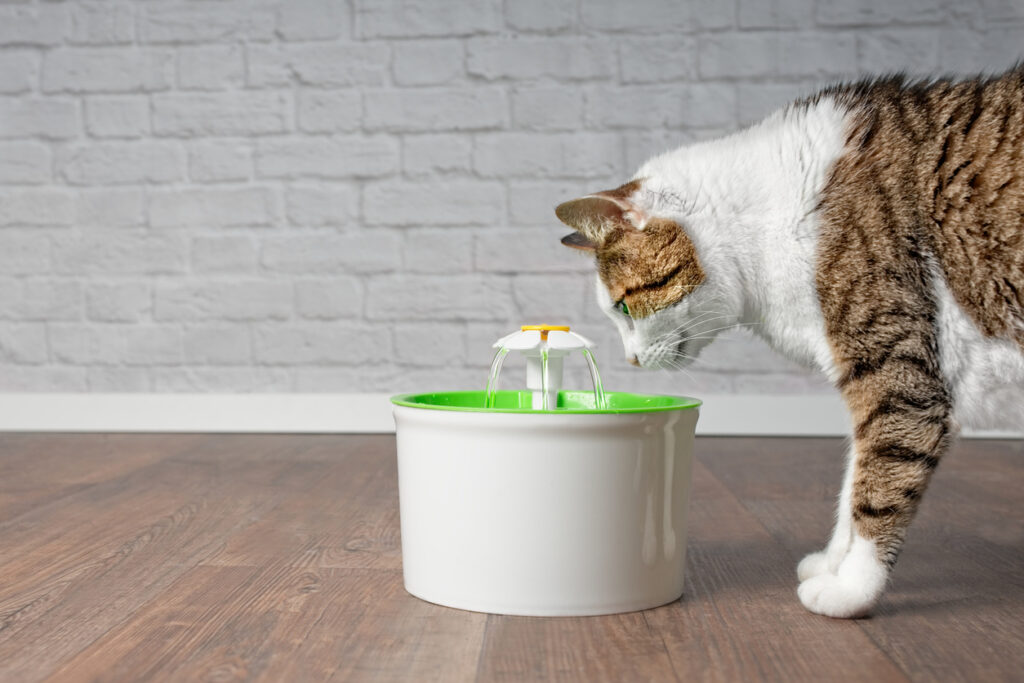
Felines have an extraordinary sense of smell, far more sensitive than ours. When water mixes with scents—like shampoo, cleaning products, or even the natural smell of wet fur—it can become overwhelming. What feels neutral to us can be unbearable to them.
That sensory overload helps explain their aversion. Cats don’t just dislike the physical sensation, they also struggle with the amplified odours. To them, water isn’t just wet, it’s an assault on one of their strongest senses.
Sudden splashes feel threatening.

Cats are highly alert to changes in their environment. Sudden splashes, drips, or the sound of running taps can feel unpredictable and threatening. Their survival instincts tell them to avoid anything they can’t control or anticipate.
That skittishness is part of their natural wiring. Even if a splash poses no danger, their nervous systems react quickly, encouraging them to retreat. For cats, the easiest solution is simple—steer clear of water altogether.
Cold water makes them uncomfortable.

Cats love warmth, often seeking out sunny spots or curling up in cosy places. Cold water is the opposite of what they crave. A sudden dip into chilly liquid shocks their system and makes them feel vulnerable rather than safe.
Even lukewarm water isn’t appealing. Since cats naturally regulate body temperature by grooming and stretching in warm places, water feels unnecessary and invasive, not soothing or refreshing the way humans might find it.
They dislike losing control.

Stepping into water makes footing slippery and movement clumsy. Cats pride themselves on balance and precision, so anything that undermines their agility feels threatening. Water leaves them less in control, and that loss of stability is uncomfortable.
This dislike ties directly to their survival instincts. A cat that feels unsteady sees itself as vulnerable, so avoiding water is less about fussiness and more about staying safe. Their instincts simply won’t let them risk it.
Baths strip natural oils.
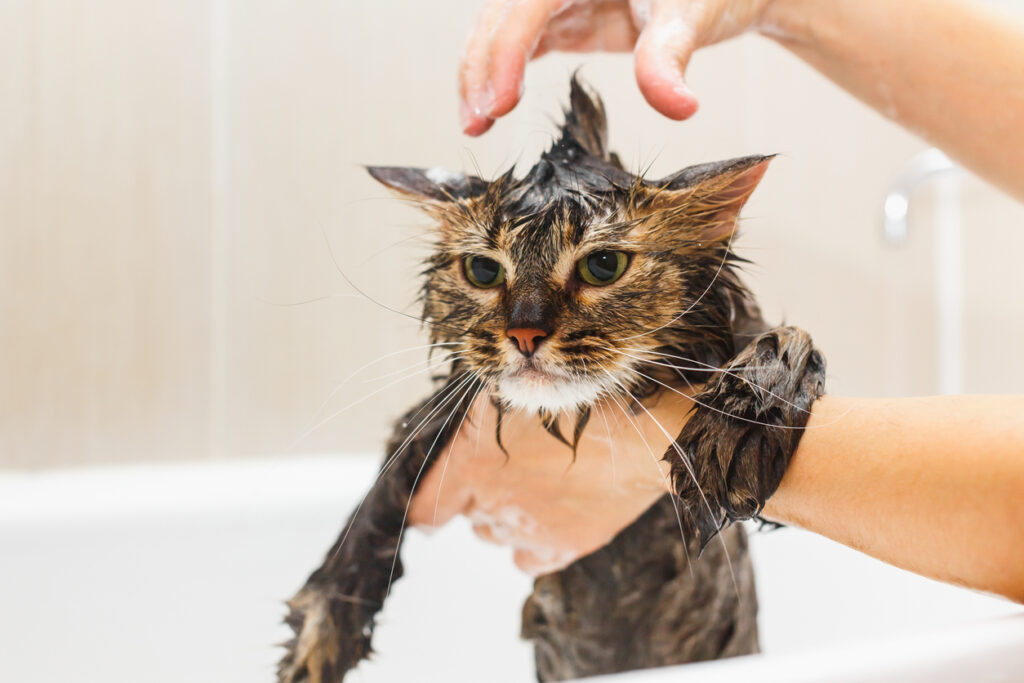
Cats’ coats contain natural oils that keep fur sleek and skin healthy. Baths remove these oils, leaving fur dry, brittle, and more prone to tangling. Since cats already clean themselves thoroughly, extra washing only disrupts the balance their bodies work hard to maintain.
That’s why most experts advise against bathing cats unless absolutely necessary. For them, water isn’t just unpleasant—it’s harmful to the natural protection their coats provide, which makes their aversion perfectly logical.
Early experiences shape their reaction.
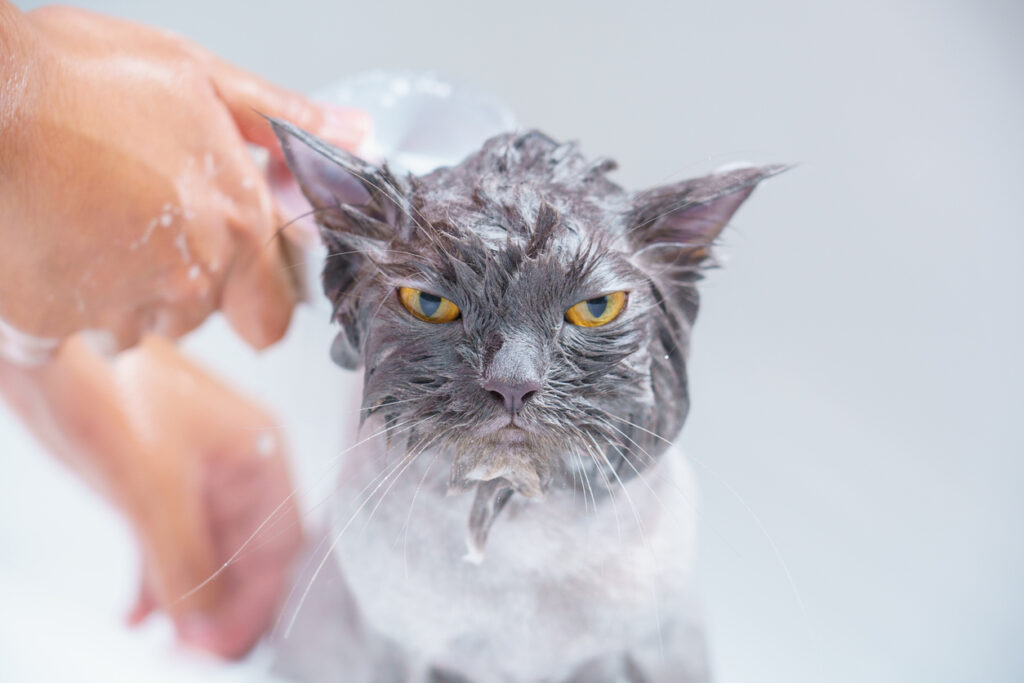
If a kitten has a frightening or stressful experience with water early on, it can set the tone for life. Cats that were splashed, sprayed, or forced into water often grow into adults that fear it instinctively.
Positive exposure at a young age makes a difference. Some cats that were introduced to gentle water play as kittens are more tolerant later, which shows that dislike isn’t entirely fixed—it can be shaped by early experiences.
Some cats simply enjoy staying dry.
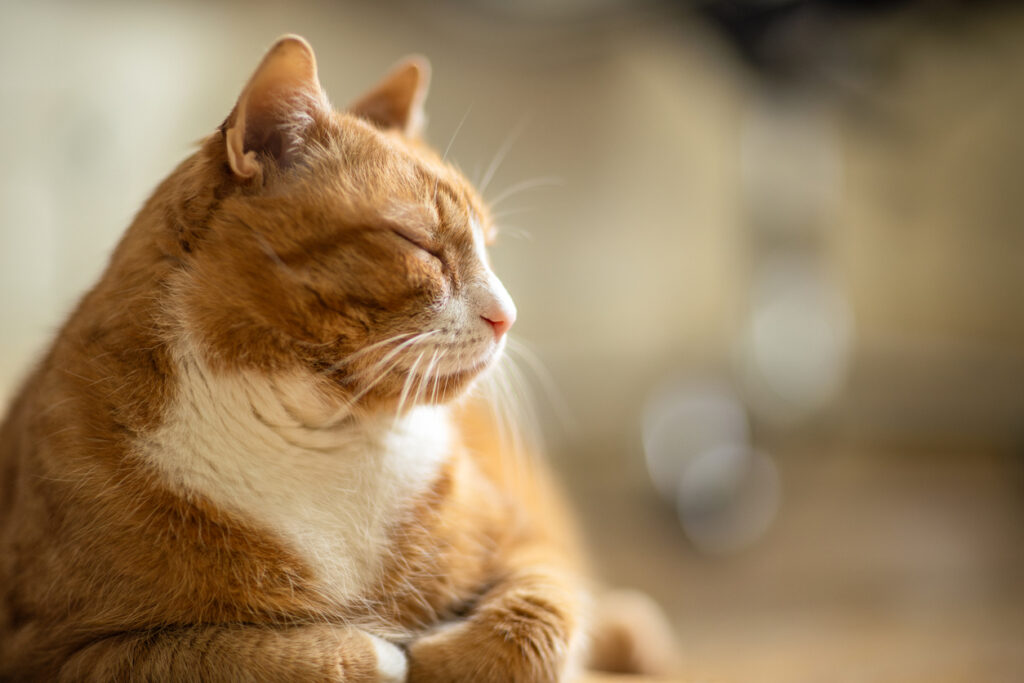
Not every behaviour needs a deep evolutionary reason. Many cats simply prefer dry conditions because it keeps them warm, agile, and comfortable. Their dislike of water might just be an extension of their general desire to stay in control.
That said, there are always exceptions. Breeds like Turkish Vans actually enjoy swimming, proving that while most cats hate water, it isn’t universal. Still, for the majority, staying dry will always be the easy choice.