You might think mammals or birds dominate the planet in terms of sheer variety.
It sounds like a logical conclusion to draw, but it’s not particularly accurate. In fact, the real winners of Earth’s species lottery are so small you probably step on them without noticing. The animal kingdom’s most successful group isn’t what most people would guess, and the numbers are absolutely staggering.
Beetles rule the world with ridiculous numbers.
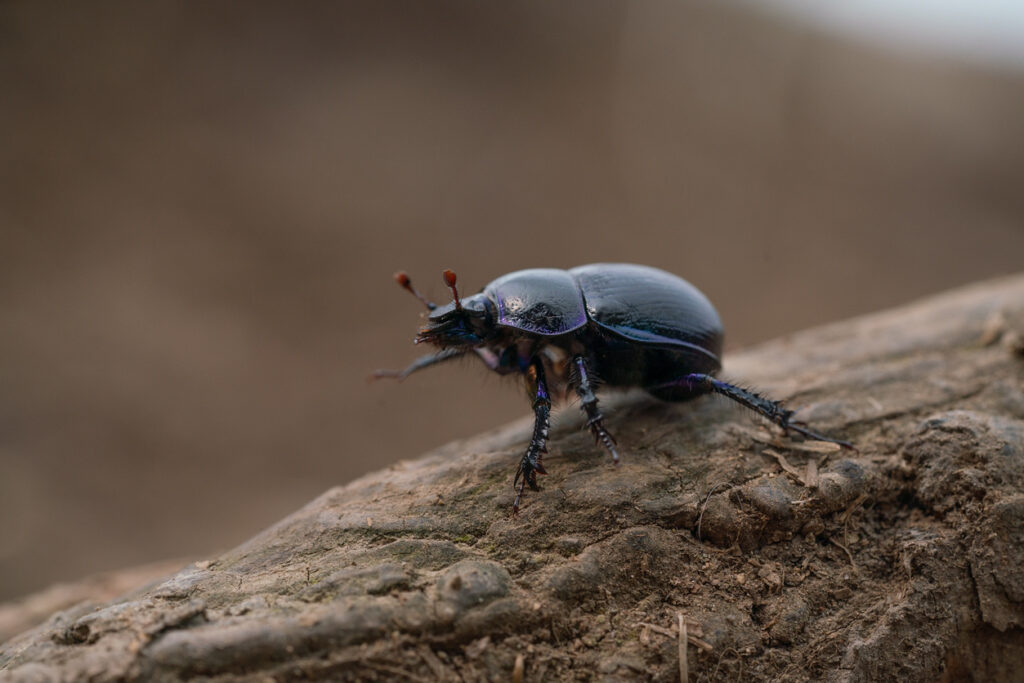
There are more beetle species than any other type of animal on Earth: roughly 400,000 known species, which is about 25% of all described animal life. That’s more species than all plants combined, and scientists think there might be millions more waiting to be discovered.
Every fourth animal you encounter is statistically likely to be a beetle. They’ve basically won evolution by figuring out how to live absolutely everywhere and eat almost everything.
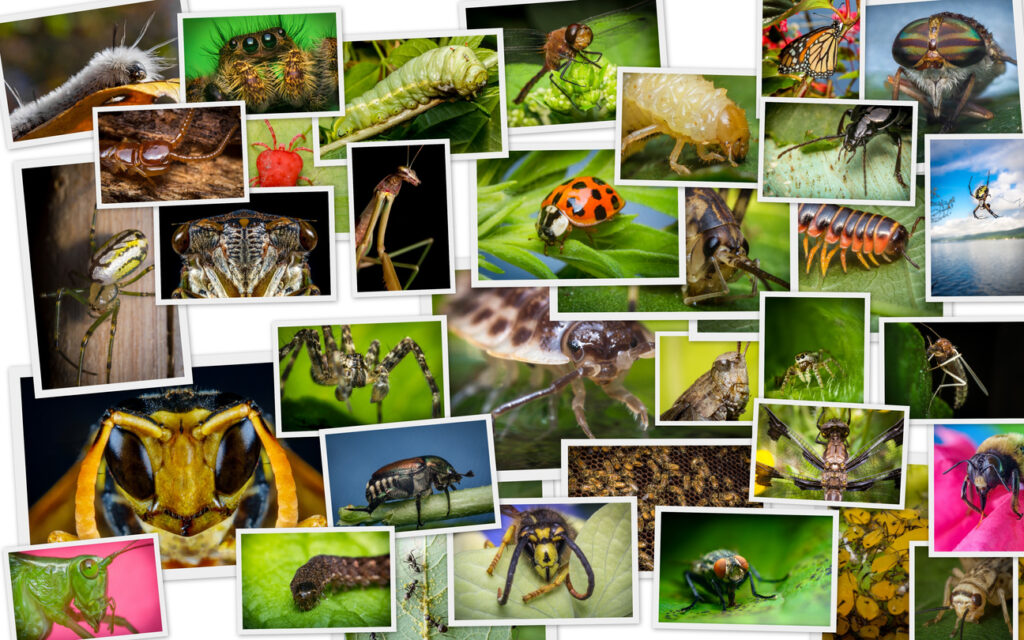
Insects as a whole make everyone else look like failures.
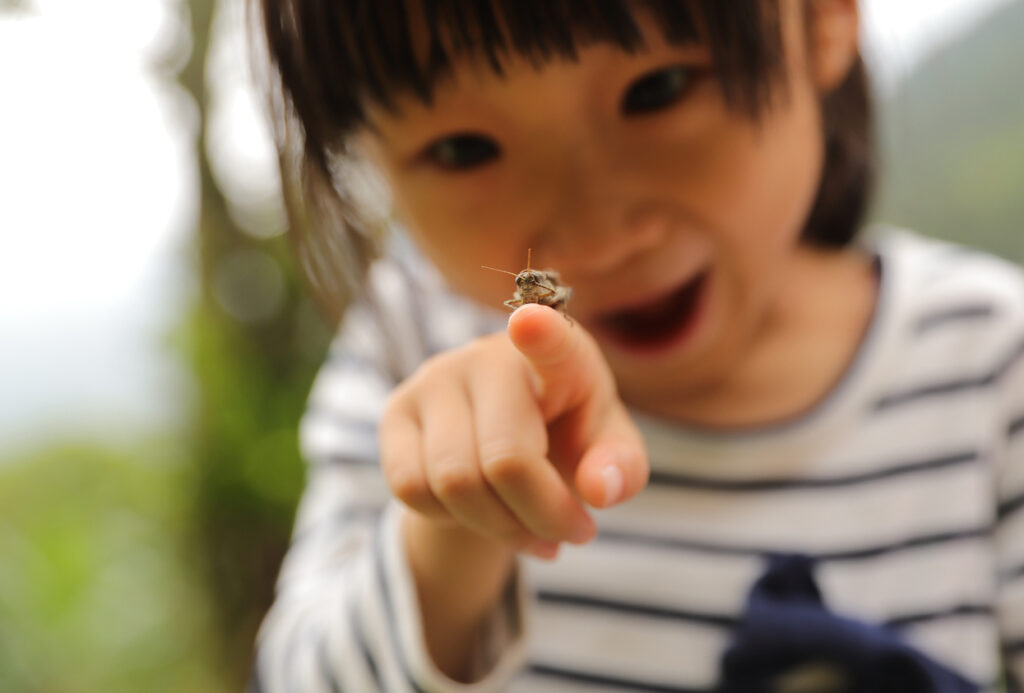
While beetles lead the pack, insects overall account for about 80% of all animal species on the planet. We’re talking over a million described species, with estimates suggesting there could be 5 to 10 million more out there we haven’t found yet.
For every human on Earth, there are roughly 1.4 billion insects. They’ve completely dominated the numbers game, while most people barely notice they exist unless they’re being annoying.
Vertebrates are embarrassingly outnumbered.
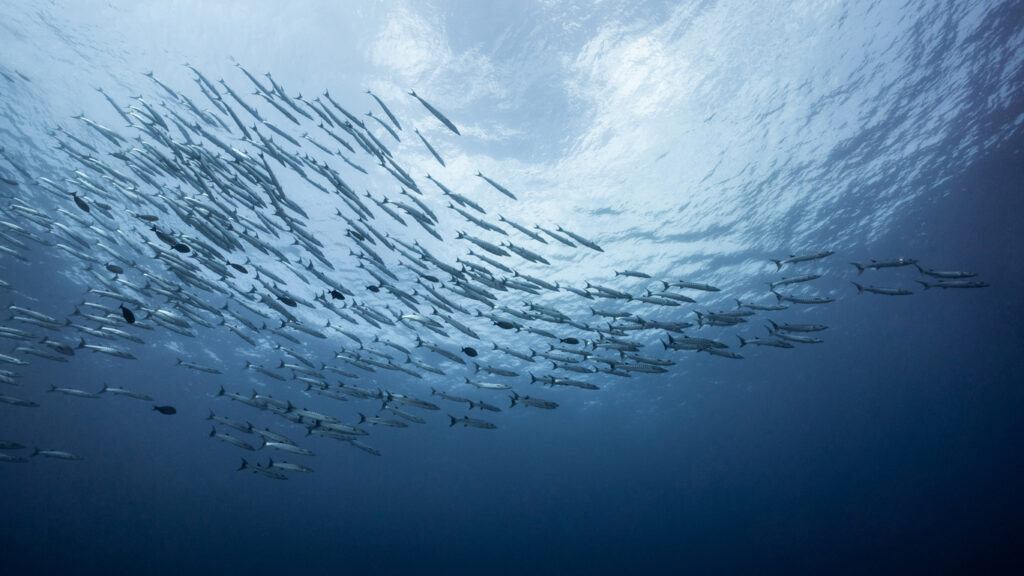
All the animals people actually care about—mammals, birds, fish, reptiles, and amphibians combined—make up less than 5% of known animal species. Mammals alone account for only about 0.4% of all animal species on Earth.
We’ve basically built our entire understanding of animals around the tiny minority that happen to be big enough for us to notice easily. It’s like judging a city’s population based only on the people over six feet tall.
The ocean is hiding millions of unknown species.
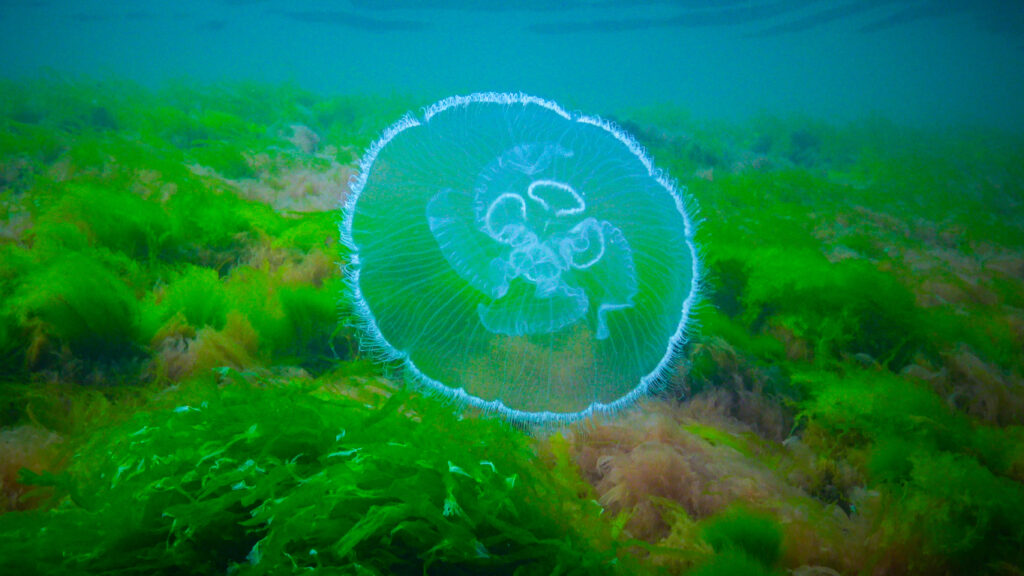
Scientists estimate we’ve only discovered about 5 to 10% of marine species, and many of these are going to be tiny invertebrates that dwarf land animal diversity. The deep ocean probably contains more unknown species than we’ve found on the entire planet so far.
Every deep-sea expedition brings back creatures that look like they belong in science fiction movies. We’re still in the early stages of understanding what’s actually living down there.
Tiny size equals massive success.

The smaller you are, the more ways you can make a living on this planet. Beetles have figured out how to eat everything from wood to dung to other insects, while large mammals are stuck with relatively few dietary options.
Being small means you can live in cracks, under leaves, inside other animals, or in environments that would kill larger creatures. Size constraints have basically unlimited the possibilities for specialisation.
Most animal species have never been properly studied.
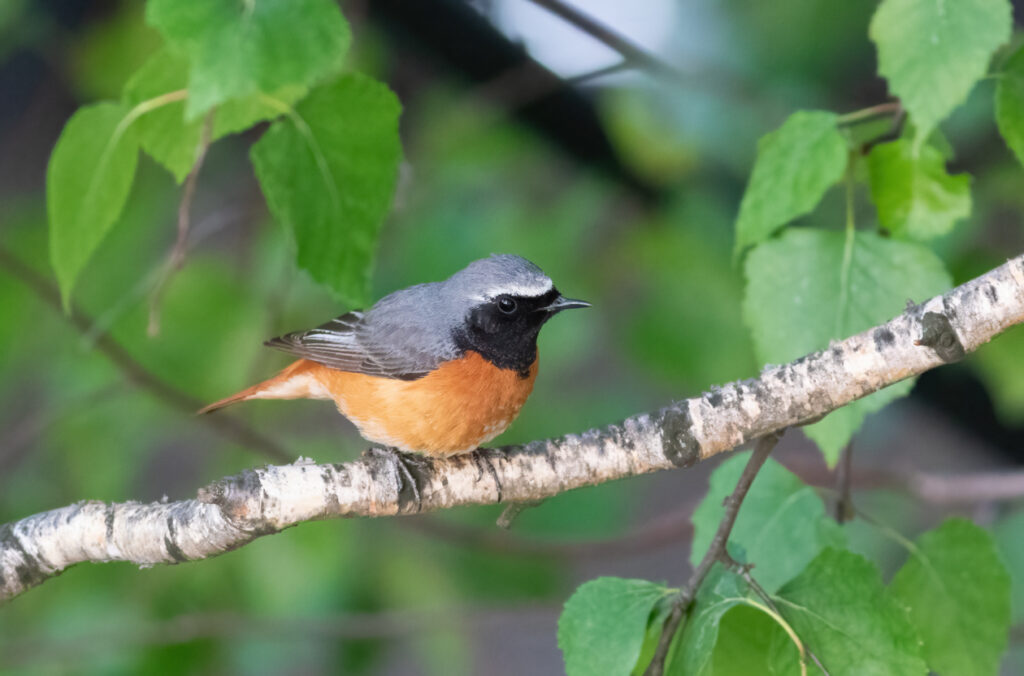
We’ve given names to maybe 1.5 million animal species, but scientists think there could be anywhere from 8 to 100 million species actually out there (which is admittedly a pretty big variance). Most beetles, for example, have been collected, named, and then never studied again.
The vast majority of Earth’s animals are complete mysteries to science. We know they exist, but we have no idea what they eat, how they reproduce, or what role they play in their ecosystems.
Tropical rainforests are species factories.
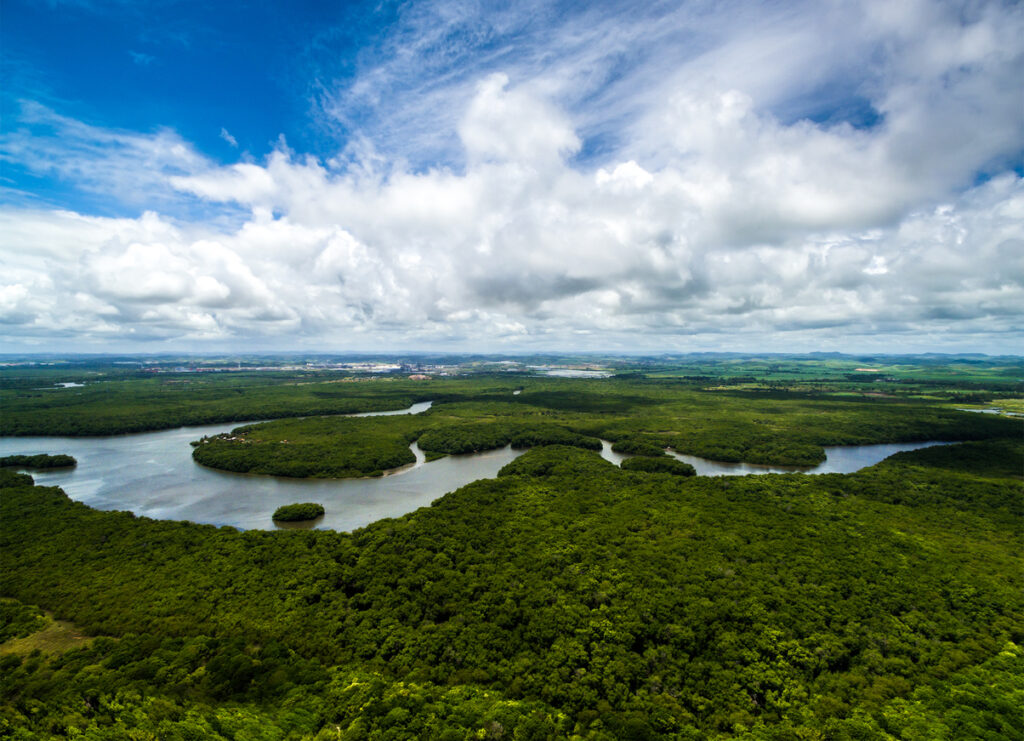
A single tree in the Amazon can host more beetle species than the entire British Isles. The incredible diversity of plants in tropical forests creates endless opportunities for insects to specialise on specific food sources.
Scientists estimate that many rainforest insects are so specialised they live on only one species of plant. When that plant goes extinct, so do they, often before we even knew they existed.
Parasites are secretly dominating the numbers.
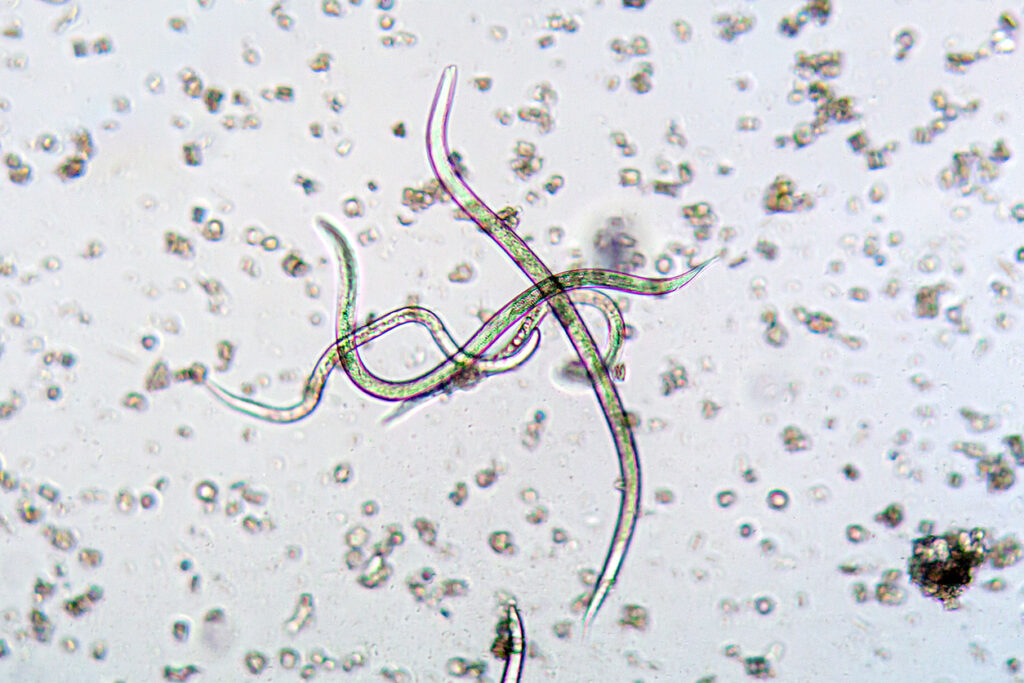
Almost every animal species has multiple parasites that live only on or in them, meaning parasitic species probably outnumber free-living ones by enormous margins. We’re just terrible at finding and counting them because they’re hidden inside other animals.
Every vertebrate animal you can think of probably supports dozens of parasite species that exist nowhere else. The diversity is mind-boggling once you start looking inside rather than just at the surface.
Climate change is causing extinctions faster than discoveries.
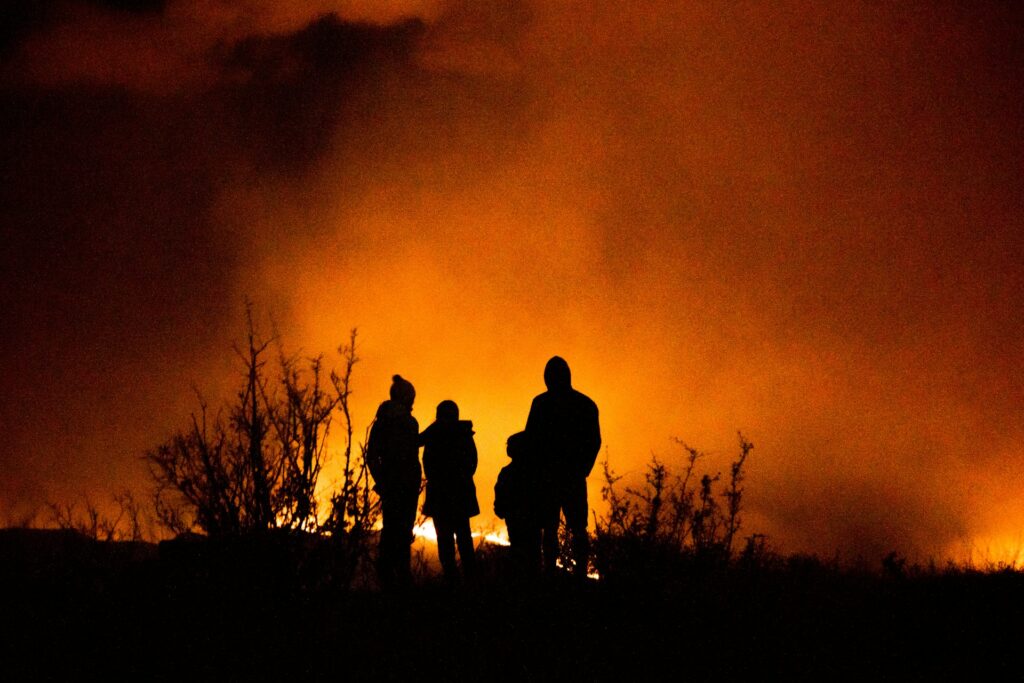
We’re losing species before we even know they exist, particularly among insects in tropical regions. Some scientists estimate we’re in the middle of a mass extinction event that’s hitting small, unknown species hardest.
The species we’re most familiar with—large mammals and birds—are actually the ones most likely to survive because we notice and try to protect them. The real diversity loss is happening invisibly among tiny creatures.
DNA is revealing hidden species everywhere.
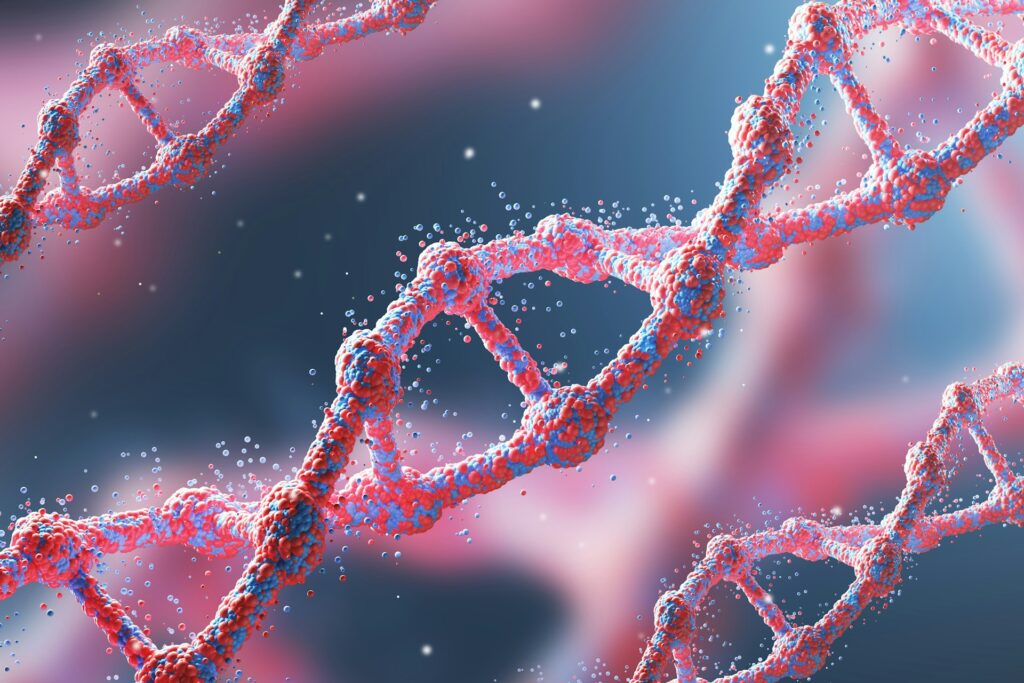
Genetic analysis keeps showing that what we thought was one species is actually dozens of closely related species that look identical but are genetically distinct. This is multiplying our species counts dramatically, especially among insects.
Many “species” we’ve known for years are turning out to be whole complexes of separate species that have been living secret lives right under our microscopes.
Island evolution creates endless variety.
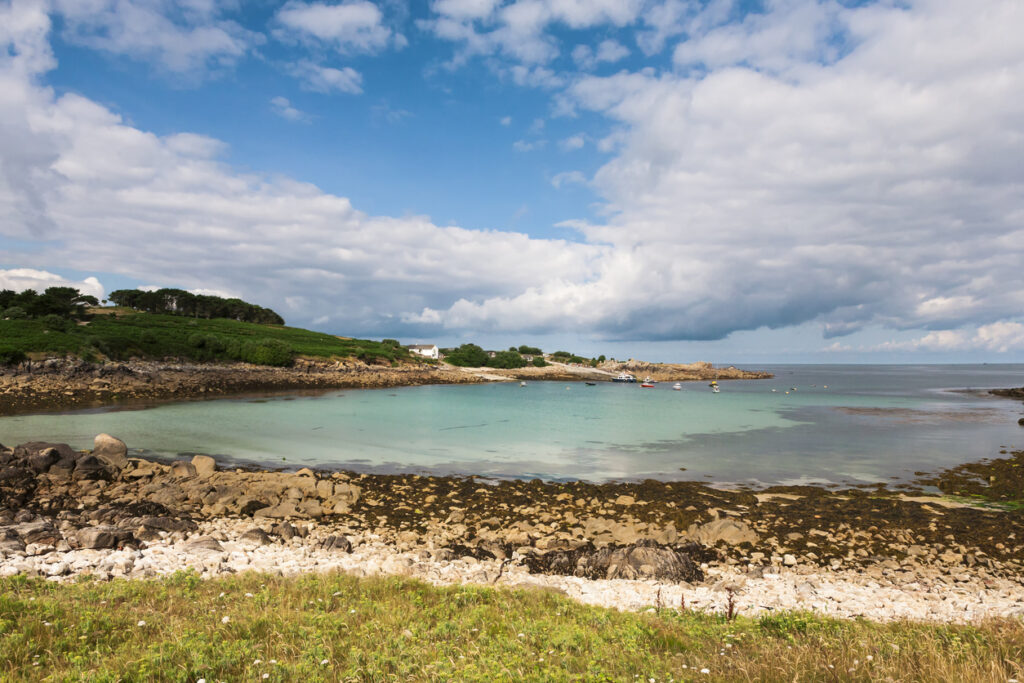
Every isolated ecosystem, from remote islands to mountain tops to cave systems, tends to evolve its own unique species that exist nowhere else. The more isolated the habitat, the weirder and more specialised the species become.
Islands are like evolutionary laboratories that keep churning out new species. Hawaii alone has thousands of endemic species that exist only on those specific islands.
Human activity is both revealing and destroying diversity.
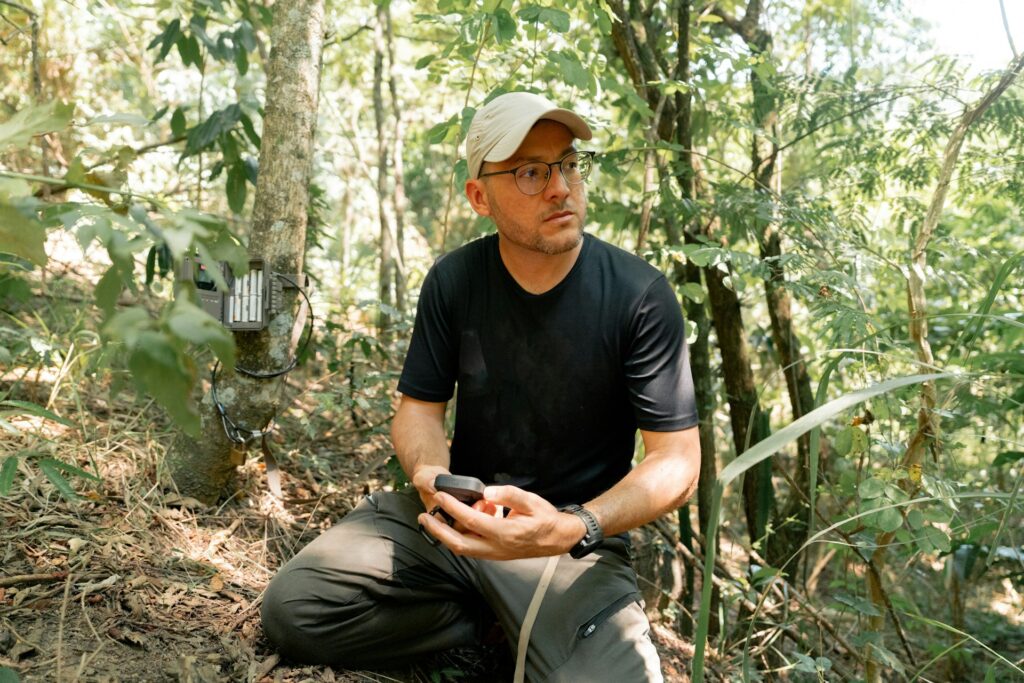
As we clear forests and develop land, we’re discovering new species in the areas we’re about to destroy. Many species are being found and declared extinct in the same scientific paper, which is both fascinating and depressing.
Urban environments are also creating new evolutionary pressures that are producing new species adapted specifically to city life. Evolution never stops, even when we’re messing with natural habitats.