Some animals never fully switch off, even when resting.

Thanks to a survival mechanism called unihemispheric slow-wave sleep, they can rest one half of their brain while keeping the other alert. That means sleeping with one eye open is not just a saying. These are 13 creatures that do it for real, and you have to admit, it’s pretty impressive.
1. Dolphins
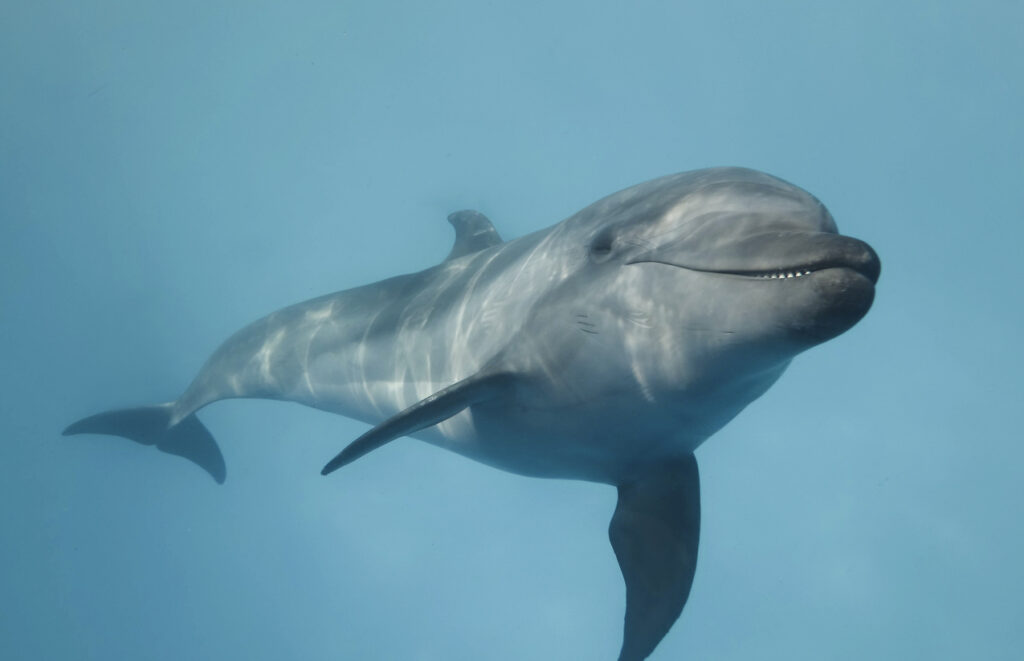
Dolphins are one of the most famous examples of one-eyed sleepers. They rest one hemisphere of the brain while the other stays active, allowing them to surface for air and remain aware of predators or other threats in the water.
This unique ability means dolphins never fall into full unconsciousness the way humans do. It keeps them alive in the ocean’s unpredictable environment and helps them stay social within their pods without becoming too vulnerable.
2. Whales
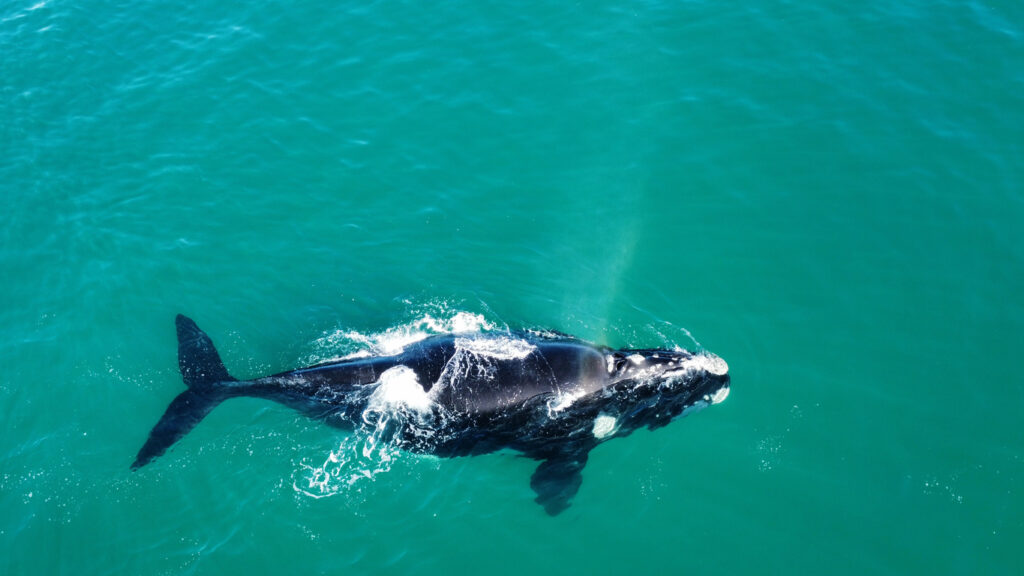
Like dolphins, whales rely on one-eye-open sleep to keep surfacing for air. If they switched off both sides of the brain at once, they would risk drowning. This partial sleep helps them maintain basic survival functions without losing awareness.
Different species vary in how long they can keep one hemisphere resting, but the principle remains the same. It’s a reminder that in the ocean, sleep must always be balanced with vigilance.
3. Seals
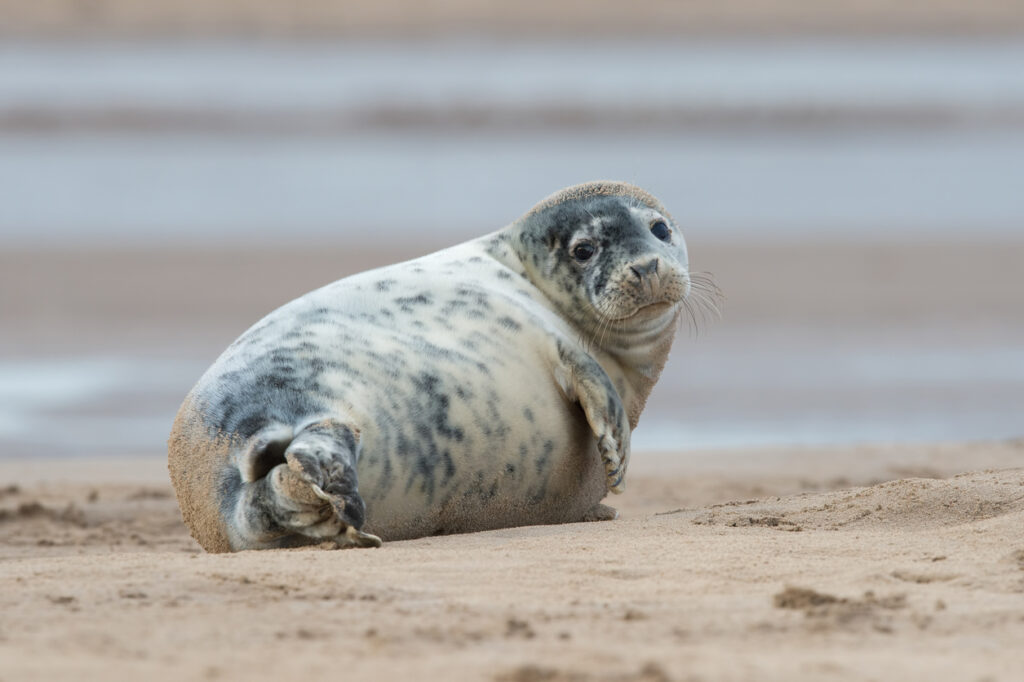
Seals show fascinating flexibility. When they’re in water, they sleep with one eye open to watch for predators. However, when they haul out onto land and feel safer, they can shut both eyes and rest like other mammals.
This ability to switch between sleep styles shows how adaptable seals are to changing environments. It ensures they can survive both at sea and on shore with the rest they need.
4. Ducks
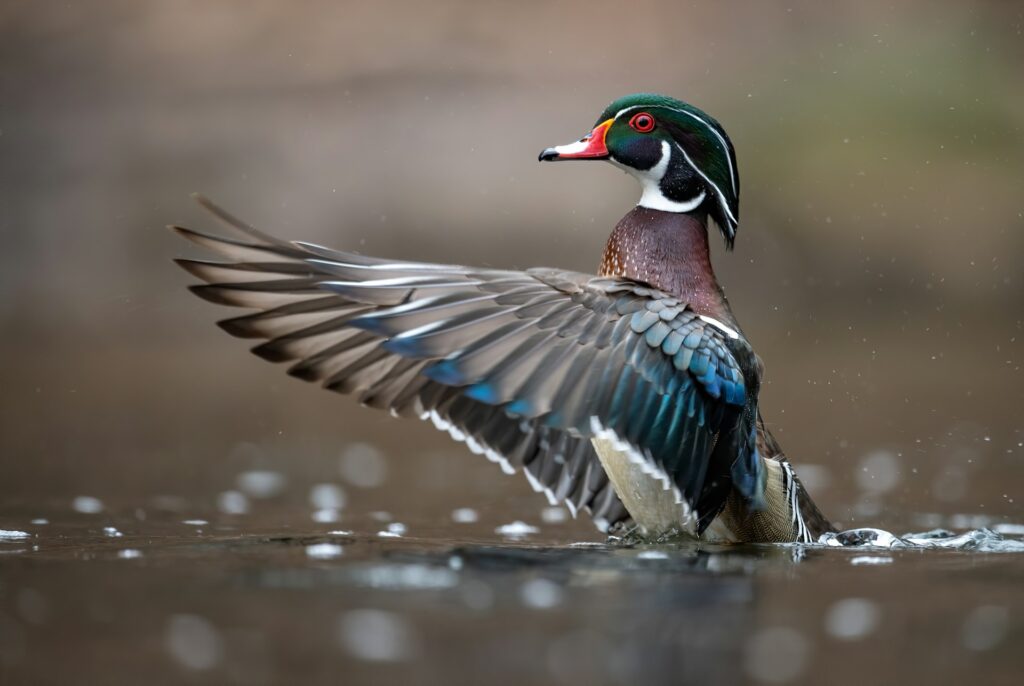
Ducks are known for their light sleeping habits, especially when in groups. Those resting at the edges of a flock often keep one eye open to scan for predators, while those in the middle feel safe enough to close both.
This shared vigilance keeps the whole group safer. By distributing the risk across the flock, ducks reduce the chances of being caught off guard while still getting some sleep.
5. Chickens
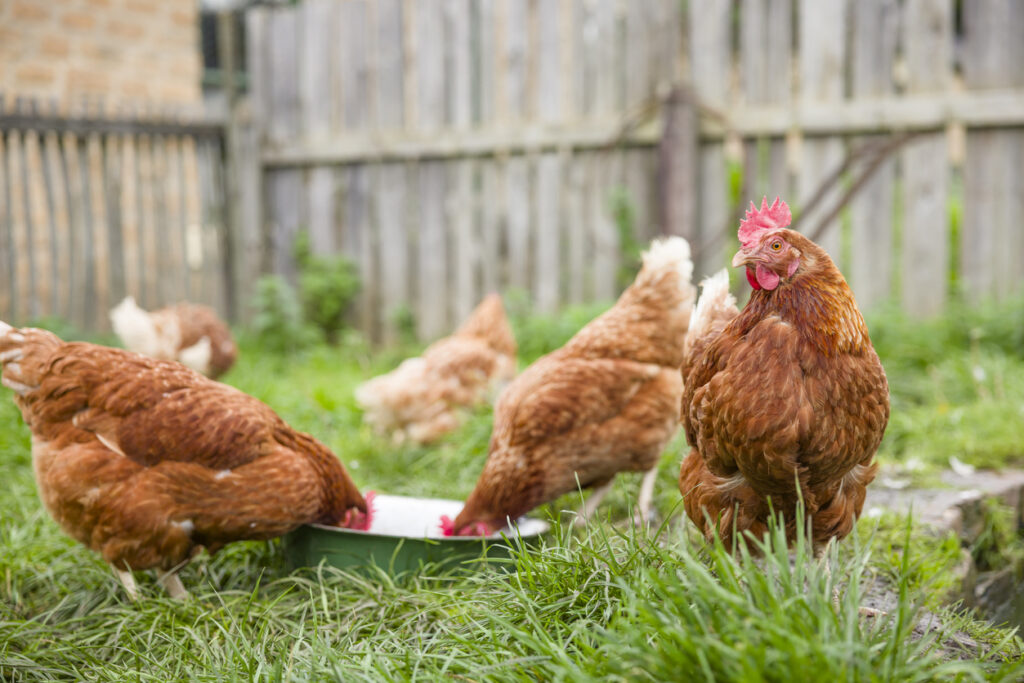
Like ducks, chickens use one-eye-open sleep as a safety mechanism. Birds on the outside of a roost often keep watch, while those deeper inside can relax more fully. It’s a natural form of nighttime security.
This behaviour explains why farmyard chickens can be startled so easily. Even while appearing calm, half their brain is often alert and ready to respond to movement or sound.
6. Pigeons
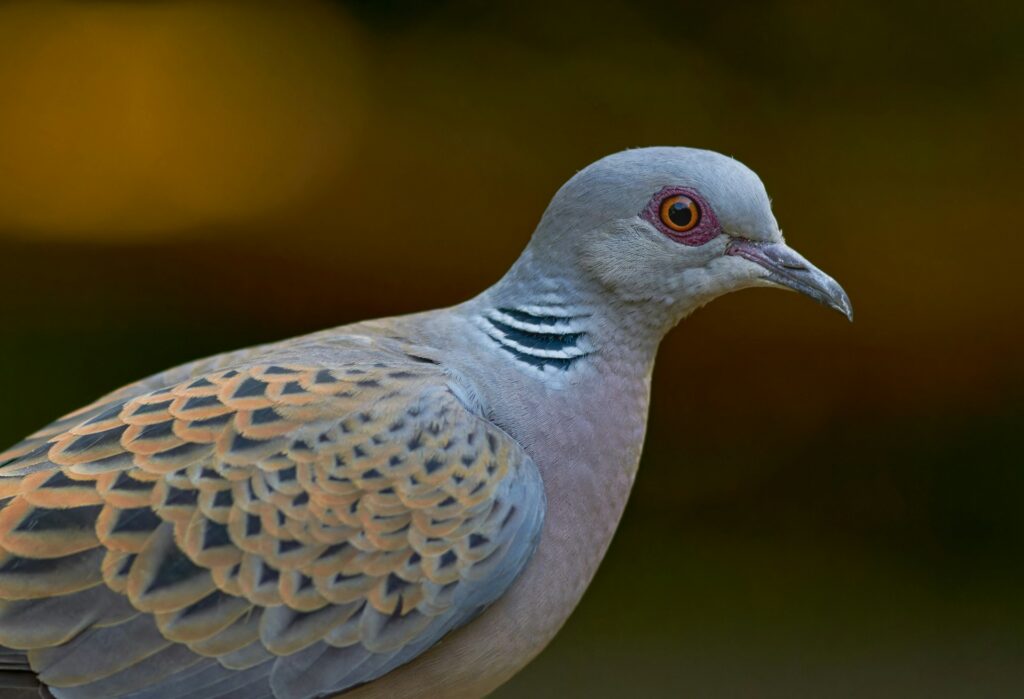
Pigeons are capable of sleeping with one eye open, especially in noisy or risky environments. This helps them stay tuned to what is happening around them, which is important in urban areas where disturbances are constant.
When left in safe conditions, pigeons do close both eyes and sleep more deeply. The flexibility allows them to adjust rest depending on the safety of their surroundings.
7. Geese
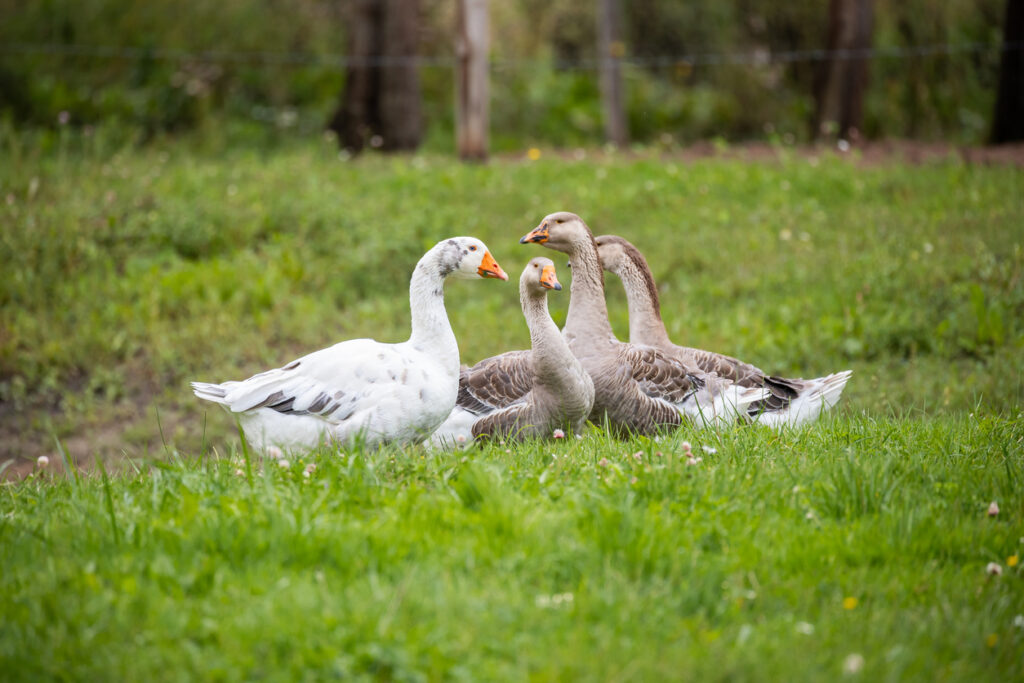
Geese often keep one eye open when resting in open areas. As flock animals, they take turns keeping watch so that some remain alert while others enjoy deeper rest. This shared responsibility helps protect the group from danger.
It’s especially noticeable during migration periods, when geese need to conserve energy but also remain cautious. The strategy ensures the flock’s survival on long journeys.
8. Crocodiles
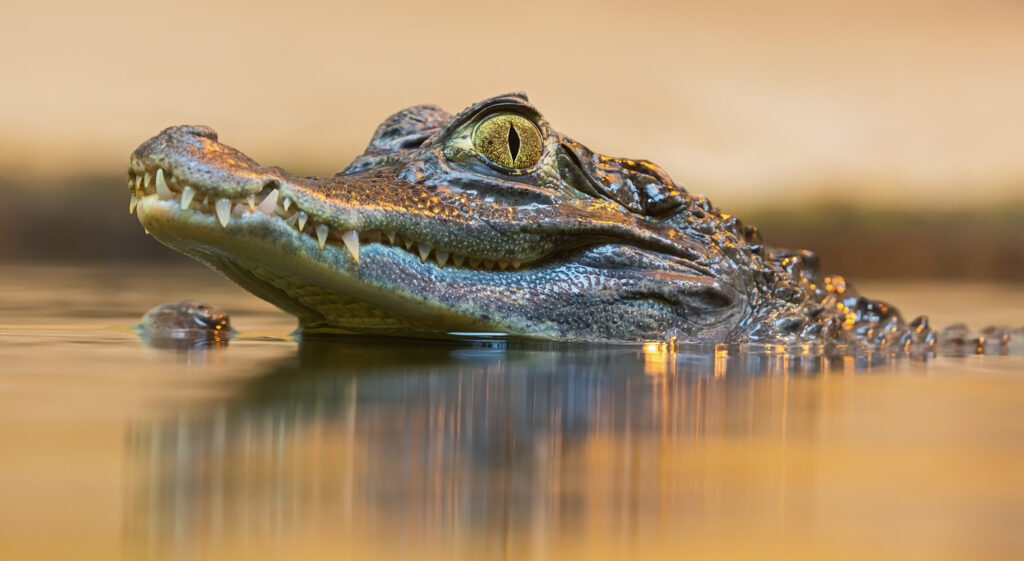
Crocodiles have been observed resting with one eye open, monitoring their environment even when they appear still. This partial sleep keeps them ready to react instantly, whether to a threat or an opportunity for prey.
This adaptation suits their role as ambush hunters. By staying half alert while conserving energy, crocodiles maximise survival without sacrificing rest entirely.
9. Iguanas
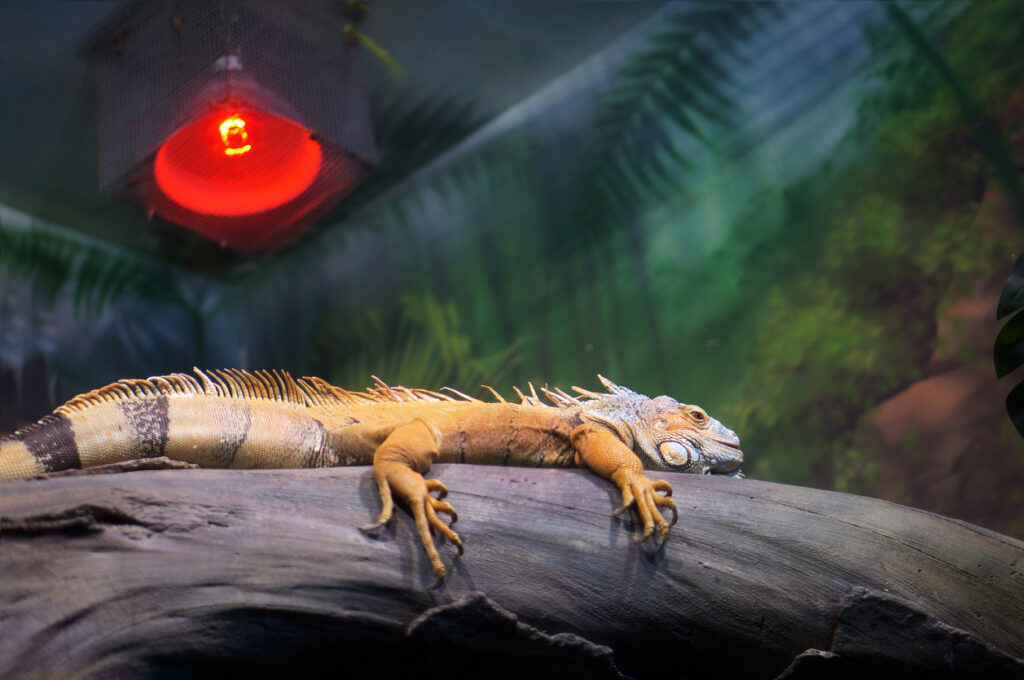
Research has shown that some iguanas also display unihemispheric sleep. Keeping one eye open helps them remain alert to aerial predators or other dangers while they’re perched in exposed areas. This ability gives iguanas a better chance of survival, especially in environments where they can’t easily hide. It allows them to balance the need for vigilance with the need for rest.
10. Parrots
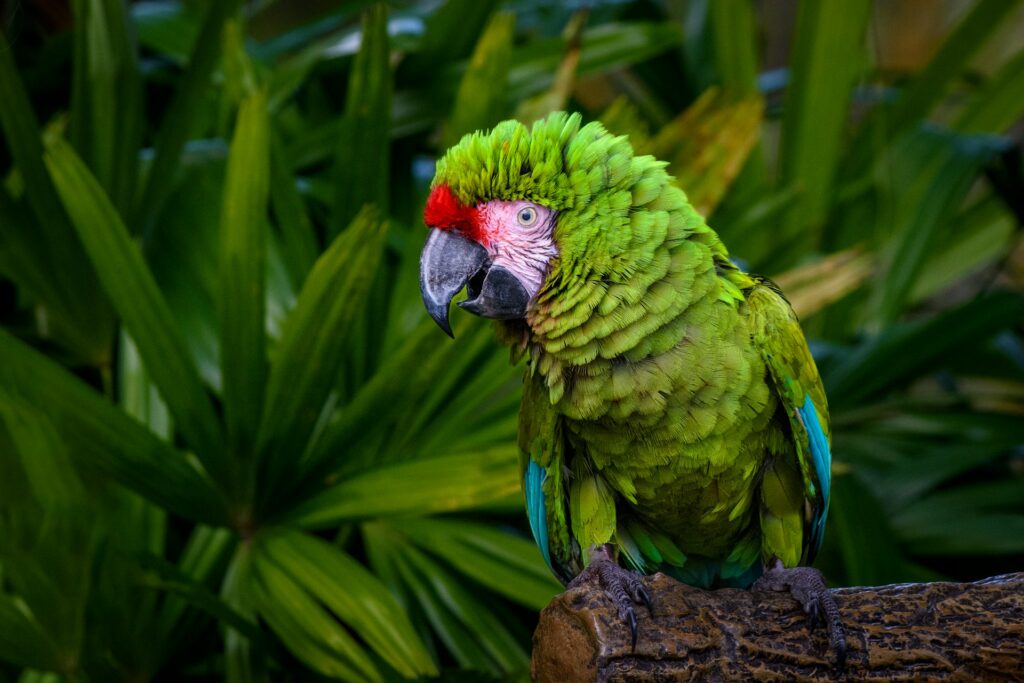
Parrots have been observed using one-eye-open sleep both in the wild and in captivity. They do this most often when they’re unsettled, new to a space, or surrounded by potential disturbances. When they feel safe, parrots will rest with both eyes shut. The behaviour shows that, like other birds, they can adjust the depth of their sleep depending on how secure they feel.
11. Swifts
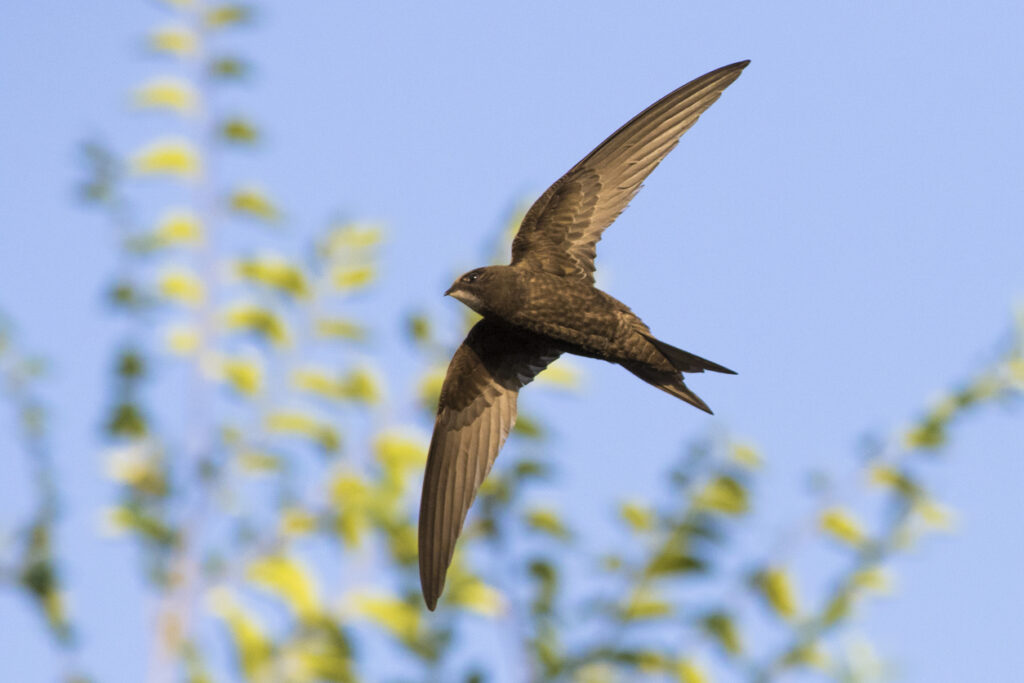
Swifts are known for their extraordinary ability to sleep while flying, and unihemispheric sleep helps make this possible. They can rest one half of the brain while still keeping an eye open to navigate the skies. That adaptation allows swifts to remain airborne for long stretches without needing to land. It’s a remarkable example of how one-eye-open sleep supports extreme lifestyles in nature.
12. Sharks
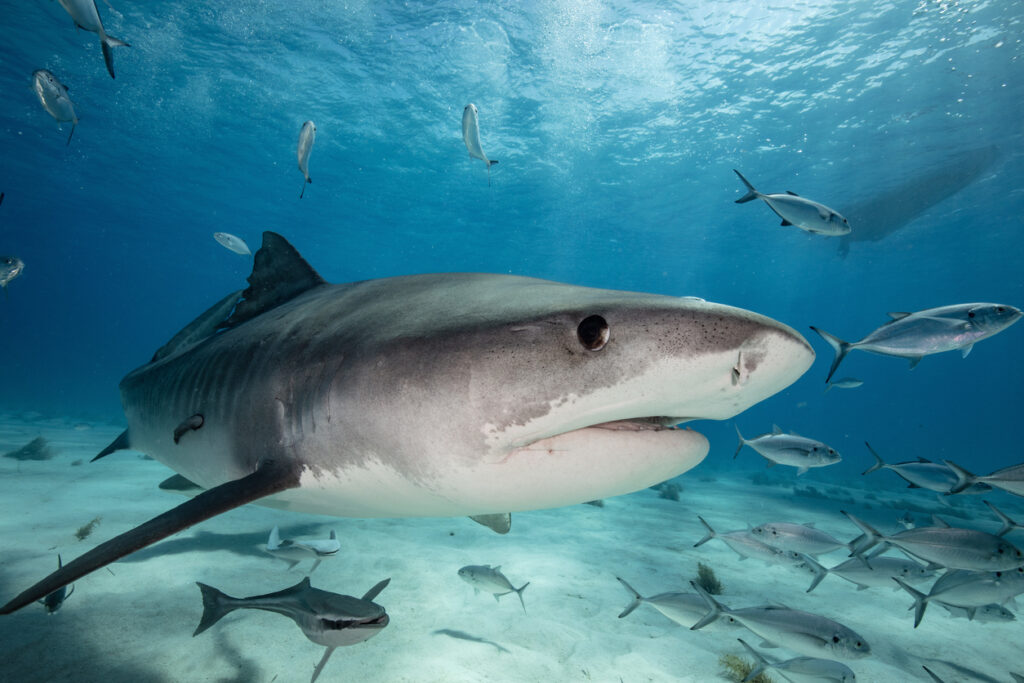
Some species of sharks must keep moving to breathe, and unihemispheric sleep helps them manage this challenge. By resting half their brain at a time, they stay in motion and maintain awareness of their surroundings.
It’s still being studied in detail, but evidence suggests that sharks use this method to survive without the luxury of full rest. The behaviour highlights how diverse sleep adaptations can be in the animal kingdom.
13. Otters
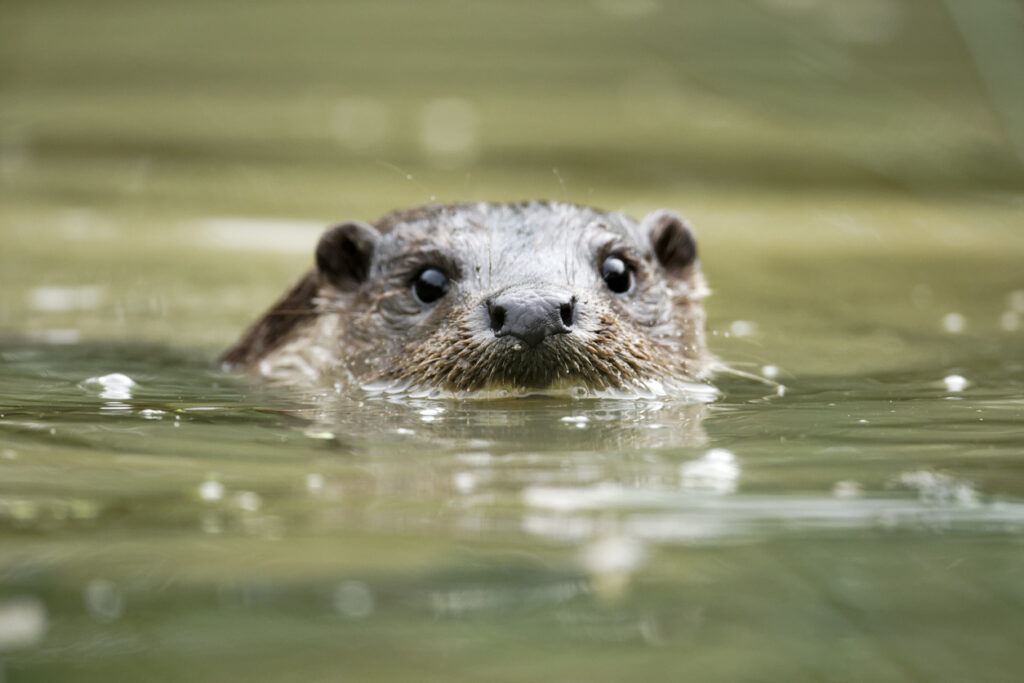
Sea otters sometimes rest with one eye open when floating on the surface. This habit helps them watch for predators such as sharks or eagles while still getting short bursts of rest. Mothers often do this while caring for pups.
It’s part of their broader survival strategy. Combined with behaviours like holding paws while they sleep to stay together, one-eye-open resting keeps them safe in challenging waters.