Birds are among the most visible parts of daily life, yet when the sun sets, they seem to vanish.
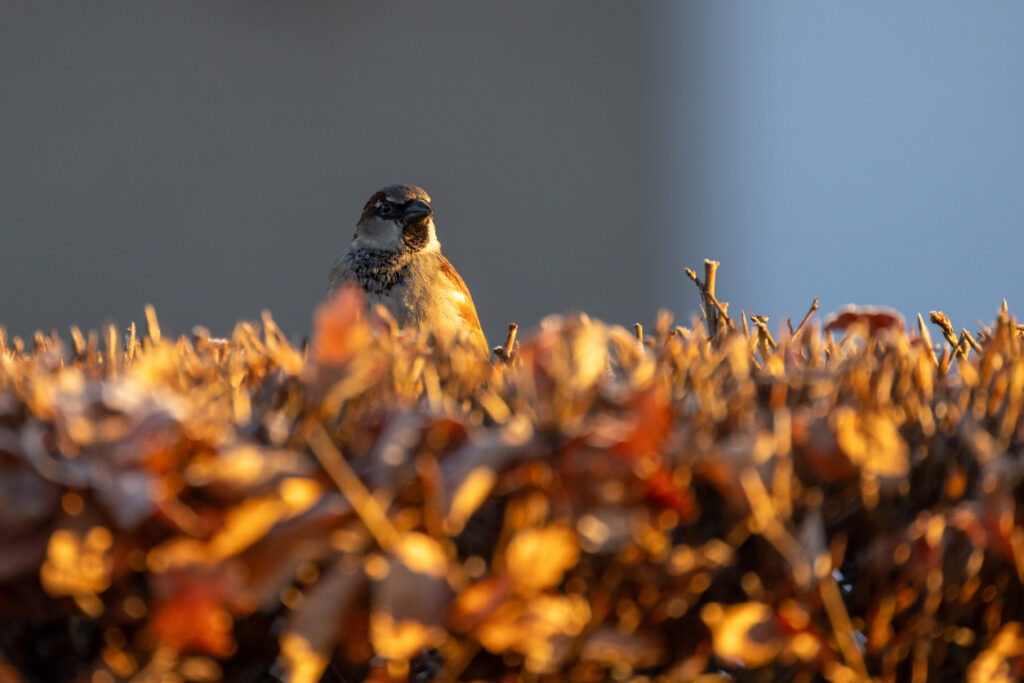
Their disappearance sparks curiosity for many people because there are millions of them, but they’re just… nowhere. Here are 12 explanations for where birds actually go at night and how they stay safe until the sun comes up again.
1. Many birds retreat to roosting spots.
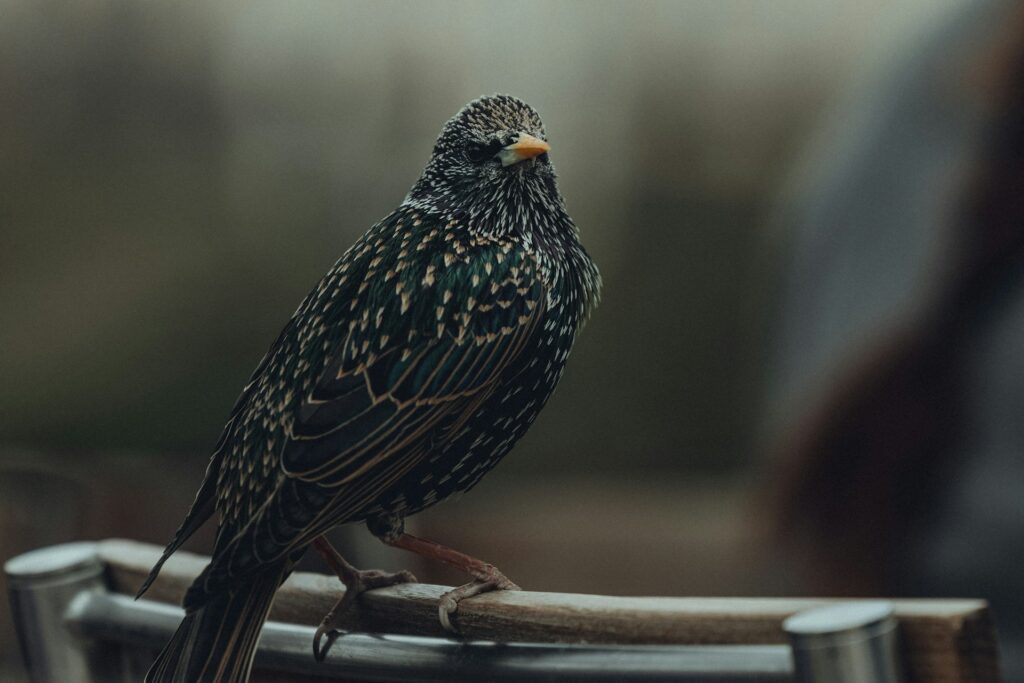
Most garden birds, like sparrows and starlings, head to safe roosting sites once the light fades. These might be dense hedges, thick shrubs, or tucked-away tree branches that offer cover and protection while they rest.
If you watch closely at dusk, you can often spot small flocks disappearing into greenery. Roosting together gives birds warmth and security, and it allows them to conserve energy overnight.
2. Woodland provides natural shelter.
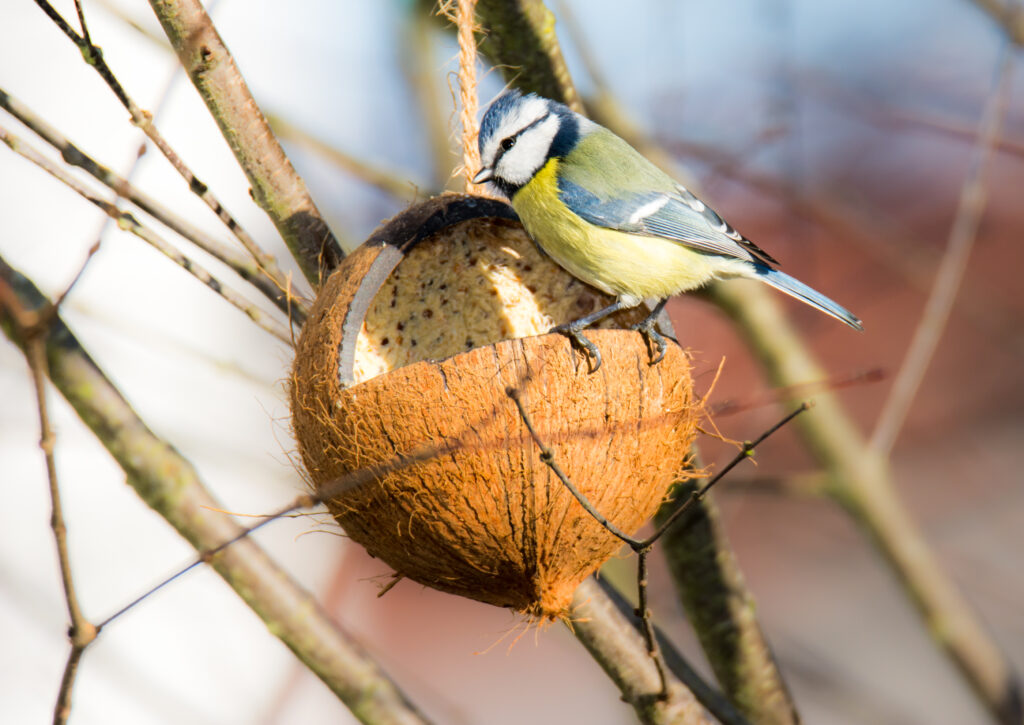
Woodlands are among the safest places for many species after dark. The dense canopy shields birds from wind and rain, while the variety of branches offers endless perches away from ground predators.
Some birds pick the same spot every night, while others vary their roosting site to avoid being predictable. This behaviour helps them stay one step ahead of nocturnal hunters.
3. Birds use buildings for cover.
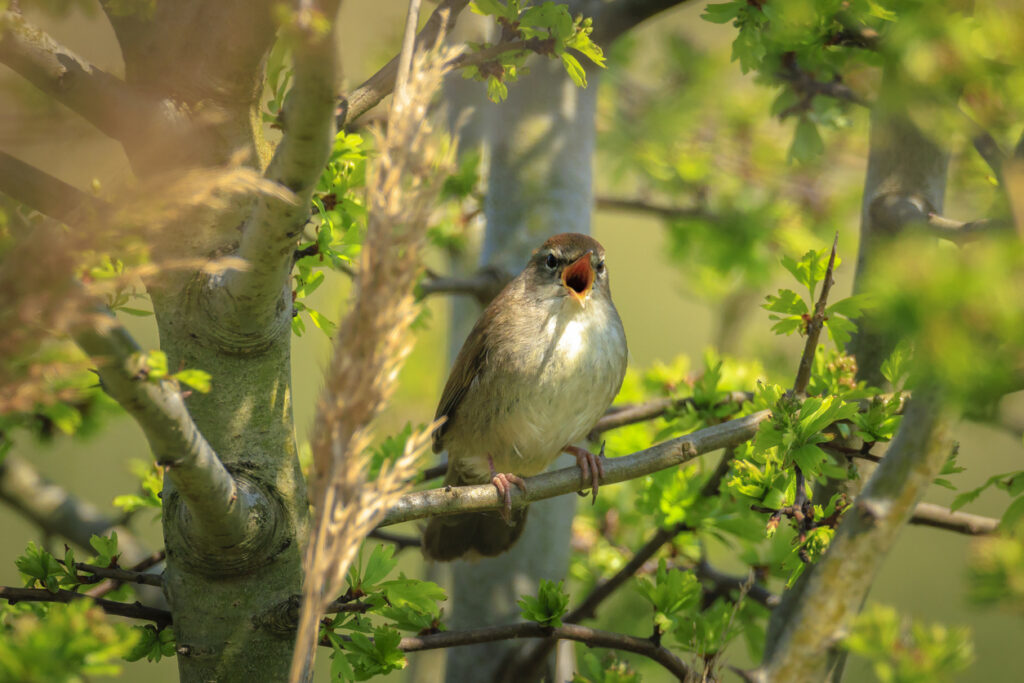
In towns and cities, birds often rely on manmade structures when night falls. Roof ledges, drainpipes, and even gaps in brickwork provide the same protection as trees in more natural settings.
You may not notice them, but pigeons, swifts, and house sparrows frequently settle into buildings after dusk. These urban refuges give warmth and shelter in places where trees and hedges are limited.
4. Some birds prefer reedbeds and wetlands.
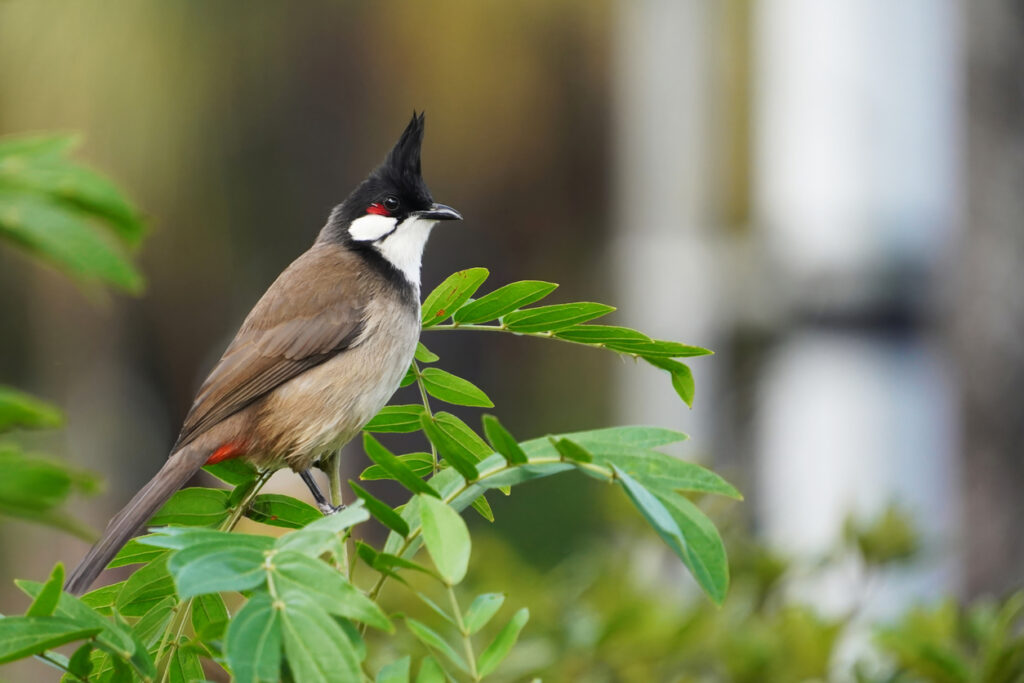
For species like starlings and reed warblers, wetlands and reedbeds are popular roosting areas. These habitats provide dense cover that protects them from predators while also being close to feeding grounds.
Huge starling murmurations at dusk often end with thousands dropping into reedbeds together. It’s both a spectacular sight and a survival tactic, as safety comes with numbers.
5. Birds of prey choose high perches.
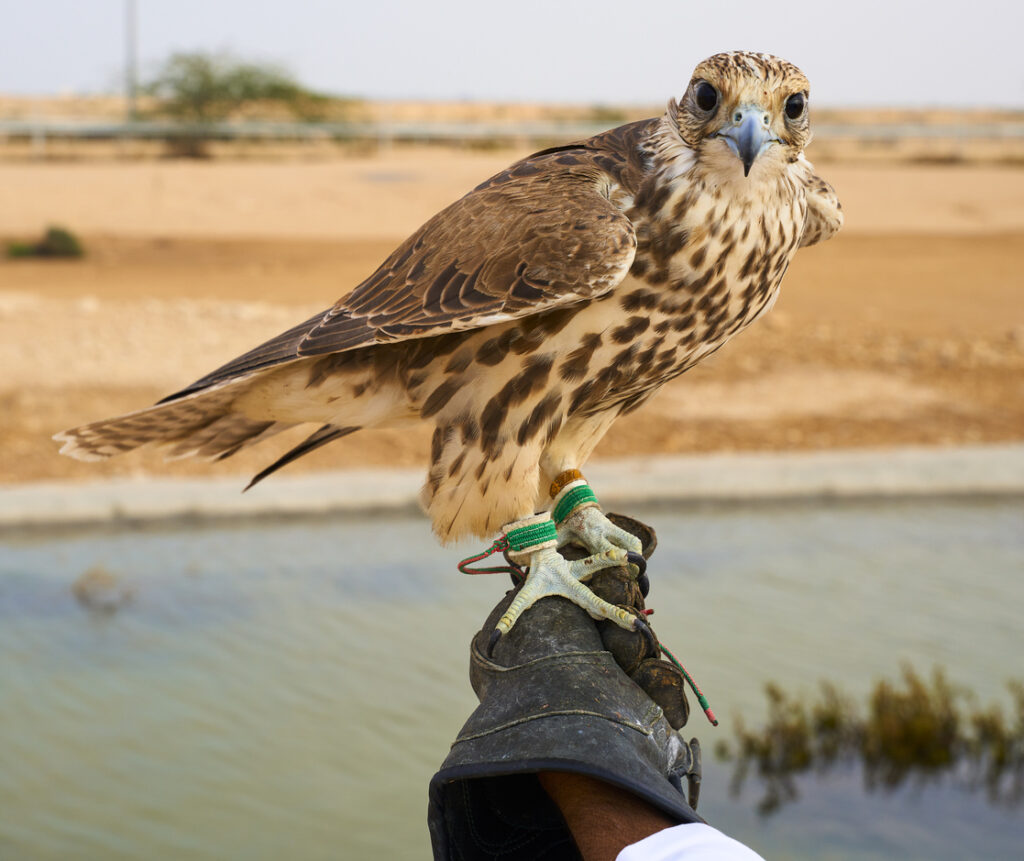
Raptors such as owls, hawks, and kestrels often roost on tall trees or cliff ledges at night. These elevated positions allow them to spot threats easily while keeping them clear of most ground predators.
Owls, of course, are active at night, hunting when smaller birds sleep. Daytime raptors, however, rest high up until dawn, conserving energy for long hours of flight and hunting.
6. Seabirds return to cliffs and islands.
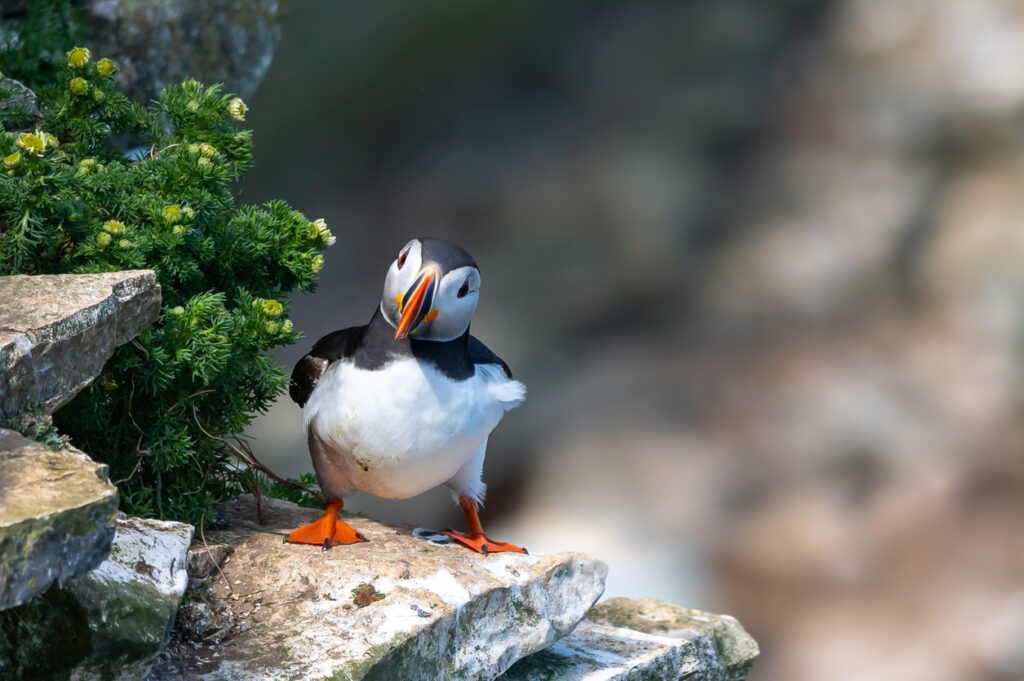
Seabirds like puffins, kittiwakes, and guillemots typically head back to cliffs, islands, or coastal ledges as evening approaches. These locations provide security from land predators and easy access to the sea when morning comes.
Some species even sleep while floating on the water, relying on their waterproof feathers to keep them safe. These strategies ensure they stay close to food while still avoiding danger overnight.
7. Migratory birds keep flying.
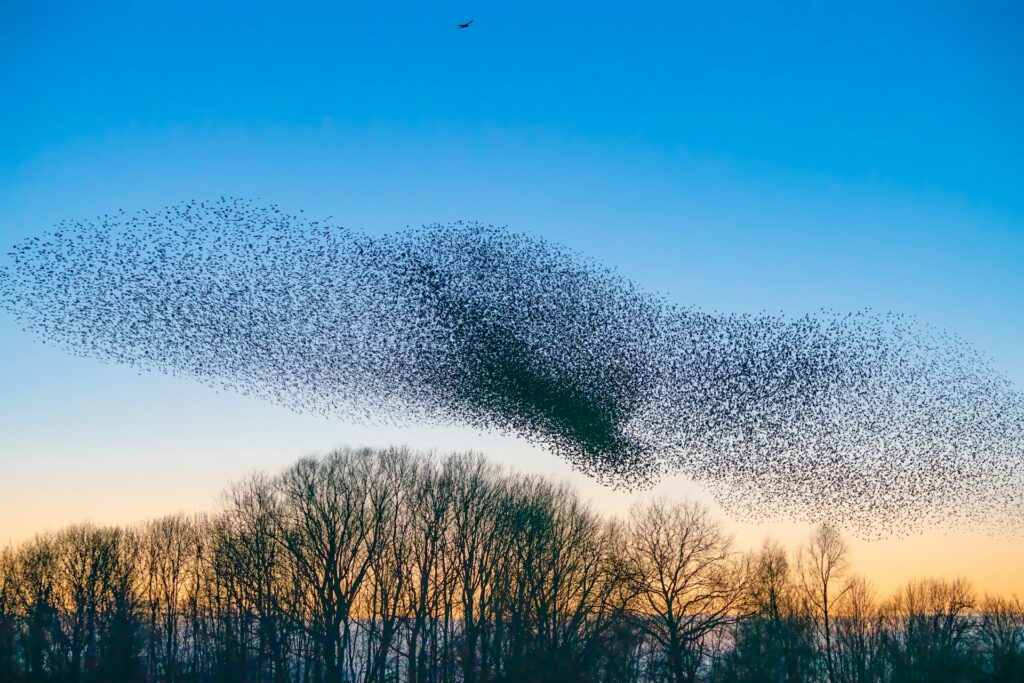
During migration seasons, many birds don’t settle at all at night. Instead, they fly under the cover of darkness to avoid predators and take advantage of calmer night skies. Geese, warblers, and thrushes often travel this way.
Flying overnight also allows them to rest and feed during daylight hours. By the time the sun rises, they’ve covered impressive distances without the distraction of daytime threats.
8. Garden birds huddle for warmth.
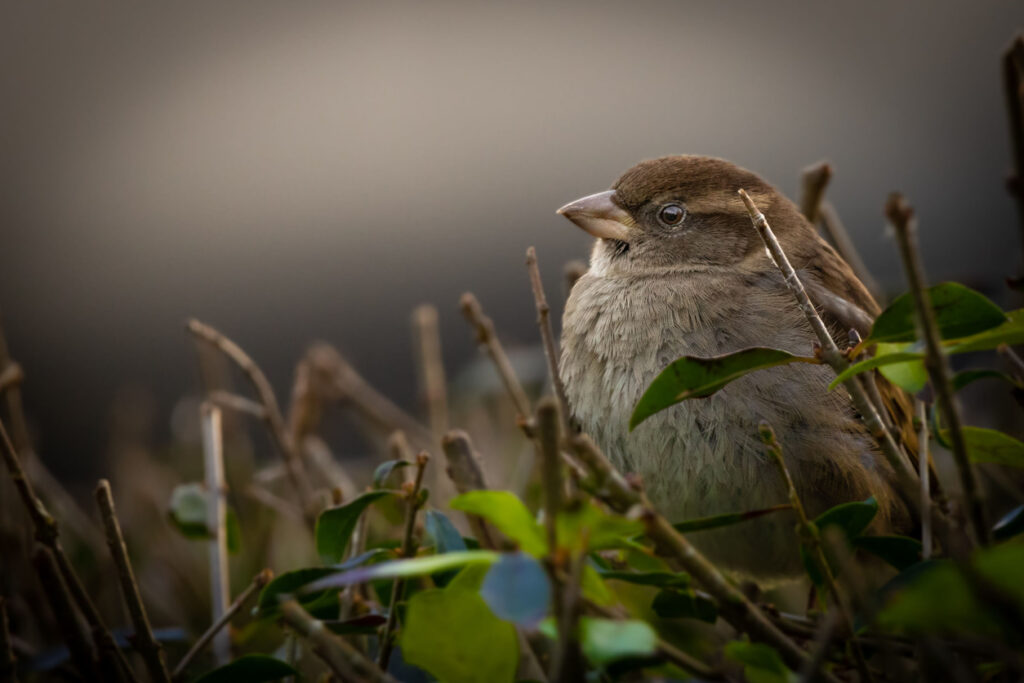
Smaller birds like wrens and blue tits often huddle together at night in tree holes, nest boxes, or sheltered crevices. This collective warmth helps them survive cold weather when temperatures drop sharply.
Providing nest boxes in gardens can support this behaviour. Birds quickly take advantage of them in winter, turning your garden into a reliable overnight shelter.
9. Waterbirds roost on lakes and rivers.
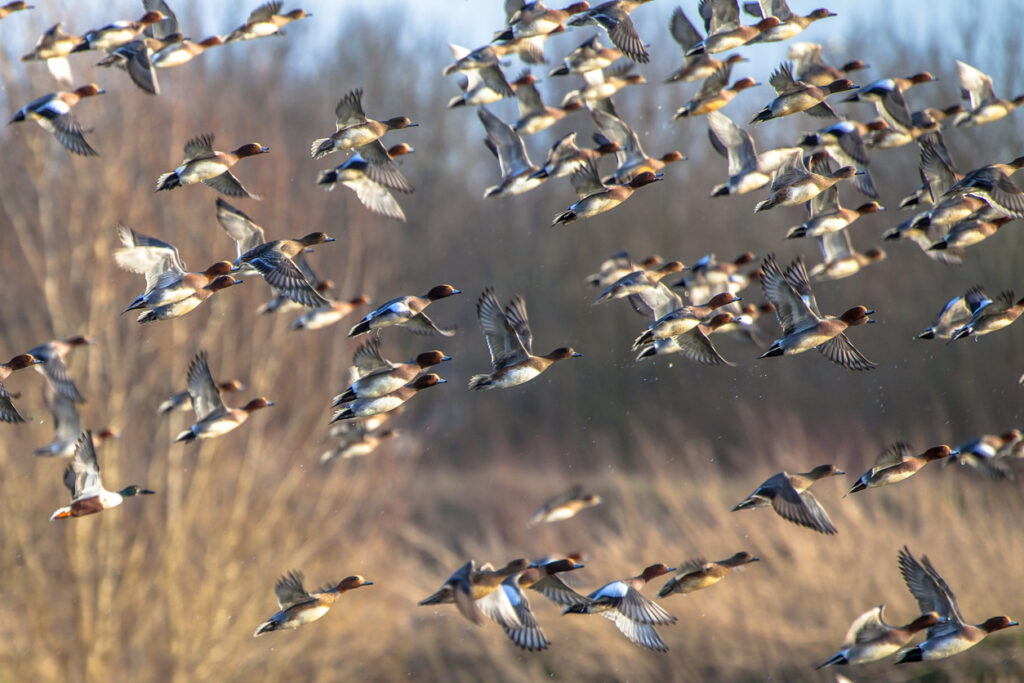
Ducks, swans, and geese often choose to roost directly on the water. Floating in groups keeps them safe from most predators, since water provides a natural barrier that is difficult for land animals to cross.
You might notice them tucking their heads under their wings while bobbing gently. This classic posture allows them to conserve body heat while still staying alert to danger.
10. Some species roost in large flocks.
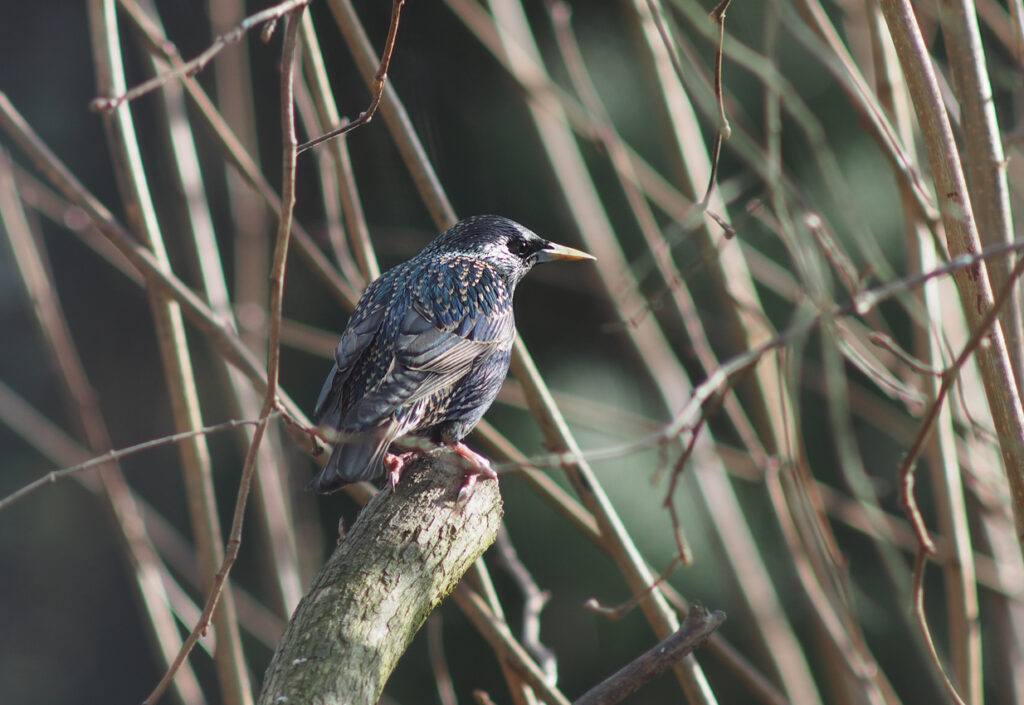
Birds such as starlings, crows, and jackdaws gather in huge flocks at night. Roosting together offers shared warmth, increased protection, and the chance to exchange information about feeding spots the next morning.
These communal roosts can number in the thousands. While noisy and dramatic, they are highly effective survival strategies that ensure more birds make it through the night safely.
11. Nightjar and owl species remain active.
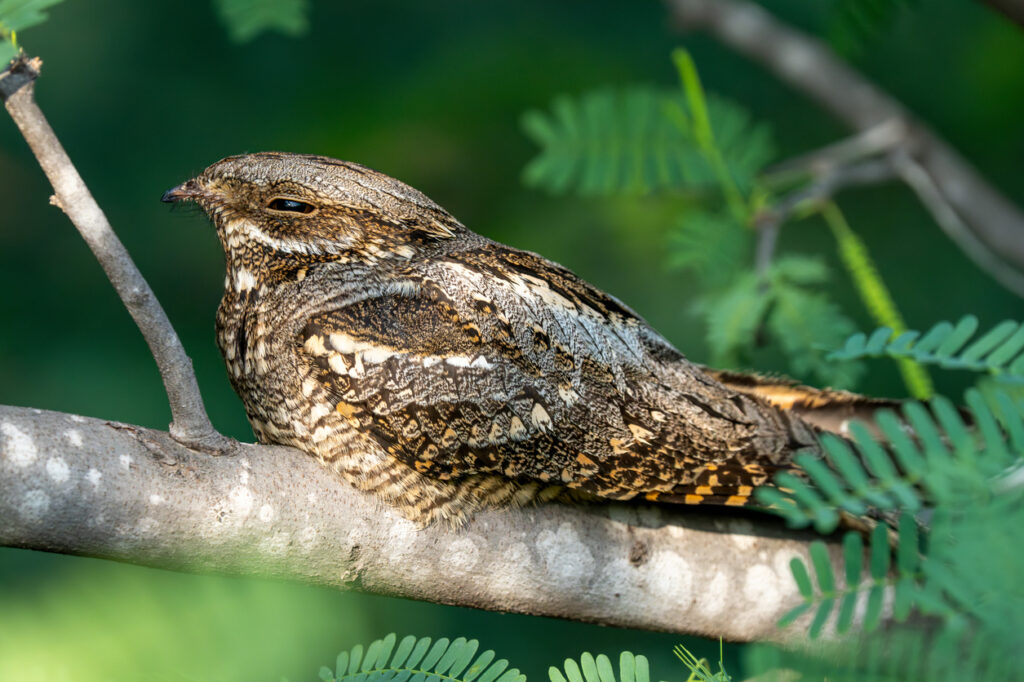
Not all birds vanish when the sun sets. Nightjars, owls, and other nocturnal birds thrive in darkness, hunting insects, rodents, and other prey while the rest of the avian world rests.
These species roost during the day in camouflaged spots, conserving energy until darkness arrives. Their routines remind us that bird life doesn’t pause at night, it simply changes rhythm.
12. Urban birds adapt to artificial light.
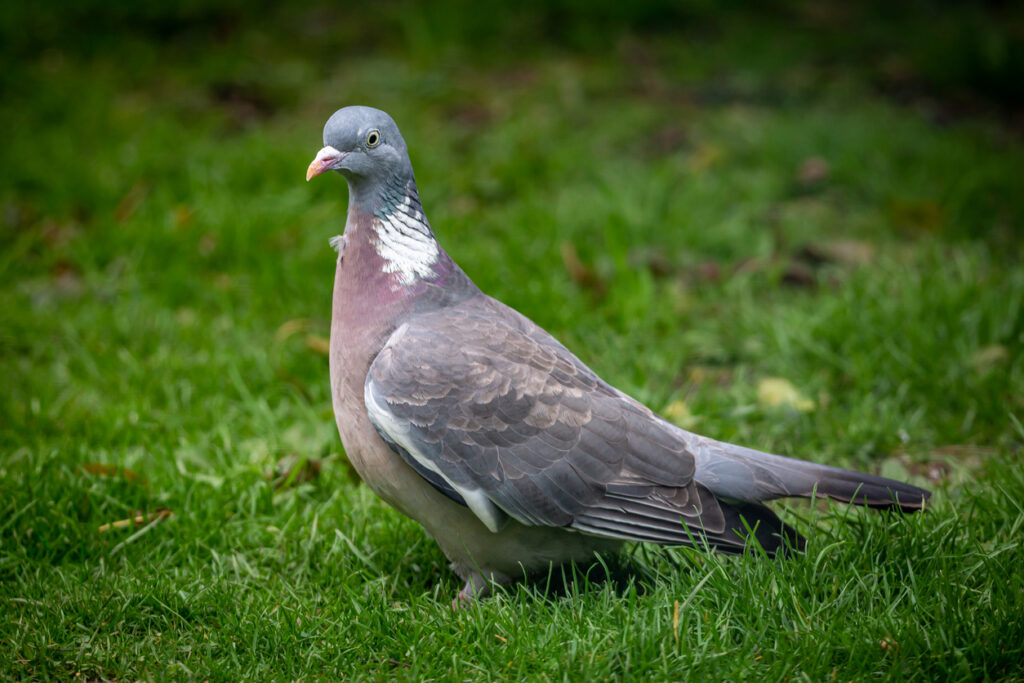
In cities, artificial light blurs the boundary between day and night. Some birds adjust by extending their activity, foraging later than they would in natural darkness or choosing roosts near street lamps for warmth and visibility.
While this adaptation helps them survive in urban environments, it can also affect their health and breeding. Still, it shows the resilience of birds in shaping their routines around human landscapes.