Cats are truly mysterious and at times bizarre creatures, aren’t they?
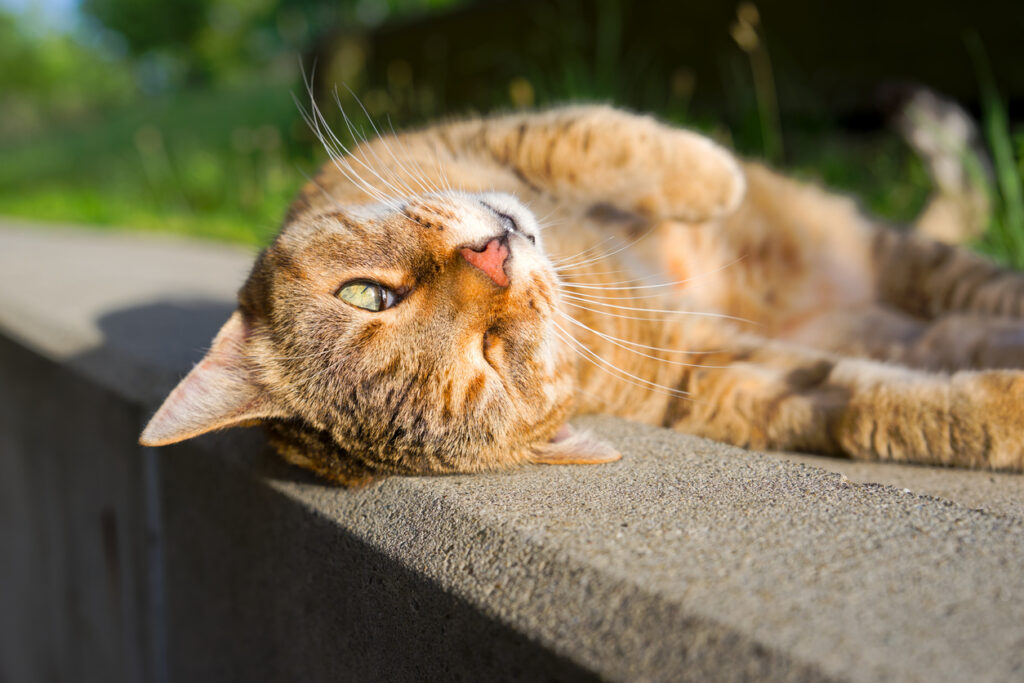
They seem to delight in ignoring your perfectly warm, comfy lap in favour of sleeping on the kitchen tiles or your laptop keyboard. Their baffling choice to sprawl across cold, hard surfaces instead of snuggling up with you isn’t just them being difficult. There are actually brilliant reasons why your furry friend prefers chilly slabs to cosy cuddles.
1. They’re natural little furnaces who run hot.
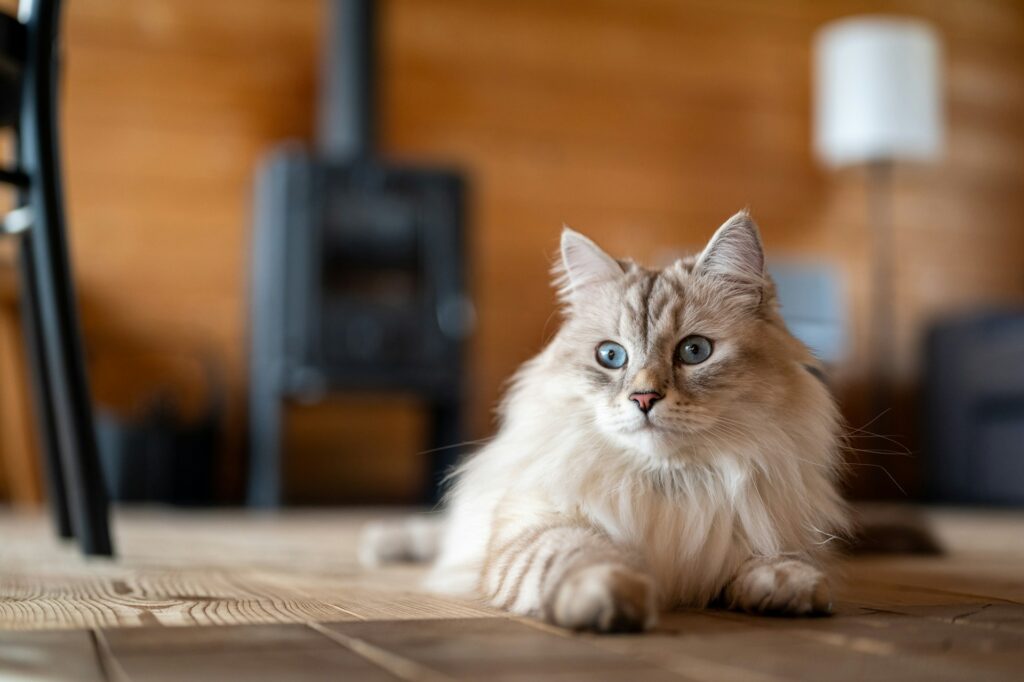
Cats have body temperatures that are naturally higher than humans, running around 38–39 °C compared to our measly 37 °C. What feels perfectly comfortable to you might feel like a blazing sauna to your feline friend, making cold surfaces incredibly refreshing.
Your warm lap might be lovely for you, but to your cat it’s like being offered a heated blanket on a summer’s day. Cold tiles, concrete, or metal surfaces provide the perfect cooling system for their naturally toasty bodies.
2. Summer heat makes them seek out cooling stations.
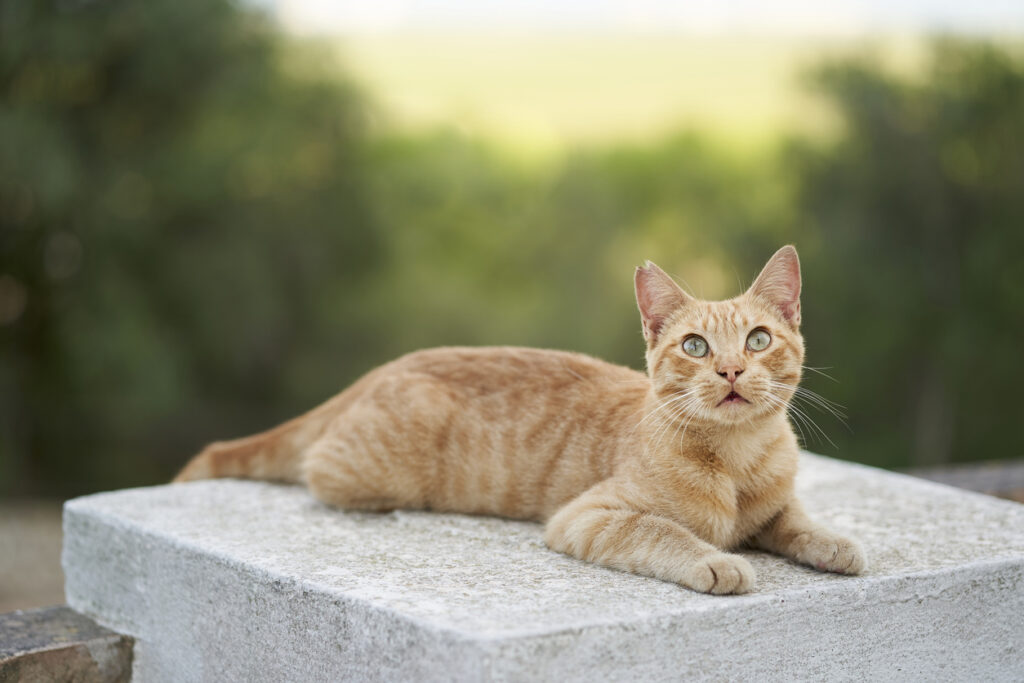
During warmer months, cats become proper heat-seeking missiles in reverse, actively hunting down the coolest spots in your house. Bathroom tiles, kitchen counters, and basement floors become premium real estate for overheated felines.
Even though you might be reaching for jumpers, your cat’s already plotting which cold surface offers the best temperature relief. They’re basically running their own personal air conditioning system by strategically positioning themselves on cooling surfaces throughout your home.
3. Independence is more important than cuddles sometimes.
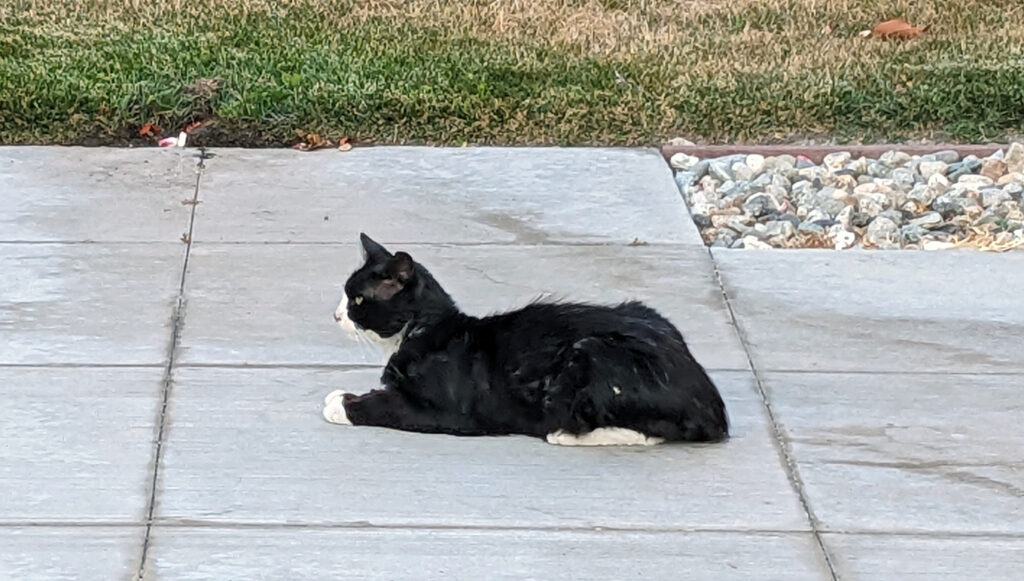
Cats are famously independent creatures who value their personal space and freedom to move around as they please. Your lap, while cosy, comes with the risk of being trapped under human limbs or having to deal with unexpected pets and cuddles.
A cold slab offers all the comfort they need without any social obligations or risk of being disturbed. They can stretch out properly, change positions whenever they fancy, and maintain their dignity without having to interact with needy humans.
4. Hard surfaces provide excellent joint support.

Contrary to what you might think, firm surfaces can actually be more comfortable for cats’ joints and spine alignment than soft, squishy surfaces that don’t provide proper support. Cold slabs offer orthopaedic benefits that your soft sofa simply can’t match.
Older cats particularly benefit from sleeping on firm surfaces because it helps reduce pressure on their joints while maintaining proper spine alignment. Your expensive cat bed might look comfortable, but that kitchen floor provides superior structural support.
5. They’re following ancient desert cat instincts.
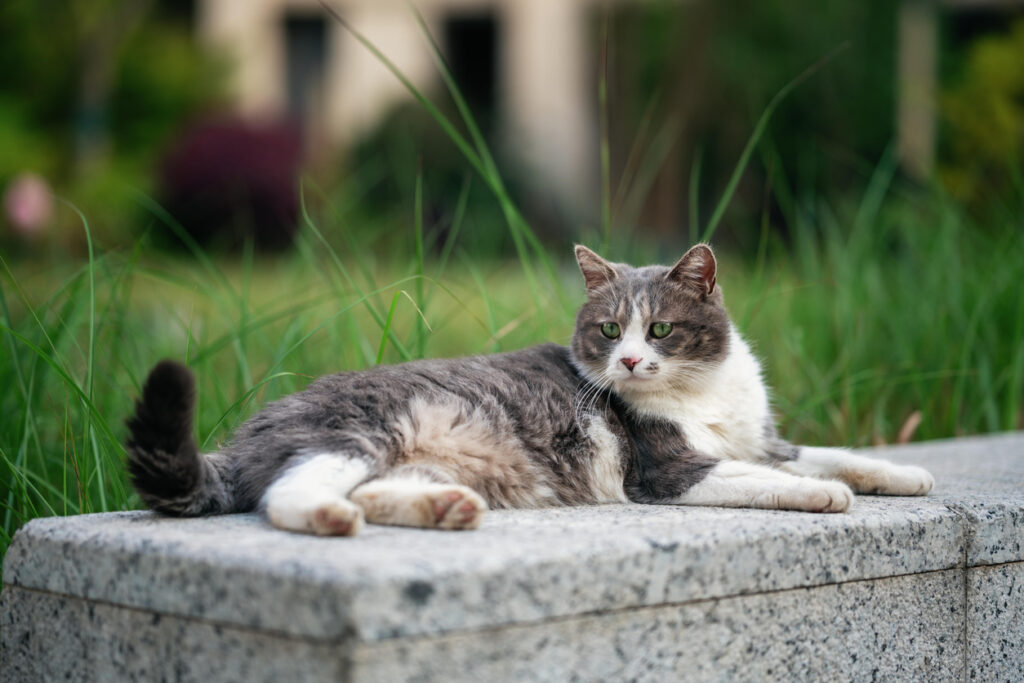
Domestic cats evolved from desert-dwelling ancestors who sought out cool rocks and cave floors to escape the blazing heat of their natural habitat. Your modern house cat is still following these ancient cooling strategies embedded in their DNA.
Desert survival meant finding the coolest available surfaces during hot periods, and your kitchen tiles trigger the same instinctive behaviour. They’re basically treating your home like their ancestral desert environment, complete with strategic cool-spot navigation.
6. Scent marking is easier on certain surfaces.

Cats have scent glands throughout their bodies, and different surfaces hold and distribute their scent markers in various ways. Cold, smooth surfaces might be perfect for leaving their signature smell without interference from fabric fibres or cushion materials.
Your cat might be choosing surfaces based on scent-marking efficiency rather than pure comfort. That bathroom tile or kitchen counter provides an excellent canvas for their personal perfume collection that soft surfaces can’t replicate.
7. They enjoy the contrast sensation.
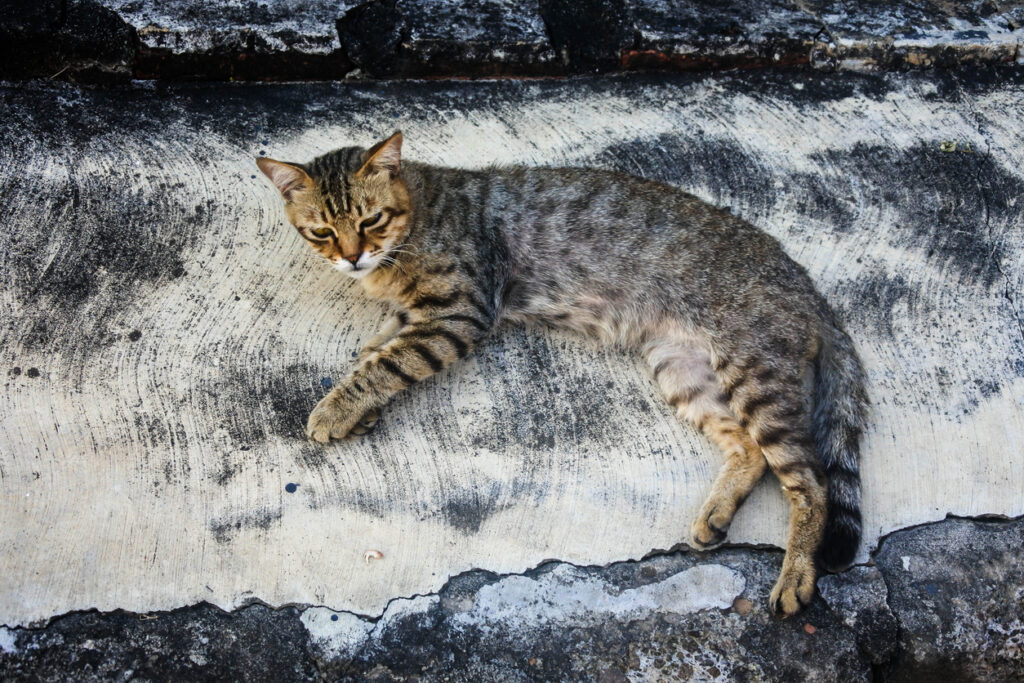
Cats seem to genuinely enjoy the sensory experience of cool surfaces against their warm bodies, much like how humans enjoy jumping into cold water on hot days. The temperature difference creates a pleasant sensation that’s both refreshing and stimulating.
A bit of contrast therapy helps regulate their body temperature while providing sensory enrichment that keeps them mentally engaged. Your cat might be practising their own version of temperature therapy that feels absolutely divine to their heat-sensitive bodies.
8. Better air circulation keeps them comfortable.
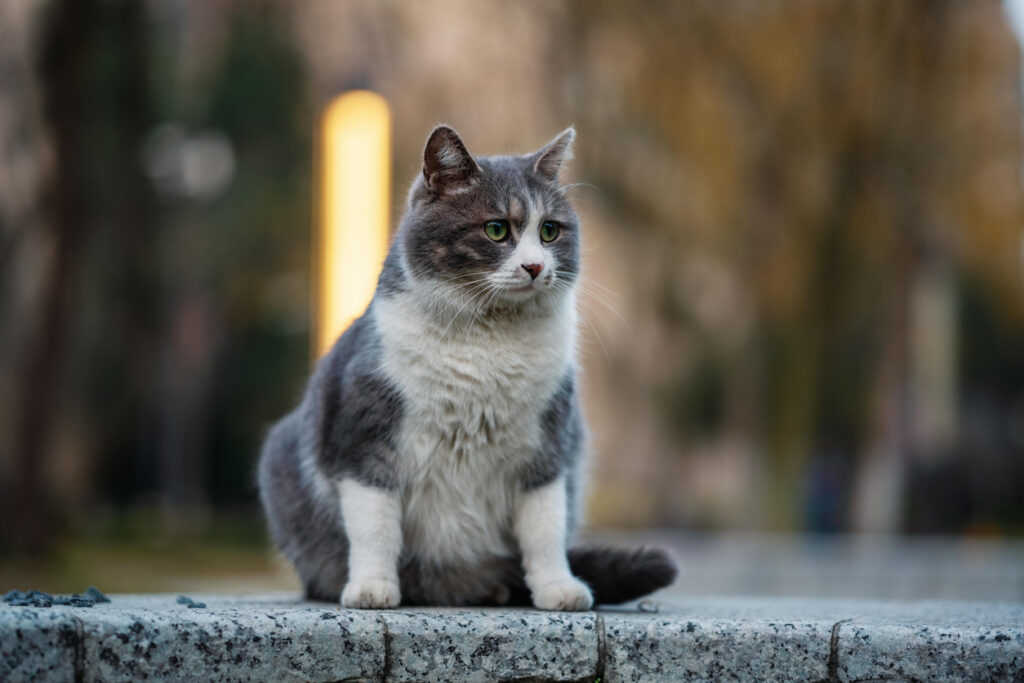
Cold surfaces often provide better airflow around their bodies compared to enclosed, cushioned spaces that can trap heat and reduce ventilation. Your cat might be choosing spots based on optimal air circulation rather than just temperature.
Elevated surfaces like worktops or tables offer cooling benefits from air movement that ground-level soft spots can’t provide. They’re basically choosing the most climatically comfortable real estate in your house based on airflow engineering.
9. They experience stress relief through temperature regulation.
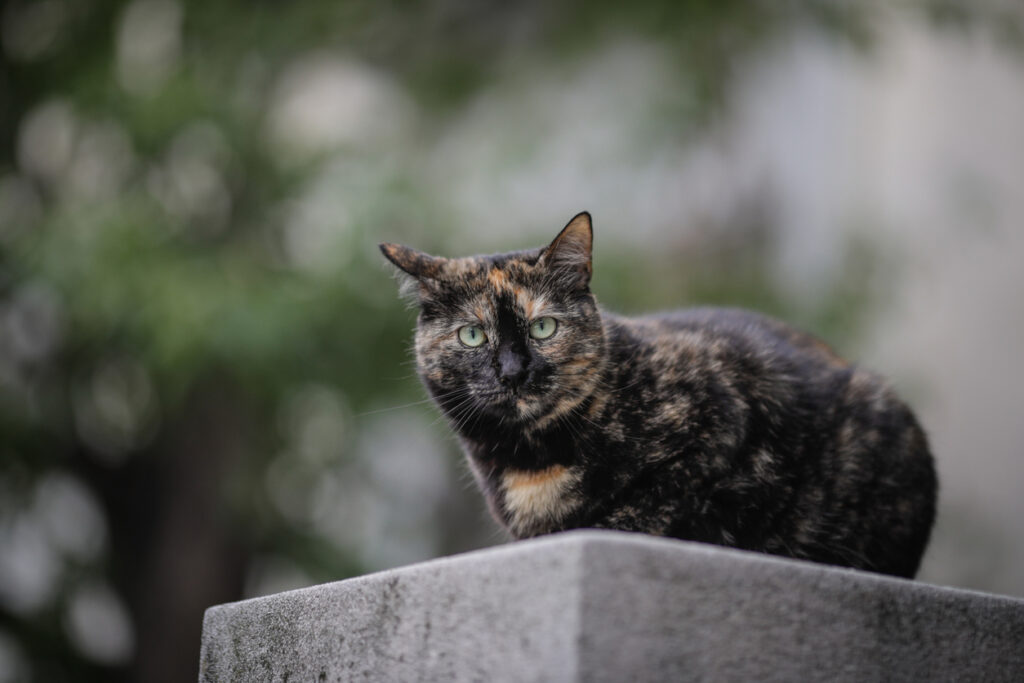
Some cats find cool surfaces genuinely calming and stress-relieving, particularly if they’re feeling anxious or overstimulated. The cooling effect can help lower their heart rate and promote relaxation in ways that warm, enclosed spaces might not.
Temperature regulation becomes part of their emotional self-care routine, with cold slabs serving as natural anxiety relief stations. Your stressed cat might be self-medicating through strategic temperature management rather than seeking warm comfort.
10. Territory control is easier on open surfaces.
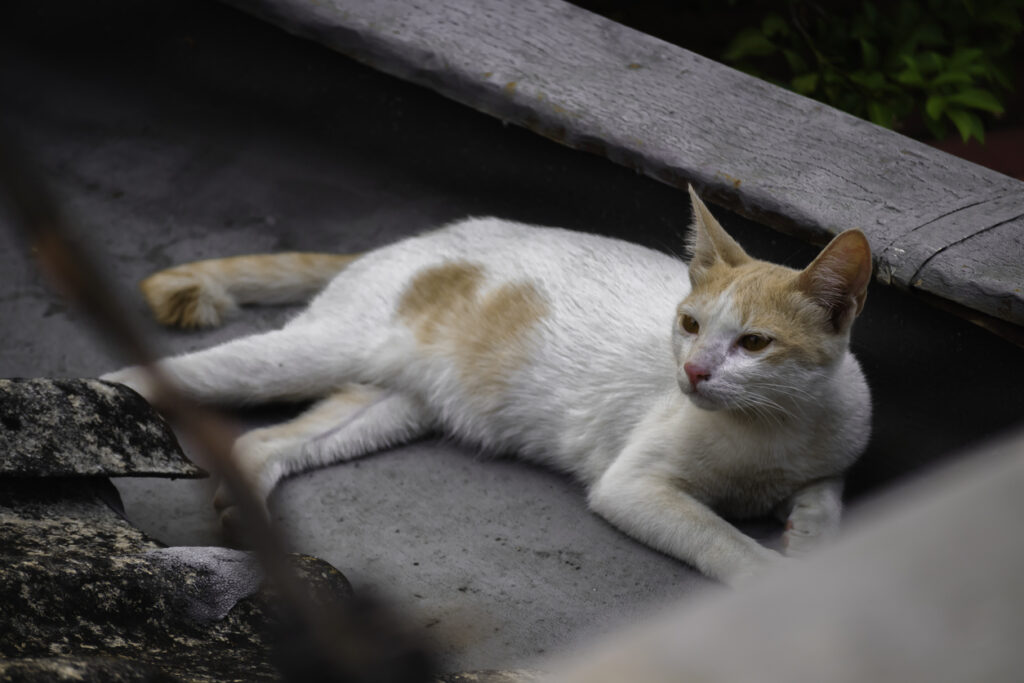
Cold, open surfaces like floors or worktops allow cats to maintain visual control over their territory when they’re resting. They can keep an eye on doorways, windows, and potential threats without being confined to enclosed, cushioned spaces.
Strategic positioning on elevated cold surfaces combines temperature comfort with excellent surveillance capabilities. Your cat is basically running their own security operation while staying cool, which appeals to their natural territorial instincts.
11. Grooming is more efficient on firm surfaces.
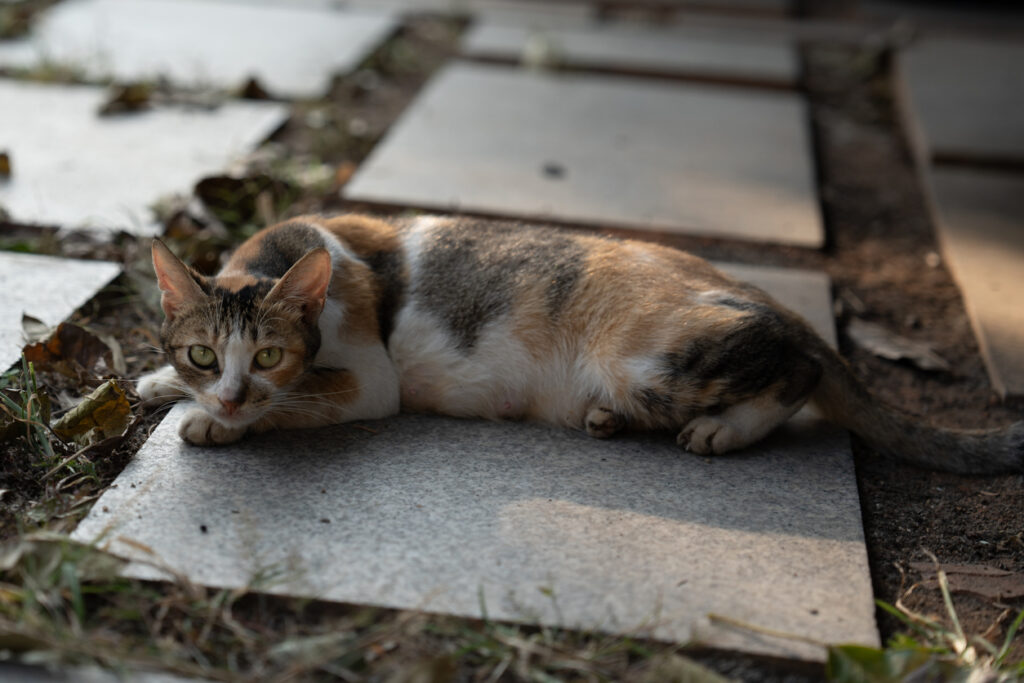
Cats spend loads of time grooming themselves, and firm surfaces provide better stability for their extensive cleaning routines. Soft surfaces can interfere with their grooming angles and balance, making cold slabs more practical for maintenance activities.
The stability of hard surfaces allows for better stretching and positioning during grooming sessions. Your cat might be choosing their rest spots based on optimal self-care logistics rather than simple comfort preferences.
12. They’re avoiding overheating during sleep.
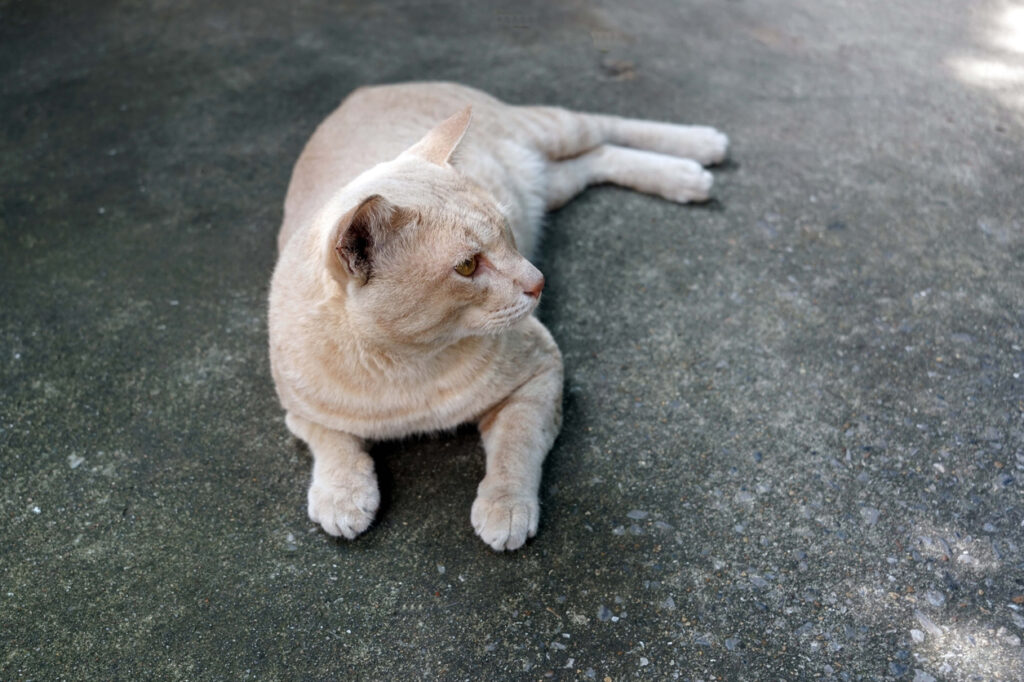
Cats can actually overheat quite easily during deep sleep phases when their natural temperature regulation isn’t working as efficiently. Cold surfaces help prevent dangerous overheating by providing continuous cooling throughout their rest periods.
Your well-meaning warm lap or heated bed might actually be too risky for safe sleeping, while cold surfaces offer natural temperature safety nets. They’re prioritising health and safety over immediate comfort, which is actually quite sensible planning.