Piranhas have one of the most fearsome reputations in the animal kingdom.
However, the reality is far more fascinating than the Hollywood myths suggest. These South American fish come in dozens of different species with wildly different diets, temperaments, and lifestyles, and only some of them are the flesh-eating monsters that most people imagine when they hear the word “piranha.”
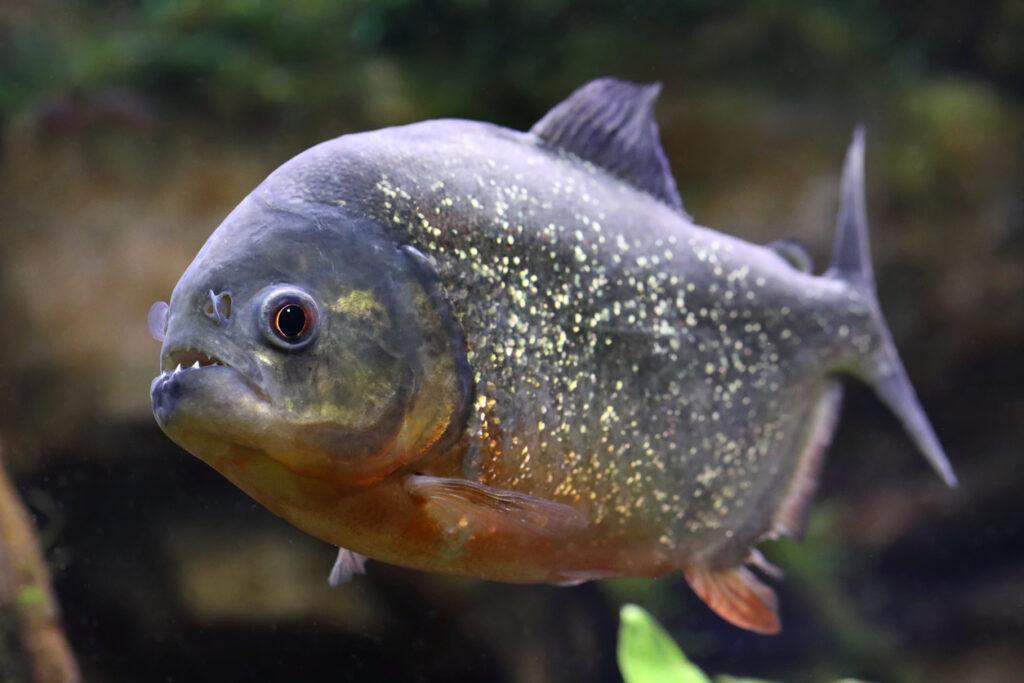
1. Red-bellied piranhas are the classic movie monsters, but they’re actually quite shy.

The red-bellied piranha is the species that inspired all those terrifying movie scenes of fish stripping cattle to the bone in minutes. These are indeed carnivorous fish with razor-sharp teeth and powerful jaws that can deliver a nasty bite.
However, wild red-bellied piranhas are actually quite timid and prefer to hunt in groups for safety rather than aggression. They mainly eat other fish, insects, and occasionally scavenge dead animals, but they’re more likely to flee from humans than attack them unless they’re trapped or protecting eggs.
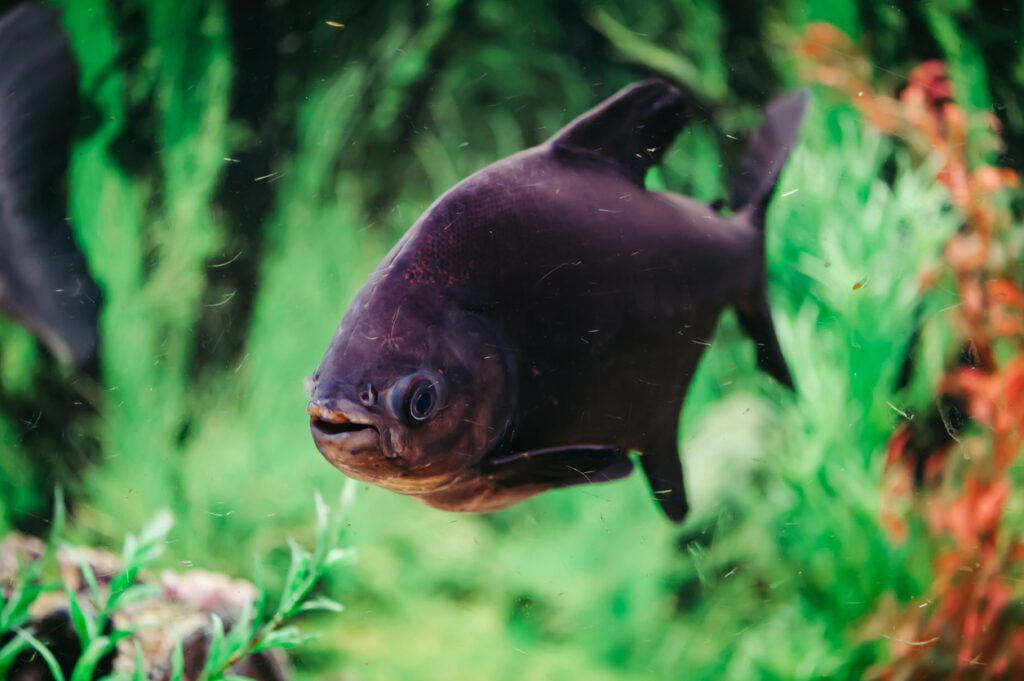
2. Pacu piranhas are vegetarians with human-like teeth.

Pacu piranhas look almost identical to their carnivorous cousins, but have completely different diets and dental structures. Instead of razor-sharp triangular teeth, pacus have square, flat teeth that look remarkably similar to human molars.
These gentle giants primarily eat fruits, nuts, and vegetation that falls into the water from overhanging trees. They play crucial roles in rainforest ecosystems by dispersing seeds throughout river systems, essentially acting as underwater gardeners that help maintain forest diversity.
3. Black piranhas are the real apex predators of the piranha world.
Black piranhas are the largest and most aggressive members of the piranha family, capable of growing over a foot long and developing incredibly powerful bite forces. Unlike their smaller cousins, black piranhas are solitary hunters that don’t need group cooperation to take down prey.
These formidable fish have the strongest bite force relative to body size of any vertebrate, capable of crushing turtle shells and large bones with ease. They’re true apex predators in their river systems and will eat almost anything they can overpower, including other piranhas.
4. Wimple piranhas are fin-nippers that specialise in surgical strikes.

Wimple piranhas have developed a unique hunting strategy that involves sneaking up on larger fish and taking precise bites out of their fins and scales, rather than trying to kill them outright. They’re like the surgical specialists of the piranha world.
This feeding behaviour actually allows their prey to survive and regrow the damaged tissue, creating a sustainable food source for the wimple piranhas. They’ve essentially turned other fish into renewable resources rather than one-time meals, showing remarkable evolutionary sophistication.
5. Silver dollars are peaceful piranha relatives that schooling fish enthusiasts love.

Silver dollar fish are close relatives of piranhas that have evolved into completely peaceful herbivores popular in home aquariums. They retain the classic piranha body shape, but have small, plant-eating teeth instead of flesh-ripping fangs.
These gentle fish travel in large schools and spend their time grazing on aquatic plants and algae. They’re living proof that the piranha family tree includes many peaceful species, and they make excellent community tank fish that get along well with other non-aggressive species.
6. Redeye piranhas are carnivorous but prefer insects to flesh.
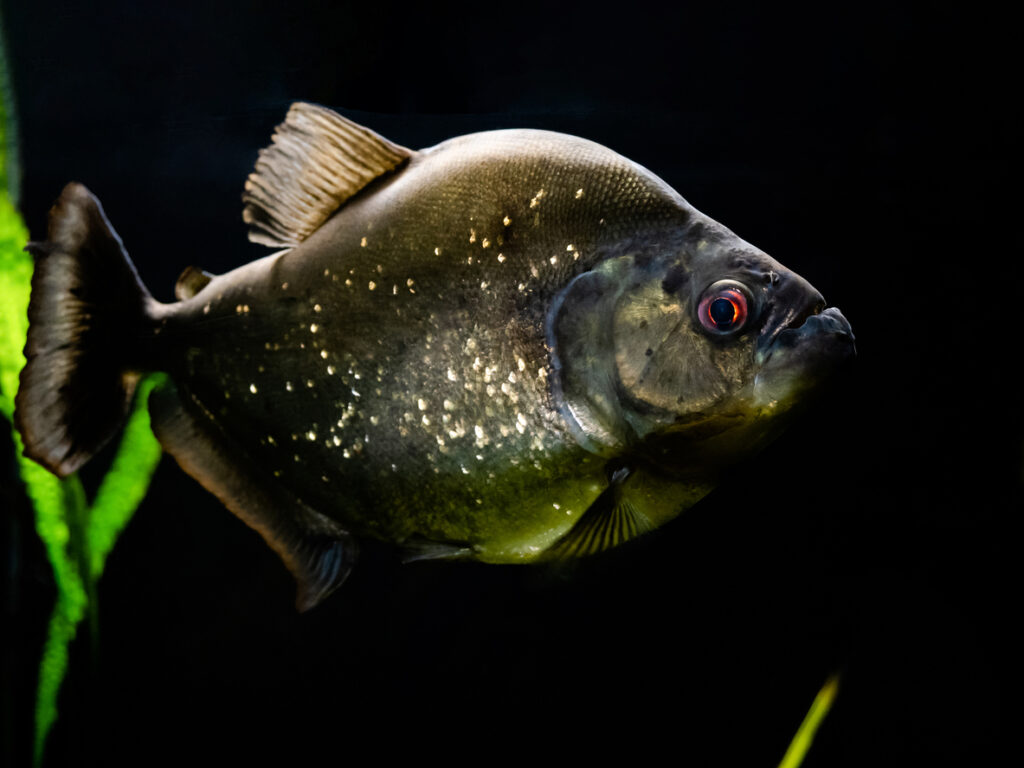
Redeye piranhas are indeed carnivorous, but their diet consists mainly of insects, small crustaceans, and plant matter rather than large chunks of meat. They’re much more opportunistic feeders than the stereotypical flesh-eating piranhas of popular imagination.
These colourful fish are actually quite beautiful with bright red eyes and silver bodies that develop orange and red colouration as they mature. They’re active hunters but pose little threat to anything larger than a cricket or small shrimp.
7. Spotted piranhas are the garbage disposals of South American rivers.

Spotted piranhas fill an important ecological niche as nature’s clean-up crew, scavenging dead and dying animals from river systems. While they can hunt live prey, they prefer easy meals and will quickly converge on anything that’s already deceased.
Their scavenging behaviour helps prevent disease outbreaks in aquatic ecosystems by removing rotting organic matter before it can contaminate the water. They’re essentially the vultures of the underwater world, performing crucial environmental services that benefit entire river systems.
8. San Francisco piranhas are tiny but mighty carnivores.

San Francisco piranhas are among the smallest members of the piranha family, rarely exceeding 15 cm in length, but they’re fierce predators relative to their size. Despite their diminutive stature, they have proportionally large teeth and aggressive hunting instincts.
These little warriors travel in large schools and can overwhelm prey much larger than individual fish through coordinated attacks. They prove that size doesn’t always matter in the piranha world — sometimes the smallest species pack the biggest attitude per pound.
9. Piraya piranhas are the gold standard of aggressive carnivores.

Piraya piranhas are considered by many experts to be the most aggressive and dangerous piranha species, with powerful jaws, large teeth, and bold temperaments that make them formidable predators. They’re the species that most closely matches the piranha stereotype.
These fish are capable of inflicting serious injuries on much larger animals and are known to attack in coordinated groups during feeding frenzies. They’re the reason swimming in certain South American rivers during dry seasons can be genuinely dangerous for humans and livestock.
10. Tambaqui are giant piranha cousins that help maintain entire forest ecosystems.

Tambaqui are massive fish closely related to piranhas that can grow over three feet long and weigh up to 60 pounds, or around 27 kilos. Despite their size and powerful jaws, they’re completely herbivorous and play crucial roles in rainforest seed dispersal.
These gentle giants migrate hundreds of miles during seasonal floods, carrying seeds throughout river systems and helping maintain the genetic diversity of rainforest trees. They’re living proof that not all large-jawed South American fish are dangerous to humans.
11. Metynnis species are the silver piranhas that won’t hurt a fly.

Metynnis piranhas, also called silver dollars, are completely peaceful herbivores that look remarkably similar to their carnivorous cousins but couldn’t hurt anything if they tried. Their teeth are designed for cutting plants rather than flesh.
These fish are popular in aquariums because they have the classic piranha appearance without any of the aggression or feeding challenges. They school beautifully and spend their time peacefully grazing on vegetation, making them perfect for people who want piranha-looking fish without the carnivorous behaviour.
12. Serrasalmus species are the true killers with individual personalities.
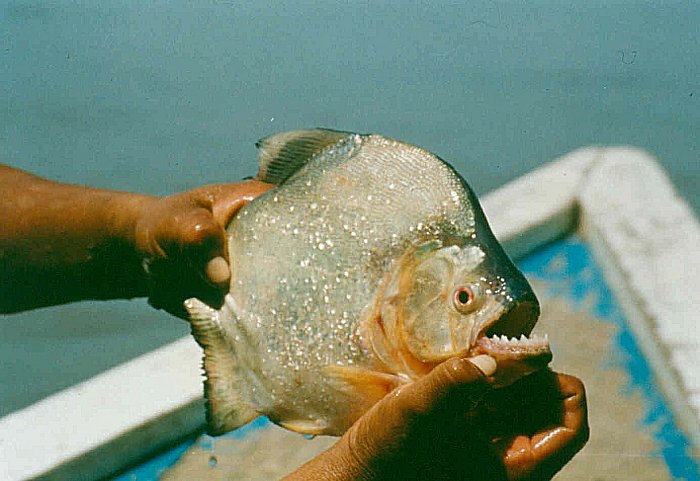
The Serrasalmus genus contains the most aggressive and solitary piranha species, including several that are genuinely dangerous to humans. Unlike schooling piranhas that hunt in groups, these fish are lone wolves with individual hunting territories.
Each Serrasalmus piranha develops its own unique personality and hunting style, making them unpredictable and potentially dangerous. They’re the species most likely to attack humans who venture into their territory, especially during breeding season, when they become extremely protective of their nests.
13. Most piranhas are actually omnivores that eat whatever’s available.
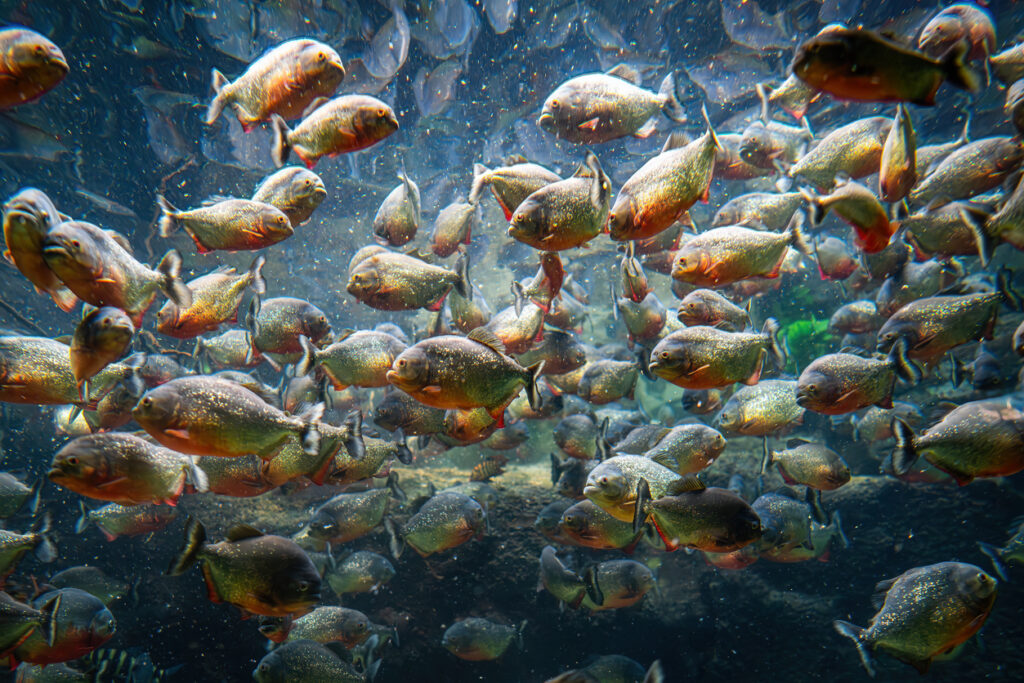
Despite their fearsome reputation, the majority of piranha species are opportunistic omnivores that eat a mixed diet of plants, insects, small fish, and whatever else they can find. Pure carnivorous behaviour is actually the exception rather than the rule in the piranha world.
Even the most aggressive species supplement their meat-eating with fruits, seeds, and plant matter, especially during certain seasons when these foods are abundant. The idea that all piranhas are mindless killing machines is largely a myth — most are actually quite adaptable and intelligent fish that adjust their diets based on what’s available in their environment.