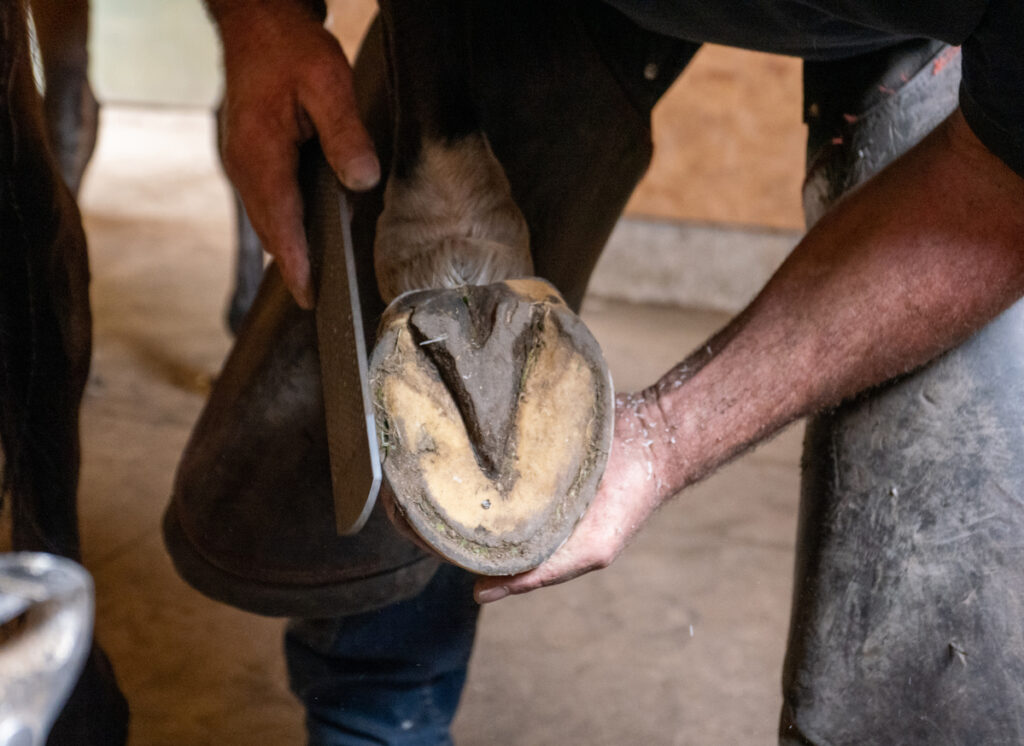
For centuries, horseshoes have been seen as essential, but the question of whether all horses truly need them is more complicated than tradition suggests. From protection to comfort, there are many factors at play. Here are some of the considerations before deciding whether or not to shoe a horse. The ultimate answer will depend on the particular animal, but these things should always be taken under advisement.
1. Hooves are naturally strong.
Horses evolved long before shoes existed, and their hooves are designed to cope with different terrains. Wild horses survive with tough, naturally worn hooves, which shows that shoes aren’t automatically necessary in every case. Domestic horses often face different conditions, so owners must weigh whether their lifestyle demands extra protection. Recognising the strength of the hoof itself is the first step in making an informed choice.
2. Shoes offer protection on hard surfaces.
Regular riding on roads or rocky ground can wear down hooves faster than they grow. In these situations, shoes provide a buffer against excessive wear and help prevent injury. If your horse spends more time on soft ground, shoes may not be as vital. Considering the terrain is key when deciding whether shoeing is needed.
3. Some horses go barefoot successfully.
Plenty of domestic horses live and work comfortably without shoes. With proper trimming and care, many maintain healthy hooves and avoid problems. The success of barefoot management depends on the individual animal and its workload. Owners choosing this route need regular farrier visits to keep hooves balanced. Careful monitoring ensures that going barefoot remains a healthy option rather than a risky experiment.
4. Shoes can improve traction.
In sports like showjumping or eventing, horses need grip to perform safely. Shoes fitted with studs or specialised designs can provide the traction necessary for fast turns and sudden stops. For horses that compete, shoes are often less about protection and more about performance. They offer reassurance for riders who need their horses to stay sure-footed under pressure.
5. Poor hoof quality sometimes makes shoes essential.
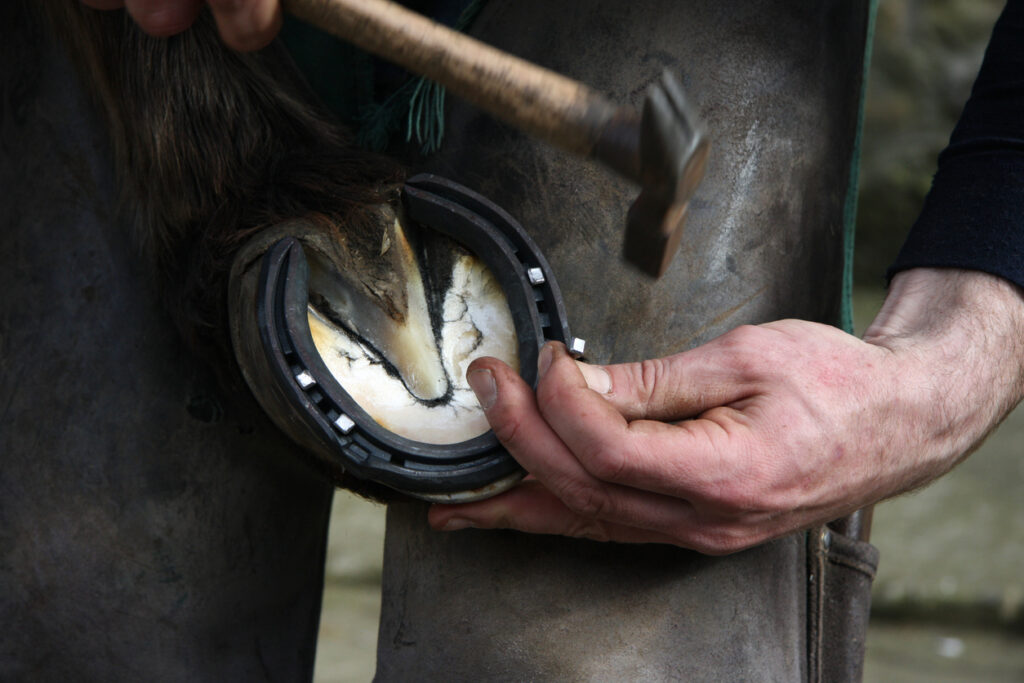
Not all hooves are equal. Some horses naturally have brittle, thin, or cracked hooves that don’t cope well with regular use. Shoes can provide the stability and support needed to prevent further damage. In these cases, farriers may recommend shoeing as a form of protection. It helps the horse stay comfortable and avoids painful problems that could limit activity.
6. Shoes can help with medical conditions.
Certain hoof or leg conditions, such as laminitis or tendon injuries, may require corrective shoeing. Specially designed shoes redistribute pressure and support healing in ways that barefoot care can’t always achieve. Here, shoes become a treatment tool as well as protection. Veterinary advice is vital when shoes are recommended for medical reasons, since they can make a real difference to recovery.
7. Barefoot horses need careful management.
Going without shoes isn’t as simple as leaving hooves unshod. It often requires gradual adjustment, tailored trimming, and changes in diet and exercise. Without this care, hooves can become sore or damaged. Owners who commit to barefoot management must be prepared to put in extra attention. The rewards can be worthwhile, but they come with responsibility.
8. Workload makes a difference.
A horse used lightly for hacking on soft trails may manage well without shoes. In contrast, one working long hours or competing on hard ground usually benefits from the added protection shoes provide. Matching the level of protection to the horse’s workload ensures comfort and longevity. Thinking realistically about how much work a horse does is crucial in this decision.
9. Shoes require ongoing maintenance.
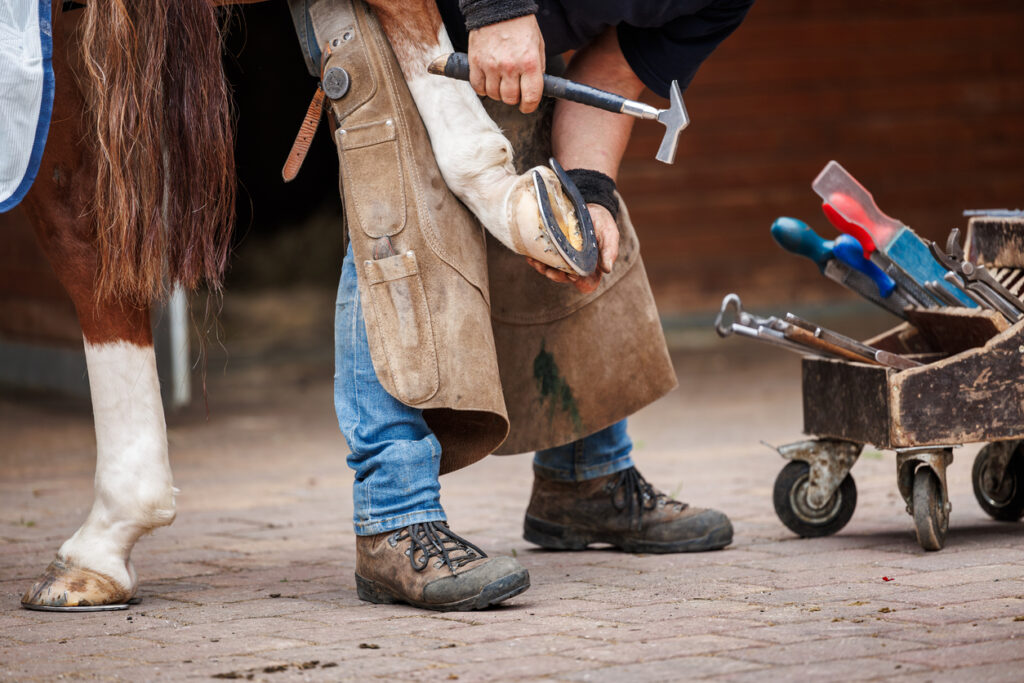
Shoeing isn’ a one-off fix. Hooves grow continuously, and shoes need replacing or resetting every few weeks. This maintenance adds to costs and requires a skilled farrier to keep the fit right. Skipping regular appointments risks discomfort or injury. For many owners, the time and cost are part of the calculation when weighing shoes against barefoot care.
10. Barefoot can encourage natural movement.
Without shoes, horses often develop stronger hoof structures and more natural gaits. Some owners notice improved posture and balance once the animal adjusts to being barefoot. However, the transition period can be challenging, as hooves adapt to new pressures. Patience and close monitoring are needed to ensure the benefits outweigh the initial difficulties.
11. Tradition still influences choices.
Horseshoes have been around for over a thousand years, and tradition carries weight. Many riders and owners see shoes as standard, regardless of whether they’re strictly needed for the horse’s lifestyle. Challenging tradition requires confidence and information. As more people share success stories of barefoot horses, attitudes are slowly changing, but the influence of history remains strong.
12. The best choice depends on the individual horse.
Ultimately, the decision to shoe or not isn’t about rules, but about what suits each horse. Age, health, terrain, and workload all combine to determine whether shoes are helpful or unnecessary. Working closely with a farrier or vet ensures that the choice is practical and considerate. What matters most is that the horse is comfortable, sound, and able to live and work without pain.