When it comes to birds of prey, size really matters, and eagles are among the most impressive.
However, deciding which eagle truly deserves the title of “world’s largest” isn’t as straightforward as you might think. Different contenders hold the crown in different ways, from wingspan to sheer weight. These aren’t the species you’ll hear about all the time, but these eagles are awe-inspiring in their own unique ways.
1. The Philippine eagle – the heaviest contender in Asia
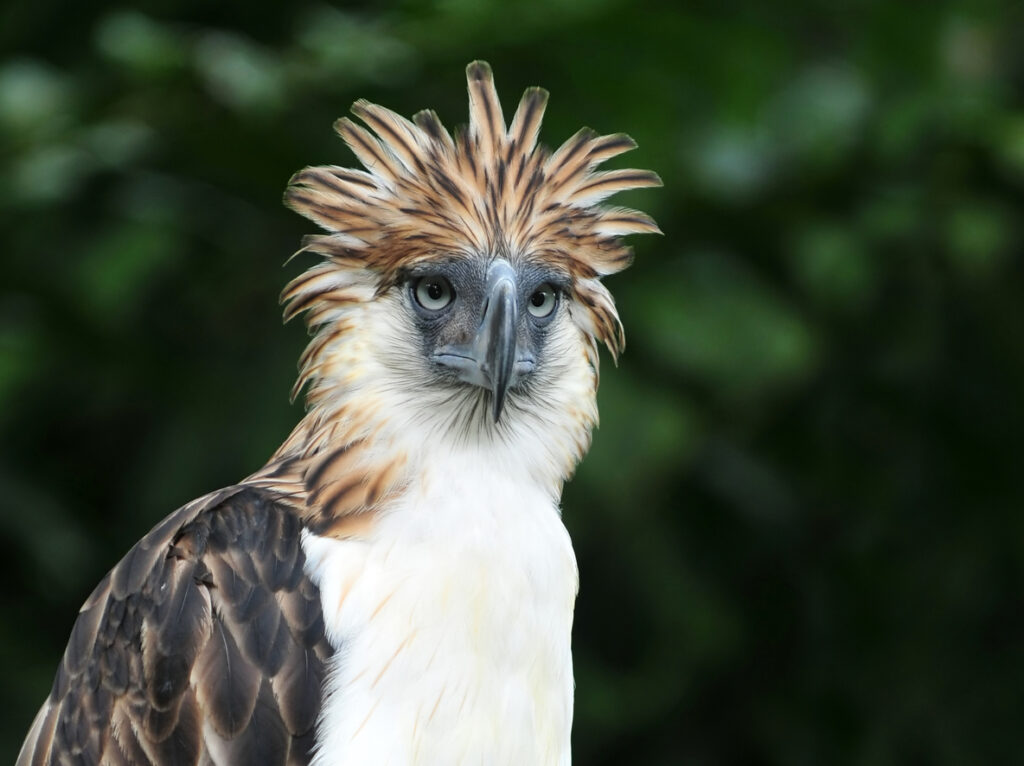
The Philippine eagle is often called the “monkey-eating eagle” because of its diet, and it stands as one of the heaviest eagles alive today. With females reaching up to 8 kilograms, it outweighs many of its rivals, making it a strong candidate for the title. Its impressive height of around a metre adds to its imposing presence in the dense forests of the Philippines.
Conservation efforts have become critical because this eagle is critically endangered, with only a few hundred left in the wild. Protecting its rainforest habitat is the only way to ensure this heavyweight champion doesn’t disappear altogether because without its towering frame, the “largest eagle” debate would lose a major contender.
2. The harpy eagle – a powerhouse of South America
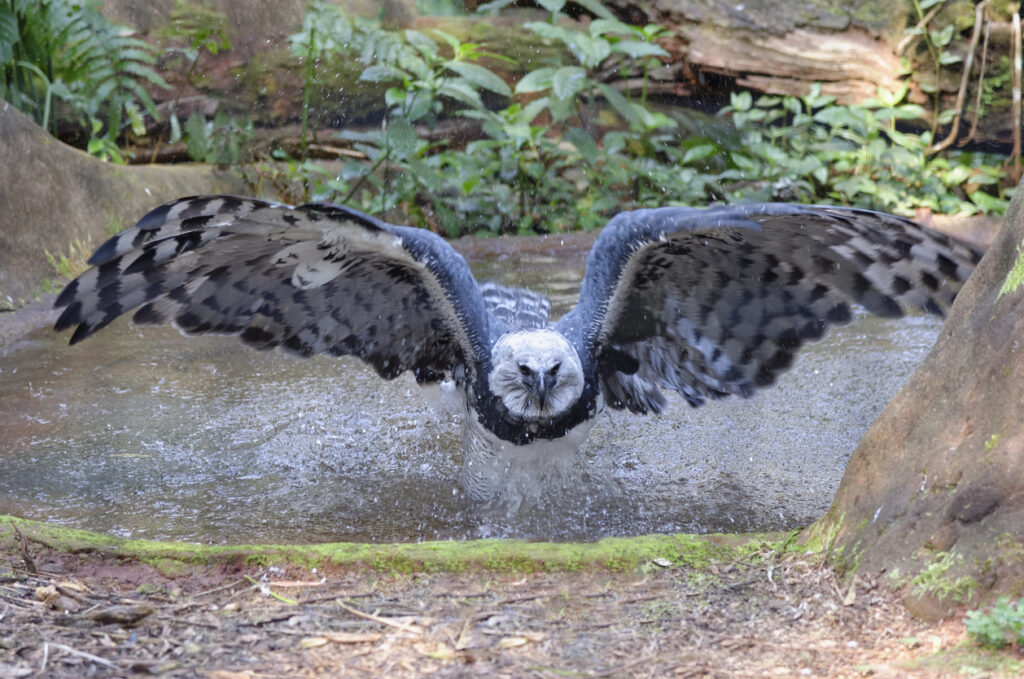
The harpy eagle is perhaps the most striking of all the contenders because of its thick legs and talons that can rival the size of a bear’s claws. Females can weigh up to 9 kilograms, making it the heaviest eagle overall. However, it has a shorter wingspan than some rivals, so its strength lies in bulk rather than reach.
This eagle uses its muscular body to hunt monkeys and sloths in rainforest canopies, proving that size translates directly into power. Its massive talons can crush prey instantly, making it one of the deadliest birds of prey in the world. For sheer strength and build, the harpy eagle makes a strong case as the largest.
3. The Steller’s sea eagle – the giant of the north
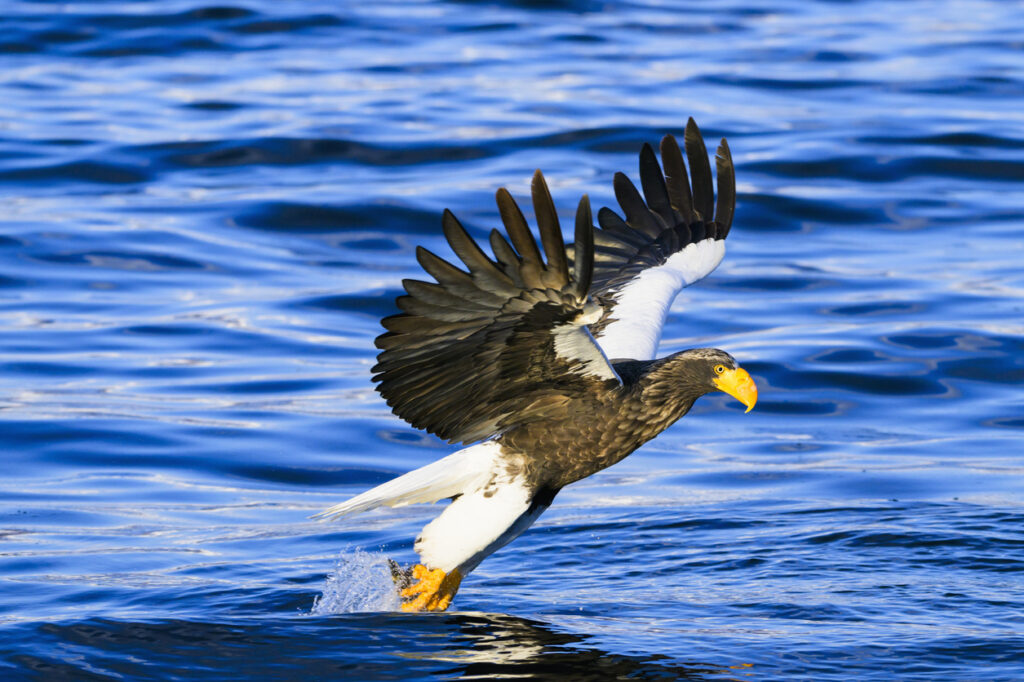
Native to Russia and Japan, the Steller’s sea eagle is another heavyweight, with females sometimes topping 9 kilograms. It stands out not only for its bulk, but also for its enormous yellow beak, which looks oversized even for its powerful head. Its combination of size and striking appearance earns it a reputation as a true giant.
What makes the Steller’s special is that it thrives in harsh northern environments, feeding on fish and water birds along icy coastlines. Despite its size, it remains agile and efficient in its hunting grounds. When judged by weight and beak size, the Steller’s sea eagle is undeniably in the running for the crown.
4. The wedge-tailed eagle – Australia’s biggest bird of prey
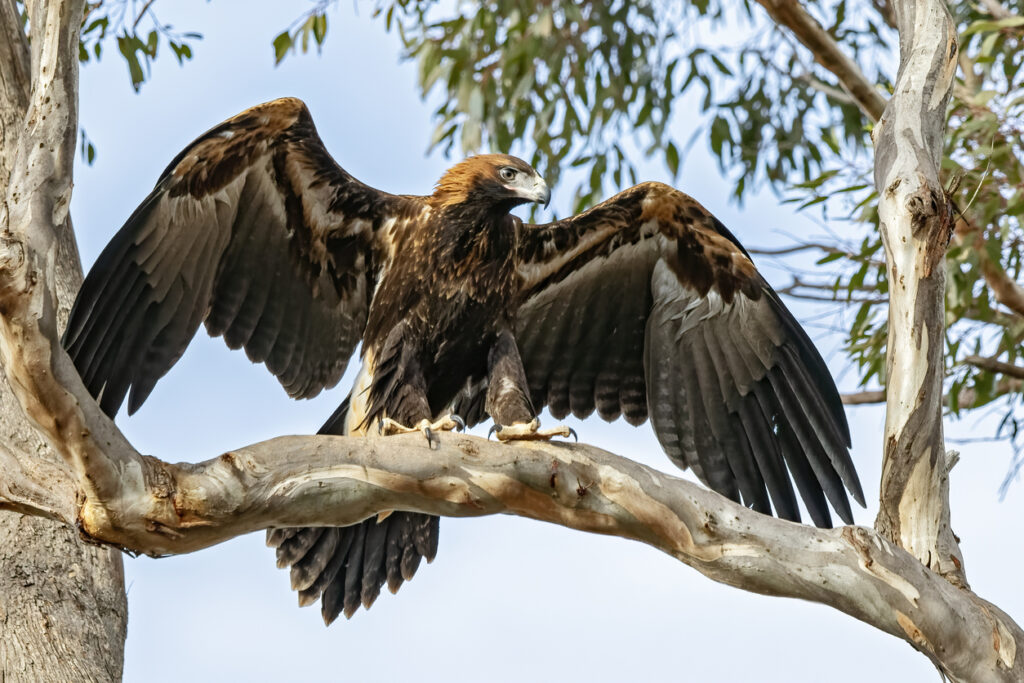
The wedge-tailed eagle is not as heavy as the harpy or Steller’s, but it is Australia’s largest raptor and one of the longest eagles in the world. With a wingspan stretching up to 2.8 metres, it can soar effortlessly over huge distances, making it a different kind of giant. Its wedge-shaped tail helps it stay steady in flight, even in strong winds.
Instead of raw power, its strength lies in endurance and adaptability. It often hunts kangaroos, wallabies, and carrion across wide open landscapes. By wingspan alone, the wedge-tailed eagle takes its place among the largest, even if its body weight doesn’t match the bulkier contenders.
5. The golden eagle – Europe’s top predator

The golden eagle is often considered the king of the skies in Europe, and it is certainly one of the most iconic. It can reach a wingspan of 2.3 metres and weigh around 6 kilograms, which puts it slightly behind the heaviest contenders but still among the greats. Its hunting skills and wide distribution across Europe, Asia, and North America make it especially well known.
Golden eagles thrive in mountainous and open regions, where their speed and agility set them apart. While it may not be the heaviest or the widest, its reputation and hunting ability secure its place in the conversation. It shows that being the largest isn’t always about numbers but about dominance in the wild.
6. The martial eagle – Africa’s giant
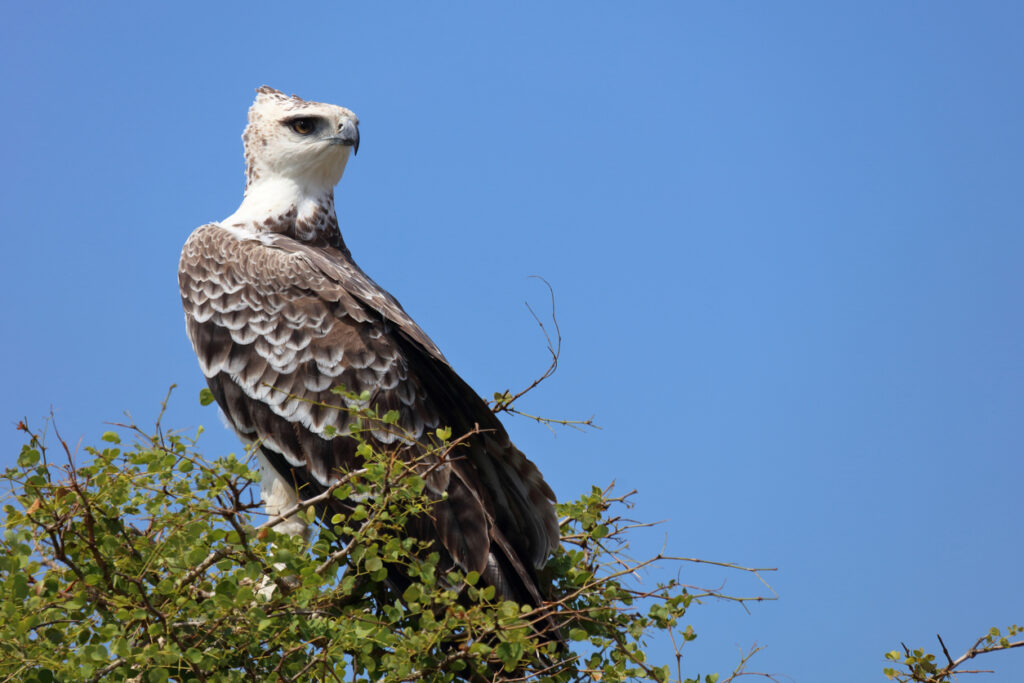
As the largest eagle in Africa, the martial eagle reaches a wingspan of up to 2.6 metres and can weigh nearly 6.5 kilograms. Its sheer size makes it a formidable predator on the African plains, where it targets animals as large as antelope calves. Few birds can match its ability to tackle prey much bigger than itself.
Although not the absolute heaviest globally, its dominance within its environment sets it apart. In terms of wingspan, it ranks higher than the golden eagle and can certainly hold its own against the global heavyweights. Africa’s martial eagle is proof that size matters most when it allows a bird to rule its own ecosystem.
7. The crowned eagle – the forest predator
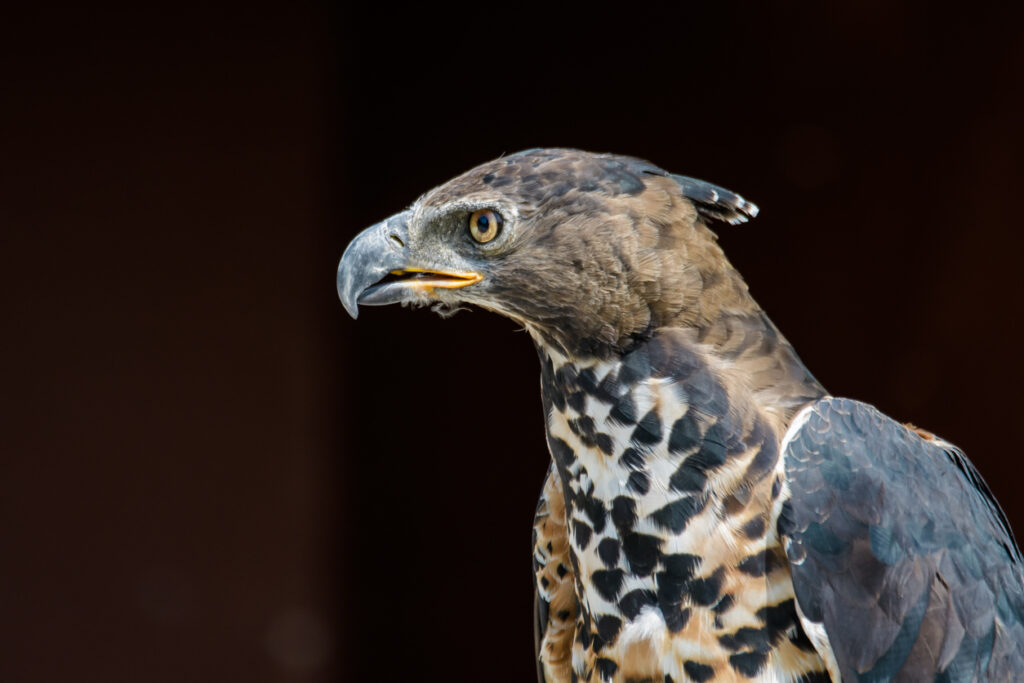
The crowned eagle of sub-Saharan Africa may not win in wingspan or weight, but it earns its place for power relative to its size. Weighing up to 4.5 kilograms, it uses its strength to tackle prey as large as small antelope. This makes it pound-for-pound one of the most formidable eagles in the world.
It dominates the African forests because of its stealth and raw hunting ability. While others soar above landscapes, the crowned eagle rules under the canopy. Although it’s not the biggest by measurement, its hunting prowess proves size can be more about impact than statistics.
8. The white-tailed eagle – Europe’s wingspan champion

The white-tailed eagle, also called the sea eagle, boasts one of the largest wingspans of any eagle, reaching up to 2.7 metres. It is found across northern Europe and has been making a strong comeback in the UK after years of decline. Its size in flight makes it one of the most impressive birds to see in the wild.
With a body weight of up to 6.9 kilograms, it balances both wingspan and mass. This combination makes it a serious contender when discussing the largest eagle. In Britain, its return has also made it a symbol of conservation success, proving that these giants can be restored to their rightful place in the skies.
9. So, which eagle really wins?
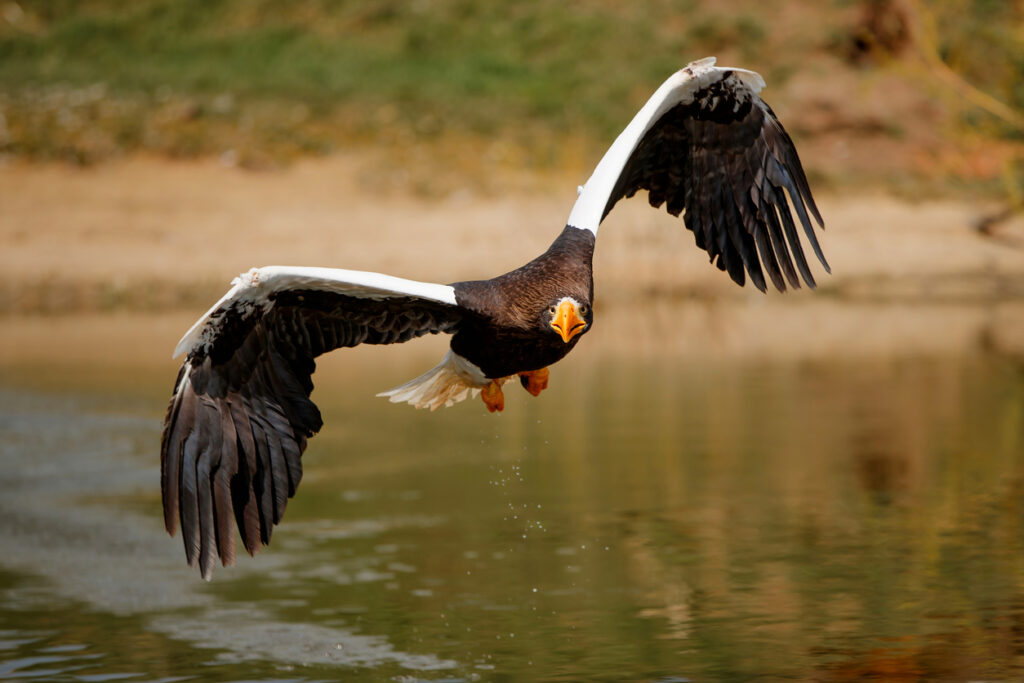
The truth is that the “largest eagle” depends on how you measure it. By weight, the harpy and Steller’s sea eagle take the crown. By wingspan, the wedge-tailed and white-tailed eagles stand out. By height, the Philippine eagle makes a strong case. Each species leads in its own category, so the title isn’t as simple as one clear winner.
If you want sheer bulk and power, the harpy eagle often tops the list. If you value wingspan and reach, then the wedge-tailed or white-tailed eagle takes it. Ultimately, the largest eagle is not a single bird but a group of rivals, each proving its dominance in different ways.