You’ve probably noticed it while driving through countryside if you’ve looked out the window.
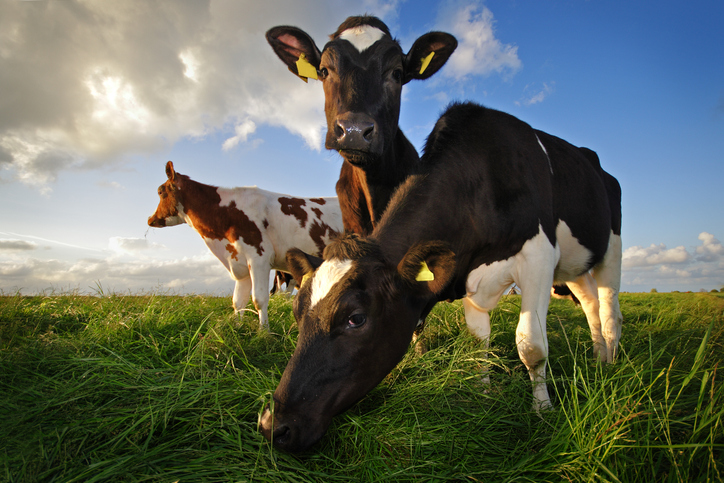
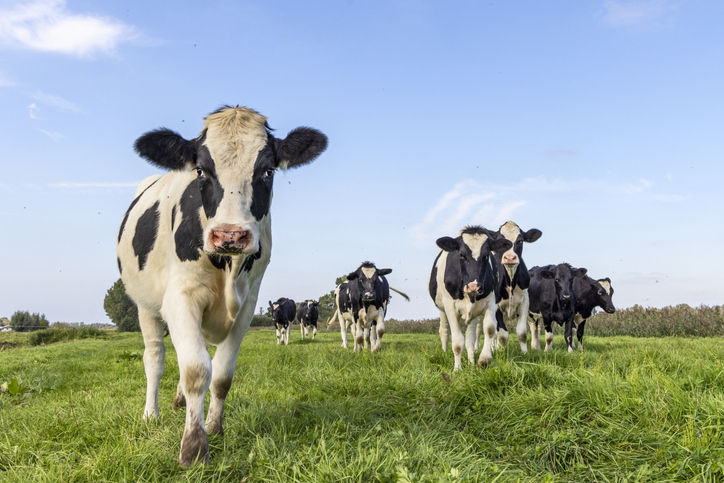
Cows in fields often seem to be facing the same direction, like they’re following some invisible instruction manual, but why? It’s not just your imagination playing tricks on you, and the explanation is far more fascinating than simply avoiding the wind or following the sun around the sky.
Scientists discovered the pattern using Google Earth.
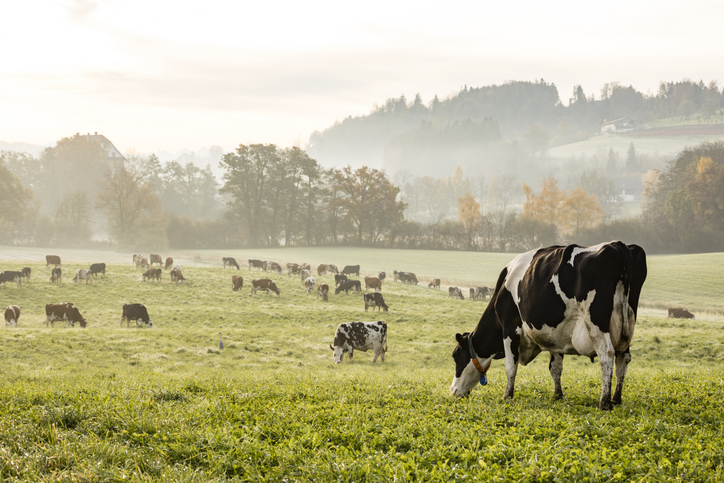
Researchers from the University of Duisburg-Essen in Germany made the remarkable discovery almost by accident while studying animal behaviour using satellite images. They originally planned to study camping humans but realised they could see thousands of cows in fields from space and decided to investigate their positioning instead.
Using Google Earth, the team analysed over 8,510 cattle across 308 pastures on six different continents and found a consistent pattern that had been hiding in plain sight for centuries. The satellite images revealed something that farmers and countryside observers had noticed but never properly explained until now.
Cows prefer to face magnetic north or south.
The research showed that cows don’t just face the same direction randomly—they specifically align themselves along the magnetic north-south axis when grazing or resting. The alignment happens regardless of wind direction, sun position, or local weather conditions, suggesting something deeper than simple environmental responses.
The study found that magnetic north was a better predictor of cow orientation than geographic north, especially in locations where magnetic declination (the difference between magnetic and true north) was particularly high. Their magnetic preference appears to be an instinctive behaviour rather than a learned response to local conditions.
It’s not about wind, sun, or temperature.
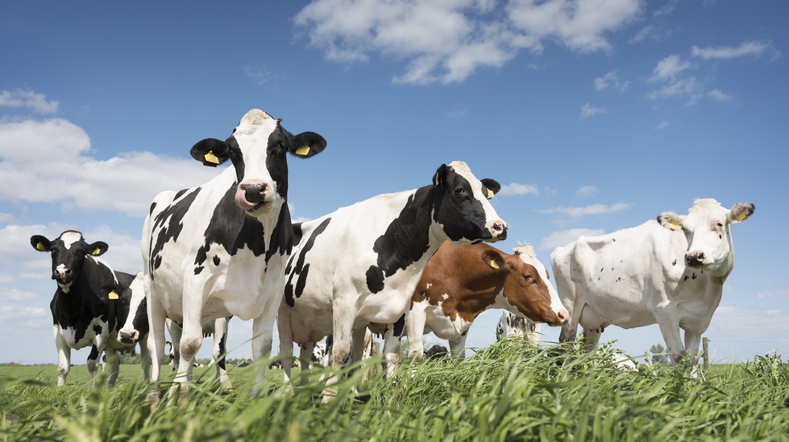
Traditional farming wisdom suggested that cattle face into the wind whilst sheep face away from it, or that animals position themselves relative to the sun for warmth. However, the satellite study ruled out these explanations because the alignment pattern remained consistent regardless of weather conditions or time of day.
The researchers found no correlation between body alignment and wind direction, sun angle, or temperature variations across different seasons and locations. The consistency across diverse climates and conditions pointed to a more fundamental explanation than simple environmental adaptation.
Deer show the same magnetic alignment behaviour.

To test whether this was unique to cattle, researchers studied 2,974 red and roe deer in the Czech Republic using direct field observations and photographs. They also analysed the body impressions that resting deer left in snow, which provided clear evidence of their preferred orientations.
The deer showed the same north-south alignment pattern as cattle, with their heads typically pointing north when resting. The similarity across different species suggests that magnetic alignment might be a more widespread mammalian behaviour than previously recognised.
Cows might have an internal magnetic compass.
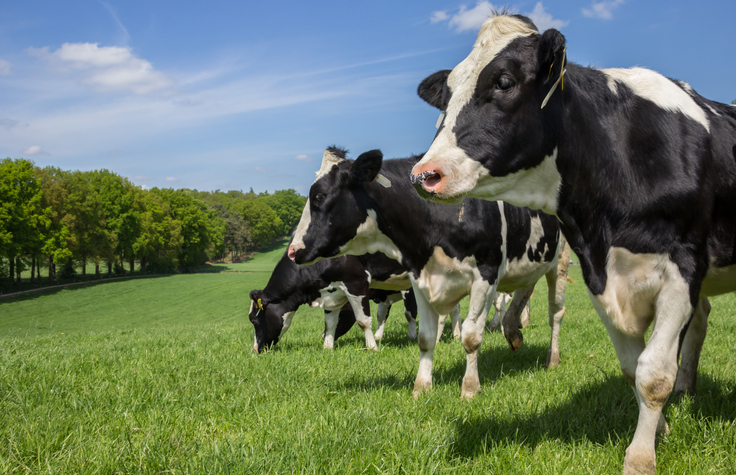
The evidence suggests that cattle possess magnetoreception, or the ability to sense Earth’s magnetic field, similar to migratory birds, sea turtles, and various insects. That internal compass might work through magnetic particles in their cells or through light-sensitive pigments in their eyes that can perceive magnetic fields.
Having magnetic sense could help animals create mental maps of their surroundings and maintain consistent orientation even when visual landmarks aren’t available. It’s essentially like having a built-in GPS system that works without satellites or technology.
The behaviour is strongest when animals are undisturbed.
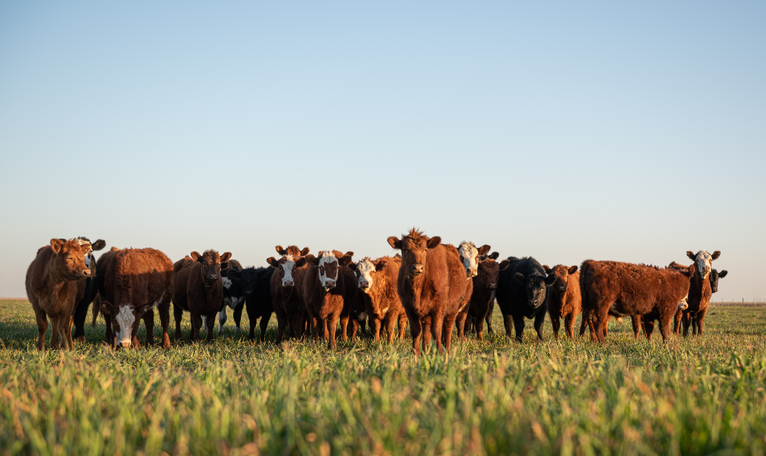
Magnetic alignment appears most clearly when animals are engaged in spontaneous, relaxed behaviours like grazing or resting. When cows are stressed, being moved, or responding to immediate environmental pressures, their magnetic orientation becomes less obvious or disappears entirely.
This suggests that magnetic alignment is a default behaviour that emerges when animals aren’t being influenced by more urgent concerns like predators, human activity, or extreme weather conditions. It’s like a background setting that kicks in during quiet moments.
Power lines might disrupt this magnetic behaviour.
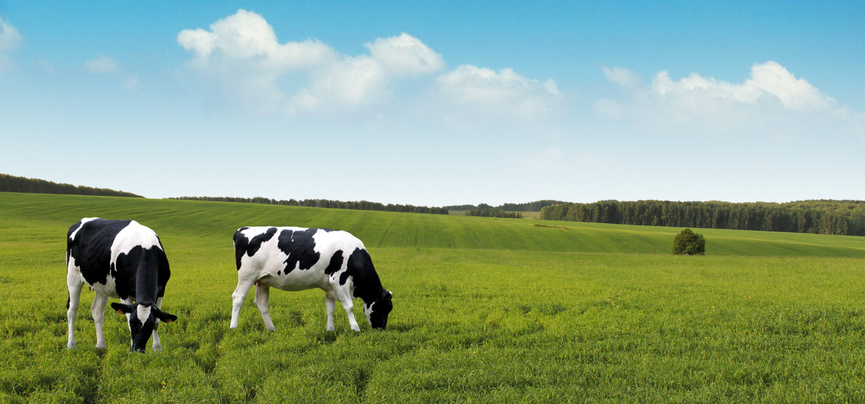
Follow-up studies suggested that high-voltage power lines might interfere with animals’ magnetic alignment by creating electromagnetic fields that disrupt their internal compass. Cattle grazing near power lines showed less consistent north-south orientation than those in areas without electrical infrastructure.
The finding has potential implications for animal welfare and farming practices, suggesting that electromagnetic pollution might affect livestock behaviour in ways we’re only beginning to understand. It could even influence milk production or stress levels in dairy herds.
Not all scientists are convinced by the magnetic theory.
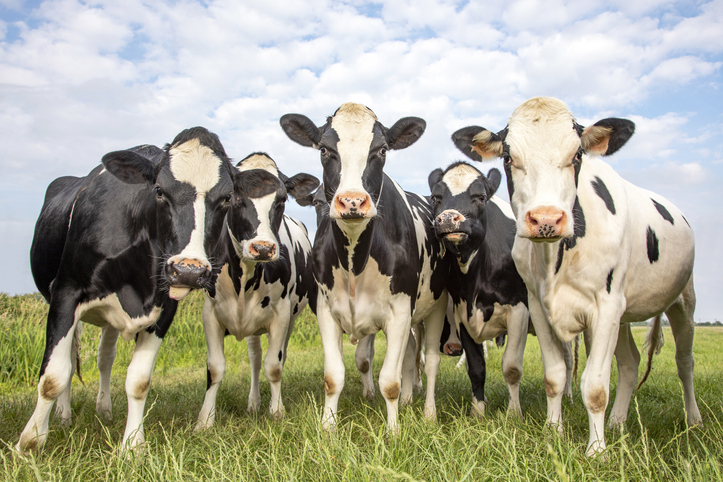
Some later studies have challenged these findings, with researchers reporting that cows wearing strong magnets on their collars showed no change in directional preference. Other studies found that cattle in Portugal preferred to face southeast, possibly to minimise sun exposure rather than align with magnetic fields.
These conflicting results suggest that cow orientation might be influenced by multiple factors, including local climate conditions, breed differences, or methodological variations between studies. The scientific debate continues as researchers try to replicate and refine the original findings.
The evolutionary purpose is still pretty mysterious.
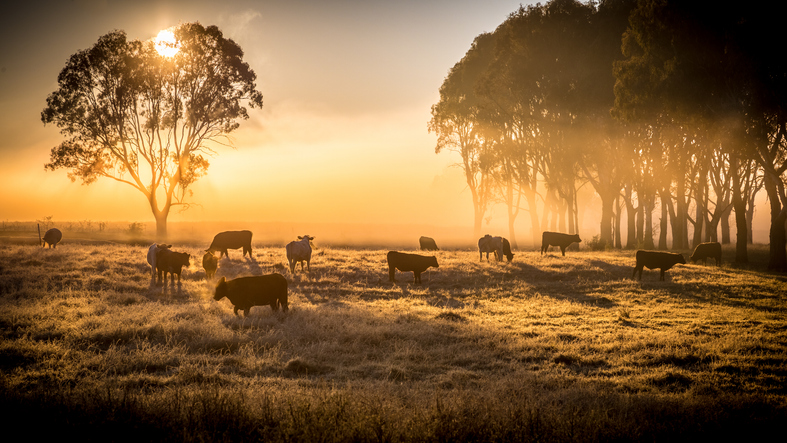
Even if cows do possess magnetic alignment abilities, scientists still don’t fully understand why this behaviour evolved or what advantage it provides. Unlike migratory animals that clearly benefit from magnetic navigation, cattle don’t typically travel long distances or need sophisticated directional abilities.
One theory suggests that maintaining consistent body alignment might affect certain biological processes or make it easier for animals to orient themselves quickly when needed. Alternatively, it might be a vestigial behaviour inherited from ancestral species that relied more heavily on magnetic navigation.
The discovery opens new research directions.
Whether or not the magnetic theory proves correct, this research has highlighted how much we still don’t know about animal behaviour and sensory abilities. The use of satellite imagery to study animal behaviour on a global scale represents an innovative approach that could reveal other hidden patterns.
Future studies might investigate whether magnetic alignment affects animal health, productivity, or welfare, and whether barn design or pasture management could be optimised based on these findings. It’s also sparked interest in looking for similar behaviours in other large mammals that haven’t been studied yet.