Nature’s most innocent-looking creatures are actually masterminding elaborate criminal schemes that would make human mobsters jealous.
From sophisticated theft rings to international smuggling operations, these animals have perfected the art of organised crime while maintaining their adorable public image. Here are some of the things they’re getting away with right under our noses.
1. Dolphins running underwater protection rackets
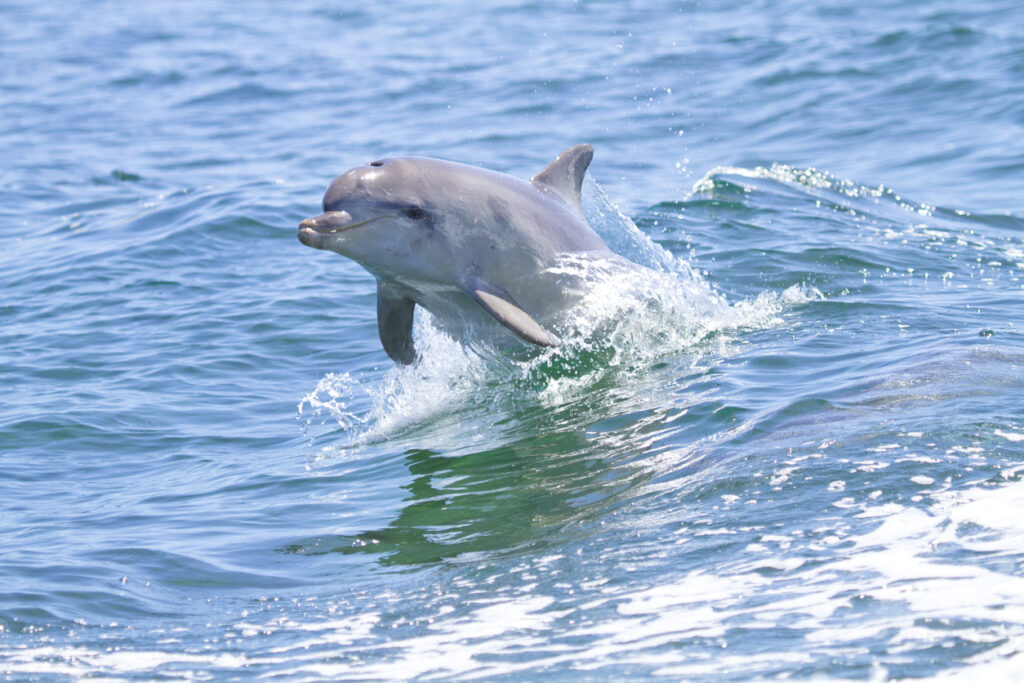
Dolphins have been observed systematically terrorising smaller fish species, demanding tribute in the form of food before allowing safe passage through their territory. They use coordinated group tactics to corner victims and have even been caught extorting fishing boats.
Marine biologists have documented dolphins deliberately damaging fishing nets unless fishermen throw back specific types of fish as “payment.” They’ve essentially created an aquatic mafia, complete with territorial boundaries and enforcement squads.
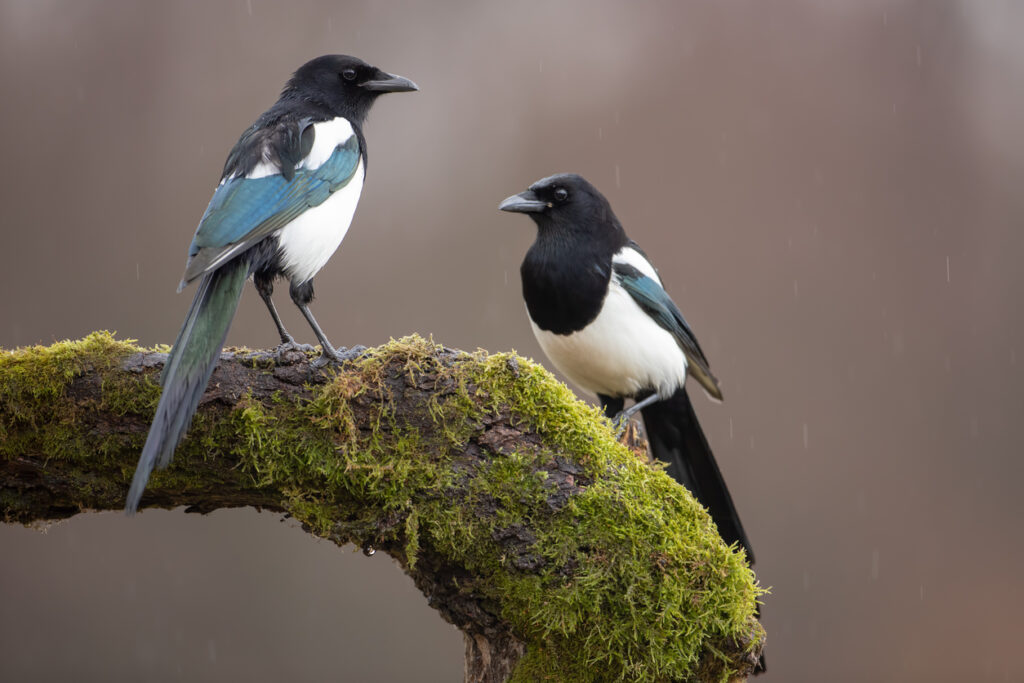
2. Magpies operating international jewellery theft networks
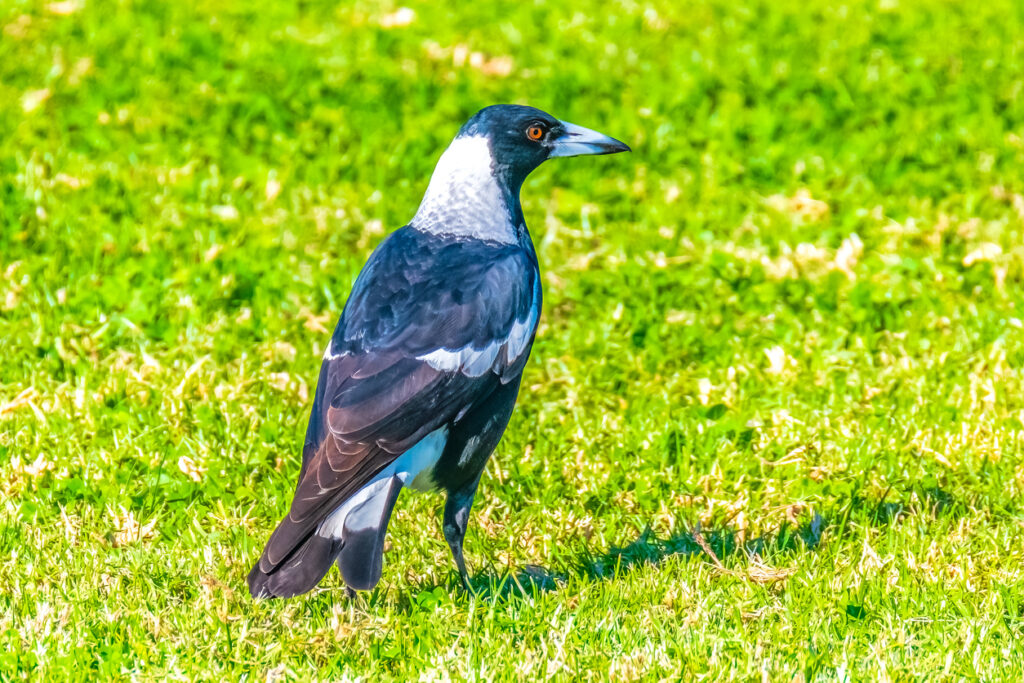
Magpies don’t just collect shiny objects randomly—they’ve developed sophisticated reconnaissance operations to identify high-value targets. Their obsession with bright objects has evolved into organised heists targeting outdoor weddings, garden parties, and unsecured jewellery displays.
These birds coordinate across multiple territories, with lookouts posting guards while others execute precision strikes. They’ve been caught stashing stolen goods in communal caches, essentially running bird-based fencing operations to distribute their ill-gotten gains.
3. Octopi masterminding elaborate escape and identity fraud
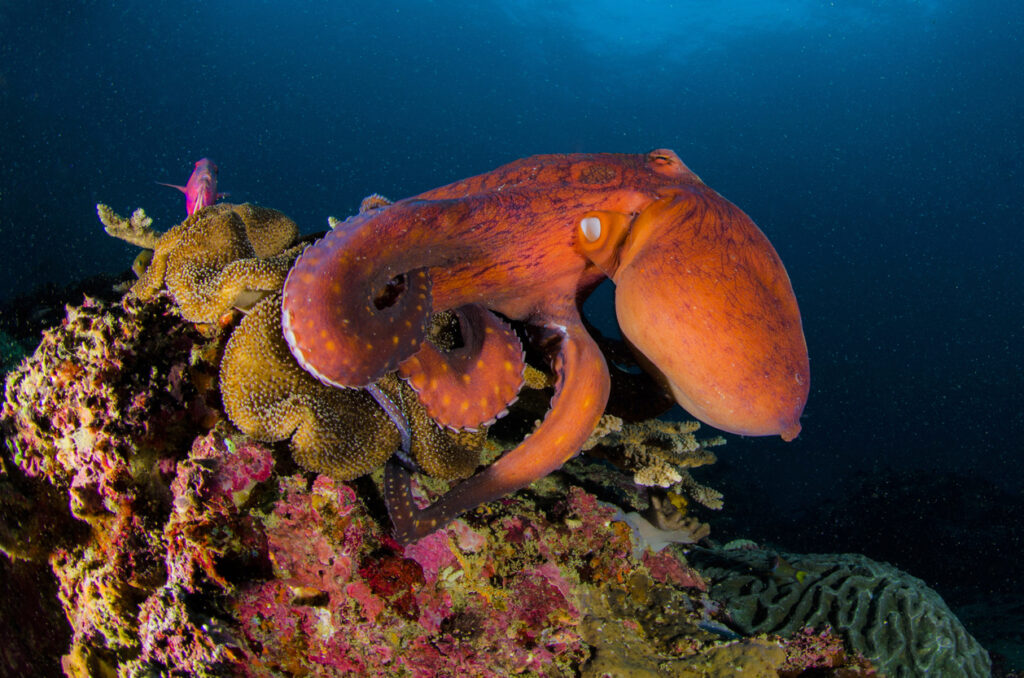
Octopi are natural con artists with their colour-changing abilities, but they’ve taken deception to criminal levels. They regularly break out of supposedly secure enclosures, steal from neighbouring tanks, then return to their own spaces with perfect alibis.
Aquarium staff have discovered octopi using tools to pick locks, memorising guard schedules, and even turning off security cameras. They’re basically running underwater heist operations with the kind of planning that would impress professional thieves.
4. Ants running massive drug cultivation enterprises
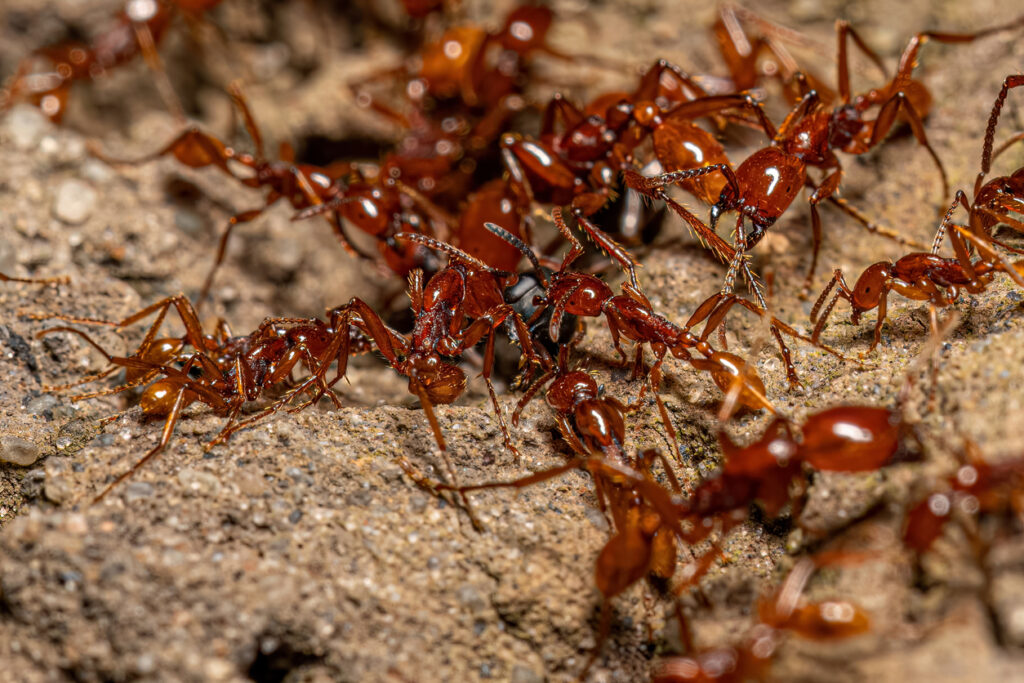
Leafcutter ants don’t just farm mushrooms for food—they’re operating the animal kingdom’s most sophisticated drug production facilities. These fungi gardens produce compounds that keep other ant species docile and dependent, creating addiction cycles for territorial control.
Different ant colonies trade specific fungal strains, like dealers exchanging product samples. They’ve developed quality control systems, distribution networks, and even territory wars over prime growing locations that mirror human drug cartels.
5. Crows establishing comprehensive surveillance networks
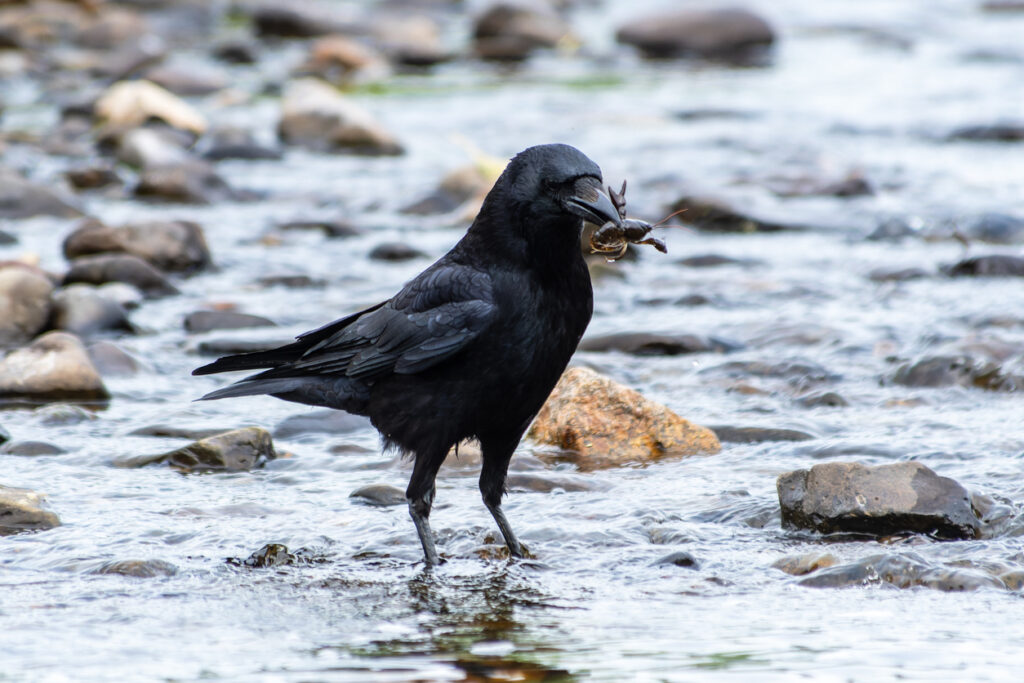
Crows don’t just remember faces—they’re running intelligence operations that would make spy agencies jealous. They share detailed information about threats, opportunities, and human behaviour patterns across vast networks of connected flocks.
Urban crows have been observed timing their activities around human schedules, learning garbage collection routes, and coordinating group attacks on specific targets. They’re essentially operating citywide information networks with better communication than most human organisations.
6. Raccoons leading organised burglary rings
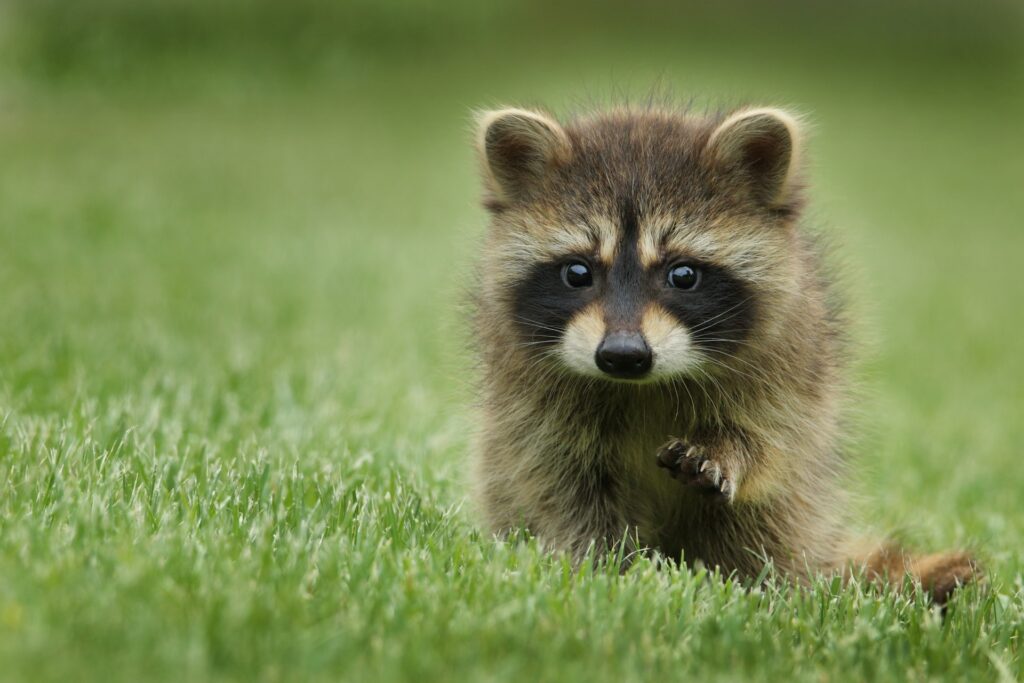
Raccoons have moved beyond simple garbage raids to sophisticated break-ins involving multiple participants with specialised roles. They scout locations, disable security measures, and work in coordinated teams to maximise their hauls.
Urban raccoons have learned to open complex latches, work together to lift heavy lids, and even coordinate distraction tactics while others execute the actual theft. They’re running professional burglary operations with better teamwork than most human criminals.
7. Seagulls operating aggressive extortion schemes

Seagulls have evolved beyond opportunistic scavenging to running systematic extortion rackets at beaches and tourist areas. They target specific individuals, escalate aggression until tribute is paid, and remember both compliant and resistant victims.
Coastal seagulls work in coordinated flocks to surround tourists, with some birds creating distraction while others execute precision food snatches. They’ve developed intimidation tactics and territorial protection schemes that rival organised crime syndicates.
8. Primates running complex smuggling operations
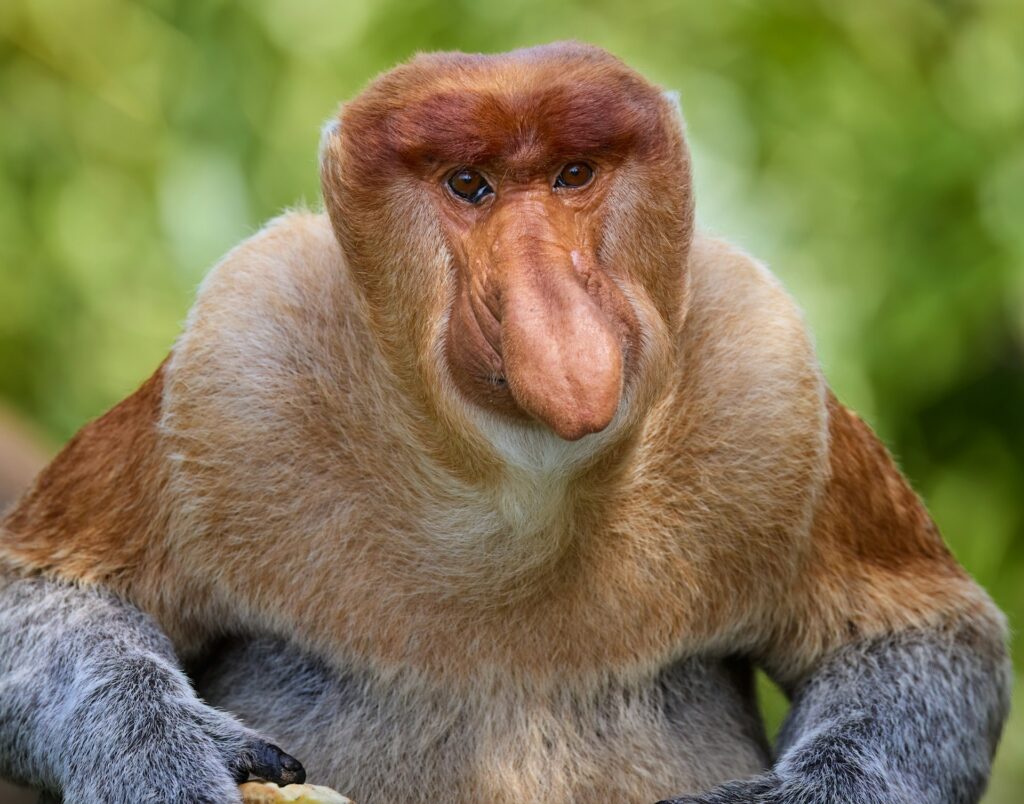
Monkeys in urban areas have developed sophisticated smuggling networks, moving contraband items between territories through established routes. They use human spaces as cover, timing their operations to avoid detection while transporting stolen goods.
Research has shown primates coordinating multi-stage handoffs, with different individuals responsible for acquisition, transport, and distribution. They’ve essentially created supply chains that operate more efficiently than many legitimate businesses.
9. Bees orchestrating territorial takeover conspiracies
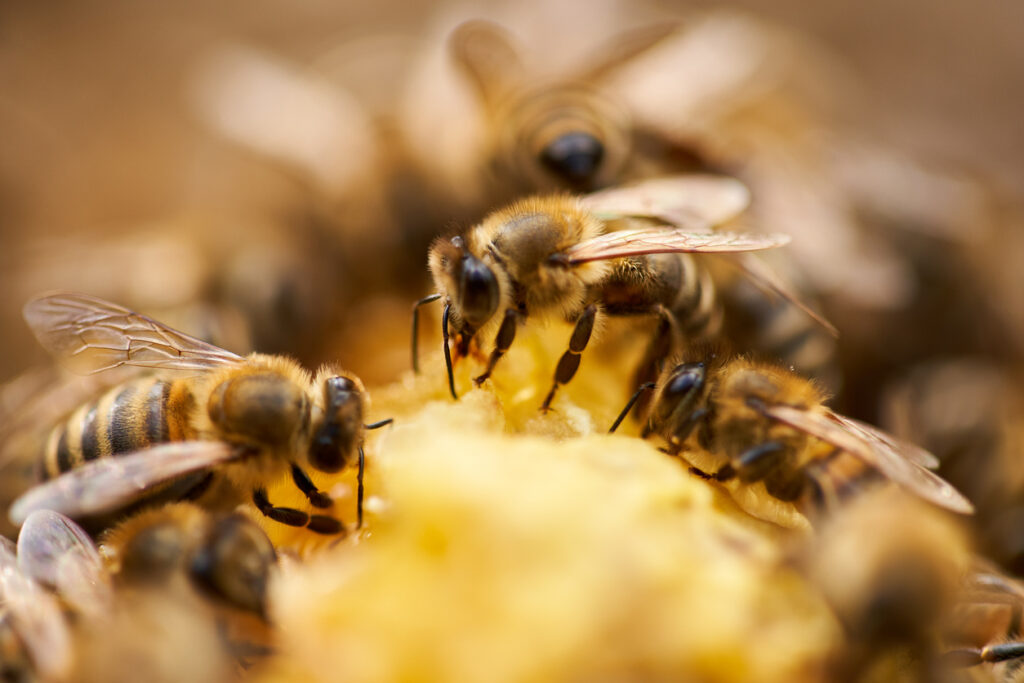
Honeybees engage in corporate espionage by sending scout bees to infiltrate rival hives, gather intelligence about their defences and resources, then coordinate hostile takeovers of weaker colonies.
Worker bees have been observed deliberately weakening neighbouring hives through sabotage, spreading diseases, and stealing resources before launching full-scale invasions. They’re running biological warfare operations with strategic planning that spans multiple seasons.
10. Cats managing multi-household resource extraction

Outdoor cats don’t just wander aimlessly—they maintain detailed mental maps of multiple households, timing their visits to maximise food acquisition while avoiding territorial conflicts with resident pets.
Many cats operate sophisticated scheduling systems, appearing at different houses at optimal feeding times and manipulating multiple families into believing they’re the sole owner. They’re essentially running confidence schemes across entire neighbourhoods.
11. Elephants coordinating cross-border ivory trafficking

Elephant herds have developed complex migration routes that deliberately avoid human detection, using ancient pathways and timing movements to coincide with weather patterns that mask their activities from anti-poaching operations.
Matriarchs share intelligence about safe corridors, water sources, and human patrol schedules across hundreds of kilometres. They’re operating sophisticated logistical networks that coordinate resources and movements better than most international shipping companies.
12. Squirrels running elaborate cache money laundering

Squirrels don’t just bury nuts randomly—they operate complex financial systems involving multiple cache sites, risk diversification, and even decoy burial locations to throw off potential thieves.
Urban squirrels have been observed maintaining detailed mental ledgers of their various stash locations, rotating stock to prevent spoilage, and even conducting what appears to be inter-squirrel trading of premium items. They’re basically running underground banks with better organisation than legitimate financial institutions.
13. Penguins operating systematic kidnapping schemes
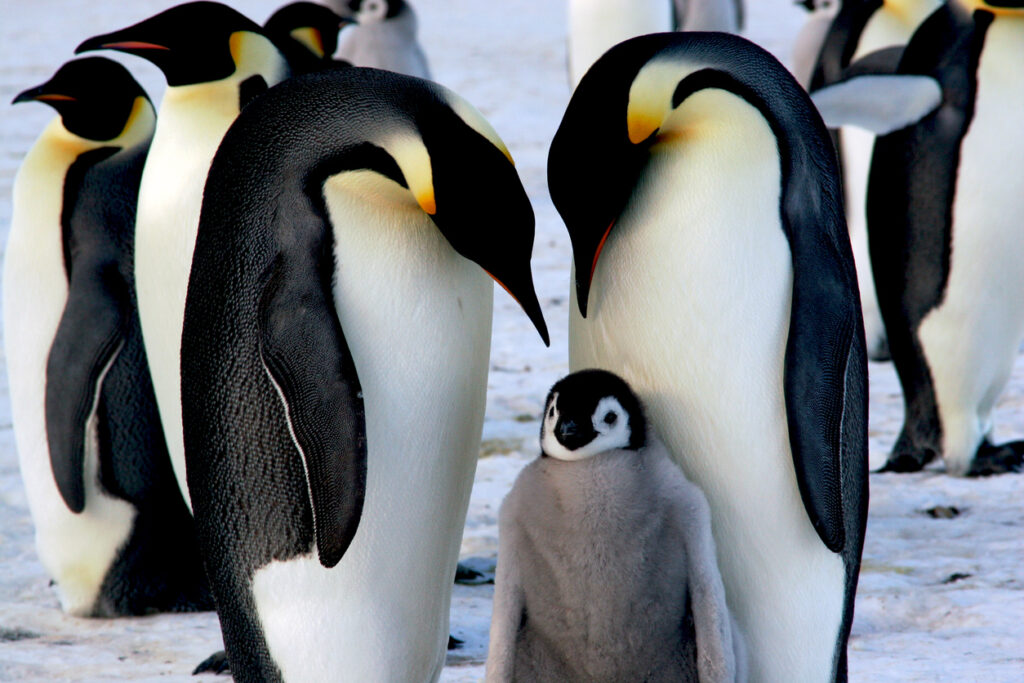
Emperor penguins regularly engage in chick-napping operations, stealing babies from other families when their own offspring die or disappear. They use group dynamics and social pressure to integrate stolen chicks into their own family units.
Penguin colonies have complex social hierarchies where successful kidnappers gain status and resources, creating incentive systems that encourage continued criminal behaviour. They’ve developed adoption fraud schemes that would make human traffickers envious of their efficiency and success rates.