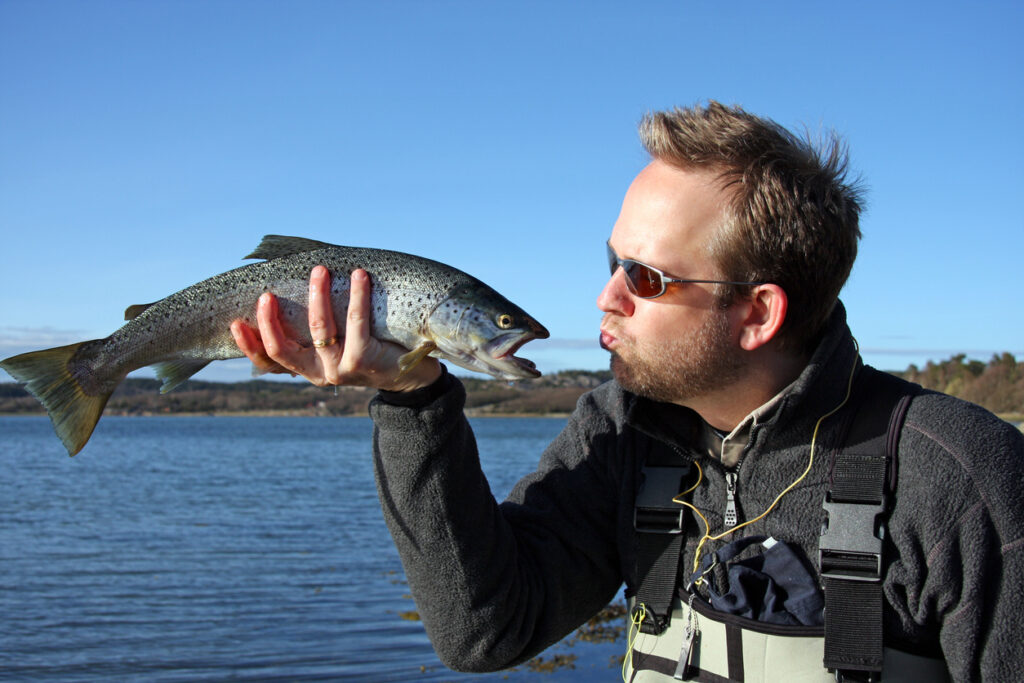
You might have wondered if fish can feel ticklish when you see them swimming around or watch someone touch them at an aquarium. The answer is more complicated than you’d think and involves some fascinating science about how fish experience the world around them.
Fish brains work completely differently to ours.
Fish have much simpler brains than humans and don’t process touch the same way we do. They lack the brain parts that create that giggly, squirmy feeling we get when someone tickles us. Fish feel touch, but it’s nothing close to the ticklish sensation that makes us laugh and wriggle away. Their nervous system just isn’t built to experience that particular type of sensation.
Some fish actually love being petted.
Stingrays at petting pools glide right up to visitors’ hands, and many large fish such as groupers seem to enjoy gentle contact from divers. They’ll even swim over to people who want to touch them. These fish aren’t being tickled, though. They’re enjoying the warmth and pressure from human contact. It feels good to them, but in a completely different way than human tickling works.
Fish have a special system for detecting water movement.
Fish possess an amazing sensory system called the lateral line that picks up the tiniest movements in water around them. This system helps them sense other fish, predators, and obstacles. The lateral line makes them incredibly sensitive to touch and explains why most fish dart away when you try to grab them. They can sense your hand coming through the water long before you actually make contact.
Size affects how fish respond to touching.
Big sharks with thick skin seem to enjoy being petted by divers, while tiny goldfish usually zoom away from any contact. The difference comes down to how vulnerable each type of fish feels. Smaller fish with delicate scales find most touching uncomfortable or scary rather than pleasant. Their size makes them more vulnerable, so they’ve evolved to avoid contact rather than enjoy it.
Fish definitely feel pain, just not tickles.
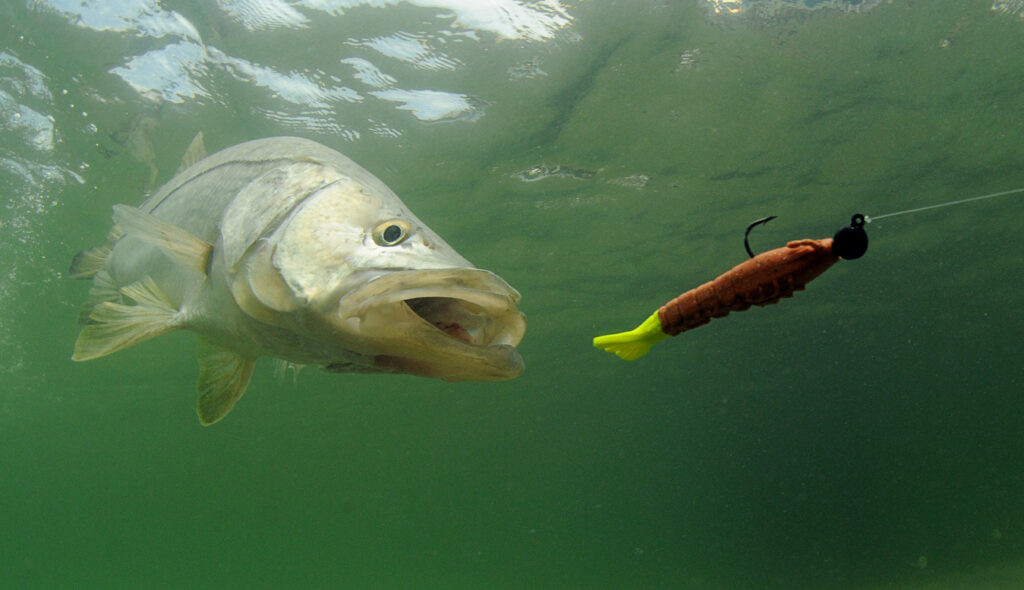
Scientists have proven that fish have special pain-detecting cells and produce stress hormones when hurt. They can feel discomfort and will change their behaviour to avoid painful experiences. This shows fish aren’t just simple creatures reacting automatically. In fact, they actually experience pain in ways we can understand. They just don’t experience the fun, giggly side of touch that we call tickling.
Fish wear a natural protective coating.
All fish are covered in a slippery mucus layer that protects them from germs and physical damage. This slimy coating affects how they feel touch and makes them incredibly slippery to hold. The slime coat acts as a shield that dulls most light touches. Gentle contact might barely register, while harder pressure could damage this important protection and hurt the fish.
Fish touch each other for communication.
Fish bump into each other during mating season, groom parasites off each other, and use physical contact to show dominance. These touches are serious communication, not playful tickling. When fish touch each other, they’re sending messages about territory, romance, or cooperation. The contact serves specific purposes, rather than being casual or entertaining.
Water temperature changes how fish react to touch.
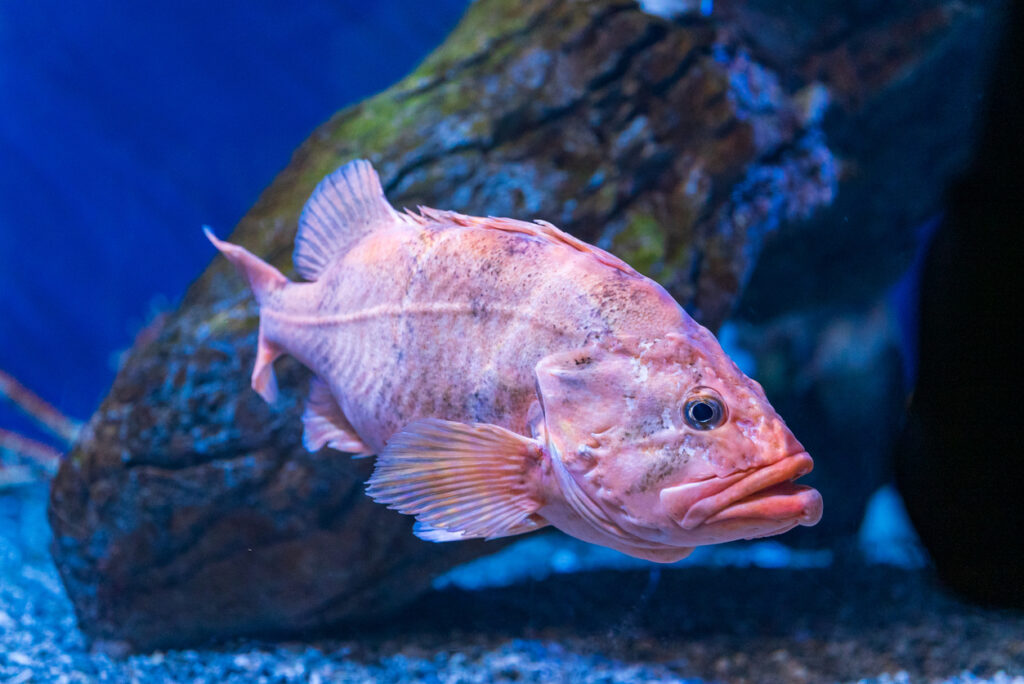
Cold water makes fish sluggish and slow to respond, while warm water makes them quick and jumpy. Their body temperature matches the water around them, which affects how fast their nerves work. In cold water, a fish might seem calm when touched because its nervous system is running slowly. In warm water, the same fish would probably dart away immediately because everything speeds up.
Human touch can actually harm wild fish.
Our hands carry oils and bacteria that can damage a fish’s protective slime coat and make them sick. Even gentle touching can stress them out and leave them vulnerable to disease. If you see fish when you’re swimming or snorkelling, it’s much better to just watch and enjoy them from a distance. Your touch might seem harmless but could actually cause serious problems for the fish later.
Some fish queue up for cleaning services.
Certain small fish make a living by eating parasites and dead skin off larger fish. The big fish actually line up at underwater “cleaning stations” to get this treatment done. This shows fish can enjoy beneficial touch, but it serves a health purpose rather than entertainment. The fish are solving a practical problem rather than playing around or seeking fun.