The Victorians transformed gardening in Britain, but their taste for order and symmetry meant some native plants were unwelcome.
Many species we now see as valuable for wildlife were once dismissed as weeds or rustic nuisances. Victorian gardeners prized control over nature, often replacing these wild species with imported ornamentals or heavily cultivated varieties. As a result, here are some of the natives that found themselves on the wrong side of Victorian garden fashion.
1. Common nettle
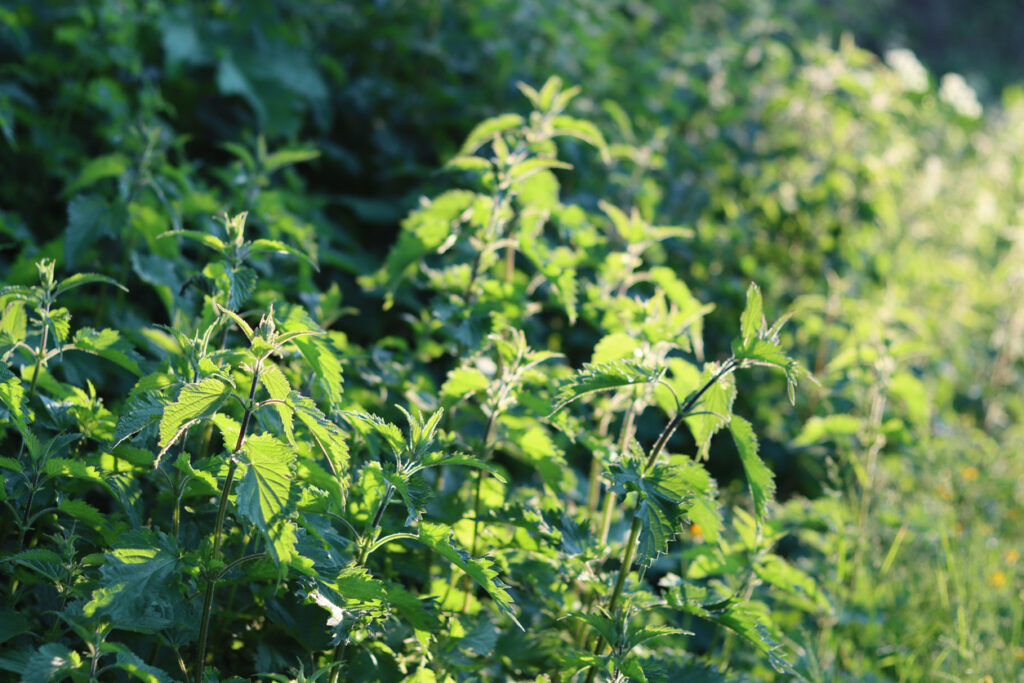
Nettles have been part of the British countryside for centuries, thriving in hedgerows, woodland edges and disturbed ground. Victorian gardeners, however, treated them as an eyesore, pulling them out wherever they appeared. They were associated with untidiness and poverty, and their sting made them even less welcome in decorative gardens. This meant large nettle patches were cleared in favour of clipped lawns and floral borders.
Today, we know nettles are a cornerstone species for wildlife, especially butterflies such as the peacock and small tortoiseshell. They also have uses in cooking and herbal remedies. Allowing a controlled patch in a garden can boost biodiversity without letting them take over, giving a nod to tradition while challenging Victorian ideals.
2. Dandelion
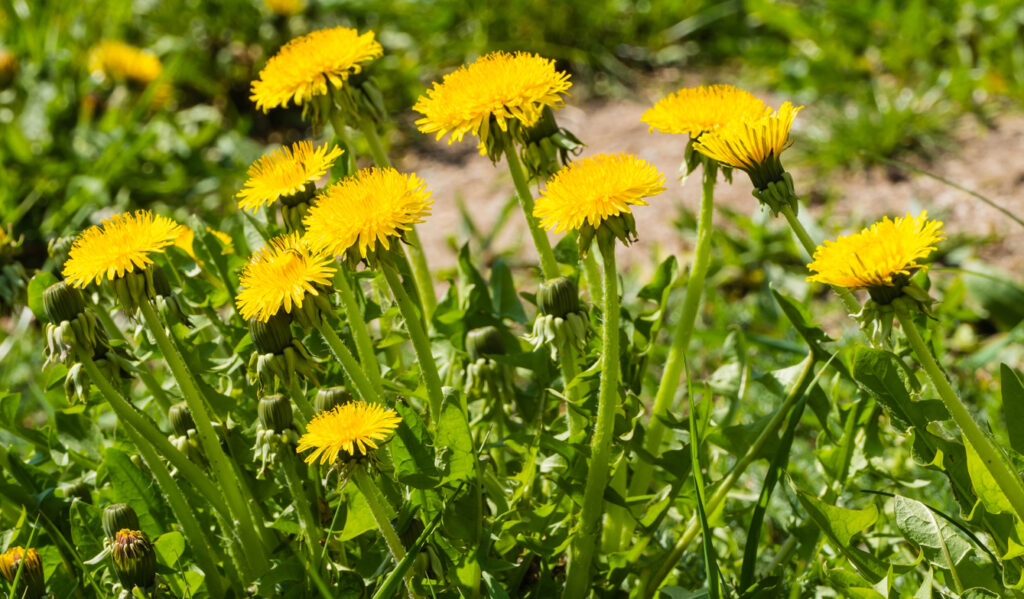
Dandelions are one of the first flowers to bloom in spring, but Victorian gardeners were not impressed. To them, a dandelion in a manicured lawn was a sign of neglect. Their deep taproots made them hard to remove, which only fuelled the determination to dig them out and prevent their spread.
Now we recognise dandelions as a lifeline for early pollinators, offering nectar before most cultivated plants start flowering. Leaving them until after they’ve bloomed supports bees and other insects, and their seeds are a food source for birds. They are a reminder that not all beauty in a garden needs to be imported or highly bred.
3. Common ragwort
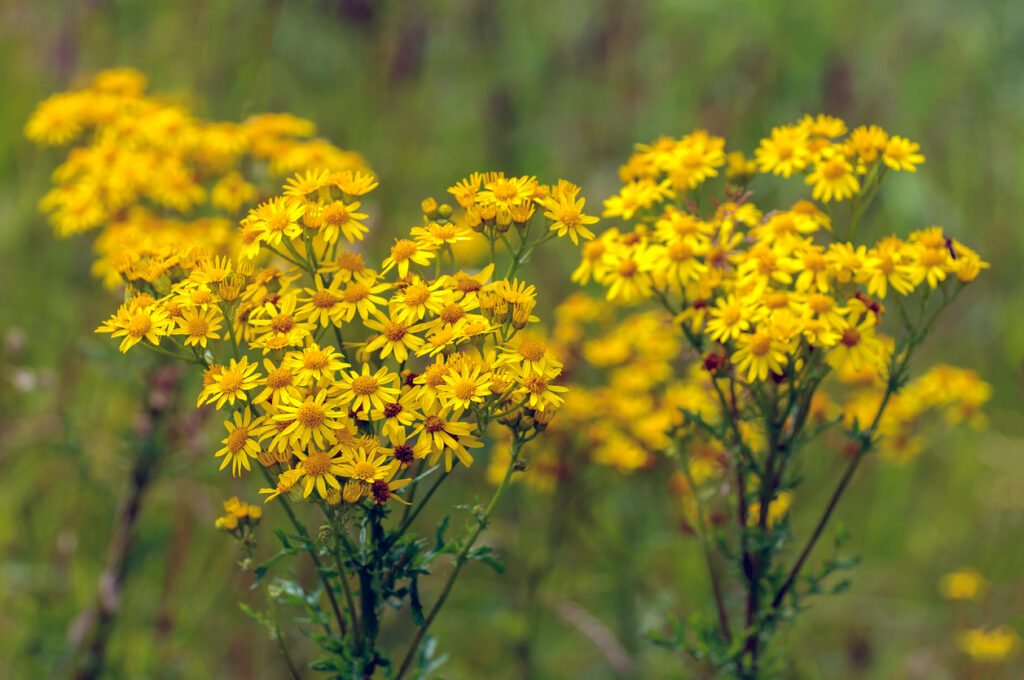
Ragwort was often singled out for its bright yellow flowers and its toxicity to livestock, making it a target in rural and garden settings. Victorian gardening books advised pulling it out entirely, seeing no aesthetic or practical value in keeping it.
Today, the plant is better understood as an important food source for species like the cinnabar moth. While it should still be managed carefully around grazing animals, in wildlife gardens it plays a valuable role in supporting native insect populations.
4. Bramble
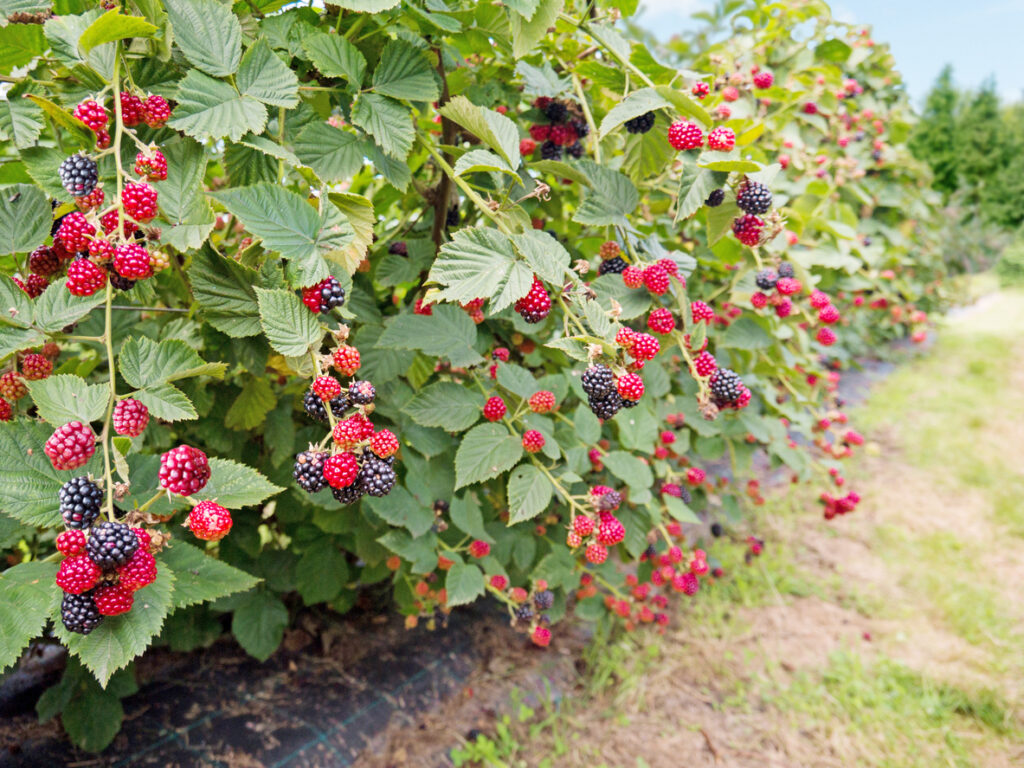
Bramble thickets were the enemy of a tidy Victorian garden. Their vigorous growth and sharp thorns clashed with the controlled hedges and ornamental shrubs in fashion at the time. Landowners and gardeners cut them back ruthlessly, often replacing them with imported fruit bushes or ornamental climbers.
Modern gardeners are more likely to manage brambles selectively. Their blackberries are a seasonal highlight, and their dense growth provides shelter for birds and small mammals. In the right place, they can be a productive and wildlife-friendly feature rather than a nuisance.
5. Yarrow
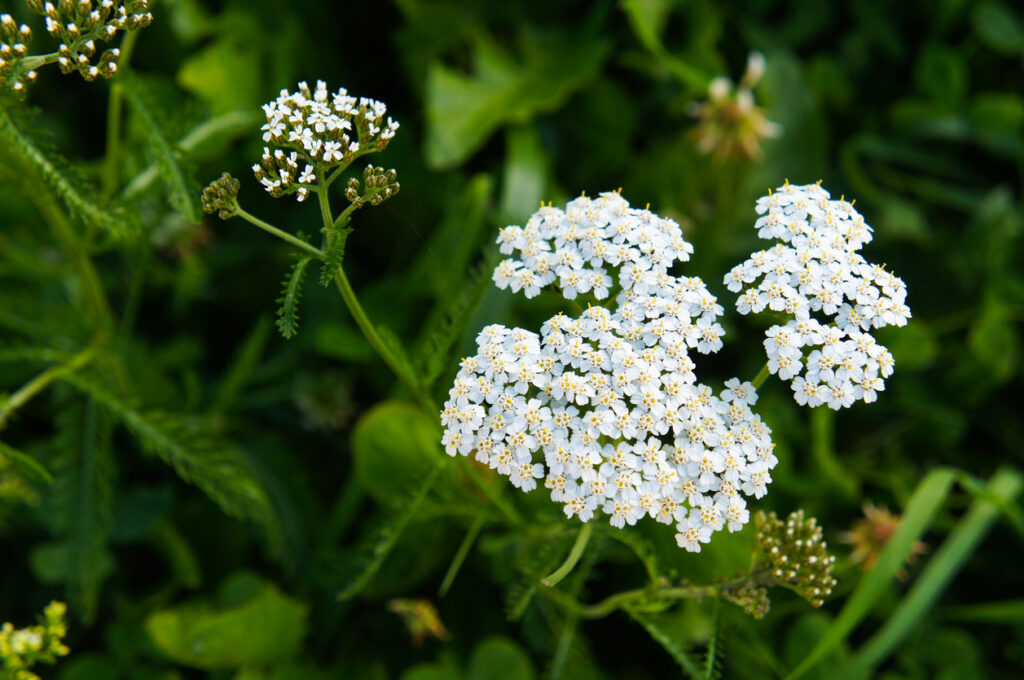
Yarrow’s feathery foliage and clustered flowers were too wild-looking for Victorian formality. It was treated as a weed and pulled out of lawns and ornamental beds in favour of more rigidly structured plants. The understated white or pink blooms did not compete well with the vibrant colours of imported species.
We now value yarrow for its drought tolerance and ability to attract pollinators. Its long flowering season and adaptability make it an asset in modern gardens that balance beauty with ecological benefits.
6. Common sorrel
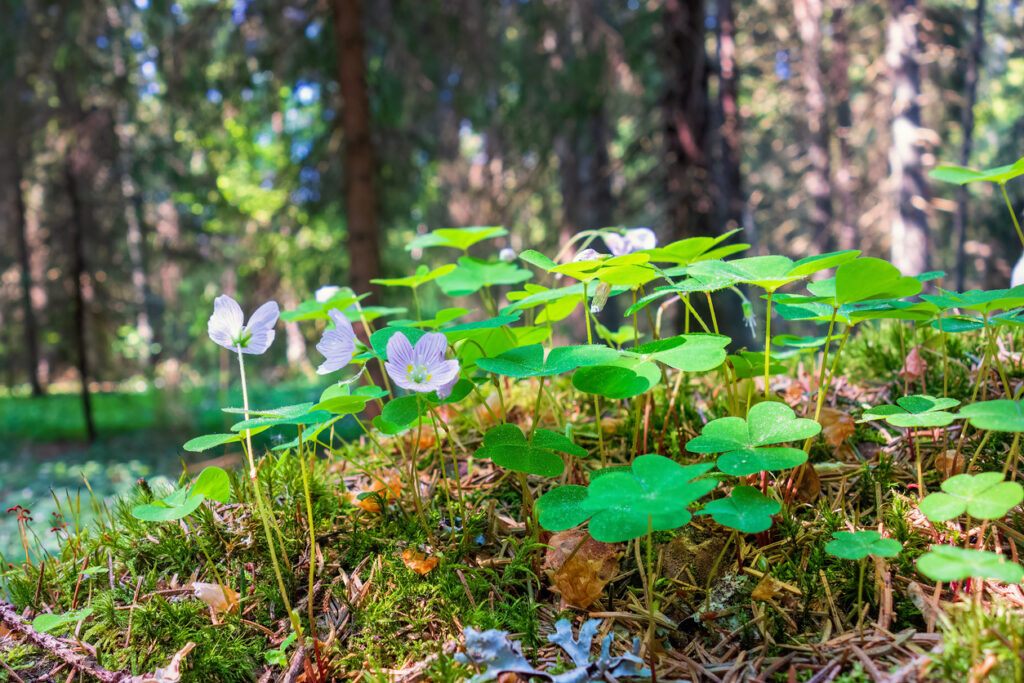
Common sorrel once grew freely in meadows, lawns, and kitchen gardens. Victorians, however, removed it from ornamental spaces, considering it unremarkable and prone to spreading. Its small red-tinged flowers offered little decorative appeal compared to the showier varieties they preferred.
These days, sorrel is appreciated again in cooking, with its tangy leaves used in salads and sauces. It also supports several butterfly species, showing that its value goes beyond what the Victorians imagined.
7. Coltsfoot
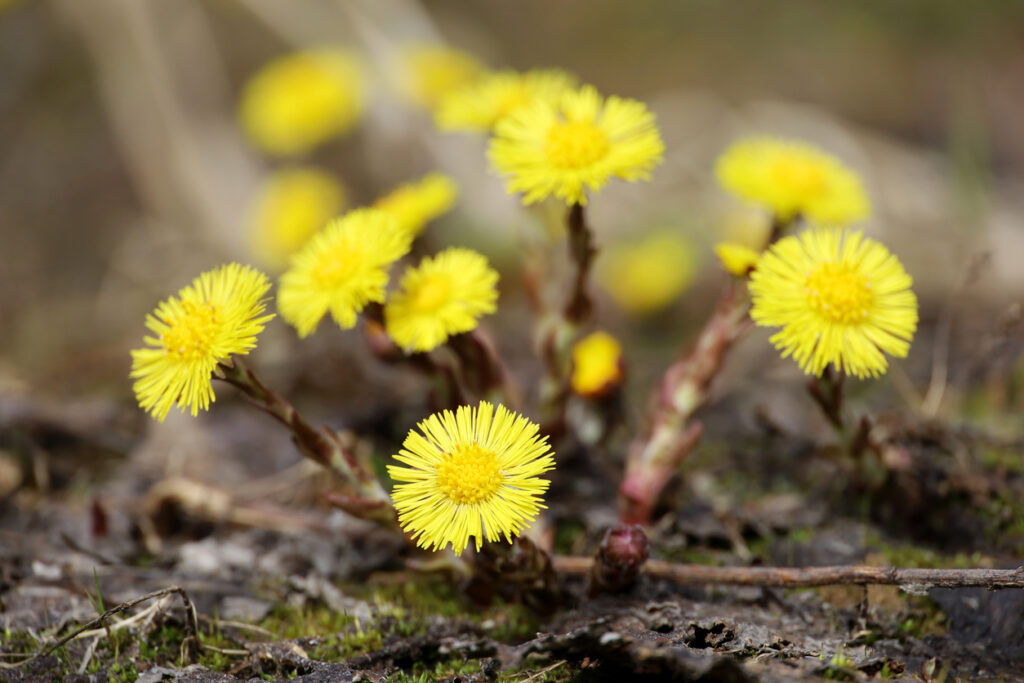
Coltsfoot produces bright yellow flowers in early spring before its leaves appear, but Victorian gardeners still saw it as a weed. Its spreading rhizomes made it difficult to control, and its rustic look was out of step with the era’s polished flowerbeds.
Modern understanding highlights its role as an early nectar source for bees emerging from winter. Its historical use in herbal medicine also makes it a plant with both ecological and cultural significance.
8. Common mallow
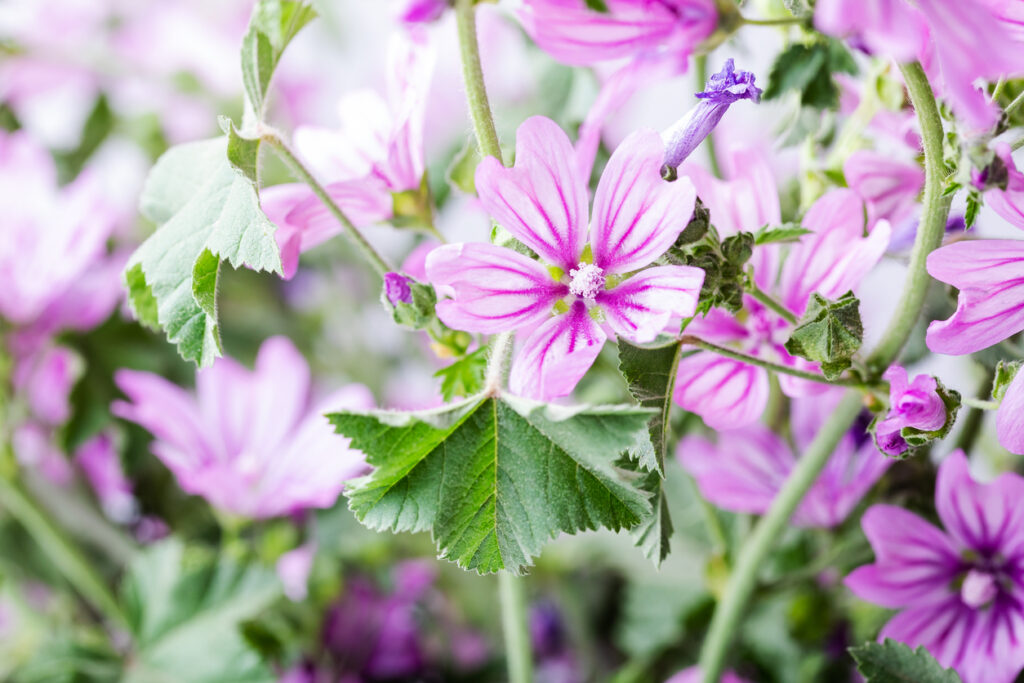
Common mallow’s spreading habit and ability to self-seed made it unpopular in Victorian gardens, where uniformity and control were paramount. Its pink-purple flowers may have been attractive, but their informal arrangement clashed with symmetrical designs.
Today, mallow is valued in wildlife gardening for its nectar, which supports bees and butterflies well into summer. Its resilience and ability to thrive in poor soil make it a versatile choice for natural planting schemes.
9. Creeping buttercup
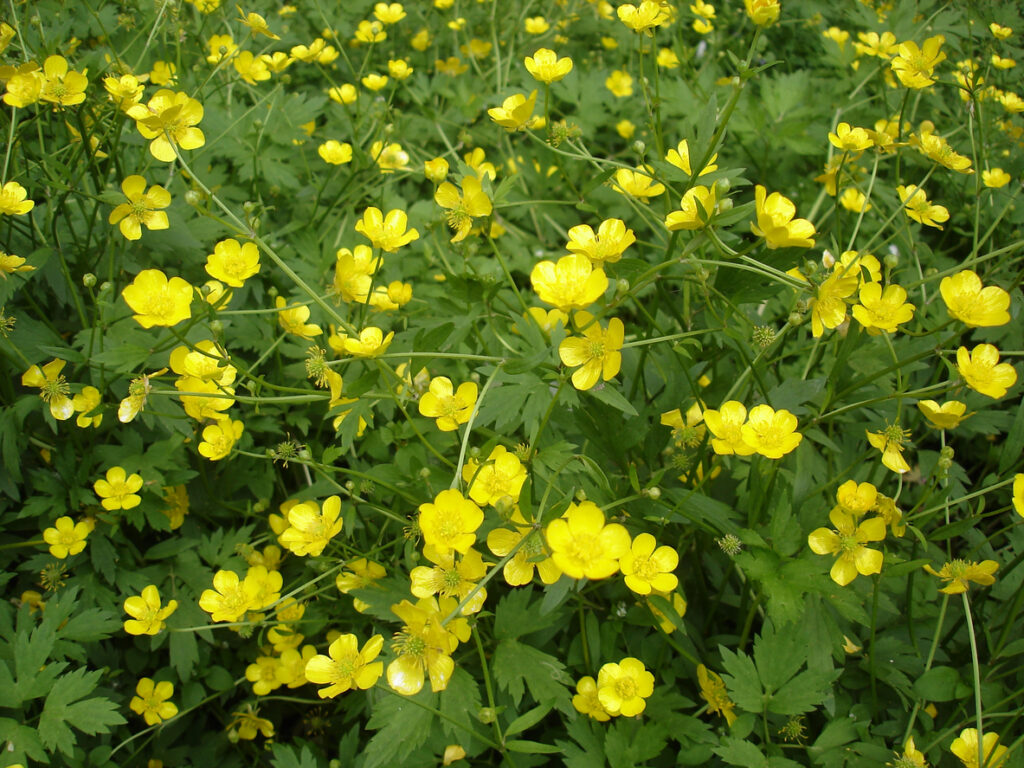
Creeping buttercup was another plant the Victorians pulled out without hesitation. Its cheerful yellow blooms didn’t save it from being labelled invasive, especially when it crept across carefully maintained lawns and borders.
While still a plant that needs management, creeping buttercup can be left in wilder corners of a garden to provide nectar for pollinators. It shows how plants dismissed in the past can find a place in today’s more nature-friendly designs.
10. Hedge woundwort
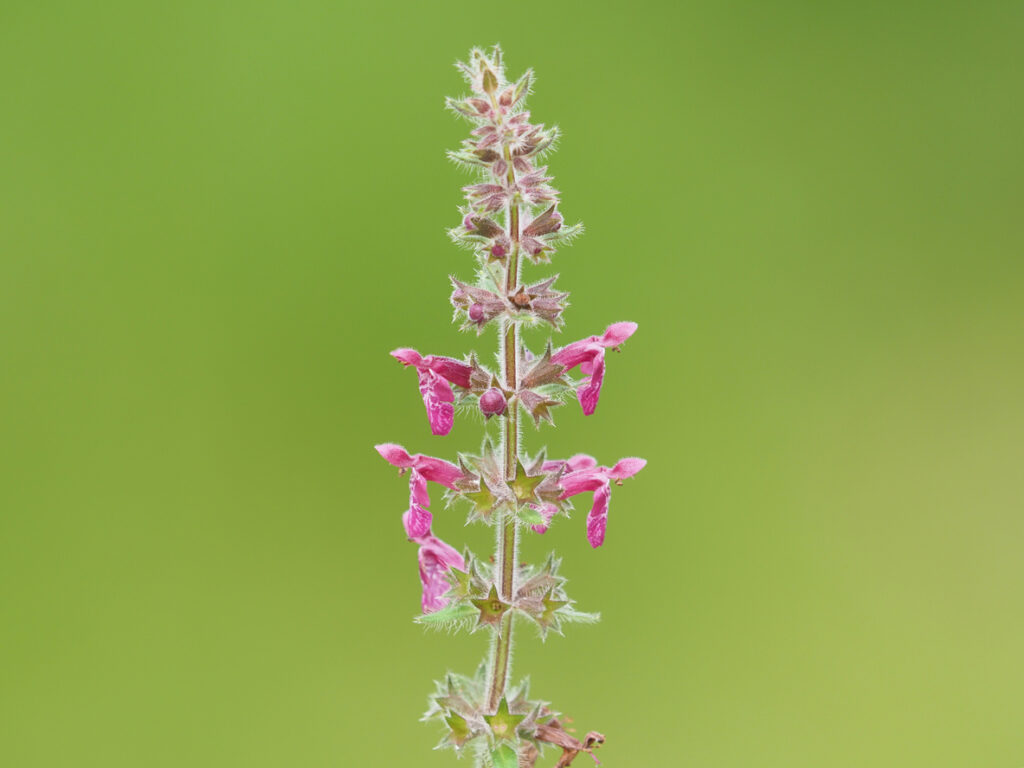
With its square stems and purple flowers, hedge woundwort was more common in rural hedgerows than in Victorian gardens. Its strong scent and tendency to spread meant it was quickly removed if it appeared in formal beds.
Now we understand its value in supporting bees and other insects, as well as its historical role in herbal medicine for treating wounds. In wildlife gardens, it’s a welcome part of a balanced ecosystem.
11. Shepherd’s purse
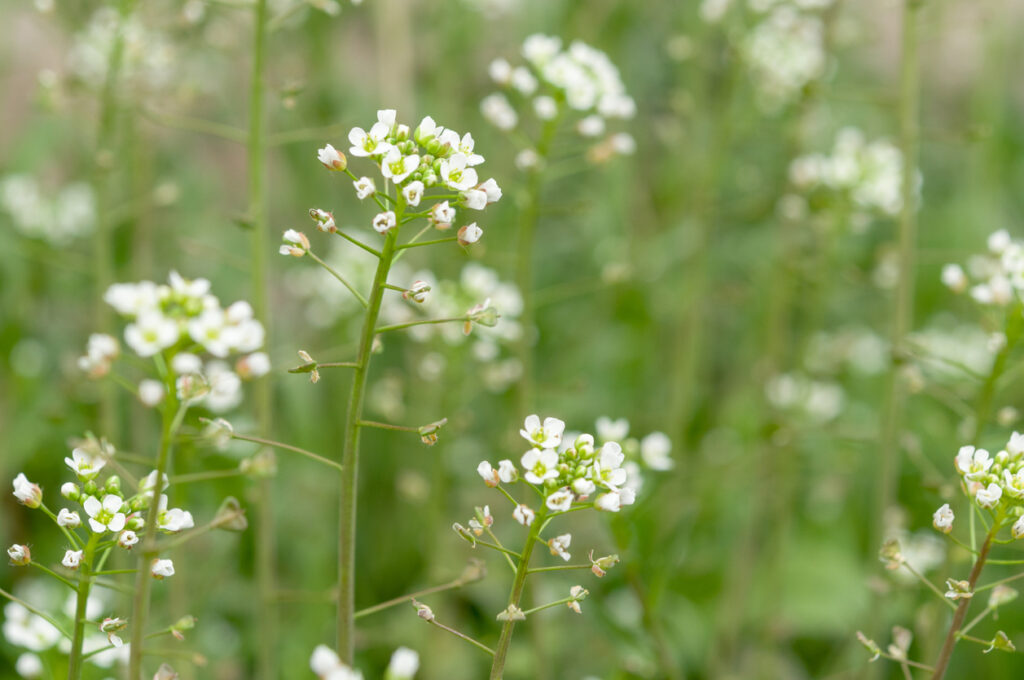
This small plant, with its distinctive heart-shaped seed pods, often grew in paths, borders and disturbed soil. Victorians considered it untidy and treated it as a common weed with no place in refined settings.
Shepherd’s purse is now recognised for its benefits to insects and birds that feed on its seeds. It may still not suit a perfectly manicured lawn, but it has a role in more relaxed planting schemes.
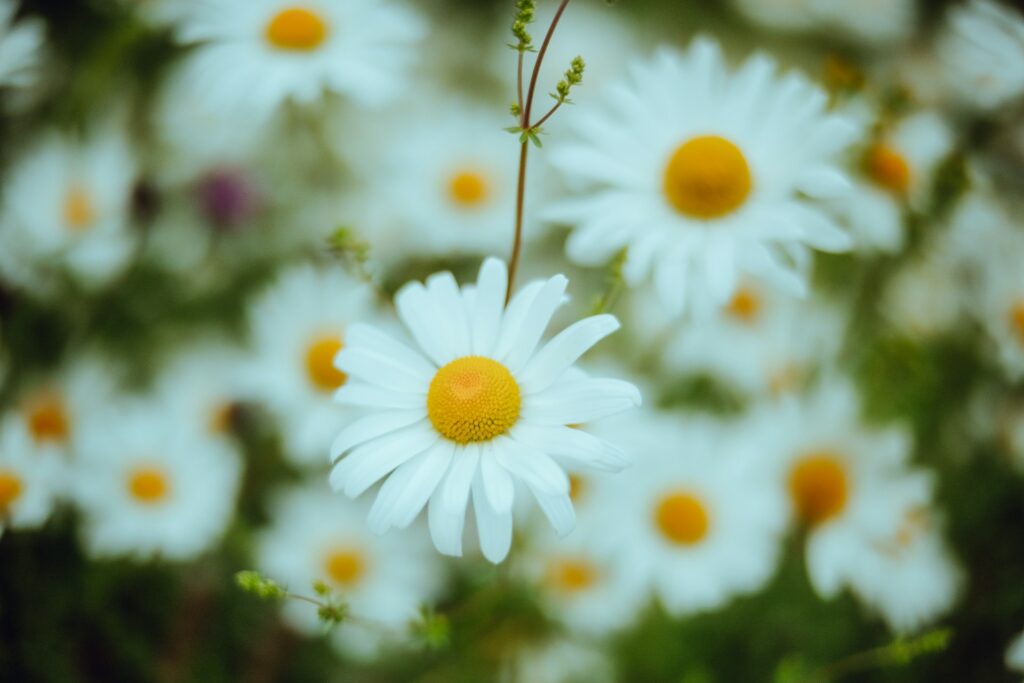
12. Oxeye daisy
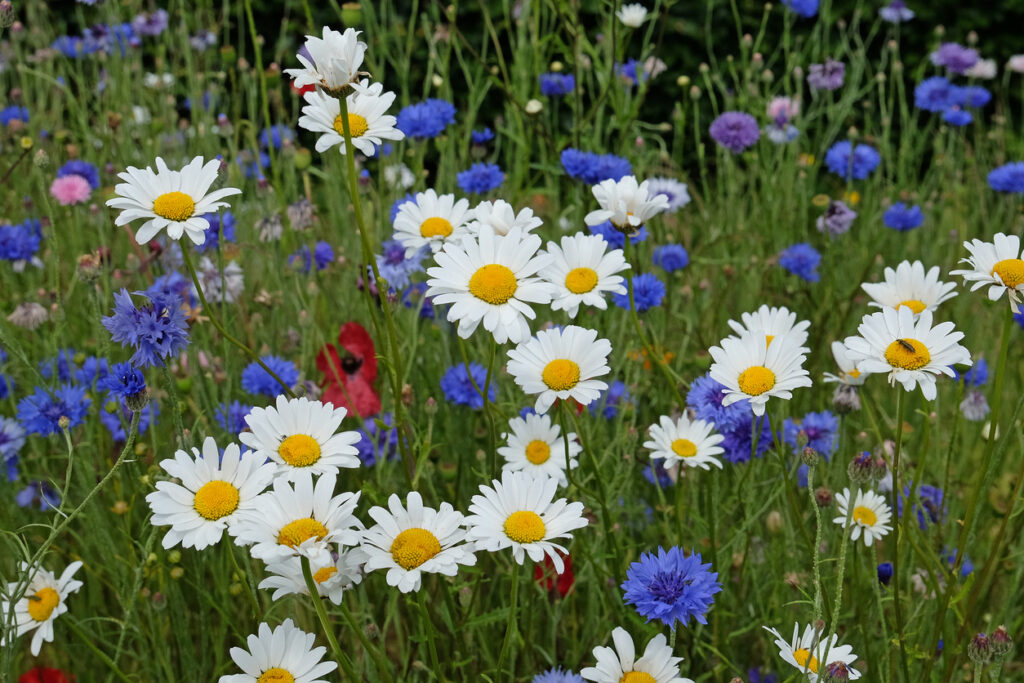
Although beautiful, oxeye daisies were sometimes removed from Victorian gardens for being too “common” and lacking the cultivated perfection favoured at the time. Fields of them were admired in the countryside, but they were rarely welcome in formal designs.
Today, they are celebrated for their role in supporting pollinators and their resilience in wildflower meadows. Their cheerful, open blooms bring a touch of natural charm that modern gardeners often seek to restore.