The universe isn’t just big—it’s secretly pretty dangerous.
Beyond the familiar fears like asteroids or supernovae, there are odd and almost absurd ways the cosmos could wreck our day if we ever notice. While they’re nothing to be afraid of as the chances of us ever being impacted by them are pretty slim, here are some rare but real threats you probably have not thought much about.
1. Gamma ray bursts from nearby star deaths
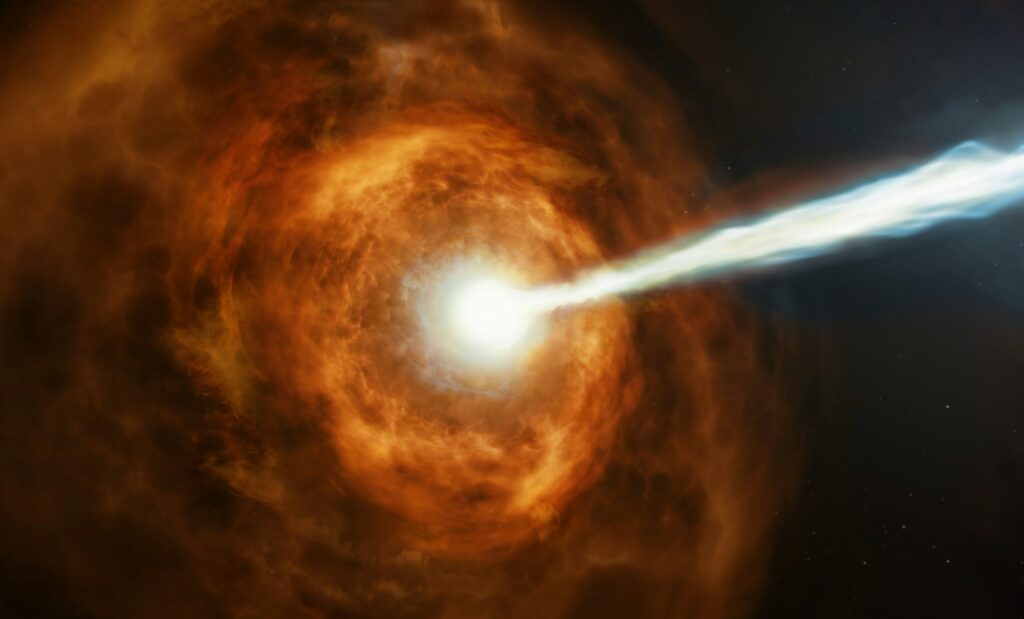
When certain massive stars collapse or smash into each other, they release a concentrated blast of gamma radiation that makes anything we can generate on Earth look like a flickering candle. A burst aimed directly at us could shred our ozone layer, cook the surface, and trigger mass extinctions in a matter of seconds.
Scientists believe some past die-offs in Earth’s history may have been linked to exactly this kind of event. The good news is that they’re rare and usually point in random directions far away from us. The bad news? If one ever does point our way, there’s absolutely nothing we can do.
2. Neutron star mergers and killer cosmic rays
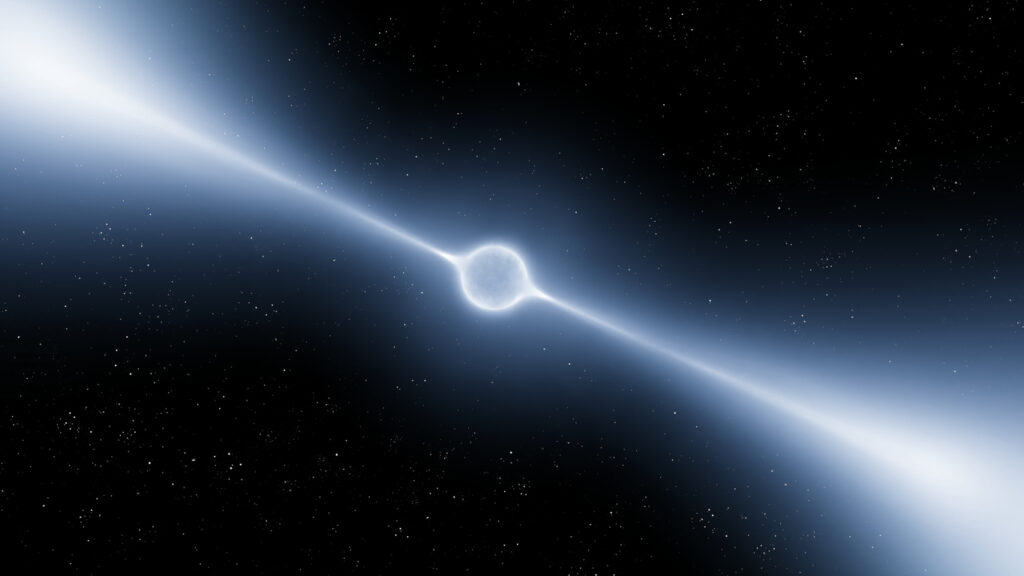
A neutron star is already one of the strangest things in the universe—just a teaspoon of the stuff weighs as much as a mountain. When two of them collide, the explosion releases lethal gamma rays, followed by a delayed wave of high-energy particles that can travel thousands of light years.
If Earth happened to be within that beam, it could obliterate the atmosphere and sterilise the surface. The timescale adds to the horror: even if we dodged the initial blast, the aftershock of cosmic rays could slam us thousands of years later, long after anyone had forgotten the first explosion.
3. Rogue asteroids hiding in plain sight
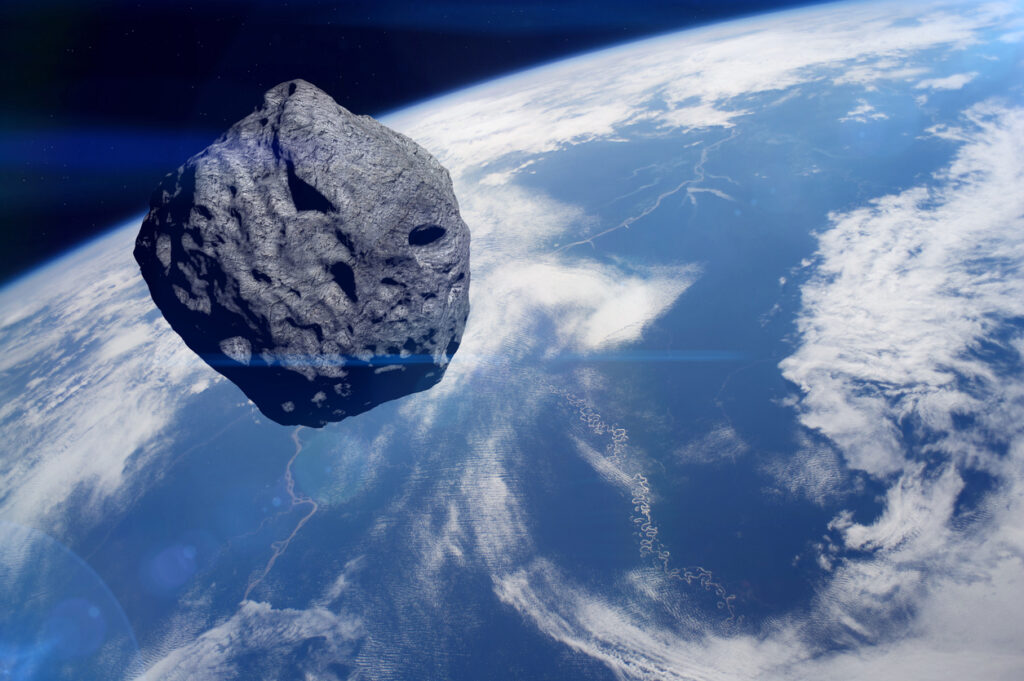
NASA and other agencies track most of the big space rocks that could wipe out cities or worse, but some still manage to slip under the radar. A group of them co-orbit with Venus, hidden in the glare of the Sun, meaning we can’t spot them until they swing into view.
If one of those monsters was nudged toward Earth, we might only get a couple of weeks’ notice before impact. Picture a skyscraper-sized asteroid suddenly appearing in the sky with barely enough time to panic. It’s not likely, but the thought is enough to make you glance nervously at the horizon.
4. Mercury going rogue in our solar system
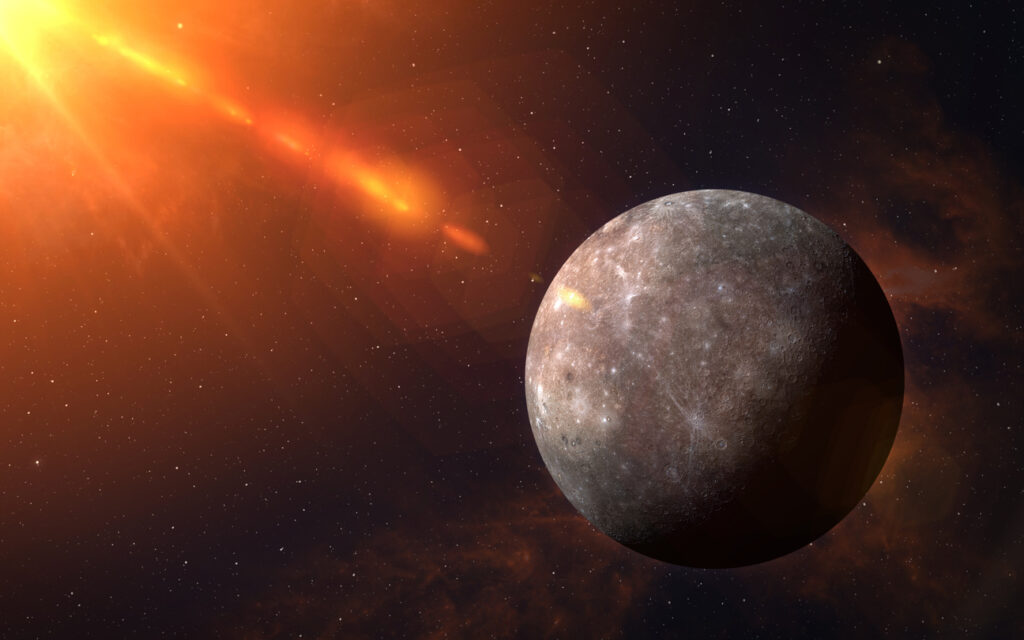
The planets feel stable, but simulations suggest that tiny gravitational wobbles, particularly involving Mercury, could one day destabilise the entire solar system. In the worst-case scenario, Earth could be knocked out of its orbit, either into a fiery collision with Venus or Mars or flung into the cold void of interstellar space.
The timescale is comfortably in the billions of years, so we won’t see it happen. Still, it’s unnerving to know that even the planets themselves aren’t permanently locked into place.
5. A rogue planet crashing into us
Not every planet has a star. Some are free-floating, drifting through the galaxy like cosmic billiard balls. Astronomers think there could be trillions of them out there. If one happened to wander into our patch of space, the collision would be catastrophic and instantaneous, Earth reduced to rubble in a blink. The odds are slim to none on human timescales, but the possibility that entire planets are out there wandering like predators in the dark is sobering.
6. Surprise supernova in a nearby star
When a massive star dies, it can explode with enough force to outshine an entire galaxy. If one of our stellar neighbours went supernova, the radiation could strip away Earth’s ozone layer and blast us with harmful X-rays and ultraviolet light. Scientists believe this may have happened before in Earth’s history, linked to sudden shifts in climate and mass extinctions.
The good news is the stars close enough to hurt us aren’t due to explode anytime soon. The bad news is that cosmic timelines don’t care about what’s “soon” for humans.
7. Black holes passing nearby
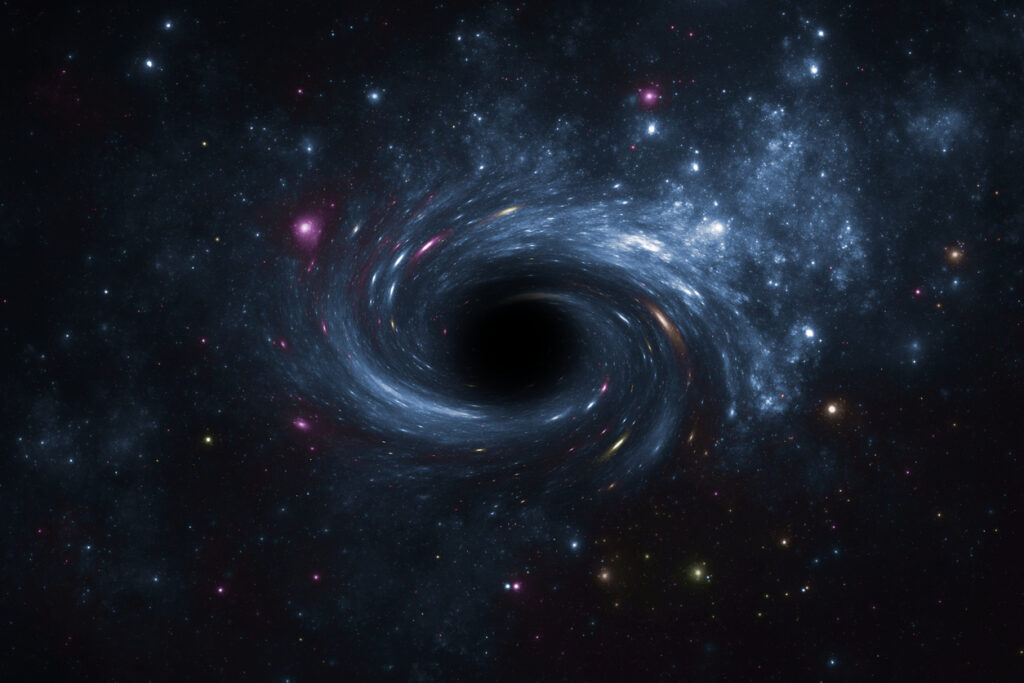
Black holes are terrifying partly because they’re invisible. A dormant one drifting close enough could quietly distort the solar system, pulling planets off course or even swallowing whatever drifts too close. They don’t give much warning—unless they’re actively feeding, they’re practically undetectable until it’s too late.
In theory, one could be out there right now, moving silently toward us. On the upside, the galaxy is vast, and space between stars is mostly empty. On the downside… well, black holes don’t ask permission before rearranging everything in their path.
8. Zombie planets bathed in deadly radiation
Astronomers have found so-called “zombie worlds,” planets orbiting pulsars. These dead stars spin rapidly, firing beams of radiation across space like a lighthouse from hell. Any planet unlucky enough to orbit them gets bombarded constantly with lethal radiation.
If Earth were somehow transported into such an environment, life would be gone in minutes. It’s a reminder that while we fret about Earth’s climate, the universe is littered with places so hostile they make our problems look like paradise in comparison.
9. Catastrophic solar storms
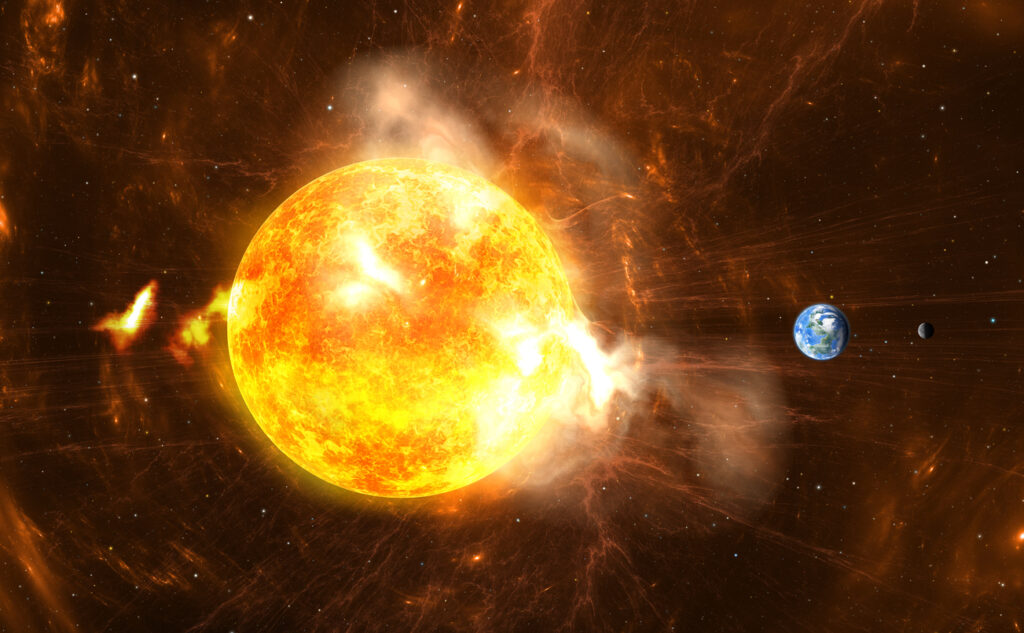
Our own star is far from harmless. Every so often, it belches out massive eruptions of plasma called coronal mass ejections. If one hit Earth square on, it wouldn’t melt us, but it could fry satellites, wreck power grids, and plunge the planet into a prolonged blackout.
The last major storm of this kind hit in 1859, known as the Carrington Event, and it set telegraph systems on fire. If the same thing happened today, with our dependence on electronics, it could paralyse modern life within hours. Unlike gamma ray bursts or rogue planets, this is a cosmic threat that could genuinely happen in our lifetimes.
10. Strange cosmic rays from distant explosions
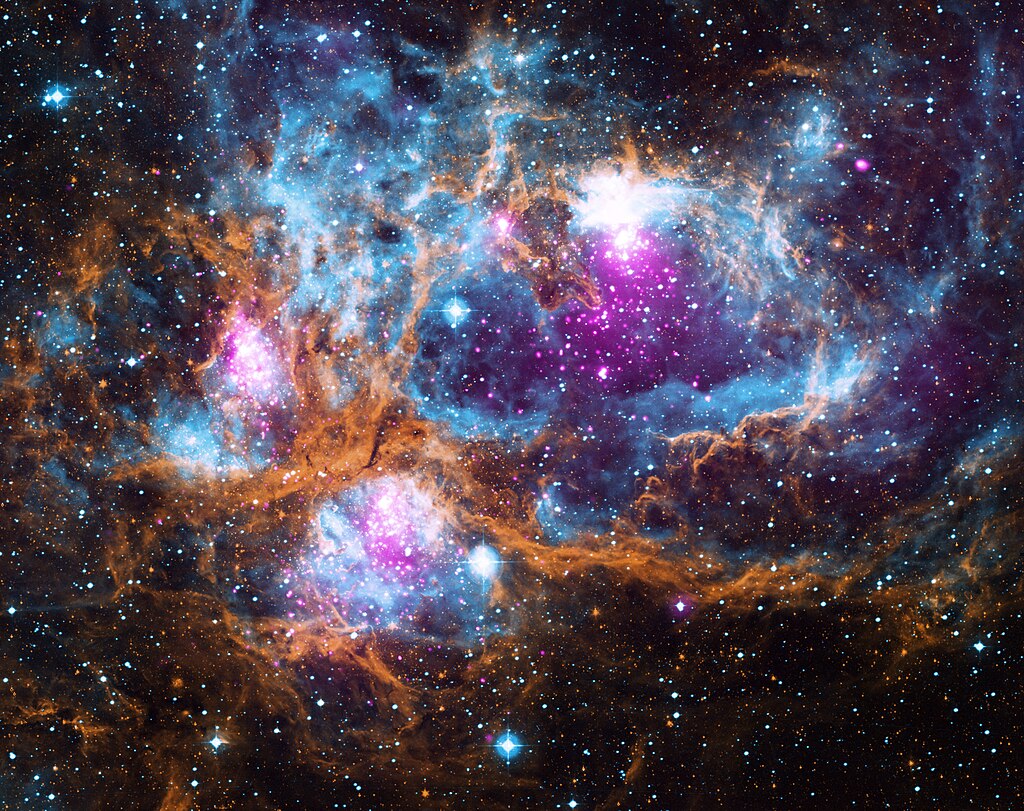
Even when distant explosions aren’t strong enough to fry us instantly, they can still send cosmic rays trickling our way. These high-energy particles quietly damage DNA, disrupt ecosystems, and eat away at the ozone layer over thousands of years. It’s not a dramatic doomsday scenario, but more like a slow poisoning on a planetary scale. Scientists even speculate that some past mass extinctions were helped along by these invisible visitors from across the galaxy.