You don’t always need expensive telescopes or advanced astronomy gear to enjoy the night sky.
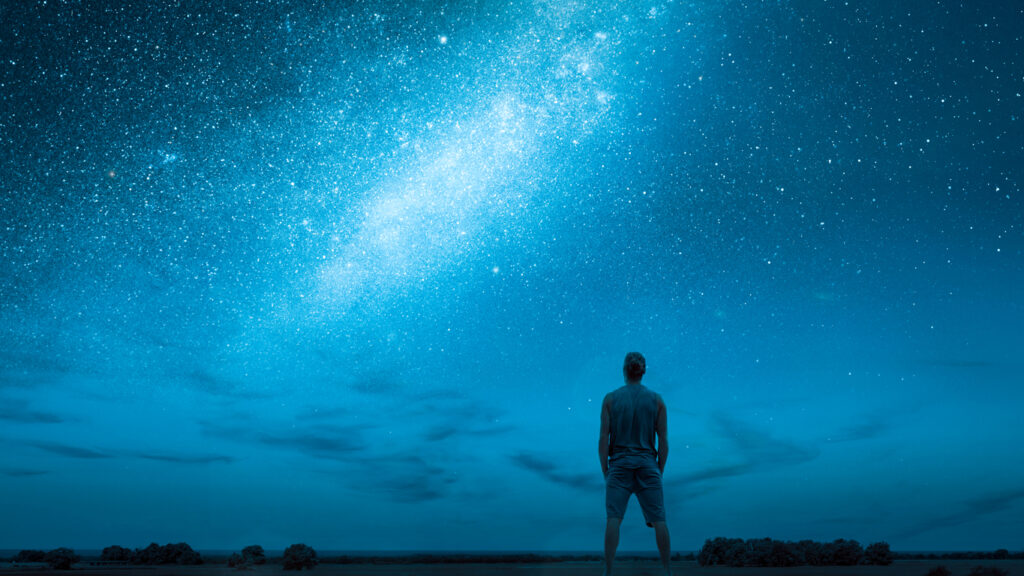
In fact, some of the most striking cosmic sights are completely visible to the naked eye. That is, as long as you know when and where to look, and you’re prepared to be vigilant and patient. Here are the ones worth catching if you possibly can. The experience will stay with you forever.
1. Meteor showers
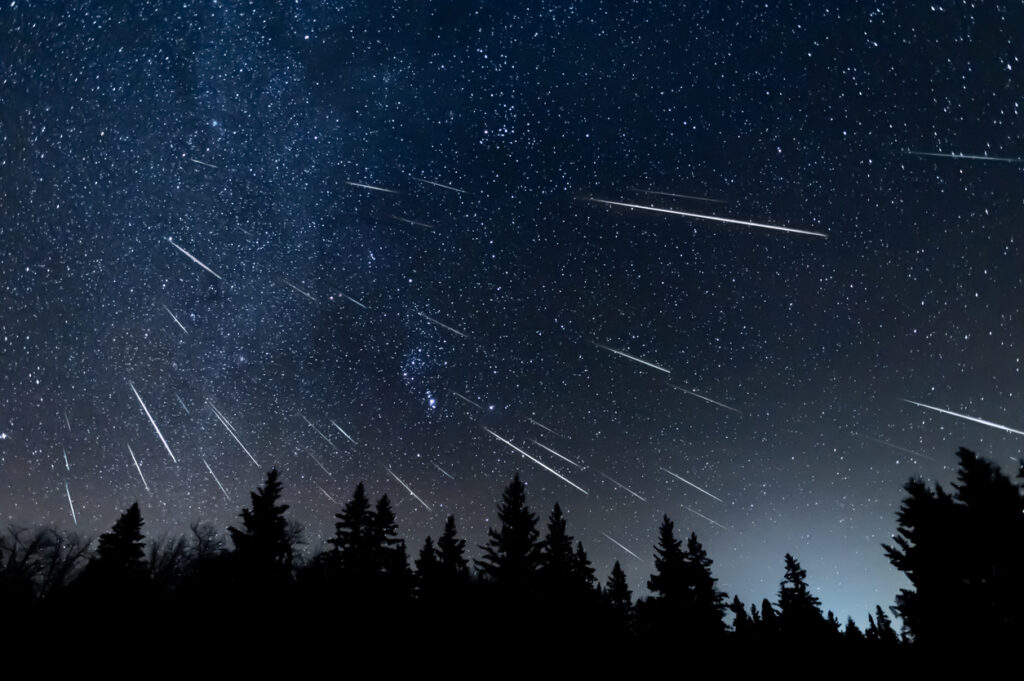
Meteor showers are bursts of light caused by small pieces of space rock hitting our atmosphere and burning up at high speed. Well-known showers like the Perseids in August or the Geminids in December can produce dozens of meteors an hour under the right conditions, with some bright enough to leave glowing trails.
The key is to find a dark, open spot away from streetlights, check the peak date in advance, and give your eyes time to adjust. No binoculars are needed. Just look up and scan a wide area of the sky for the best chance of spotting them.
2. The Milky Way
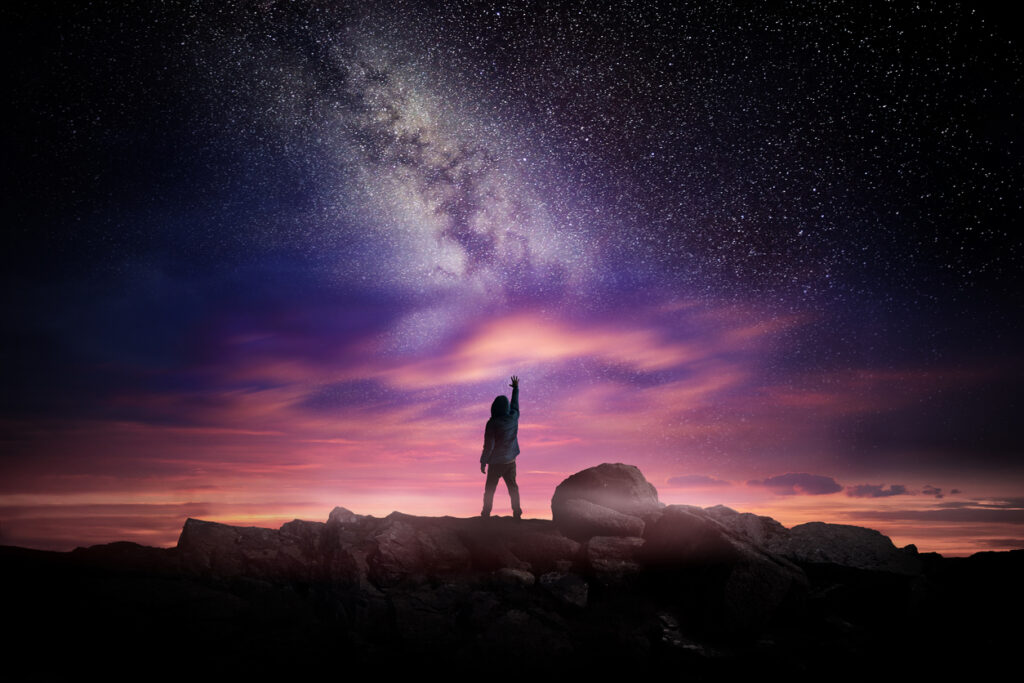
Our galaxy forms a glowing band across the night sky, made up of billions of stars. In areas free from light pollution, you can see it arching overhead on clear nights, with the densest section most visible in summer from the UK. The view is best during a new moon when the sky is darkest. Apps and star maps can help you pinpoint its position, but simply heading somewhere rural and letting your eyes adjust will reveal its shimmering details.
3. Lunar eclipses
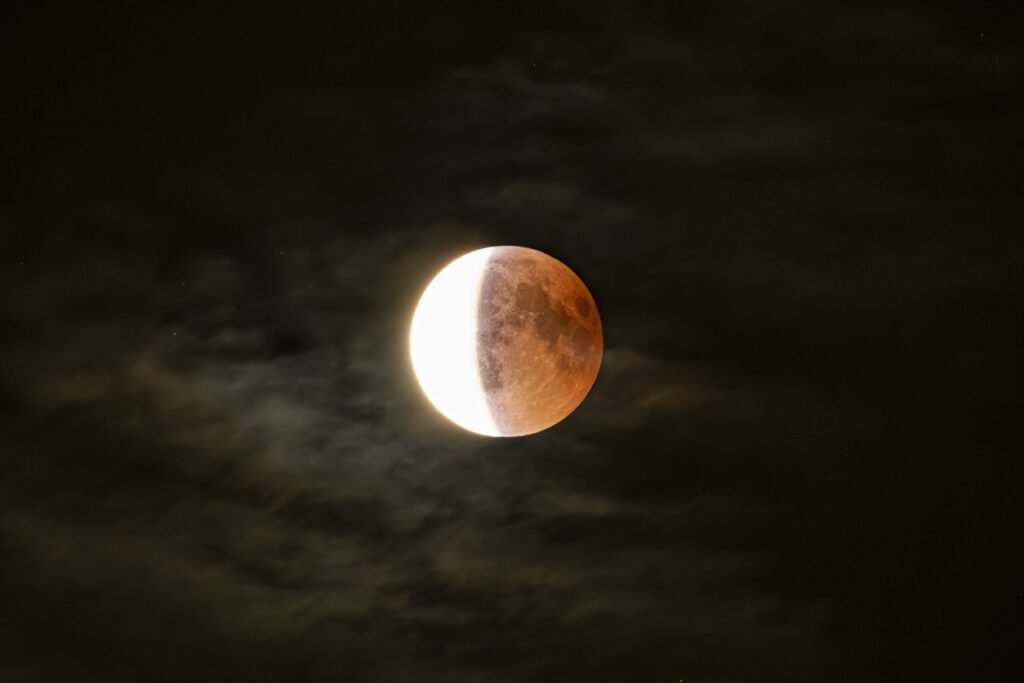
During a lunar eclipse, Earth’s shadow moves across the Moon, sometimes giving it a coppery red colour in what’s called a “blood moon.” The spectacle is visible without any equipment and can last for hours from start to finish. You just need a clear view of the Moon and good weather. Partial eclipses are common, but total eclipses, where the Moon is fully in shadow, are the ones to make time for.
4. Solar eclipses (partial)
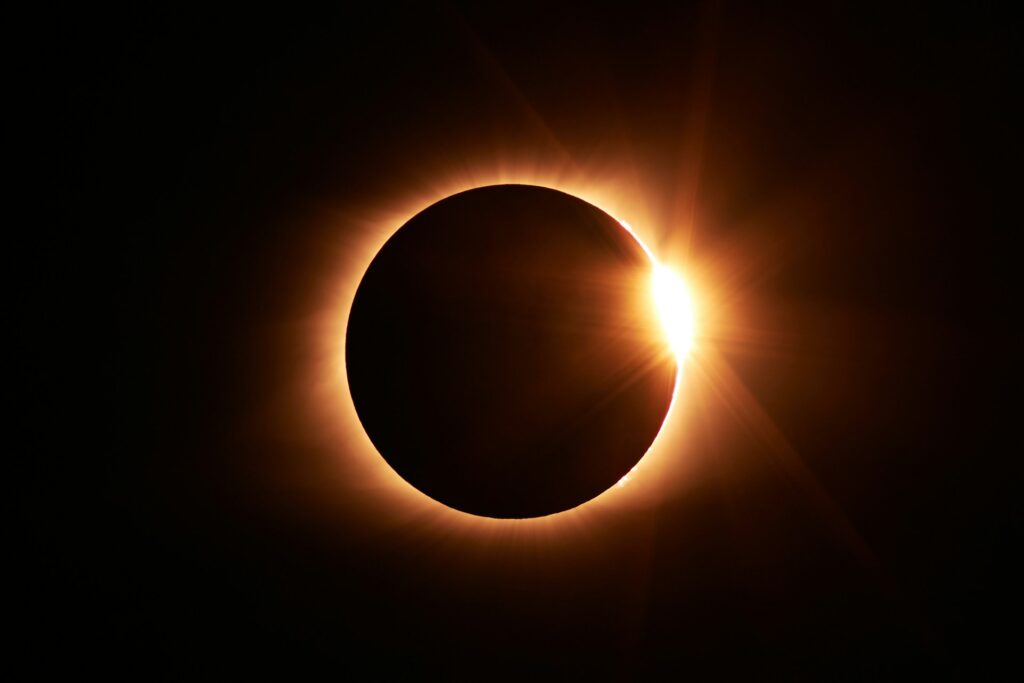
While total solar eclipses are rare for any single location, partial eclipses when the Moon takes a visible “bite” out of the Sun are more common and still impressive. You must never look directly at the Sun without protection, even during an eclipse. Special eclipse glasses or projection methods make viewing safe. Knowing the exact timing helps, as the best moments often only last a few minutes.
5. The International Space Station
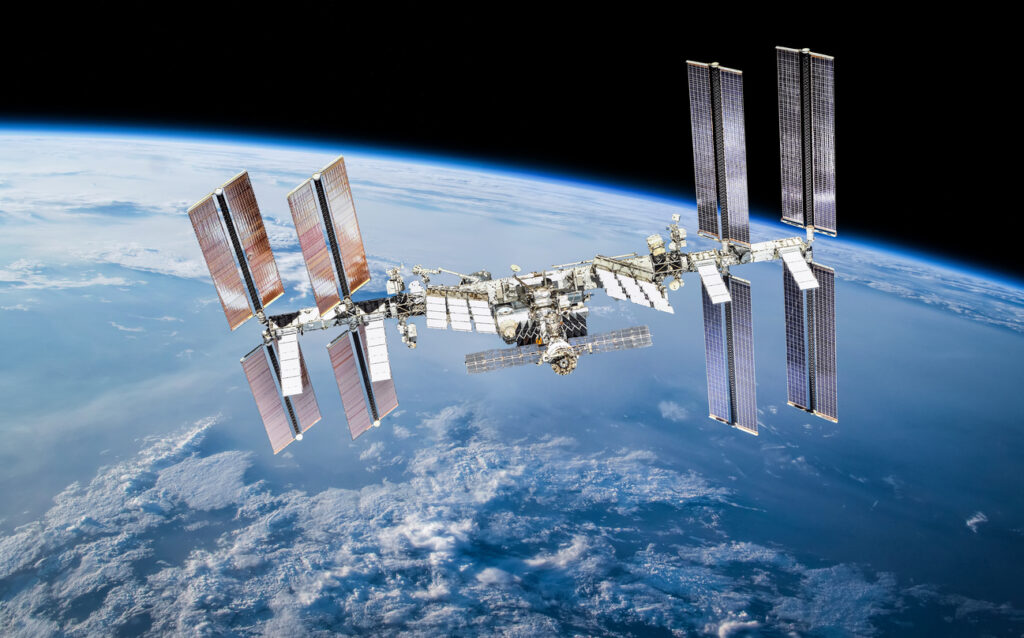
The ISS appears as a bright, fast-moving point of light, crossing the sky in a few minutes. It’s visible because it reflects sunlight, even when your location is in darkness. Depending on the pass, it can be brighter than most stars. You can check websites or apps for local pass times. Once you know where to look, it’s easy to spot, and watching it glide silently overhead is always a bit surreal.
6. Bright planets
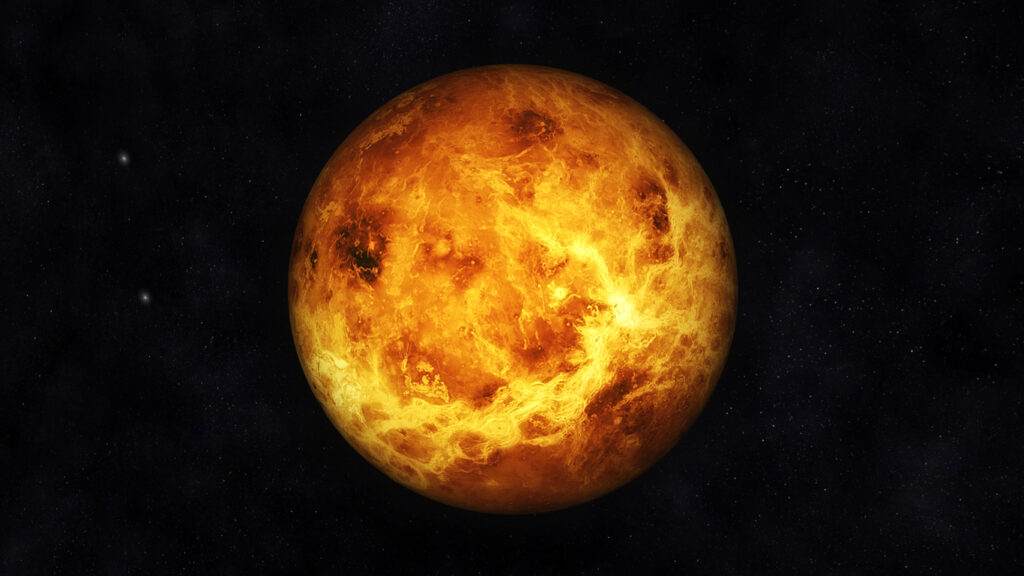
Venus, Mars, Jupiter, and Saturn can all be seen without a telescope at certain times of year. Venus is often the brightest object after the Moon, while Jupiter’s steady light makes it easy to recognise. Mars has a warm reddish glow, and Saturn appears slightly golden. They’re most noticeable when they rise high in the sky, away from the horizon’s haze. Even without magnification, knowing which planet you’re looking at adds to the experience.
7. Planetary conjunctions
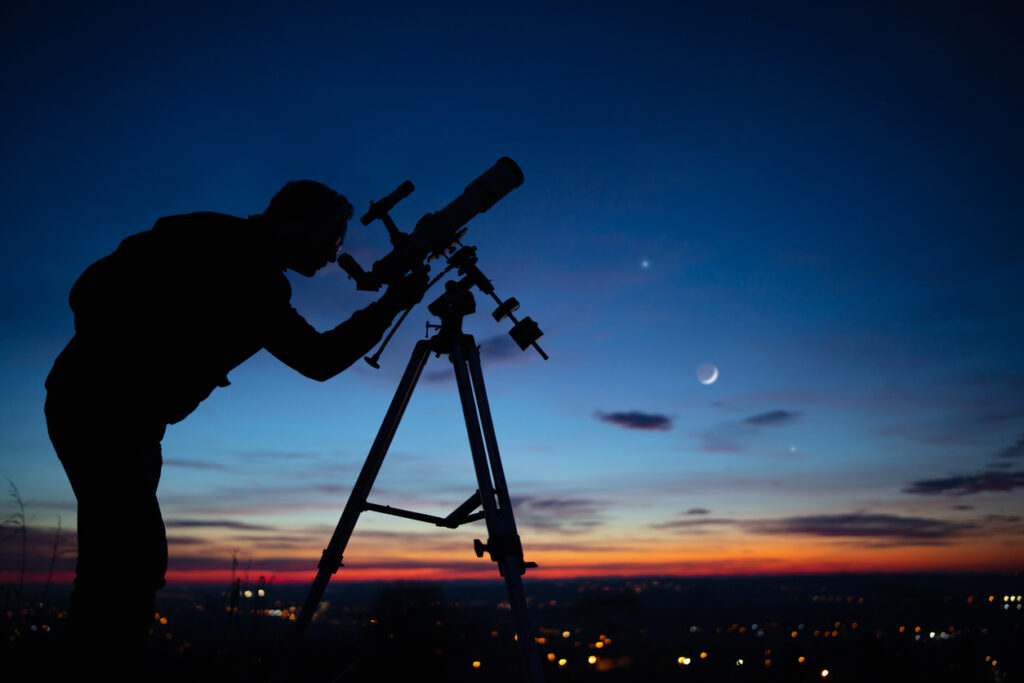
Sometimes planets line up in the sky, appearing unusually close together from our perspective. These alignments, called conjunctions, can make for striking views, especially when paired with the Moon or bright stars. They can be seen in both the evening and morning skies, depending on the event. While they’re purely visual coincidences, they make for excellent photo opportunities and memorable stargazing sessions.
8. Auroras
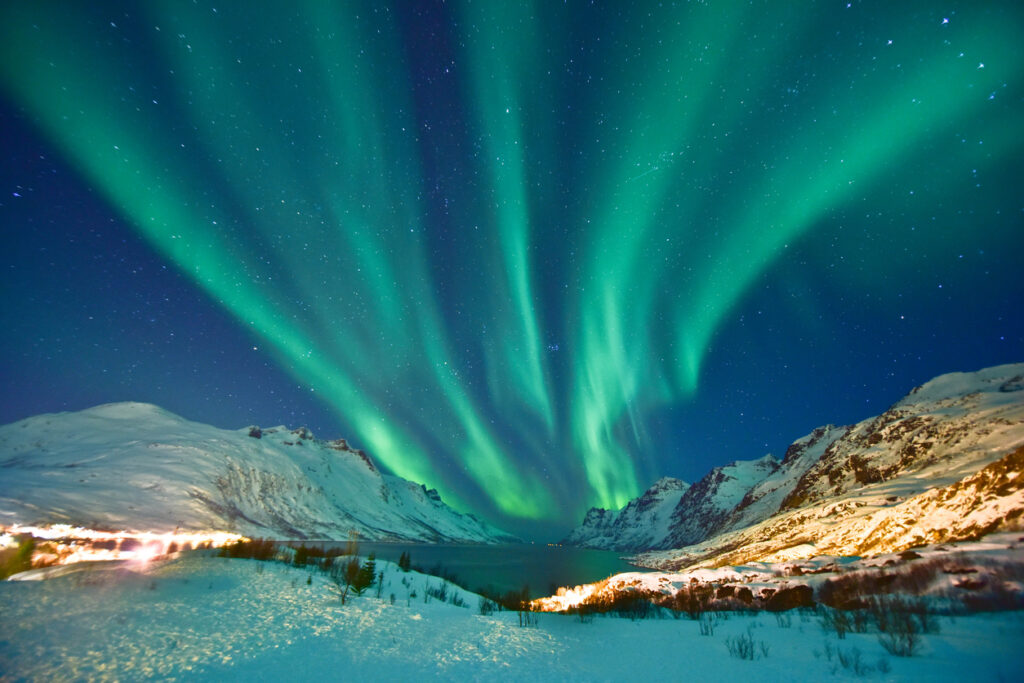
The northern lights, or aurora borealis, occur when solar particles collide with gases in Earth’s atmosphere, creating moving curtains of green, pink, and purple light. They’re most common in polar regions but can reach much further south during strong solar storms. In the UK, a good display requires a clear view to the north, dark skies, and a bit of luck with timing. Space weather alerts and apps can help you know when conditions are promising.
9. Iridium flares and other satellite glints
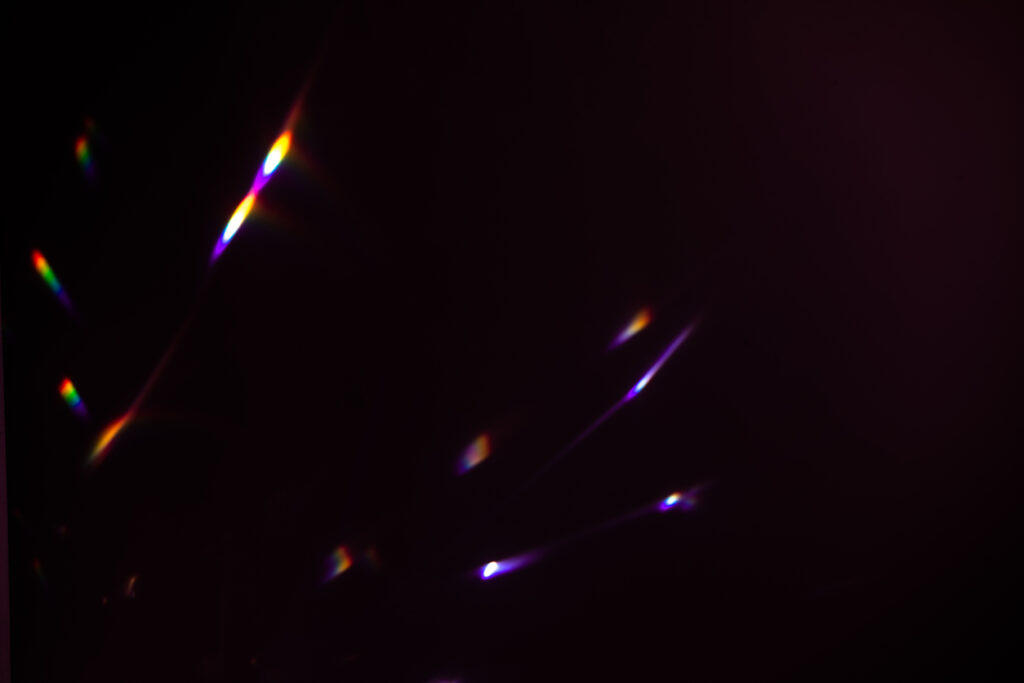
Iridium satellites once produced predictable, brief flashes as sunlight reflected off their panels. While those specific flares are now rare, other satellites still occasionally glint brightly before fading again within seconds. Spotting one is part luck, part timing. Tracking tools can predict some passes, but often it’s about being outdoors under a dark sky and catching the moment by chance.
10. Zodiacal light
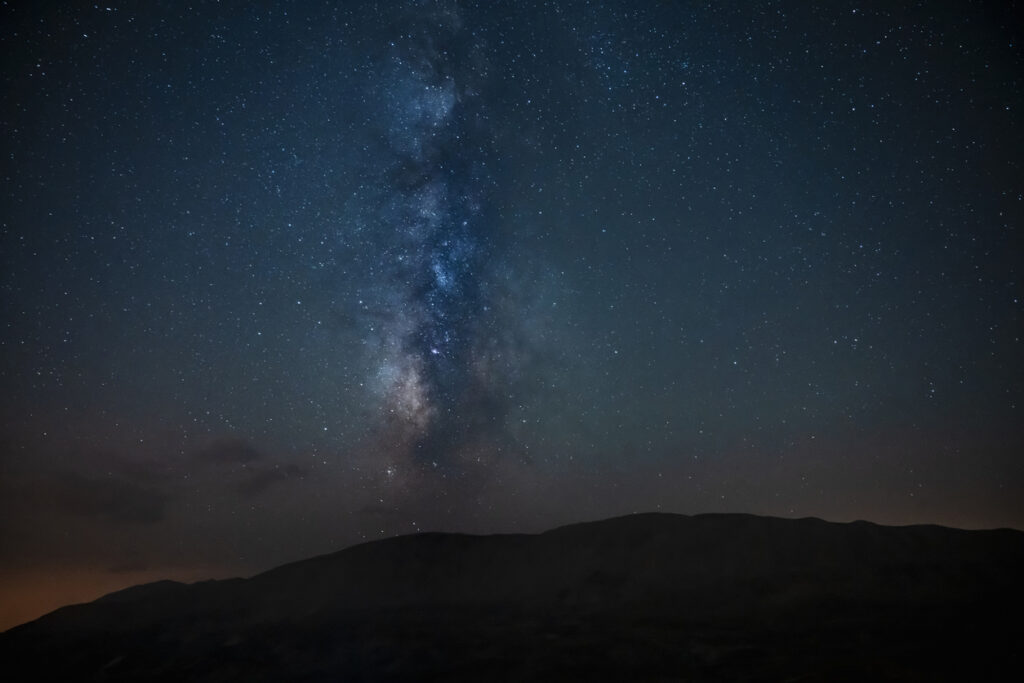
Zodiacal light is a faint, triangular glow visible before dawn or after dusk, caused by sunlight scattering off dust in our solar system. It’s best seen in spring before sunrise and in autumn after sunset in the UK. It’s subtle and easily drowned out by light pollution, so rural locations with no moonlight are essential. Once seen, it’s unmistakable: a gentle cone of light pointing along the ecliptic.
11. Starlink satellite trains
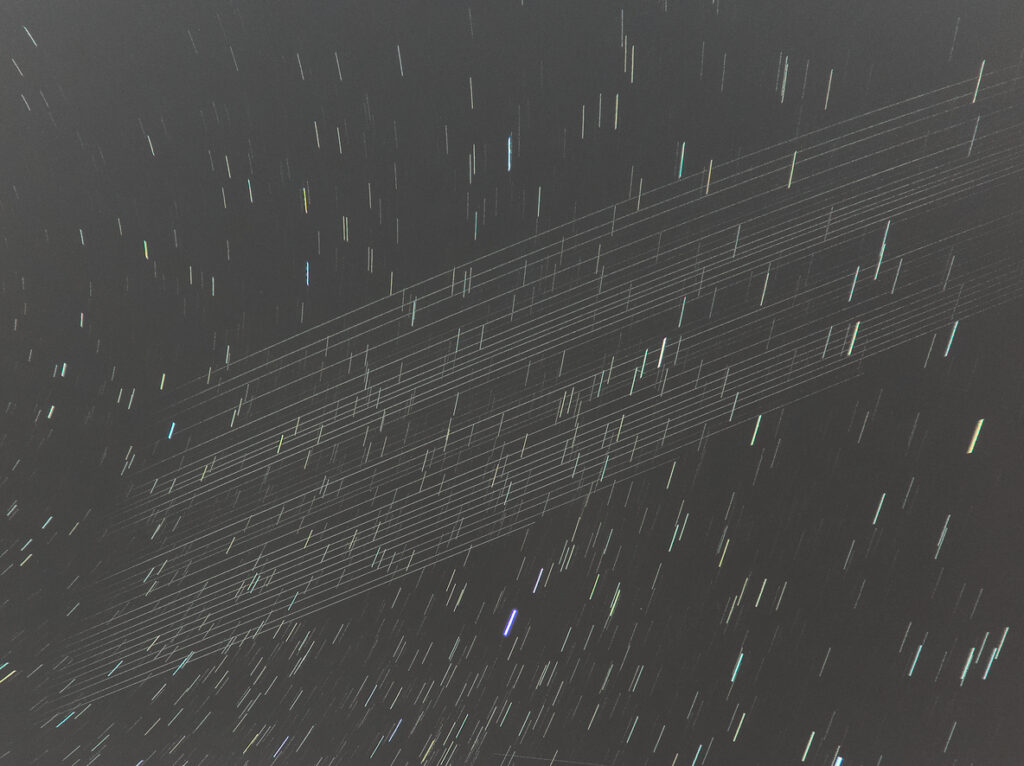
When SpaceX launches new batches of Starlink satellites, they can be seen as a line of bright dots moving steadily across the sky before dispersing into separate orbits. The effect can be startling if you don’t know what you’re seeing. These trains are visible for a few days after launch, and websites list exact pass times. While some astronomers dislike the extra light pollution, they’re undeniably a unique sight for casual observers.
12. Occultations
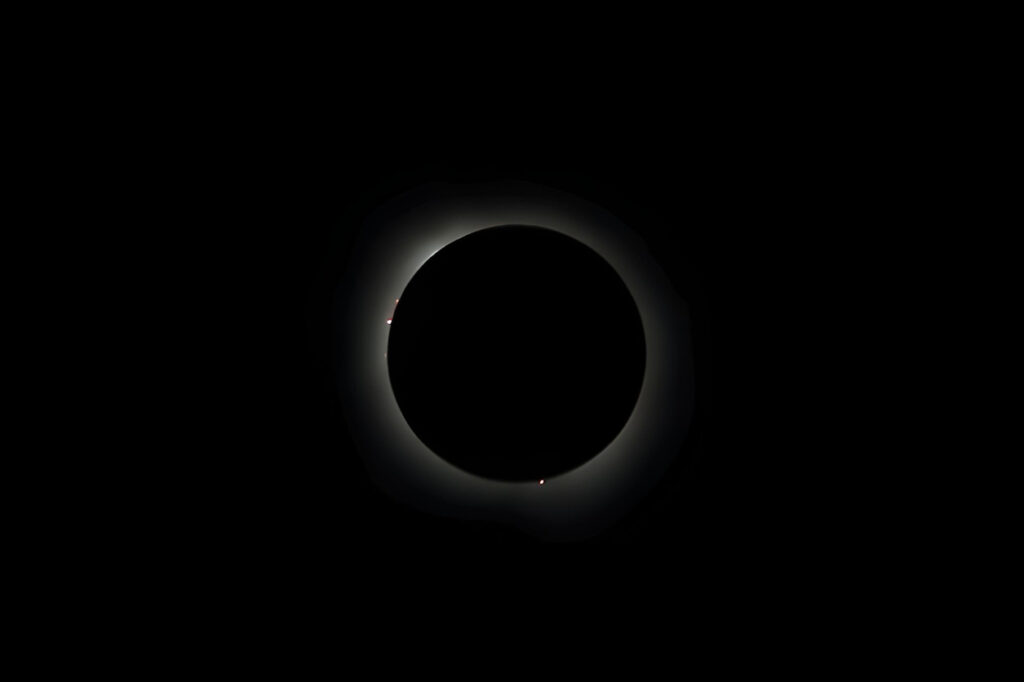
An occultation occurs when one celestial body passes in front of another, briefly blocking it from view. The most dramatic examples involve the Moon covering a bright star or planet, causing it to vanish and reappear suddenly. These events are entirely visible to the naked eye if you know when and where to look. The disappearance and reappearance can happen in seconds, making it worth being ready at the exact predicted time.