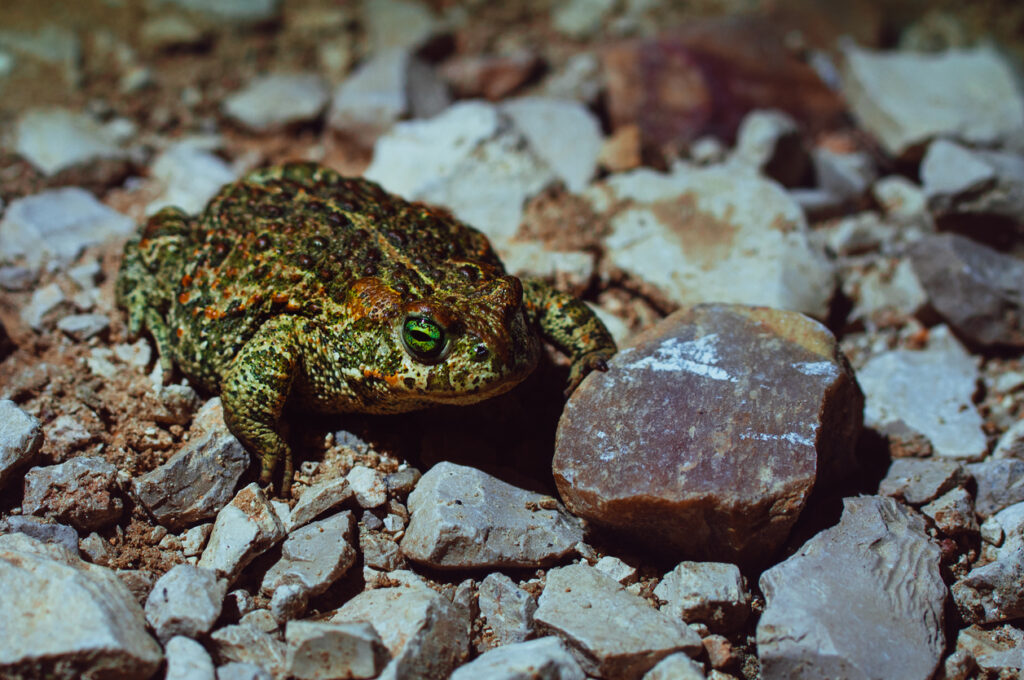
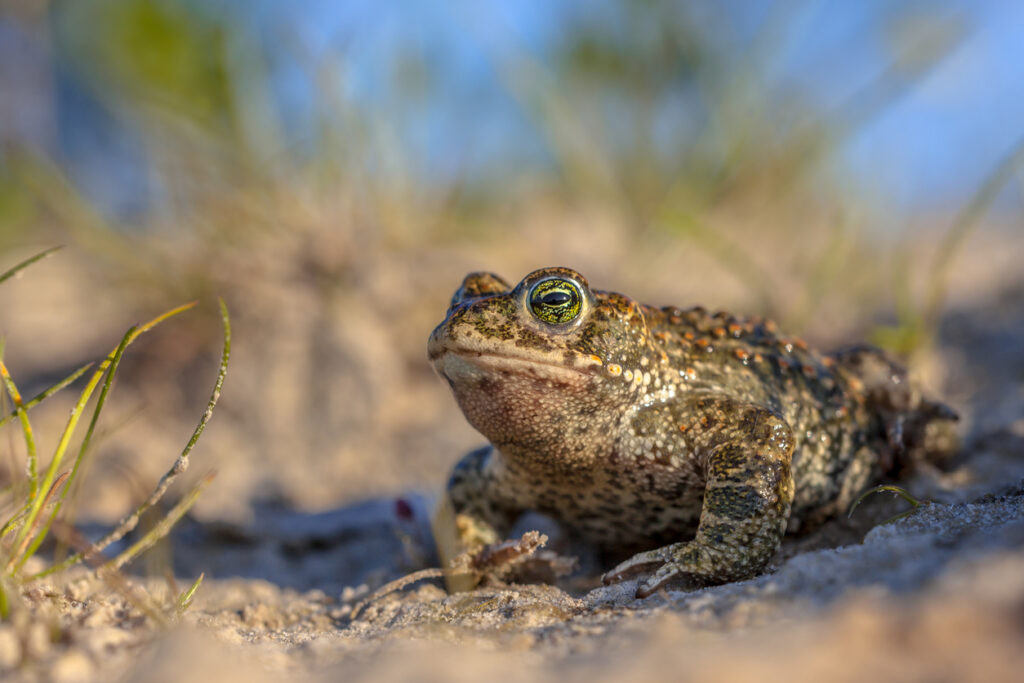
The natterjack toad is probably Britain’s most unusual amphibian, and most people have never heard of it, despite it being absolutely fascinating.
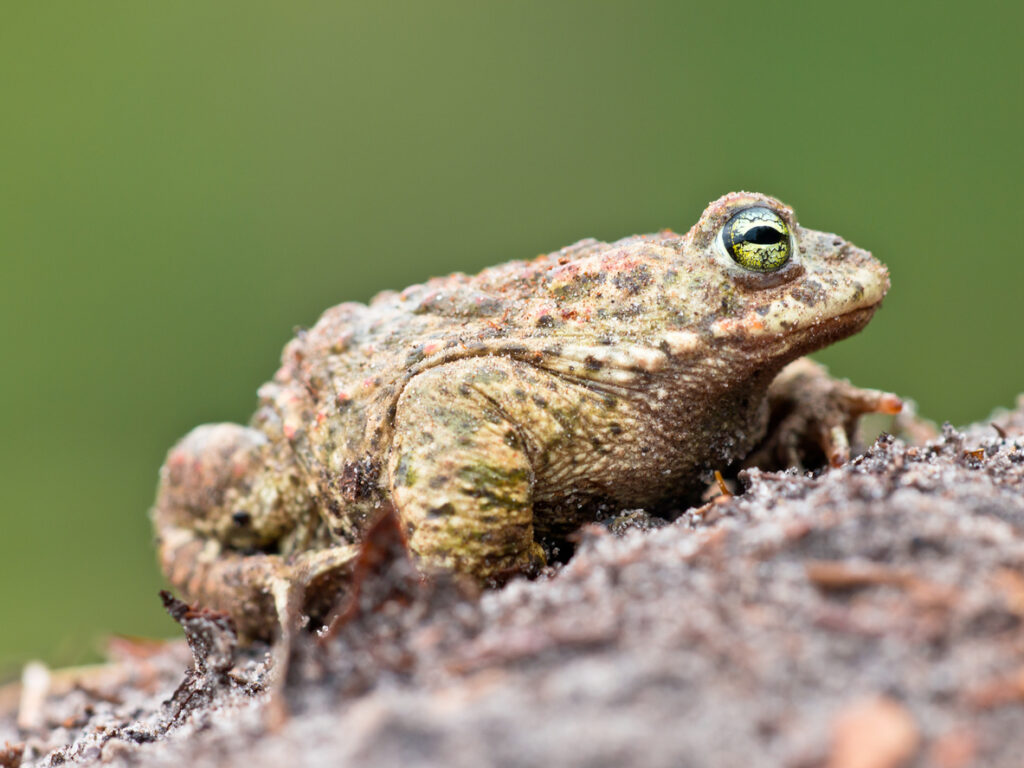
With its distinctive yellow stripe and ridiculously loud voice, this little toad is nothing like the common toads you might find in your garden pond. They’re incredibly rare, found in only a handful of locations across Britain, and have some seriously weird habits that make them stand out from every other amphibian in the country.
1. They’re louder than a motorbike.
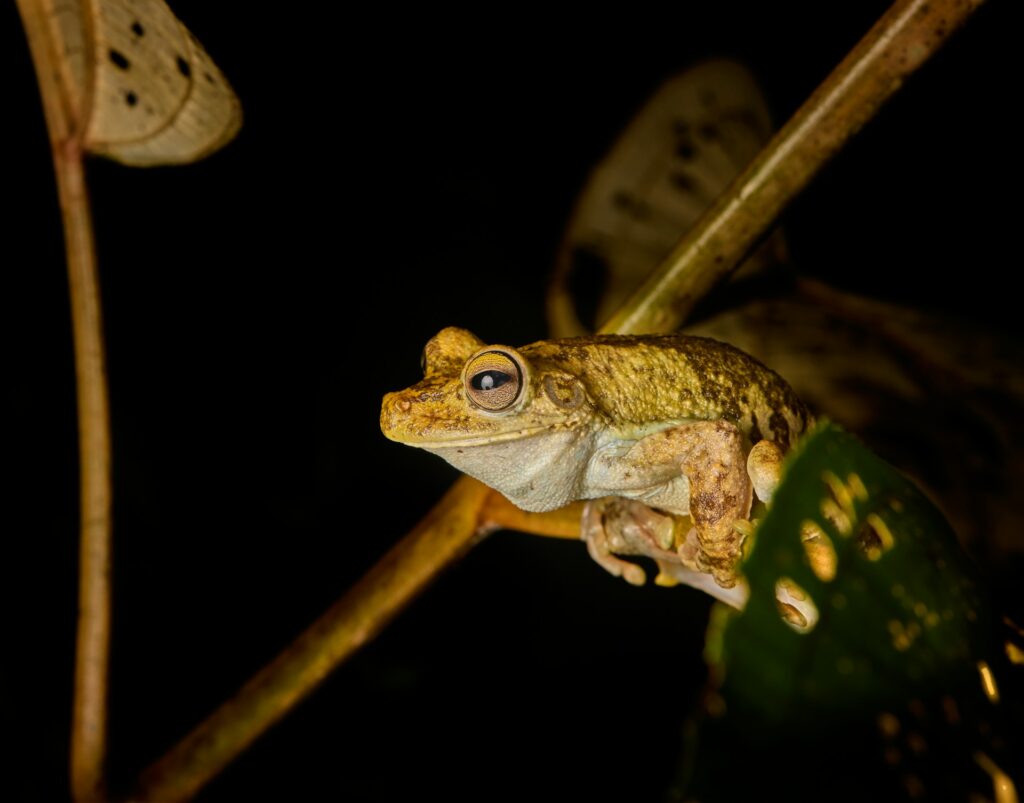
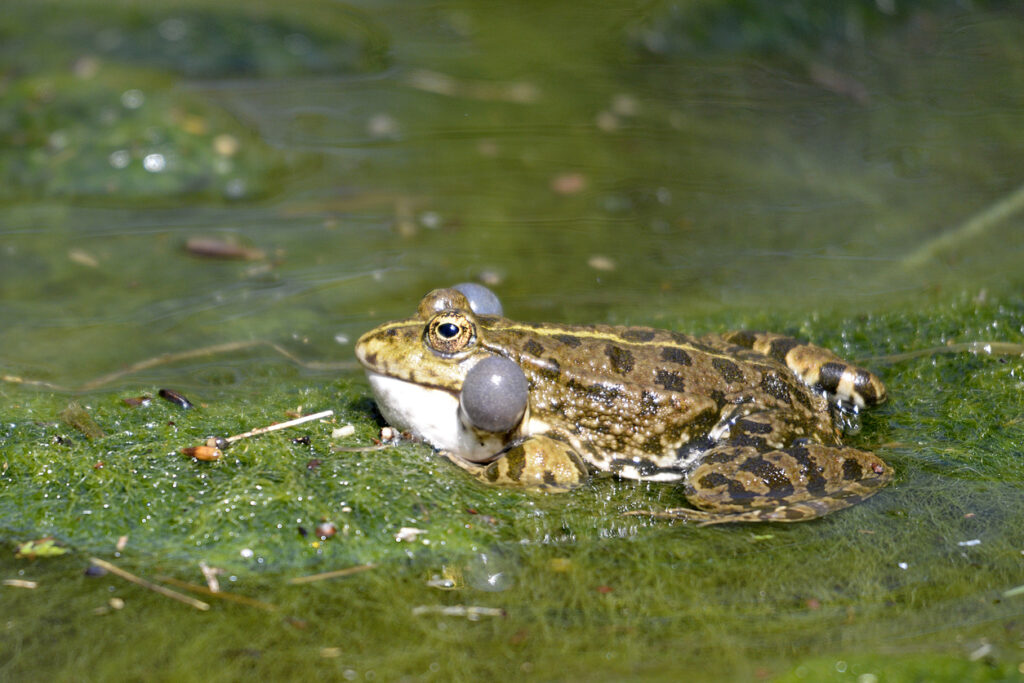
Male natterjacks can produce calls that reach 120 decibels—that’s louder than a chainsaw and almost as loud as a jet engine. You can hear their distinctive rattling call from over a mile away on calm nights, which is pretty impressive for something the size of a tennis ball.
This incredible volume comes from their massive vocal sacs, which inflate like balloons when they call. The sound is so distinctive that once you’ve heard it, you’ll never mistake it for anything else. In fact, it’s been described as sounding like a motorbike revving or an old-fashioned football rattle.
2. They run instead of hopping.
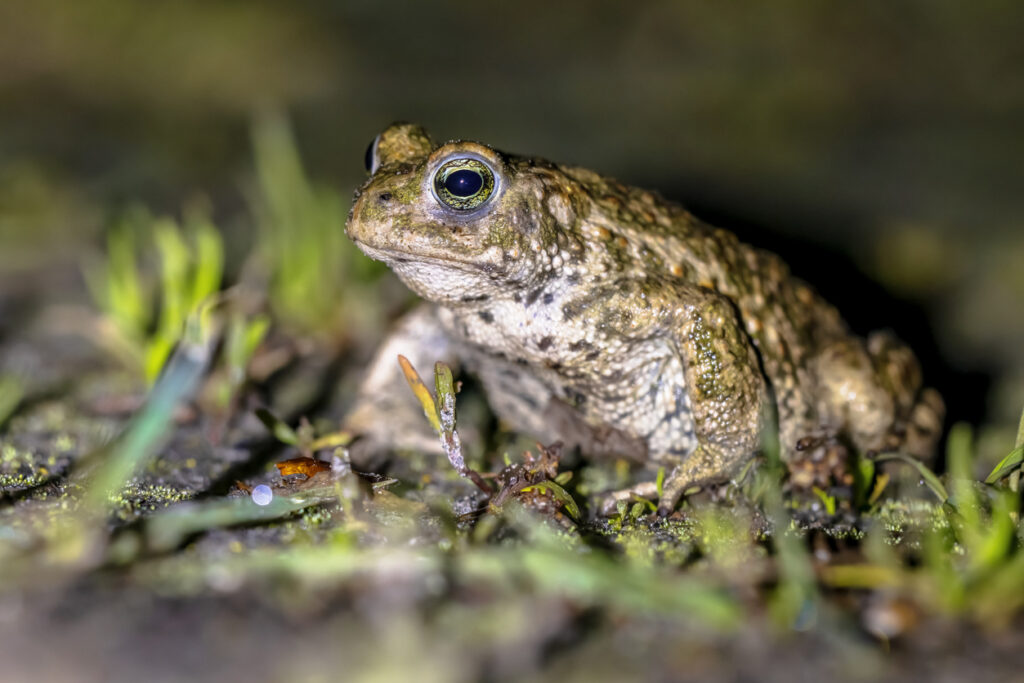
Unlike other British amphibians, natterjacks can’t jump properly due to their short back legs. Instead, they scurry across the ground like tiny mice, which looks absolutely bizarre when you’re expecting toad-like hopping behaviour.
This running gait actually serves them well in their sandy habitats. They can move surprisingly quickly across loose sand and rough ground where hopping would be inefficient. It’s one of the clearest ways to identify them in the wild, even from a distance.
3. They’re only found in about 40 locations.
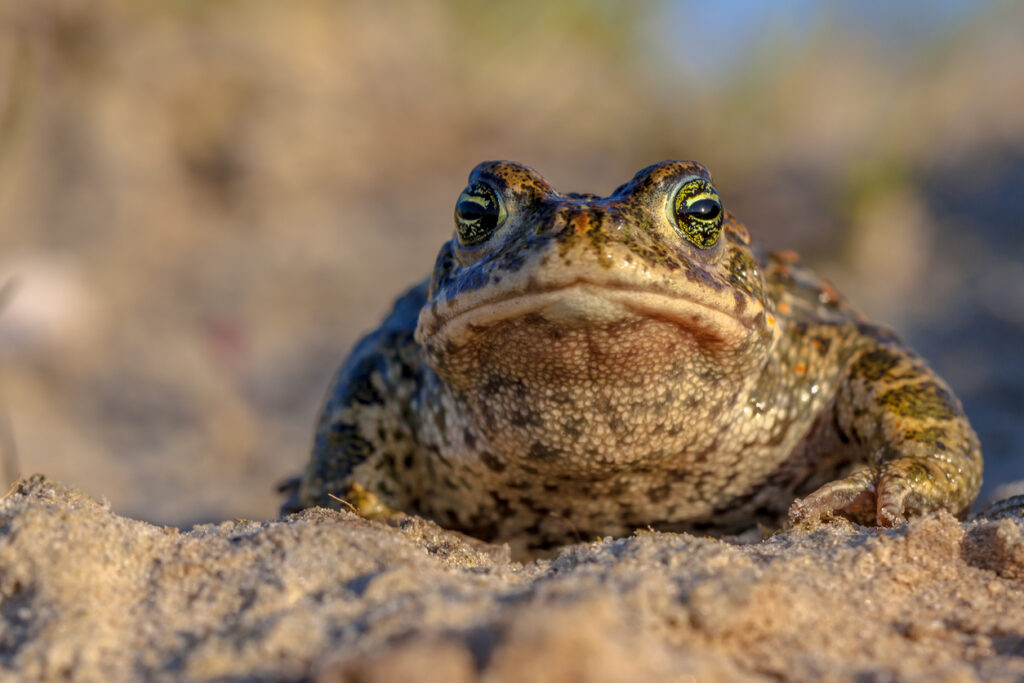
Natterjacks are Britain’s rarest amphibian, restricted to specific coastal areas and a few inland heathland sites. Most of the population lives around the Sefton coast in Merseyside, with smaller populations in Cumbria, Dorset, Hampshire, and Surrey.
Their habitat requirements are incredibly specific: they need shallow, temporary pools that warm up quickly in spring, surrounded by open sandy or gravelly areas for foraging. Climate change and coastal development have destroyed most of their suitable habitat over the past century.
4. Their tadpoles are speed demons.
Natterjack tadpoles develop faster than any other British amphibian, transforming from egg to tiny toad in just 6–10 weeks. This lightning-fast development allows them to complete their lifecycle before their temporary breeding pools dry up in summer.
The tadpoles are also surprisingly tough, tolerating much higher water temperatures and salinity levels than common toad tadpoles. They can survive in pools that reach 30 °C and even handle slightly brackish water near the coast.
5. They hibernate in sand dunes.
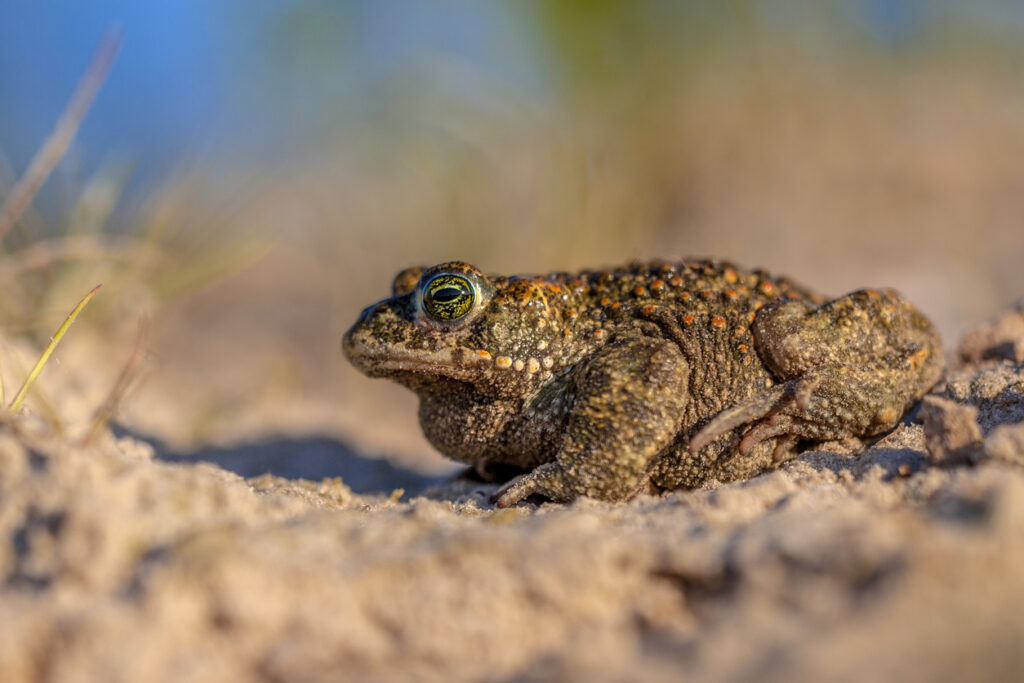
Rather than hibernating underwater like common toads, natterjacks dig burrows up to a meter deep in sand dunes and sandy soil. They use their powerful front legs to excavate these tunnels, which protect them from both predators and harsh weather.
These burrows can be quite elaborate, with multiple chambers and escape routes. The loose, well-drained sand provides perfect conditions for hibernation, staying frost-free while allowing the toads to remain relatively dry throughout winter.
6. Males fight viciously over territory.
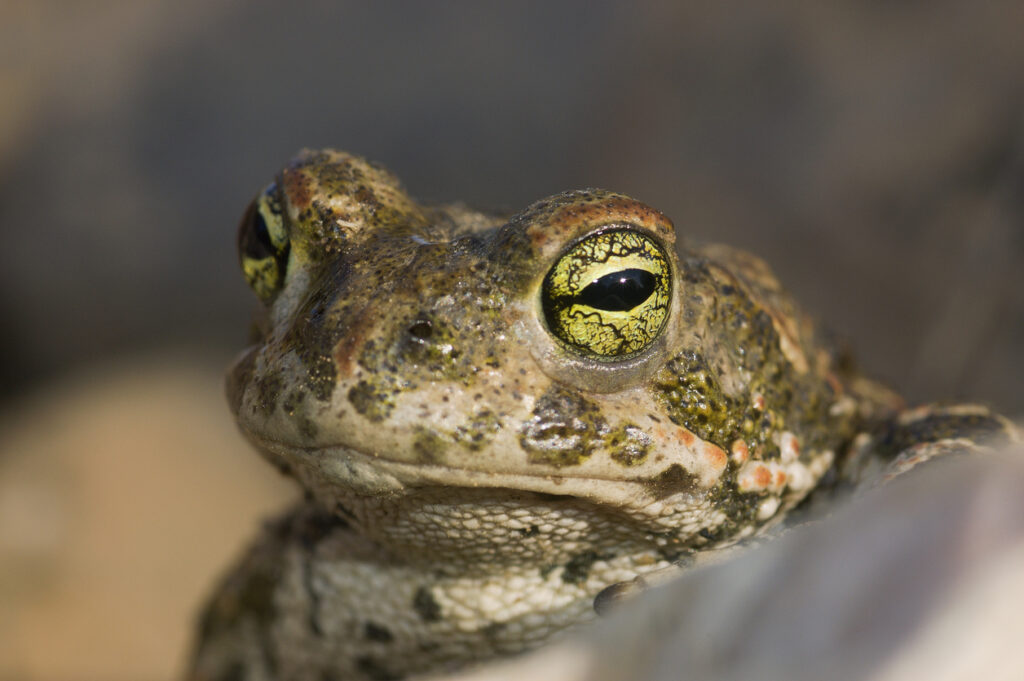
During breeding season, male natterjacks become incredibly aggressive, wrestling and biting each other over the best calling spots near water. These fights can be surprisingly violent, with larger males physically throwing smaller rivals away from prime territories.
The biggest, loudest males get the best spots and consequently attract the most females. Some sneaky smaller males try to intercept females on their way to the dominant males, but this risky strategy often results in them getting beaten up by the territory holders.
7. They can live for over 15 years.
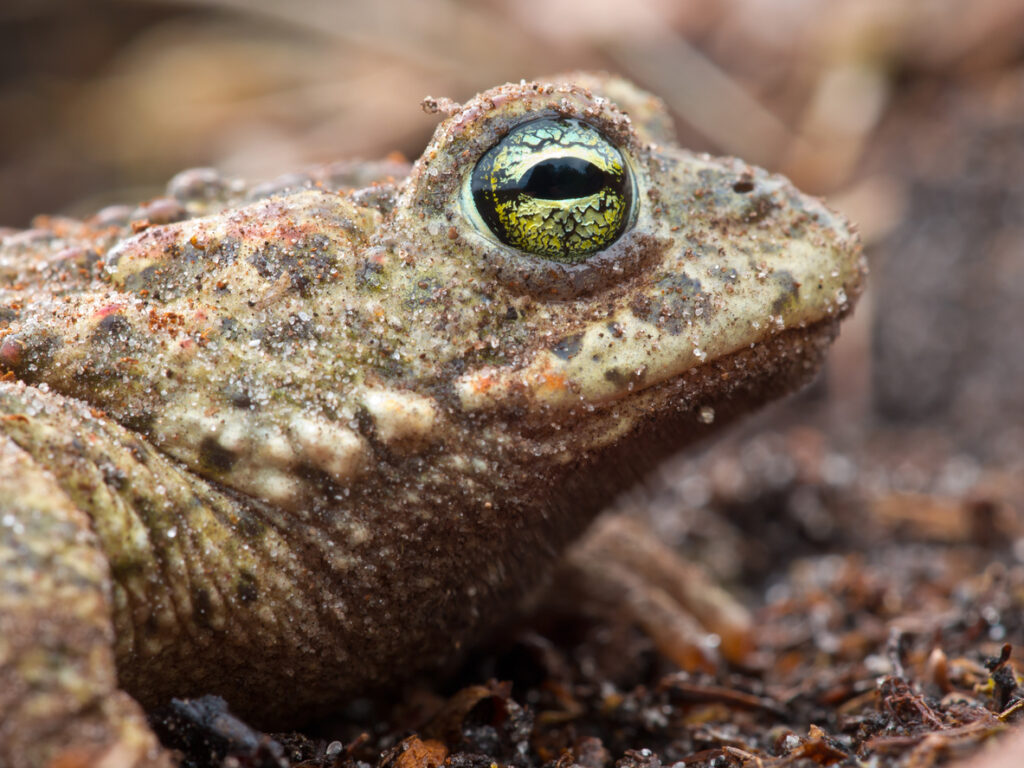
Despite their small size, natterjacks are surprisingly long-lived for amphibians. The oldest recorded wild natterjack was at least 17 years old, and they probably don’t reach sexual maturity until they’re 3–4 years old. This longevity is crucial for their survival, since they can’t breed every year due to their dependence on specific weather conditions. A long lifespan gives individuals multiple chances to reproduce successfully during favourable years.
8. They’re solar-powered hunters.
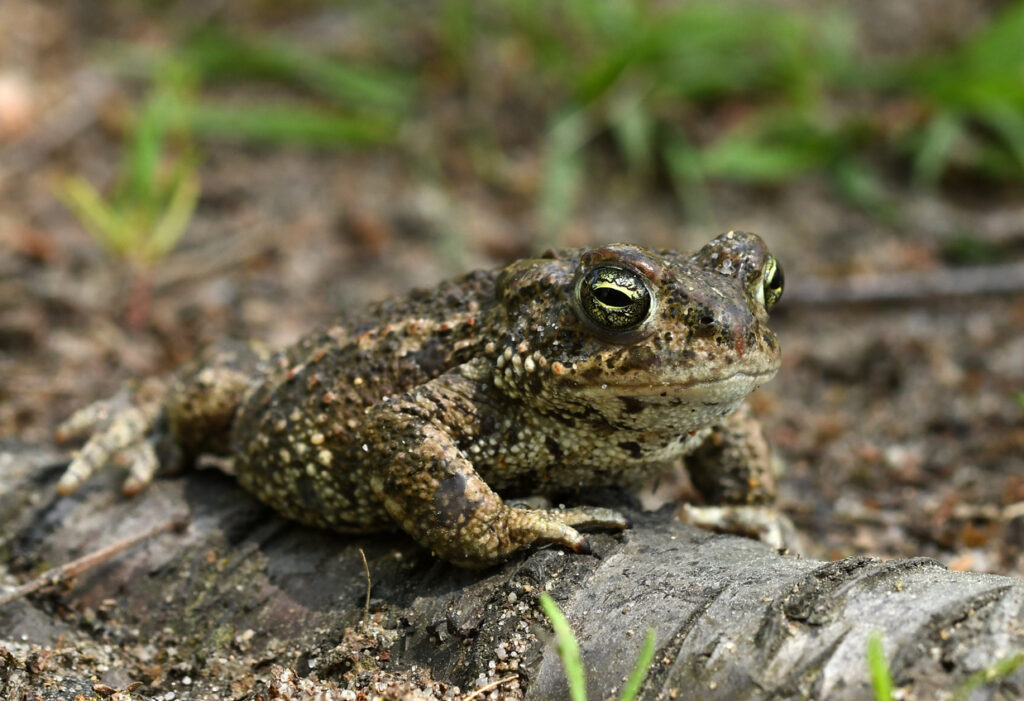
Unlike most amphibians that are active at night, natterjacks often hunt during the day, basking in the sun to warm up their bodies for maximum hunting efficiency. They’re essentially cold-blooded solar panels that use sunshine to power their metabolism.
Their daytime activity makes them unusual among European amphibians and helps them exploit food sources that other species miss. They’re particularly fond of hunting ants, which are most active during warm, sunny days.
9. Their eggs develop in chains.
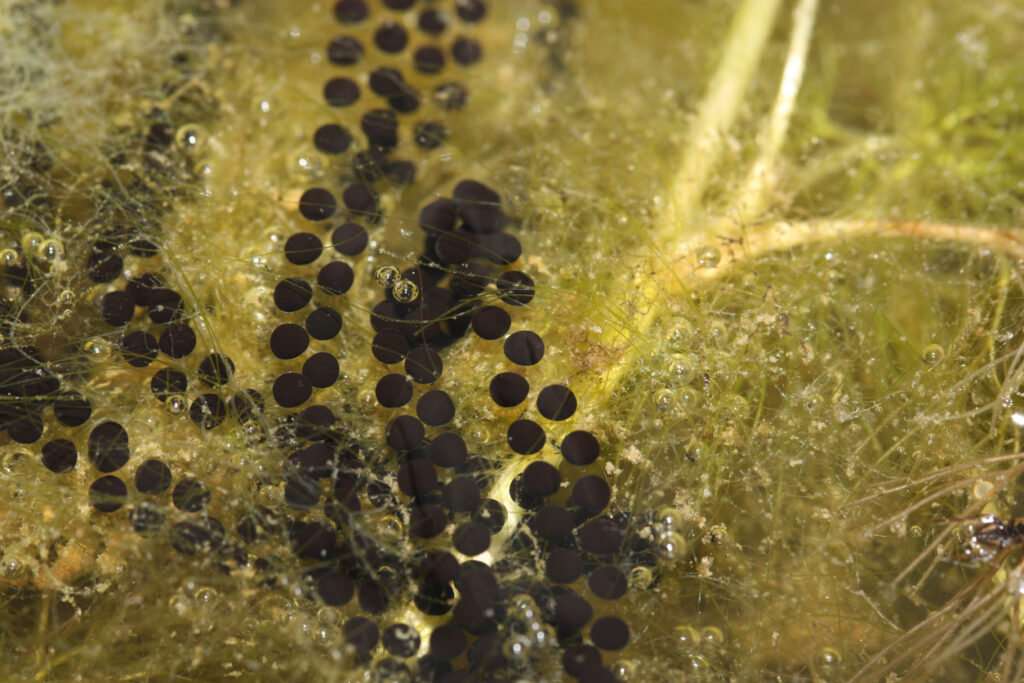
Natterjack eggs are laid in distinctive strings or chains, rather than the clumps produced by common toads. These strings can be several meters long and contain thousands of eggs arranged in neat double rows. The chain structure helps prevent the eggs from sinking into soft mud and ensures good water circulation around each developing embryo. Females often wrap these egg strings around water plants or submerged twigs for extra security.
10. They’re expert escape artists.
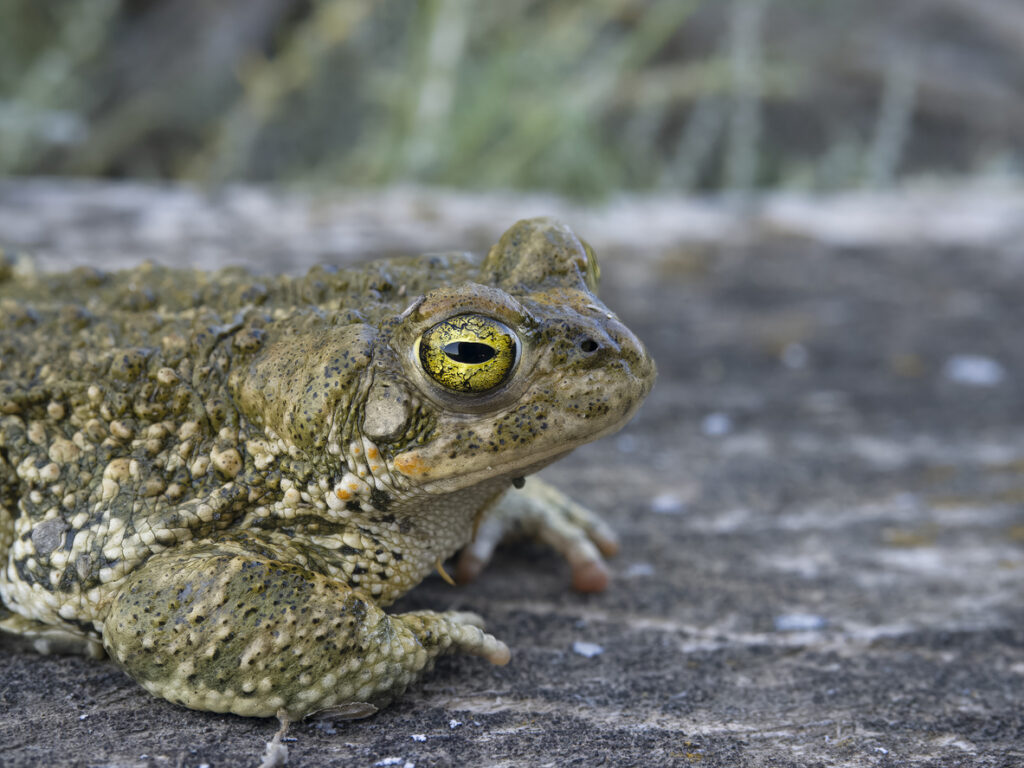
When threatened, natterjacks have an impressive array of escape tactics. They can inflate their bodies to look bigger, secrete unpleasant-tasting toxins from their skin, play dead, or simply run away at surprising speed across sand and rough ground.
Their toxins aren’t dangerous to humans but taste terrible to predators. The combination of bad taste, defensive posturing, and impressive running speed makes them much harder to catch than you’d expect from such a small amphibian.
11. Climate change might actually help them.
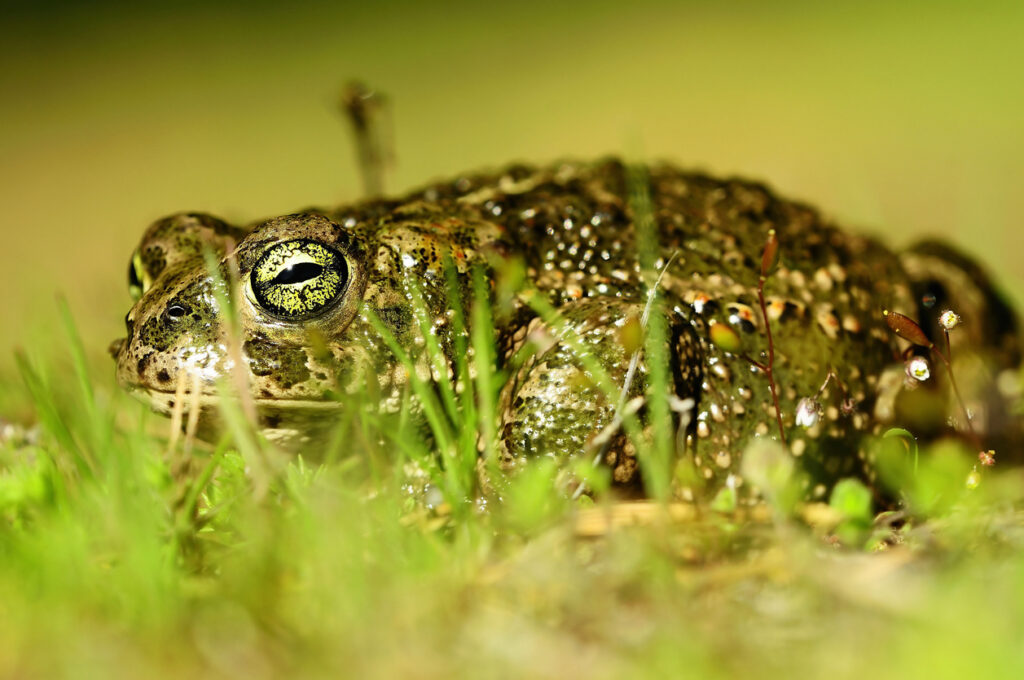
While most British wildlife suffers from warming temperatures, natterjacks might actually benefit from climate change. Warmer springs help their breeding pools heat up faster, and milder winters reduce hibernation mortality.
However, increased summer droughts could dry up their breeding pools too quickly, and rising sea levels threaten many coastal populations. It’s a complex picture, where short-term benefits might be outweighed by longer-term habitat loss.
12. They were reintroduced using garden sprinklers.
Some conservation projects have successfully reintroduced natterjacks to former habitats using surprisingly low-tech methods. Garden sprinklers and hosepipes have been used to create temporary pools in suitable locations, mimicking the shallow puddles natterjacks prefer for breeding.
These artificial pools need to be refilled regularly but can provide crucial breeding habitat while natural pools are being restored. The technique has been particularly successful in heathland restoration projects where natural hydrology has been damaged.
13. They’re a protected species with their own action plan.
Natterjacks are protected under the Wildlife and Countryside Act, making it illegal to kill, injure, or sell them. They also have their own Species Action Plan outlining conservation priorities and habitat management requirements.
Major conservation efforts include creating new breeding pools, managing existing habitats to prevent scrubland encroachment, and establishing captive breeding programs. Some populations are regularly monitored using acoustic surveys that detect their distinctive calls from considerable distances.