Admittedly, the idea that plants respond to music sounds like something from a fairy tale.

However, there’s actually solid science behind why your houseplants might perk up when you put on a playlist. Research shows that certain sound frequencies can stimulate plant growth, improve germination rates, and even boost crop yields in commercial farming. Here are some of the plants that respond best to pleasant sounds.
1. Tomatoes absolutely love classical music.
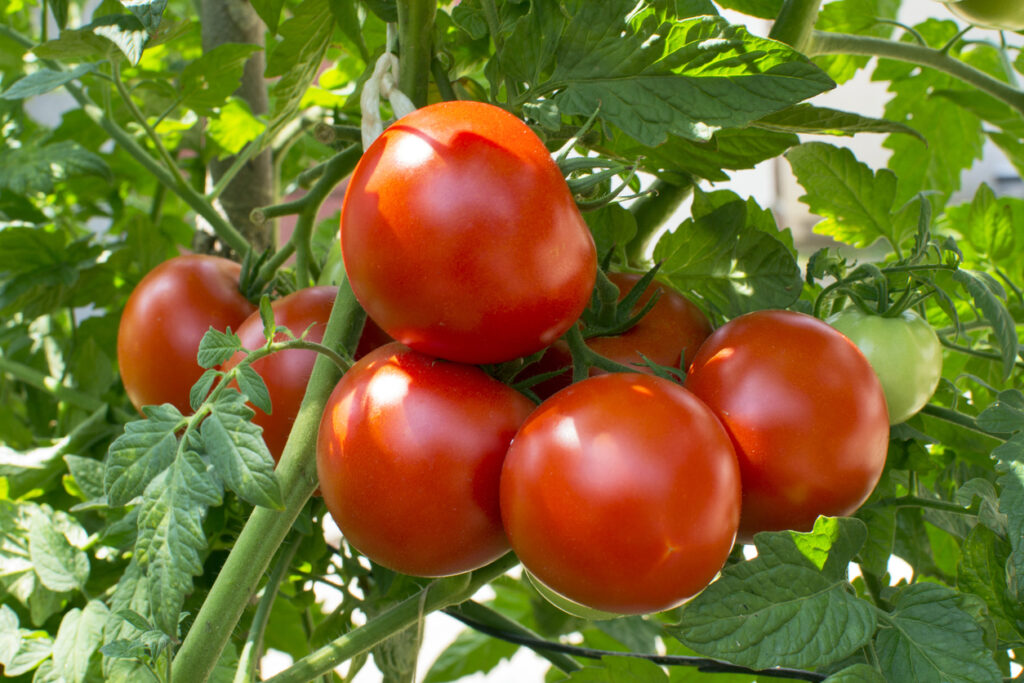
Studies have found that tomato plants exposed to classical music, particularly pieces with frequencies between 100-1000 Hz, grow significantly faster and produce more fruit than their silent counterparts. The vibrations from string instruments seem to encourage cell division and improve the plant’s ability to absorb nutrients through their roots.
Try playing Mozart, Vivaldi, or Bach near your tomato plants for 1–3 hours daily during their growing season. Position a small speaker about a metre away from the plants and keep the volume at a moderate level. After all, you want vibrations, not a plant rave. Many gardeners report seeing visible growth improvements within 2–3 weeks.
2. Spinach grows like mad with pop music.

Surprisingly, spinach and other leafy greens respond brilliantly to upbeat pop music and even some rock. The faster rhythms and varied frequencies seem to stimulate leaf production and make the plants grow more densely. Korean agricultural studies found that spinach exposed to pop music grew 20% faster than control groups.
Create a morning playlist with your favourite upbeat songs and play it for your spinach during the first few hours of daylight. The combination of music and morning light seems to supercharge photosynthesis. Avoid heavy metal or anything too aggressive. Spinach prefers Taylor Swift to Metallica.
3. Root vegetables prefer deep bass frequencies.
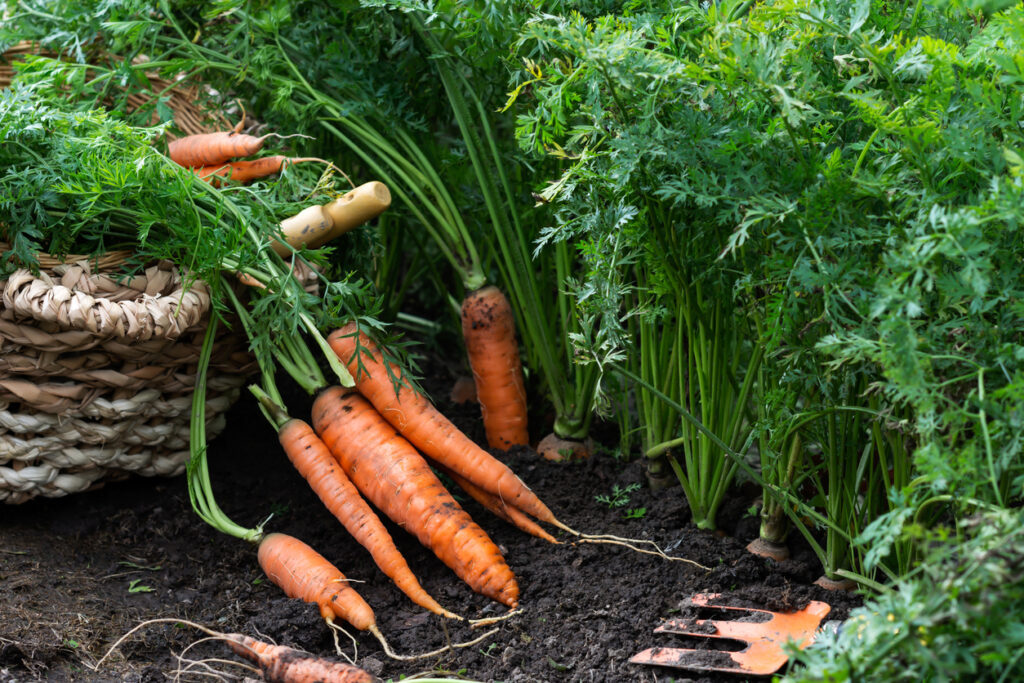
Carrots, potatoes, turnips, and other root vegetables respond to music with prominent bass lines and low frequencies. The deeper vibrations seem to penetrate the soil and encourage root expansion and tuber development. Reggae, certain types of electronic music, and classical pieces with strong bass sections work particularly well.
Set up subwoofers or bass-heavy speakers at ground level near your root vegetable beds and play bass-rich music for short sessions. The vibrations travel through the soil and seem to encourage the roots to grow larger and more robust. Keep sessions to 30–45 minutes to avoid overstimulation.
4. Sunflowers dance to jazz.

Sunflowers show remarkable responses to jazz music, particularly pieces with prominent brass sections and complex rhythms. The varied frequencies and improvisational nature of jazz seem to encourage the plants to grow taller and develop larger flower heads. Some studies suggest the irregular patterns in jazz music stimulate more robust stem development.
Set up a speaker system in your sunflower patch and treat them to some Miles Davis, John Coltrane, or modern jazz during their active growing hours. Play music for 2–3 hours during peak sunlight times. The plants seem to “dance” slightly in response to the rhythms, which helps strengthen their stems.
5. Herbs get excited by world music.
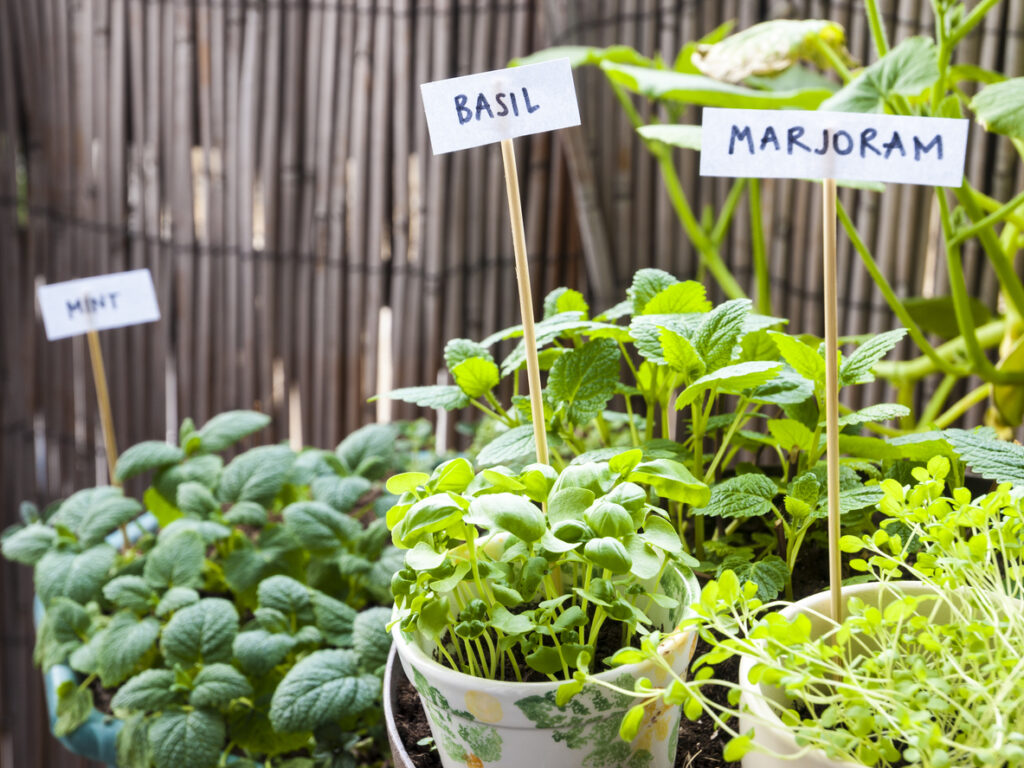
Basil, rosemary, thyme, and other culinary herbs show increased essential oil production when exposed to diverse world music genres. The complex frequencies and rhythmic patterns found in African drumming, Indian classical music, and Latin rhythms seem to stimulate the plants’ aromatic compounds, making them more flavourful.
Rotate different world music genres weekly for your herb garden to give them a varied sonic diet. Play music during the late morning when essential oil production is naturally highest. Many herb growers report stronger flavours and more potent aromas in their music-exposed plants.
6. Cucumbers climb higher with ambient music.
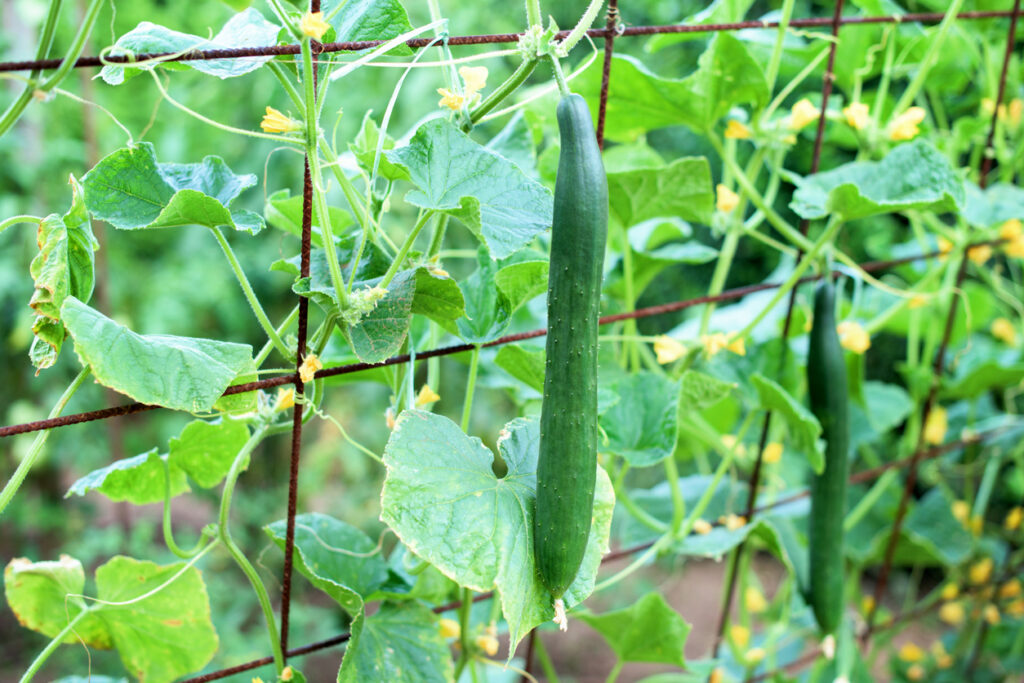
Cucumber and other climbing plants respond well to ambient and electronic music, with sustained tones and gradual builds. The continuous frequencies seem to encourage vertical growth and help the plants develop stronger climbing mechanisms. Brian Eno-style ambient music appears particularly effective for vine crops.
Install a weather-resistant speaker system near your cucumber trellises and play ambient music during the early evening hours when the plants are actively climbing and reaching. The sustained tones seem to encourage the tendrils to seek out support structures more effectively.
7. Lettuce loves lo-fi hip hop.
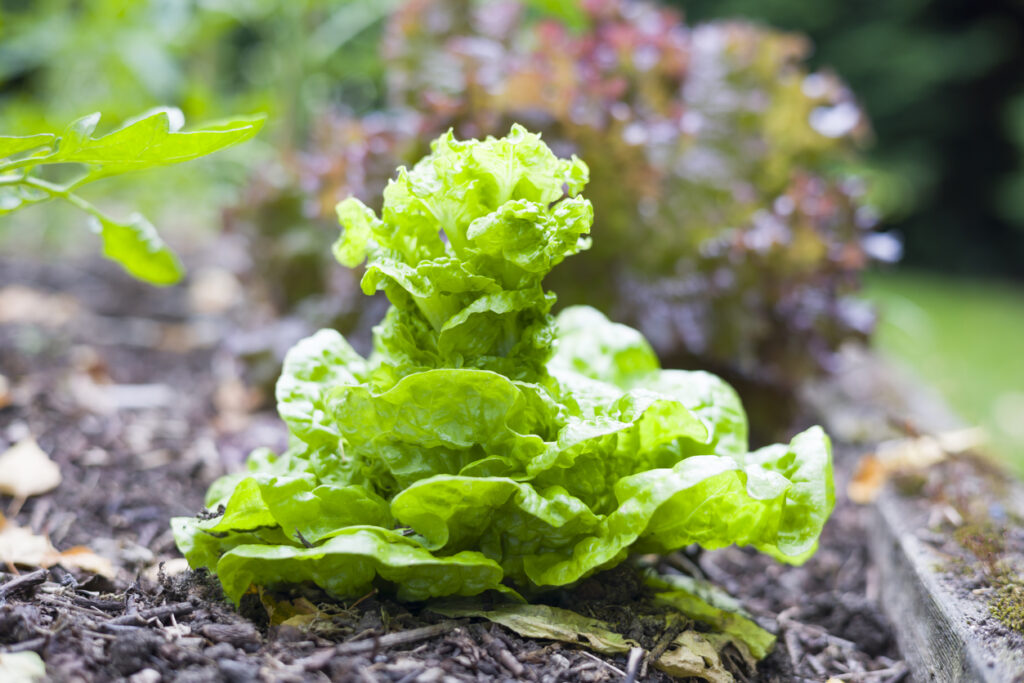
The repetitive, calming beats of lo-fi hip hop have shown surprising effects on lettuce and other quick-growing salad crops. The consistent rhythm seems to regulate growth cycles and improve leaf texture, making lettuce more tender and less bitter. The low frequencies also appear to encourage root development.
Stream lo-fi hip hop playlists to your lettuce beds during the cooler parts of the day when the plants are most actively photosynthesising. The relaxed beats seem to reduce plant stress and create more uniform growth patterns across your salad crops.
8. Peppers heat up with salsa music.
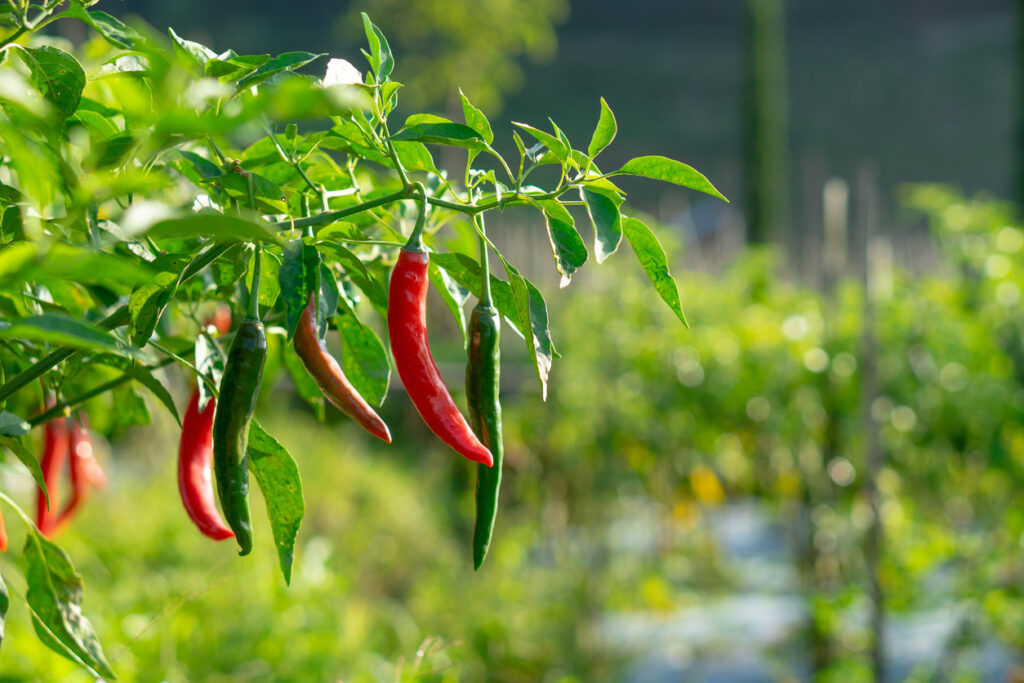
Hot peppers and bell peppers show increased capsaicin production and fruit development when exposed to Latin music, particularly salsa and reggaeton. The energetic rhythms and prominent percussion seem to stimulate the plants’ heat production mechanisms and encourage more prolific fruiting.
Play upbeat Latin music to your pepper plants during the hottest part of the day when they’re naturally producing capsaicin. The combination of heat and rhythm seems to boost both the number of peppers produced and their spiciness levels. Even sweet peppers develop better flavour profiles.
9. Flowers bloom better with nature sounds mixed with music.
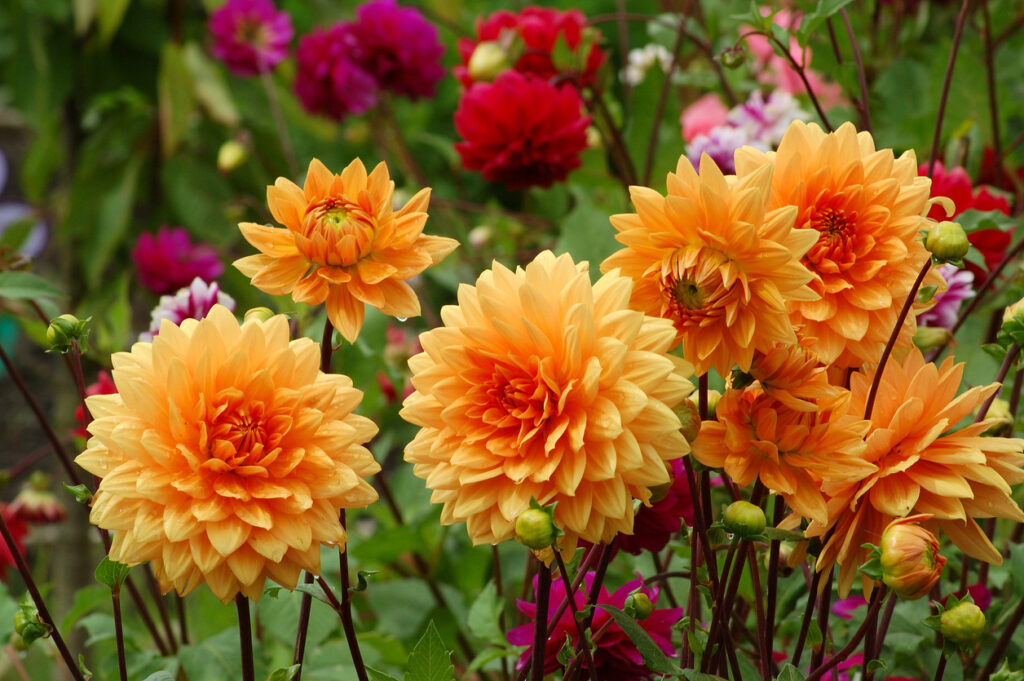
Flowering plants respond exceptionally well to music that incorporates natural sounds like bird songs, flowing water, or wind through trees. This combination seems to create an ideal acoustic environment that mimics their natural habitat whilst providing the beneficial frequencies of music.
Create playlists that blend instrumental music with nature sounds, or find ready-made “music for plants” compilations online. Play these hybrid soundscapes during the blooming period to encourage more flowers and extend blooming times. The natural elements seem to reduce plant stress, while the music provides growth stimulation.