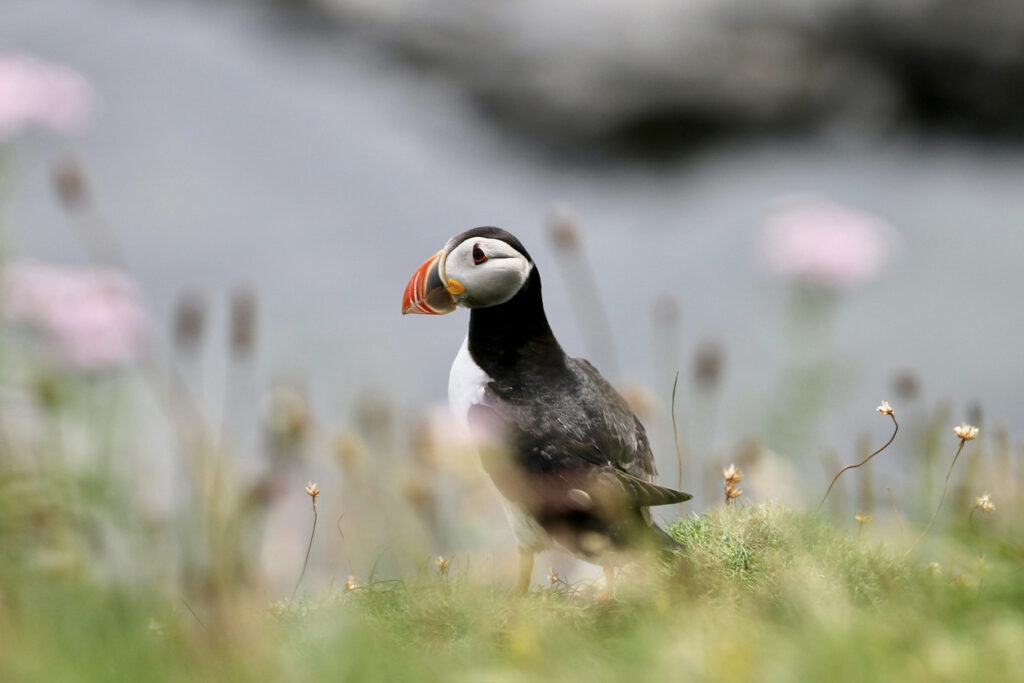
Good news is out: thanks to a Greenpeace-backed campaign, the UK has banned industrial sand eel fishing, and that’s a game-changer for puffins. These famous seabirds rely almost entirely on sand eels to feed their chicks, yet overfishing had pushed many colonies close to the brink. This victory doesn’t just protect one species. It helps restore balance across the North Sea ecosystem. Here are 12 very important reasons why this matters now more than ever.
1. Sand eels are puffins’ favourite food.
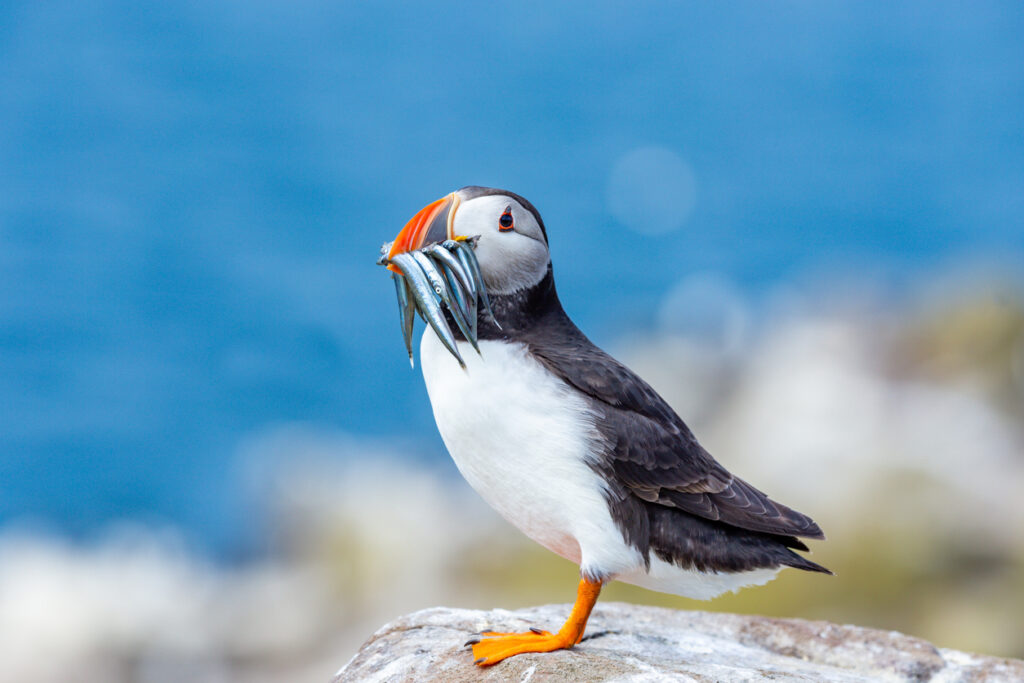
Puffins depend on sand eels to feed their chicks, so when those fish vanish, the birds struggle to keep their young fed and feathery. With fewer sand eels to go around, puffin colonies were shrinking fast. Many chicks simply starved before they fledged. Stopping industrial sand eel fishing makes it more likely that puffins will once again find enough to eat, which gives them a real chance to raise healthier chicks and rebuild their numbers.
2. The ban is a direct win for food chains.
Sand eels are a vital link in marine food webs. Ironically, taking them out meant seabirds, seals, and other predators were starved. Cutting industrial fishing restores that link and helps revive the ecosystem from the ground up. Essentially, this ban gives nature a nudge in the right direction so puffins and other species aren’t reaching into empty water anymore.
3. Greenpeace made it happen by rallying public support.
This isn’t just an environmental win, it’s a democracy win too. Greenpeace collected nearly 140,000 supporters calling on the government to act. Their combined voices made the difference, turning a vulnerable seabird issue into policy change. It shows how grassroots energy can nudge government decisions, and that even a single species can become a powerful symbol for wider ocean protection.
4. It’s not just about puffins.
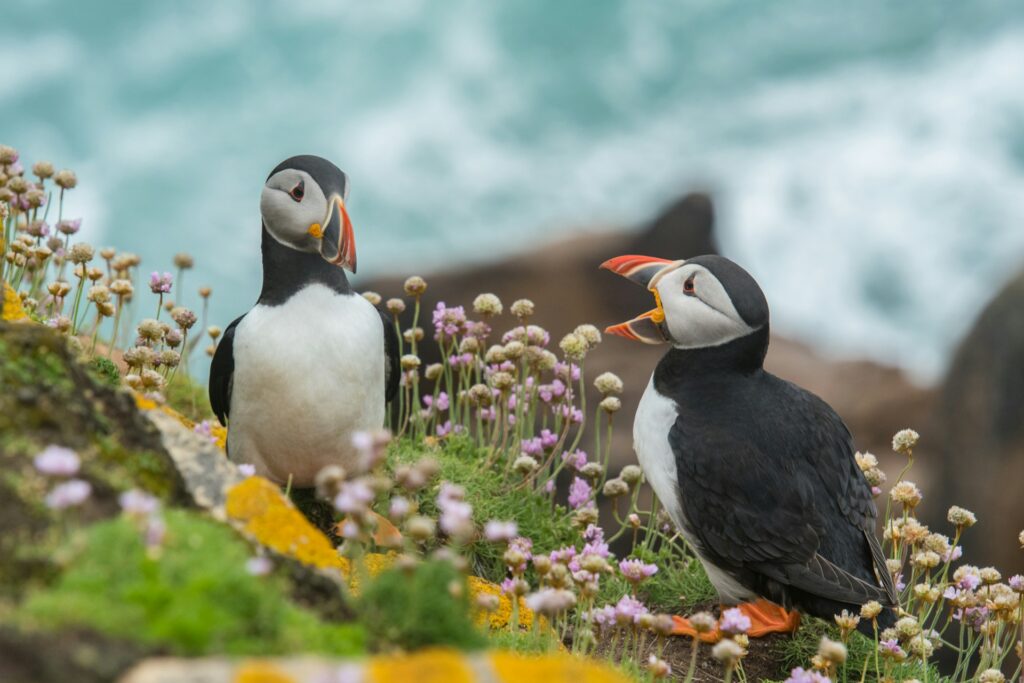
Sand eels are a staple for more than just puffins. Kittiwakes and terns were also on the brink because their food was being stripped from beneath them, literally and figuratively. By saving sand eels, the ban supports entire seabird communities, giving them a better chance at recovery rather than leaving them to scramble for scraps.
5. Coastal communities benefit too.
Industrial fishing often undercuts smaller, sustainable fisheries. With big boats restricted from sand eel areas, smaller-scale fishers get a fairer shot, and marine biodiversity gets a better chance to bounce back. That kind of balance helps coastal towns and seafood communities stay healthy and resilient. Humans benefit when nature does, after all.
6. It’s a step toward protecting more ocean space.
This win didn’t happen in a vacuum. Greenpeace has been pushing for larger-scale protections, including signing the Global Ocean Treaty and hitting the goal of 30 percent of oceans protected by 2030. This sand eel ban sets an example: the UK is proving it’s serious about ocean protection, and this success strengthens the case for doing even more.
7. It’s a science-backed decision.
Ecologists have long warned that sand eel depletion was starving seabird colonies. This measure is grounded not in guesswork but in hard data: puffin populations were crashing, and sand eels were collapsing. Turning that research into real policy shows that science can drive wildlife wins when combined with public pressure.
8. Puffins are cultural icons, but they were vanishing.
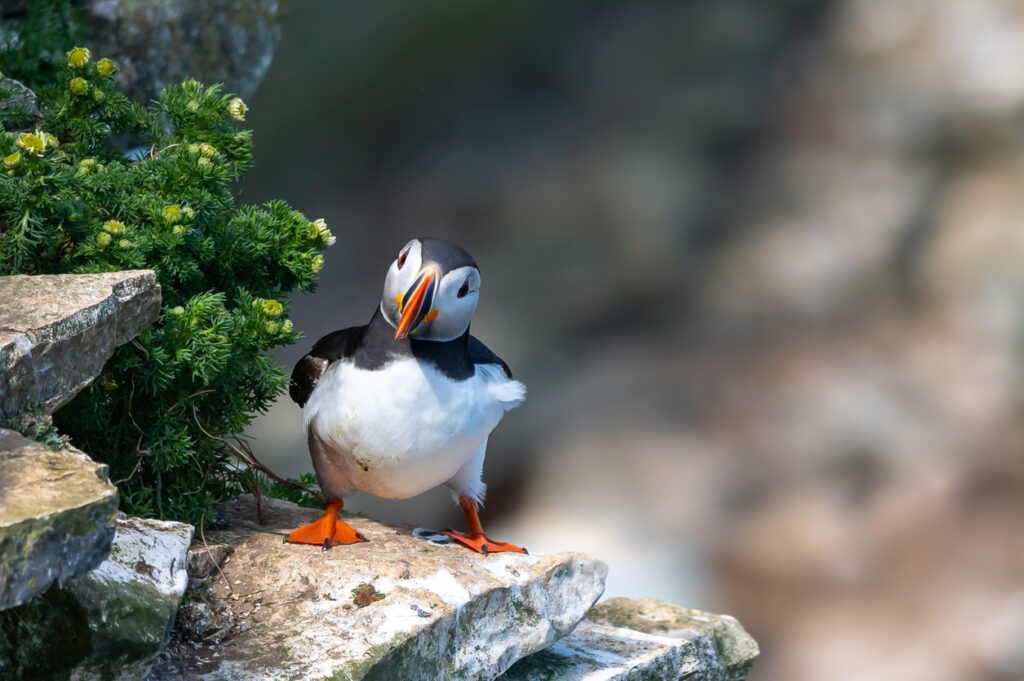
Puffins are one of Britain’s most beloved wildlife icons. They fill calendars, viral videos, and our hearts. Yet, many colonies were going silent as chicks died before fledging in some regions. This ban gives those colonies a chance to roar back, not only bringing puffins back to cliff edges, but also bringing hope for wildlife lovers across the UK.
9. It’s about future generations of birds.
Puffins are long-lived and return year after year, so every lost offspring is a long-term loss for the population. By protecting their young food source now, we give future generations of puffins a chance to thrive. This isn’t just fixing the past. It’s investing in a future where puffins continue to charm our coasts for years to come.
10. It’s a victory worth celebrating.
Sometimes conservation wins feel abstract, but this one is tangible and visible. People will watch healthier puffins fishing magic fish again around UK shores, and that’s something to cheer for. It proves that environmental victories can happen when people, science, and policy come together, and that gives anyone who cares for nature real hope.
11. It could inspire similar actions elsewhere.
If the UK can ban sand eel fishing based on seabird collapse, other countries managing marine reserves might take note, and follow suit. Success can be contagious. That doesn’t just protect puffins at home. It can echo across international seas as a model for how to protect wildlife through food chain restoration.
12. The job isn’t done, but this is a big step.
The sand eel ban is a powerful step forward, but more must be done, such as protecting 30 percent of oceans, enacting the Global Ocean Treaty, and maintaining sustainable fishing overall. What we’ve seen is that when enough people care, change happens. With continued support, puffins may finally get that future where hunger is the exception, not the rule.