Houseplants are usually chosen because they bring life, colour, and a calming presence into a home.
Many are grown for their air-purifying benefits or their ability to make a space feel more vibrant and healthy. Sadly, not every plant smells as good as it looks. Some give off strong, sour, or downright unpleasant odours that quickly spread through a room, making your home feel less fresh and inviting. These are some of the houseplants that might be beautiful to look at, but when it comes to smell, they’re best kept outdoors or carefully managed indoors.
1. Peace lily
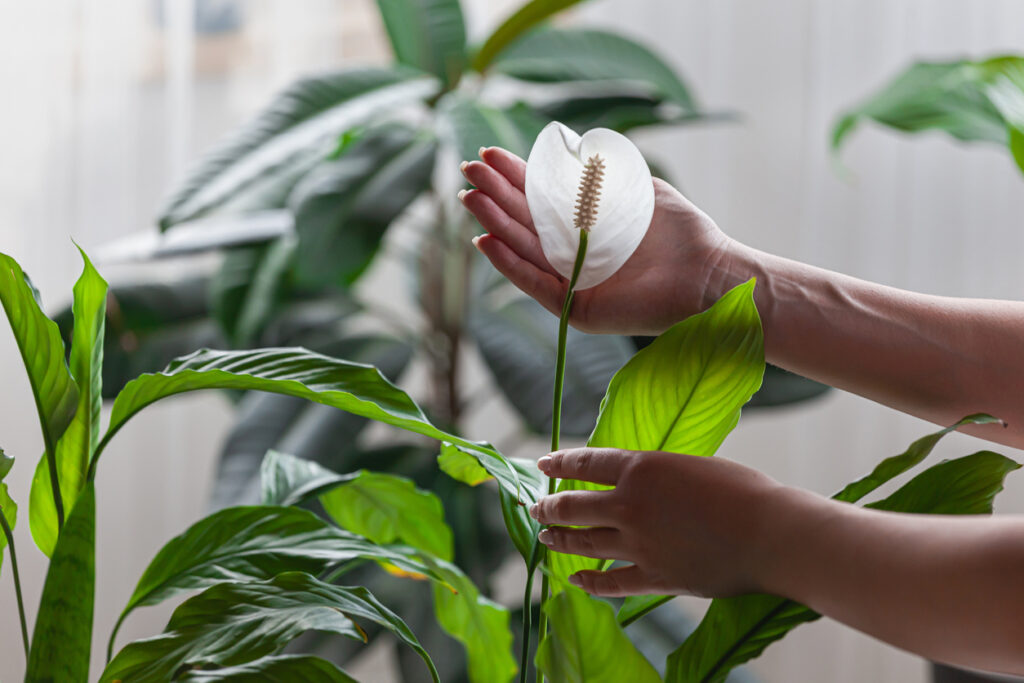
Peace lilies are popular because they’re hardy, easy to care for, and produce beautiful white flowers that brighten up any space. However, as those flowers begin to age, they can release a sour, musty smell that lingers in the air. What starts as a delicate fragrance quickly turns stale, and in smaller rooms, it can become overwhelming.
To keep the peace lily enjoyable indoors, you need to stay on top of removing dead or fading flowers. Regular pruning helps prevent the unpleasant odour from spreading, although some people find the plant’s natural scent too strong even when healthy. Outdoors or in a large, airy space, its smell is less noticeable.
2. Jasmine
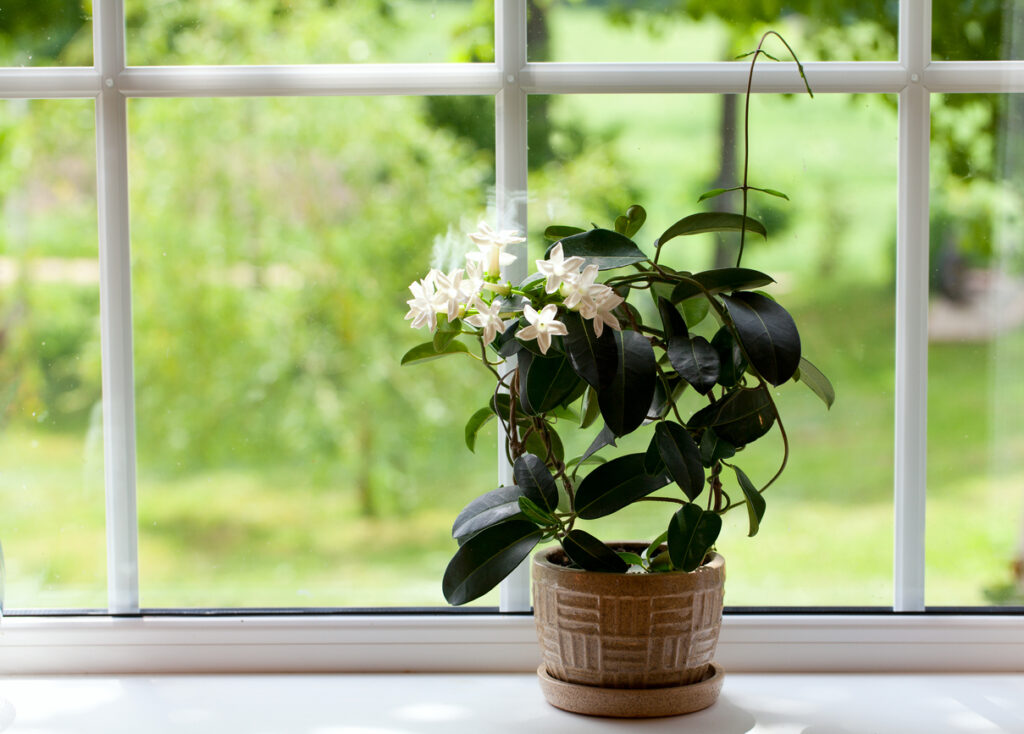
Jasmine has one of the most powerful scents of any houseplant, which is why it’s often used in perfumes and candles. But in the confined setting of a living room or bedroom, that sweetness can quickly become cloying. For people who are sensitive to strong fragrances, the smell may even cause headaches or nausea.
Outdoors, jasmine works beautifully because the breeze disperses its perfume and leaves just the right amount of fragrance. Indoors, though, it tends to build up and dominate the space, making it less pleasant to live with. It’s a plant that thrives better where there is airflow to soften its strong smell.
3. Crown imperial
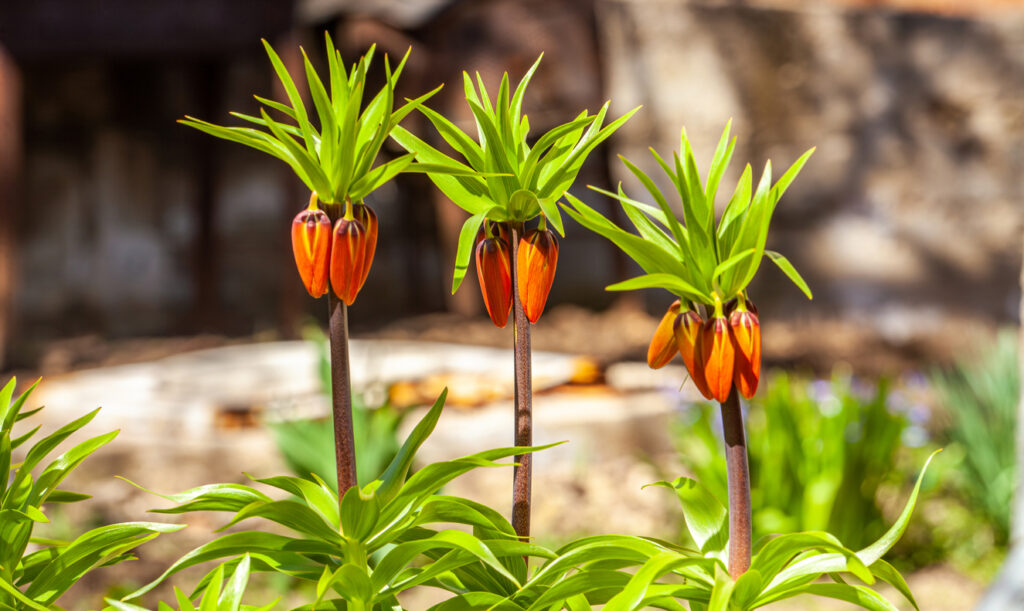
Crown imperial, also known as fritillaria imperialis, looks exotic with its bold flowers hanging like bells from tall stems. However, it’s infamous for its skunky odour, which many people describe as similar to wet fur or even fox scent. The smell is so strong that it’s hard to ignore in an enclosed space.
In gardens, this plant’s smell is actually useful because it helps deter pests like rabbits and deer. Indoors, though, it can turn a beautiful display into something you want to escape from. Unless you can tolerate a pungent aroma, crown imperial is better admired outside, where the air can dilute it.
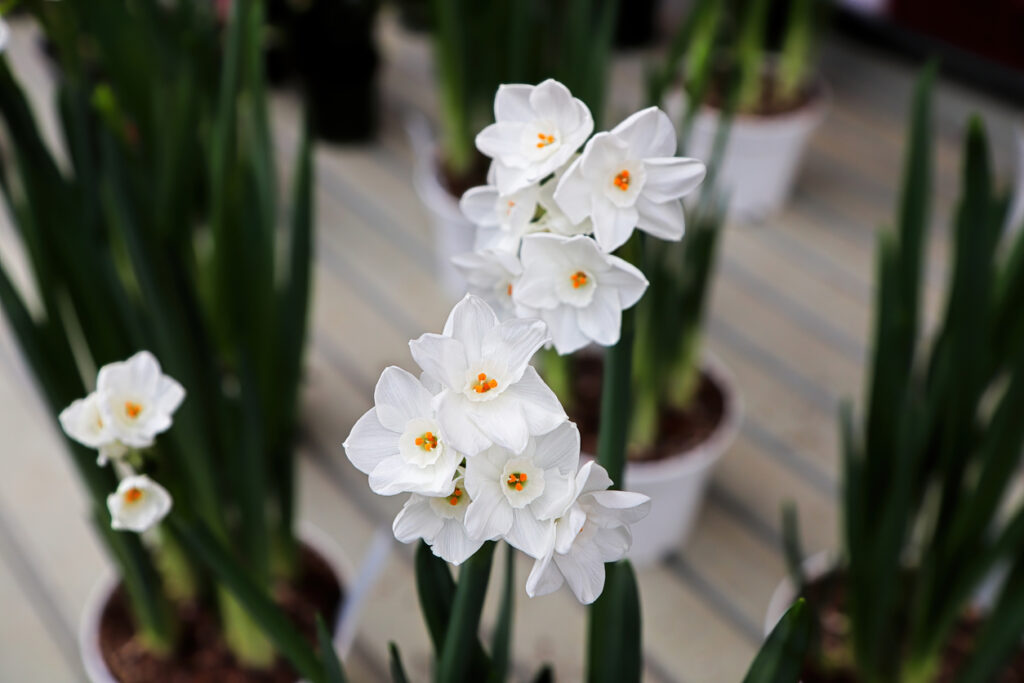
4. Paperwhite narcissus
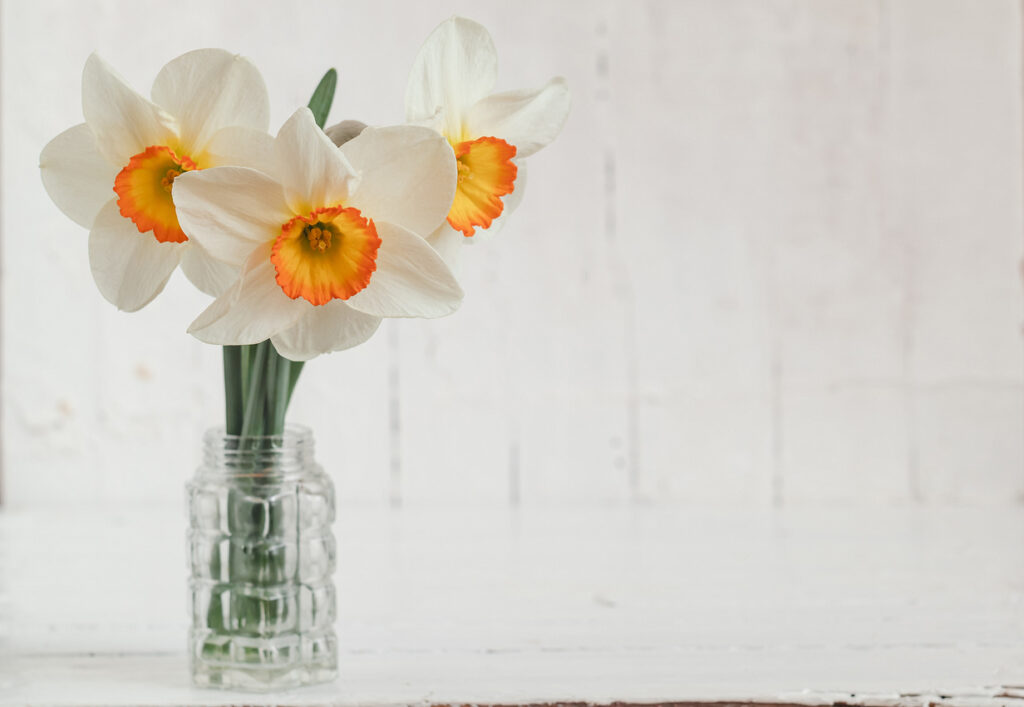
Paperwhites are popular around Christmas and New Year, grown indoors for their clusters of delicate white flowers. But while they look festive and elegant, their scent divides opinion. Many people find it sharp, acrid, or even reminiscent of chemicals, and once the flowers open, the smell quickly fills a room.
In small spaces, paperwhites can become overpowering within days, especially if you have more than one pot. Some people enjoy the strong fragrance, but for others, it spoils the atmosphere entirely. If you love their look, placing them in a hallway or porch rather than a living space might make them more bearable.
5. Orchids
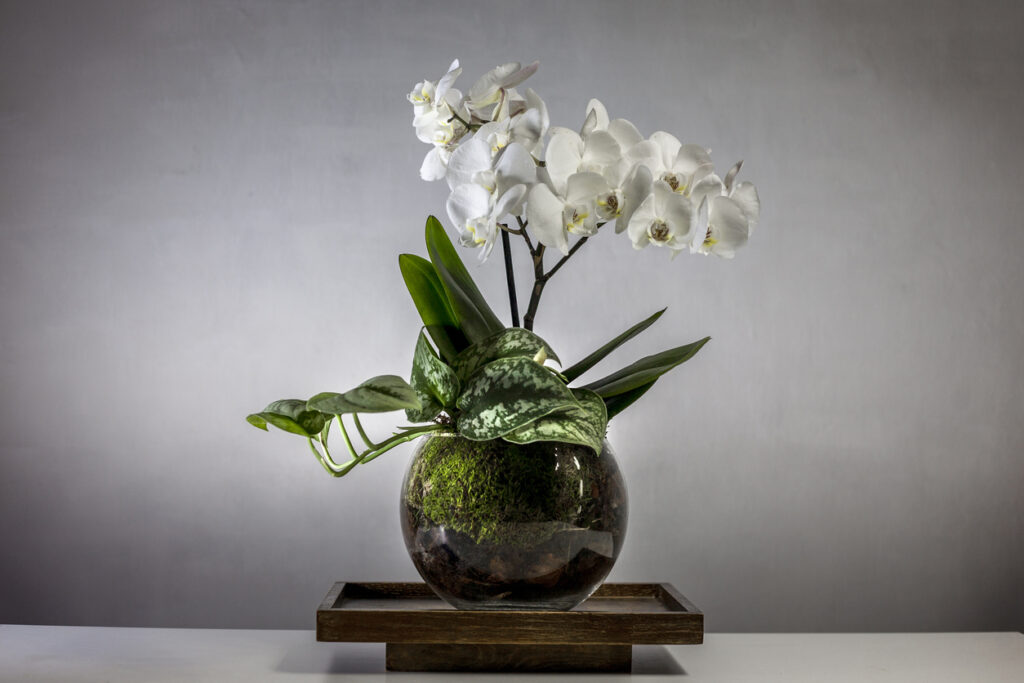
Orchids are admired for their delicate flowers and are often seen as symbols of elegance and beauty. However, not all orchids smell as nice as they look. Some varieties release strange, rubbery, or even rotten-like odours that can catch you by surprise if you were expecting a sweet fragrance.
Because orchids are usually bought for their striking appearance, the smell is often overlooked until they start blooming. If you’re considering one for your home, research the specific variety carefully to avoid bringing in a plant that leaves your living room smelling off. Orchids prove that not every beautiful flower has an equally beautiful scent.
6. Geraniums
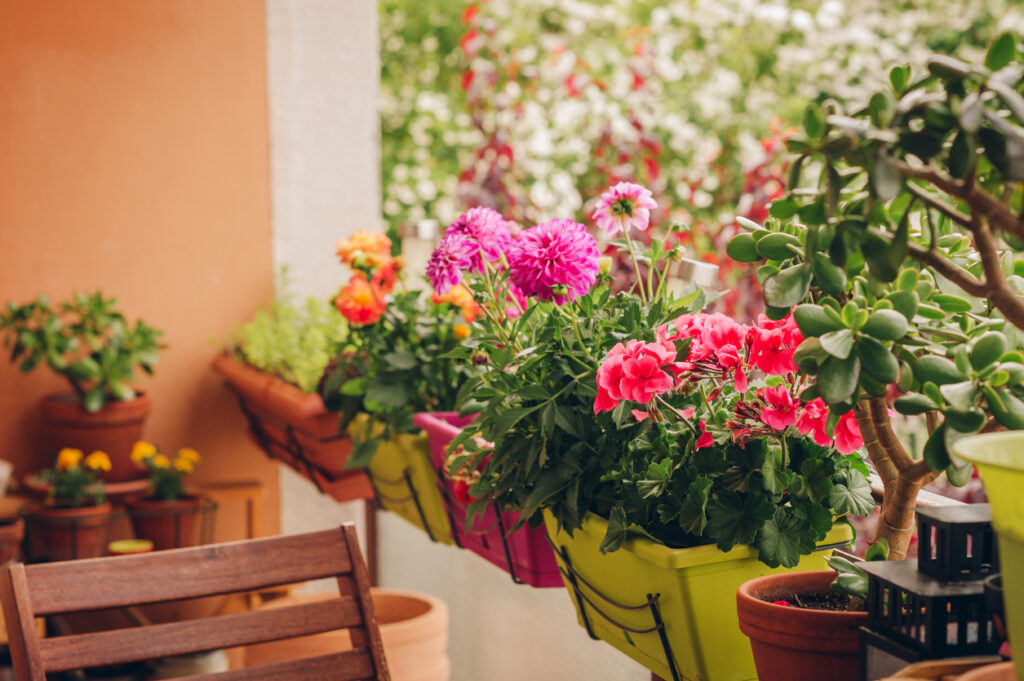
Geraniums are hardy and colourful plants that many people keep indoors over winter. Their leaves release a strong scent when touched or brushed, and while some find it refreshing, others describe it as sharp, bitter, or medicinal. The fragrance is especially noticeable in smaller rooms where air circulation is limited.
If you’re sensitive to strong, herbal-type smells, geraniums can quickly make a space unpleasant. They work far better in outdoor pots or garden beds, where their fragrance disperses into the open air. Indoors, the smell lingers and can compete poorly with other scents, like cooking or candles.
7. Calla lilies
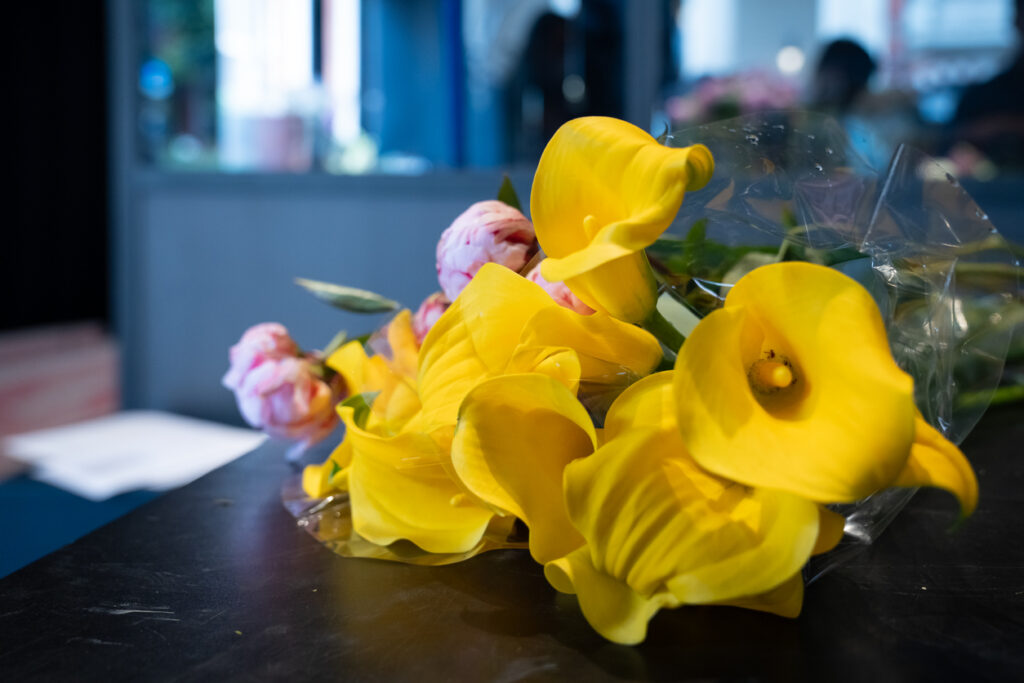
Calla lilies are popular for their smooth, sculptural blooms that look perfect in decorative displays. But when those flowers begin to fade, they release a musty, almost decaying odour. In a confined space, that scent is hard to ignore and can completely change the atmosphere of a room.
To enjoy calla lilies without the smell, you need to keep on top of removing older flowers as soon as they start to wilt. When fresh, the plant is elegant and striking, but without proper care, its unpleasant aroma takes over quickly.
8. Ginkgo biloba

Although more often seen as a tree outdoors, some people grow young ginkgo plants indoors because of their unique fan-shaped leaves. The problem comes when female ginkgo trees produce seeds, which are notorious for their foul odour, often compared to rotting food. Even a small number can stink out a whole space.
While male ginkgo plants don’t produce the smell, it’s not always obvious which one you have until it matures. Indoors, that smell is unbearable, and even outdoors, it’s strong enough to make sidewalks unpleasant when seeds fall. For this reason, ginkgo is best left as a feature tree outside.
9. Stapelia (carrion flower)
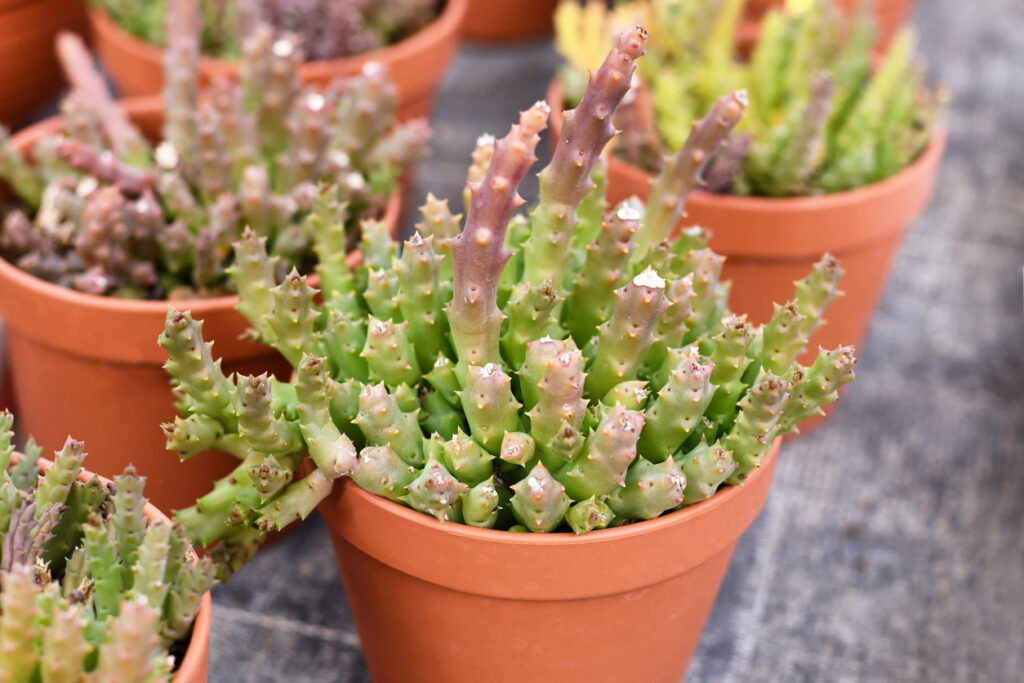
Stapelia is sometimes called the carrion flower, and for good reason. Its star-shaped blooms are fascinating to look at, but they give off a smell of rotting meat designed to attract flies. This scent is clever in nature but dreadful in a home.
The flowers can fill a room with their stench in no time, which makes them a plant only for the curious or the brave. Although they’re intriguing to collectors, they’re not practical for anyone wanting a pleasant-smelling living space. Outdoors in a greenhouse or garden, their smell disperses more safely.
10. Anthurium
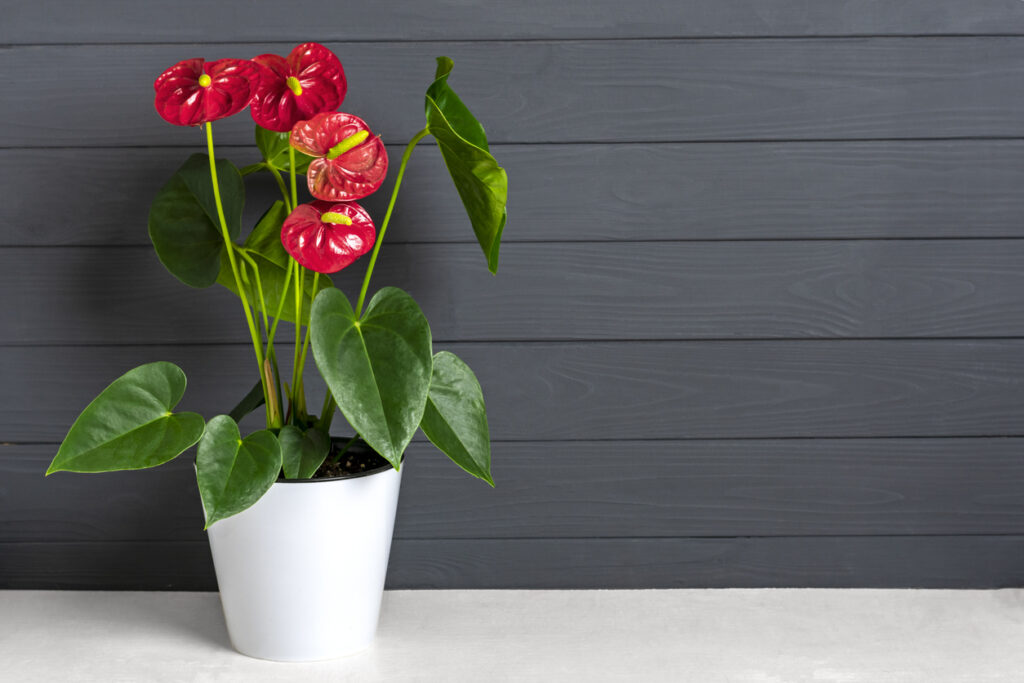
Anthuriums are admired for their heart-shaped leaves and glossy red or pink flowers that brighten up a room. However, some varieties emit a strange, plasticky or chemical-like scent that many find off-putting. Instead of adding freshness, the smell can clash with the rest of the home.
While the odour isn’t as overpowering as something like Stapelia, it’s still noticeable. Placing anthuriums in a well-ventilated spot helps, but in small, enclosed rooms, they’re better admired from a distance rather than up close.