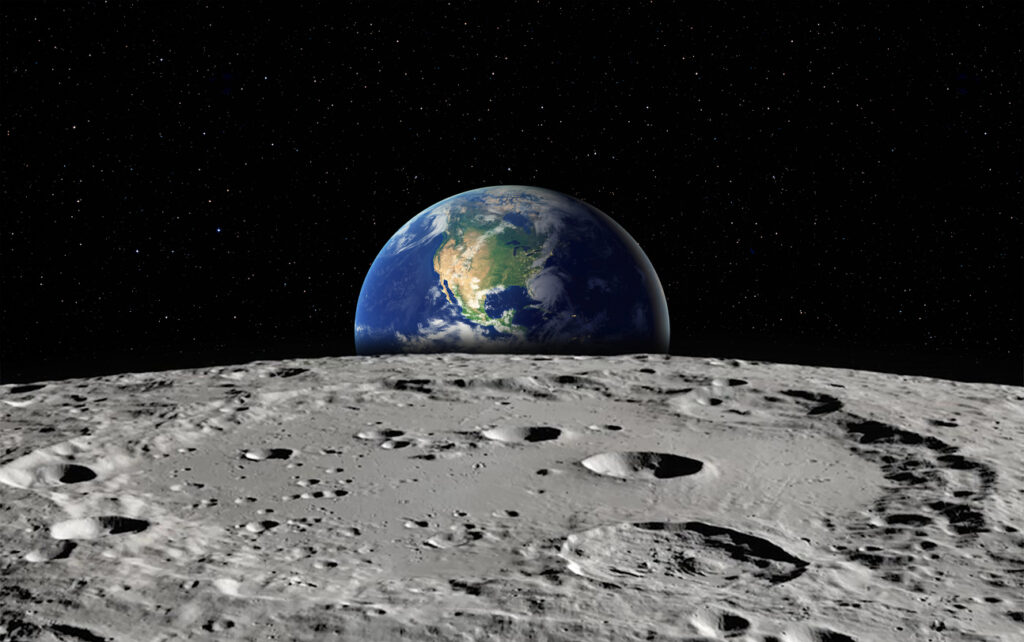
Most people know they would weigh less on the Moon than on Earth, but the difference is more surprising than it first seems. Because the Moon’s gravity is weaker, your body feels lighter, even though nothing about you has actually changed. The contrast highlights just how much gravity shapes our daily experience without us even noticing it. Here’s why there’s such a massive difference depending on where you are, and what it’d be like if you were ever to visit the Moon.
Gravity is much weaker on the Moon.
The Moon’s gravity is only about one sixth as strong as Earth’s. That means if you weigh 72 kg on Earth, you would weigh just 12 kg on the Moon. The dramatic change happens because weight is the pull of gravity on your mass, and when the pull is weaker, your weight instantly drops. Your size doesn’t change, but the force acting on you does.
Mass stays exactly the same.
People often confuse weight and mass, but they’re not the same. Your mass, which is the amount of matter in your body, doesn’t change whether you are on Earth, the Moon, or floating in space. What changes is the effect of gravity on that mass. So while the scales would show a lower number on the Moon, you are physically the same person you are on Earth.
You could jump much higher.
Because the Moon’s pull is weaker, you can push off the ground with much greater effect. A jump that only takes you half a metre off the ground on Earth could lift you several metres on the Moon. That’s why astronauts looked like they were moving in slow motion. The weaker gravity gave them longer, higher leaps that looked almost unreal compared to movements on Earth.
Walking feels completely different.
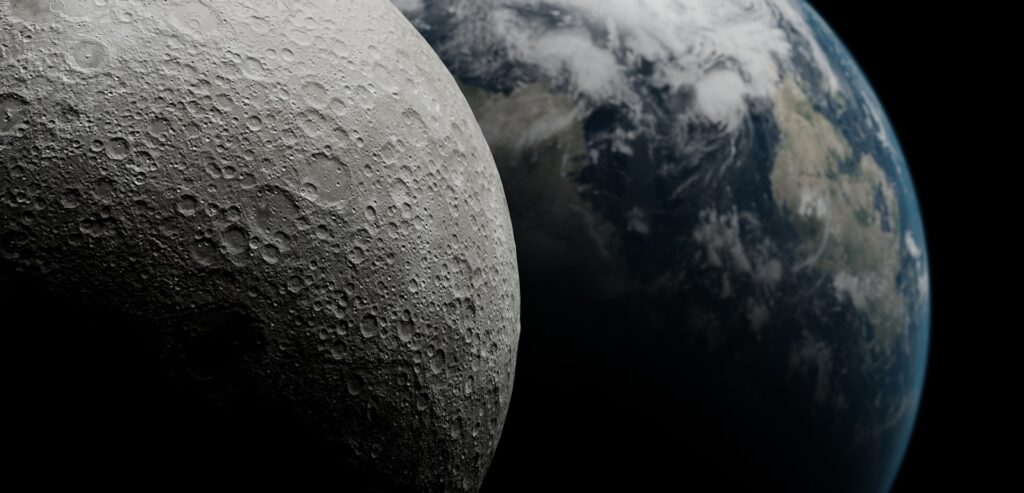
On Earth, walking is steady because gravity keeps your steps grounded. On the Moon, every step launches you higher and further, which makes walking feel more like bouncing. That bouncing motion wasn’t just fun, it was practical. Astronauts found it easier to move that way because ordinary walking wasted too much energy without Earth’s gravity to hold them down.
Lifting objects is far easier.
A heavy rock on Earth would feel surprisingly light on the Moon. Something that weighs 60 kg on Earth would weigh just 10 kg there, which makes carrying and lifting effortless in comparison. The difference allowed astronauts to handle equipment and samples that would have been awkward on Earth. Even so, they had to be careful because objects could still be bulky or hard to control despite weighing less.
Falling is much slower.
On Earth, gravity pulls you down quickly, which makes falling dangerous even from a short height. On the Moon, the weaker pull means falls happen in slow motion. This gives you more time to react, but it also means you have to adjust your movements. A stumble that is minor on Earth could send you floating longer than expected before you land.
Sports would change completely.
Imagine playing basketball or football on the Moon. Every shot, kick, or throw would travel far further than you expect. A ball that arcs gently on Earth could soar out of sight up there. Games would have to be redesigned because the usual balance between strength, speed, and gravity wouldn’t apply. Even a small effort would create huge results, which would make sports unrecognisable.
Your body strength would feel amplified.
Everyday movements would feel superhuman because your muscles are used to working against Earth’s gravity. On the Moon, the same strength produces much bigger effects. That illusion of strength makes you feel powerful, but it isn’t permanent. If you stayed there long enough, your body would adapt and your muscles could weaken since they no longer need to work as hard.
Building structures would be easier.

Construction on the Moon benefits from the lighter weight of materials. Heavy beams or equipment would weigh a fraction of their Earth weight, making it easier to transport and assemble them. However, the lower gravity creates new challenges. Buildings have to be designed differently because they don’t have the same weight pressing them down for stability as they do on Earth.
Balance becomes trickier.
On Earth, gravity anchors your body and helps you stay balanced. On the Moon, the weaker pull means you can tip or wobble more easily, especially in a bulky spacesuit. That’s why astronauts often fell during missions. With less gravity to steady them, even small missteps could throw off balance in ways that feel unfamiliar.
Exercise would look different.
Because movement takes less effort, your body wouldn’t get the same workout from walking or lifting. Muscles and bones need resistance to stay strong, and the Moon doesn’t provide enough of it. Astronauts needed special equipment to simulate resistance. Without it, the lighter environment could actually weaken the body over time, even though moving around feels easier at first.
Energy use changes.
Climbing stairs, carrying bags, or even just standing upright all require energy on Earth because you are constantly working against gravity. On the Moon, those same tasks need far less effort. That means you would tire less quickly in daily movements. However, the lack of resistance also means your body isn’t challenged in the same way, so it adapts by reducing strength if you stay there long enough.
Tools and machines work differently.
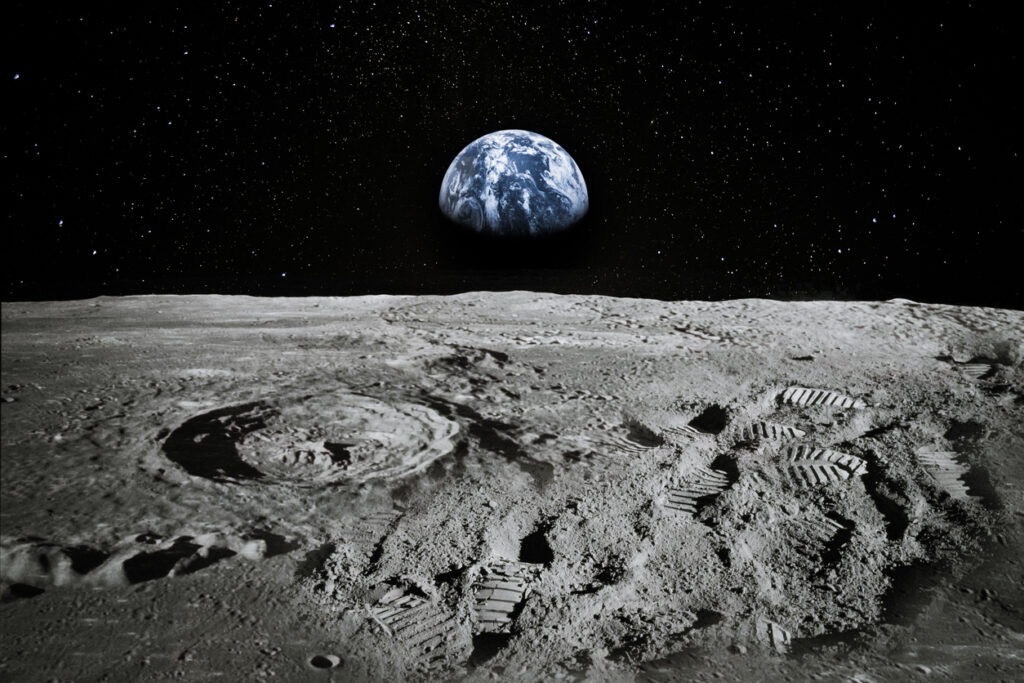
Many tools and machines are designed with Earth’s gravity in mind. On the Moon, drills, vehicles, and even simple tools behave differently because they don’t have the same weight holding them down. That changes how you work with them, since lighter weight makes them harder to anchor. Adjustments are needed, so equipment still functions properly in the weaker gravity.
It shows how much gravity shapes life.
The difference between Moon weight and Earth weight isn’t just a number. It highlights how much of our daily lives, from walking and eating to building and playing, is built around the pull of gravity. Without Earth’s strong gravity, everything feels different. The contrast is a reminder of how deeply we are shaped by the invisible force that keeps our world grounded.