
September is one of the most rewarding months in the garden because that’s when a huge range of crops reach their peak. Yet, it can also be a tricky time, as the days shorten, the weather shifts, and conditions change faster than you expect. Harvesting at the right time, in the right way, makes all the difference between food that tastes amazing now and crops that can be stored for weeks to come. Here are 10 of the best tips for making the most of your September harvest.
1. Pick tomatoes little and often.
Tomatoes tend to ripen rapidly in September, as the lingering warmth of summer mixes with cooler nights. If you leave them too long on the vine, sudden rain or shifts in temperature can make the skins split or the fruit spoil before you get to enjoy it. Even if they look almost ready, it’s worth checking the plants daily because catching them at the right stage gives you that unbeatable flavour that shop-bought tomatoes never quite match.
Harvesting little and often is the best approach, since it keeps the plants productive and avoids waste. If some fruits are still green when the season winds down, you can pick them anyway and let them ripen indoors on a sunny windowsill or pop them in a paper bag with a banana to speed things up. That way, you get to enjoy as much of the crop as possible, rather than leaving it to chance with the weather.
2. Lift potatoes before the ground cools.
Maincrop potatoes are usually ready to dig up in September, and you can tell because the foliage above ground begins to die back. Leaving them in the soil too long is risky, as cold and wet conditions encourage rot and slug damage. Digging on a dry day and lifting the tubers gently with a fork reduces bruising, which is important if you plan to store them. A rushed or rough harvest can leave skins torn, and those tubers won’t last as long in storage.
Once lifted, leave the potatoes out on the soil surface for a few hours, so the skins can dry and toughen. This simple step makes them less likely to rot once stored in a sack or box in a cool, dark space. Properly cured potatoes can last well into winter, which is one of the great rewards of September harvesting if you time it right.
3. Harvest beans while they’re tender.
Runner beans and French beans are at their best when picked young, slim, and tender. If you leave them too long, the pods become stringy, and the seeds inside swell until the texture turns tough. It can be easy to forget about them for a week, only to find huge pods that are far less appealing. A little neglect can mean you miss out on that sweet, crisp flavour that makes freshly picked beans so special.
Regular harvesting encourages plants to keep producing because as long as pods are removed, the plant continues sending out flowers. If pods are left to mature fully, the plant thinks its job is done and stops. Picking often improves taste and stretches out the season, giving you more to enjoy through the month.
4. Cut courgettes before they become marrows.
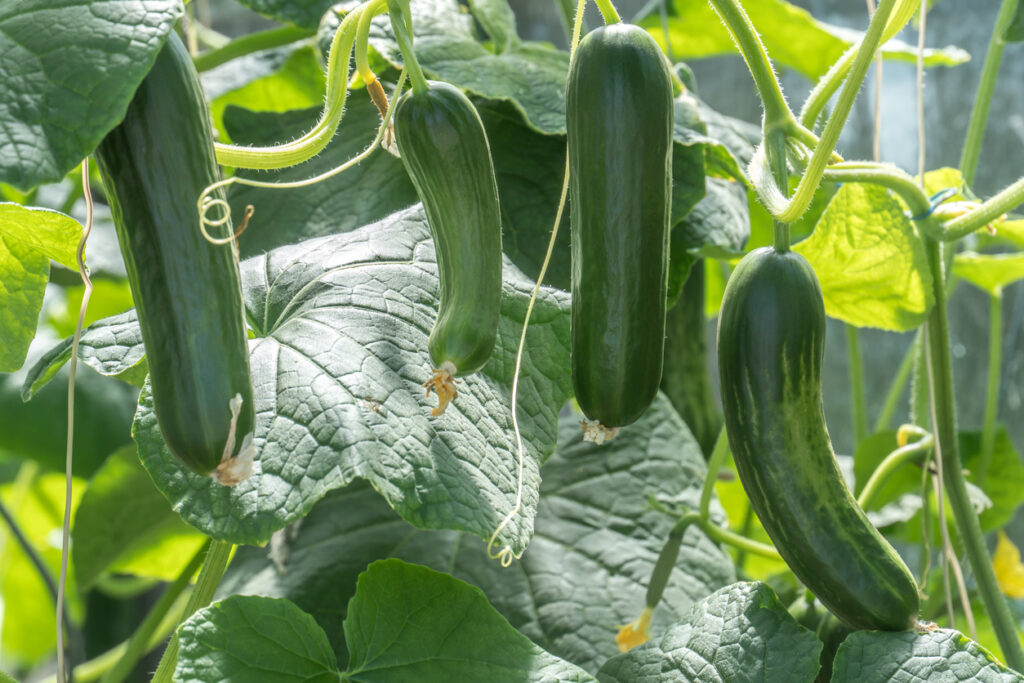
Courgettes have a habit of ballooning almost overnight, and in September, the growth can be even quicker with bursts of rain followed by sun. If you leave them too long, they become oversized marrows that are watery and far less flavourful. Checking plants every couple of days is essential because missing even a single fruit can turn into a bulky marrow before you realise.
Cutting courgettes when they’re around 10–15 cm long gives you the sweetest taste and the firmest texture. Harvesting them small also encourages the plant to keep producing, so you get a steady supply instead of a glut all at once. Smaller courgettes are more versatile in the kitchen, too, so you will find yourself using them more easily in different dishes.
5. Gather apples, as they part easily.
Apples start to ripen properly in September, although not all varieties reach maturity at the same time. A good test is to gently lift and twist — if the apple comes away from the branch without force, it’s ready. Leaving fruit on the tree for too long risks bruising from falls, or worse, letting wasps and birds get there first.
When picking, handle apples carefully because bruises shorten their storage life dramatically. Early varieties are best eaten fresh, but later ones can be stored in trays somewhere cool and dark, where they will last for weeks or even months. A careful harvest now means you can keep enjoying apples long after the trees have gone bare.
6. Pick pears before they soften.
Pears can be deceiving because if you wait until they soften on the tree, the inside often turns mushy before the outside looks ready. That is why pears are best picked while they’re still firm but part easily from the branch. Leaving them too long can mean you miss the best window entirely, and fruit that looks perfect on the outside can be disappointing inside.
Once picked, pears ripen beautifully indoors, where you can control the process more carefully. Storing them in a cool spot and checking daily allows you to enjoy them at their peak, sweet and juicy, rather than mealy or overripe. Picking at the right time makes all the difference with this crop.
7. Collect onions on a dry day.
By September, onion tops usually flop over and turn brown, which is the plant’s sign that the bulbs have finished growing. It’s tempting to pull them straight up, but harvesting in wet conditions risks mould or rot setting in. Choosing a dry day makes the job easier and keeps your onions healthier.
After lifting, lay the bulbs out in the sun or under a sheltered spot to dry thoroughly. Once the skins have become papery and the necks tight, you can store them in nets or baskets. Done properly, this gives you onions that last through winter with their flavour intact.
8. Harvest sweetcorn at peak sweetness.
Sweetcorn is one of those crops where timing is critical. The best way to tell it’s ready is when the silks at the top have turned brown and a kernel releases a milky juice when pressed. Leave it too long, and the sugars quickly turn to starch, which makes the cobs taste bland.
Pick sweetcorn as close to eating as possible, ideally the same day. Cooking or freezing straight after harvest locks in the sweetness. It’s one of the purest pleasures of September gardening, so it’s worth checking plants daily to catch them at their best.
9. Cut leafy greens before they bolt.
Kale, spinach, and chard often thrive in September, but they’re still prone to bolting if warm weather lingers. Once a plant bolts, it sends up a flower stalk, and the leaves turn bitter and tough. Leaving them too long means you miss out on their best flavour.
Harvesting regularly encourages fresh, tender leaves to grow back. Picking smaller leaves gives you the sweetest taste and also keeps the plant vigorous for longer. A steady routine of cutting and using ensures a continuous supply right through the month.
10. Store crops with care.
After all the effort of growing, the way you store your harvest makes a huge difference. Dampness and poor airflow are the main culprits that cause fruit and vegetables to spoil faster than expected. A bumper harvest can quickly go to waste if storage is overlooked.
Using breathable sacks, crates, or trays helps keep crops fresher for longer. Don’t pile fruit too high, and always check stored produce regularly to remove anything starting to spoil. With the right storage, September’s harvest can last well into winter, letting you enjoy the results of your hard work for months to come.