We usually think of lightning as a wild, Earth-only event, a flash, and a bang during a summer storm.
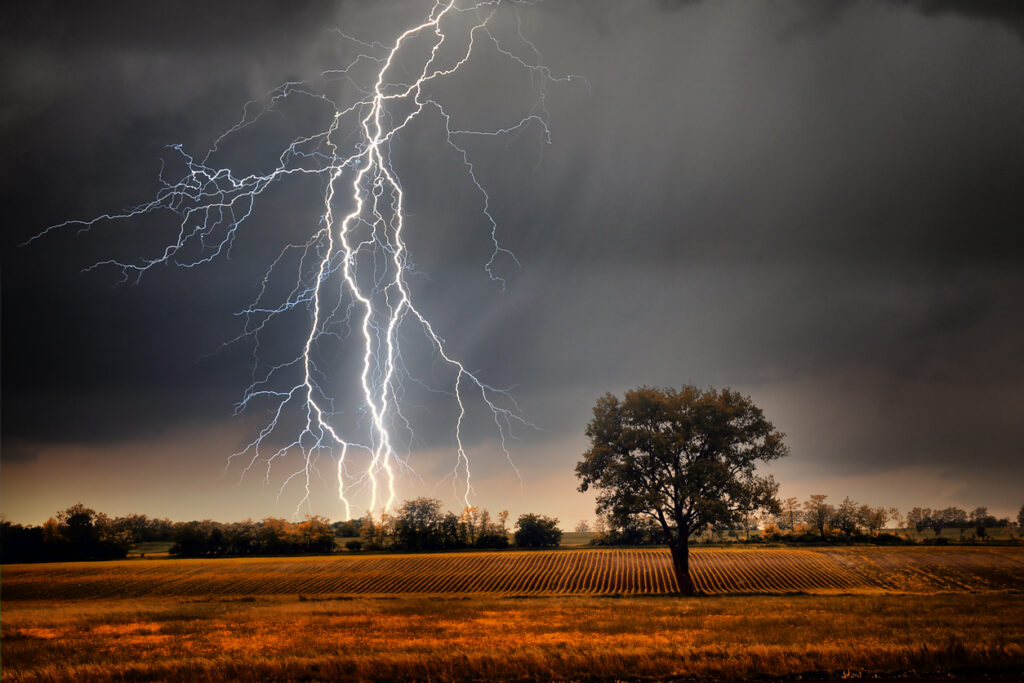
However, it turns out lightning has a lot more in common with what’s happening out in space than you’d expect. In fact, researchers have been studying lightning to get clues about space weather, solar flares, and even what’s going on in the upper atmosphere. From plasma bursts to electromagnetic chaos, here’s what those strikes in your back garden can reveal about the bigger storms happening far above us.
1. Lightning shows how electric the atmosphere really is.
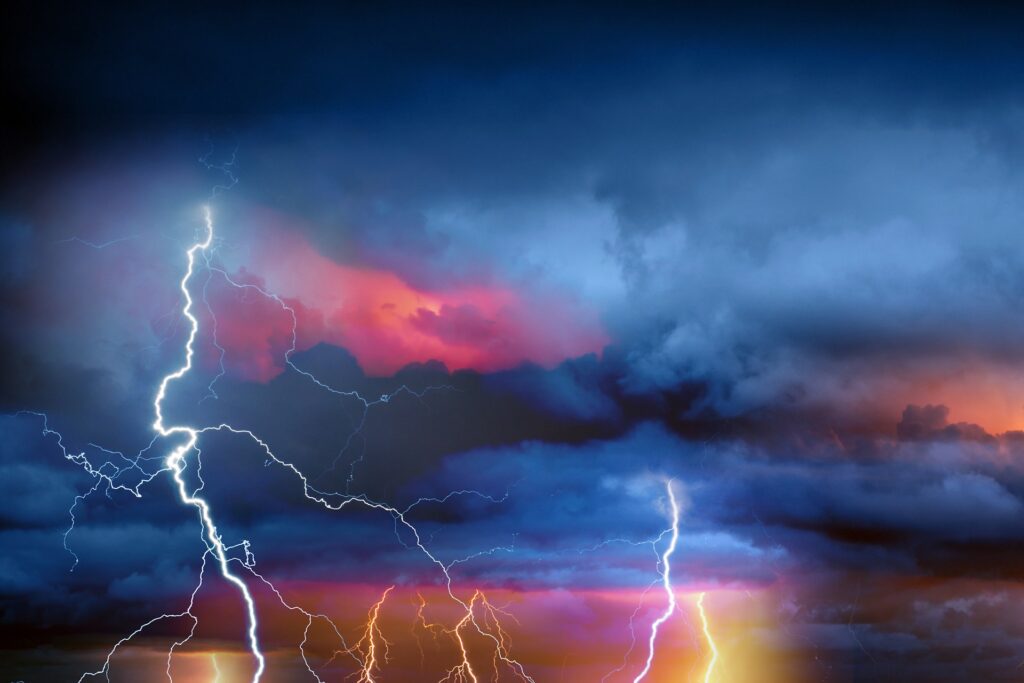
We often forget that the Earth’s atmosphere is full of electric fields. Lightning reminds us that the air isn’t empty; it’s a charged, reactive space. When lightning strikes, it’s the result of those built-up electric fields discharging in a dramatic burst.
That same principle applies to space weather. Up in the magnetosphere and ionosphere, electrical energy builds and discharges in huge ways, just like lightning, but on a cosmic scale. Understanding how energy accumulates and releases in storms here helps scientists model similar patterns happening way above the clouds.
2. Both lightning and space weather are driven by plasma.
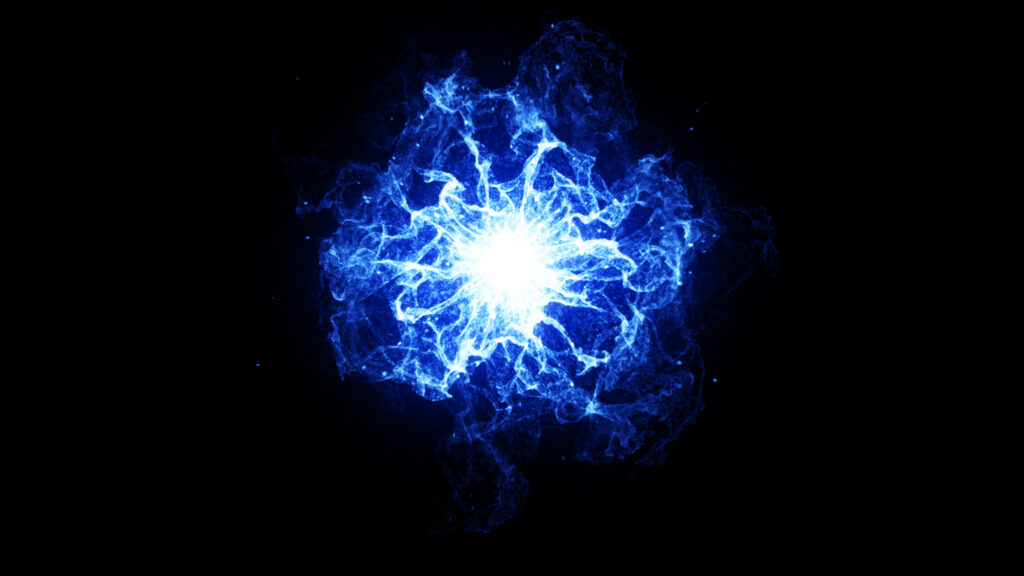
Plasma is often called the fourth state of matter, and both lightning bolts and solar flares involve it. When a lightning strike rips through the sky, it turns the air into plasma, which is an extremely hot, electrically charged gas.
Space weather events, like coronal mass ejections and solar wind disruptions, also involve massive amounts of plasma hurtling through space. By watching how plasma behaves in lightning strikes, scientists can better understand how it might behave on a much bigger scale in space.
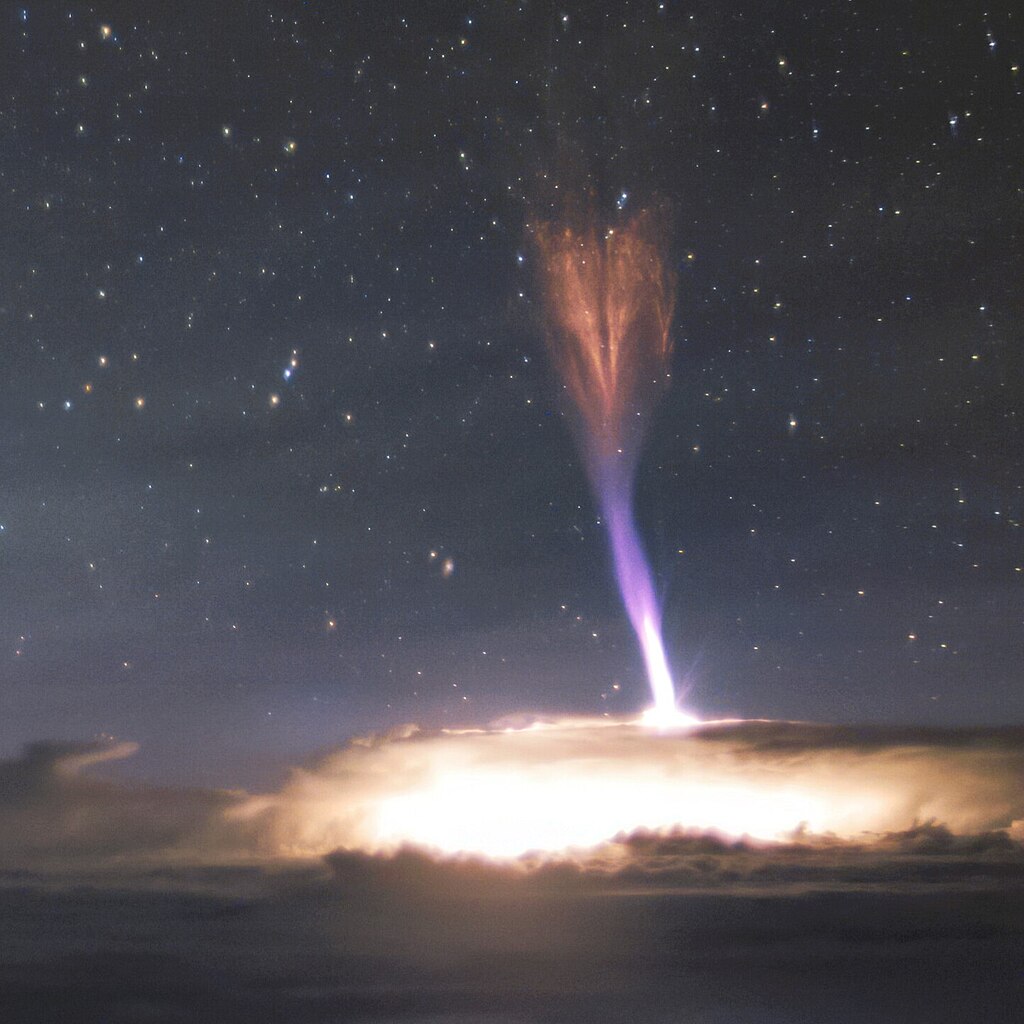
3. Sprites and jets link lightning to the edge of space.

Sprites, blue jets, and other strange electrical phenomena happen way above thunderstorms, reaching into the upper atmosphere. These aren’t your typical lightning strikes; they’re fleeting, colourful bursts that happen at the border between Earth’s weather and space.
Studying these rare events helps researchers understand how energy moves from the lower atmosphere into near-space. It blurs the line between weather and space weather, showing us that the two are more connected than we once thought.
4. Radio waves from lightning mimic signals from space.

When lightning strikes, it doesn’t just light up the sky. It also releases radio waves. These pulses travel long distances and can interfere with communication systems, satellites, and navigation tools. The disturbances lightning causes on Earth are eerily similar to what solar storms do to our systems in space. That makes lightning a kind of miniature, local version of space interference—one we can study without leaving the planet.
5. Lightning helps test space weather prediction models.
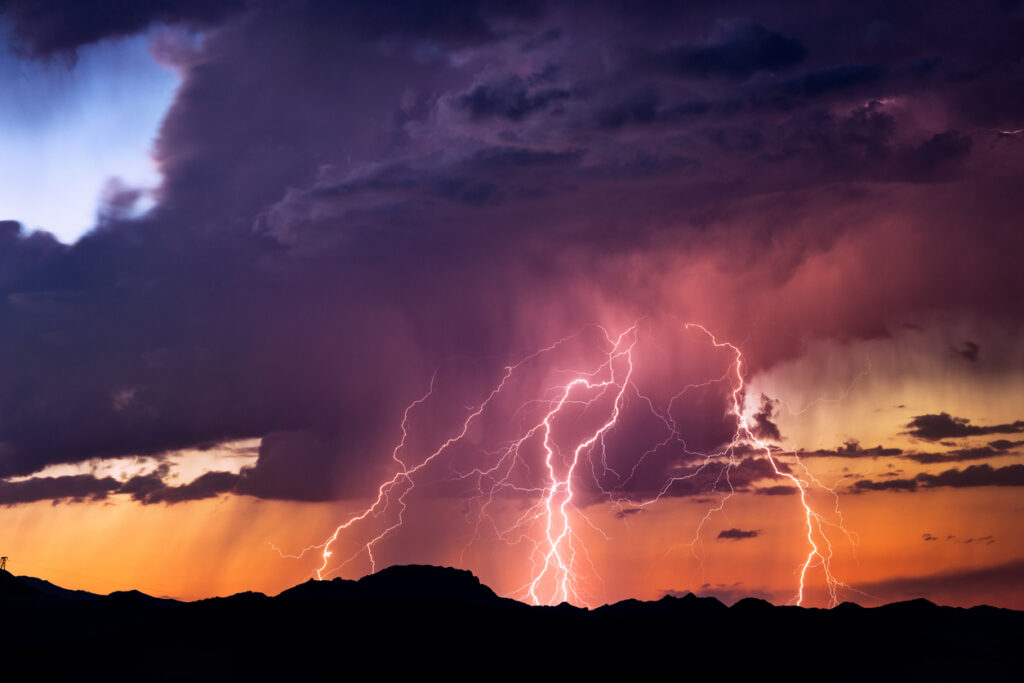
Lightning is unpredictable but measurable. That makes it the perfect real-world lab for testing weather and energy models that scientists also use for predicting space weather. It’s fast, chaotic, and intense, just like solar storms. By running simulations and comparing them with real lightning data, researchers can fine-tune their models for larger, more complex energy events. It’s like practising with a firecracker before handling fireworks the size of the sun.
6. Both can disrupt technology in surprising ways.
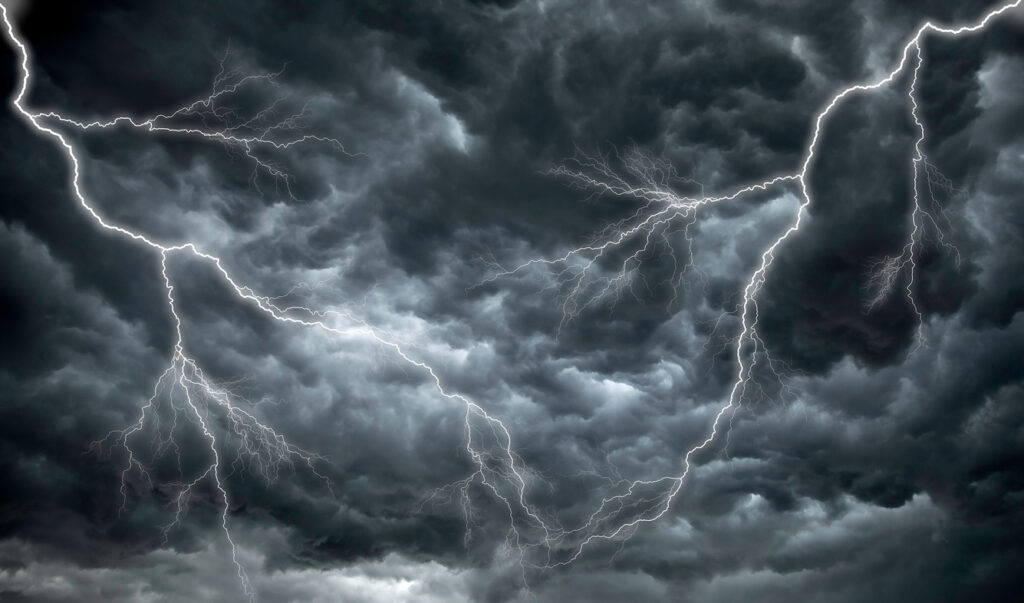
Everyone knows lightning can fry electronics, but space weather does the same thing, just on a much larger scale. Solar storms can knock out power grids, damage satellites, and even interfere with aircraft communications.
By studying how lightning damages electrical systems on Earth, engineers and scientists can design better protection for the delicate tech floating around in orbit. The more we know about Earth-bound disruptions, the better we can prepare for space ones.
7. Lightning teaches us about electromagnetic pulses.
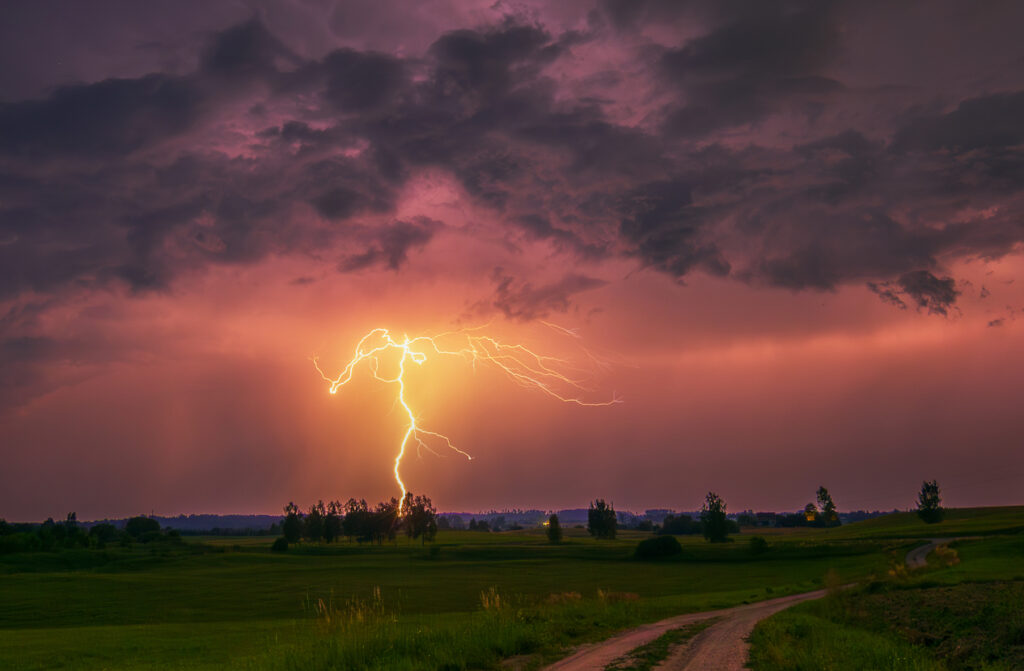
Every time lightning strikes, it sends out a burst of electromagnetic energy. These pulses are short but powerful, and they ripple through the surrounding air and ground. The same concept applies to solar flares and other cosmic events. Understanding how lightning-generated pulses behave gives scientists a better grip on how similar bursts from space might affect life on Earth. It’s all part of decoding how energy spreads and interacts across different environments.
8. The ionosphere reacts to both lightning and solar storms.
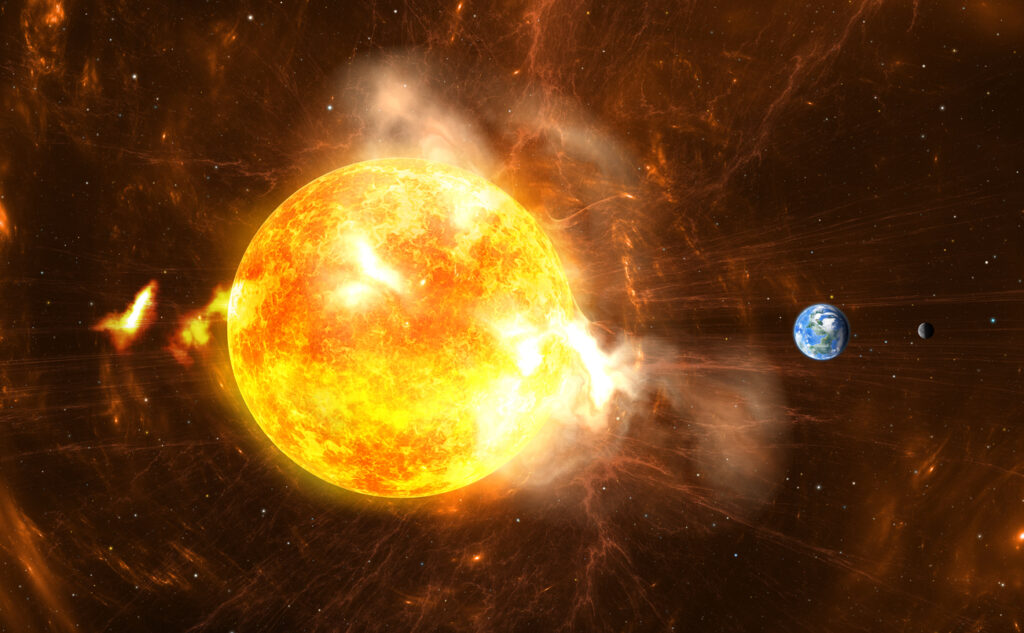
High above Earth, the ionosphere is a charged layer of atmosphere that plays a key role in radio communications. Both lightning and space weather can disturb it, changing how signals move through it and bounce back to Earth. By watching how lightning affects the ionosphere, scientists can predict how it might react to solar activity, too. It’s one more example of how local events give us a front-row seat to understanding larger space dynamics.
9. Lightning helps calibrate space weather instruments.
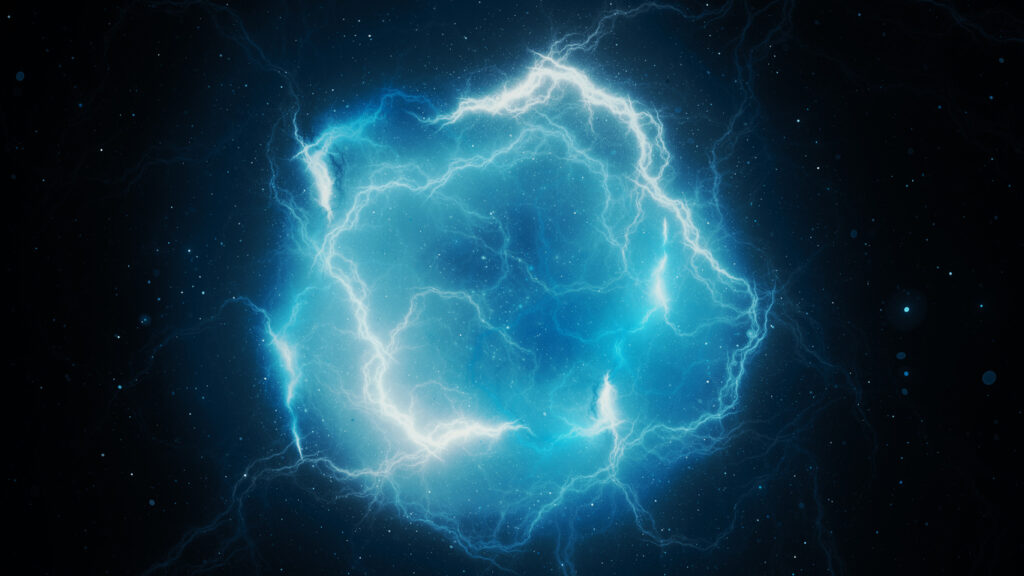
Satellites and sensors meant to monitor space weather need testing, and lightning offers a useful analogue. By studying how these instruments respond to real electrical storms on Earth, scientists can see how they might behave in harsher space environments. This kind of calibration is essential for building tools that don’t just survive in orbit, but actually give accurate readings. Lightning might be Earth-based, but it’s a crucial part of preparing for space observation.
10. It reveals energy chain reactions we also see in space.
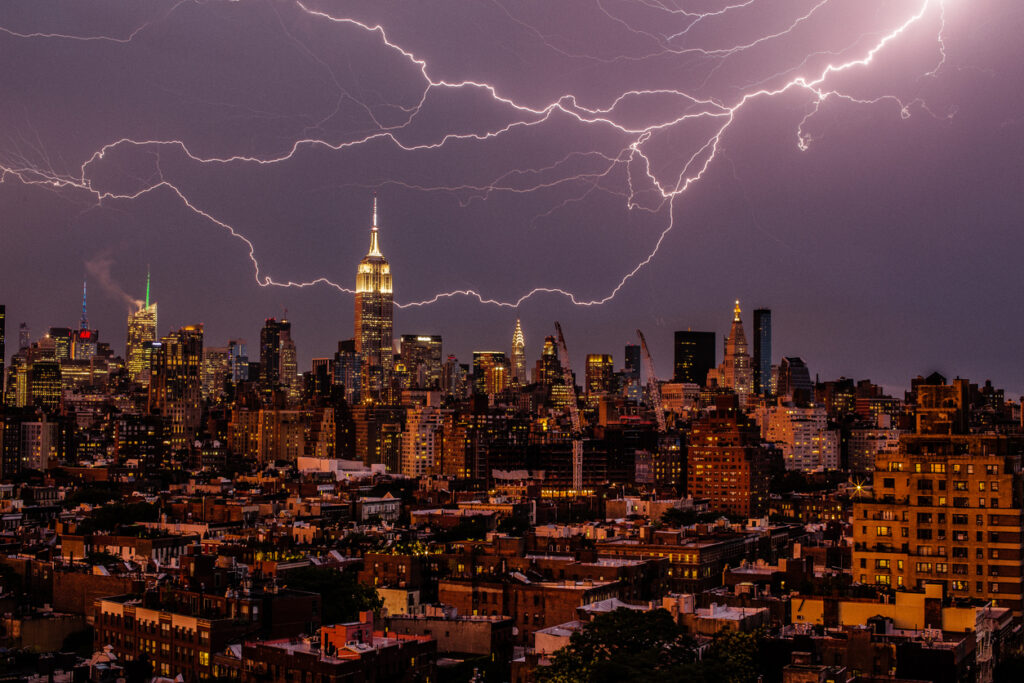
When one part of the sky lights up with lightning, it often triggers more strikes nearby. That chain reaction is a small version of what happens during solar storms, when one energy burst sets off a cascade of reactions in nearby particles and fields.
This domino effect is central to understanding space weather. Watching it happen during thunderstorms gives scientists a controlled environment to study how energy moves, builds, and spreads—knowledge that’s hard to gather in deep space.
11. It shows how magnetic fields shape energy movement.
Magnetic fields play a big role in both lightning strikes and space weather. On Earth, they guide lightning channels and influence where it touches down. In space, magnetic fields shape the direction of solar winds and radiation bursts. By observing how lightning behaves around Earth’s magnetic field, researchers learn how similar forces work on a bigger scale near planets, stars, and other cosmic bodies. It’s one magnetic system echoing another.
12. Lightning reminds us Earth and space are deeply connected.
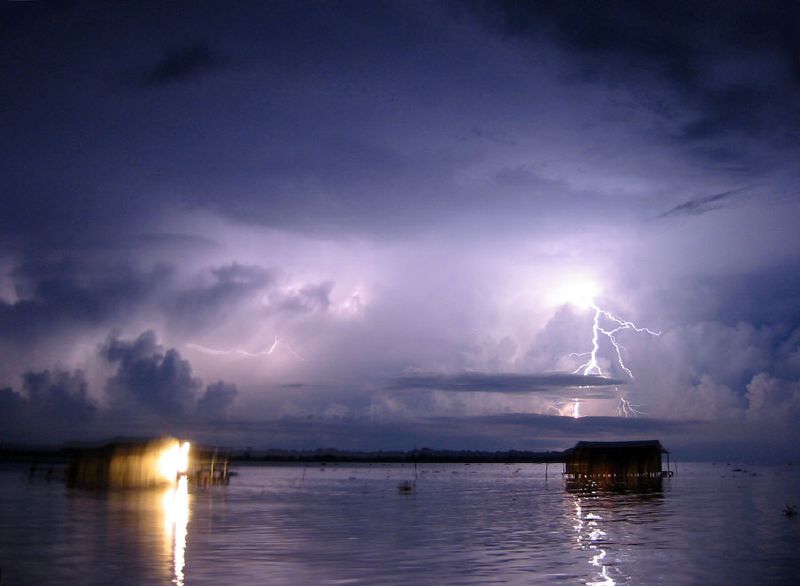

Lightning might feel like a down-to-earth phenomenon, but it’s linked to bigger cosmic processes in more ways than we realise. From the ionosphere to radiation bursts, there’s constant overlap between what happens during a storm here and what’s going on far beyond the clouds. Studying lightning doesn’t just help us understand Earth better, but it also helps us prepare for the challenges of space. It’s a loud, bright reminder that we’re not as separate from the universe as we sometimes think.