Bumblebees don’t get nearly enough credit for just how smart and strategic they are.
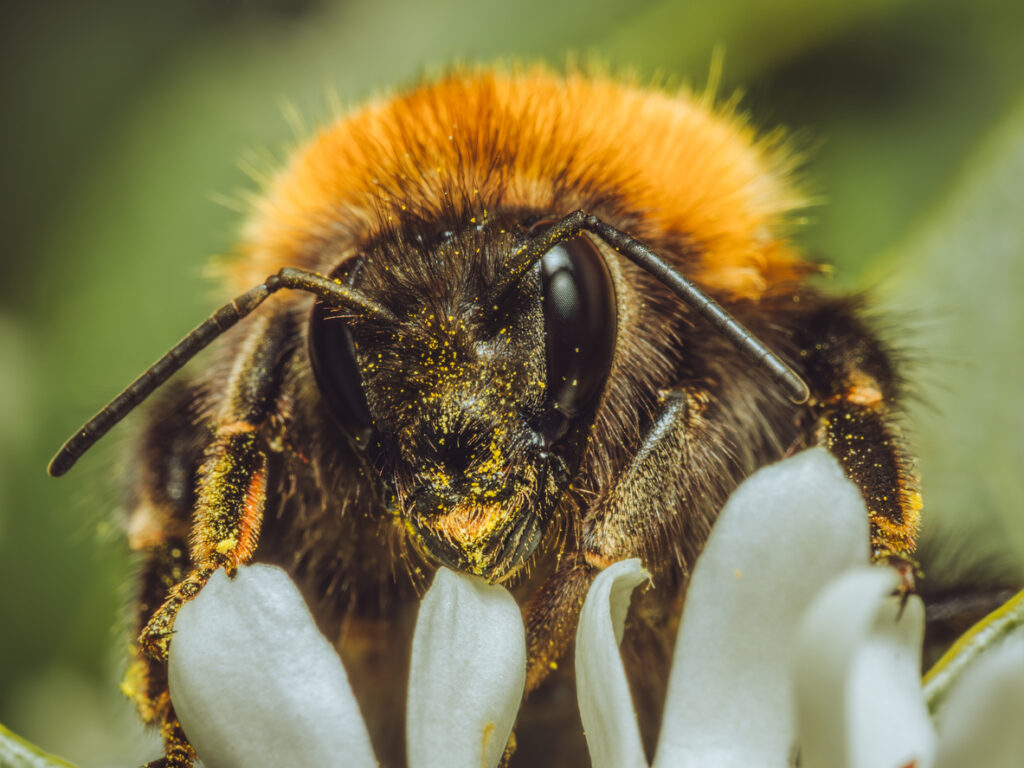
When they’re flying around your garden or buzzing through a meadow, it’s not aimless. These little insects have a surprisingly sophisticated set of tricks up their fuzzy sleeves when it comes to finding food, getting back home, and avoiding getting lost. From mental maps to memory-based shortcuts, here are the wildest ways bumblebees navigate the world, some of which even scientists didn’t expect.
1. They memorise landmarks like trees and fence posts.
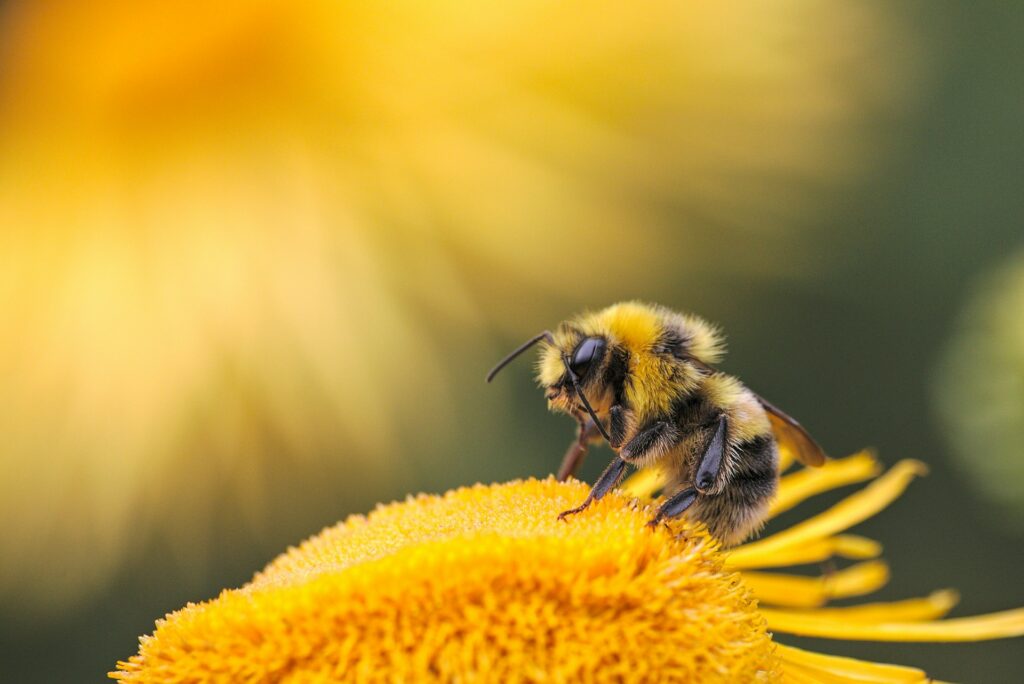
Bumblebees don’t just follow instinct, they actually remember. As they fly through their territory, they use visual landmarks like buildings, hedges, or tall plants to build a mental map. These markers help them retrace their route and find their way back to the nest, even after complex foraging trips.
Instead of relying on one path, they piece together routes by linking memorable spots. It’s not that different from how we might remember our way home by the corner shop, the red post box, and the weird tree with the bendy trunk.
2. They can see patterns humans can’t.
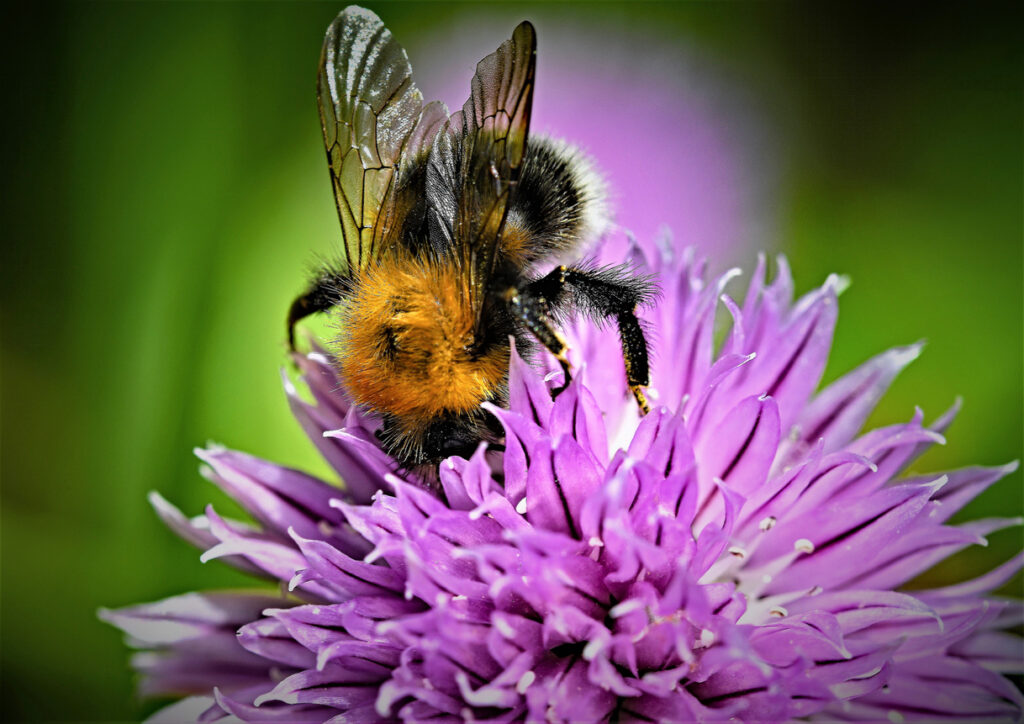
Bumblebees can detect ultraviolet light, which lets them pick up on flower patterns invisible to us. Many flowers have UV markings that basically act like runway lights, guiding the bee straight to the nectar-rich centre. That ability doesn’t just help them find food; it also helps them recognise familiar plants and avoid wasting time with ones they’ve already visited. They’re not just flying around randomly; they’re following signs we don’t even know are there.
3. They run practice flights before heading off properly.
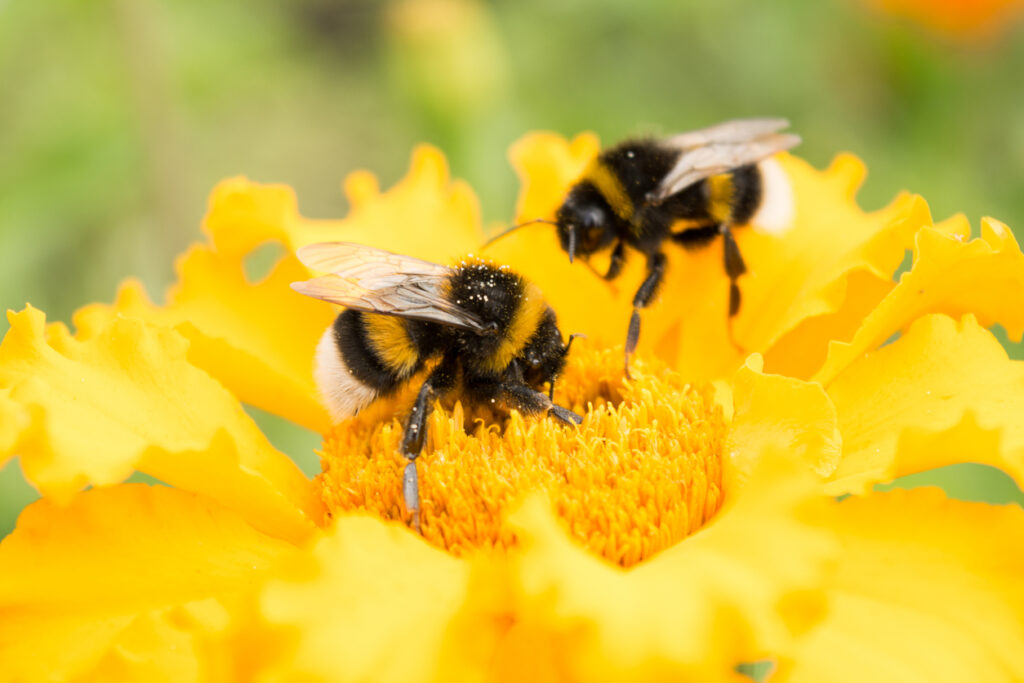
When a young bee first leaves the nest, it doesn’t just shoot off into the world. It flies in small circles and figure-eights, facing the nest repeatedly to lock in the visual layout. These early flights are like a bee’s version of learning the neighbourhood before going further. Even adult bees do short “learning flights” when they find a good flower patch, just to get the lay of the land before heading back home. It’s cautious, clever, and shows just how much intention is behind their movements.
4. They follow scent trails to backtrack their own route.
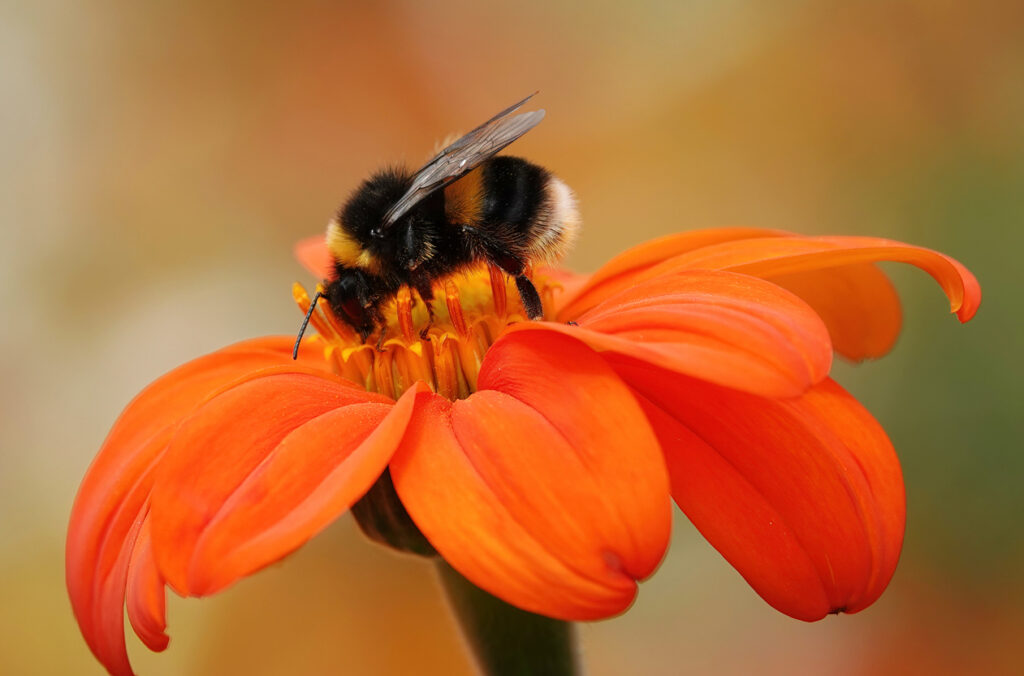
Bees leave behind faint scent markers with their feet or bodies as they explore. These can act as temporary breadcrumbs, helping them retrace their steps back to flowers or their hive if they get disoriented. These chemical trails don’t last long, so it’s more of a short-term navigation aid than a long-lasting map. However, for quick detours or midair course corrections, it’s surprisingly handy, and shows how bees combine different senses when flying.
5. They use the position of the sun, even when it’s cloudy.
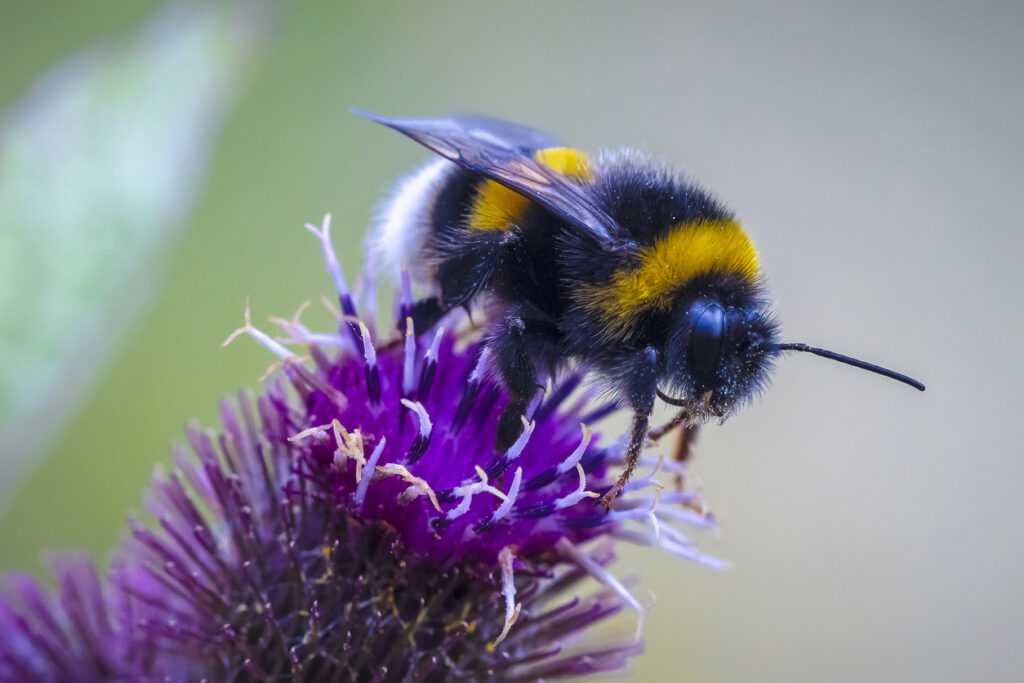
One of the most mind-blowing skills bees have is their ability to use the sun as a compass. They can judge its position in the sky and use it to orient themselves, even if it’s hidden behind clouds. They rely on the pattern of polarised light in the atmosphere to track where the sun is.
This lets them fly in a straight line toward a target or back to their hive without getting spun around. It’s like having a built-in GPS that never runs out of battery, and it’s something humans only figured out how to replicate with instruments.
6. They remember the order of flower visits.
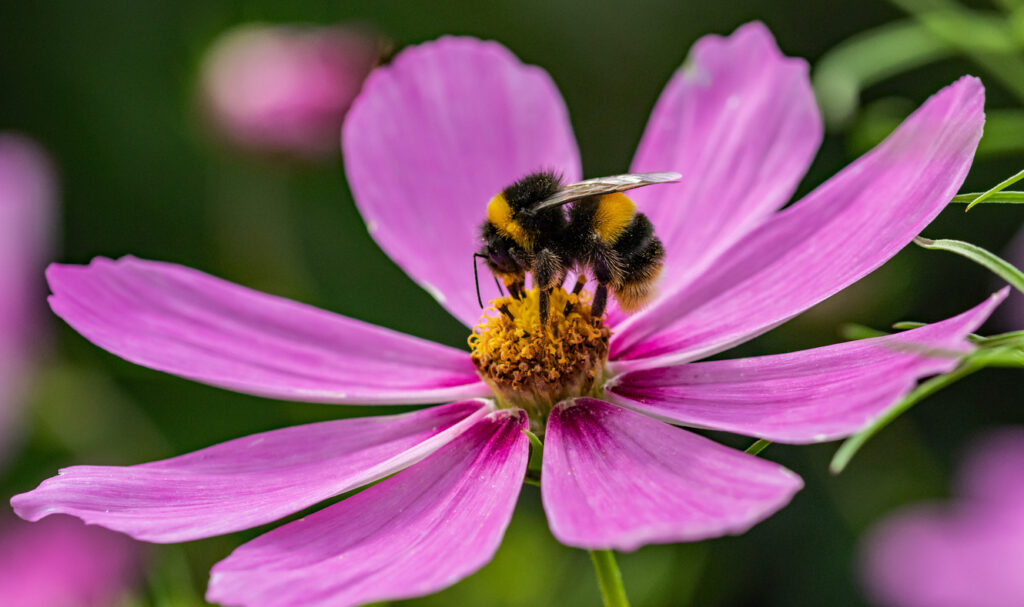
Bees don’t just find a few flowers and hope for the best. They develop a pattern called “traplining,” where they visit the same flowers in the same sequence each time. This route helps them collect nectar efficiently without revisiting empty plants. It’s a sign of high-level memory and planning. Over time, they tweak the route to make it faster or more productive, like optimising a delivery route. It’s not instinct; it’s learned strategy, and it saves them time and energy.
7. They avoid competition by reading social cues.
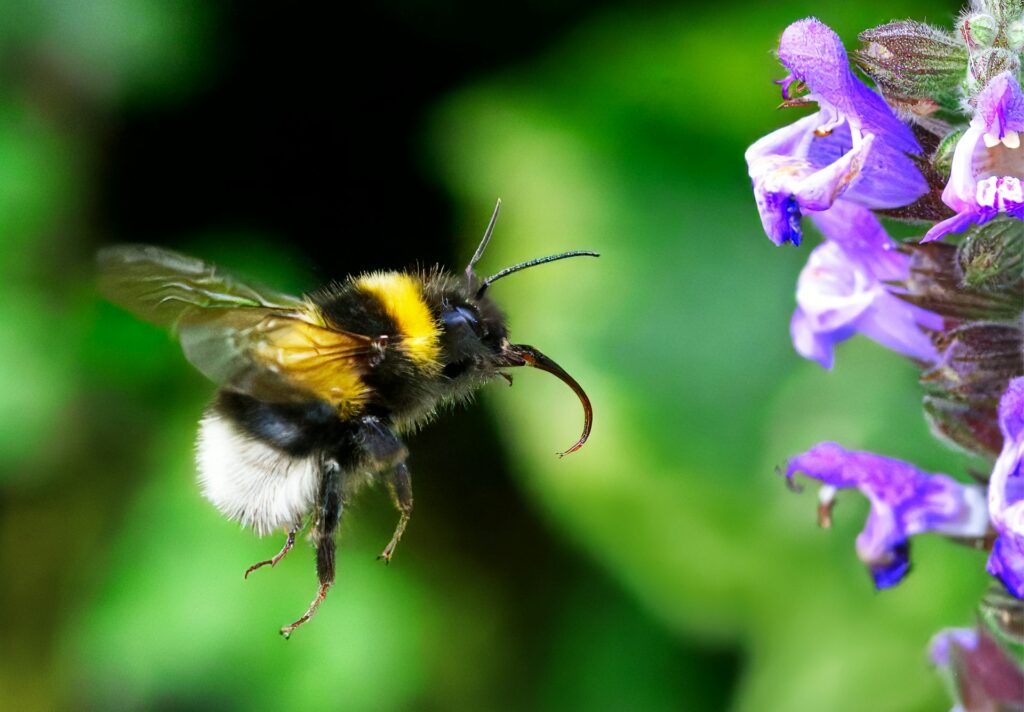
Bumblebees can detect if another bee has already visited a flower, partly through scent and partly through subtle clues in the pollen left behind. If they sense a flower’s been picked clean, they’ll skip it and head for fresher options. This keeps them from wasting energy and avoids unnecessary conflict. In busy environments, this little trick gives them a better shot at finding food without always having to compete head-to-head.
8. They’re constantly updating their mental map.
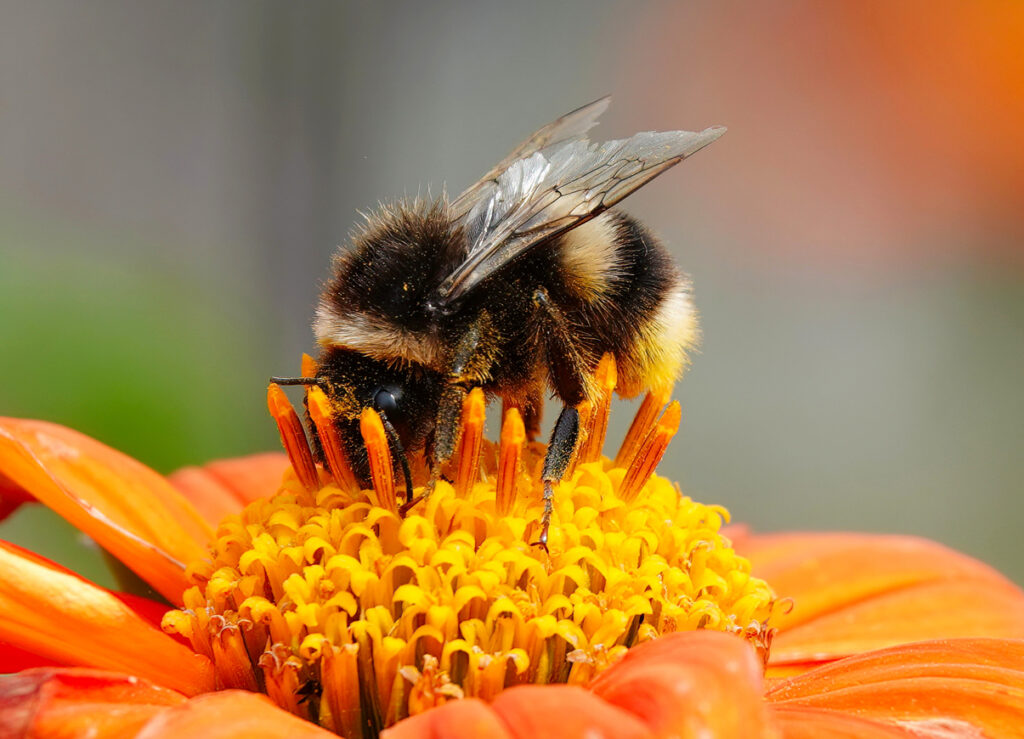
A bee’s map isn’t static, which is pretty cool. It updates every time it goes out. If a flower patch dries up or gets moved (like when you rearrange pots in the garden), the bee will adapt its route. They don’t stubbornly return to empty spots just because they used to be good. Their real-time adjustment shows just how flexible and responsive their internal mapping system is. Memory plays a part, but it’s also active decision-making, based on what’s happening that day.
9. They can tell distance by how things blur.
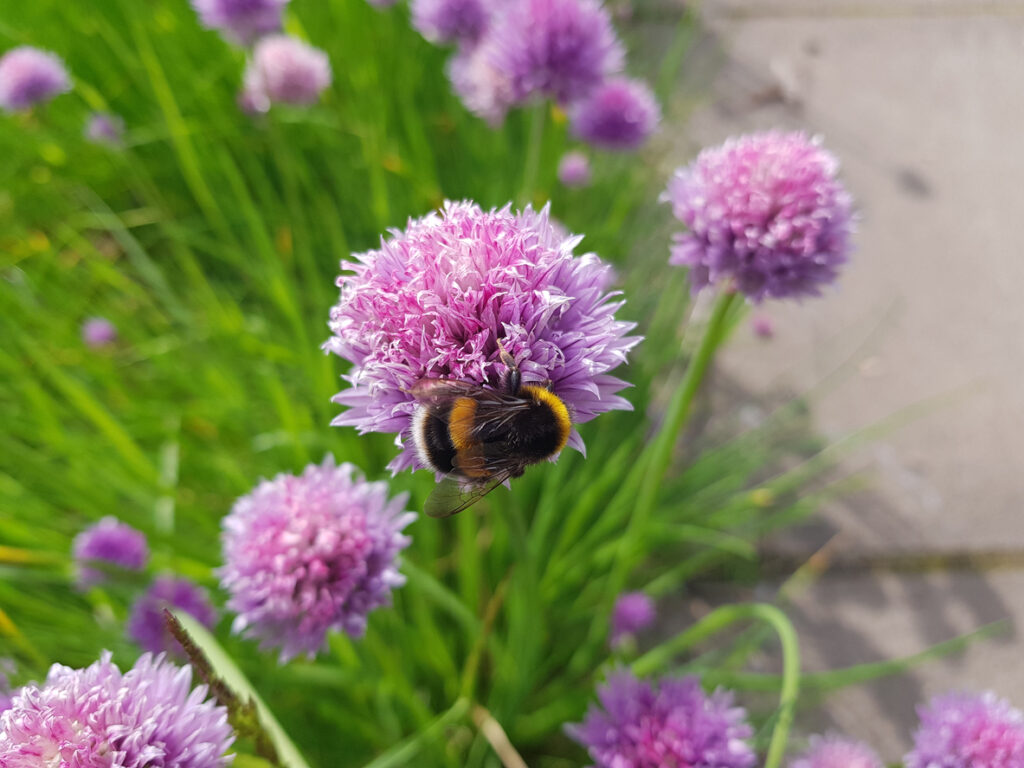
Bees use something called “optic flow,” the way objects appear to move past them, to judge distance. The faster things move in their field of vision, the closer those objects are. This helps them land smoothly and avoid crashing into things mid-flight. It’s like how you can tell how fast your car is moving based on how quickly fence posts whiz by. Bees do that on the wing, constantly adjusting their speed and trajectory using those subtle visual cues.
10. They can learn routes from other bees.
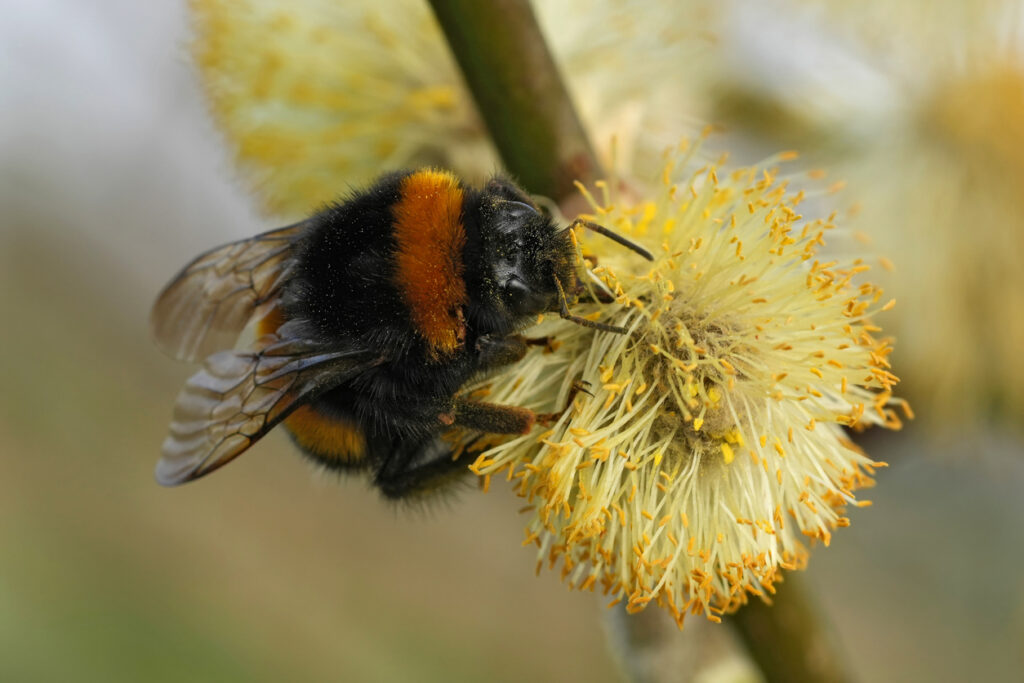
While bumblebees don’t dance like honeybees, they can still learn from each other. If one bee sees another returning repeatedly from a certain direction, it might explore that area too. There’s a level of social learning going on, even if it’s not as flashy as a waggle dance. This helps colonies adapt more quickly to changes in the environment. Instead of each bee figuring everything out from scratch, they build off each other’s discoveries and form shared patterns over time.
11. They’re not afraid to take shortcuts.
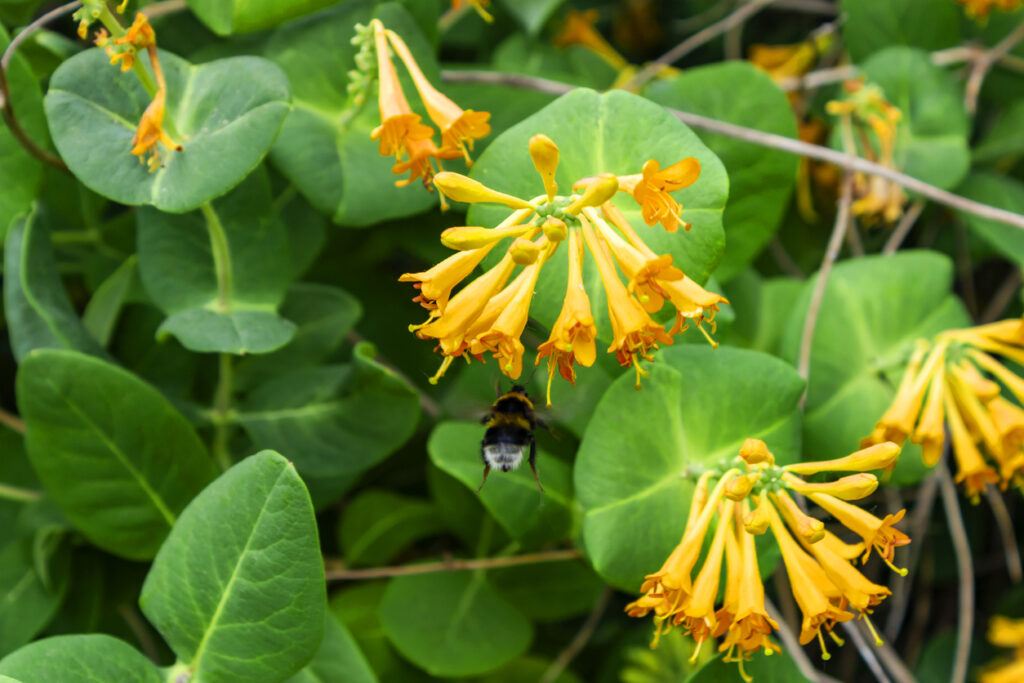
Once a bee has learned a regular route, it won’t stick to it out of habit. If it spots a faster path, or remembers a better one from a previous trip, it’ll cut corners and save time. Efficiency always wins out over routine. That kind of behaviour shows a mix of memory, spatial reasoning, and learning ability. It’s not trial and error; it’s conscious streamlining. Not bad for something with a brain the size of a pinhead.
12. They rely more on memory than instinct.
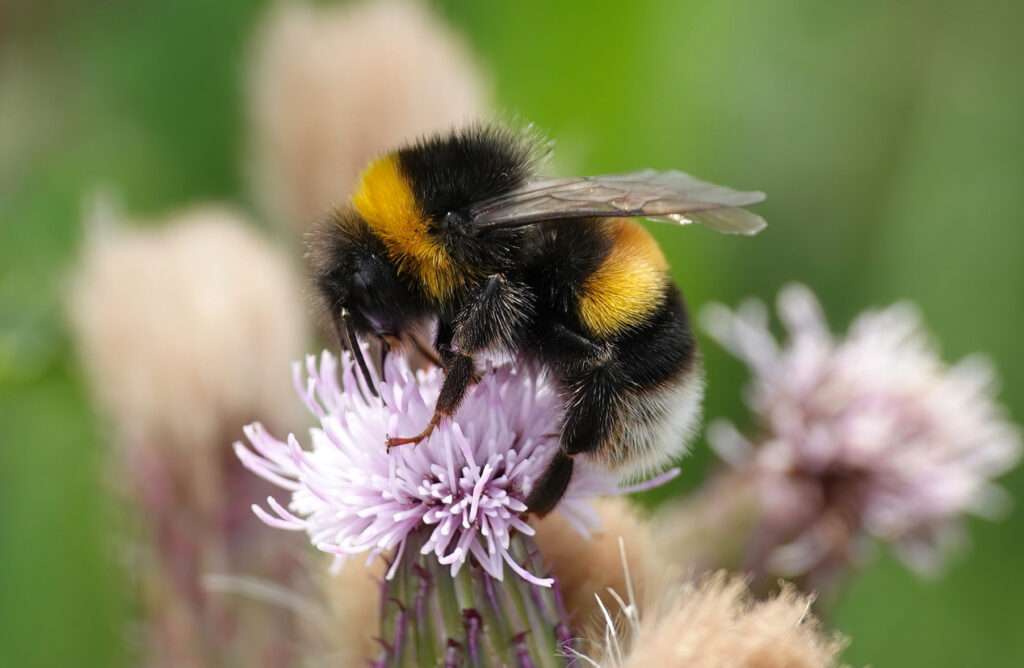
People often assume bees are just running on autopilot, but studies show they rely heavily on learning and memory. From navigating new environments to remembering flower types and locations, their decisions are shaped by experience, not just programming.
The ability to learn and adjust is what makes them such effective pollinators. They’re not flying blindly; they’re thinking on the wing. And the more scientists study them, the more it becomes clear just how clever these tiny creatures really are.