There’s something calming about casting a line into the water, especially when it’s just you, your rod, and the hope of a catch.

However, in the UK, freshwater fishing comes with a whole set of rules that many people either don’t know or don’t think apply to casual anglers. Whether you’re fishing for coarse species, trout, or salmon, there are limits, permits, and seasons to consider, and ignoring them could land you with more than just a blank day. Here are 13 things to know before you grab your rod and head out.
1. You need a rod fishing licence from age 13 upwards.
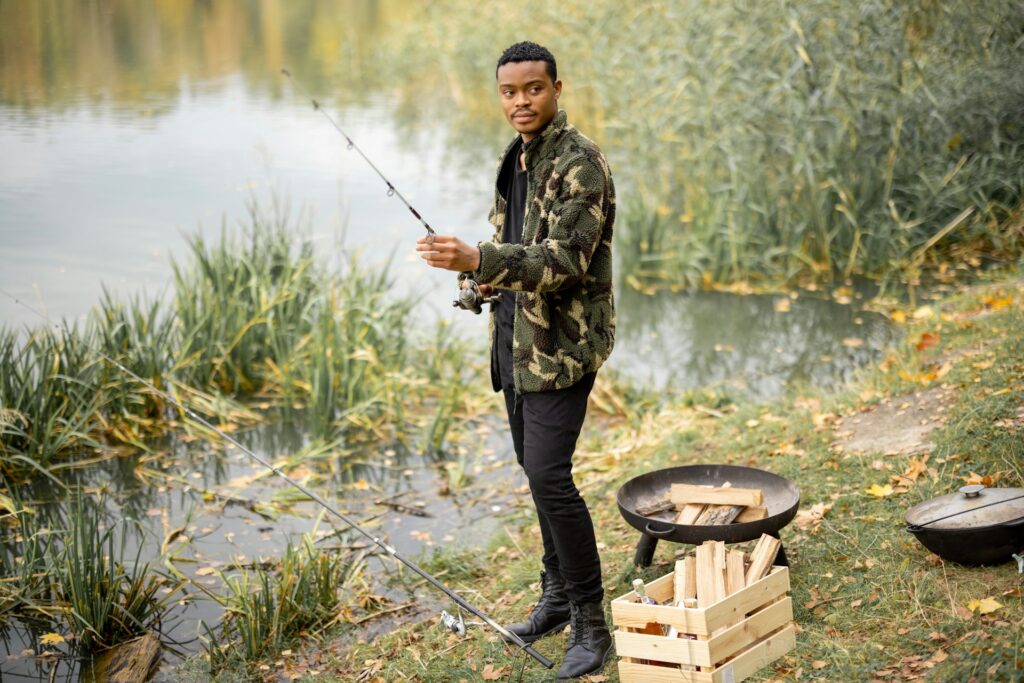
Anyone aged 13 or older must have a valid rod licence before fishing for freshwater species like coarse fish, trout, or salmon in England and Wales. It doesn’t matter if you’re only out for a quiet afternoon. You still need one. Kids under 13 are exempt, and teenagers between 13 and 16 can apply for a free junior licence.
Without a licence, you’re fishing illegally. Fines for that can be steep, sometimes up to £2,500. It’s easy to apply online and usually valid for 12 months, so there’s no excuse not to be covered.
2. The licence doesn’t give you the right to fish everywhere.

Having a rod licence doesn’t automatically mean you can fish anywhere you like. Most waters in the UK, whether rivers, canals, or stillwaters, are owned or managed by clubs, landowners, or councils. You’ll usually need their permission, which can mean buying a day ticket or joining a club. Fishing on private waters without permission is considered trespassing, even if you have your licence. Always double-check the access rules for the specific location you’re planning to fish.
3. There’s a close season for coarse fish on rivers.
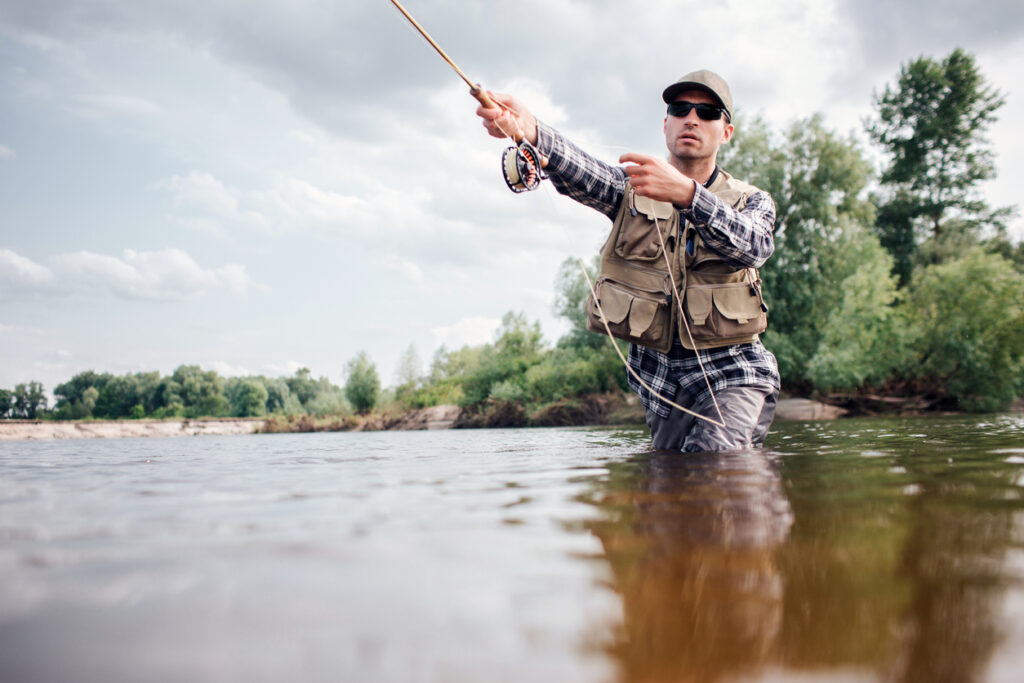
From 15 March to 15 June each year, fishing for coarse fish is banned on rivers, streams, and some drains in England. This close season protects fish while they’re spawning and helps future populations thrive. Stillwaters and canals are usually exempt, but not always, so make sure you know the rules for the specific type of water you’re visiting. Fishing during the close season on restricted waters can lead to fines or confiscation of equipment.
4. There are strict limits on how many rods you can use.

Your rod licence determines how many rods you’re allowed to use at once. For example, a standard licence usually covers up to two rods for coarse fishing. If you’re using more, you’ll need an additional licence or a multi-rod version. Spacing also matters; rods placed too far apart can count as being fished by multiple people and might be seen as a rule breach. Make sure your setup fits within the guidelines to avoid trouble.
5. You can’t just keep any fish you catch.
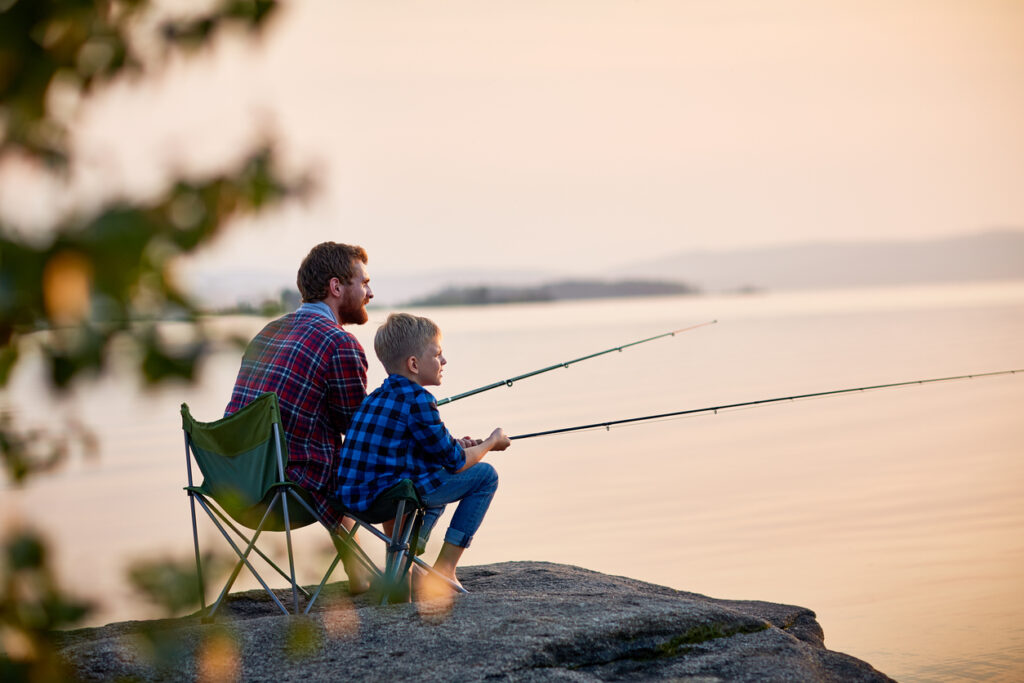
There are size and species limits for what you’re allowed to take home. In general, most freshwater fish must be returned unless they meet specific size criteria. For example, you’re only allowed a set number of small coarse fish per day, and species like pike or grayling have their own slot limits. If you’re unsure, the safest option is catch and release. Taking undersized or protected fish home could result in serious penalties and damage the local ecosystem.
6. You’re responsible for knowing the local byelaws.

Fishing rules vary depending on the region and even the body of water. Byelaws cover everything from what tackle you can use to whether barbed hooks are allowed. These aren’t just suggestions; they’re enforceable rules. Before heading out, it’s a good idea to check local Environment Agency or waterway notices. Playing it by ear could see you unintentionally breaking the law.
7. Rods must never be left unattended.
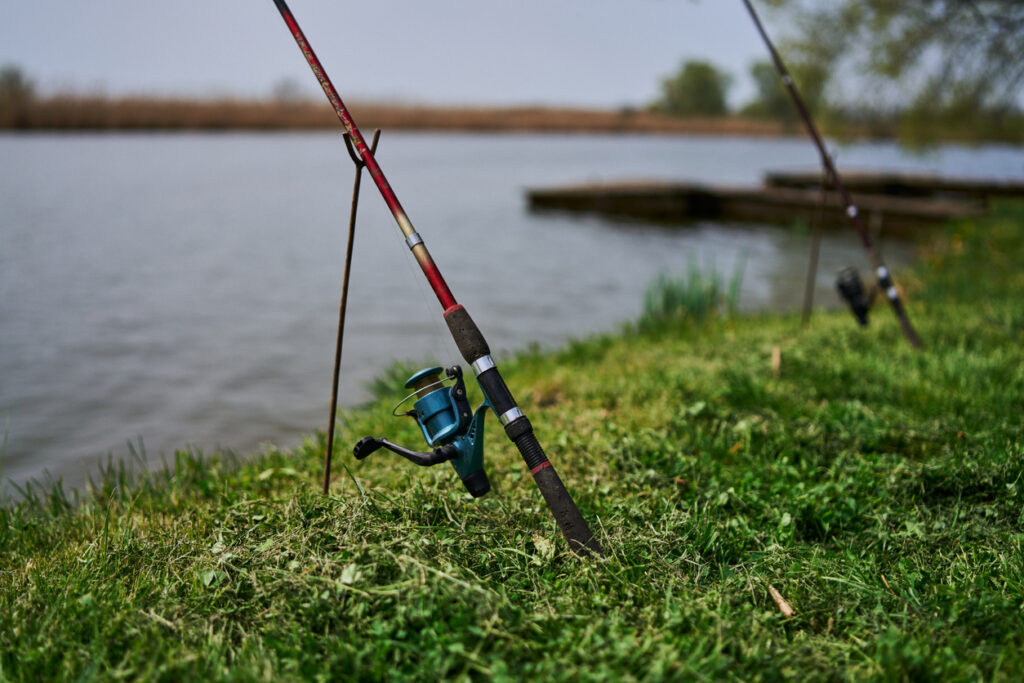
Even if you just nip to the car or step away for a snack, leaving rods in the water unattended is illegal. It’s considered a risk to wildlife and unfair to other anglers. If you’re using bite alarms or fishing multiple rods, you still need to remain within reach. Walking off and hoping for a bite isn’t just frowned on, either. It could cost you your gear and a fine.
8. Coarse, trout, and salmon fishing have different tackle rules.

The rules about what type of bait or gear you can use change depending on the fish you’re targeting. Coarse fishing often allows for wider bait use, while trout and salmon fishing might require fly-only tackle in certain areas. Some waters ban certain types of bait or lures altogether to protect fish populations. What works at one spot might be completely off-limits just a few miles away.
9. Certain fish must be released immediately.
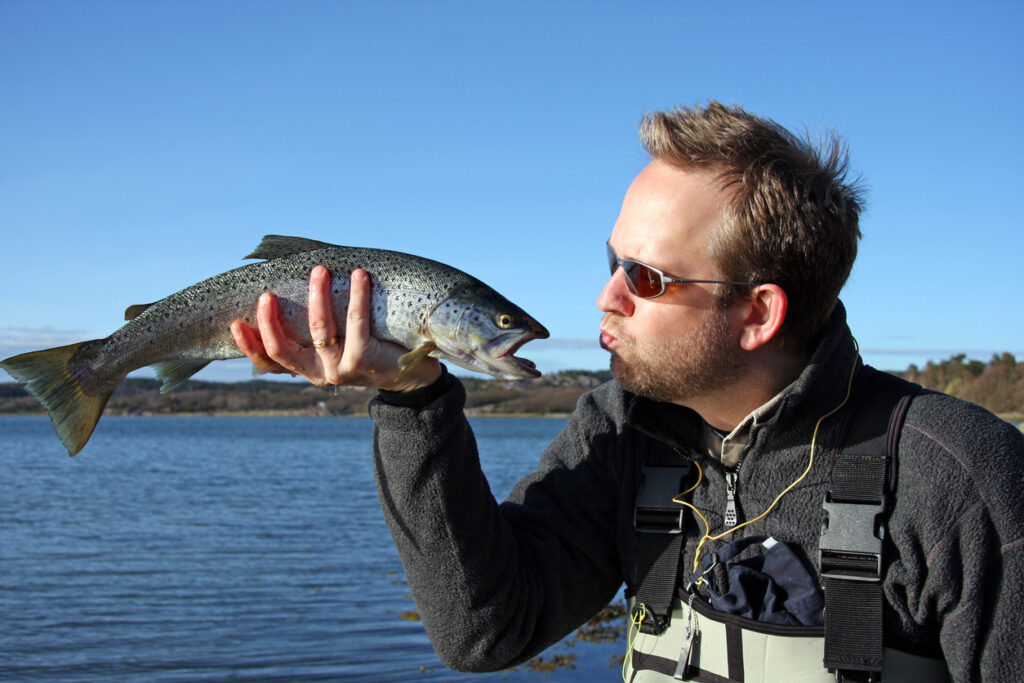
Protected species, including some types of eel or oversized sea trout, must be returned to the water straight away, unharmed. Holding onto them even for a photo can be against the law. It’s always worth learning to identify the fish you’re catching so you don’t accidentally keep something you’re not allowed to. Not knowing isn’t seen as a valid excuse.
10. Some areas are entirely no-fish zones.
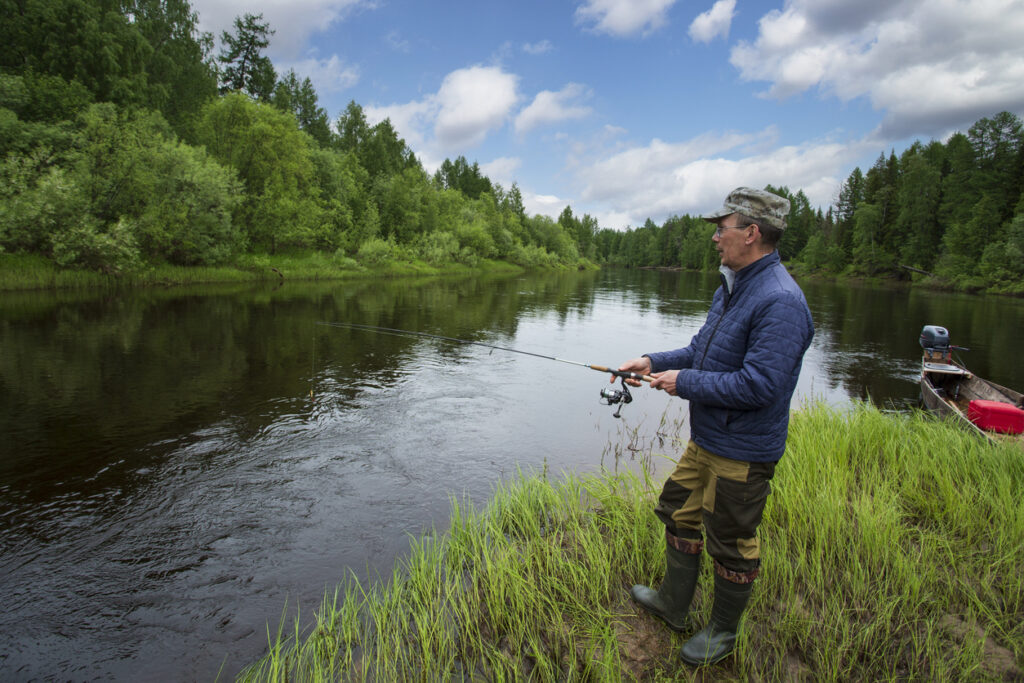
There are stretches of rivers, reservoirs, and lakes that are completely closed to angling, often to protect wildlife or habitats. These are usually signposted, but not always clearly. Fishing in a no-angling zone, even accidentally, can result in enforcement action. When in doubt, do a bit of research before you cast that first line.
11. The rules also apply to catch-and-release.
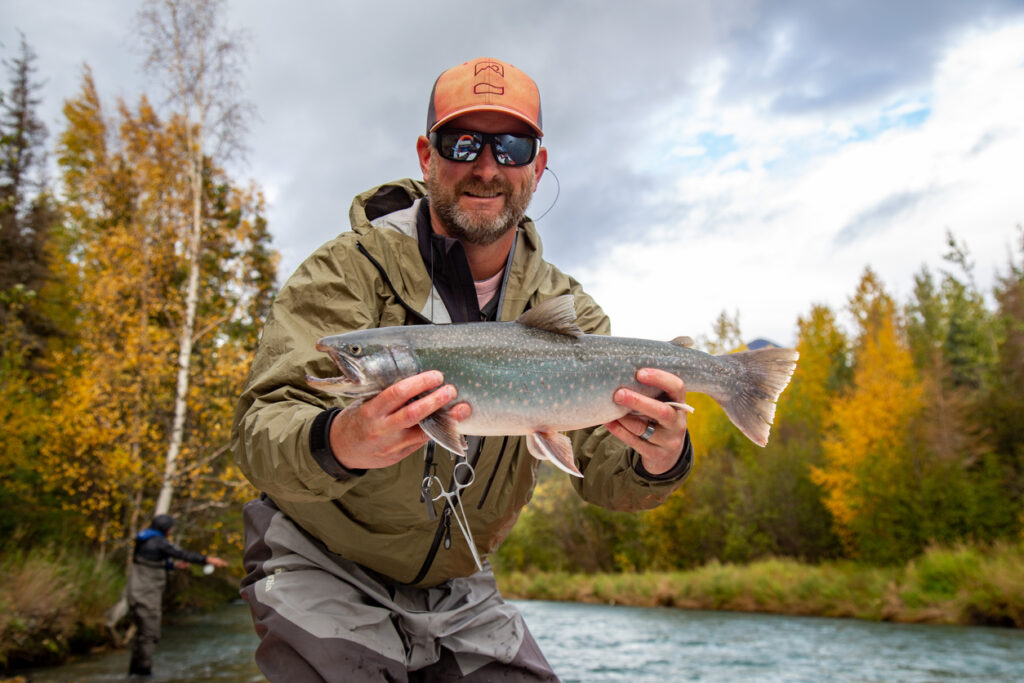
Just because you plan to return the fish doesn’t mean you’re off the hook. You still need a valid licence, permission to fish, and must follow all close seasons and equipment restrictions. Some people assume catch-and-release gives them more freedom, but that’s not how the rules work. It’s the act of fishing itself that’s regulated, not just what you do with the catch.
12. Enforcement officers are active and do spot checks.
It’s not uncommon to be approached by Environment Agency officers or fishery bailiffs while you’re out. They have the right to check your licence, tackle, and what you’ve caught. If you’re not following the rules, they can issue on-the-spot penalties or seize your equipment. Being polite and prepared goes a long way, and having your licence to hand is always a good move.
13. Scotland and Northern Ireland have separate rules.
If you’re travelling and plan to fish in Scotland or Northern Ireland, don’t assume the rules are the same. Rod licensing systems and catch regulations are handled differently there, and often require local permits instead. Each region has its own conservation laws and expectations, so a bit of planning ahead can help you avoid confusion, and fines, when fishing outside your usual area.