
Your peaceful garden activities might actually be breaking UK environmental laws without you realising it. What seems like normal gardening or outdoor living can become a statutory nuisance when it significantly affects your neighbours’ reasonable enjoyment of their property. Here are some of the offences that could land you in hot water.
1. Bonfire smoke that regularly drifts into neighbouring properties
While having bonfires isn’t illegal, smoke that frequently affects your neighbours can constitute a statutory nuisance under the Environmental Protection Act 1990. That includes smoke that enters their homes, prevents them from opening windows, or interferes with their garden use.
The key factor is frequency and impact rather than occasional smoke drift. If neighbours can’t use their gardens or must close windows regularly because of your fires, you could face enforcement action from your local council.
2. Garden lighting that shines directly into neighbours’ windows
Artificial light from security lights, decorative garden lighting, or greenhouse illumination can be considered a statutory nuisance if it’s excessive and interferes with neighbours’ sleep or enjoyment of their property.
This applies to both the intensity and timing of lighting. Bright lights that activate frequently during night hours or illuminate neighbouring bedrooms can result in formal complaints and enforcement notices requiring you to modify or remove the lighting.
3. Water features that create persistent noise
Fountains, waterfalls, and pumps that run continuously can generate enough noise to constitute a nuisance, particularly during night hours when background noise levels are lower. The constant sound of moving water can prevent neighbours from sleeping or enjoying quiet outdoor spaces.
The positioning and timing of water features matters significantly. Pumps near boundary fences or features that run 24 hours a day are most likely to cause problems, especially in densely populated areas where sound travels easily between properties.
4. Hedge cutting and garden maintenance at antisocial hours
Using power tools like hedge trimmers, lawnmowers, or leaf blowers very early in the morning, late at evening, or on Sundays can constitute noise nuisance. Most councils consider 8am-6pm on weekdays and 8am-1pm on Saturdays as reasonable times for noisy garden work.
Even within acceptable hours, excessively frequent or prolonged use of loud garden equipment can become problematic. Professional gardeners and enthusiastic homeowners need to balance maintenance needs with neighbours’ reasonable expectations for quiet enjoyment.
5. Compost heaps that attract pests or create odours
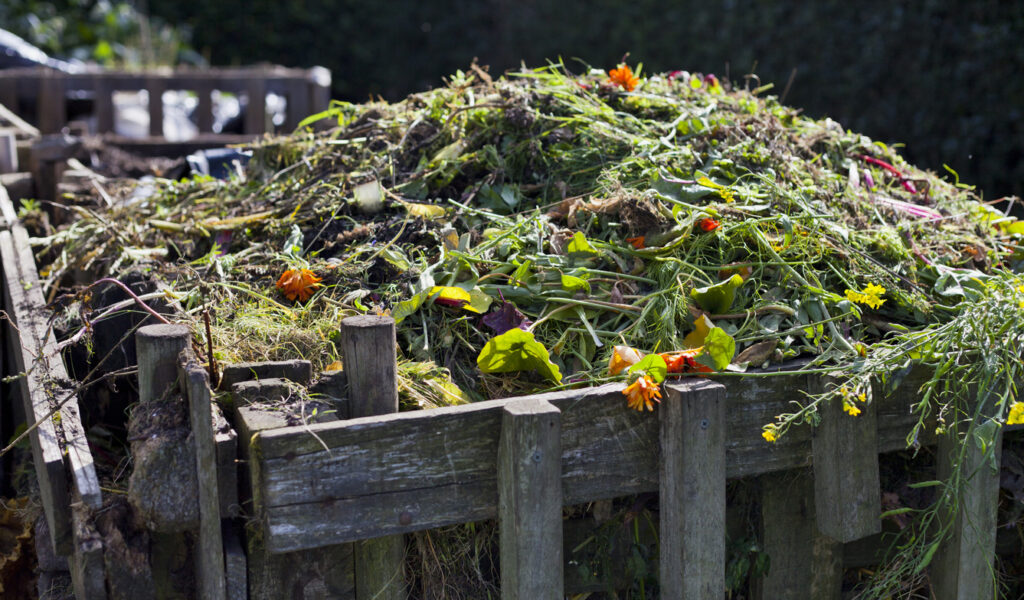
Poorly managed compost bins can become statutory nuisances if they attract rats, create strong odours, or allow decomposing matter to spread onto neighbouring property. That includes both traditional compost heaps and modern bin systems that aren’t properly maintained.
The location and management of composting systems is crucial. Heaps placed directly against boundary fences or containing inappropriate materials like cooked food waste are most likely to create problems that could result in enforcement action.
6. Trees and vegetation that substantially interfere with neighbours
Tree disputes often fall under different legislation, but vegetation that causes persistent problems can become a nuisance. That includes overhanging branches that significantly reduce light, roots causing structural damage, or plants that regularly shed excessive debris.
Large trees that block substantial amounts of daylight from neighbouring properties or cause recurring problems with falling leaves, fruit, or branches can be subject to enforcement action if the impact is deemed unreasonable.
7. Garden structures that obstruct natural light or airflow
Sheds, greenhouses, or other structures positioned to significantly block light or ventilation to neighbouring properties can constitute nuisance. This applies to structures near boundary walls that create tunnel effects or cast long shadows.
Planning permission doesn’t automatically protect you from nuisance claims if structures create substantial ongoing problems for neighbours. The reasonableness test applies regardless of whether planning requirements were met during construction.
8. Domestic animals kept in garden areas

Chickens, rabbits, or other animals kept in gardens can create nuisance through noise, odours, or attracting pests. This includes cockerels crowing early in the morning or animals that create persistent smells affecting neighbouring properties.
The number and type of animals matters, as does their proximity to neighbouring homes. Urban areas have lower tolerance for animal-related disturbances than rural locations, and councils can require removal or relocation of animals causing problems.
9. Garden parties and regular outdoor entertainment
Frequent loud gatherings, music, or entertainment in garden areas can constitute nuisance even when they occur at reasonable hours. The key factors are frequency, volume, and duration rather than just the time of day.
Occasional parties are generally acceptable, but regular events that significantly disturb neighbours can result in enforcement action. This includes recurring barbecues with loud music or weekly gatherings that prevent neighbours from enjoying their own outdoor spaces.
10. Swimming pools and hot tubs with noisy equipment
Pool pumps, filtration systems, and hot tub equipment can create persistent noise nuisance, particularly when they operate during evening or early morning hours. The mechanical noise from these systems often carries further than expected.
Poorly maintained equipment tends to be noisier and more problematic than properly serviced systems. Positioning equipment away from neighbouring boundaries and using timer controls can help avoid nuisance complaints while maintaining necessary water treatment.
11. Car maintenance and repairs in driveways or gardens

Regular car repairs, engine testing, or mechanical work in residential driveways can constitute nuisance through noise, fumes, and general disturbance. This is specifically about frequent repairs or commercial-scale vehicle maintenance at domestic properties.
Weekend hobbyist mechanics need to balance their interests with neighbours’ reasonable expectations for quiet residential areas. Persistent mechanical noise or strong fumes from vehicle work can result in enforcement action requiring the activity to stop.
12. Garden chemical use that affects neighbouring properties
Pesticides, fertilisers, or other garden chemicals that drift onto neighbouring property or create strong odours can constitute a nuisance. That includes chemicals that affect neighbouring plants, contaminate washing lines, or create unpleasant smells.
The timing and method of chemical application matters significantly. Spraying on windy days or using excessive quantities of strong-smelling products can create problems for neighbours and potential liability for property damage or health impacts.