The constant hum of human activity creates an invisible assault on wildlife that rely on sound for survival.
From city centres to remote wilderness areas, our noise pollution disrupts animal communication, navigation, and basic life functions in ways we’re only beginning to understand. These are some of the most upsetting things happening to the creatures all around us, and it’s all our fault.
1. Marine mammals suffer from ship noise and sonar.
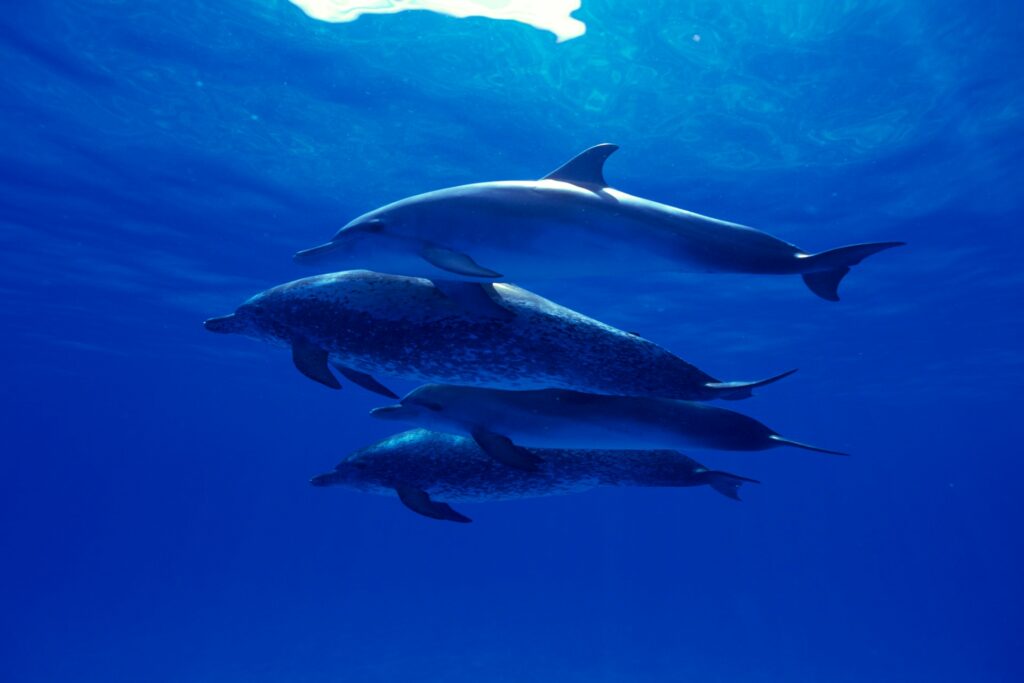
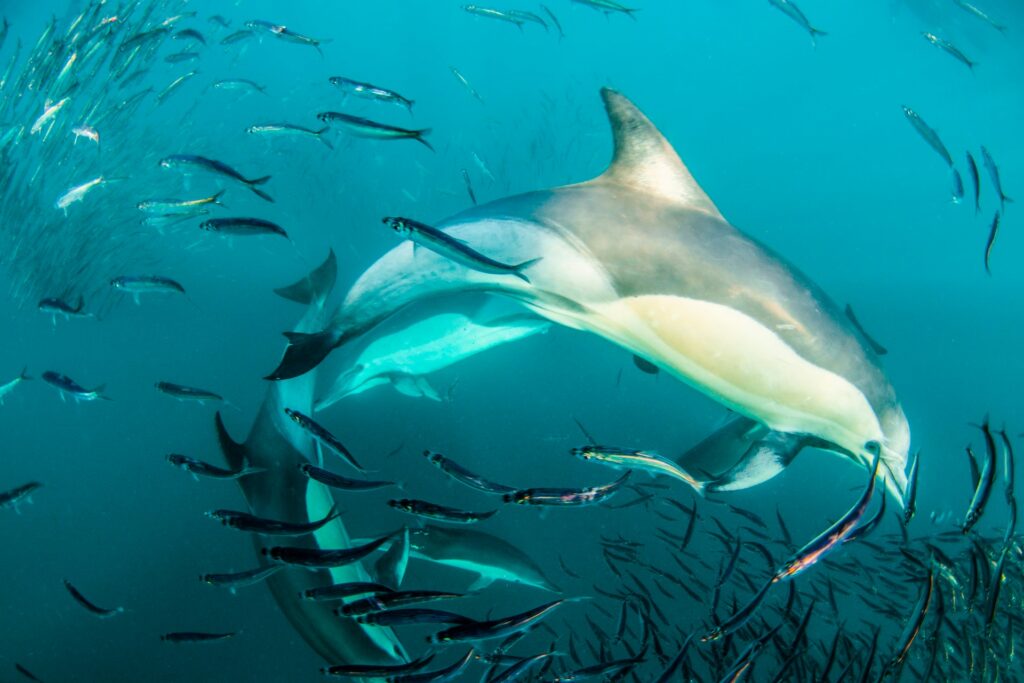
Whales, dolphins, and other marine mammals depend on sound waves to navigate, communicate, and find food across vast ocean distances. Commercial shipping, naval sonar, and underwater construction create acoustic barriers that can separate families and disrupt migration patterns.
Support organisations working to establish quiet shipping lanes and advocate for quieter ship engines. Choose whale watching tours that follow strict noise guidelines and maintain proper distances from marine mammals to minimise acoustic disturbance.
2. Birds struggle to communicate over urban din.
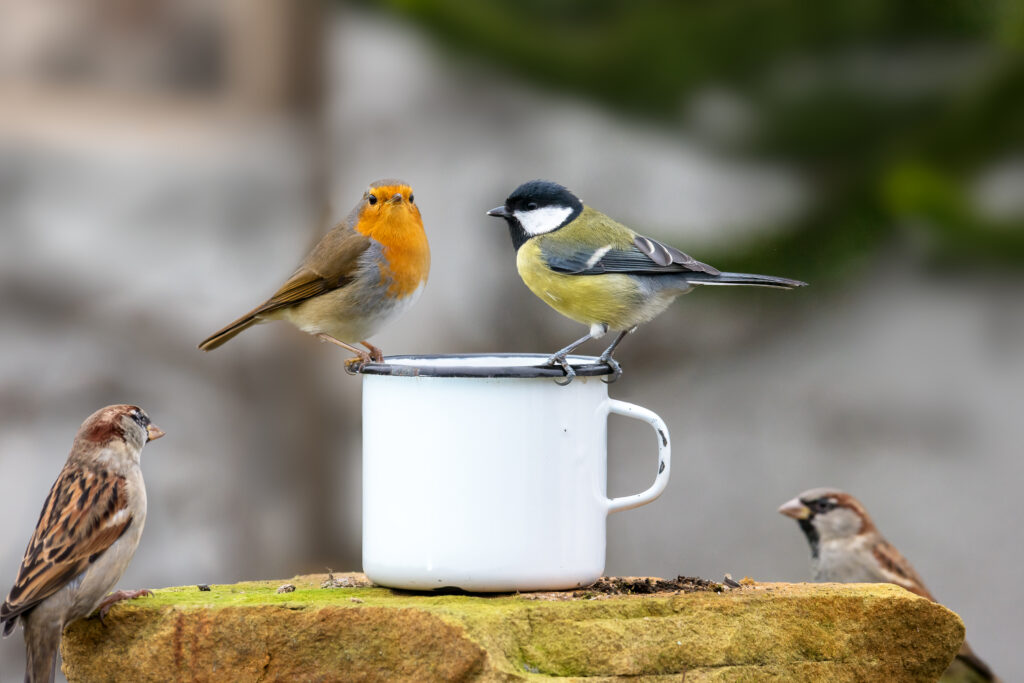
City birds must sing louder and at higher frequencies to be heard over traffic and construction noise, which increases their stress levels and energy expenditure. Many species abandon noisy areas entirely, reducing urban biodiversity significantly.
Create quiet spaces in your garden by installing sound barriers like dense hedging or water features that provide masking sounds. Support local initiatives to reduce traffic noise and advocate for quieter construction practices in your community.
3. Bats lose hunting efficiency due to traffic noise.
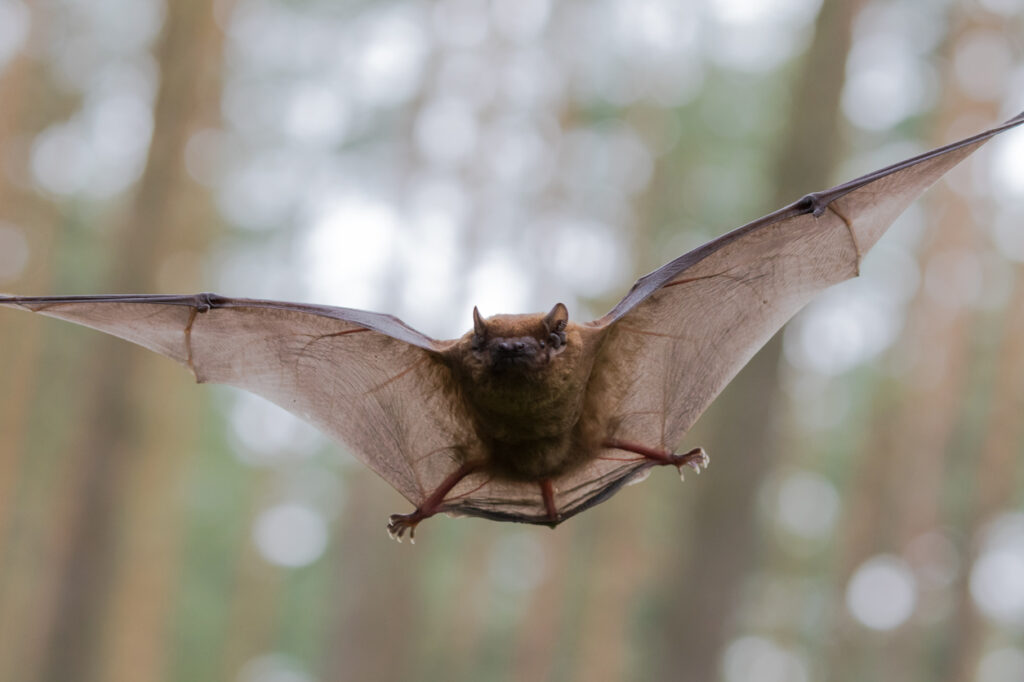
Bats use echolocation to hunt insects, but road noise interferes with their ability to detect prey and navigate safely. Traffic noise can reduce hunting success by up to 20%, affecting bat populations and the insect control services they provide.
Install bat boxes away from busy roads and create quiet corridors through your property using trees and shrubs. Support efforts to install wildlife crossing structures that allow bats to avoid noisy roadways during their nightly hunts.
4. Forest birds abandon territories near roads and airports.
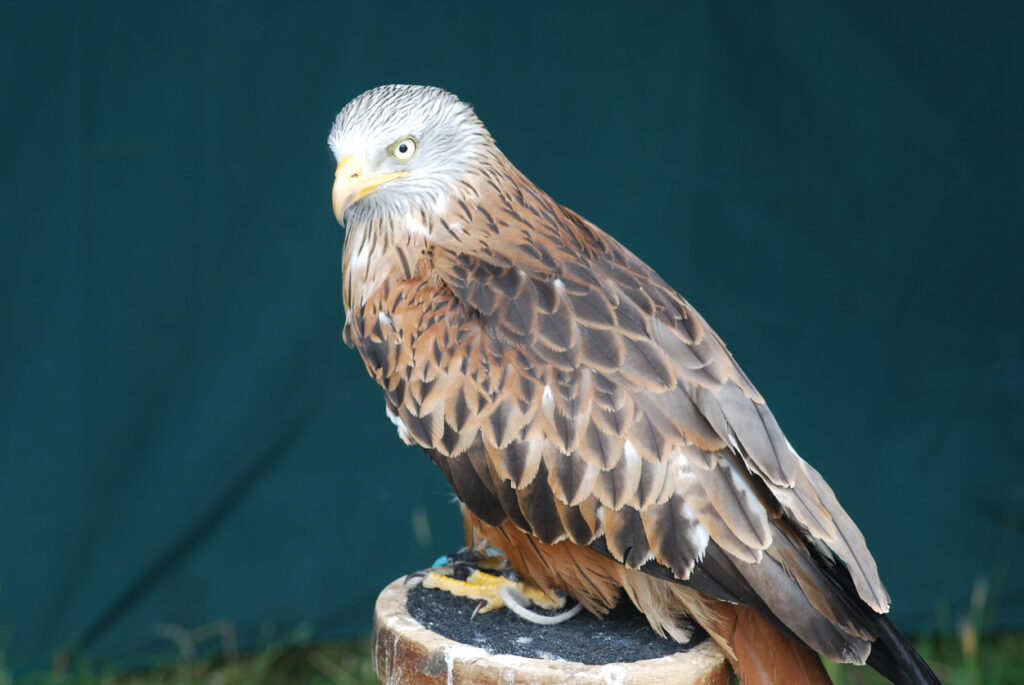
Traffic noise from roads and aircraft can make forest areas unsuitable for many bird species, creating “phantom habitat” that looks perfect but lacks the acoustic conditions birds need for successful breeding and territory establishment.
Support forest conservation efforts that prioritise creating large, quiet habitat blocks away from major transportation corridors. When hiking or camping, use quiet voices and avoid playing music to maintain natural soundscapes for wildlife.
5. Insects face disruption to mating calls and predator detection.
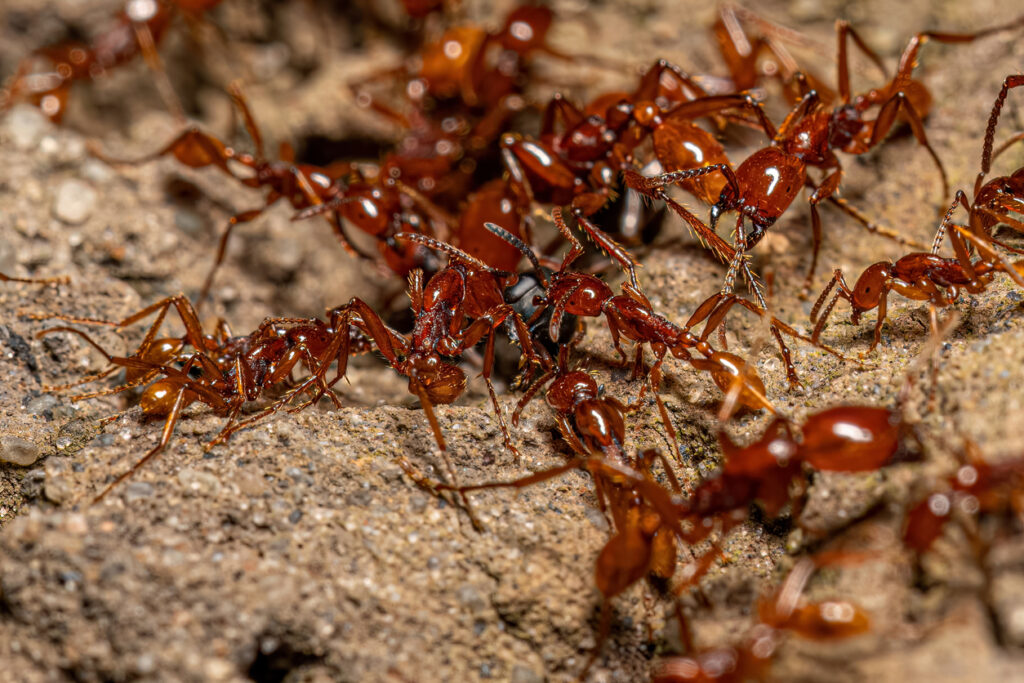
Many insects rely on acoustic signals for mating and predator avoidance, but human noise can mask these crucial communications. This affects not just insect populations, but the entire food web that depends on them.
Reduce noise pollution in your outdoor spaces by choosing electric garden tools over petrol-powered ones when possible. Create insect-friendly gardens with native plants that support healthy populations despite acoustic challenges from nearby human activity.
6. Amphibians struggle with breeding communication.

Frogs and toads use specific calls to attract mates and establish territories, but traffic noise can make it impossible for them to hear each other during critical breeding periods. This leads to reduced reproductive success and population declines.
Protect local wetlands and ponds from noise pollution by supporting buffer zones around breeding areas. Create wildlife-friendly water features in quiet parts of your property to provide alternative breeding sites away from road noise.
7. Elephants lose long-distance communication abilities.
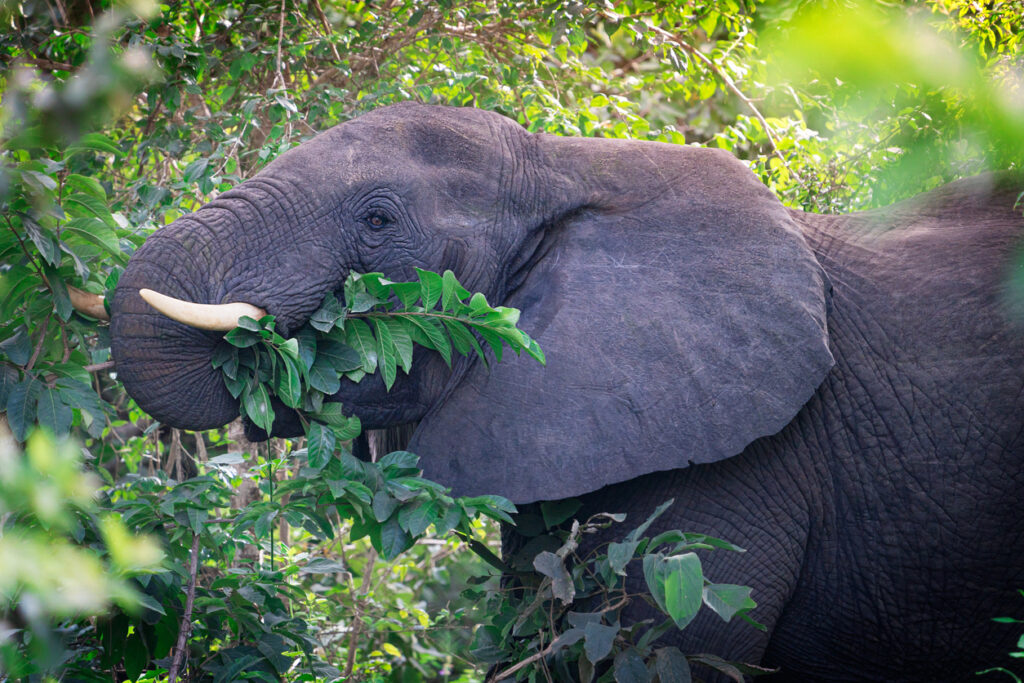
Elephants communicate through low-frequency calls that can travel for miles, allowing family groups to coordinate movements and share important information. Human noise pollution increasingly interferes with these vital long-distance conversations.
Support conservation organisations working to reduce human-elephant conflict and create quiet corridors for elephant movement. When visiting wildlife areas, follow strict noise guidelines and support tour operators committed to minimal acoustic impact.
8. Fish experience stress from boat engines and underwater construction.
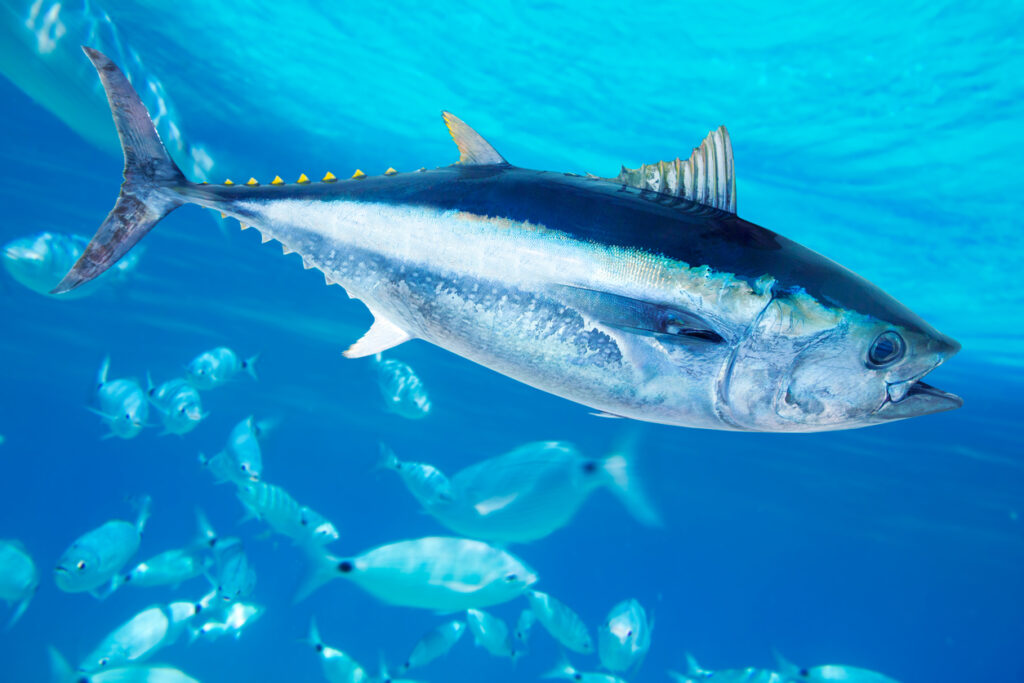
Underwater noise pollution affects fish behaviour, feeding patterns, and reproduction. Boat engines, pile driving, and other underwater construction activities can cause fish to abandon feeding areas and disrupt spawning activities.
Choose electric or quieter boat engines when possible, and support marina policies that limit engine noise. Advocate for seasonal restrictions on underwater construction activities during critical fish spawning periods in local waterways.
9. Wolves and other large predators lose hunting advantages.
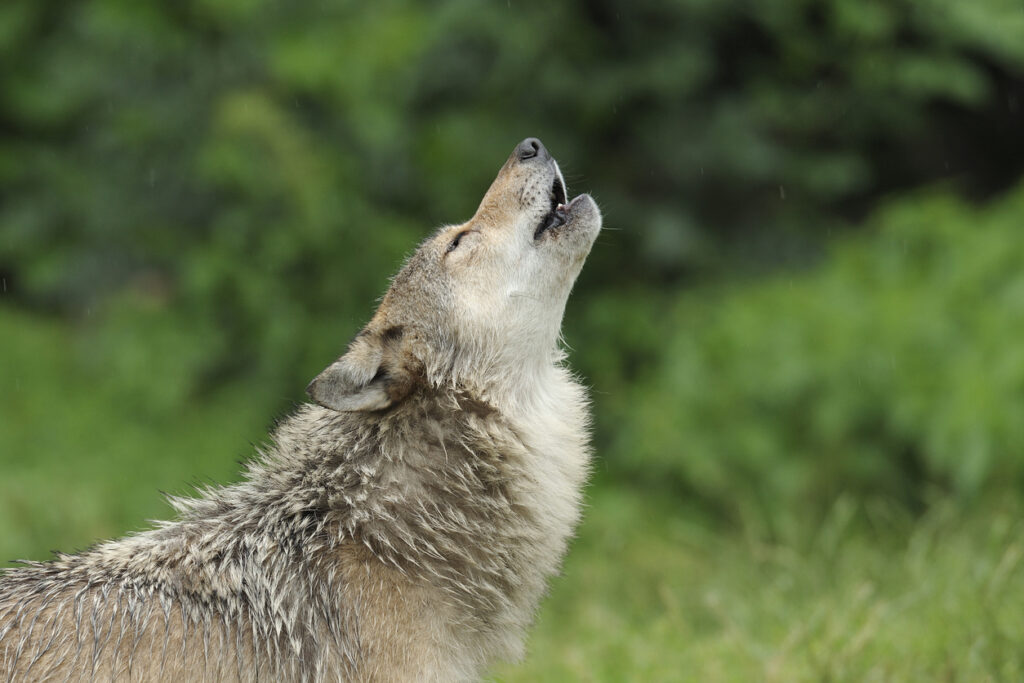
Predators rely on acute hearing to locate prey and coordinate pack hunting strategies. Human noise pollution can reduce hunting success and force predators to spend more energy finding food in increasingly noisy landscapes.
Support large-scale habitat conservation that includes quiet zones for predator populations. When camping or hiking in predator habitat, maintain quiet camps and follow all noise guidelines to minimise the impact on hunting activities.
10. Desert animals lose crucial nighttime communication.
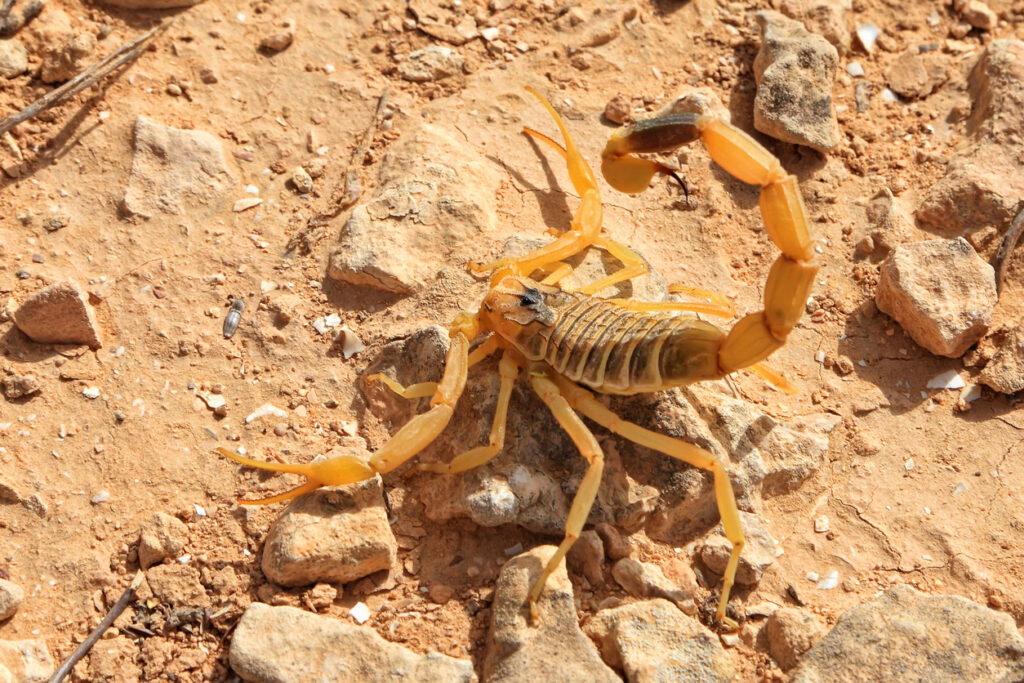
Many desert animals are most active at night when temperatures are cooler, relying on sound for navigation and communication in the darkness. Human noise from roads, industrial facilities, and recreational vehicles disrupts these essential nighttime activities.
Support dark sky and quiet zone initiatives in desert areas. When camping or off-roading in desert environments, choose quiet camping areas and respect noise restrictions designed to protect sensitive wildlife populations.
11. Migratory species face navigation disruption.
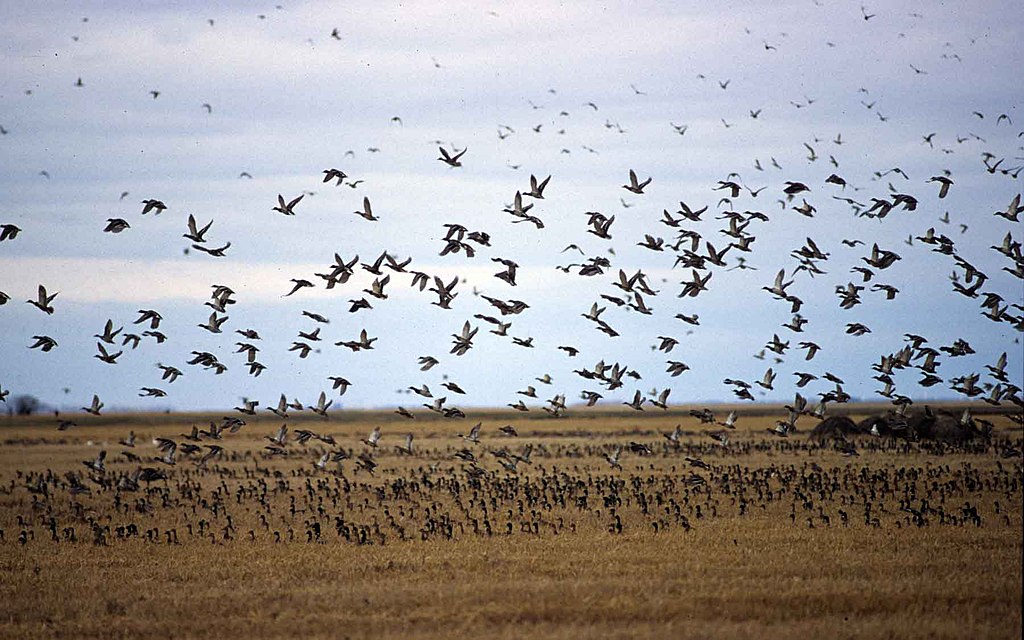
Many animals use natural acoustic landmarks and environmental sounds for navigation during migration. Human noise pollution can interfere with these navigation systems, leading to disorientation and increased mortality during critical journeys.
Support habitat conservation along migration corridors and advocate for reduced noise during peak migration periods. Install bird-friendly lighting and reduce unnecessary outdoor noise during spring and autumn migration seasons.
12. Create quiet zones in your outdoor spaces.

Designate specific areas of your property as quiet zones where wildlife can find acoustic refuge. Use natural sound barriers like dense plantings and consider the timing of noisy activities to keep the impact on wildlife to a minimum.
Install water features that create natural masking sounds to help wildlife cope with unavoidable background noise. Choose native plants that support wildlife while creating natural sound buffers around your property.
13. Support noise pollution research and conservation efforts.

Fund organisations studying the impacts of noise pollution on wildlife and developing solutions to reduce acoustic disturbance. Many conservation groups are working specifically on noise pollution issues, but need financial support for their research.
Advocate for noise pollution considerations in environmental impact assessments and urban planning decisions. Support policies that require acoustic impact studies for major development projects in sensitive wildlife areas.
14. Practice mindful noise reduction in natural areas.

When visiting parks, forests, or other natural areas, maintain quiet voices and avoid using loud equipment or playing music. Your acoustic consideration helps preserve natural soundscapes that wildlife depend on for survival.
Support tour operators and outdoor recreation businesses that prioritise minimal acoustic impact. Choose quiet camping spots and outdoor activities that don’t contribute to noise pollution in sensitive wildlife habitats.