Animals have developed sophisticated communication systems to alert each other when humans are nearby.

While most of us don’t mean any harm, these creatures have no idea what our intentions are, and they have to keep themselves safe. As it turns out, their methods of doing so are far more clever and specific than you might imagine. These warning systems reveal just how much wildlife has adapted to living alongside us.
Chickadees have specific alarm calls for different types of human threats.
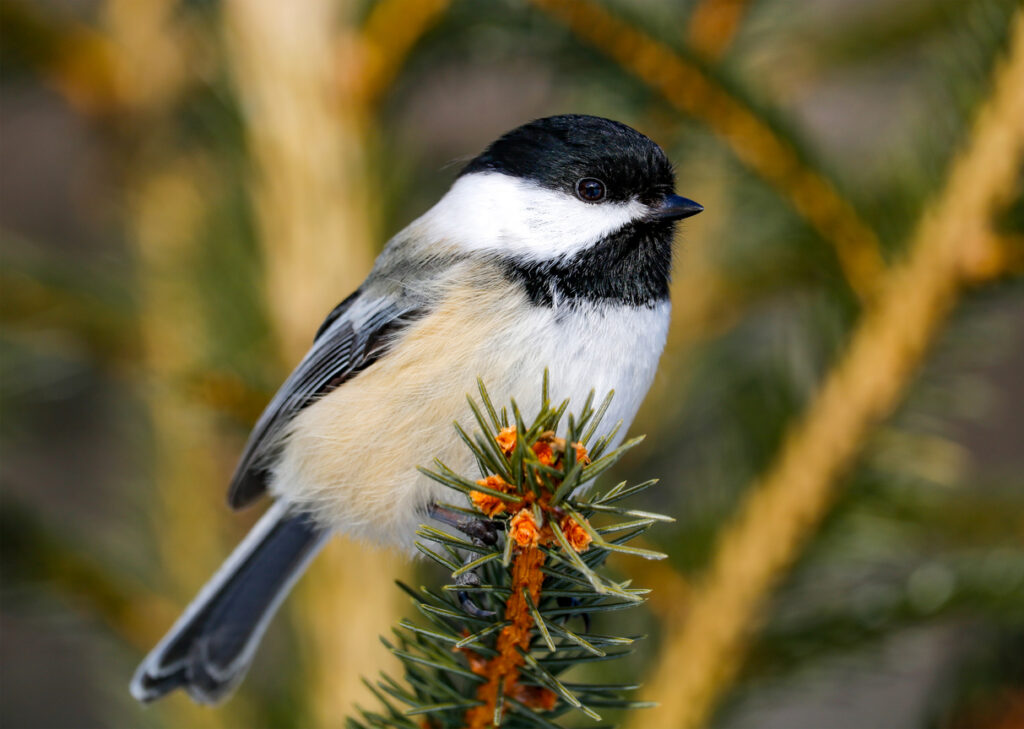
Chickadees don’t just have one danger call for all threats because they actually use different warning sounds depending on whether the human is walking, running, or carrying something that looks dangerous. Their calls get more urgent and specific based on the level of threat they perceive.
Other birds in the area understand these nuanced warnings and respond accordingly. A casual walker gets a mild alert call, but someone with a dog or moving quickly triggers a much more dramatic warning that sends all nearby birds into hiding mode.
Vervet monkeys use different calls for humans versus other predators.
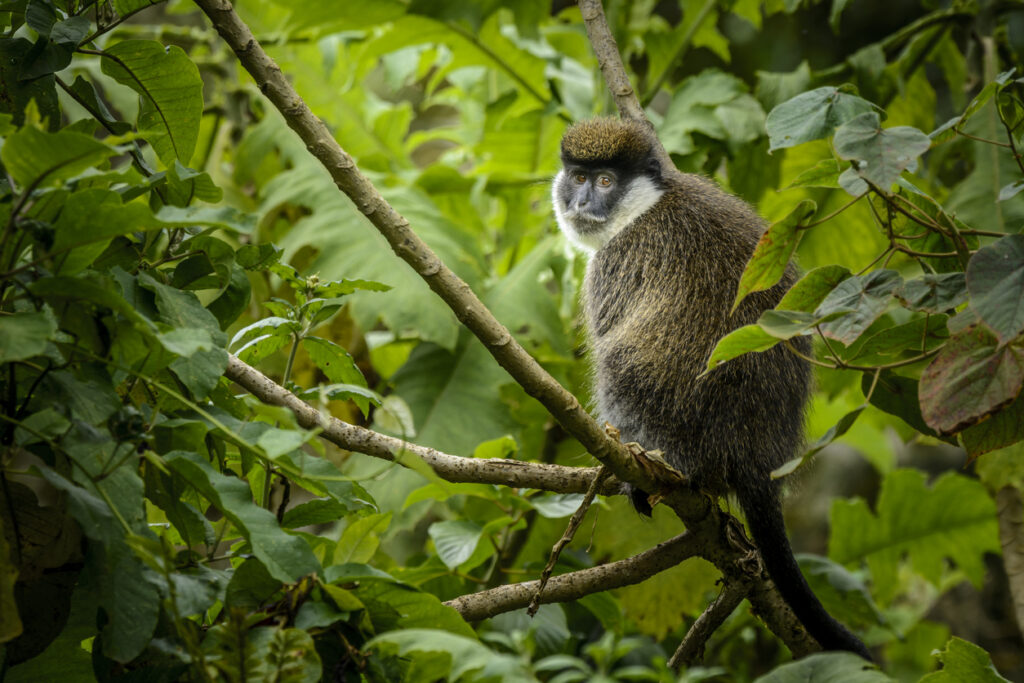
These clever primates have distinct warning calls for humans that are completely different from their calls for leopards, eagles, or snakes. The human-specific call tells the group to climb higher into trees and stay very quiet until the threat passes.
What’s particularly interesting is that young monkeys learn these human-specific calls from their mothers and get better at recognising human threats as they grow up. They actually teach each other to be more wary of people over time.
Crows hold community meetings to discuss dangerous humans.
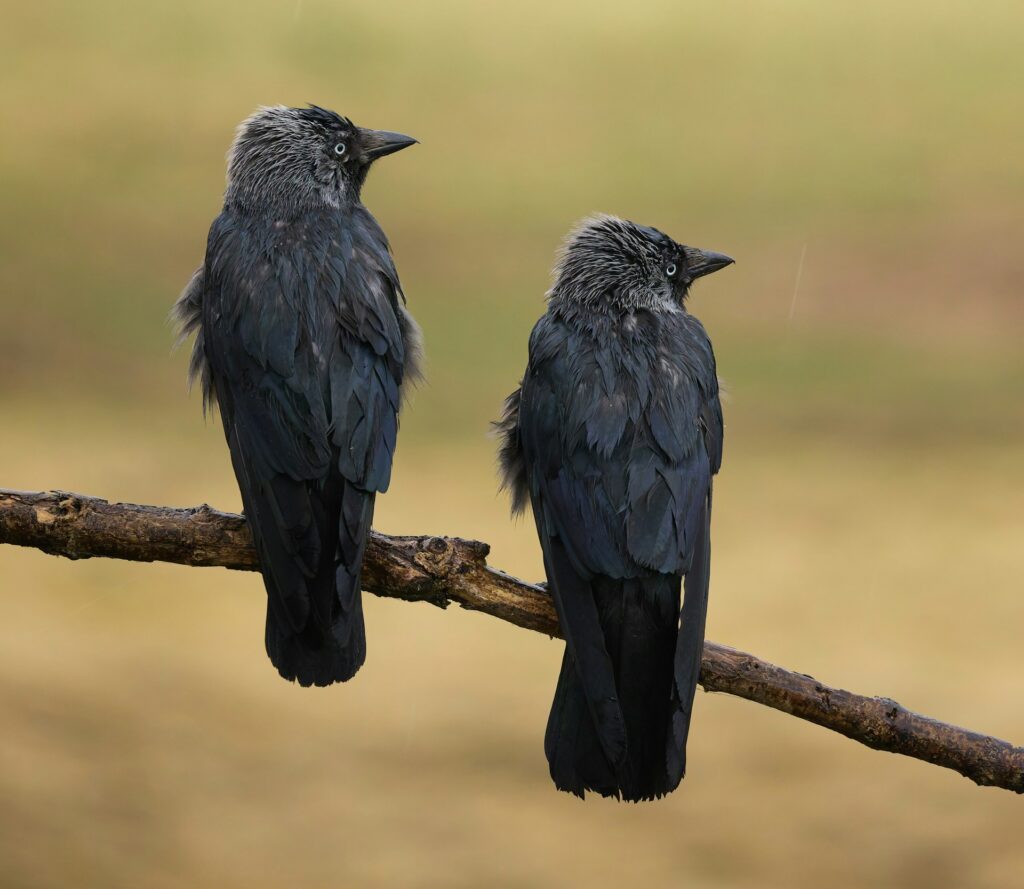
When a crow has a bad experience with a particular human, it doesn’t keep that information to itself because it calls other crows together for what researchers call “scolding assemblies” where they share details about the threat. These gatherings can involve dozens of crows.
The really remarkable part is that crows can remember and warn about specific individual humans for years, and they’ll teach their offspring to recognise these same people as threats. Entire crow families can develop grudges against particular humans they’ve never personally encountered.
Squirrels use tail signals to warn about approaching people.
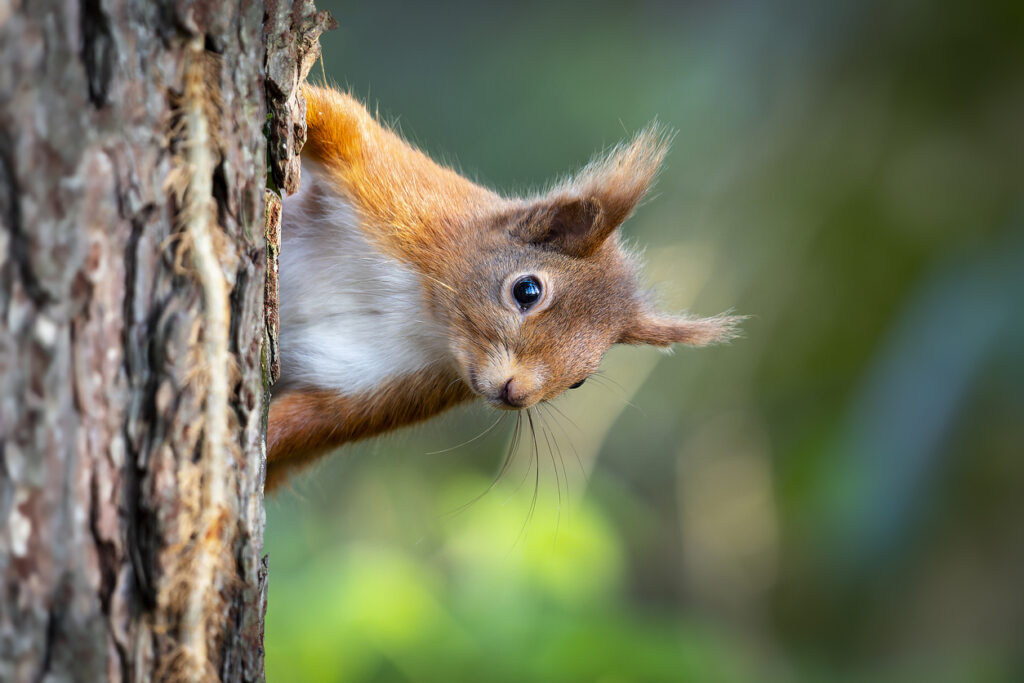
Grey squirrels have developed a complex tail-flagging system that works like semaphore to alert other squirrels about human movements. Different tail positions and movements convey information about where the human is and which direction they’re heading.
These tail signals are silent, which makes them perfect for situations where vocal warnings might attract more attention from the humans they’re trying to avoid. Other squirrels can see these visual warnings from quite far away and respond accordingly.
Meerkats post sentries specifically to watch for human activity.
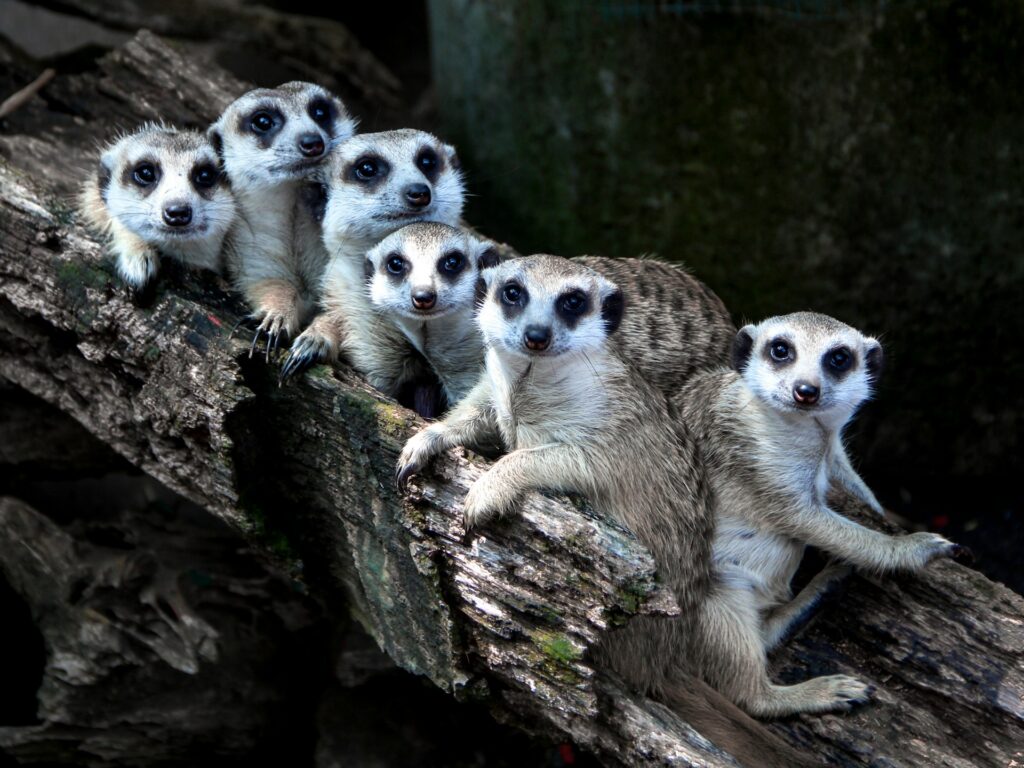
Meerkat groups assign individual members to act as human lookouts, and these guards use specific calls that are different from their calls for aerial predators or ground threats. The human-watch calls are longer and have a different rhythm than other warning sounds.
When the sentry spots a human, the warning call sends the entire colony underground immediately, and they’ll stay hidden much longer for human threats than they do for natural predators like birds of prey or snakes.
Dolphins whistle specific warnings about boat traffic.
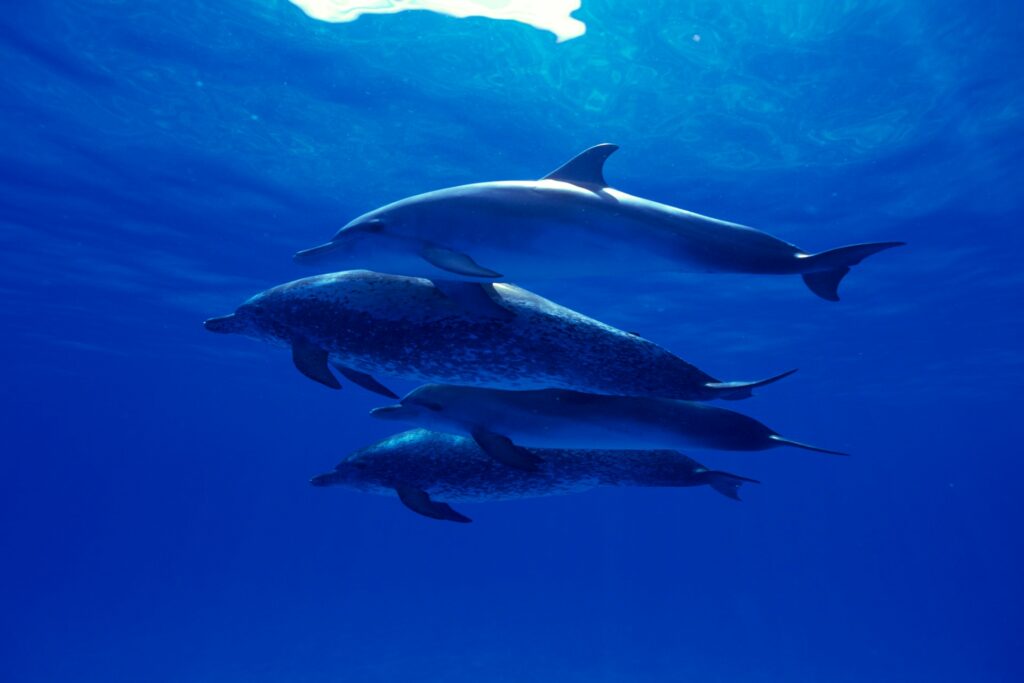
Dolphins have developed distinct whistle patterns that they use to warn each other about approaching boats and swimmers. These acoustic warnings can travel long distances underwater and alert dolphins who are far from the human activity.
The whistles vary depending on the type of human threat because recreational boats get different warnings than commercial vessels, and swimmers trigger yet another type of alert. Dolphins seem to categorise human activities by their threat level and warn accordingly.
Elephants use infrasonic rumbles to coordinate human avoidance.
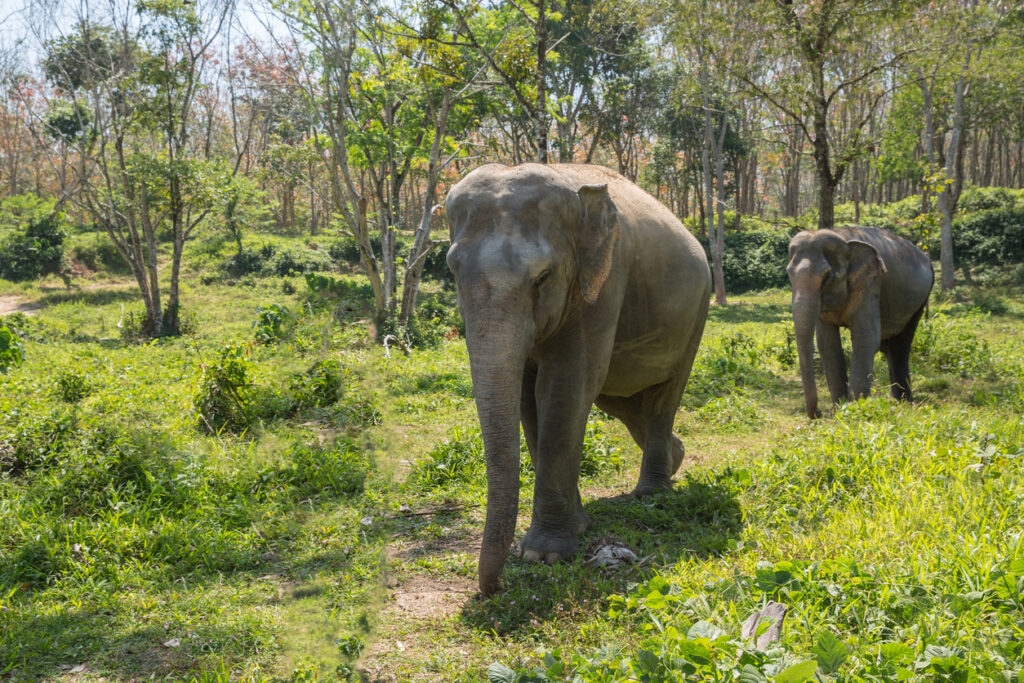
Elephants communicate about human presence using low-frequency rumbles that travel for miles and are mostly below human hearing range. These infrasonic calls allow elephant herds to coordinate their movements to avoid areas where humans are active.
Matriarchs use these rumbles to guide their families away from human settlements, farms, or roads, and the communication system is so effective that entire elephant populations can change their movement patterns based on shared information about human activity.
Prairie dogs have evolved human-specific alarm calls.
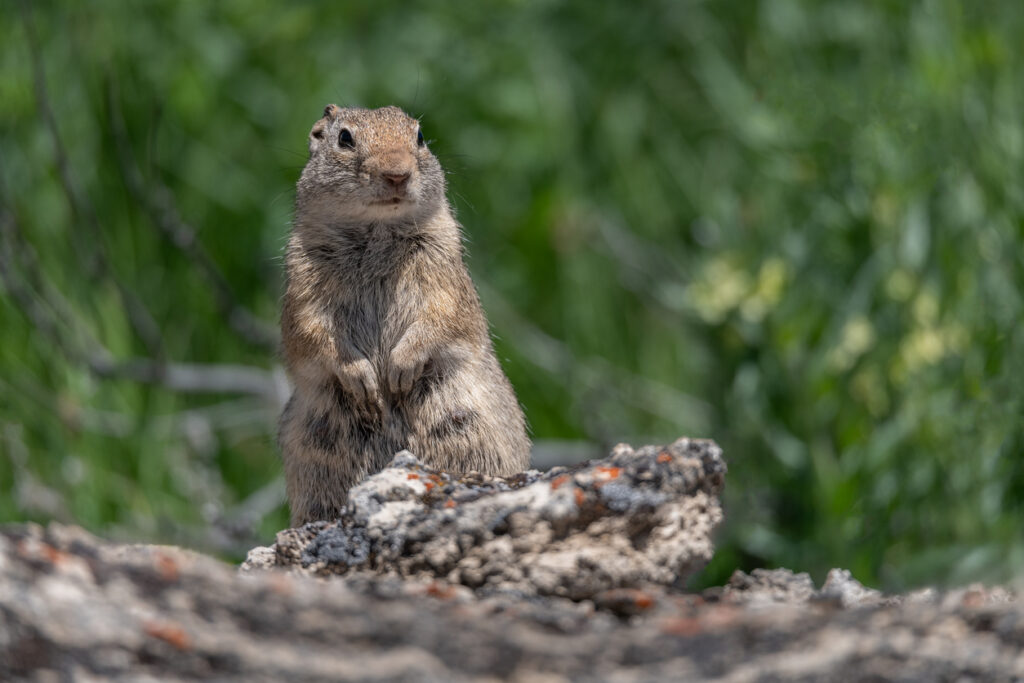
Prairie dog colonies have developed remarkably sophisticated warning systems that include specific calls for humans that are distinct from their calls for coyotes, hawks, or other natural predators. These human calls are longer and more complex than their other alarm signals.
Research has shown that prairie dogs can even communicate details about individual humans, including their size, clothing colour, and whether they’re carrying anything. Their human-warning calls are so specific that other prairie dogs know exactly what type of threat to expect.
Chimpanzees use gestures and expressions to warn about human presence.
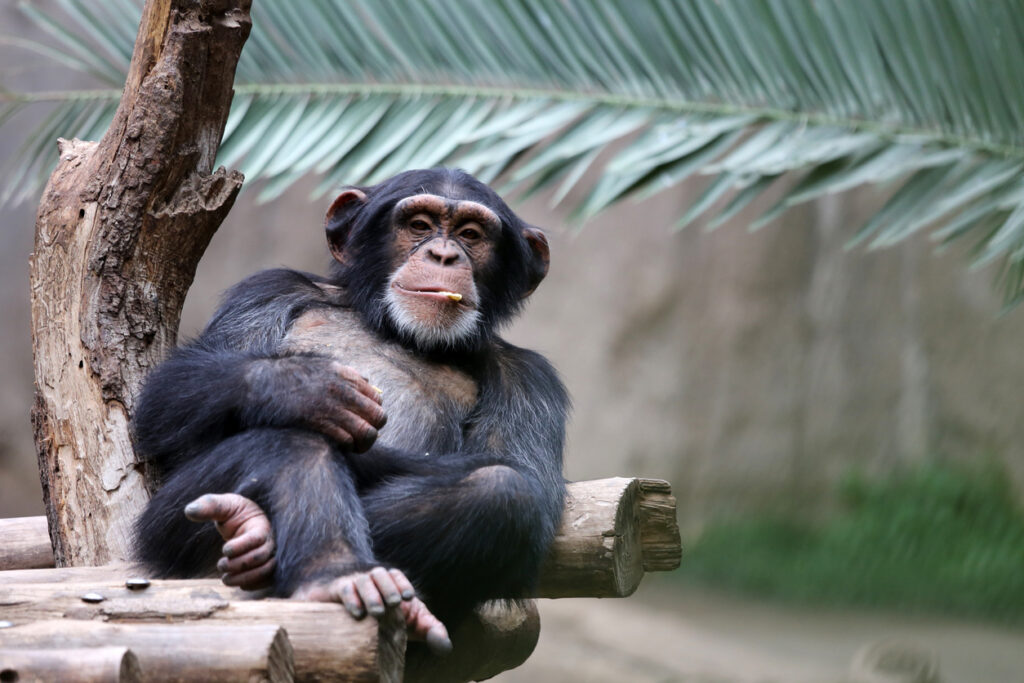
Chimpanzees have developed subtle facial expressions and hand gestures that they use to alert each other when humans are nearby. These silent communications are much more discreet than vocal warnings and help them avoid detection.
Mother chimps are particularly good at teaching their young these human-specific warning signals, and the gestures become more refined and specific as the community has more contact with humans over time.
Rabbits stamp warnings about humans with different intensities.

Rabbits use foot-stamping as a warning system, but they’ve developed different stamping patterns for human threats versus natural predators. The rhythm and intensity of stamps convey specific information about the type and urgency of the human threat.
These stamping patterns can trigger chain reactions across rabbit territories, with the warning being passed from burrow to burrow much faster than the actual human threat can move. It’s like an underground telegraph system for rabbit communities.
Whales adjust their songs to warn about ship noise.
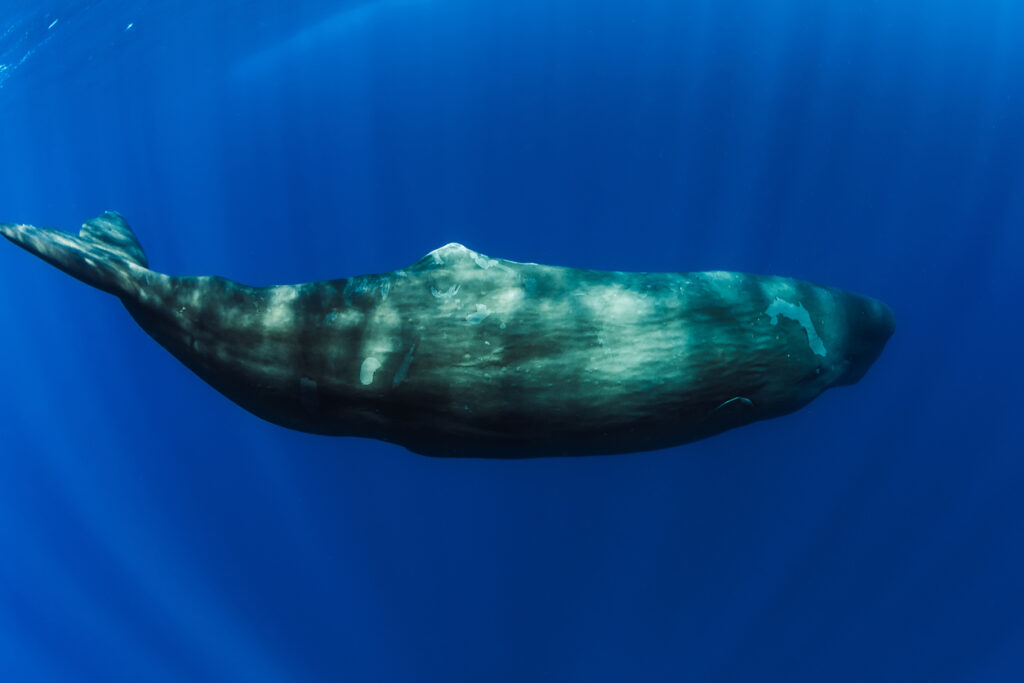
Whales have begun modifying their traditional songs to include warnings about ship traffic and underwater noise from human activities. These modified songs help other whales avoid areas with heavy boat traffic or underwater construction.
The warning songs are different from their normal communication and mating calls, and they seem to be a relatively recent adaptation to increased human activity in ocean environments. Whale communities are essentially developing new musical languages to cope with human presence.
Urban birds coordinate human food theft operations.

City birds like gulls and crows have developed sophisticated communication systems for coordinating group activities around humans, particularly when it comes to stealing food. They use specific calls to organise group attacks on unsuspecting people with snacks.
These coordinated efforts involve scout birds who identify targets, alert calls that summon the group, and even diversionary tactics where some birds distract humans, while others grab the food. It’s remarkably organised criminal behaviour.
Pack animals use scent marking to warn about human territories.

Wolves, wild dogs, and other pack animals have started using scent marking to warn other pack members about areas with high human activity. These scent messages can convey information about the types of humans present and how recently they were in the area.
The scent warnings help pack members avoid dangerous areas like roads, farms, or hunting grounds, and they can persist for days or weeks after the humans have left. It’s like leaving invisible warning signs for other pack members to find.