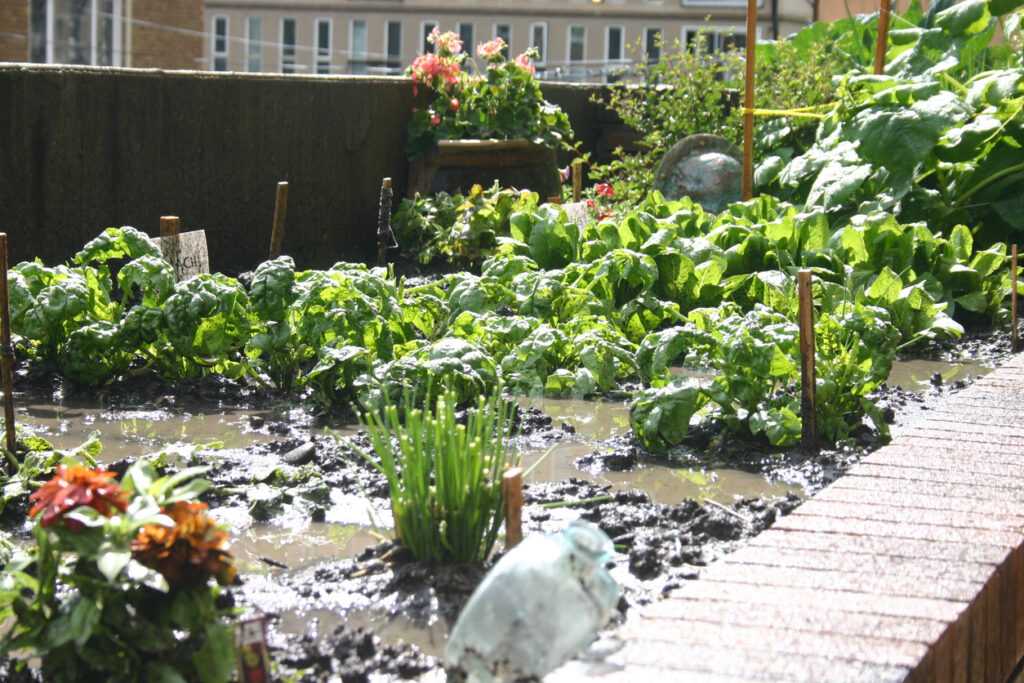
Flooding can devastate years of gardening work in just a few hours, but there are practical steps you can take to protect your plants and reduce water damage. These strategies work whether you’re dealing with occasional heavy rain or more serious flood risks. Better yet, they’re not super expensive, nor do they take advanced knowledge to put in place.
1. Create raised beds and plant on mounds.
Elevating your plants even a few inches can make the difference between survival and destruction during flooding. Raised beds drain faster than ground-level planting and give roots a better chance of staying above standing water. You don’t need expensive materials, so just pile up soil, compost, and organic matter to create higher planting areas. Even temporary mounds work better than flat ground when water starts pooling, and they improve drainage year-round.
2. Install proper drainage channels and French drains.
Direct water away from your garden beds by creating channels that guide flooding toward areas where it can drain safely. French drains filled with gravel work particularly well for managing excess water without creating eyesores. Dig shallow channels that slope away from planting areas and line them with stones or gravel. These don’t need to be elaborate—simple drainage pathways can prevent water from pooling around vulnerable plants during heavy rainfall.
3. Choose flood-tolerant plants for vulnerable areas.
Some plants actually thrive in wet conditions and can handle temporary flooding much better than others. Willows, sedges, and many native wetland plants can survive days underwater while still looking good afterwards. Replace flood-sensitive plants in low-lying areas with varieties that tolerate wet feet. Many ornamental grasses, ferns, and bog plants are beautiful options that won’t die if they get flooded occasionally.
4. Improve soil drainage with organic matter and amendments.
Heavy clay soils hold water and create boggy conditions that kill plant roots, while sandy soils drain too quickly and don’t retain nutrients. Adding compost and organic matter improves drainage in clay and water retention in sand. Work in plenty of compost, aged manure, and leaf mould to create soil that drains well but doesn’t become waterlogged. Better soil structure helps plants survive both drought and flooding because roots can access air even when soil is wet.
5. Create temporary barriers and flood walls.
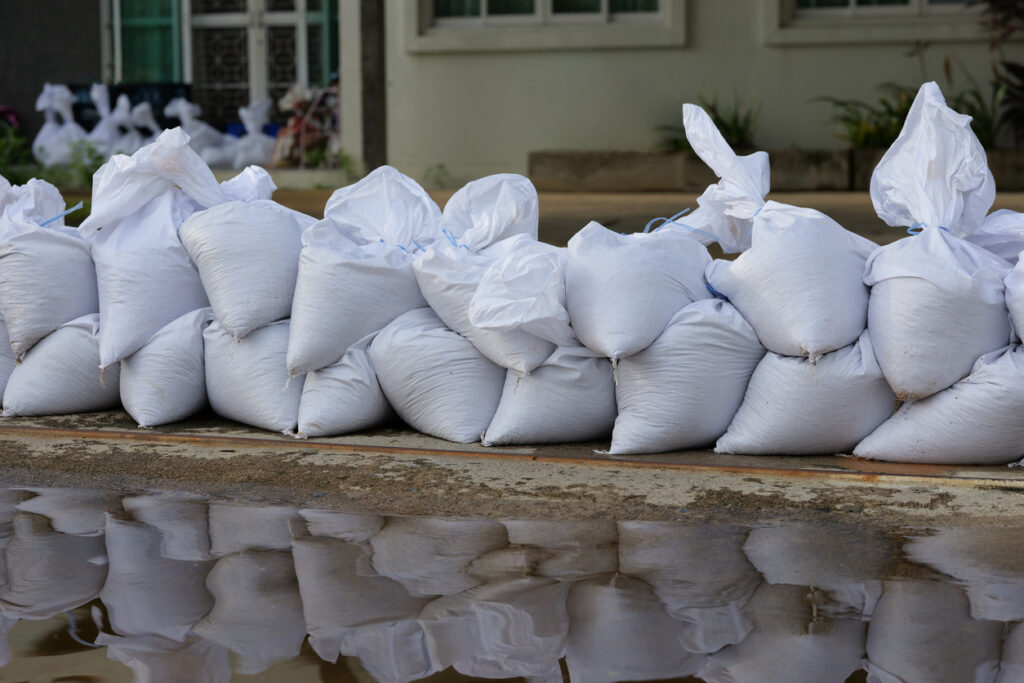
Sandbags, earth berms, and temporary barriers can redirect floodwater away from important garden areas when you know flooding is coming. These don’t need to be permanent structures, just effective enough to buy time for water to recede. Keep sandbags or flood barriers on hand during flood season and know how to deploy them quickly. Even small barriers can protect valuable plants and redirect water toward areas where it won’t cause damage.
6. Plant water-absorbing trees and shrubs strategically.
Large plants can absorb enormous amounts of water through their root systems, which helps reduce flooding while also providing other garden benefits. Willows, poplars, and many native trees are particularly effective at soaking up excess moisture. Position these thirsty plants in areas that tend to collect water naturally. They’ll help prevent flooding by absorbing water before it becomes a problem, and they provide habitat and shade as bonus benefits.
7. Install permeable hardscaping and porous materials.
Replace solid paving with permeable alternatives that allow water to soak into the ground rather than running off into garden beds. Gravel paths, permeable pavers, and stepping stones reduce surface run-off significantly. Avoid creating impermeable surfaces that channel water toward your plants during heavy rain. Permeable materials cost more initially, but prevent flooding problems and look just as good as traditional paving options.
8. Use containers for valuable and vulnerable plants.
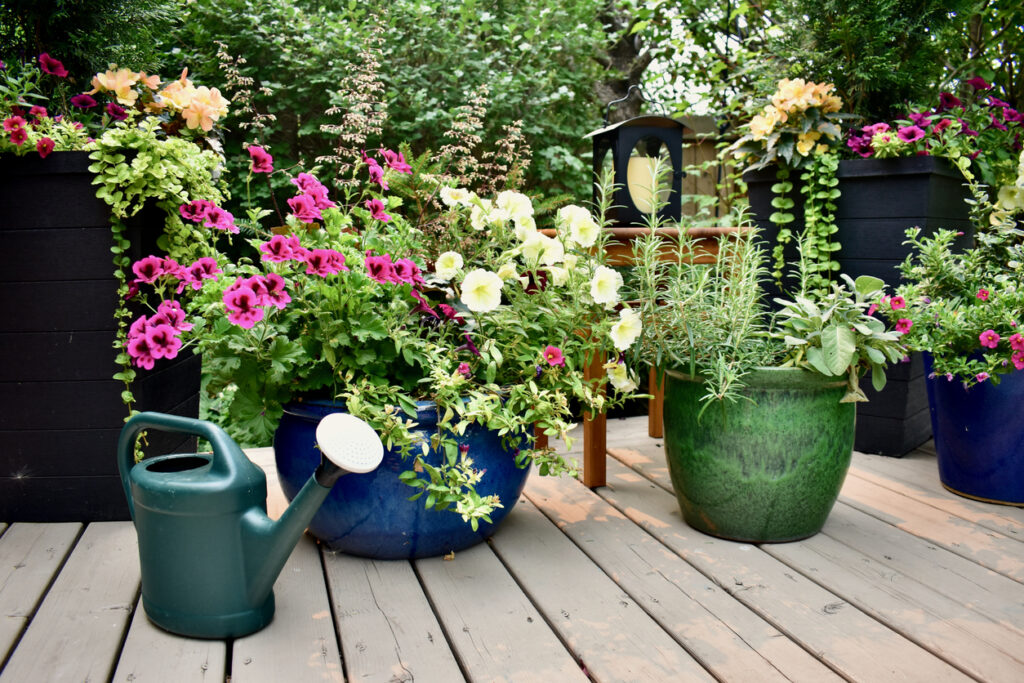
Plants in pots can be moved to higher ground when flooding threatens, which gives you flexibility that in-ground planting doesn’t offer. Containers also drain better than garden beds and won’t get waterlogged as easily. Keep wheeled plant caddies or trolleys handy so you can move heavy containers quickly when weather forecasts predict flooding. This works particularly well for expensive or hard-to-replace plants that you can’t bear to lose.
9. Create rain gardens and bioswales in low areas.
Instead of fighting natural water collection areas, turn them into attractive rain gardens that can handle large amounts of water while looking intentional and beautiful. These planted depressions capture and filter run-off naturally. Choose plants that look good both wet and dry, and design these areas to be attractive even when they’re not flooded. Rain gardens solve drainage problems while creating interesting garden features that work with natural water flow.
10. Install gutters and redirect roof run-off.
Roof water can overwhelm garden areas during heavy rain, especially if downspouts empty directly onto planting beds. Installing gutters and extending downspouts away from gardens prevents this concentrated water from causing problems.
Direct roof run-off toward rain barrels, permeable areas, or storm drains rather than letting it cascade onto your plants. This simple change can prevent a lot of flood damage because roof water is often the main source of garden flooding.
11. Mulch heavily, but choose the right materials.
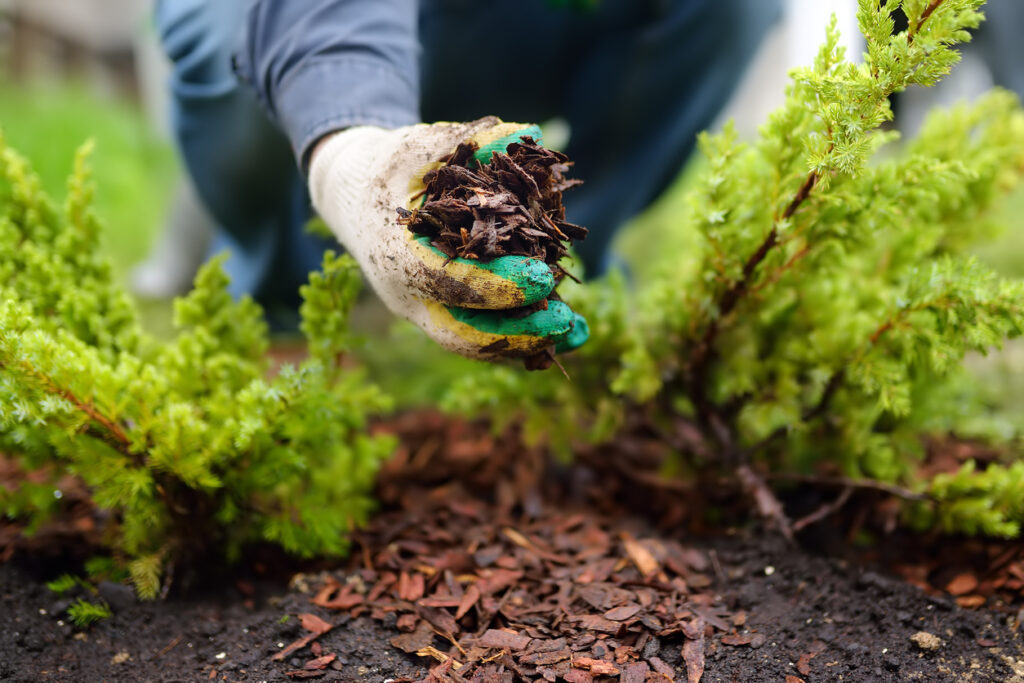
Good mulch helps soil absorb water gradually rather than all at once, which reduces surface run-off and prevents soil erosion during flooding. However, lightweight mulches can float away and create more problems than they solve.
Use heavier organic mulches like shredded bark or wood chips that won’t wash away during flooding. Avoid lightweight materials like straw or leaves in flood-prone areas because they’ll just create a mess when water recedes.
12. Plan escape routes for excess water.
Every garden needs somewhere for excess water to go when natural drainage isn’t enough. This might mean creating channels toward storm drains, directing water toward natural low areas, or installing overflow systems for normal drainage.
Think about where water goes during the worst flooding you’ve experienced and plan accordingly. You need systems that can handle much more water than normal rainfall produces because flooding usually involves extreme weather events.
13. Keep emergency supplies ready during flood season.
Have materials like sandbags, plastic sheeting, stakes, and tools ready before you need them because flooding often happens quickly and stores run out of supplies during emergencies. Preparation makes the difference between saving and losing your garden.
Create an emergency plan that includes which plants to prioritize, where to move containers, and how to protect the most valuable parts of your garden. Having a plan means you can act quickly instead of panicking when flooding threatens.