It is the sort of match-up that captures the imagination.
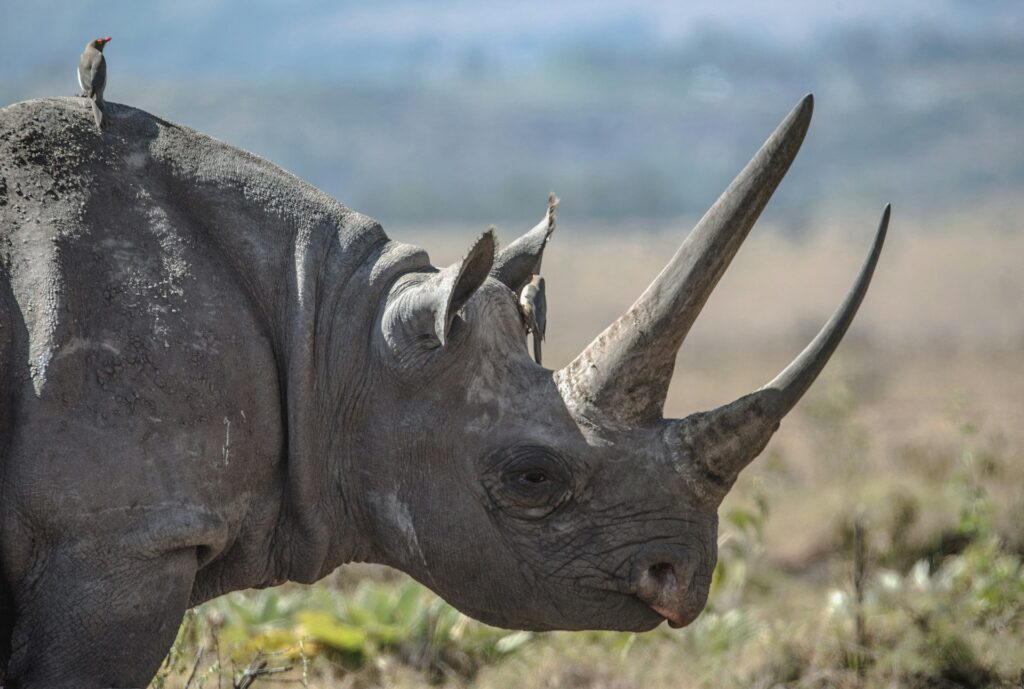
A rhino, with its tank-like build and huge horn, against a bear, with its raw strength and sharp claws. What’s going to happen, and who will come out on top? They’re both powerful in very different ways, and if they ever crossed paths, here’s how the fight might really look. Obviously, this is conjecture since it (probably) hasn’t happened, but it’s fun (and slightly terrifying) to think about!
1. Size makes a big difference (no pun intended).
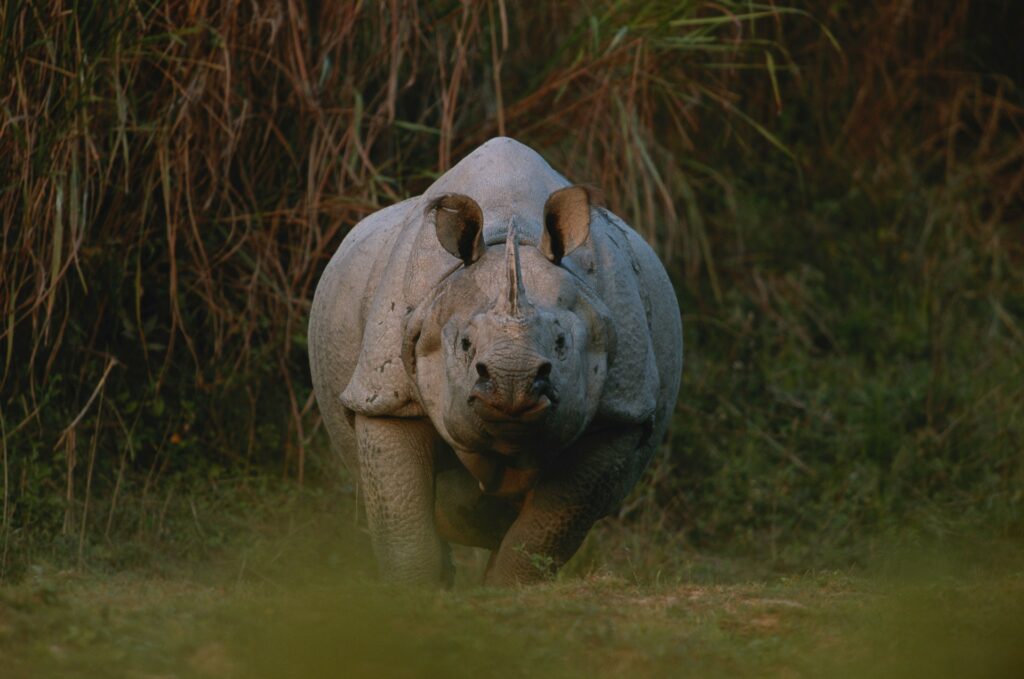
Rhinos are enormous, weighing up to two and a half tonnes, which already puts them far above any bear in terms of bulk. Even the largest Kodiak or polar bears max out at about half a tonne, which is impressive but still nowhere near rhino level. That sheer weight gives the rhino a huge advantage in a head-to-head collision. A charging rhino could knock a bear flying before the bear even had a chance to strike.
2. Strength is not the same as weight.

While the rhino has size on its side, a bear is exceptionally strong for its body weight. Bears can flip boulders, tear through logs, and overpower almost any animal of similar size. So, although a bear is much lighter, it has incredible muscle power and agility. That strength would make it dangerous if it managed to get close enough to latch on.
3. Their weapons look very different.
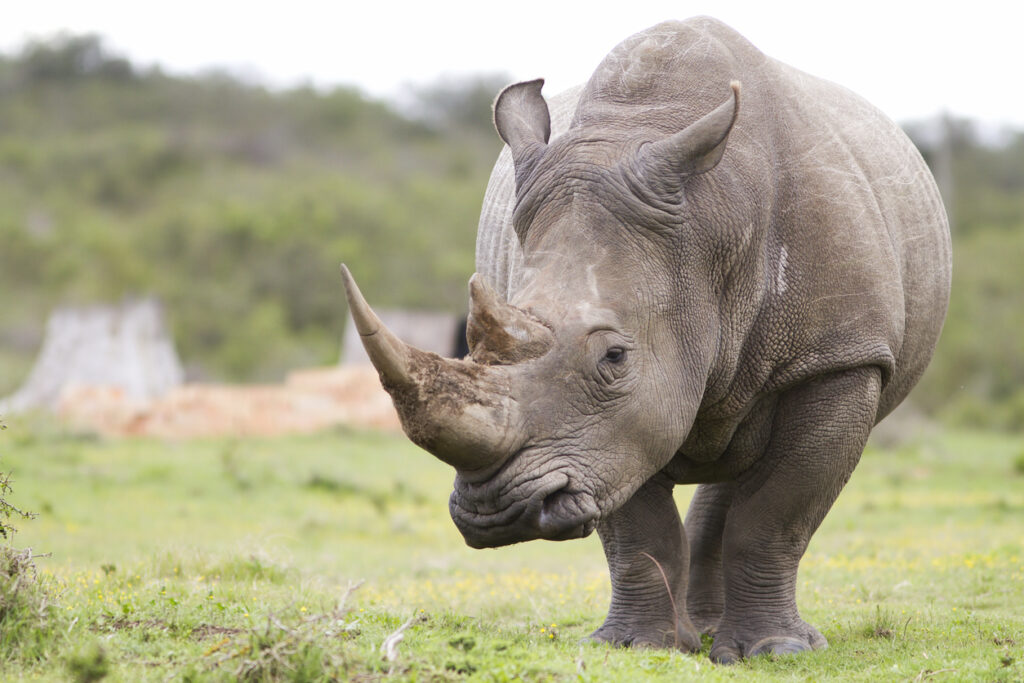
The rhino’s horn is its main weapon, and it is capable of goring or tossing an enemy with shocking force. One hit from the horn could be fatal to almost any opponent. A bear, however, comes armed with long claws and crushing jaws. While the rhino has a single strike advantage, the bear has multiple ways to attack if it gets the opening.
4. Speed is surprising on both sides.
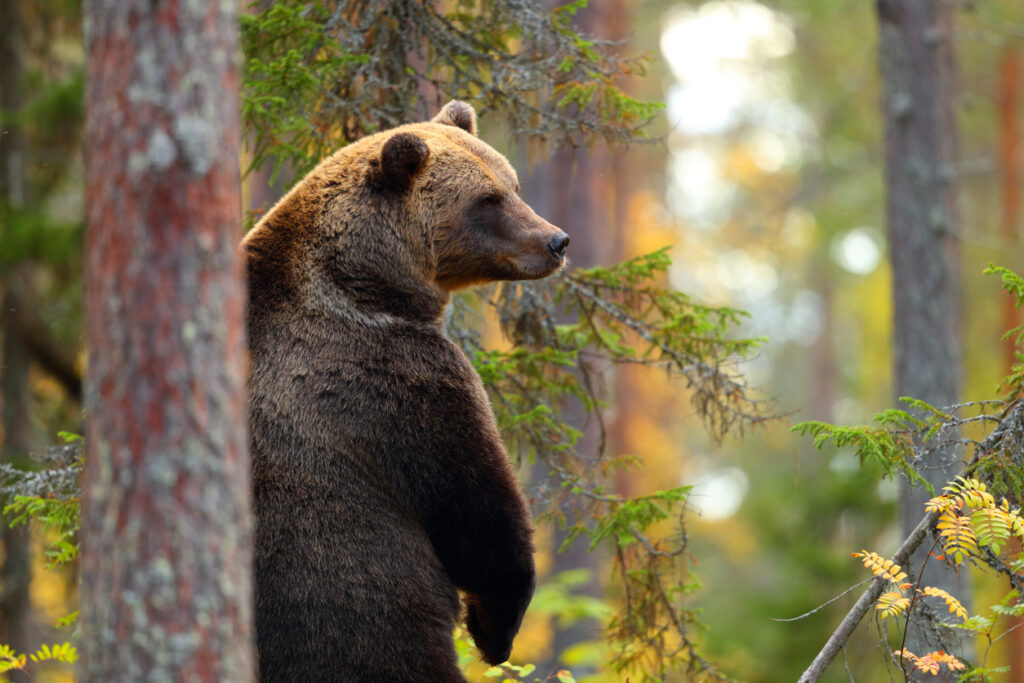
Many people imagine rhinos as slow, lumbering animals, but they can sprint up to 30 miles per hour in short bursts. When charging, their speed is terrifying and would make it hard for a bear to dodge. Bears are also faster than they look, capable of reaching 25 to 30 miles per hour. This means neither animal is sluggish, and both could use speed to close the distance quickly.
5. Agility belongs to the bear.
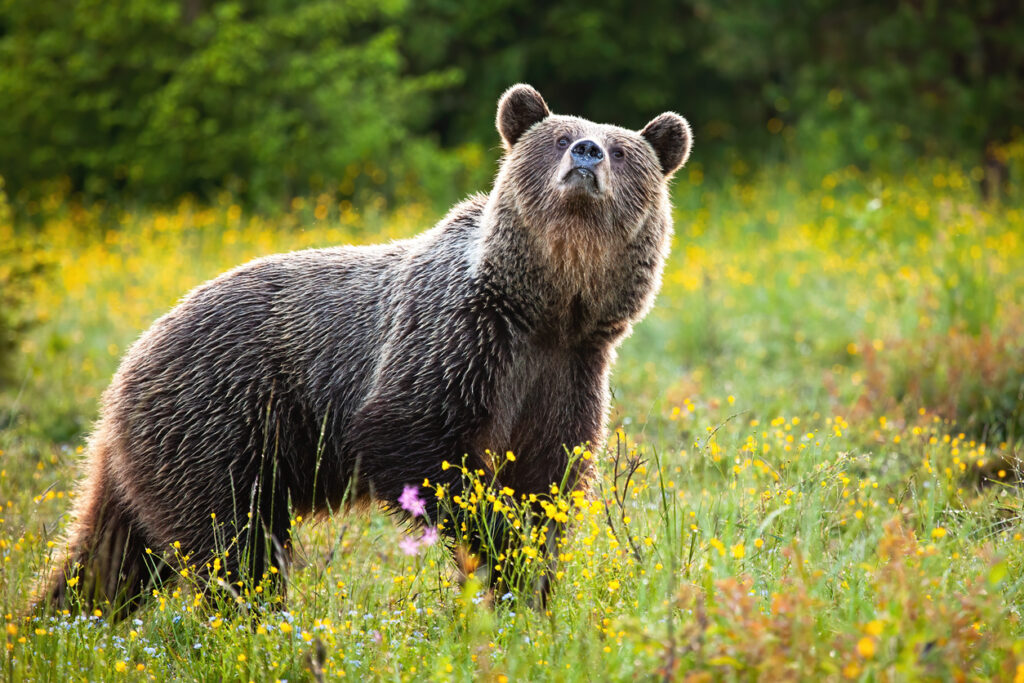
Despite its size, a bear is nimble and can twist, climb, and move with surprising ease. Its flexibility would help it avoid some of the rhino’s charges if it anticipated them early. The rhino, by contrast, is built for power rather than manoeuvring. Once committed to a charge, it has limited turning ability, which the bear could exploit if it was quick enough.
6. Endurance plays a role.
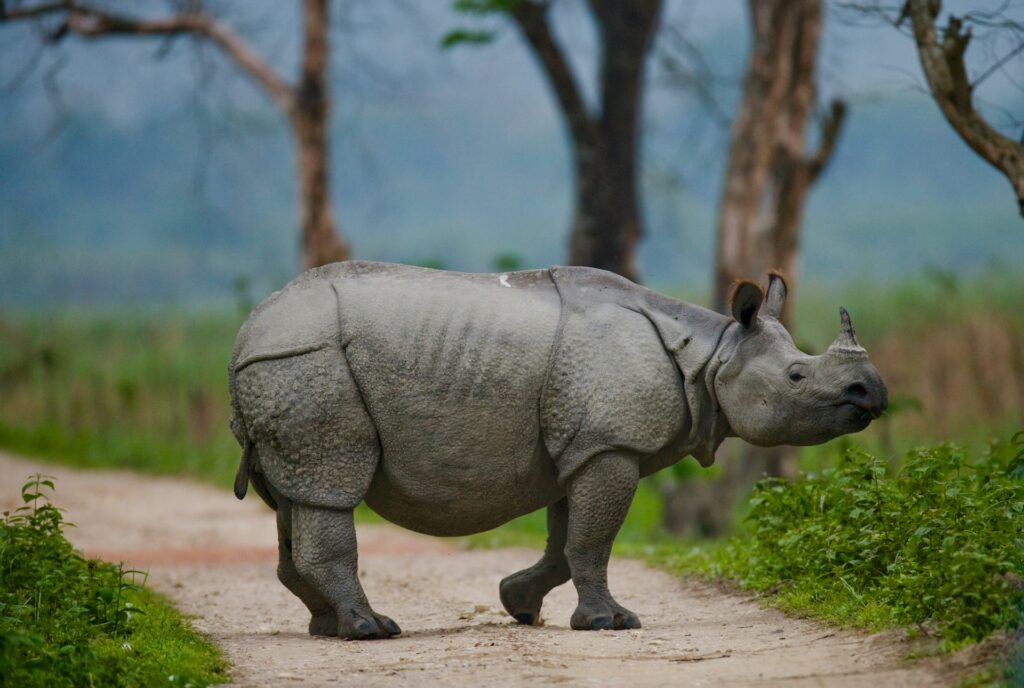
Rhinos rely heavily on quick bursts of energy and intimidation. They are not built for long, drawn-out fights and may tire more quickly if forced into a prolonged struggle. Bears are known for stamina and can keep fighting, wrestling, and moving for much longer. This difference could tip the balance if the bear managed to survive the initial onslaught.
7. Defence favours the rhino.
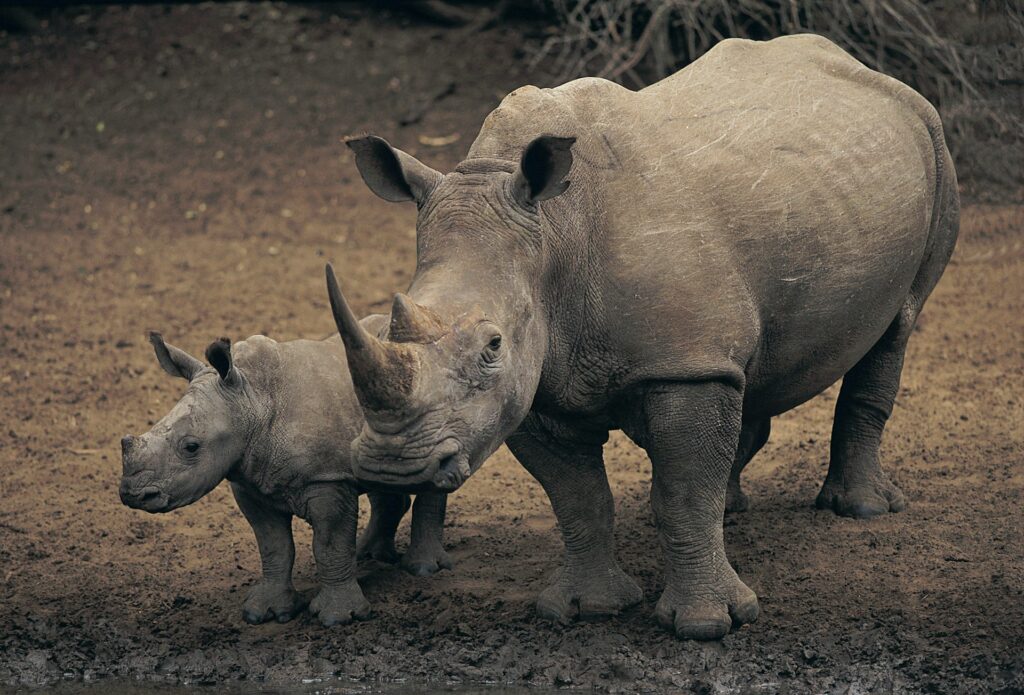
The rhino’s hide is incredibly thick and acts like natural armour. Many of the bear’s claws and bites might not penetrate deeply enough to cause serious damage straight away. A bear’s fur and skin, while tough compared to most animals, do not compare to the armour-like protection of a rhino. That makes the rhino much harder to injure in the opening stages.
8. Intelligence works in the bear’s favour.

Bears are highly intelligent and have strong problem-solving abilities. In a confrontation, this might give them an edge in figuring out how to attack from safer angles. Rhinos are less flexible in their tactics. They rely more on power and intimidation, which works well against most threats, but may not be enough against such a clever opponent.
9. Fighting style is completely different.
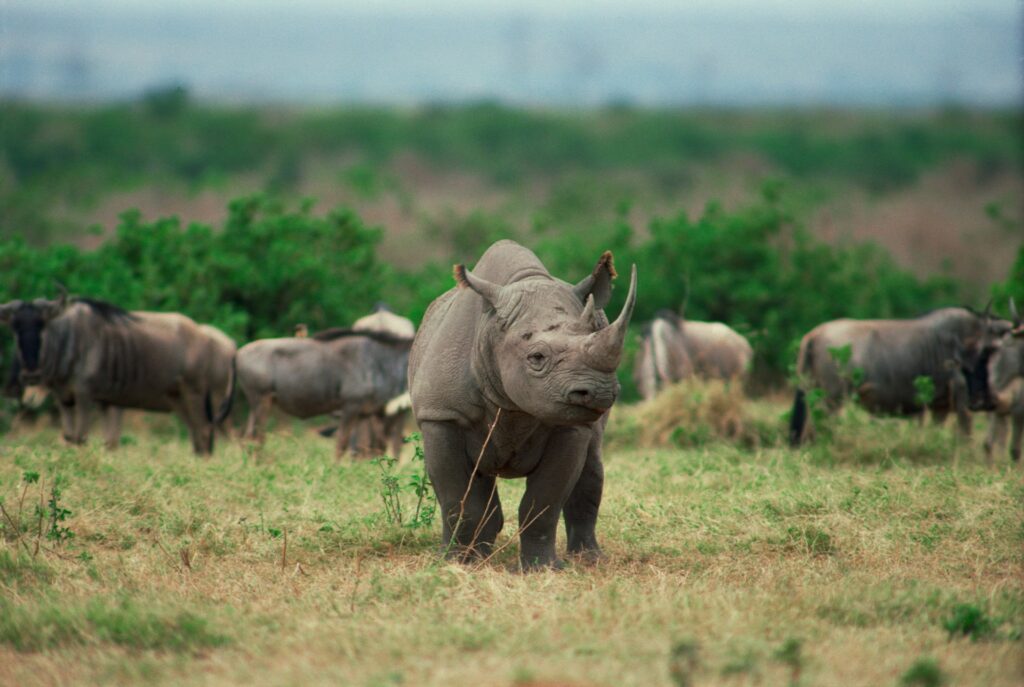
Rhinos tend to charge directly, using their horn and bulk to scare off or destroy threats. Their strategy is simple but effective, relying on sheer power and dominance. Bears fight with grappling, biting, and swiping, often adapting as the fight goes on. Their more varied approach could make them unpredictable compared to the rhino’s straightforward attacks.
10. Habitat rarely brings them together.
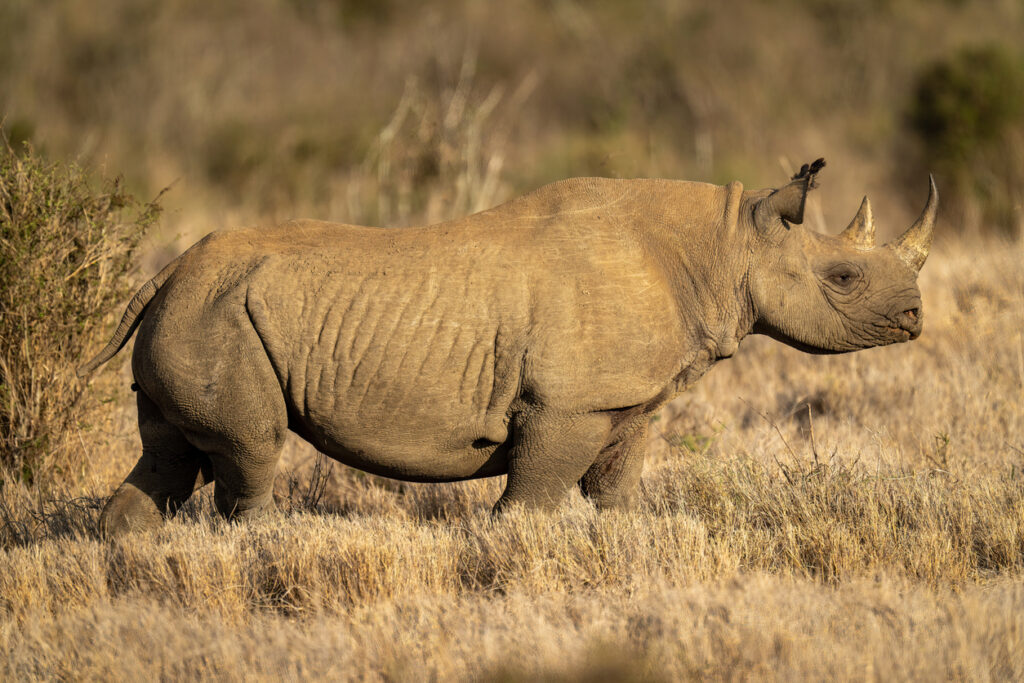
Rhinos are found in African and Asian grasslands or forests, while bears are spread across North America, Europe, and parts of Asia. Their natural ranges never overlap, which means such a fight is purely theoretical. However, imagining the clash highlights just how differently these two giants evolved. Each is perfectly suited to its own environment, which makes direct comparisons tricky.
11. One hit could end it.

If a rhino connected with its horn at full speed, the fight would likely be over immediately. The force of the blow would be devastating and leave the bear little chance of recovery. On the other hand, if the bear managed to climb onto the rhino’s back or target softer areas, it could inflict serious wounds over time. The outcome would depend heavily on who struck first.
12. The edge belongs to the rhino.

While a bear is fierce, intelligent, and strong, the rhino’s sheer size and defensive armour make it the more likely winner. Its horn alone is such a powerful weapon that even the toughest bear would struggle to withstand it. That being said, in a drawn-out encounter, the bear’s endurance and agility might give it small chances. But overall, if these two animals ever did cross paths, the rhino’s brute force would probably give it the edge.