Some plants look appealing in the garden centre but turn into a nightmare once they’re in the ground.
Whether they didn’t do their research or they thought they could make it work despite their problematic nature, plenty of people end up introducing species into their gardens they wish they’d never bothered with. From invasive spreaders to high-maintenance headaches, these are the ones many gardeners regret not leaving on the shelf.
1. Japanese knotweed

This is the plant that can devalue houses and cause major legal headaches. Japanese knotweed spreads aggressively through underground rhizomes, breaking through paving, walls, and even house foundations if left unchecked. It’s also incredibly difficult and costly to eradicate once established.
If you spot it for sale or growing nearby, avoid it entirely. Professional removal is often the only effective solution, and it’s far easier (and cheaper) to never let it take root in the first place.
2. Mint in open beds
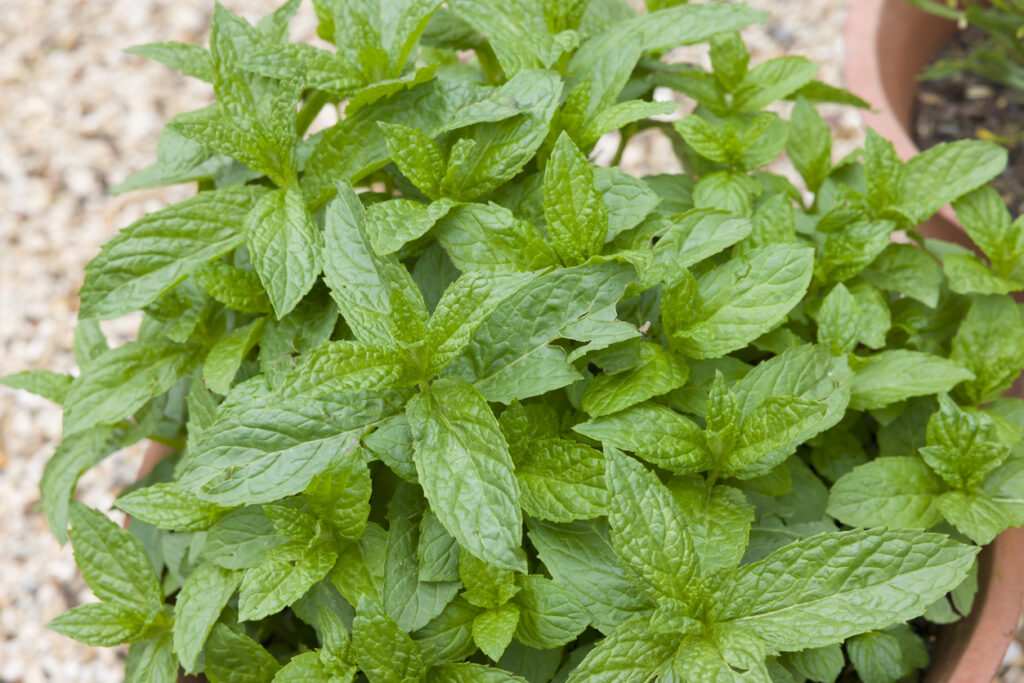
Mint smells fresh and works wonders in the kitchen, but plant it in open soil, and it’ll soon take over the entire bed. Its creeping roots spread far beyond where you put it, popping up in unexpected places and crowding out other plants. Grow mint in pots or containers to keep it under control. This way, you can still enjoy the harvest without battling it for the rest of the summer.
3. Bamboo (running varieties)
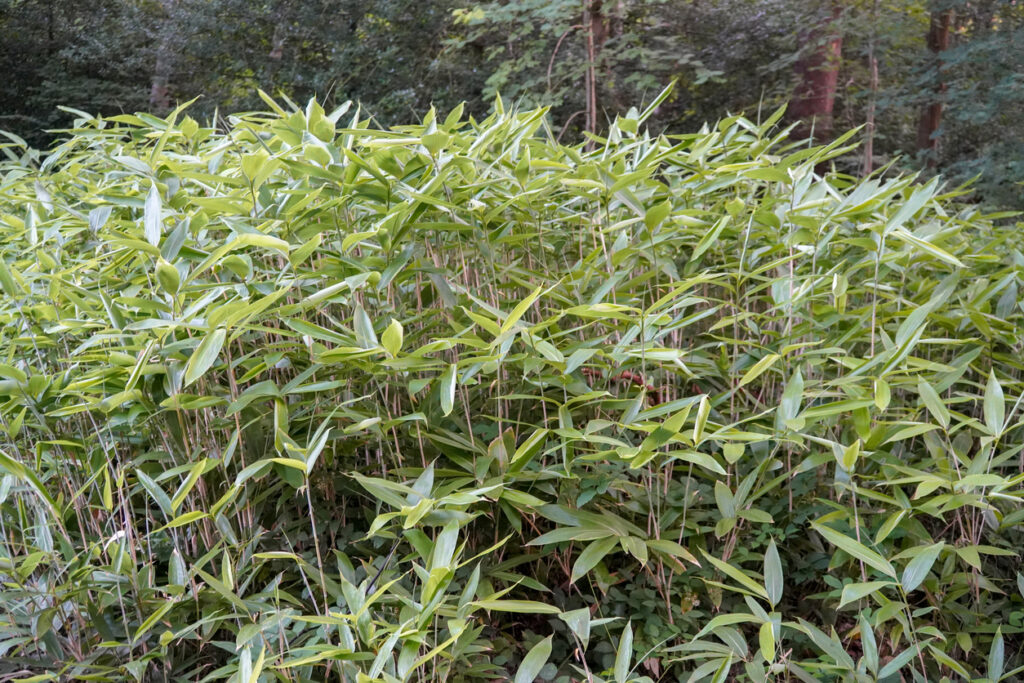
While bamboo adds a tropical feel and screens off neighbours, running varieties send roots metres away from the original planting site. Left unchecked, it can spread into lawns, flowerbeds, and even under fences into next-door gardens. If you want bamboo, choose clumping types and plant them in strong root barriers or large containers. This prevents them from becoming a long-term maintenance problem.
4. Russian vine
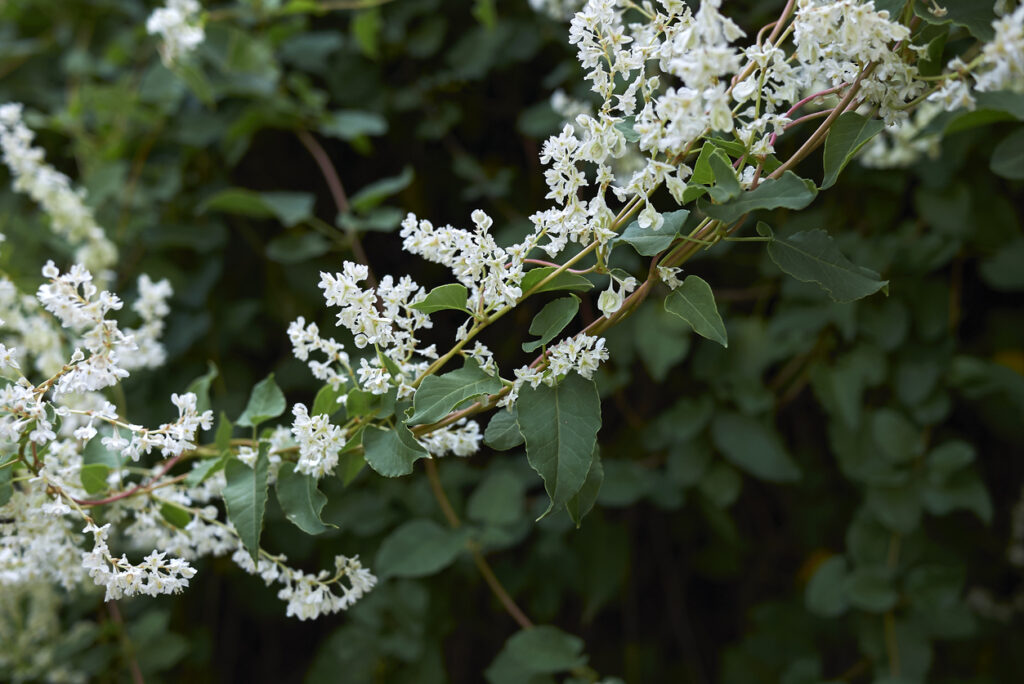
Known as “mile-a-minute” vine, Russian vine grows with astonishing speed, smothering fences, trees, and sheds. Its dense foliage can quickly shade out anything nearby, leaving dead plants in its wake. Opt for slower-growing climbers like honeysuckle or clematis if you want coverage without the constant pruning and risk of structural damage.
5. Leylandii
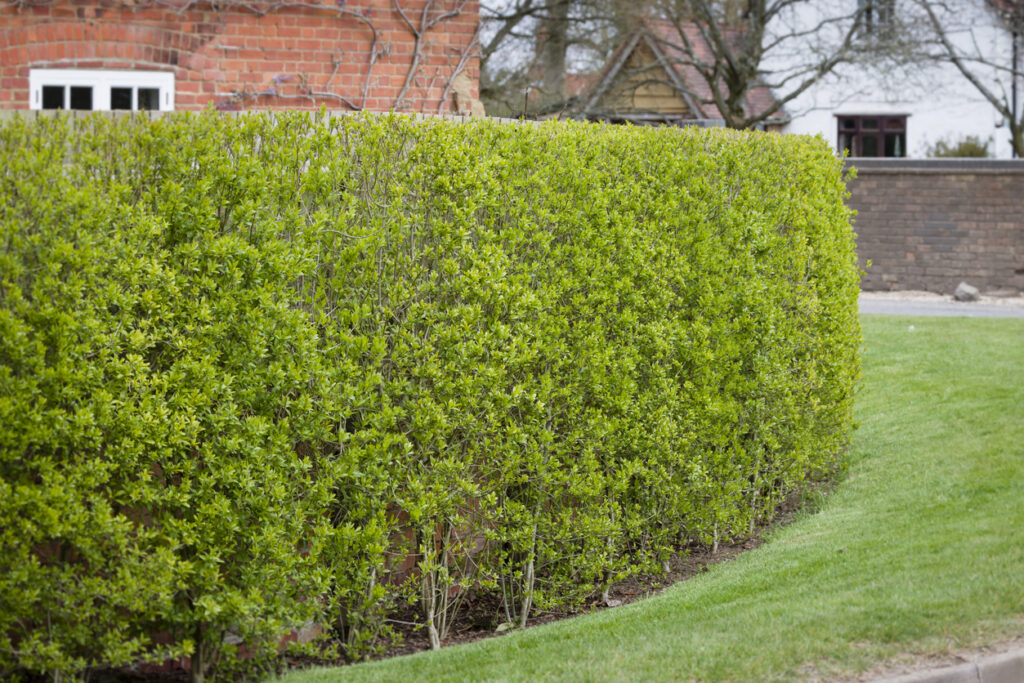
These fast-growing conifers are often planted for privacy, but they can reach unmanageable heights, block sunlight, and cause disputes with neighbours. Cutting them back is labour intensive and expensive once they’re mature. Consider smaller, slower-growing evergreens instead. They’ll give you privacy without the legal issues and annual battles with a hedge trimmer.
6. Giant hogweed

This towering plant may look striking, but its sap can cause severe burns and long-lasting skin damage when exposed to sunlight. It’s not just invasive—it’s dangerous to humans and pets alike. Don’t plant it under any circumstances, and if you find it on your property, report it and arrange professional removal. Protective clothing is essential if you have to handle it.
7. Bindweed
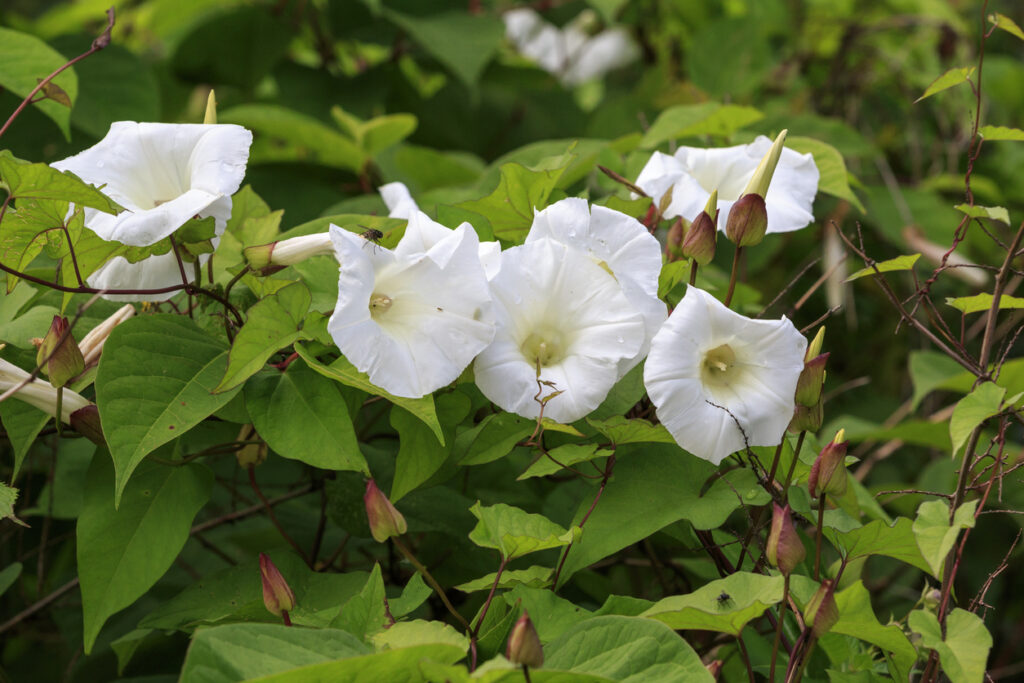
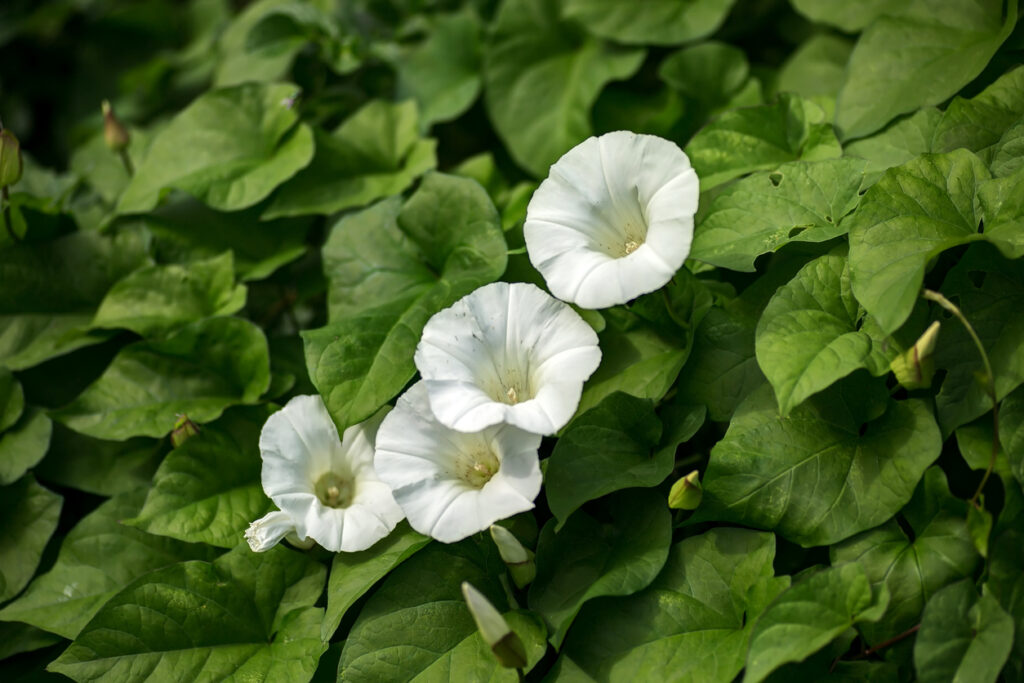
Bindweed’s pretty white flowers hide its true nature: it winds around other plants, stealing light and space until they die back. Once established, its deep roots make it extremely difficult to remove. Regularly dig out as much root as you can and cover bare soil to reduce regrowth. Persistence is key, as it rarely gives up after one attempt.
8. Pampas grass
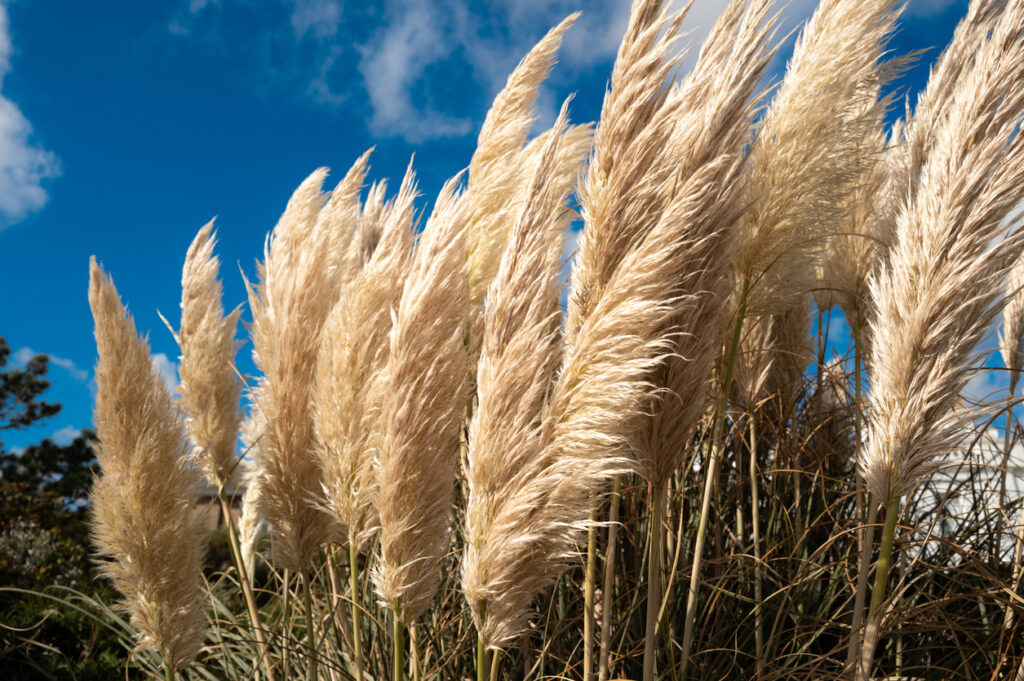
Pampas grass may have a certain ornamental appeal, but its razor-sharp leaves make it hard to manage. It also needs a lot of space, and once it’s in, removing it is a major job. If you like the look, go for smaller ornamental grasses. They’re easier to trim and won’t leave you nursing cuts after garden maintenance.
9. Rhododendron ponticum
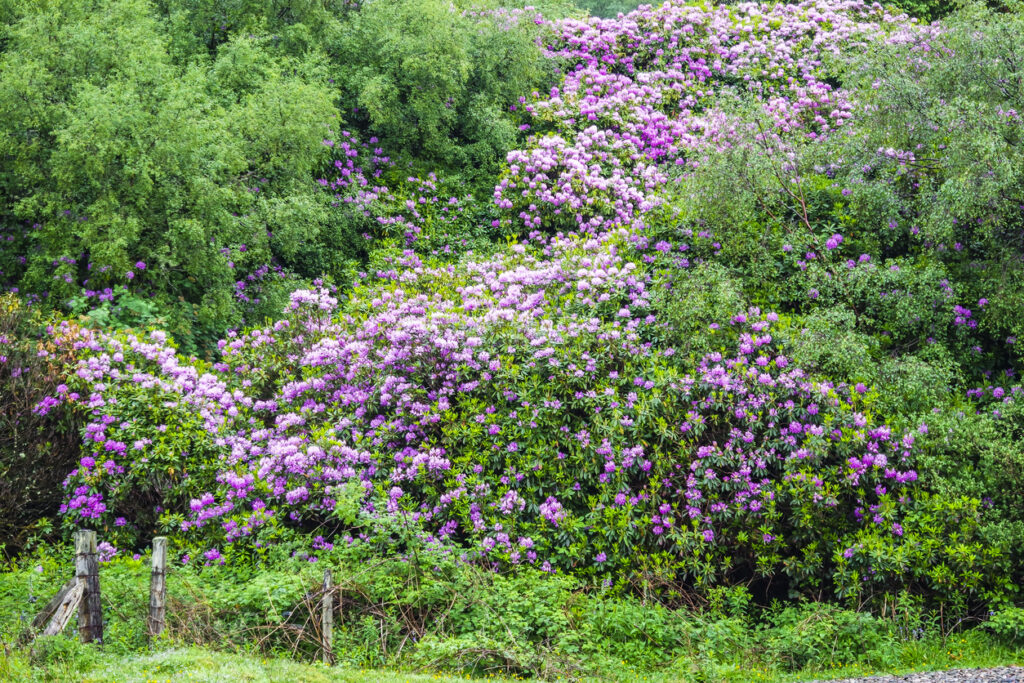
This variety of rhododendron is highly invasive in the UK, spreading across woodland and choking out native plants. It’s tough to remove, with thick roots and a tendency to regrow from cut stumps. If you love rhododendrons, stick to non-invasive cultivars. You’ll get the flowers without contributing to a serious environmental problem.
10. Horsetail (mare’s tail)
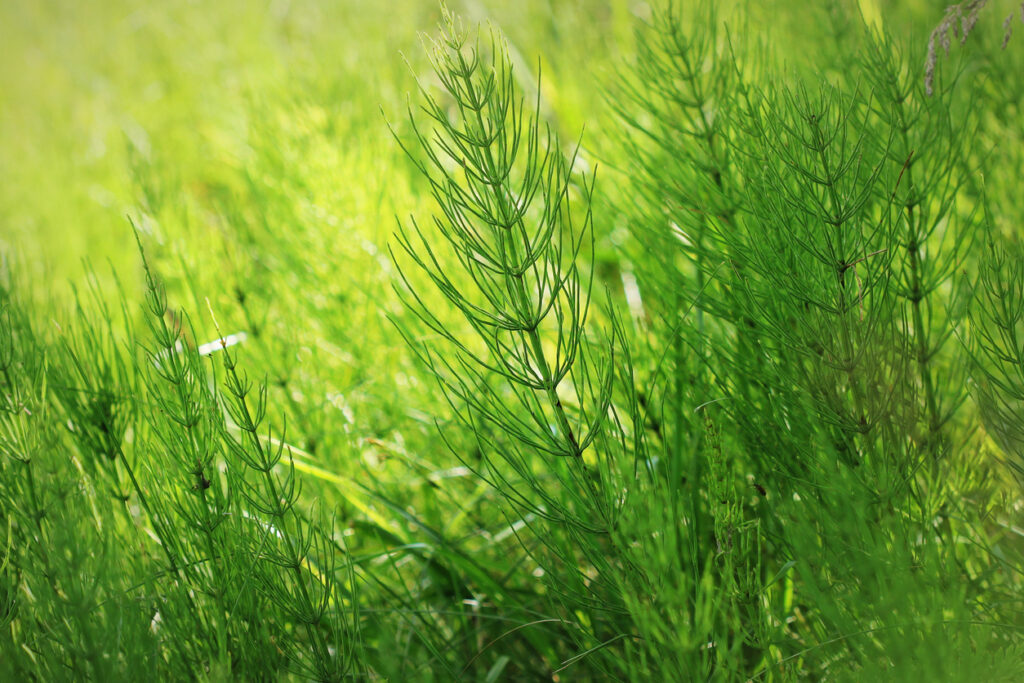
Horsetail has been around since the time of the dinosaurs, and it’s just as stubborn now. Its deep, extensive root system makes it nearly impossible to eradicate with digging alone. If it turns up, keep cutting it down to weaken it over time, or use physical barriers to stop it spreading. Left alone, it will quickly take over large areas.
11. Ivy (in the wrong place)
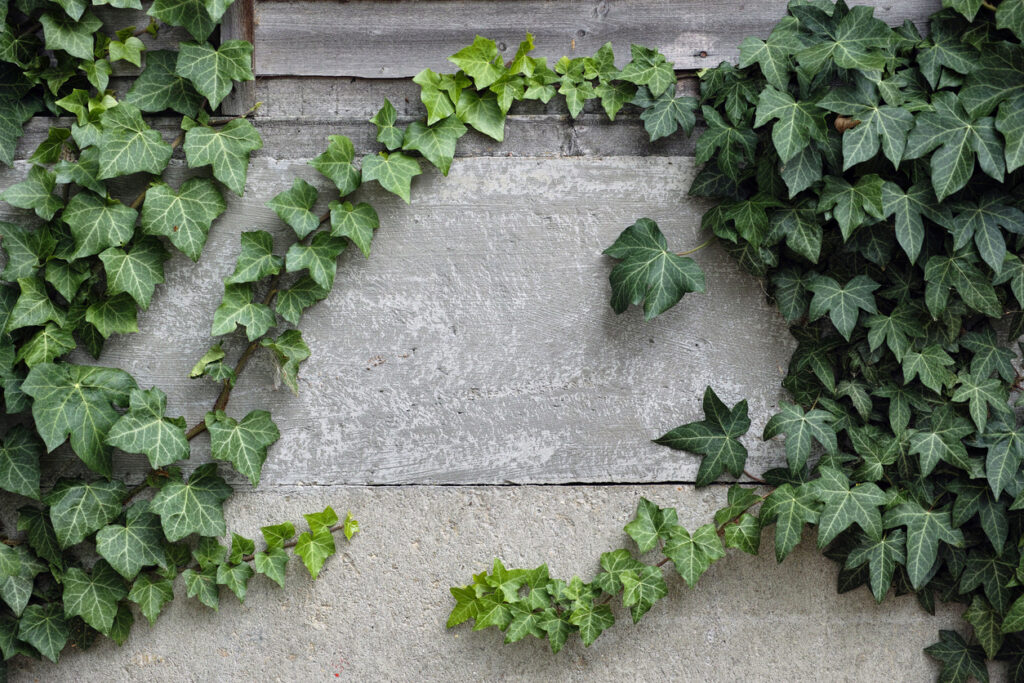
Ivy can be attractive on walls or as ground cover, but it’s a different story when it invades roof spaces, cracks in brickwork, or mature trees. It can cause structural damage and weaken plants it grows over. Plant it only where you can keep a close eye on it, and cut it back before it reaches gutters, roof tiles, or tree canopies.
12. Gunnera
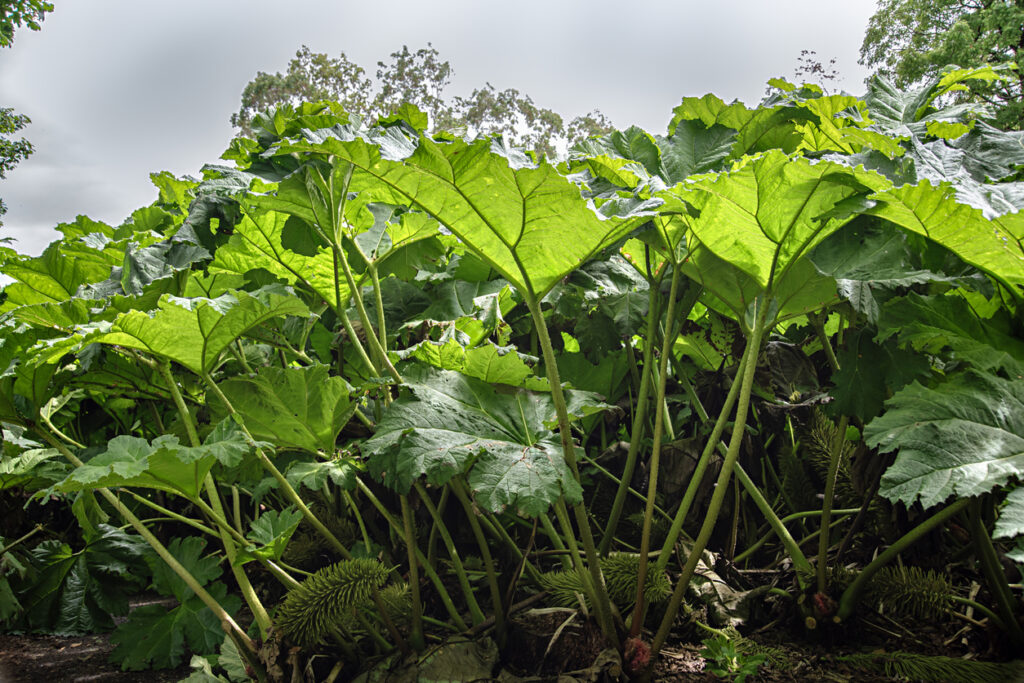
Gunnera’s giant leaves make it a dramatic focal point, but it needs a lot of space and water. In the wrong spot, it can crowd out other plants and block views. In some parts of the UK, it’s considered invasive. If you like large-leaf plants, try hostas or Rodgersia in damp, shady areas. They’re easier to manage and won’t overwhelm the garden.