Some of the plants we’ve spent years pulling up and tossing aside turn out to be surprisingly useful. Whether it’s for their medicinal properties, ecological benefits, or even their taste, plenty of so-called weeds have earned a second look. Here are ten plants that were once written off as nuisances until someone finally realised they had something valuable to offer.
1. Dandelion
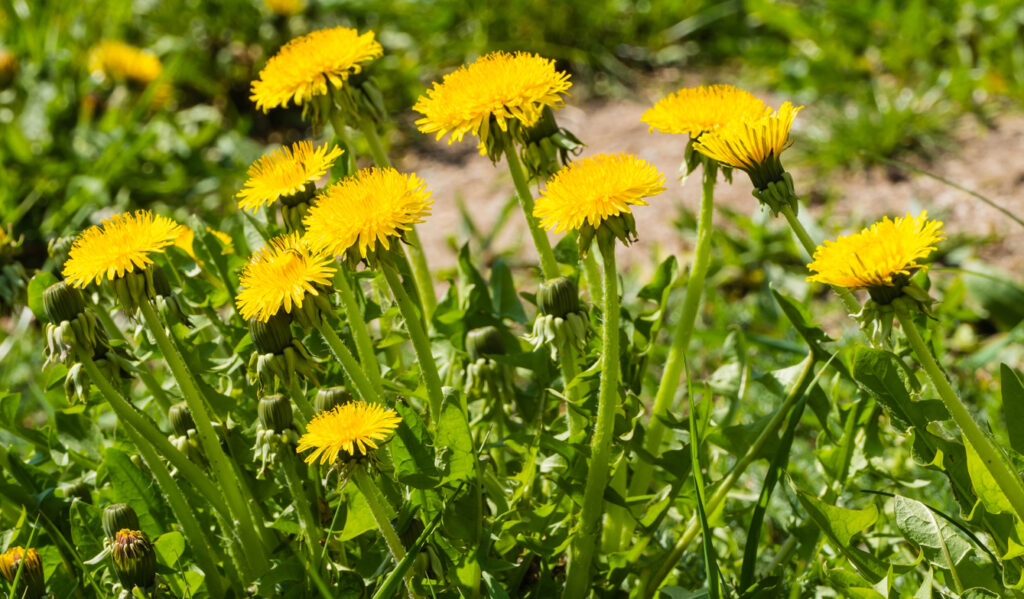
Dandelions were once the enemy of every well-manicured lawn, but their benefits go way beyond being a childhood wish-blower. Their leaves are packed with vitamins A, C, and K, and their roots have been used for centuries in traditional medicine to support liver function.
They’re also fantastic pollinator plants, offering an early food source for bees in spring. What used to be treated as a pest is now recognised as a resilient, nutritious, and ecologically important little powerhouse.
2. Nettles
Most of us remember the sting before we ever learned the value of nettles. But once dried or cooked, the sting disappears, and what’s left is a leafy green rich in iron, calcium, and protein. Nettles are often made into tea or added to soups as a natural tonic.
They’re also brilliant for biodiversity. Nettles support over 40 species of insects, including butterflies like the peacock and small tortoiseshell. It turns out the plant you avoided on childhood walks might have been quietly doing nature a big favour all along.
3. Chickweed
This small, low-growing plant often takes over flowerbeds and vegetable patches, but it’s surprisingly edible. Chickweed is high in vitamin C and has long been used in herbal remedies to soothe inflammation or treat minor skin issues.
In fact, many foragers actively seek it out for its mild flavour and cooling properties. It’s a classic case of a plant being overlooked just because it grows where it wasn’t invited.
4. Clover
Once treated as a nuisance in lawns, clover is now being re-evaluated for its eco-friendly benefits. It naturally fixes nitrogen into the soil, reducing the need for fertilisers, and it thrives without much water or fuss. On top of that, bees love it. In a world where pollinator-friendly plants are becoming more important than ever, clover’s low-maintenance charm is getting a much warmer welcome these days.
5. Plantain (Plantago major)
This isn’t the banana-like fruit; it’s the low, broad-leaved plant you’ve probably seen on footpaths and driveways. Long considered a weed, plantain is actually packed with healing properties. Crushed leaves can soothe insect bites, stings, and minor wounds. It’s also rich in antioxidants and has been used in herbal medicine for centuries to support digestion and ease inflammation. Once you know what it is, you start seeing it everywhere, and appreciating it far more than before.
6. Ground elder
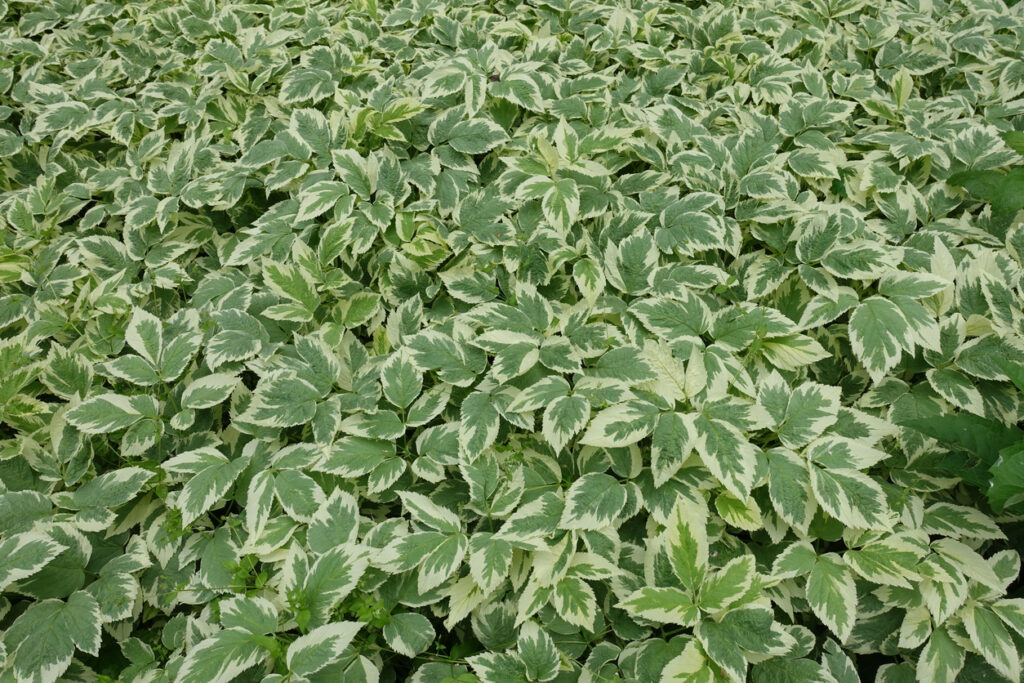
Gardeners have fought this plant for generations due to its rapid spread and deep root system. But it was originally introduced to Britain by the Romans as a food and medicine source. Its young leaves are edible and taste a bit like parsley when cooked. It’s now being rediscovered by foragers who recognise its potential in spring dishes. While it still spreads aggressively, some are finding ways to work with it rather than against it, especially in wild or low-maintenance spaces.
7. Shepherd’s purse
This plant gets its name from the small heart-shaped seed pods it produces. Often overlooked or pulled up, it’s long been used in traditional medicine to help reduce bleeding and support wound healing. It’s also edible in small amounts, with a peppery taste that can be used in salads or stir-fries. Though it’s never likely to win beauty contests, it’s far more useful than it first appears.
8. Mallow
With its soft, fuzzy leaves and pale purple flowers, mallow tends to grow in waste areas and along roadsides. But it’s been used for centuries as a soothing remedy for coughs, sore throats, and digestive issues thanks to its mucilage content. Its leaves and flowers are edible, and some gardeners are now including it intentionally in wildlife gardens due to its appeal to pollinators. What was once overlooked as scruffy or invasive is now being rebranded as gentle and beneficial.
9. Yarrow
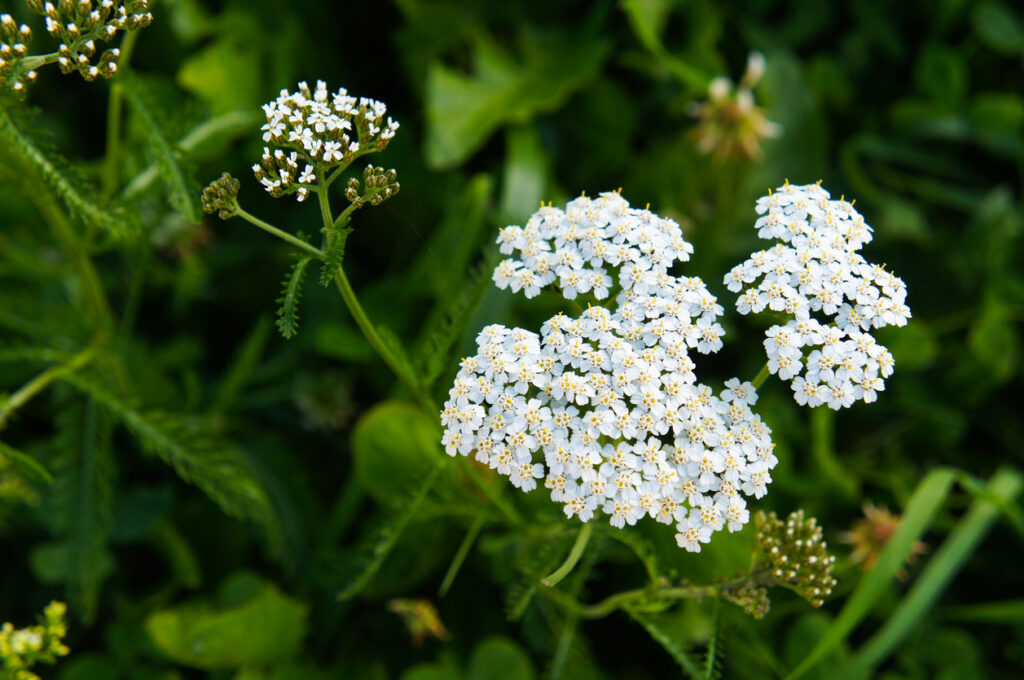
Yarrow’s feathery leaves and clustered flowers make it a common sight in meadows, but it’s also often pulled up from gardens without a second thought. That’s changing, though, as people rediscover its role in herbal medicine and soil health. It’s believed to help with wound healing and reduce inflammation, and it’s also great for attracting beneficial insects like ladybirds. It’s one of those plants that quietly does more than people give it credit for, until they actually need it.
10. Purslane
Purslane tends to crop up between cracks in the pavement or at the edge of allotments, but it’s one of the richest plant sources of omega-3 fatty acids. It’s also full of antioxidants, making it surprisingly nutritious for something so often discarded. With its slightly tangy taste, it’s used in salads and soups in many parts of the world. Once treated like a garden invader, it’s now becoming a superfood of sorts, if you know where to look.