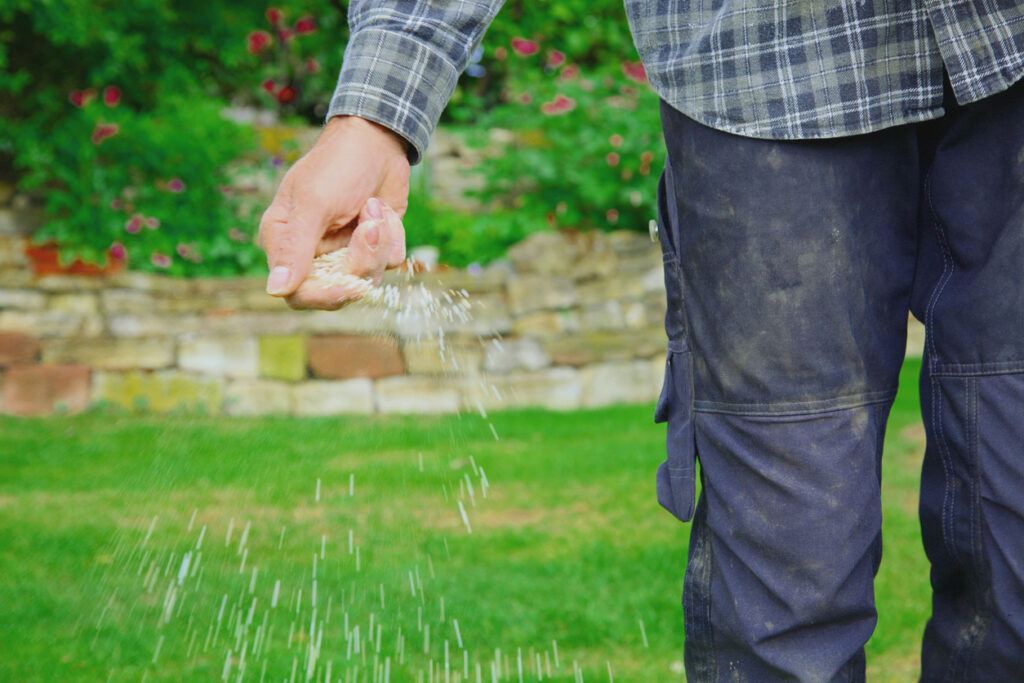
Lawn sand isn’t just regular sand that you throw on your grass. In fact, it’s actually a clever mix of ingredients that can help transform a patchy, mossy mess into the kind of lawn that makes your neighbours secretly jealous. Here’s what it is, what it does, and how to use it in your own garden for the best results.
Lawn sand is basically a three-in-one lawn treatment.
Despite the name, lawn sand is actually a mixture of fine sand, iron sulphate (ferrous sulphate), and sometimes nitrogen-based fertilizer. The sand helps improve soil drainage and levels out bumpy areas, the iron sulphate kills moss and feeds your grass, and the fertilizer gives your lawn a nutritional boost.
This combination means you’re tackling multiple lawn problems at once instead of having to buy separate products for moss control, fertilizing, and soil improvement. It’s like getting a lawn care multitool that handles several jobs with one application.
It’s especially brilliant for dealing with moss problems.
The iron sulphate in lawn sand is what makes it so effective at killing moss: it essentially burns the moss while feeding your grass. Moss hates iron, but grass loves it, so you’re creating conditions that favour your lawn over the unwanted green stuff taking over your garden.
After the moss dies (it’ll turn black first, which is totally normal), you can rake it out and your grass will have more space and nutrients to grow properly. It’s way more effective than just trying to pull moss out by hand, which usually comes back anyway.
Spring is the sweet spot for application.
The best time to use lawn sand is in late spring when your grass is actively growing, but before the weather gets too hot and dry. You want your lawn to be able to take advantage of the nutrients while having enough moisture to help everything work properly.
Avoid using it during winter when growth is slow, or during hot summer periods, when it might stress your grass too much. Early April to May is usually perfect timing, though this obviously depends on your local climate and when winter actually decides to leave.
Application is all about getting the coverage right.
You want to spread lawn sand evenly across your lawn at roughly 35–70 grams per square meter, depending on how bad your moss problem is. Too little won’t be effective, but too much can actually damage your grass, so it’s worth measuring your space and calculating how much you need.
Use a spreader if you have one, or just scatter it by hand if you’re dealing with a smaller area. The key is getting even coverage so you don’t end up with patchy results where some areas get tons of treatment and others get nothing.
Timing the weather is crucial for success.

Apply lawn sand when rain is forecast within the next day or two, but not when it’s already wet or about to pour down immediately. You want the sand to stick to the moss and grass blades for a bit before being watered in, but you don’t want it sitting there for weeks without any moisture.
If no rain is expected, you can water it in lightly after a few hours, but natural rainfall tends to work better for getting the right amount of moisture without washing everything away.
Your lawn will look worse before it looks better.
Don’t panic when your moss starts turning black within a few days of application because that’s exactly what’s supposed to happen. The iron sulphate is doing its job, and the blackened moss will eventually dry up and can be raked away to make room for healthy grass growth.
This process can take a couple of weeks, and your lawn might look pretty rough during this time. It’s tempting to think something’s gone wrong, but this is just part of the moss-killing process working as intended.
Follow up with proper lawn care.
Lawn sand isn’t a magic fix that solves everything forever. You need to follow up with good lawn maintenance to get the best results. After the moss is gone and raked away, consider overseeding any bare patches to help your grass fill in the spaces.
Regular feeding, proper watering, and addressing underlying issues like soil compaction or poor drainage will help prevent moss from coming back. Lawn sand gives you a fresh start, but maintaining that improvement requires ongoing care.
There are safety considerations you actually need to know.
Iron sulphate can stain concrete, paving, and pretty much anything it touches, so be careful around paths, patios, and garden furniture. If you do get it on hard surfaces, rinse it off quickly to avoid permanent orange-brown stains that make everything look rusty.
Keep pets and kids off the lawn until after the first rain or watering, since iron sulphate can be irritating. It’s not hugely dangerous, but it’s not something you want them rolling around in or potentially eating either.
Storage and handling really do matter.
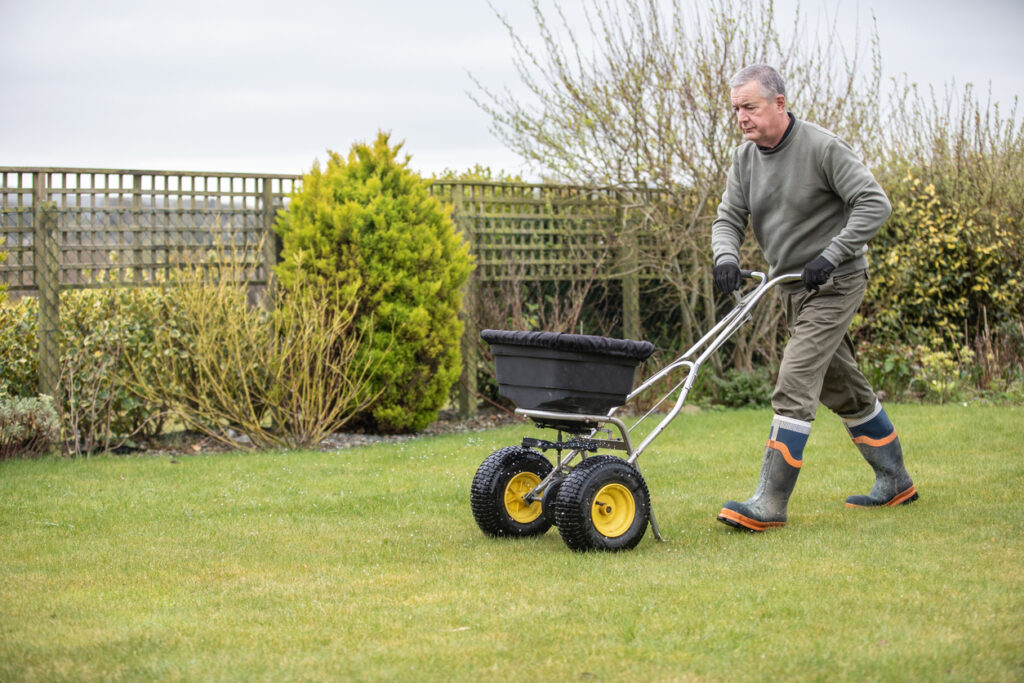
Keep unused lawn sand somewhere dry because if it gets damp, the iron sulphate can clump together and become difficult to spread evenly. A sealed container in a shed or garage works well, and it’ll keep for ages if stored properly. When you’re applying it, wear gloves to avoid staining your hands orange, and maybe old clothes that you don’t mind getting a bit discoloured. The iron sulphate is pretty forgiving, but it’s easier to prevent stains than to try removing them later.
Know when lawn sand isn’t the right solution.
If your lawn has serious underlying problems like severe compaction, terrible drainage, or is mostly weeds rather than grass, lawn sand alone isn’t going to fix everything. It’s great for moss control and general lawn improvement, but it’s not a miracle cure for lawns that need major renovation.
For severely damaged lawns, you might need to address bigger issues first, like improving drainage, reducing soil compaction, or even starting over with new seed or turf. Lawn sand works best on lawns that are fundamentally okay but just need help with moss and general health.