Spiders get a bad reputation, but most of them really aren’t out to get you.
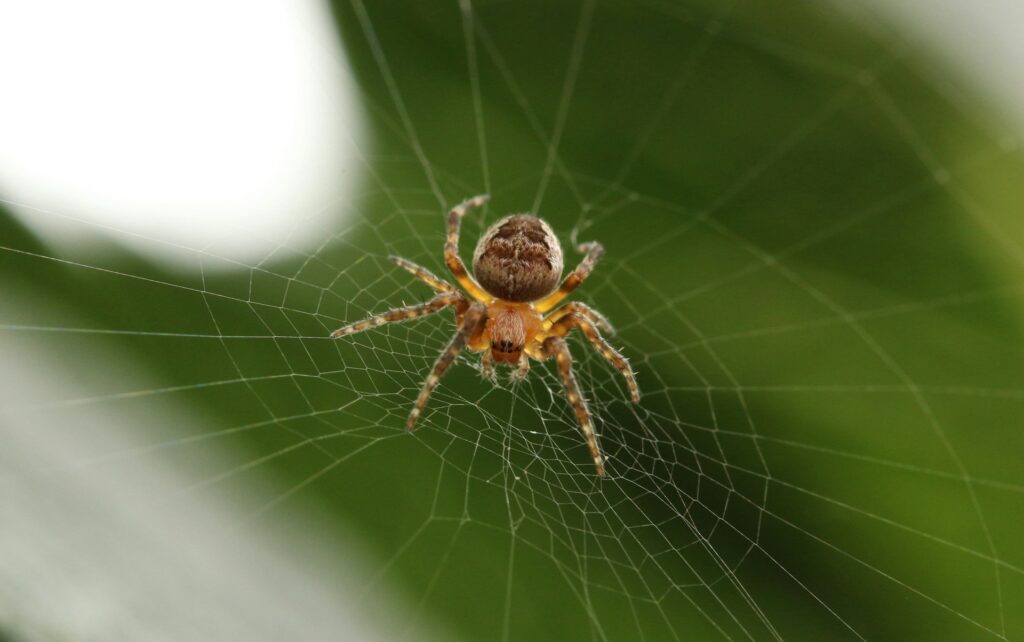
They’re just vibing in their webs, living their insect-hunting lives. That said, not all spiders are built the same. Some have venom that could knock out a grown adult, while others couldn’t even harm a fly (well, they could, but not with venom). So, what actually makes some spiders more venomous than others? Here’s what’s going on behind those tiny fangs.
1. Different spiders evolved for different meals.
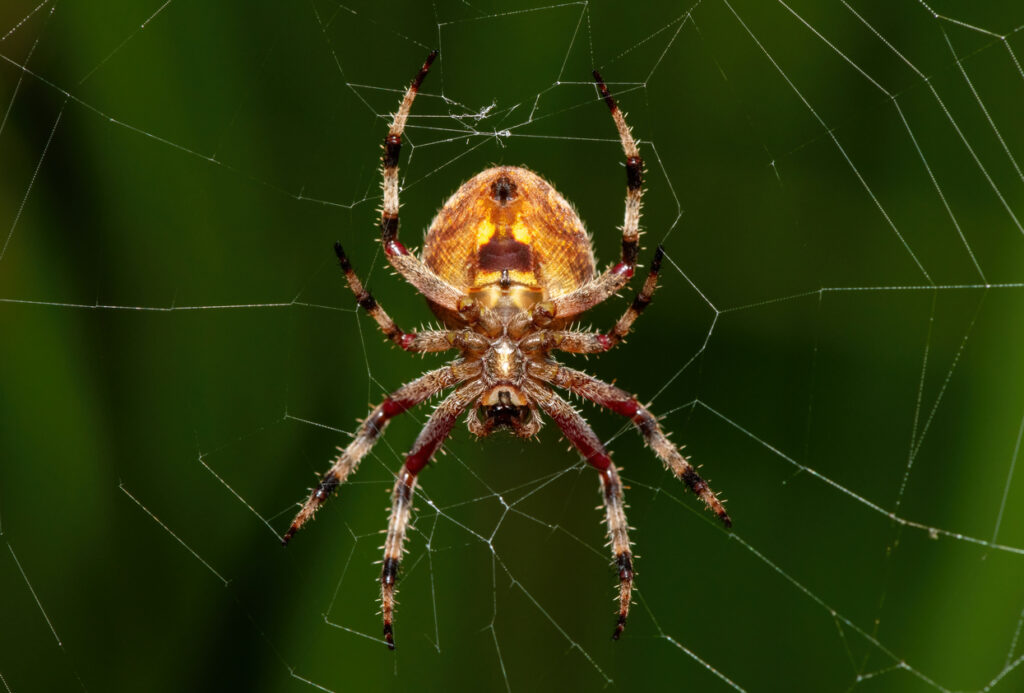
Some spiders are out here trying to catch cockroaches, while others are happy with a nice fruit fly. The bigger and tougher the prey, the more serious the venom needs to be. So, spiders that go after chunky bugs, or even small animals, have naturally developed stronger venom to get the job done fast.
It’s not about being meaner, just more efficient. You wouldn’t try to take down a bear with a Nerf gun, right? Same logic. If a spider’s dinner fights back, it needs venom that works quickly before things get messy.
2. Bigger fangs = better delivery system.
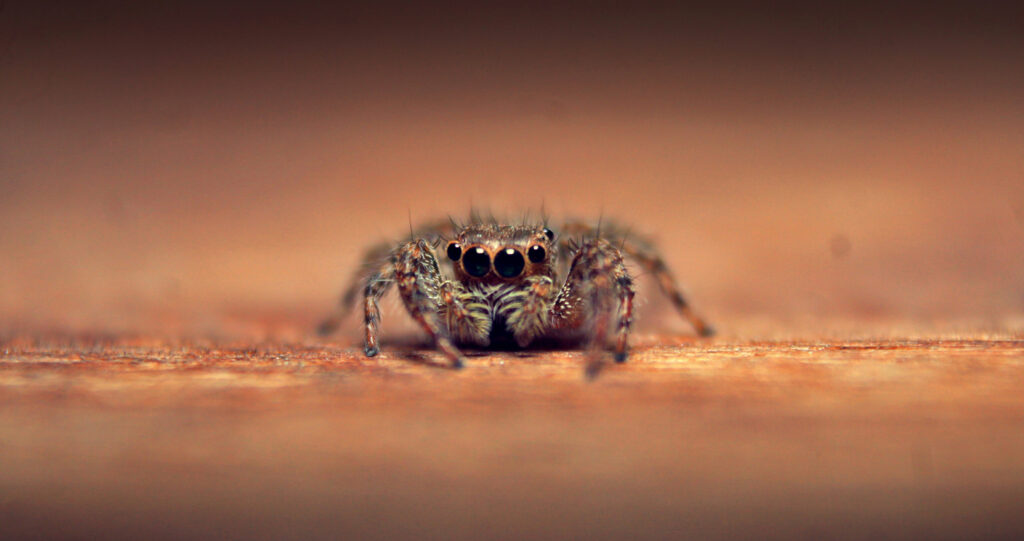
Venom’s only useful if it actually gets into the other creature. Spiders with bigger, stronger fangs can puncture thicker exoskeletons or skin, which means their venom hits harder and spreads faster. Some spiders might technically have potent venom, but their fangs are so tiny they couldn’t break your skin. Others, like tarantulas or the notorious funnel-web spider, are basically walking syringes. Size matters, and in spider terms, fang size really tells you who means business.
3. Some spiders don’t even need venom to eat.
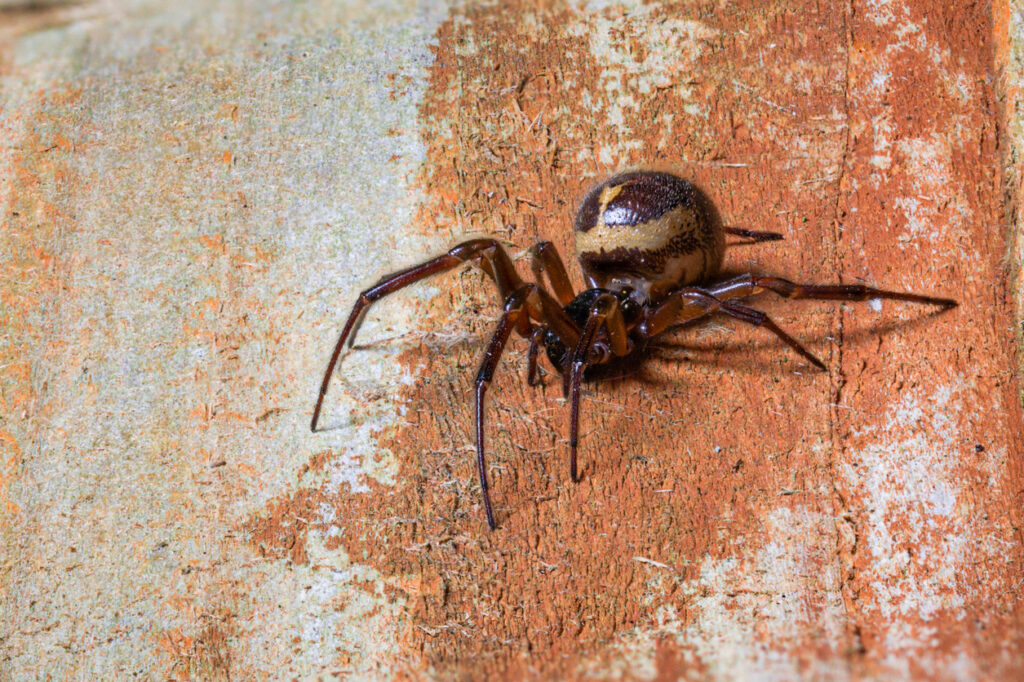
Jumping spiders, for example, are more about speed and agility than toxic takedowns. They’ll stalk and pounce like tiny hunters, using venom mostly to immobilise, not destroy. Then you’ve got web-builders who let their silk do the hard work, trapping prey until they’re ready for a nibble. These spiders don’t need heavy-duty venom because their food’s already stuck and struggling. Why waste energy when your web’s doing the heavy lifting?
4. Defensive venom packs a bigger punch.
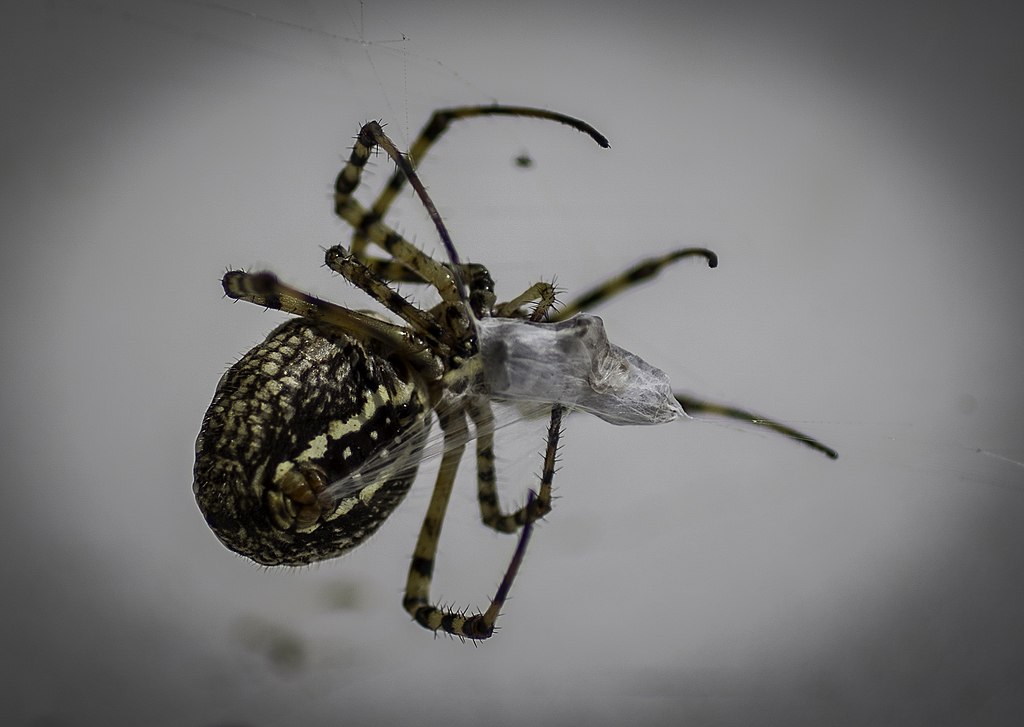
Some spiders developed extra-nasty venom not for hunting, but for protection. If you’re small and squishy and constantly at risk of being stomped or eaten, having venom that makes predators think twice is a pretty solid life strategy. This is especially true for species that live out in the open or don’t have great hiding spots. Strong venom becomes a survival tool, not just a way to score snacks. Basically, it’s their version of pepper spray.
5. Certain climates push venom to evolve faster.
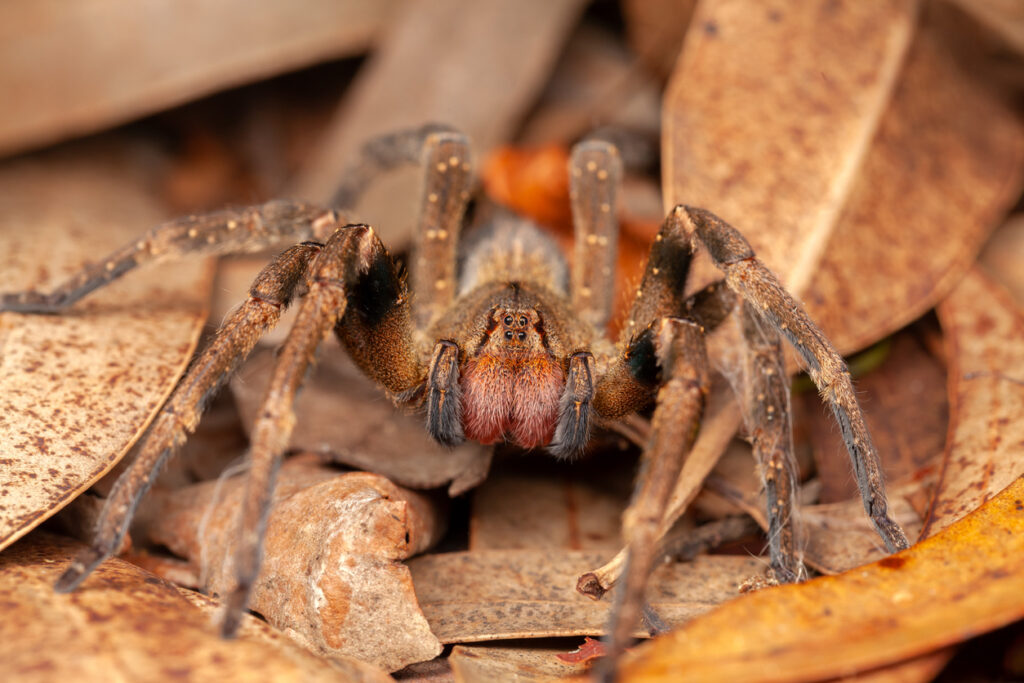
Spiders in tropical areas often have more venomous species. Why? Because biodiversity is off the charts. More insects, more predators, more competition. You’ve got to level up to stay in the game. When nature turns into an arms race, venom becomes one of the quickest ways for spiders to stay competitive. It’s like playing an intense video game where everyone’s constantly upgrading their gear just to survive another round.
6. Venom isn’t just about killing; it’s chemistry.
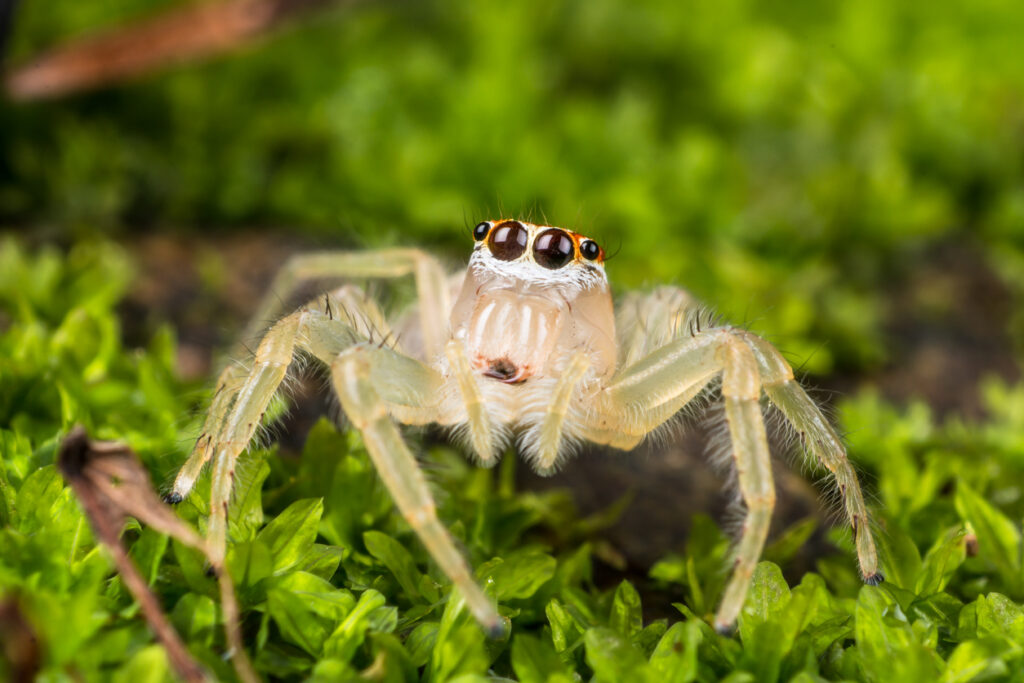
Spider venom isn’t one-size-fits-all. Some paralyse, some liquefy organs, some just stun. The chemical makeup varies depending on the spider’s needs and targets. So, even if two spiders both have venom, what that venom actually does can be totally different. It’s like comparing hot sauce to wasabi: they both burn, but not in the same way.
7. Some spiders specialise in tougher prey.
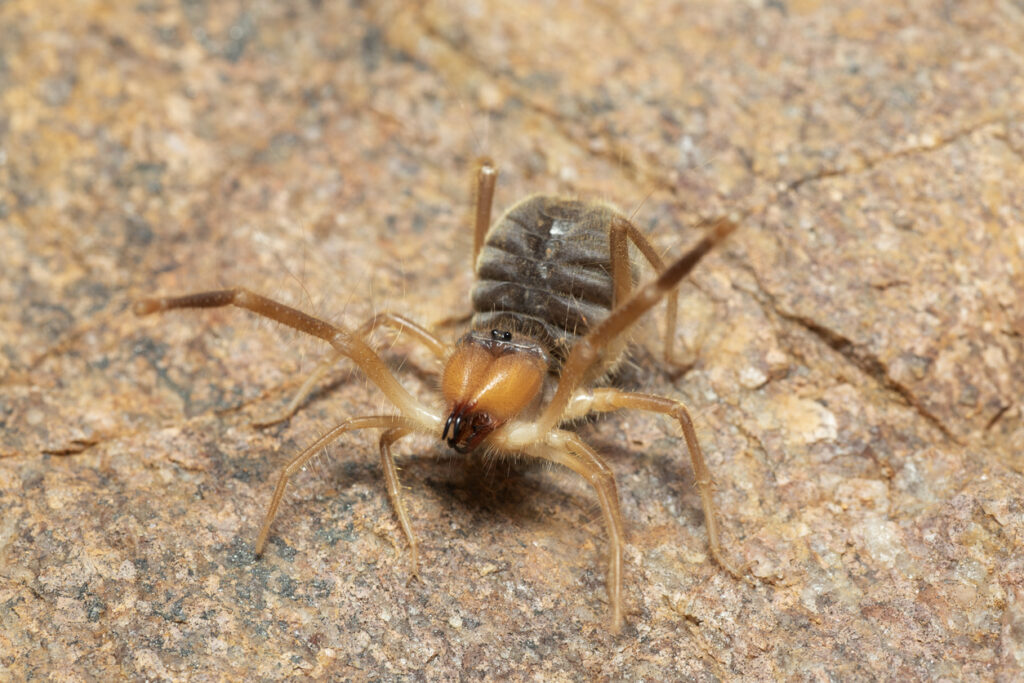
Certain spiders evolved to eat insects that are pretty hard to kill, like beetles with solid armour or ants that bite back. To survive that kind of buffet, their venom had to be stronger and more effective. If your lunch can fight back or call in reinforcements (looking at you, ants), your venom better end things quick. These spiders aren’t mean; they’re just playing on hard mode.
8. Baby spiders sometimes need extra help.
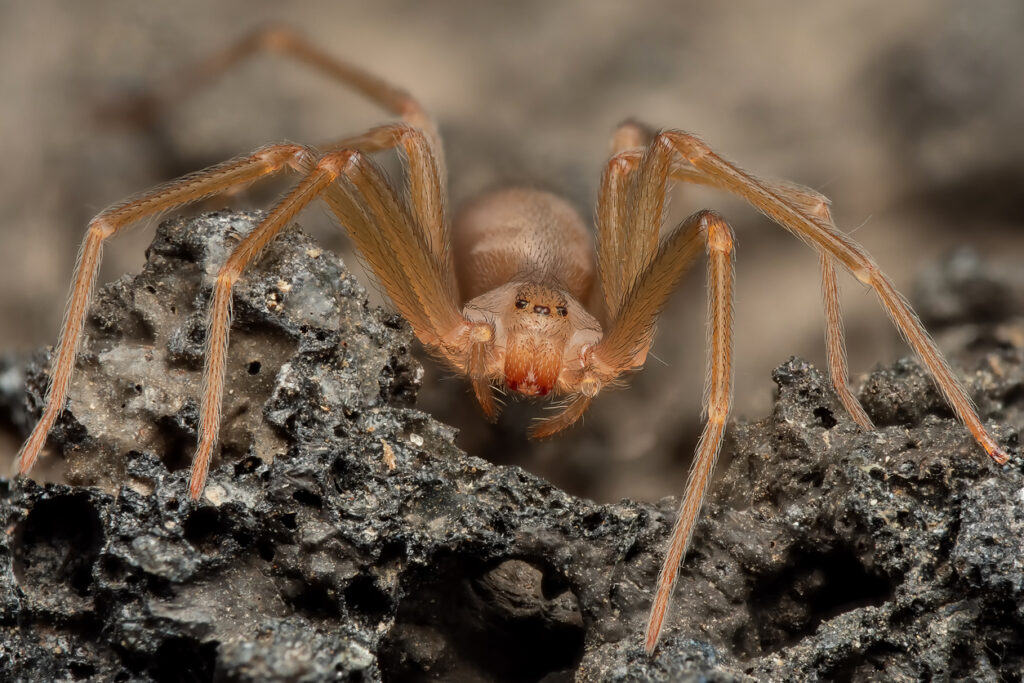
In some species, spiderlings hatch with venom that’s disproportionately strong for their size. It helps them hunt while they’re still too small to physically overpower anything. That doesn’t make them terrifying toddler spiders. It just means nature gave them a bit of a boost until they grow into their fangs. They’re like baby dragons with a built-in flamethrower, but for flies.
9. Stronger venom helps conserve energy.
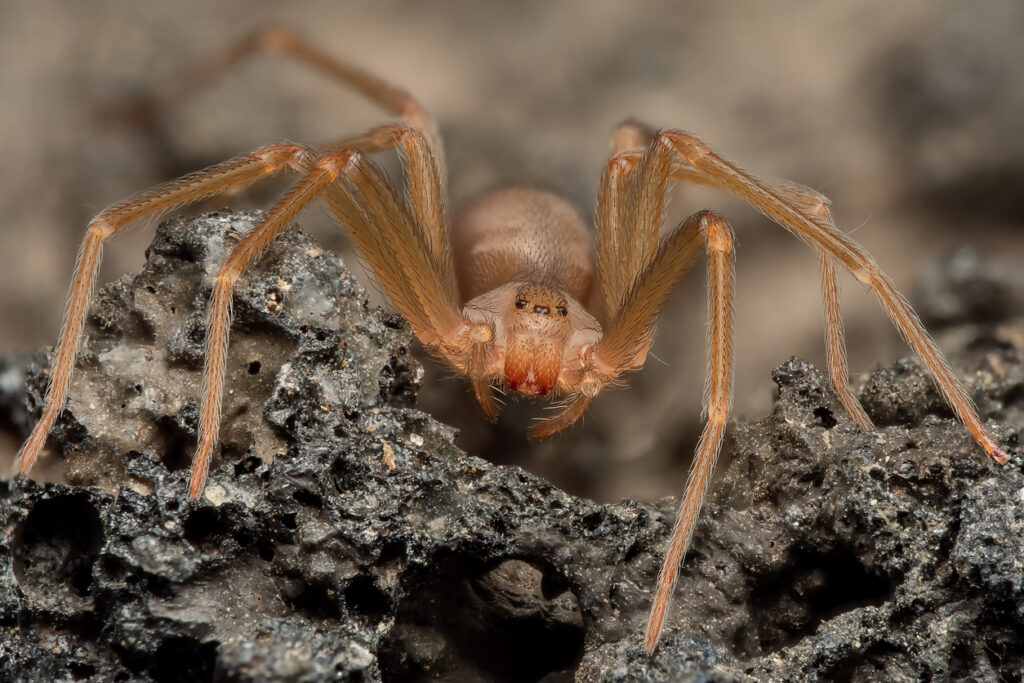
It’s not just about killing prey; it’s about doing it efficiently. Spiders with potent venom can subdue something fast, which means less fighting, less energy burned, and less risk of getting hurt in the process. Think of it as their version of fast food. Why wrestle with your meal for 15 minutes when you can just zap it and move on? Venomous spiders are just playing smart, not scary.
10. Some evolved to take down bigger threats.
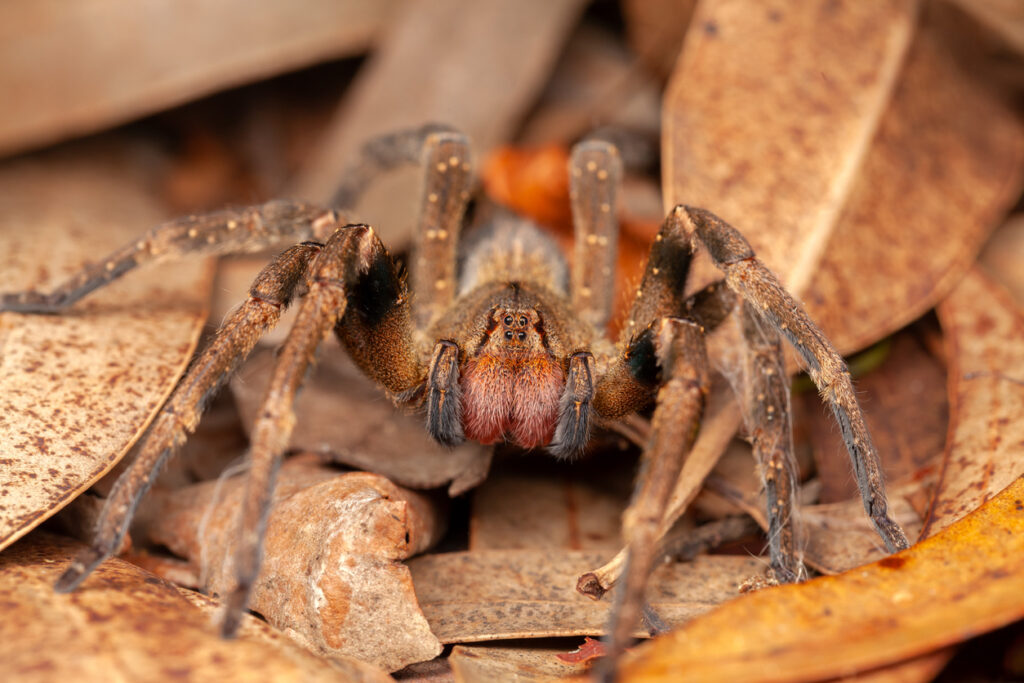
There are spiders that hunt lizards. Yes, actual lizards, plus frogs, and even birds in rare cases. Obviously, those spiders need venom that’s next-level to handle prey that’s way bigger than them. These species are rare, but they exist, and their venom isn’t about spooking humans. It’s about surviving in environments where even your dinner could turn the tables. Nature’s brutal like that.
11. Evolution doesn’t always go in one direction.
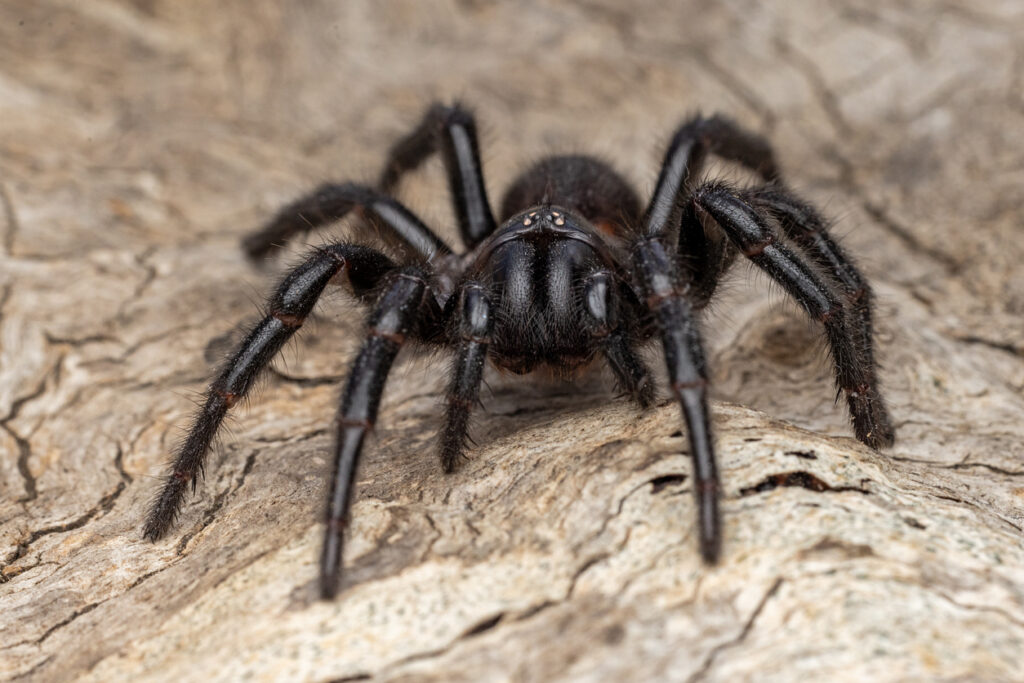
Some spiders used to be more venomous, but over time, their lifestyle changed, and they didn’t need it as much. So their venom weakened, or they stopped relying on it altogether. Evolution’s weird. It doesn’t always mean “more power.” Sometimes, it means simplifying. If a spider found a comfy niche where brute force wasn’t necessary, it adapted by chilling out. Literally.
12. Humans aren’t usually the target.
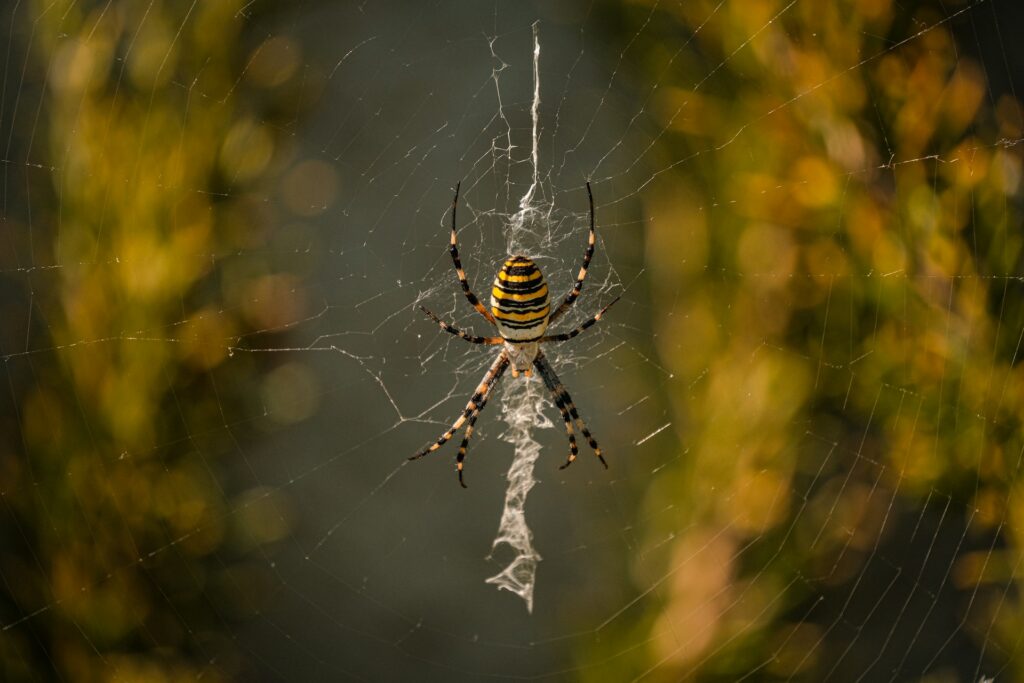
Most spider venom isn’t designed with people in mind. We’re way too big and not on the menu. So, even highly venomous spiders often don’t bother unless they feel cornered or threatened. It’s easy to forget, but spiders don’t want drama. The super venomous ones didn’t evolve to take down humans. They evolved to win in their own tiny world. We’re just massive bystanders in their webby little lives.
13. The scary ones get all the attention, but they’re rare.
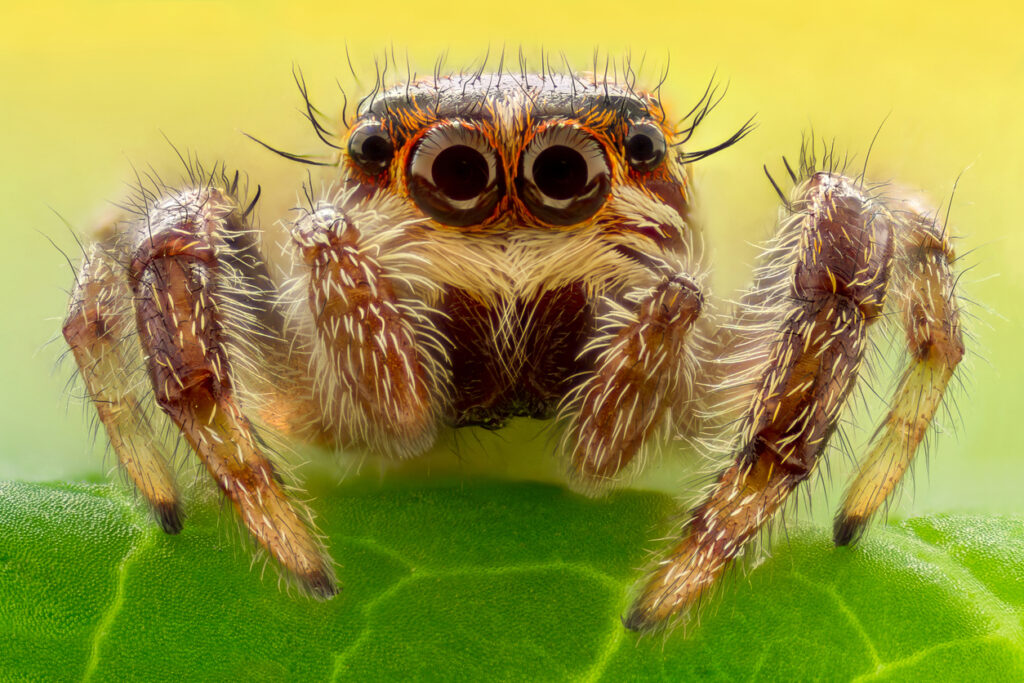
Of the thousands of spider species out there, only a tiny handful have venom that’s actually dangerous to humans. However, thanks to headlines and horror films, we fixate on the few that do. The reality is that most spiders are harmless bug-catchers who just want to mind their own business. So, next time you spot one in the corner of your room, maybe give it a nod instead of a shoe.