Your first instinct might be to reach for pesticide when you spot insects in your garden.
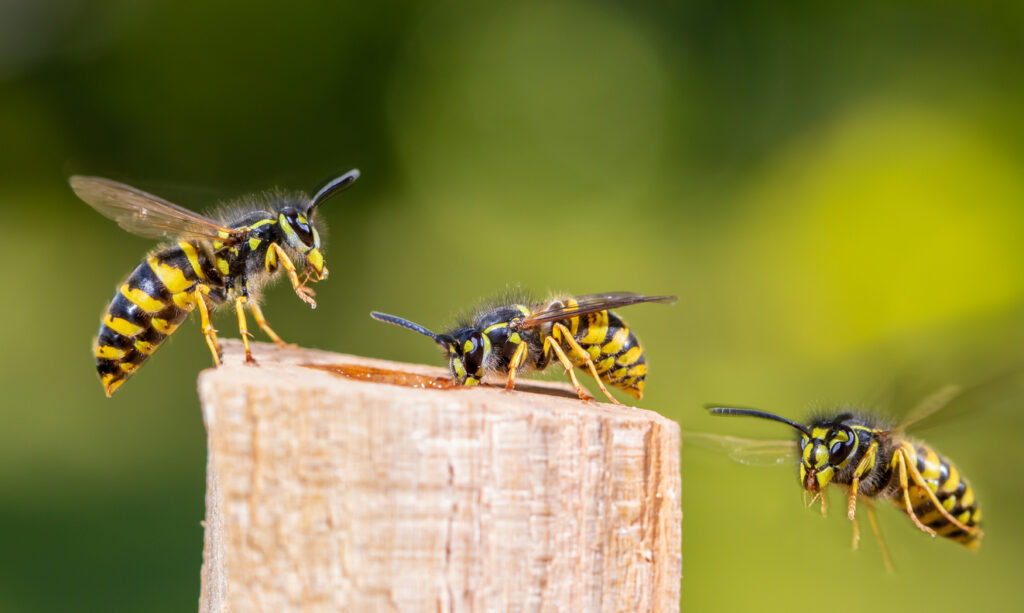
However, many creatures that look like troublemakers are actually working in your favour—and frankly, given how quickly we’re losing populations of many of these bugs, we should be encouraging them rather than trying to get rid of them. These misunderstood garden visitors often do more good than harm if you resist the urge to eliminate them immediately.
1. Wasps are brilliant pest controllers.
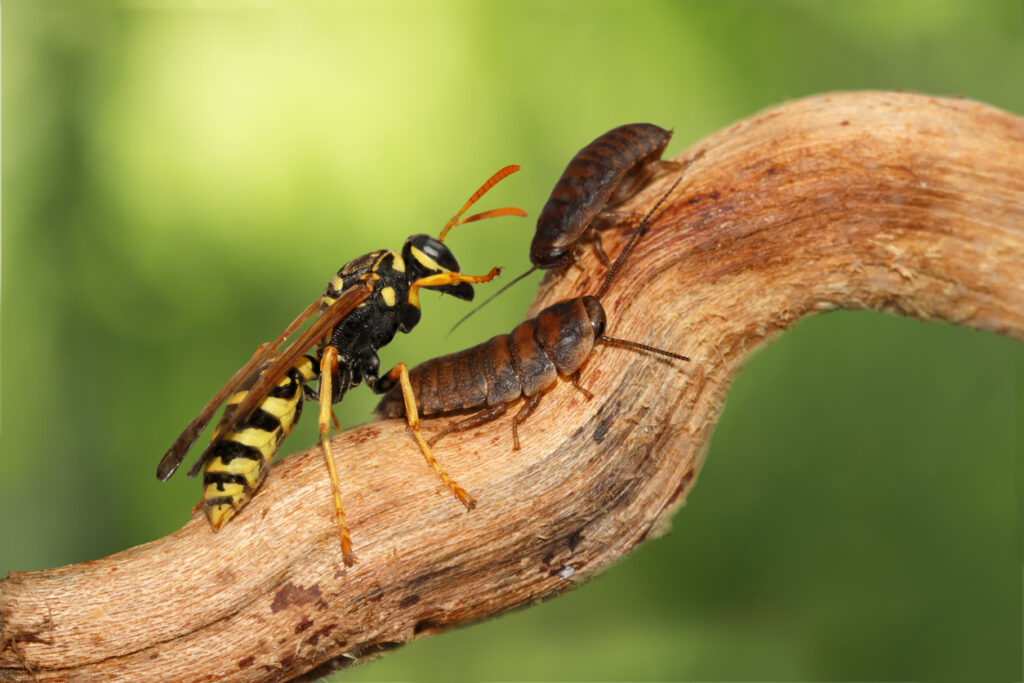
Most people see wasps and immediately think about painful stings, but these insects are incredible hunters that feed aphids, caterpillars, and other genuine garden pests to their young. A single wasp colony can eliminate thousands of harmful insects throughout the summer season.
Only remove wasp nests if they’re genuinely threatening people’s safety near doorways or play areas. Otherwise, appreciate them from a distance and let them get on with their pest control work while you focus on other garden tasks.
2. Spiders catch flying pests all day long.

Garden spiders might give you the creeps, but they’re working around the clock to catch flies, mosquitoes, gnats, and other annoying insects that would otherwise bother you when you’re gardening. Their webs are incredibly efficient traps that require no maintenance from you.
Resist the urge to sweep away spider webs unless they’re blocking pathways or doorways. Most UK spiders are completely harmless and provide free pest control that’s more effective than any spray you could buy.
3. Centipedes hunt slugs and other soil pests.
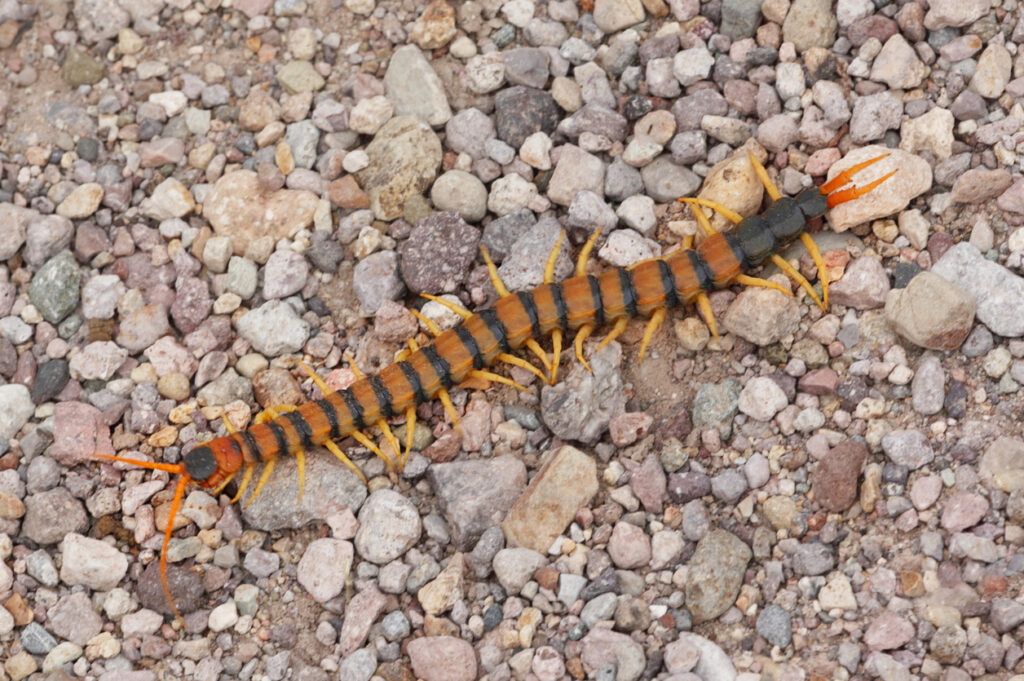
These fast-moving creatures with lots of legs might look scary, but they’re actually beneficial predators that hunt slugs, snails, and various larvae that damage plant roots. They’re particularly active at night, when many garden pests are doing their worst damage.
Leave centipedes alone when you find them under rocks or in compost piles. They’re helping solve slug problems naturally and won’t bother you or your plants if you don’t disturb them unnecessarily.
4. Ground beetles eat garden troublemakers.
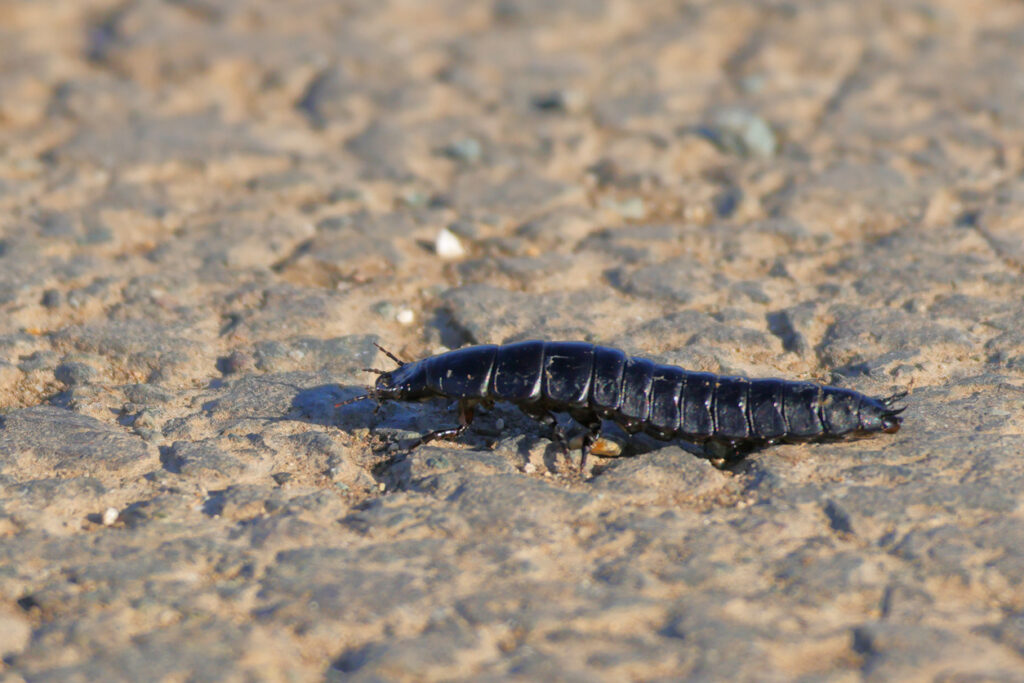
These dark, fast-moving beetles that scurry away when you lift stones or logs are actually beneficial predators that hunt slugs, caterpillars, and various larvae. They’re particularly good at controlling cutworms and other soil-dwelling pests that damage young plants.
Create habitat for ground beetles by leaving some areas of your garden slightly wild with logs, stones, or leaf litter where they can hide during the day. They’ll emerge at night to hunt pests as you sleep.
5. Earwigs aren’t just plant munchers.
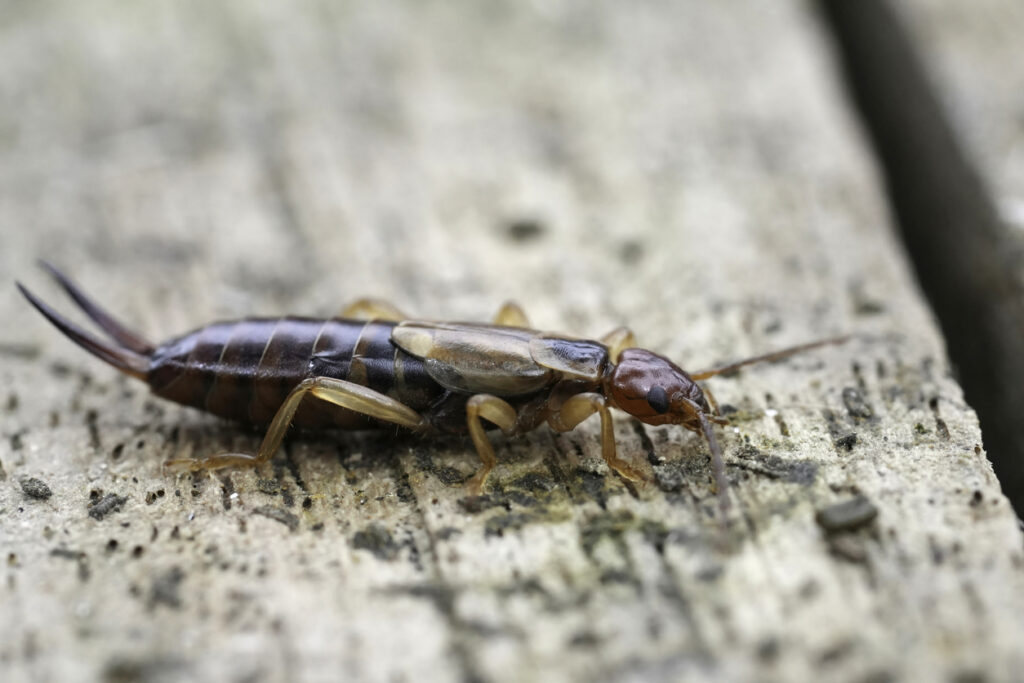
While earwigs do nibble on plants occasionally, they spend most of their time eating aphids, mites, and various insect eggs that would cause much more damage if left unchecked. They’re particularly useful for controlling pest populations in greenhouse environments.
Don’t automatically assume earwigs are causing plant damage you discover. Check for other culprits first, and consider that earwigs might actually be trying to solve the problem by eating the real troublemakers.
6. Hoverflies pollinate and their larvae eat aphids.
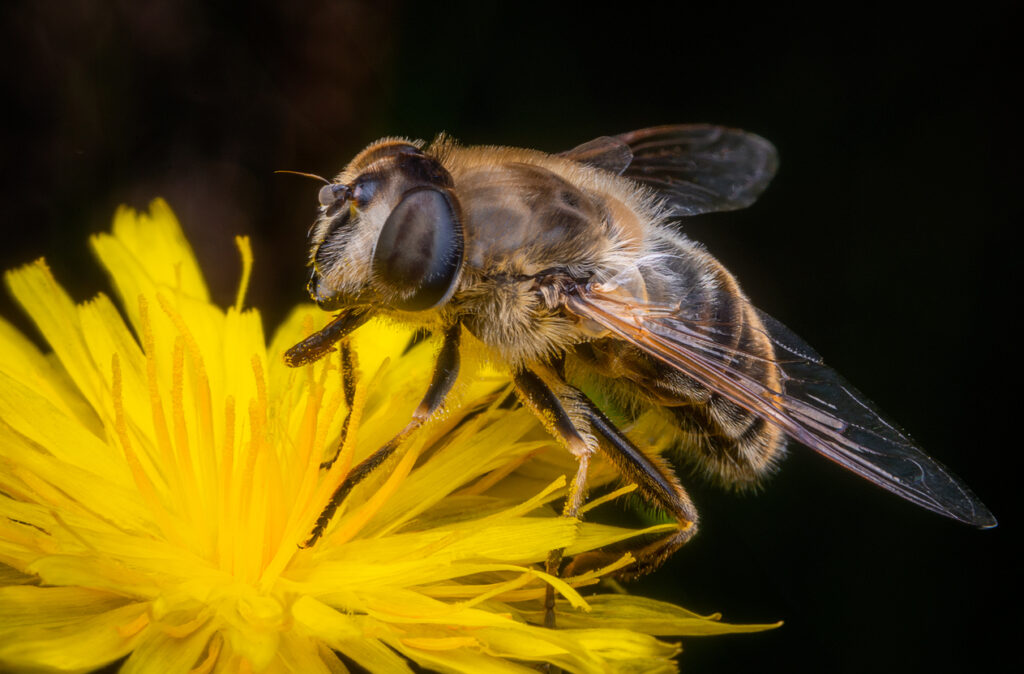
Adult hoverflies look like wasps, but are actually harmless flies that pollinate flowers while visiting for nectar. Their larvae are even more beneficial, consuming hundreds of aphids each during their development stage before becoming flying pollinators.
Plant flowers like calendula, fennel, and sweet alyssum to attract hoverflies to your garden. The adults will help with pollination, and their offspring tackle aphid problems naturally without any intervention from you.
7. Slow worms control garden slugs.
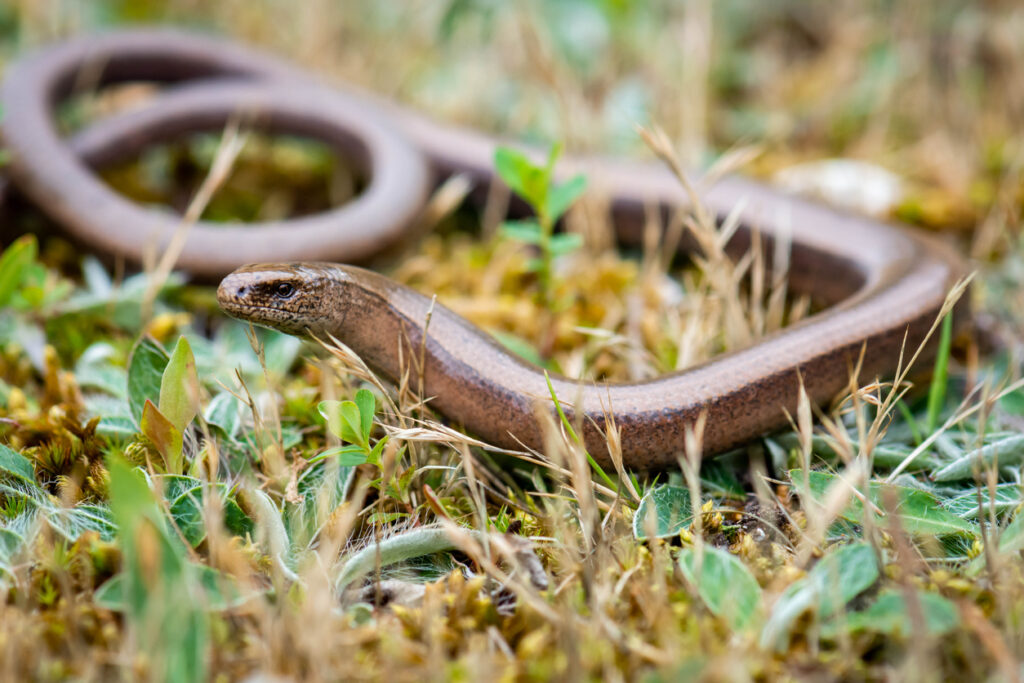
These legless lizards that look like small snakes are actually one of the best natural slug controls you can have in a British garden. They’re completely harmless to humans and pets, but absolutely devastating to slug and snail populations.
Create habitat for slow worms by maintaining areas of long grass, compost heaps, or log piles where they can shelter safely. If you find one, consider yourself lucky and leave it to get on with its slug-hunting duties.
8. Rove beetles are tiny pest eliminators.
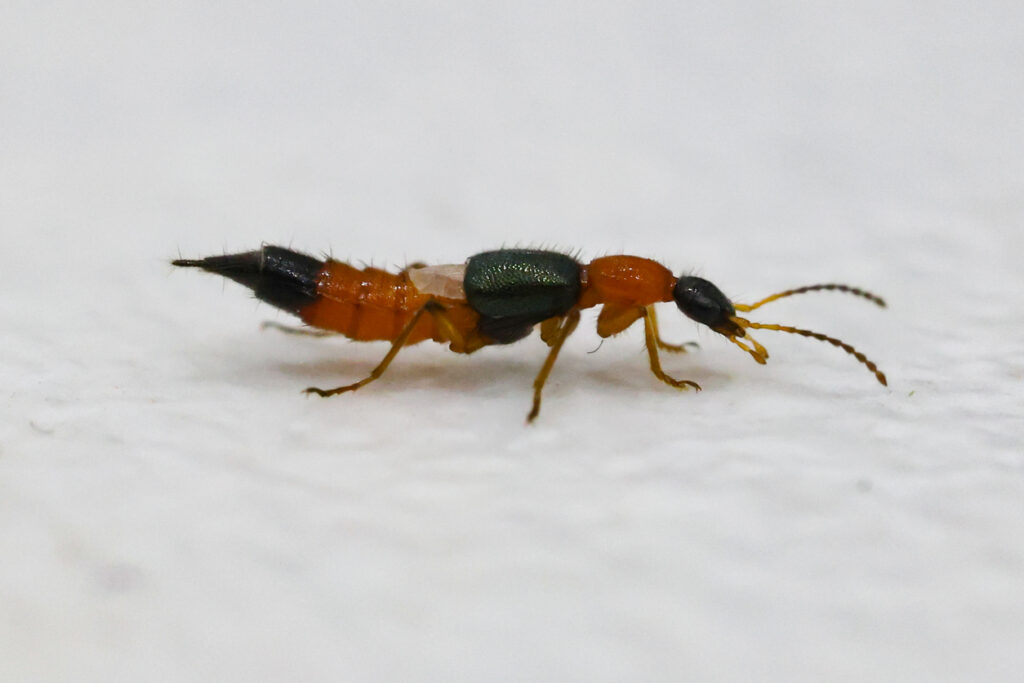
These small beetles with short wing covers might not look like much, but they’re voracious predators that eat aphids, thrips, mites, and various larvae. They’re particularly useful in vegetable gardens, where they help control pests that damage crops.
Encourage rove beetles by maintaining diverse plantings and avoiding broad-spectrum pesticides that would kill these beneficial insects along with the pests. They work best when left undisturbed to hunt naturally.
9. Lacewing larvae are aphid-eating machines.
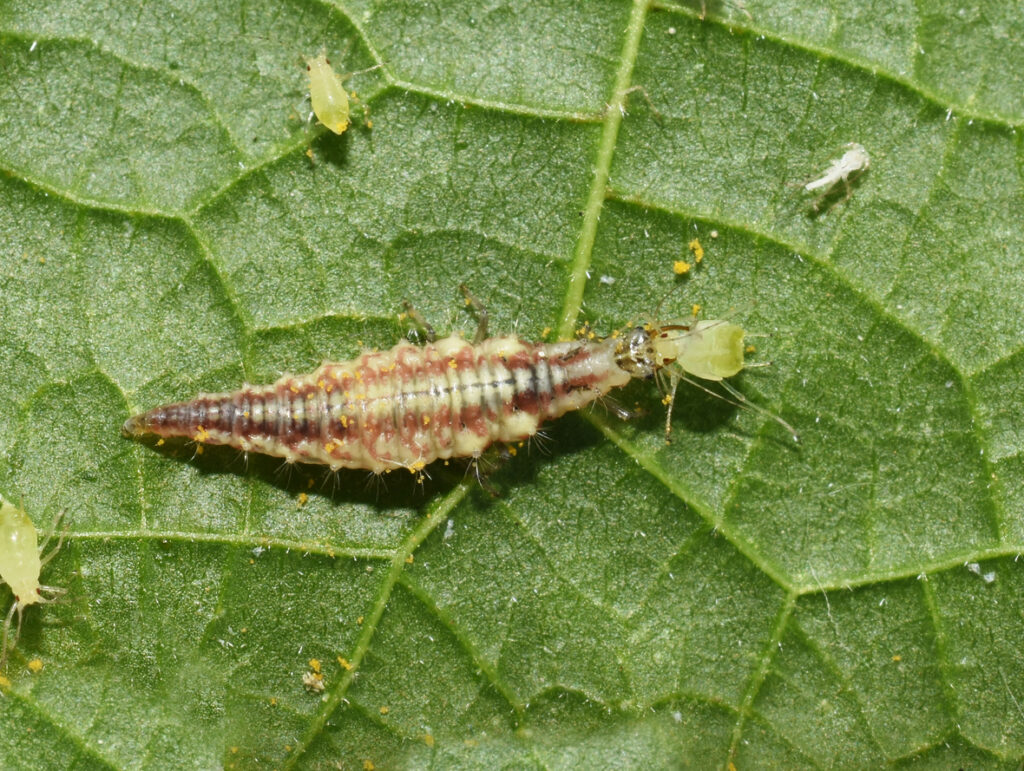
The delicate green lacewings you see flying around your garden lay eggs that hatch into fierce predators known as “aphid lions.” These larvae can consume hundreds of aphids, scale insects, and mites during their development period.
Plant nectar-rich flowers to attract adult lacewings, and avoid using pesticides that would kill their beneficial larvae. The adults need pollen and nectar, but their young handle the pest control duties.
10. Many caterpillars turn into beneficial pollinators.
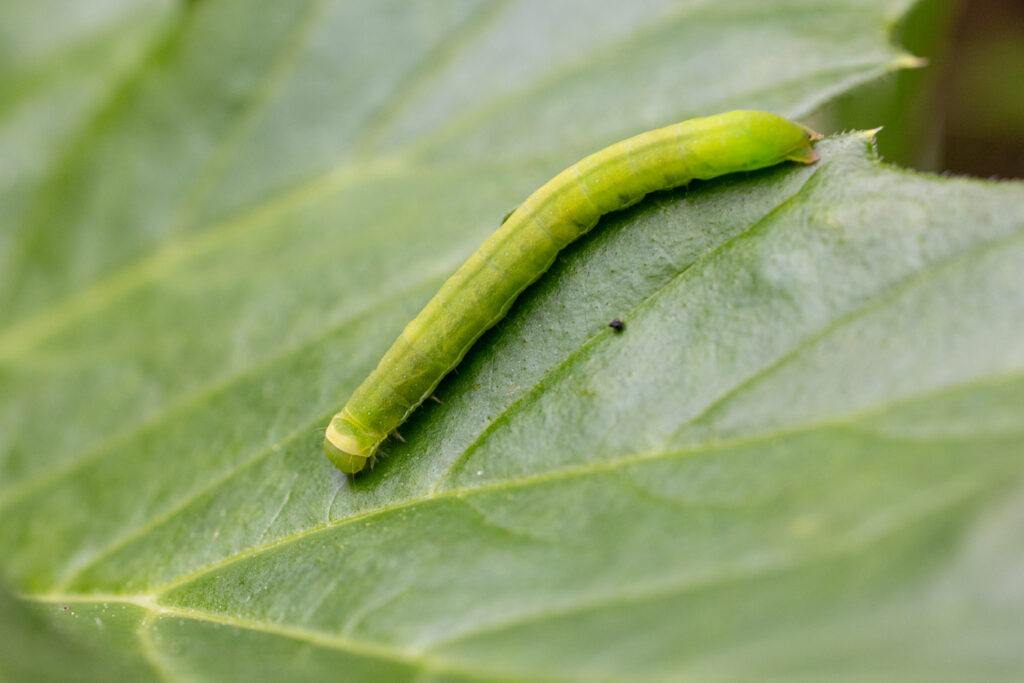
Not all caterpillars are cabbage white destructors—many become butterflies and moths that pollinate flowers and support garden ecosystems. Some even eat other insects rather than plants, making them beneficial predators in their larval stage.
Learn to identify which caterpillars will become beneficial adults before removing them. Unless they’re obviously damaging important crops, consider letting them complete their lifecycle to become pollinators that support your garden’s health.