If you’re constantly sneezing, dealing with itchy eyes, or feeling stuffy during certain times of year, your garden might be working against you.
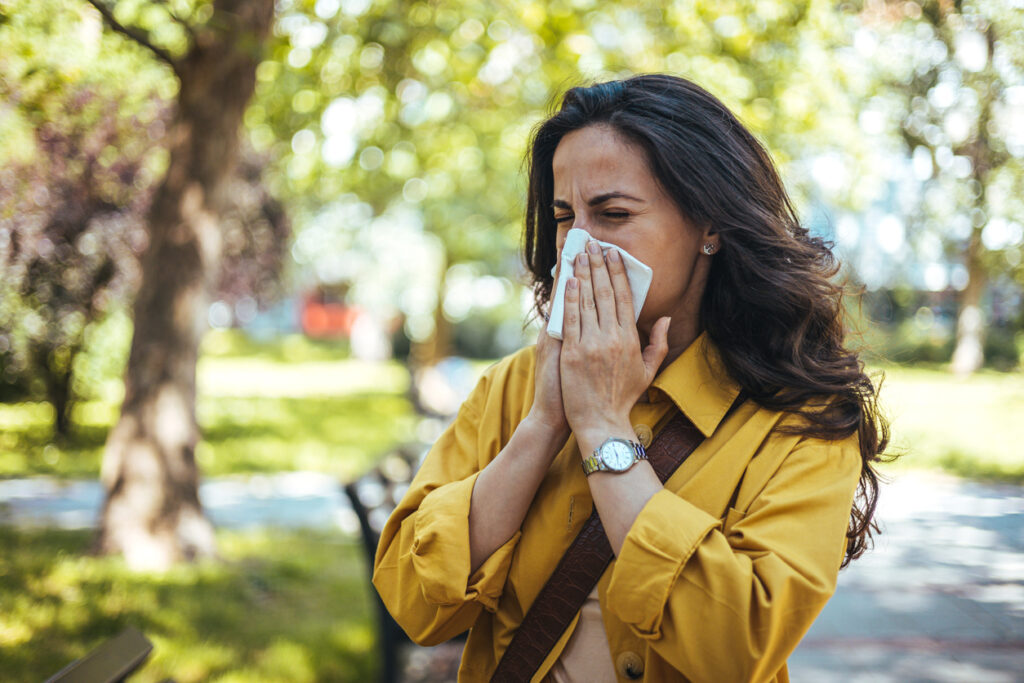
Sure, there’s not much you can do about high pollen count in the air or other environmental allergens, but you could be making things worse for yourself by putting the wrong things in your garden. These common plants produce massive amounts of pollen that can turn outdoor time into misery for anyone with seasonal allergies.
1. Ragweed is the ultimate allergy villain.

This innocent-looking weed produces more pollen than almost any other plant, and it’s incredibly lightweight so it travels for miles on the wind. A single ragweed plant can release over a billion pollen grains in one season, making late summer absolutely miserable for sensitive people.
Ragweed grows everywhere and spreads quickly, so pull it out as soon as you spot it in your garden. The best time to tackle it is early summer before it flowers, and always wear gloves because touching the plant can cause skin reactions too.
2. Grass lawns create pollen clouds when mowed.
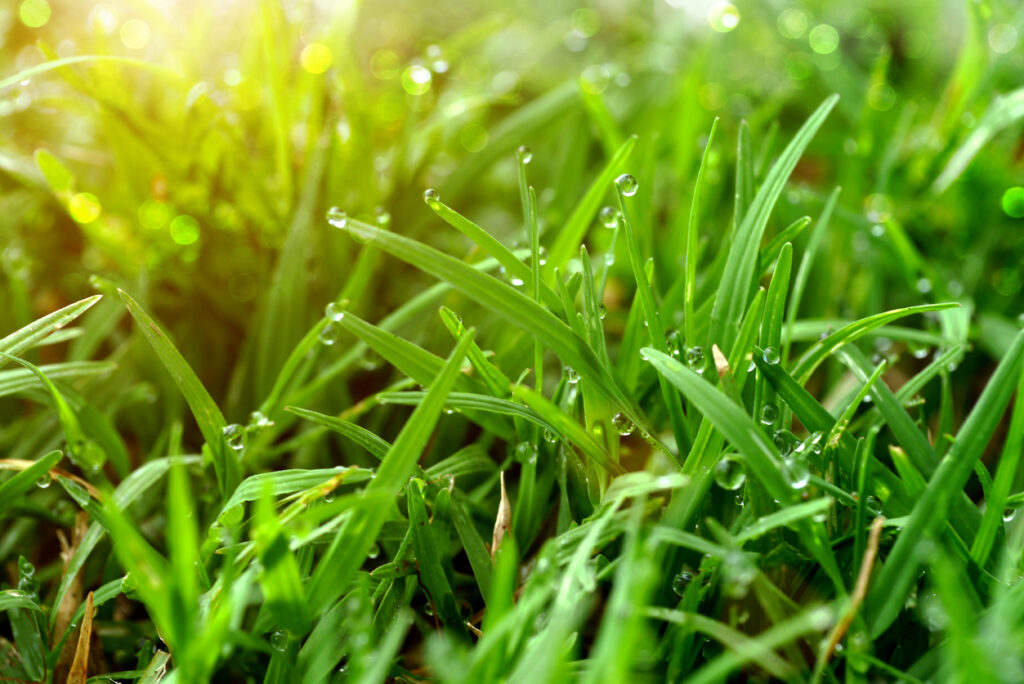
Common lawn grasses like Bermuda, Timothy, and Kentucky bluegrass are major allergy triggers, especially when they’re flowering in late spring and early summer. Mowing kicks up pollen clouds that can trigger reactions for hours after you’ve finished the job.
Consider replacing high-maintenance grass with ground covers like clover or moss, or at least avoid mowing during peak pollen times. If you must keep grass, hire someone else to mow it and stay indoors with windows closed for a few hours afterward.
3. Male trees dump pollen everywhere.
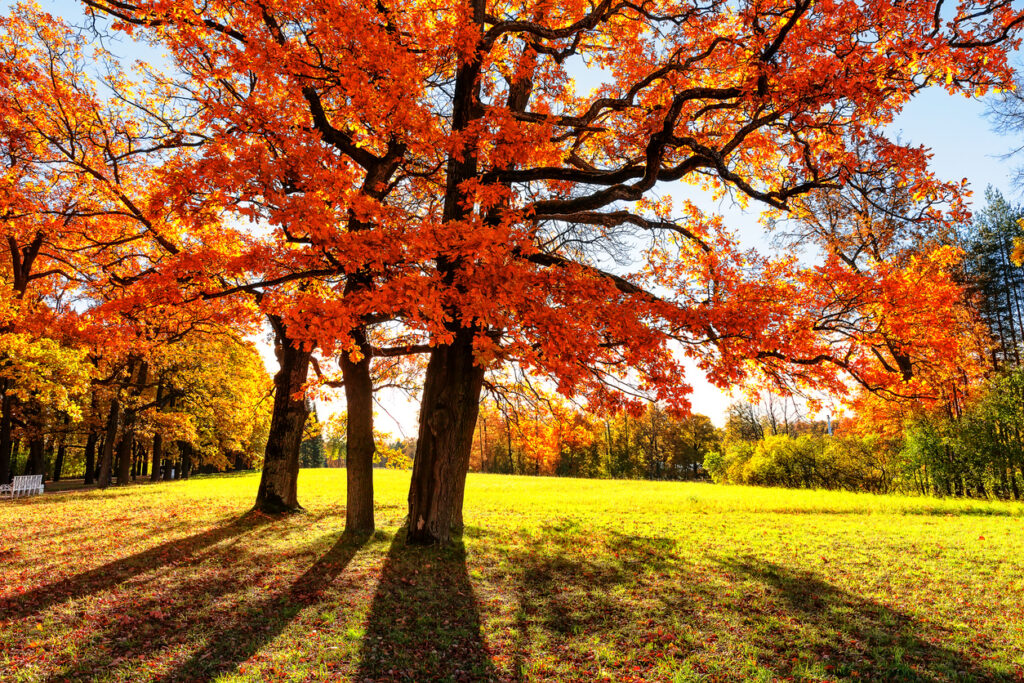
Many popular landscape trees like maple, oak, birch, and cedar are wind-pollinated, meaning they release enormous amounts of pollen into the air instead of relying on bees for pollination. Male trees are the worst offenders because they don’t produce fruit to balance out the pollen production.
Choose female trees when planting new ones, or stick with insect-pollinated varieties that keep their pollen contained. If you already have pollen-heavy trees, there’s not much you can do except avoid spending time outside during their peak flowering periods.
4. Privet hedges look nice, but cause havoc.
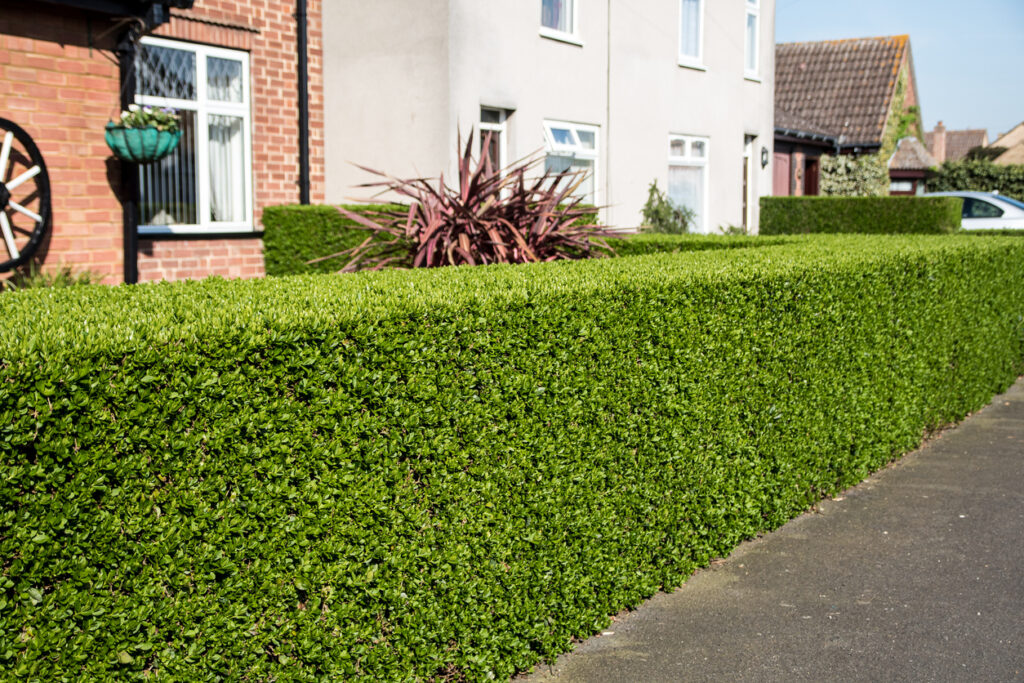
Privet is everywhere in suburban landscapes because it grows fast and makes neat hedges, but the strong-scented white flowers are major allergy triggers for many people. The smell alone can cause headaches and respiratory issues even before pollen becomes a factor.
Replace privet hedges with less allergenic alternatives like boxwood or holly, which don’t produce the same overwhelming scent and pollen load. If you’re stuck with existing privet, trim it before it flowers to reduce the impact.
5. Mulberry trees are pollen powerhouses.
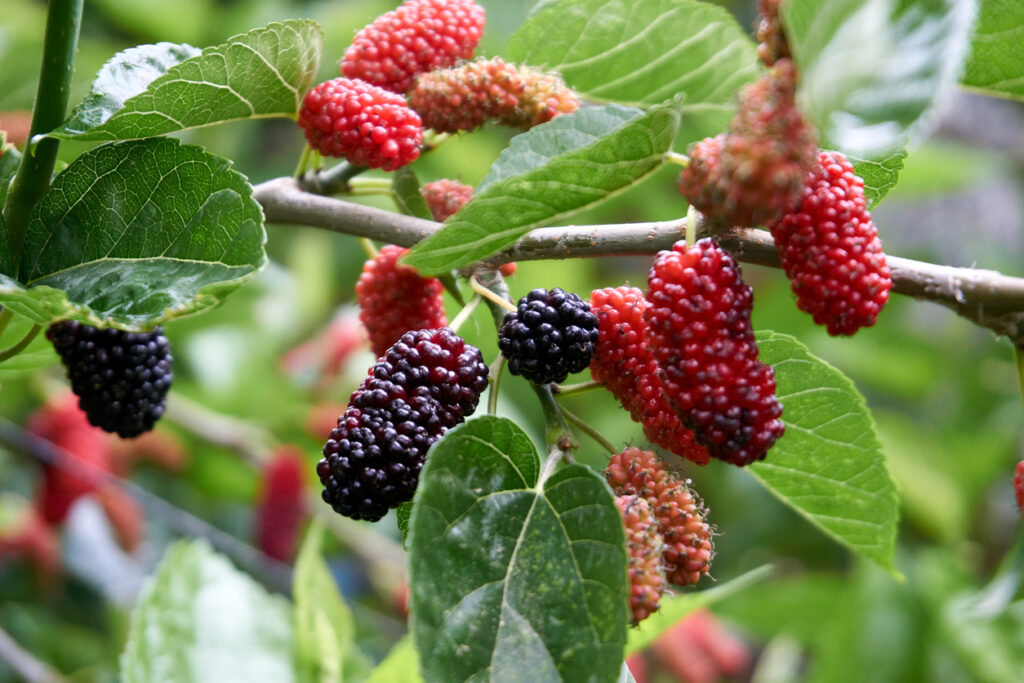
These fast-growing trees were popular in landscaping for decades, but they’re now banned in many cities because of their incredible pollen production. The male trees can coat everything nearby in yellow dust that triggers severe reactions in sensitive people.
Avoid planting mulberry trees and consider removing existing ones if they’re causing problems. The mess and allergy issues usually outweigh any benefits these trees might provide, especially in residential areas where people spend time outdoors.
6. Juniper shrubs look harmless but aren’t.
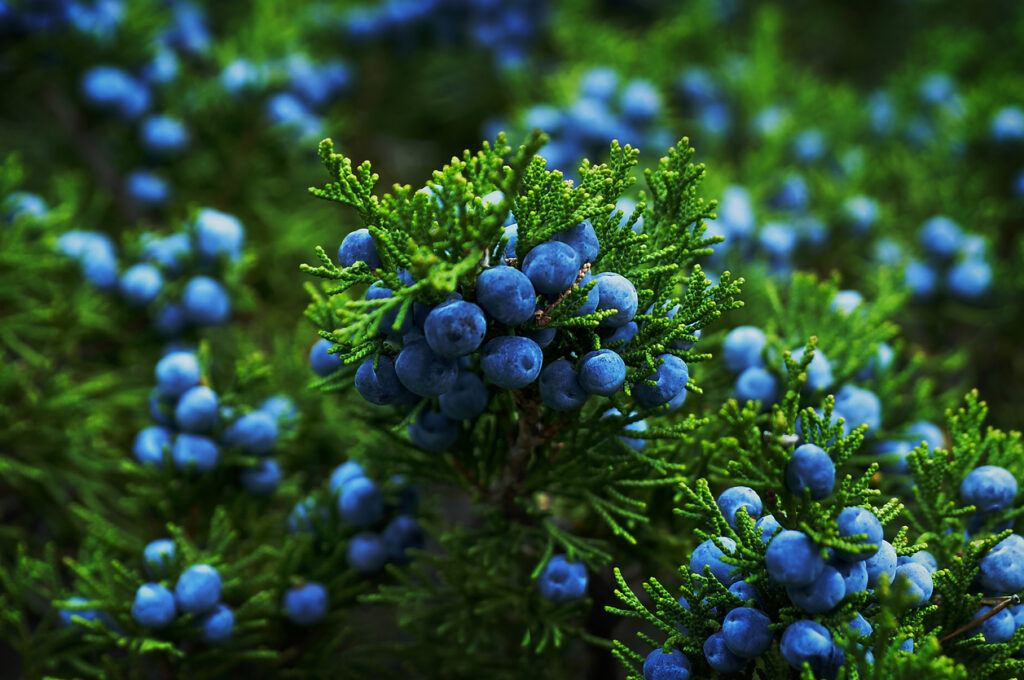
These evergreen shrubs are common in xeriscaping and low-maintenance gardens, but they produce significant amounts of pollen that can trigger year-round allergies in warm climates. The pollen is particularly fine and travels easily on air currents.
If you love the look of evergreens, choose varieties like pine or spruce that produce less problematic pollen. Existing junipers can be managed by keeping them trimmed before they release pollen, typically in late winter or early spring.
7. Chrysanthemums cause skin and breathing problems.
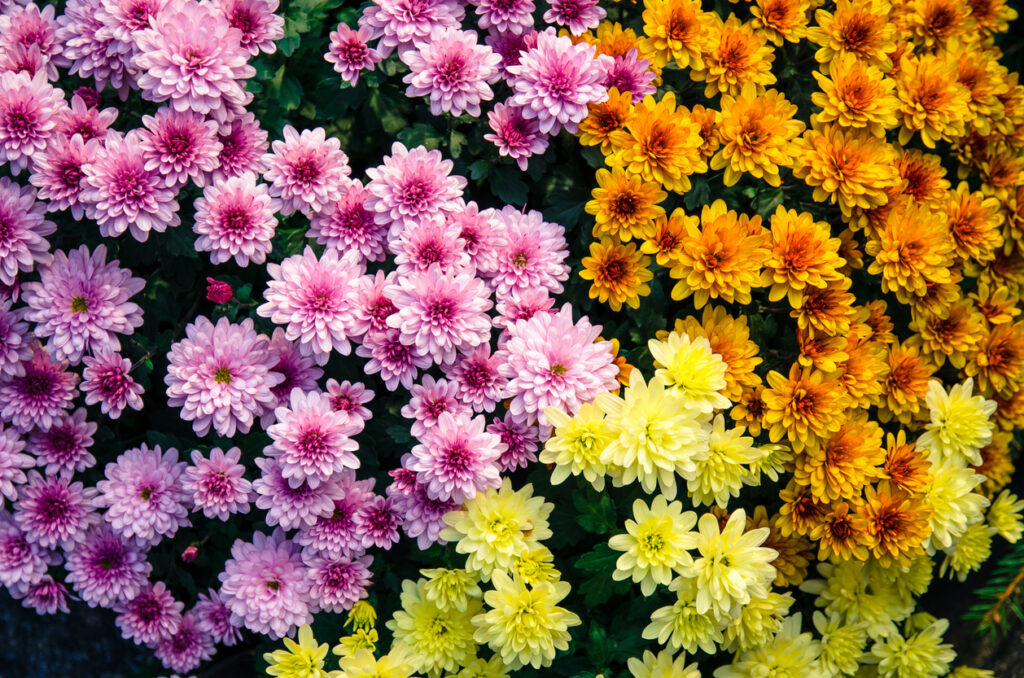
These popular fall flowers contain natural pesticides that can cause contact dermatitis and respiratory issues, especially for people already dealing with seasonal allergies. The strong scent and pollen add to the problem during peak allergy season.
Stick with less reactive fall flowers like asters or pansies for autumn colour. If you must have mums, wear gloves when handling them and avoid burying your face in the blooms, no matter how pretty they look.
8. Sunflowers produce surprising amounts of pollen.
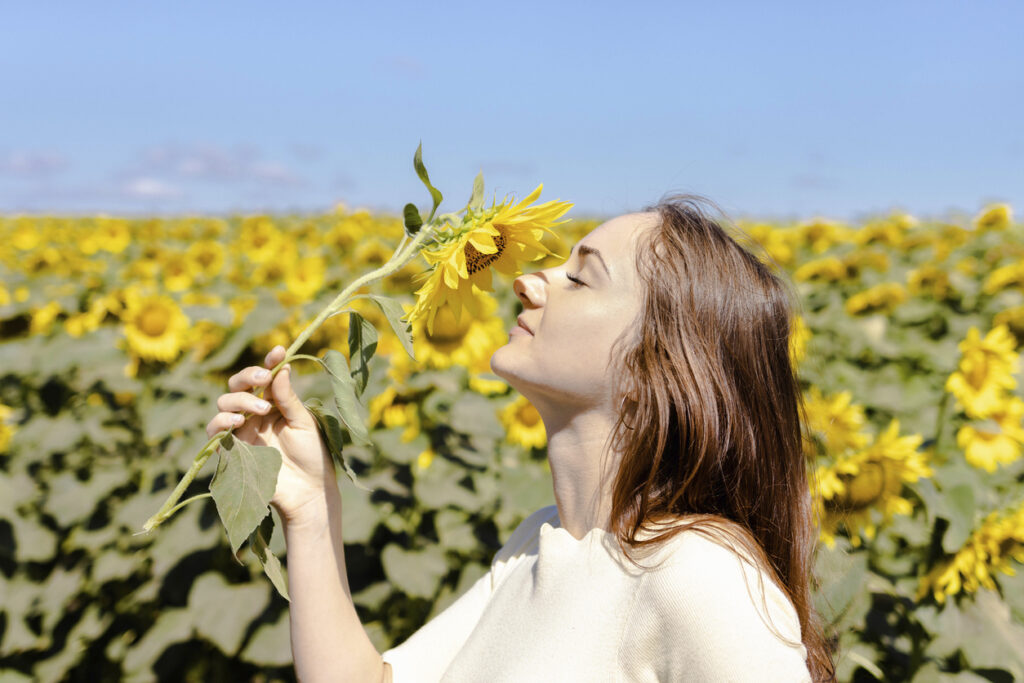
While sunflowers are beautiful and attract beneficial insects, they’re also significant pollen producers that can trigger reactions in sensitive people. The large flower heads contain thousands of tiny flowers, each producing pollen throughout the blooming period.
Enjoy sunflowers from a distance if you’re allergy-prone, and avoid cutting fresh flowers for indoor arrangements. If you grow them, plant them downwind from areas where you spend time outdoors, so prevailing winds carry pollen away from you.
9. Artemisia plants are deceptively problematic.
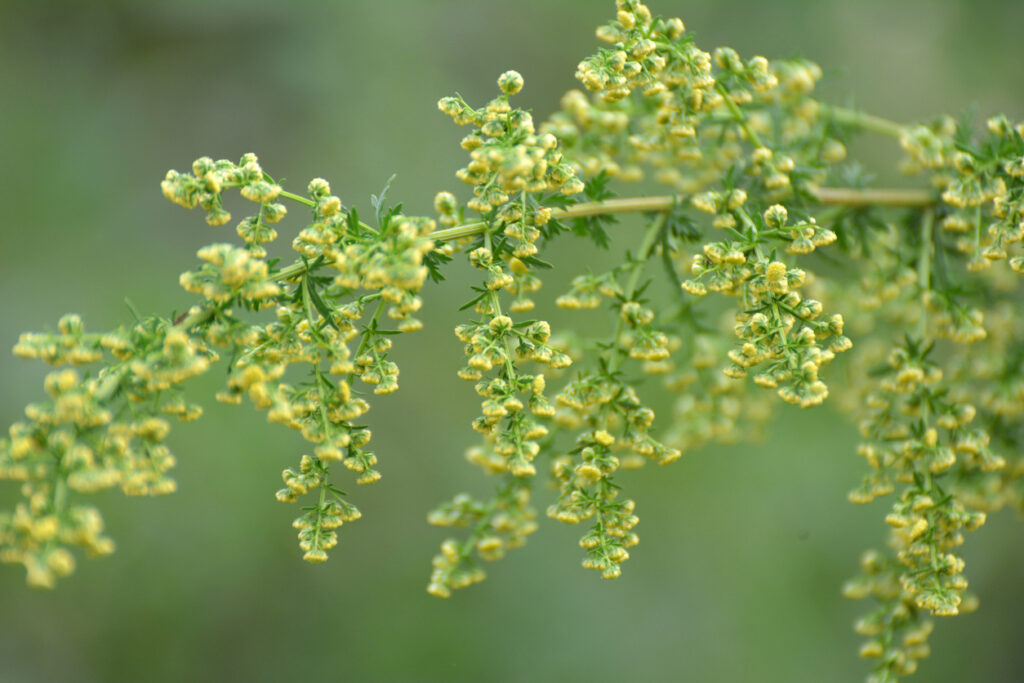
Also known as wormwood or sagebrush, these silver-leaved plants are drought-tolerant and popular in native plant gardens, but they’re closely related to ragweed and cause similar allergy problems. The pollen is particularly potent and can trigger severe reactions.
Choose other drought-tolerant plants like lavender or rosemary that won’t cause allergy issues. If you already have artemisia, consider removing it or at least cutting off flower heads before they release pollen in late summer.
10. Amaranth flowers create late-season misery.
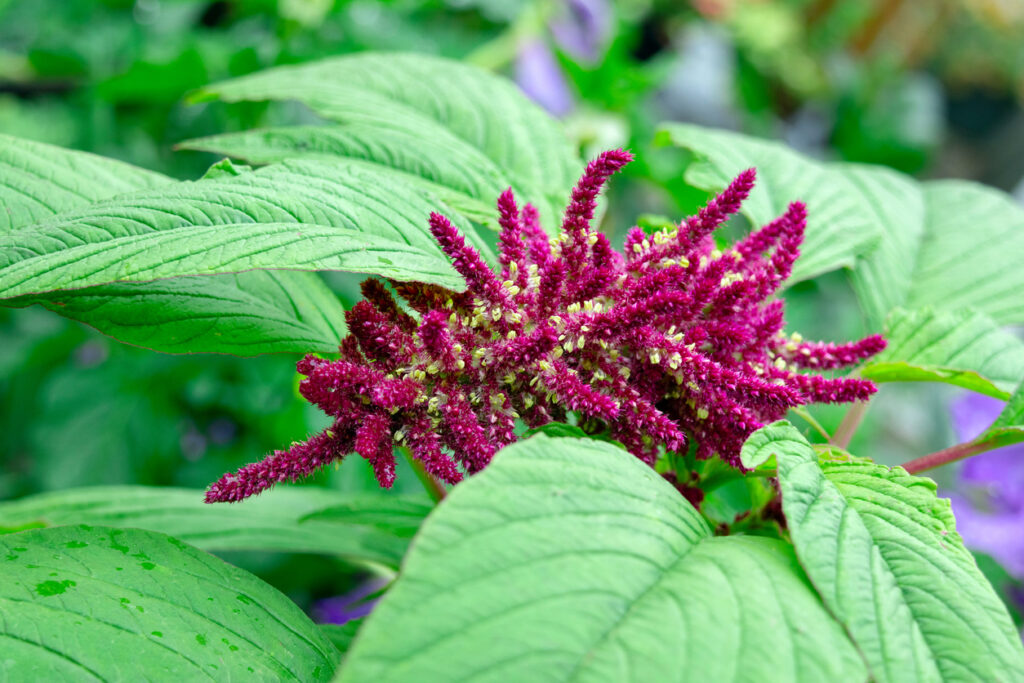
These colourful annual flowers bloom heavily in late summer and fall, right when ragweed season is making everyone miserable. The combination of amaranth pollen with other seasonal allergens can push sensitive people over the edge into serious discomfort.
Replace amaranth with less allergenic fall bloomers like marigolds or zinnias, which produce heavier pollen that doesn’t travel as easily. If you love the dramatic colours, stick with varieties bred for flower arrangements rather than seed production.